Artwork
The Paseo de las Delicias
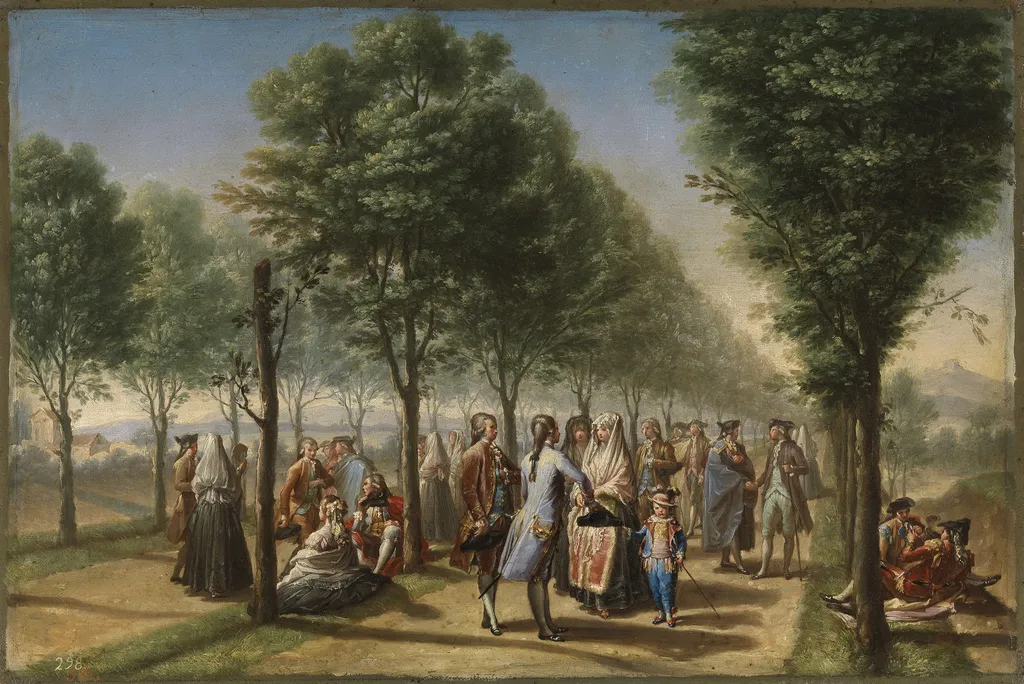
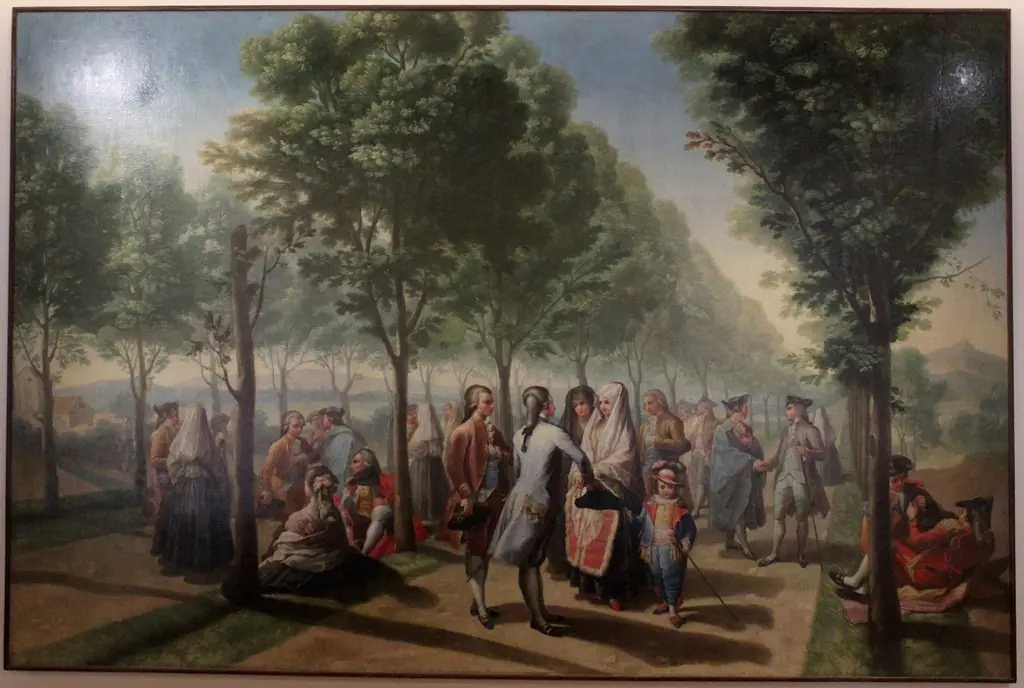
The Paseo de las Delicias is an oil painting by the Rococo painting artist Francisco Bayeu. It dates from 1792 and is held in the collection of the Museo del Prado.
About this work
Overview
Painted in 1792 by Francisco Bayeu, *The Paseo de las Delicias* is an oil-on-canvas work depicting a public promenade in Madrid. Though Bayeu is better known for monumental frescoes, this piece offers a quiet, intimate glimpse into urban leisure. It resides in the Museo del Prado’s collection, reflecting the artist’s engagement with everyday life beyond religious or historical themes.
Subject & Meaning
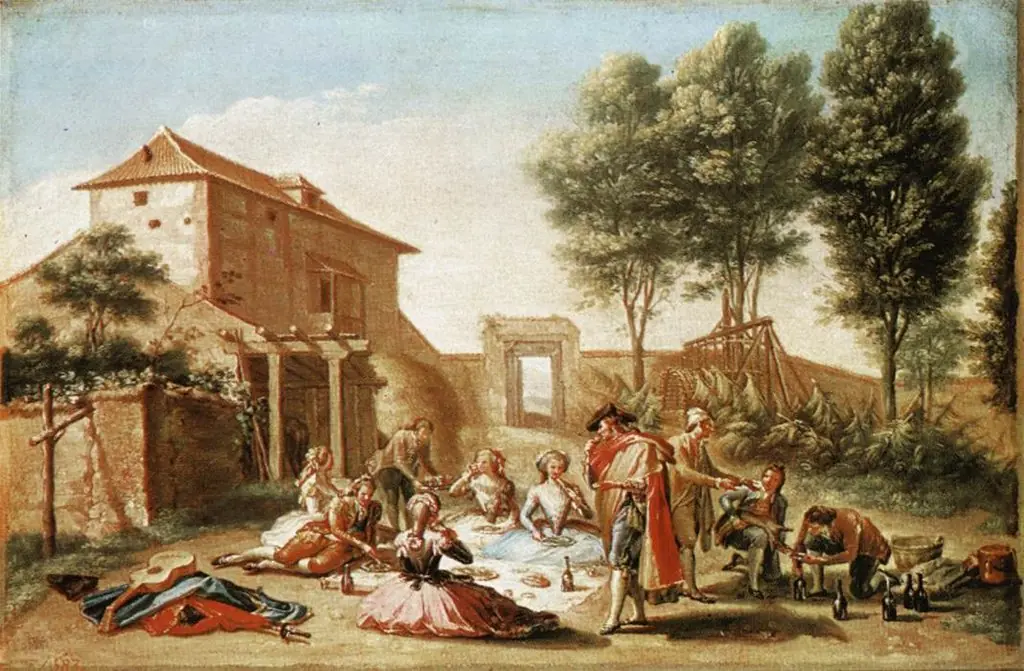
The scene captures a group of 18th-century Madrid residents strolling and resting in a tree-lined park. Figures are arranged in casual groupings—some seated, others standing—engaged in quiet conversation or solitary contemplation. The absence of narrative drama suggests an emphasis on social harmony and the emerging cultural value of public recreation in late Enlightenment Spain.
Technique & Style
Bayeu employed soft brushwork and a restrained palette of warm greens, blues, and earth tones to evoke a tranquil atmosphere.
Bayeu employed soft brushwork and a restrained palette of warm greens, blues, and earth tones to evoke a tranquil atmosphere. The composition avoids theatricality, favoring naturalistic placement of figures and gentle atmospheric perspective. While rooted in Neoclassical clarity, the painting’s lightness and attention to leisure reflect subtle Rococo influences, particularly in its intimate scale and mood.
History & Provenance
Commissioned during Bayeu’s tenure at the Spanish court, the painting was likely intended as a decorative piece for royal or aristocratic interiors. It entered the Museo del Prado’s holdings in the 19th century following the secularization of church and royal collections. Its survival as a relatively modest work among Bayeu’s grander commissions offers insight into his broader artistic range.
Context
In late 18th-century Spain, public parks like the Paseo de las Delicias became spaces where social boundaries blurred slightly, allowing different classes to mingle under regulated urban design. This painting aligns with broader European trends in depicting civilian life, influenced by French and Italian precedents, yet retains a distinctly Spanish sensibility in its understated elegance and restrained emotion.
Legacy
Though not among Bayeu’s most celebrated works, *The Paseo de las Delicias* stands as a rare example of his engagement with secular, civilian subjects. It contributes to the understanding of how Spanish artists adapted international styles to depict local customs, bridging the gap between courtly art and the emerging interest in everyday life that would later flourish in 19th-century Spanish painting.
Own this work as a print
Artist & collection
Artist
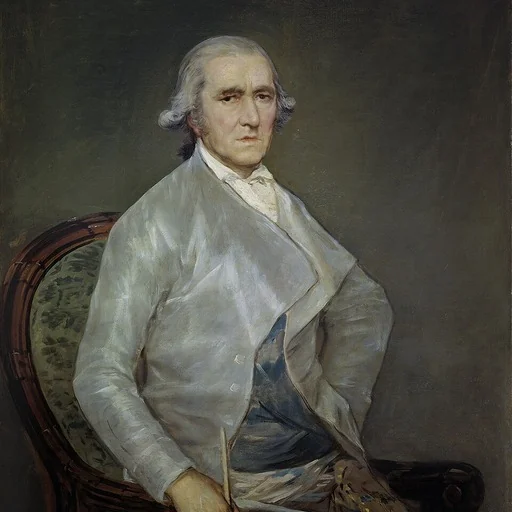
Francisco Bayeu y Subías (9 March 1734 – 4 August 1795) was a Spanish painter who painted in the Neoclassic style and specialised in religious and historical themes.

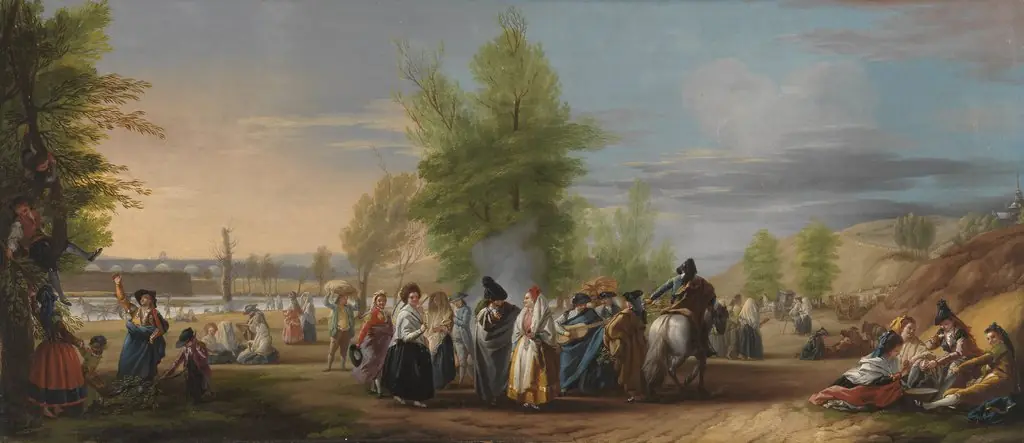 The Meadow of San Isidro
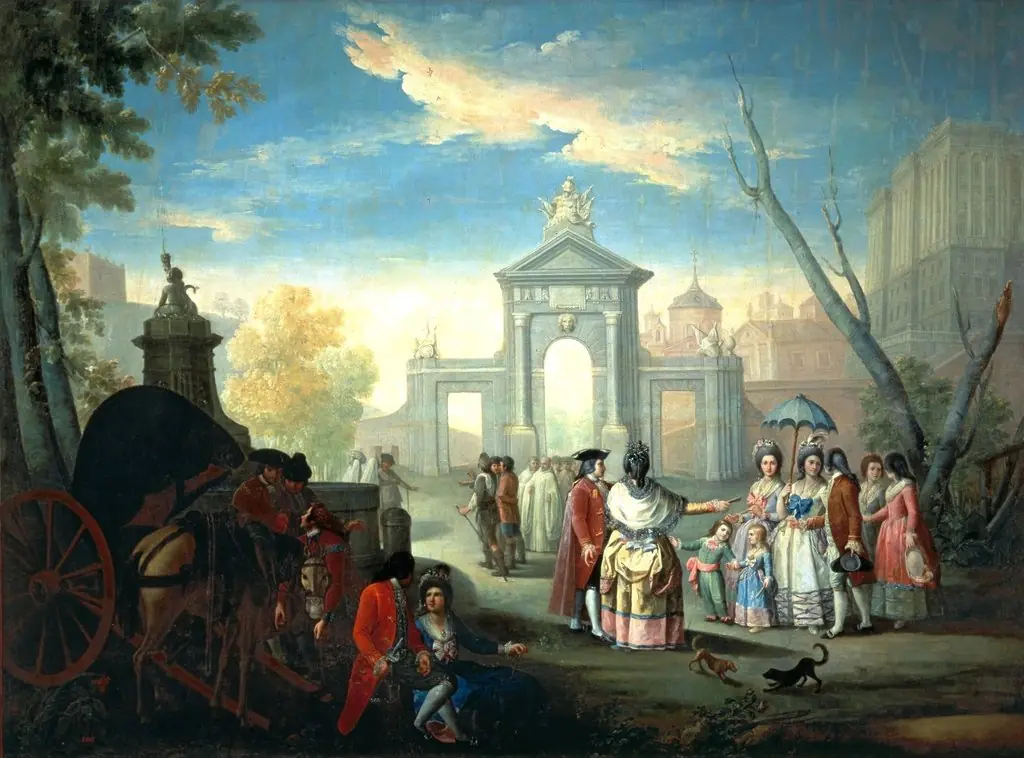 La Puerta de San Vicente, de Ginés Andrés de Aguirre
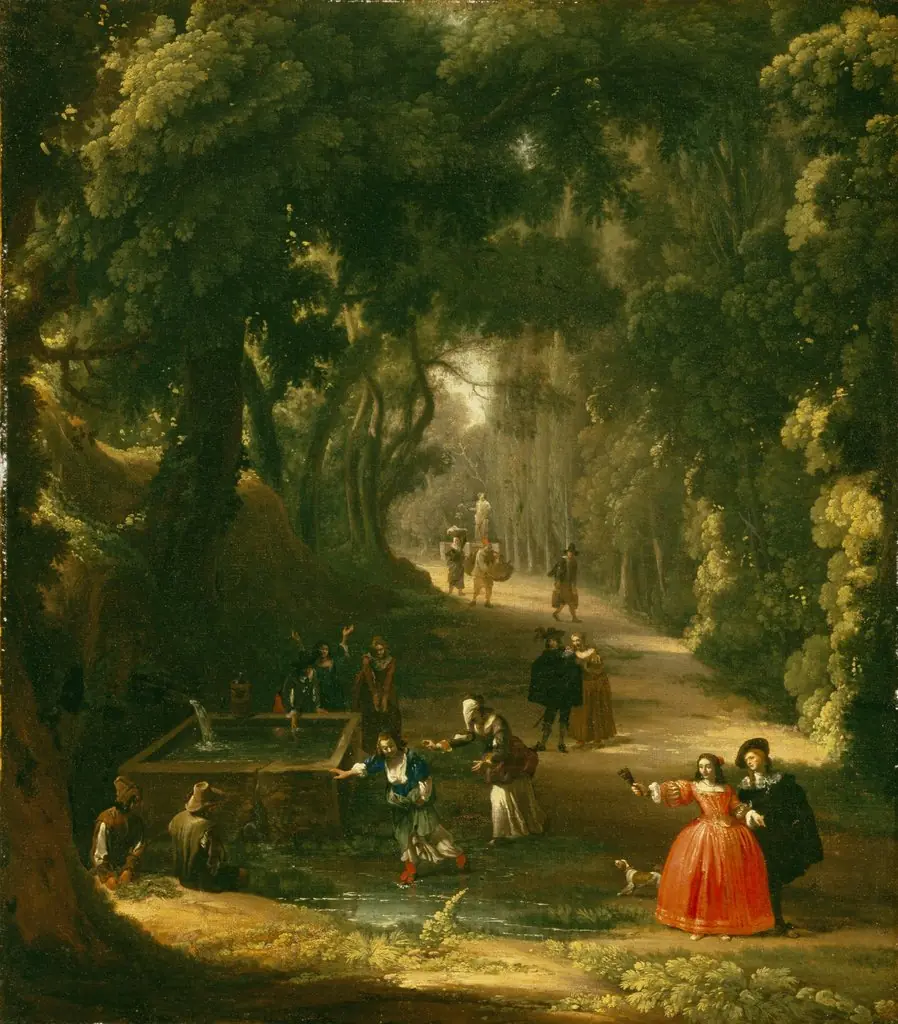 Blindman's Buff
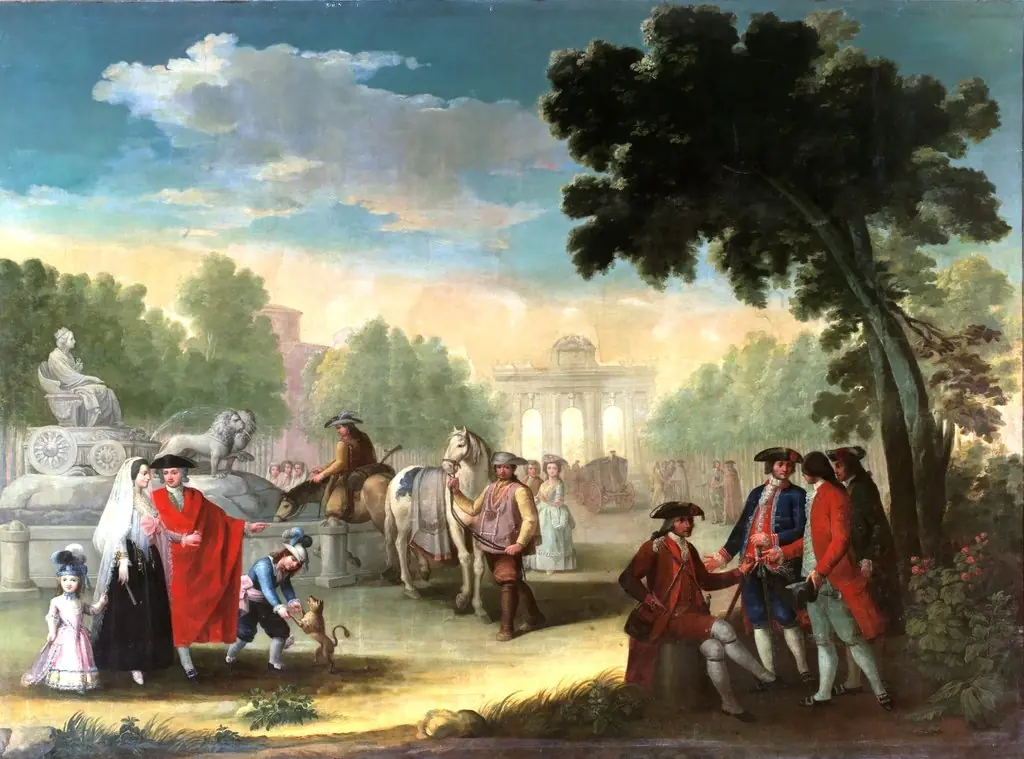 La Puerta de Alcalá vista desde La Cibeles
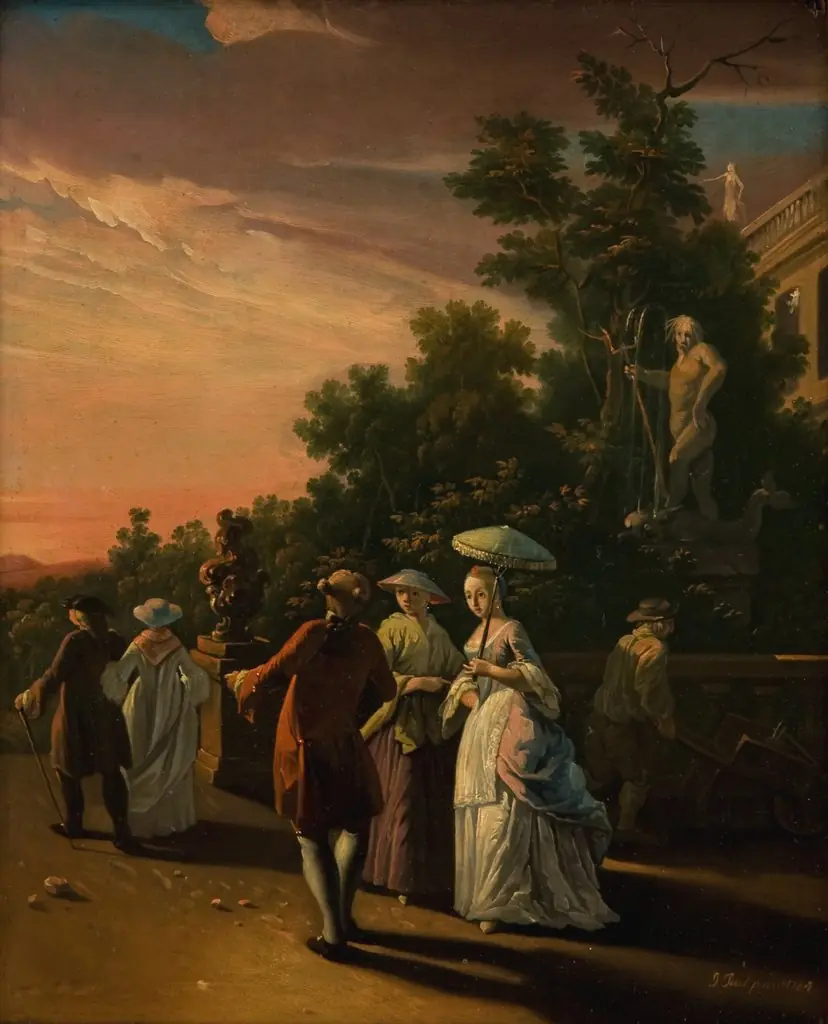 Promenading in a Park
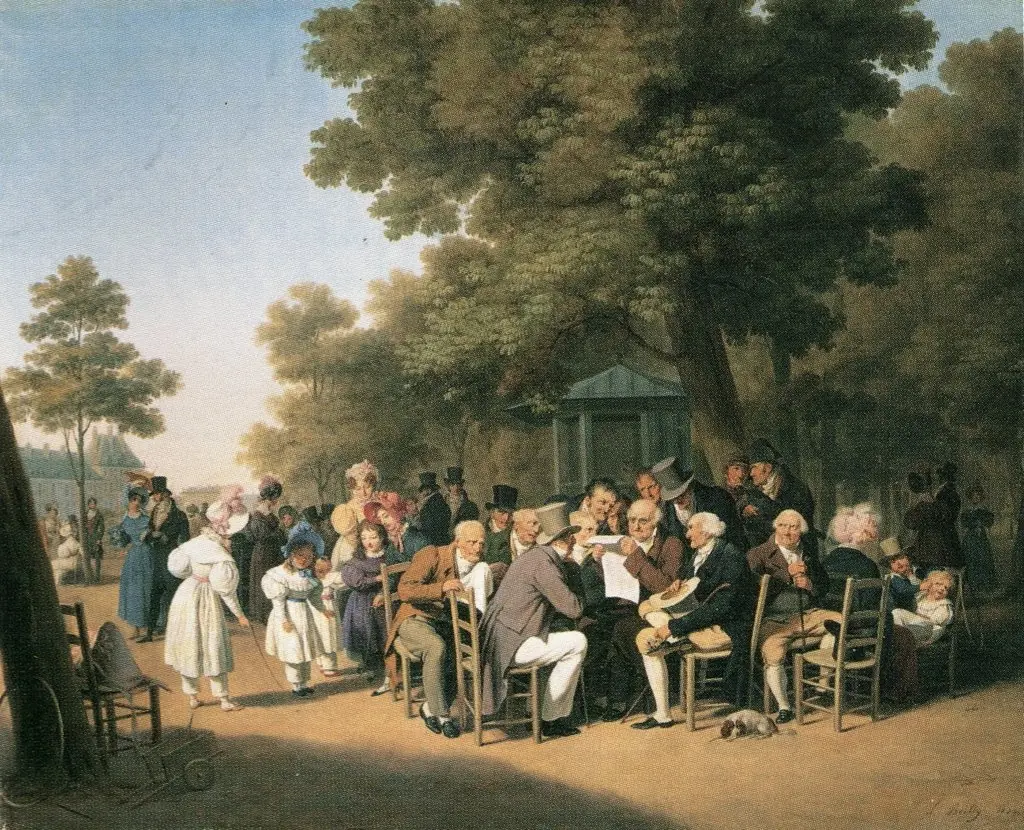 Politicians in the Tuileries Gardens
 Procesiune și călugăr binecuvântând
 Park in the Vicinity of Paris
 La promenade des remparts de Paris
 Promenading in a Park
 The Paseo de las Delicias Madrid