Artwork
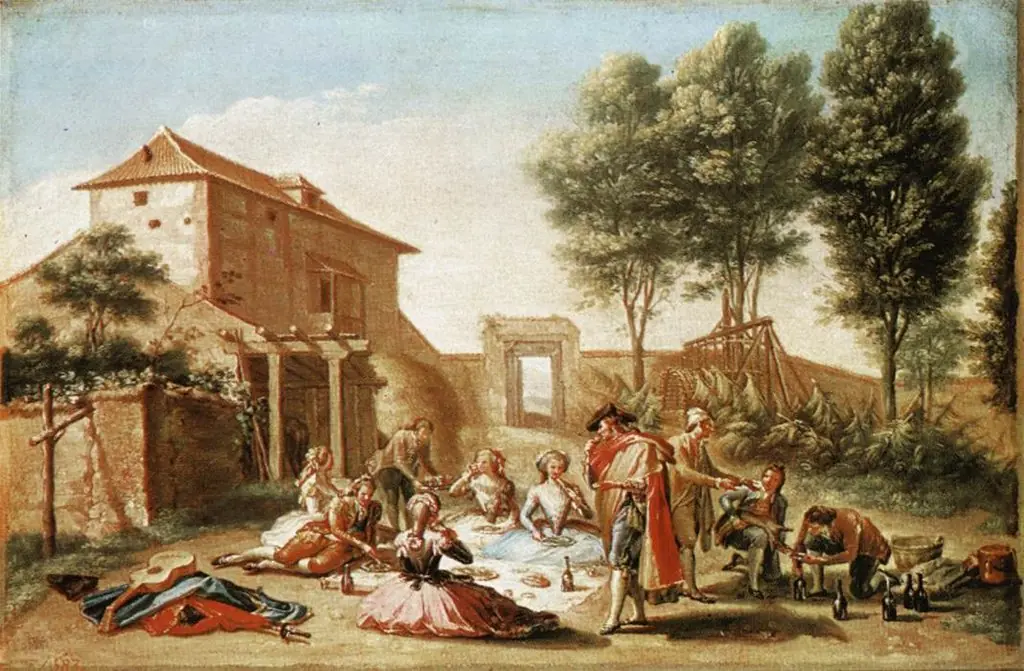
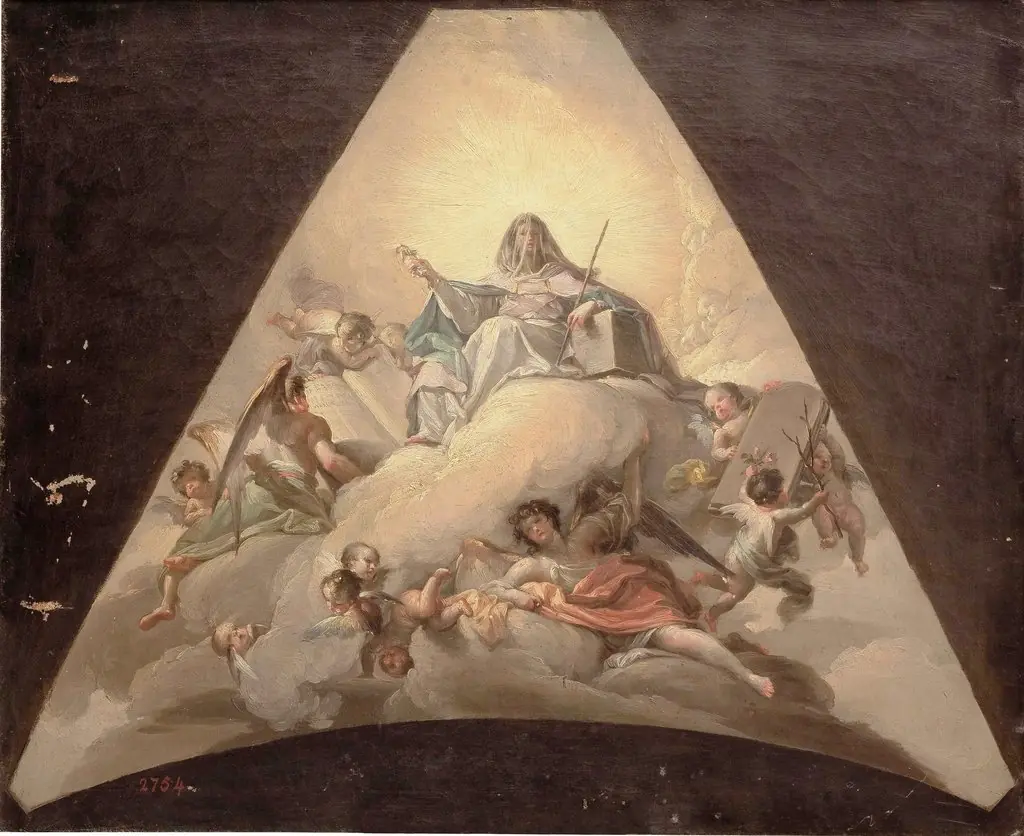
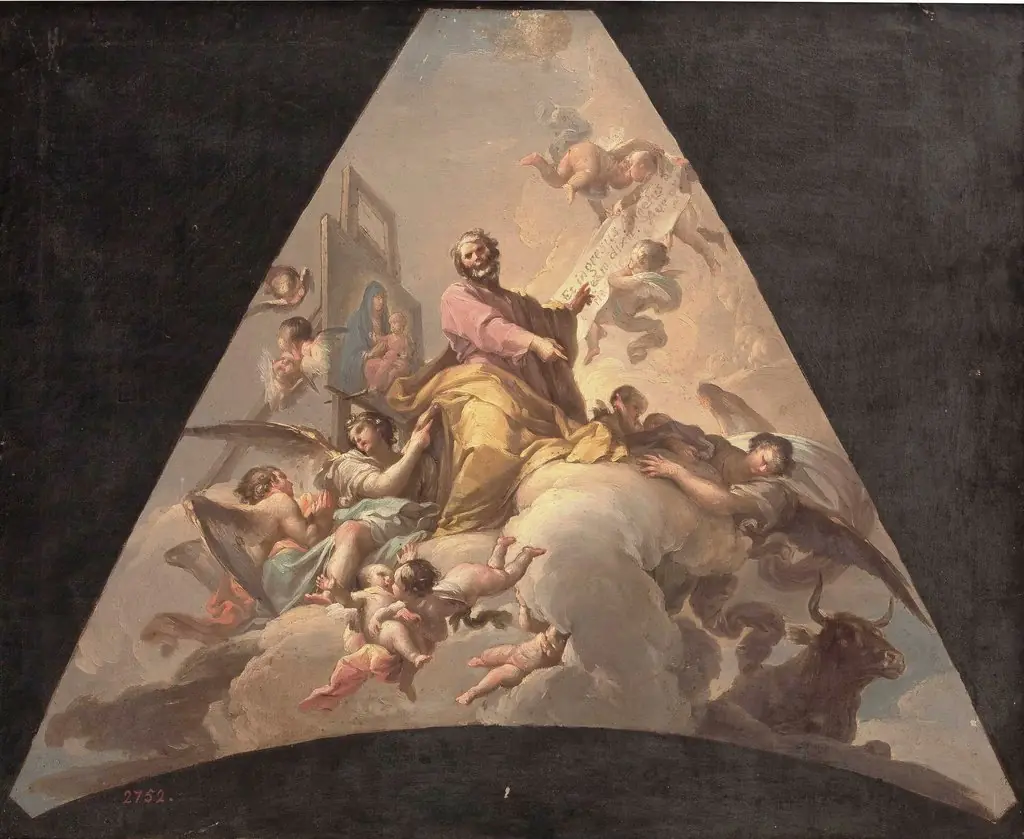
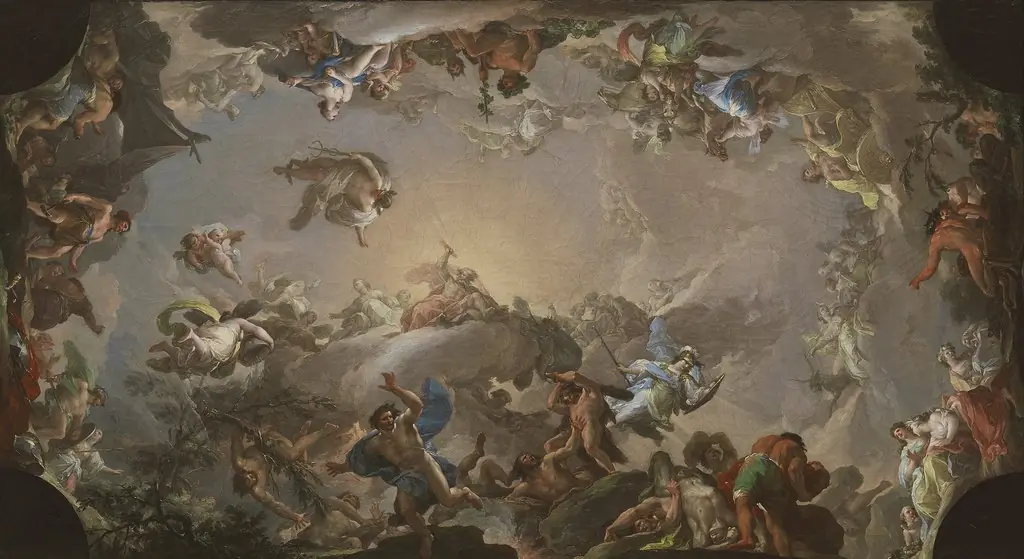
Thirteen sketches for Tapestry Cartoons
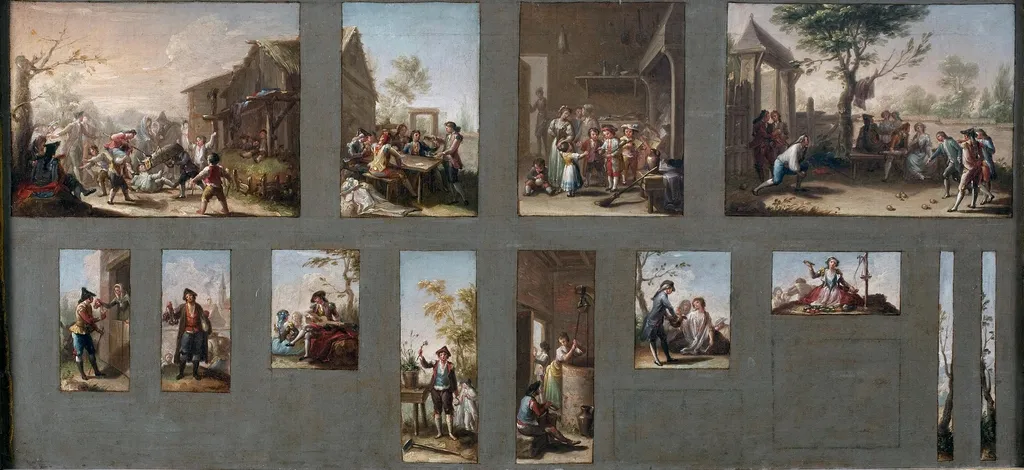
Thirteen sketches for Tapestry Cartoons is an oil painting by the Rococo painting artist Francisco Bayeu. It dates from 1750 and is held in the collection of the Museo del Prado.
About this work
Overview
These works were preliminary designs intended for larger woven tapestries, reflecting their function as preparatory studies rather than finished compositions.
Thirteen sketches for Tapestry Cartoons is a series of small oil-on-canvas panels created around 1750 by Francisco Bayeu. Each panel presents a compact scene of rural or domestic life, arranged in a grid-like sequence. These works were preliminary designs intended for larger woven tapestries, reflecting their function as preparatory studies rather than finished compositions. The series is now held in the collection of the Museo del Prado in Madrid.
Subject & Meaning
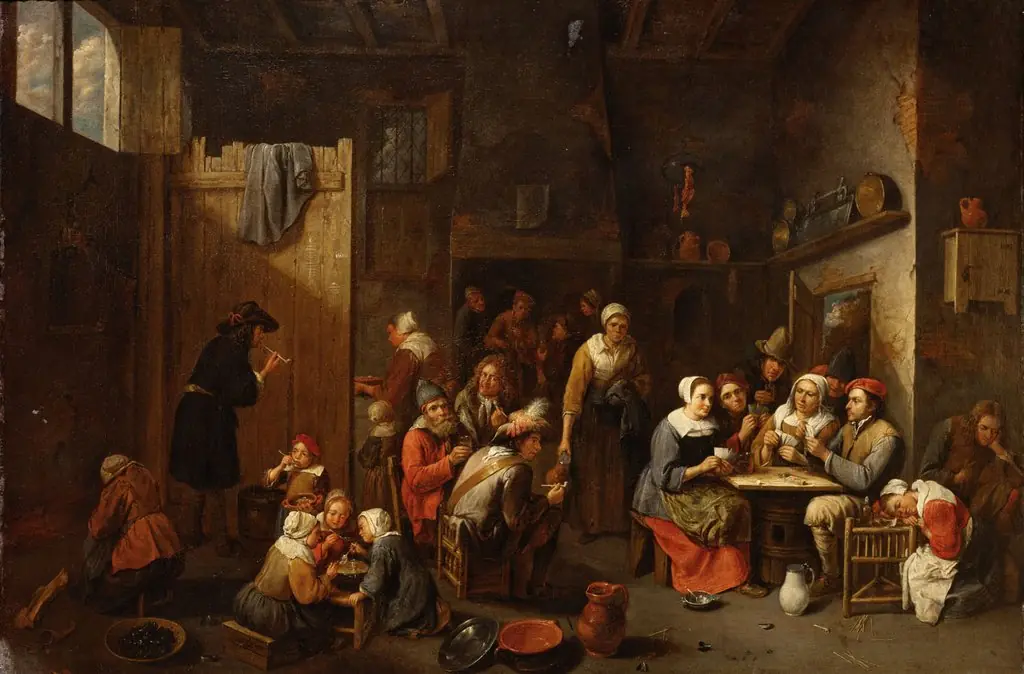
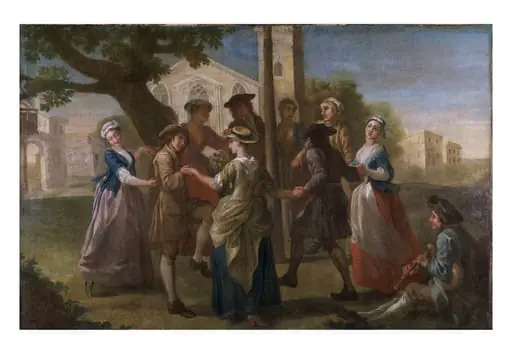
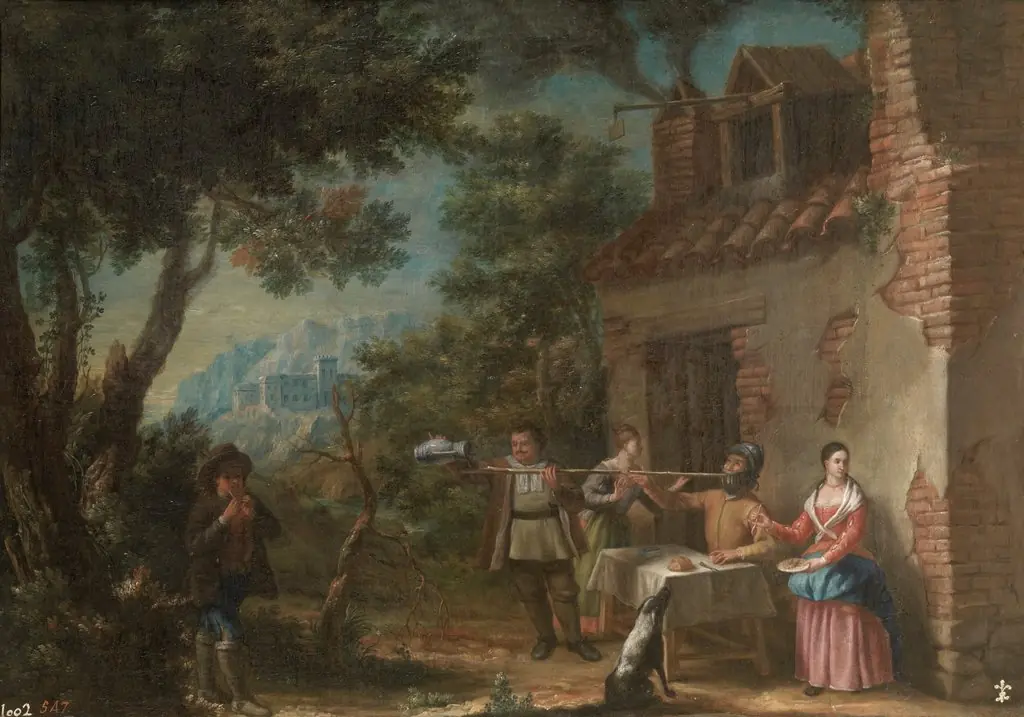
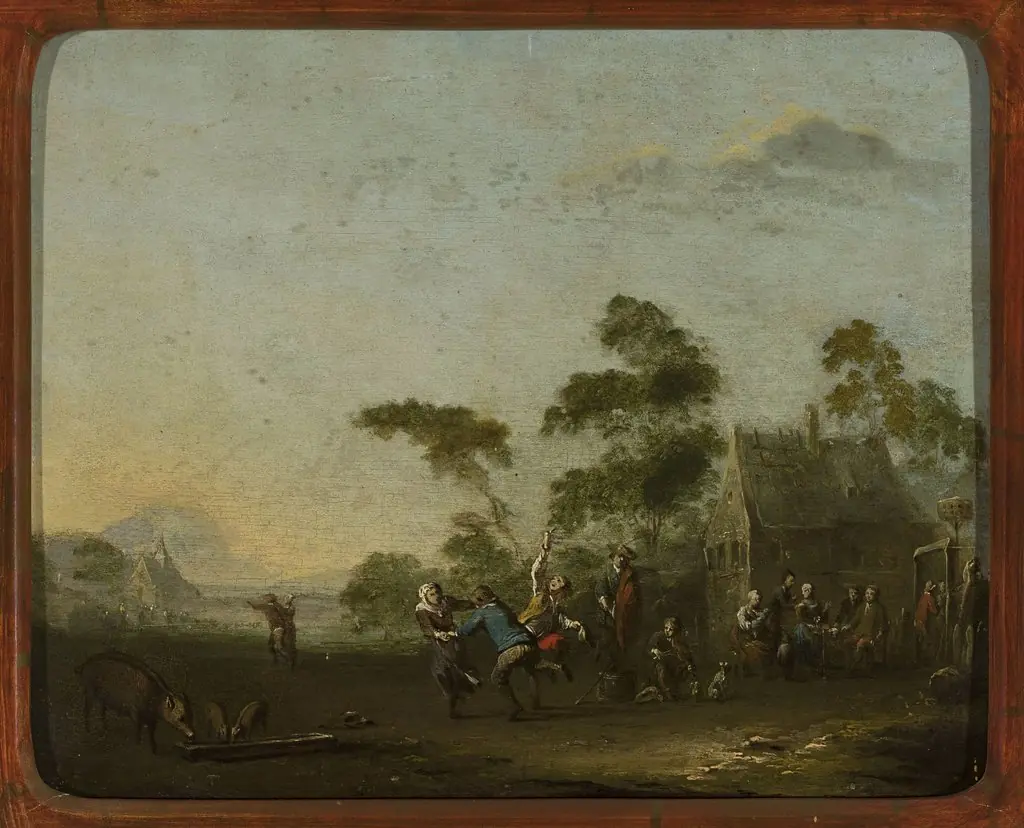
The sketches depict ordinary people engaged in quiet, everyday activities—eating, conversing, laboring, or resting in outdoor settings. There is no overt narrative or moralizing tone; instead, the focus is on the rhythm of common life. One panel includes a woman holding a small object resembling a guitar, subtly integrated into the scene, suggesting music as a natural part of daily routine rather than a symbolic gesture.
Technique & Style
Bayeu employed oil paint with restrained brushwork, favoring soft transitions and muted tones—browns, greens, and pale blues dominate the palette. Backgrounds are minimal, suggesting landscapes with loose strokes of trees and distant dwellings. The compositions are intimate and uncluttered, balancing naturalism with a gentle stylization that aligns with late Rococo sensibilities, even as Neoclassical clarity begins to emerge in their structure.
History & Provenance
Created during Bayeu’s early career, these sketches were part of a larger commission for the Royal Tapestry Factory in Madrid, which produced decorative hangings for royal residences. The series remained in Spain, likely within royal collections, before being transferred to the Museo del Prado in the 19th century. Their survival as individual panels is unusual, as most tapestry cartoons were consumed in the weaving process.
Context
These works emerged during a period when Spanish court art was shifting from Baroque grandeur toward more modest, observational subjects. While Rococo influences are evident in their lightness and pastoral themes, they also anticipate the realist tendencies of later Spanish painting. Bayeu’s role as a designer for the Royal Tapestry Factory placed him at the intersection of decorative arts and fine painting, a space where artistic innovation often occurred quietly.
Legacy
Though not widely exhibited as a group, these sketches offer insight into the working methods of 18th-century Spanish artists and the cultural priorities of the Bourbon court. They reflect a quiet shift toward depicting everyday life with dignity, influencing later generations who sought to elevate ordinary subjects in art. Their preservation allows study of how tapestry designs evolved from sketch to final textile.
Artist & collection
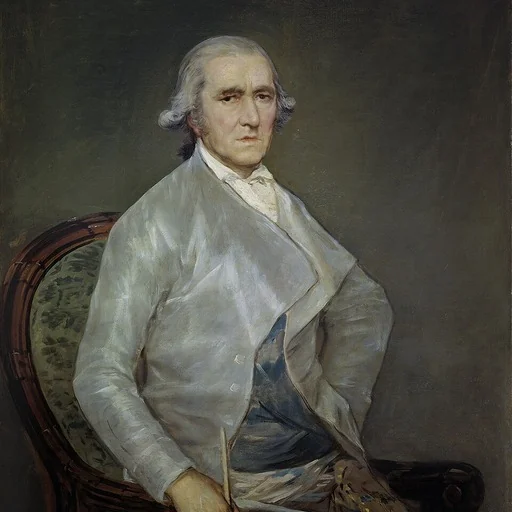
Artist
Francisco Bayeu y Subías (9 March 1734 – 4 August 1795) was a Spanish painter who painted in the Neoclassic style and specialised in religious and historical themes.

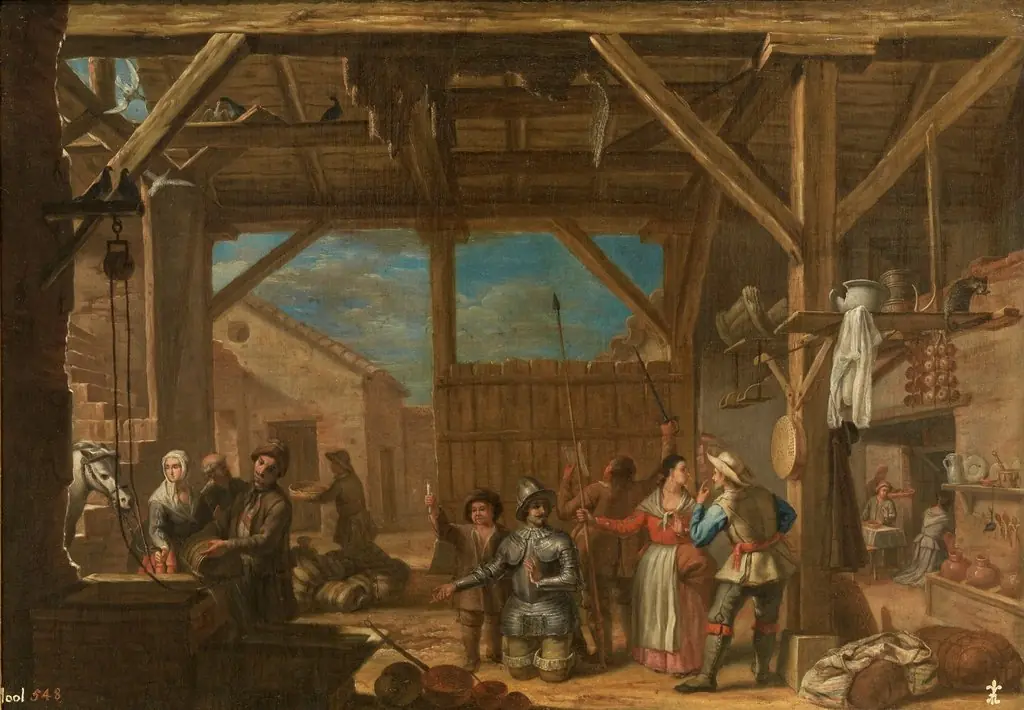 Don Quixote Dubbed a Knight
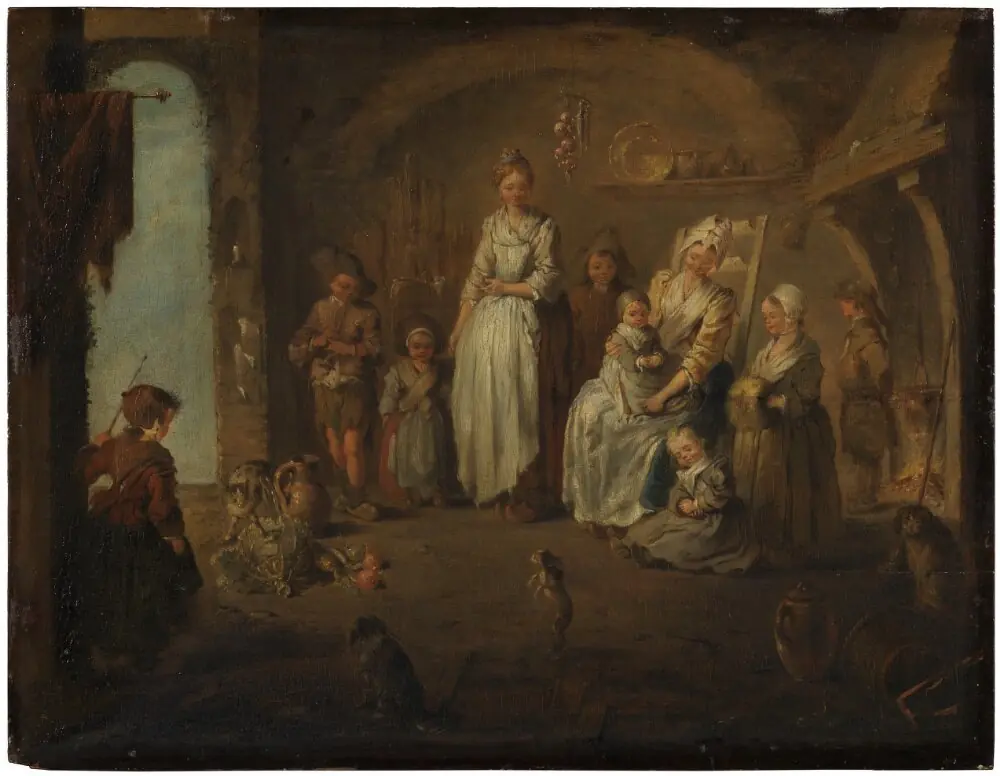 The Dancing Dog
 Bauernwirtschaft
 Country Dances Round a Maypole
 Don Quixote at the Inn
 Merry-making in the countryside
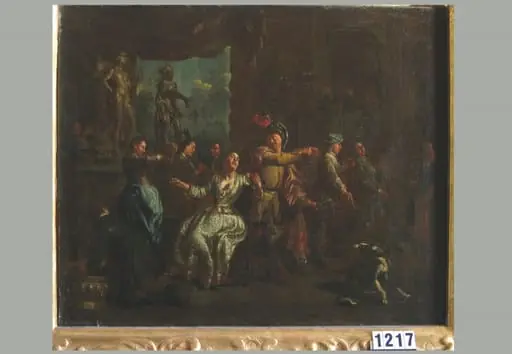 Petrecere cu dans (pandant: Petrecere)
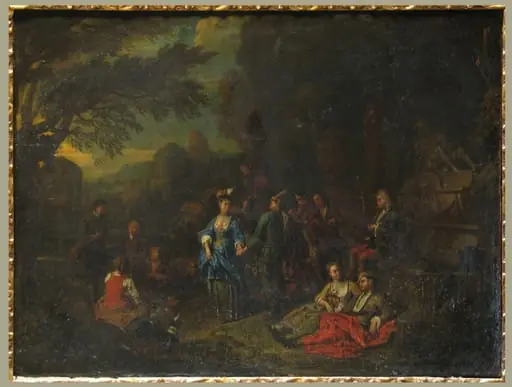 Muzică și dans (pandant: Sosirea vânătorilor)
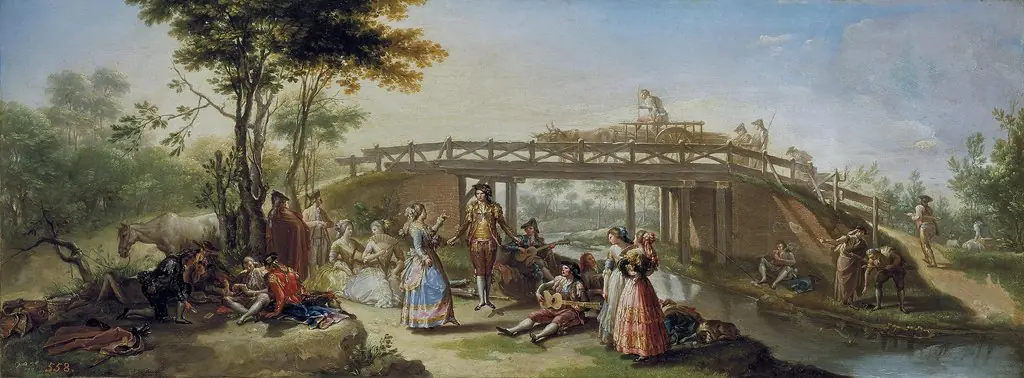
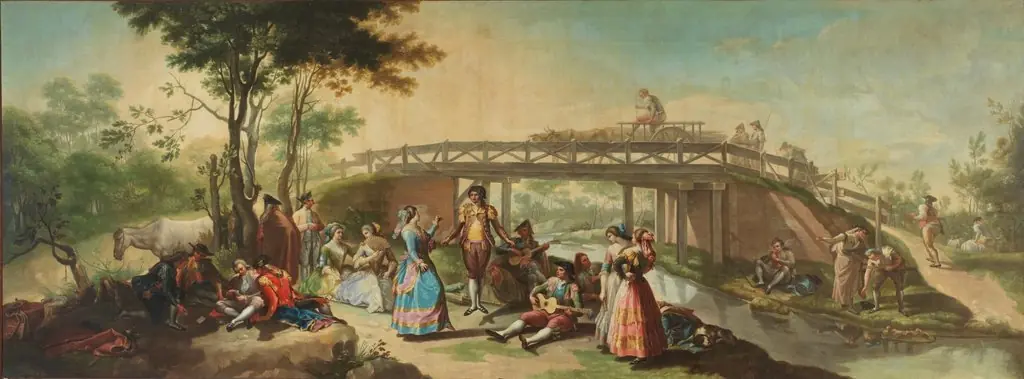 Un baile junto a un puente del canal del Manzanares
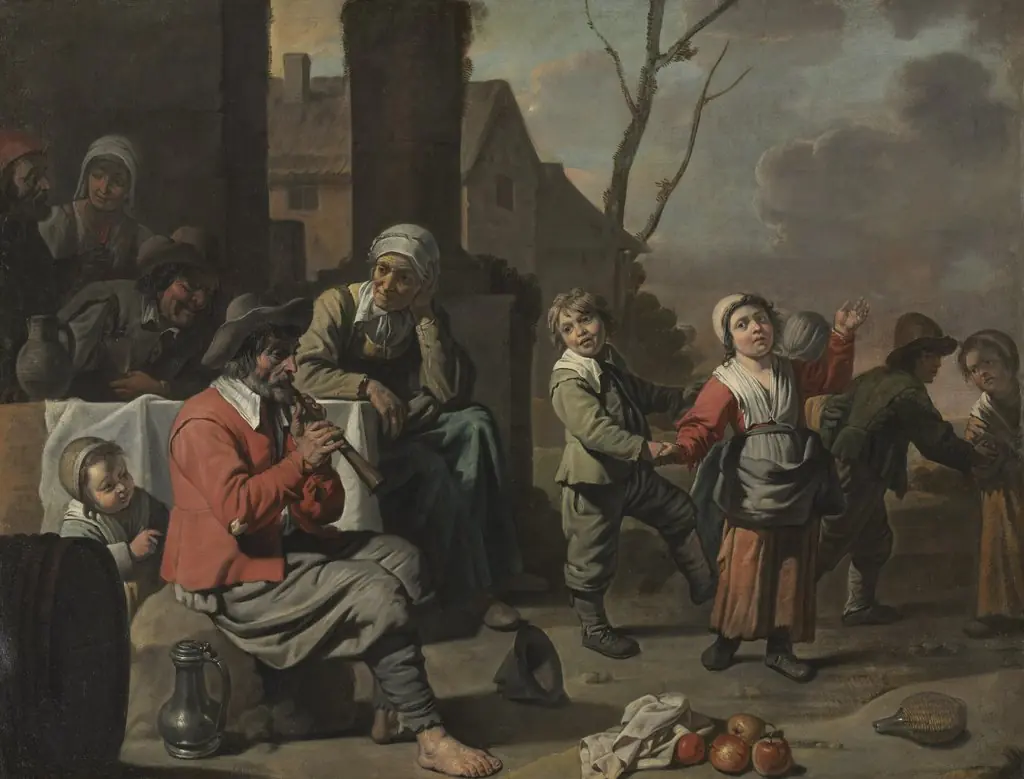 Peasant Children Dancing
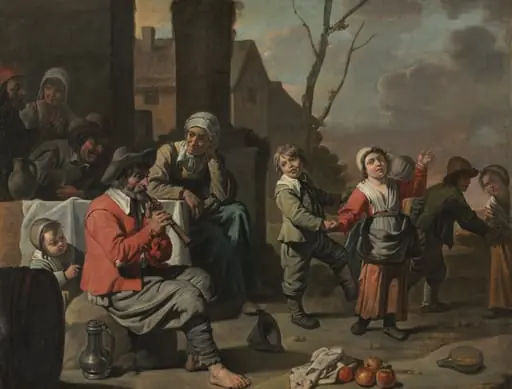 Peasant Children Dancing