Artwork
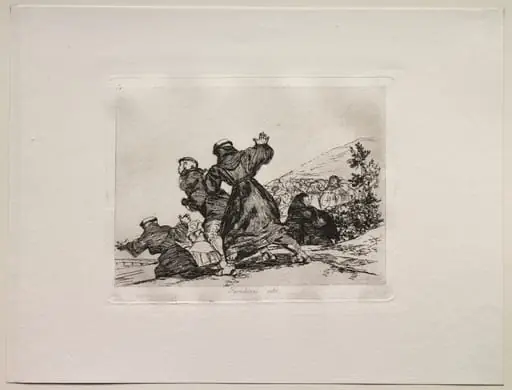
Disasters of War: Pl., 3, The Same (Thing)
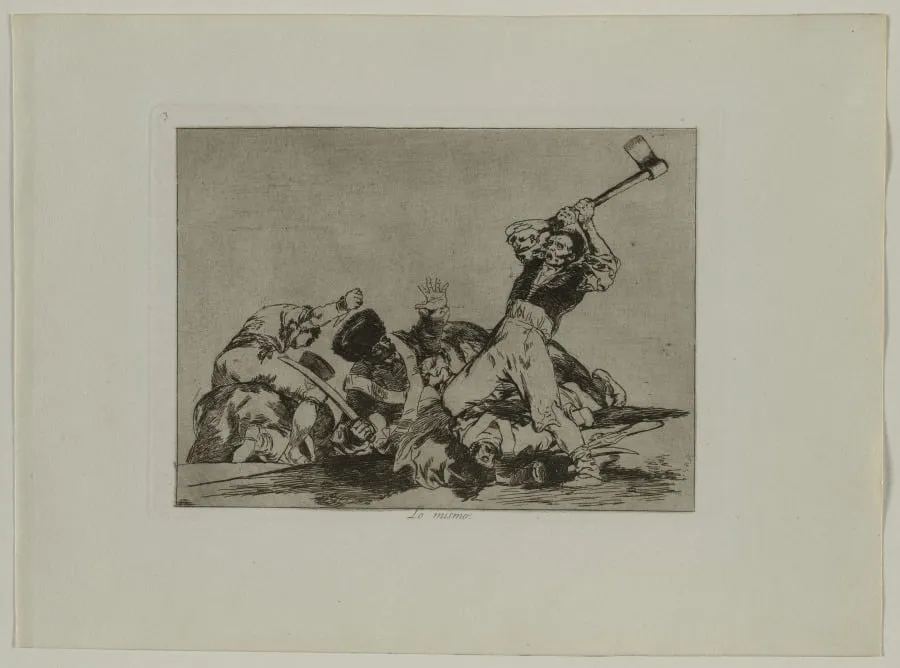
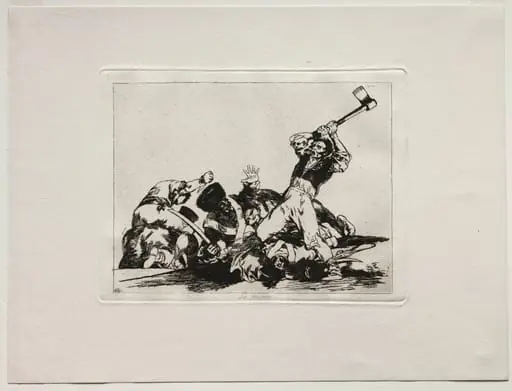
Disasters of War: Pl., 3, The Same (Thing) is a print by the Romanticist artist Francisco Goya. It dates from 1812 and is held in the collection of the Cleveland Museum of Art.
About this work
Overview
It is part of a larger body of work that rejects heroic narratives, instead focusing on the grim realities of conflict.
Created in 1812, this print is the third plate in Francisco de Goya’s series The Disasters of War, a collection of etchings documenting the violence of the Peninsular War. Executed in black-and-white, the image conveys chaos through unrefined, energetic lines. It is part of a larger body of work that rejects heroic narratives, instead focusing on the grim realities of conflict. The Cleveland Museum of Art holds this impression as a key example of Goya’s late graphic work.
Subject & Meaning
The scene depicts a brutal, unstructured melee among combatants, with no clear sides or order. Figures are entangled in violent motion—clubs raised, limbs flailing—suggesting indiscriminate aggression. The title, The Same (Thing), implies repetition and futility, reducing individual acts to a cycle of senseless brutality. Goya avoids glorification, presenting war as a dehumanizing blur of instinct and suffering.
Technique & Style
Goya used etching and aquatint to achieve stark tonal contrasts and a rough, immediate texture. The loose, almost hurried lines convey urgency, while the absence of detail forces focus on movement and tension. Shadows dominate, obscuring identity and amplifying the anonymity of violence. This sketch-like quality reflects Goya’s shift from polished commissions to raw, personal expression.
History & Provenance
The plate was produced between 1810 and 1820, though the series remained unpublished during Goya’s lifetime due to its politically sensitive content. The original plates were preserved by his family and later acquired by institutions. This impression entered the Cleveland Museum of Art’s collection in the 20th century, contributing to broader recognition of Goya’s graphic work as a critical response to war.
Context
Created during and after the Napoleonic occupation of Spain, the series emerged from Goya’s firsthand exposure to wartime atrocities. Unlike official histories, these prints reject nationalism and spectacle, offering instead a visceral record of civilian and soldier alike caught in destruction. The work aligns with emerging Romantic sensibilities but diverges in its unflinching realism and moral ambiguity.
Legacy
The Disasters of War series profoundly influenced later artists confronting violence in modern conflict, from Otto Dix to Francis Bacon. Goya’s rejection of idealized war imagery established a precedent for documentary art rooted in suffering rather than glory. The rawness of this plate, in particular, remains a touchstone for representations of chaos in 19th- and 20th-century visual culture.
Artist & collection
Artist
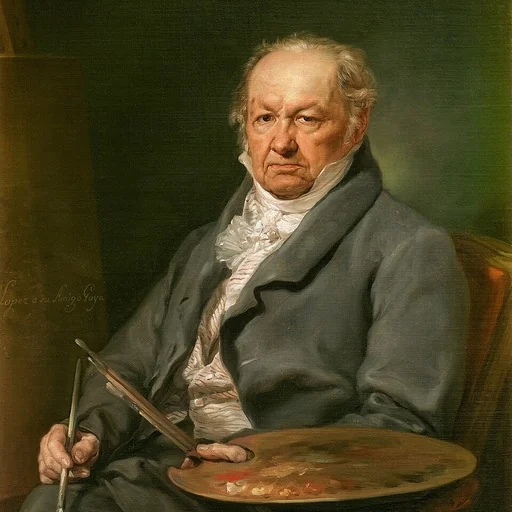
Francisco José de Goya y Lucientes (; Spanish: ; 30 March 1746 – 16 April 1828) was a Spanish romantic painter and printmaker.

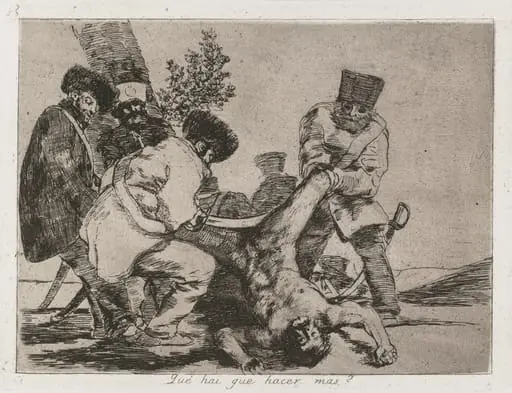 Disasters of War: Pl. 33, What more can one do?
 The Horrors of War: The Same
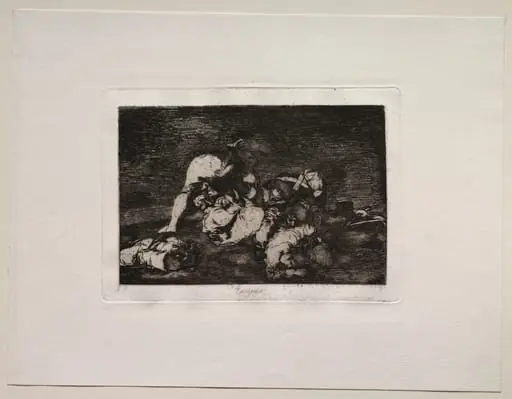 The Horrors of War: Nor (Do These) Either
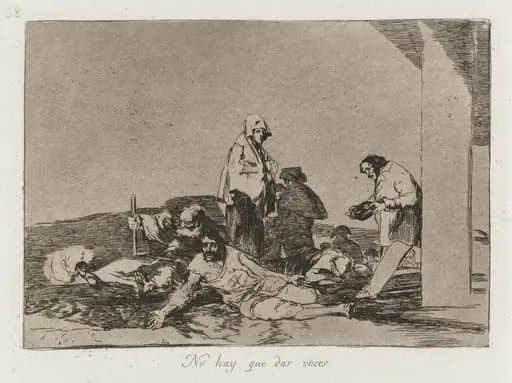 Disasters of War: Pl. 58, It is no use shouting
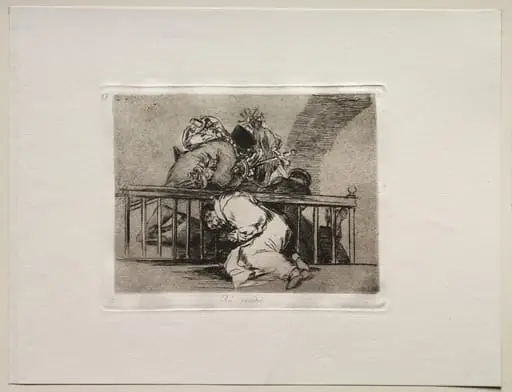 The Horrors of War: This is How it Happened
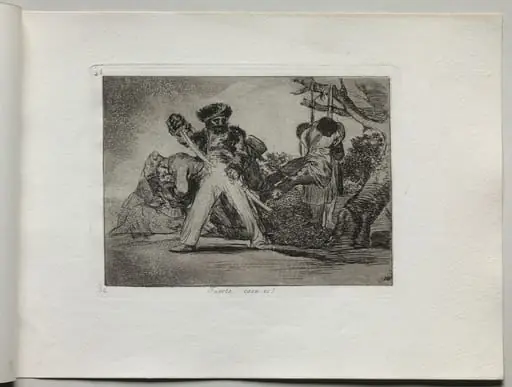 Disasters of War: That's Tough
 The Horrors of War: This Too
 The Disasters of War: And There's No Help for it