Artwork
The Horrors of War: Cruel Tale of Woe
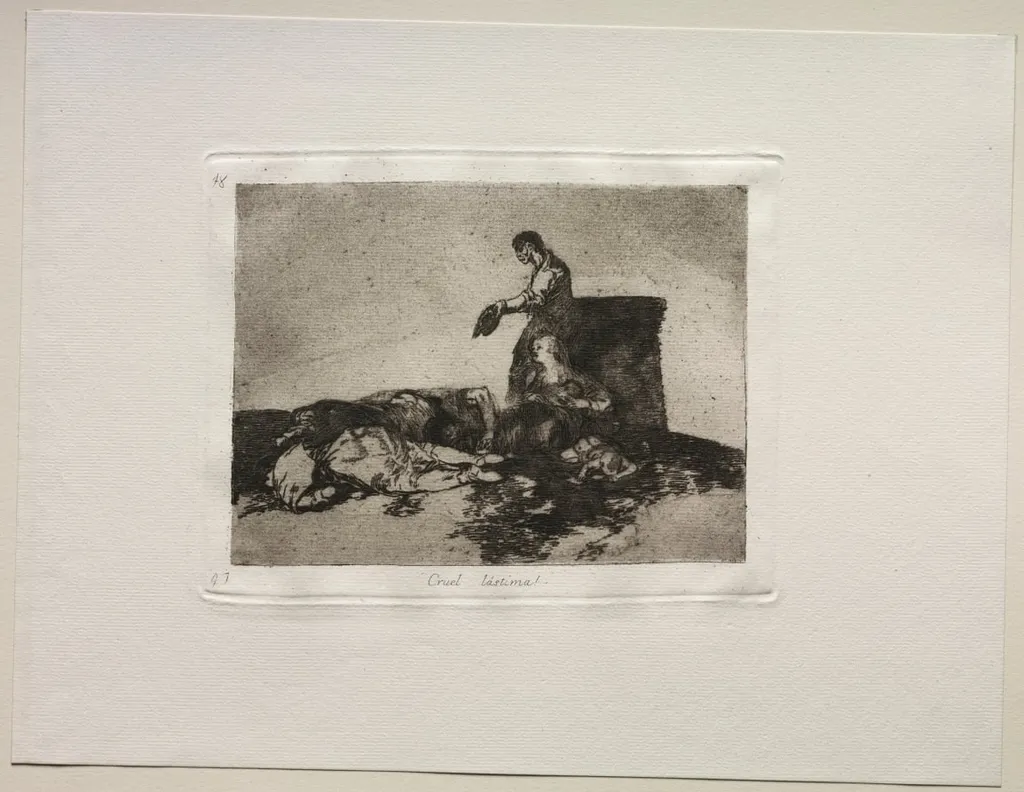
The Horrors of War: Cruel Tale of Woe is a print by the Romanticist artist Francisco Goya. It dates from 1815 and is held in the collection of the Cleveland Museum of Art. Created around 1815, this print by Francisco de Goya is part of a series responding to the violence of the Peninsular War.
About this work
Overview
Created around 1815, this print by Francisco de Goya is part of a series responding to the violence of the Peninsular War. It is one of many etchings in which Goya confronted the human cost of conflict without romanticism. The work is held in the collection of The Cleveland Museum of Art, where it continues to serve as a sobering record of wartime suffering.
Subject & Meaning
' underscores the senseless tragedy, rejecting any glorification of war while evoking pity without resolution.
A lone woman stands amid a pile of fallen soldiers, her presence suggesting both mourning and futility. One soldier lies with a severe head wound; others are indistinct in the gloom. She holds a bucket, its purpose ambiguous—perhaps to collect water, blood, or both. The inscription 'Cruel lástima!' underscores the senseless tragedy, rejecting any glorification of war while evoking pity without resolution.
Technique & Style
Goya employed etching and aquatint to achieve deep, atmospheric shadows and stark contrasts. The heavy use of chiaroscuro isolates the woman and the wounded soldier in pools of dim light, while the surrounding darkness swallows the rest of the scene. The rough texture of the ground and the blurred forms of the dead amplify the chaos and emotional weight, avoiding detail to emphasize mood over narrative clarity.
History & Provenance
The print was produced during Goya’s later years, following his retreat from public life and amid personal disillusionment with Spain’s political turmoil. It was likely part of a private portfolio later acquired by collectors before entering The Cleveland Museum of Art’s holdings. Its survival as a standalone print reflects its resonance as a personal, uncommissioned statement against violence.
Context
Made after the Napoleonic occupation of Spain and the brutal guerrilla warfare that followed, the work reflects Goya’s firsthand exposure to wartime atrocities. Unlike official histories, it offers no heroes or victories—only exhaustion and decay. This image aligns with his broader series, which rejected patriotic mythmaking in favor of unflinching human testimony.
Legacy
Goya’s unadorned depiction of war’s aftermath influenced later artists confronting conflict, from Otto Dix to Francis Bacon. The print’s emotional intensity and technical economy established a precedent for visual anti-war statements. It remains a reference point for how art can bear witness without spectacle, preserving the dignity of suffering through restraint.
Artist & collection
Artist
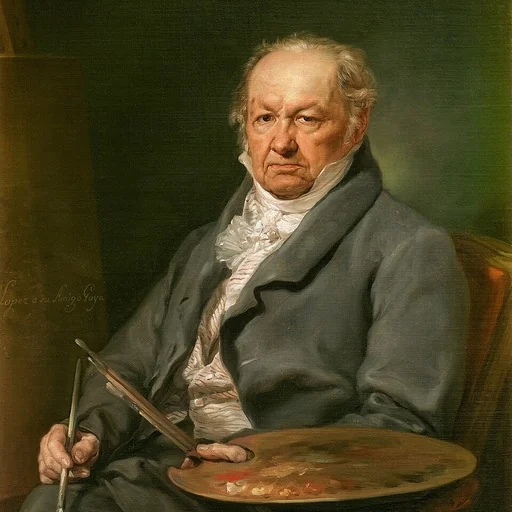
Francisco José de Goya y Lucientes (; Spanish: ; 30 March 1746 – 16 April 1828) was a Spanish romantic painter and printmaker.

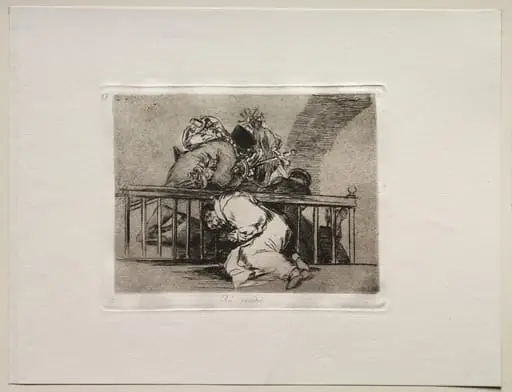 The Horrors of War: This is How it Happened
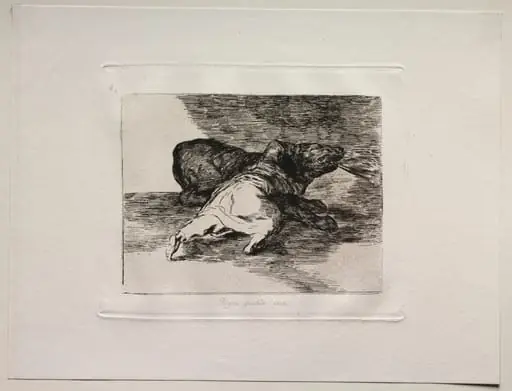 The Horrors of War: He Gets Something Out of It.
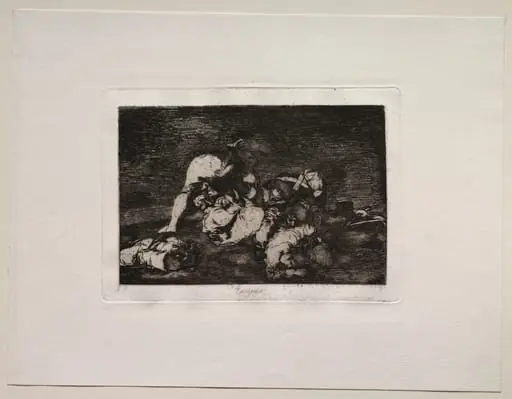 The Horrors of War: Nor (Do These) Either
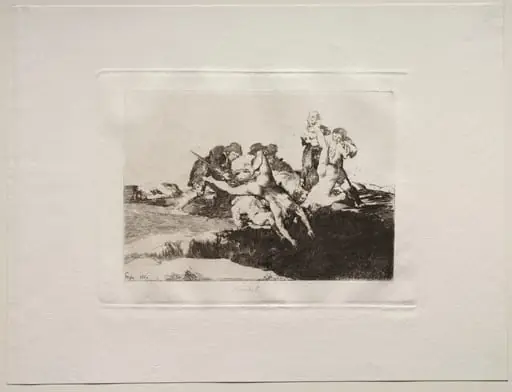 The Horrors of War: Charity
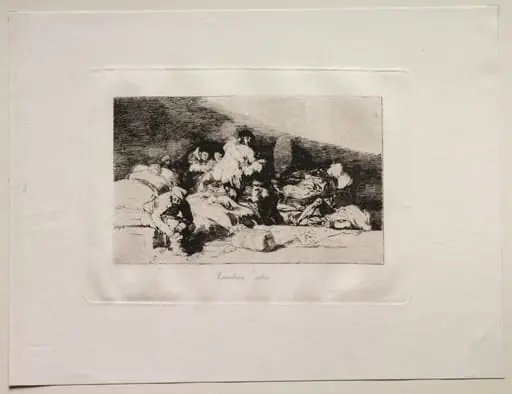 The Horrors of War: These Too
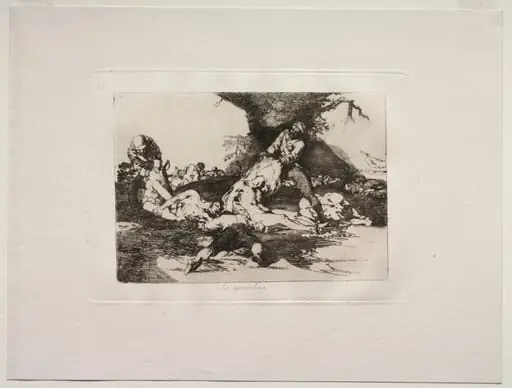 The Horrors of War: They Make Use of Them
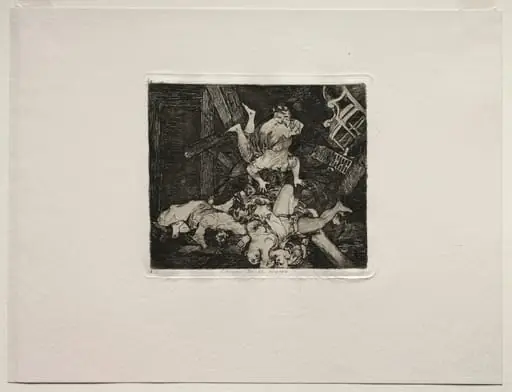 The Horrors of War: Ravages of War
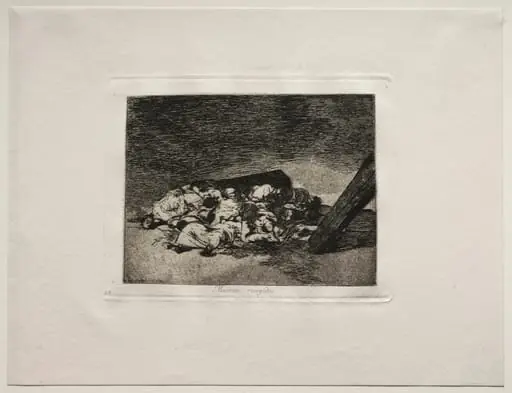 The Horrors of War: Harvest of the Dead
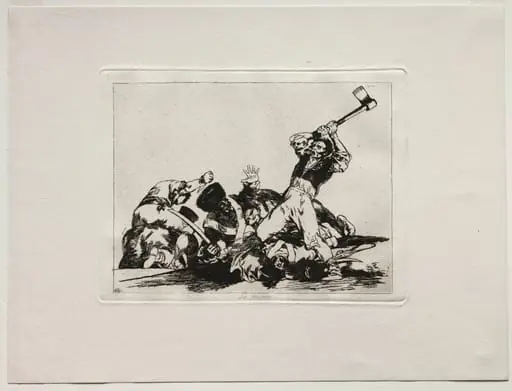 The Horrors of War: The Same