Artwork
The Horrors of War: Perhaps They are of Another Breed
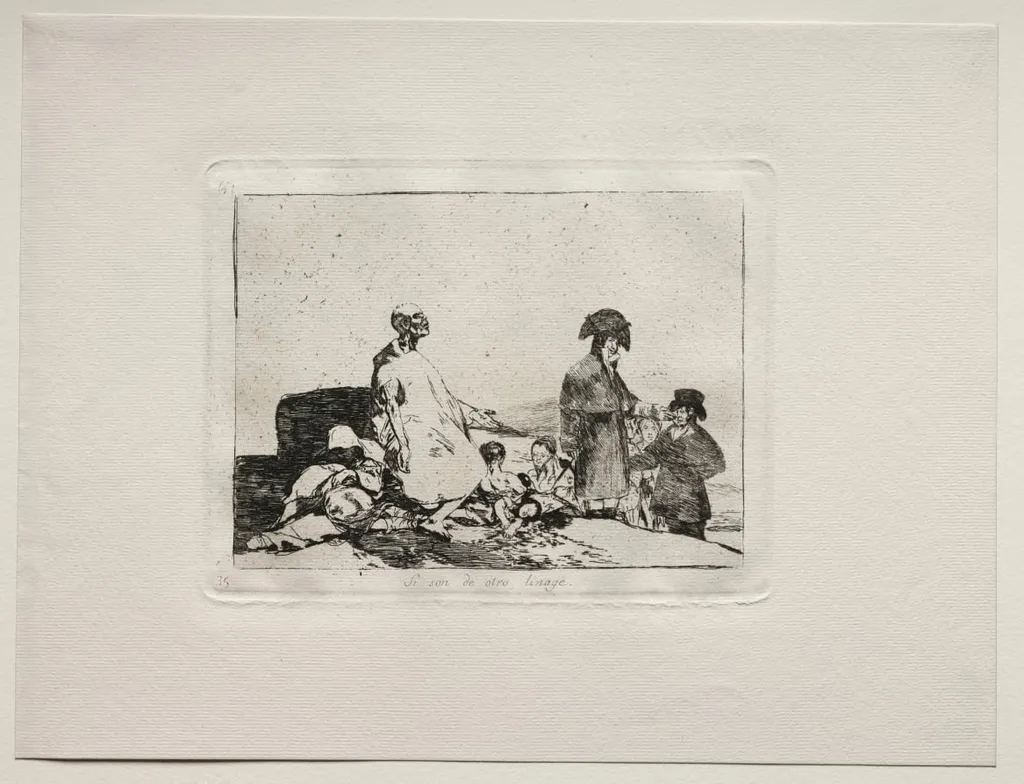
The Horrors of War: Perhaps They are of Another Breed is a print by the Romanticist artist Francisco Goya. It dates from 1815 and is held in the collection of the Cleveland Museum of Art.
About this work
Overview
Created around 1815, this print by Francisco de Goya—titled The Horrors of War: Perhaps They are of Another Breed—is part of the collection at the Cleveland Museum of Art. The work depicts a bleak, tumultuous scene in which bodies lie amid ruin, suggesting the aftermath of violent conflict.
Subject & Meaning
The foreground is populated by figures that appear lifeless or in the throes of death, while the background shows a shattered wall or building. The stark juxtaposition of human suffering against architectural collapse conveys the brutal consequences of war, inviting contemplation of its indiscriminate devastation.
Technique & Style
Goya employs a limited, somber palette and vigorous brushwork to heighten tension. Dark tones dominate, creating a chiaroscuro effect that emphasizes the morbid tableau. The composition directs the eye inward, with the clustered bodies anchoring the viewer’s focus before expanding outward to the chaotic ruin beyond.
History & Provenance
The print dates to the later period of Goya’s career, a time when he turned increasingly toward themes of conflict and human anguish. It entered the Cleveland Museum of Art’s holdings through acquisition, where it remains on display as a representative example of Goya’s war-related oeuvre.
Artist & collection
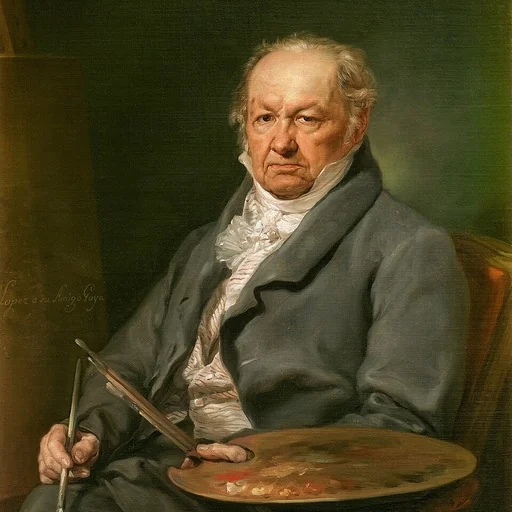
Artist
Francisco José de Goya y Lucientes (; Spanish: ; 30 March 1746 – 16 April 1828) was a Spanish romantic painter and printmaker.

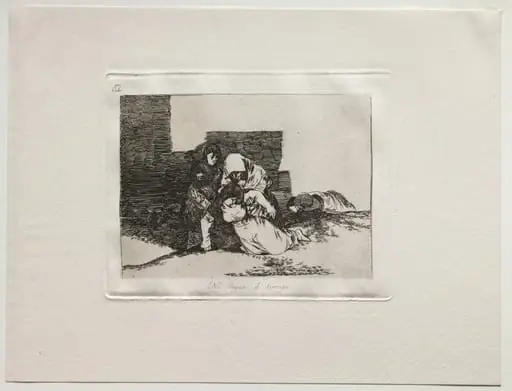 The Horrors of War: They Do Not Arrive In Time
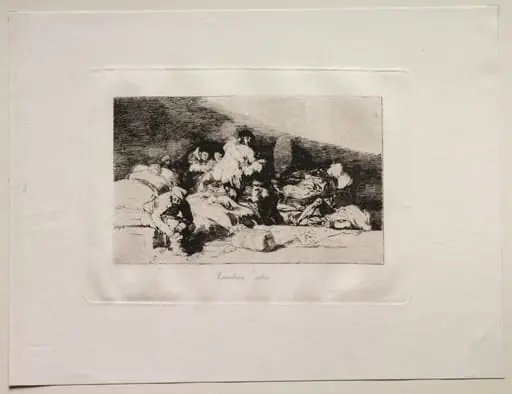 The Horrors of War: These Too
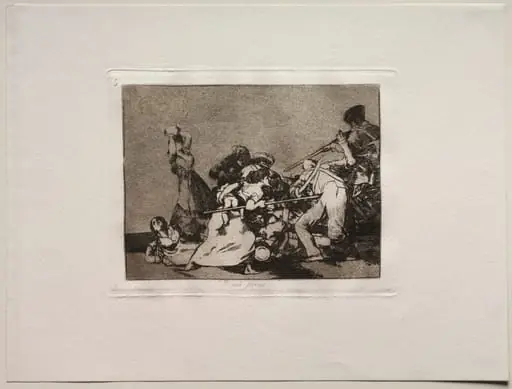 The Horrors of War: And They are Like Wild Beasts
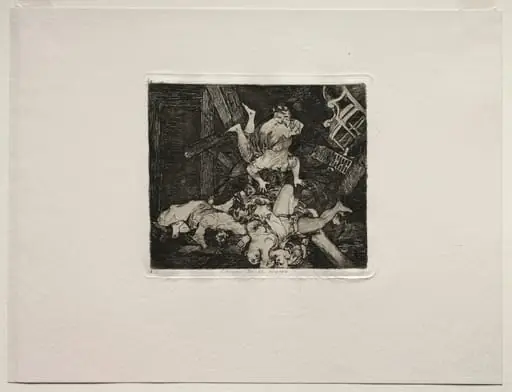 The Horrors of War: Ravages of War
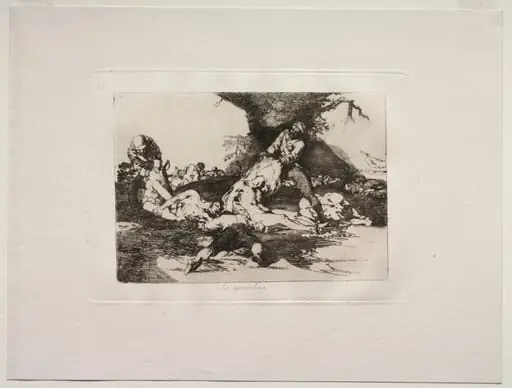 The Horrors of War: They Make Use of Them
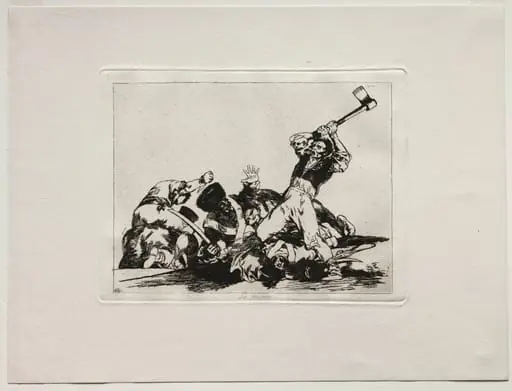 The Horrors of War: The Same
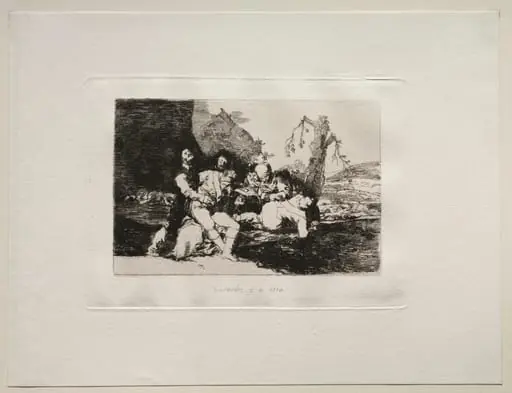 The Horrors of War: Get them Well and On to the Next
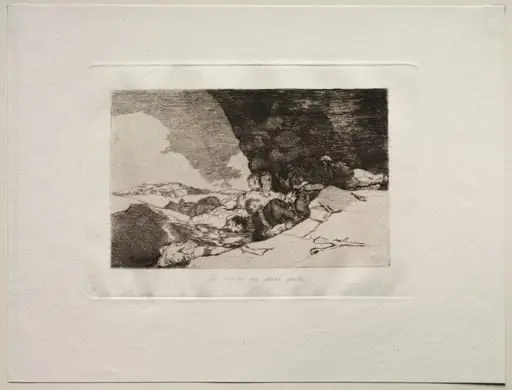 The Horrors of War: The Same Elsewhere
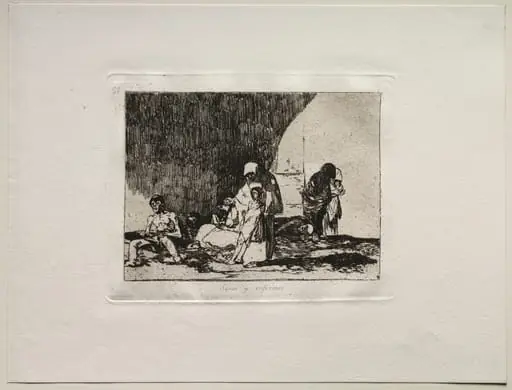 The Horrors of War: The Healthy and the Sick
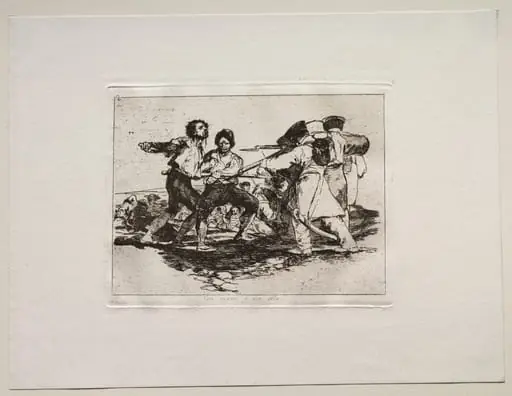 The Horrors of War: Rightly or Wrongly