Artwork
The Horrors of War: The Same Elsewhere
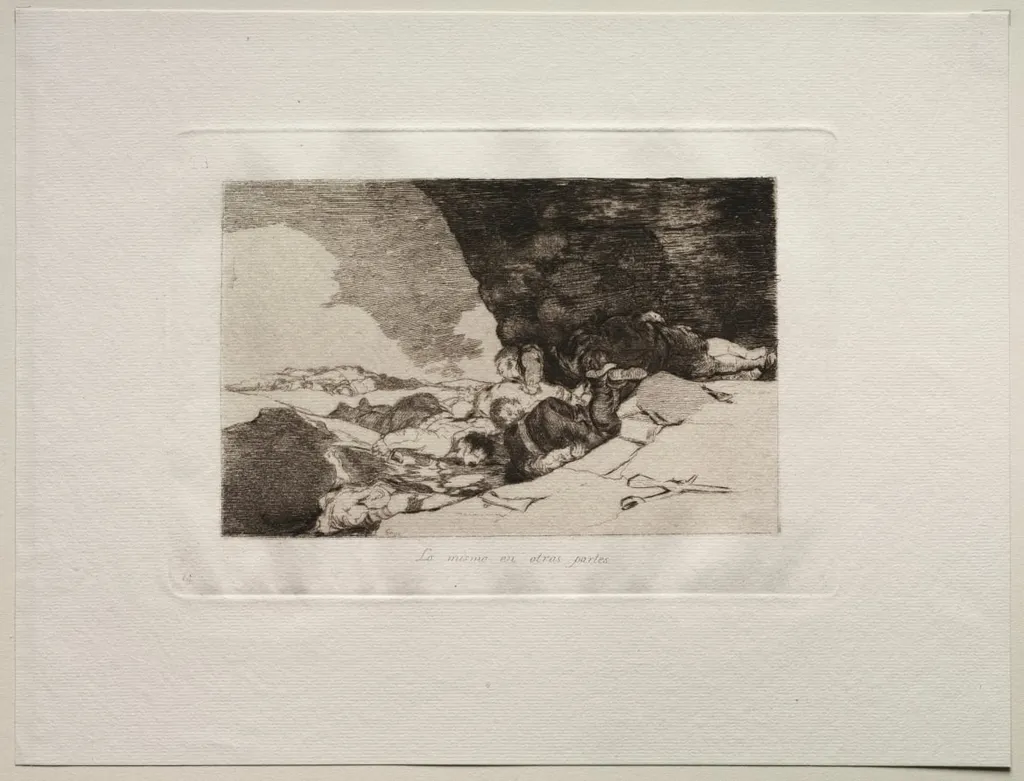
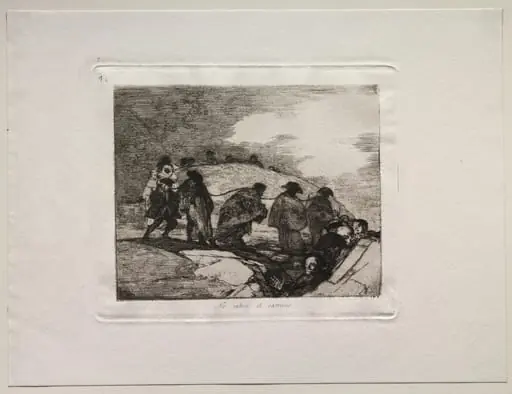
The Horrors of War: The Same Elsewhere is a print by the Romanticist artist Francisco Goya. It dates from 1815 and is held in the collection of the Cleveland Museum of Art. Created around 1815, this black-and-white print by Francisco de Goya is part of a series examining the human cost of conflict.
About this work
Overview
Created around 1815, this black-and-white print by Francisco de Goya is part of a series examining the human cost of conflict. Executed in a rapid, unrefined style, it captures a moment of carnage rather than heroism. The work is held in the collection of The Cleveland Museum of Art and reflects Goya’s shift toward darker, more personal themes following the Peninsular War.
Subject & Meaning
The scene depicts a tangle of dead and wounded soldiers and horses piled near a dark cavern, suggesting mass death and abandonment. The title, 'The Same Elsewhere,' implies the universality of suffering, stripping war of geographic or political distinction. There is no commander, no flag—only the raw accumulation of bodies, emphasizing futility over glory.
Technique & Style
Goya employed quick, angular ink lines to convey urgency and disorder. The lack of fine detail and the rough texture evoke a sketch made in haste, as if recorded under duress. The absence of color and the muted sky heighten the grim atmosphere. This approach aligns with Romanticism’s emphasis on raw emotion over classical idealism.
History & Provenance
The print was produced during Goya’s later years, after his experiences in the Napoleonic Wars and his retreat from public life. It likely originated as part of his 'Disasters of War' series, though not all plates were published in his lifetime. The work entered The Cleveland Museum of Art’s collection in the 20th century, preserved as a testament to his unflinching documentation of violence.
Context
Goya created this work amid widespread disillusionment following Spain’s occupation and liberation. The series it belongs to broke from traditional war imagery by focusing on civilian and soldier suffering rather than triumph. His prints circulated privately, avoiding censorship, and offered a quiet but potent critique of institutional violence.
Legacy
This print, like others in the series, influenced later artists who sought to depict war’s brutality without romanticization. Its rawness and emotional directness prefigured 20th-century documentary photography and anti-war art. Goya’s refusal to sanitize suffering established a precedent for visual testimony in the face of political silence.
Artist & collection
Artist
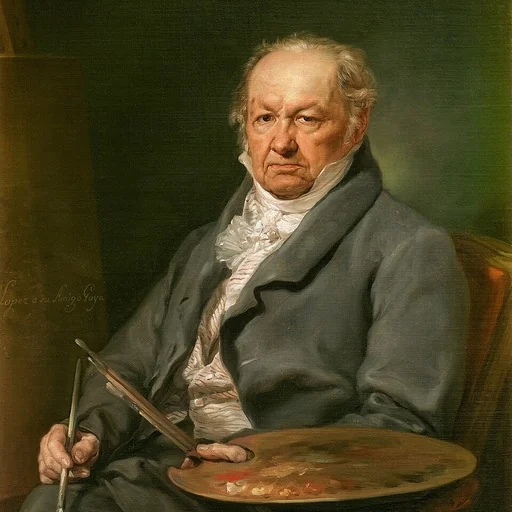
Francisco José de Goya y Lucientes (; Spanish: ; 30 March 1746 – 16 April 1828) was a Spanish romantic painter and printmaker.

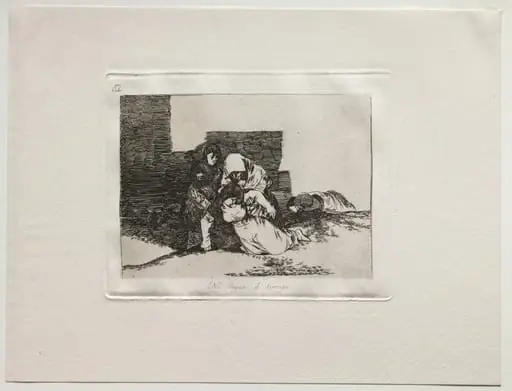 The Horrors of War: They Do Not Arrive In Time
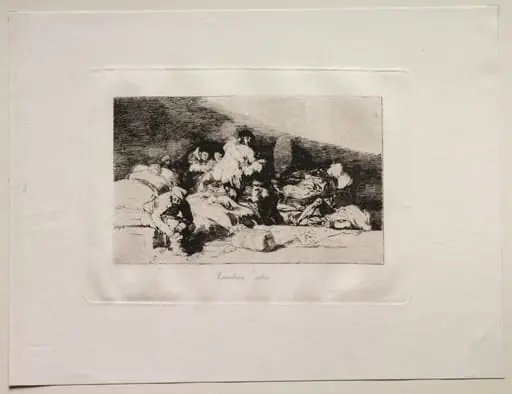 The Horrors of War: These Too
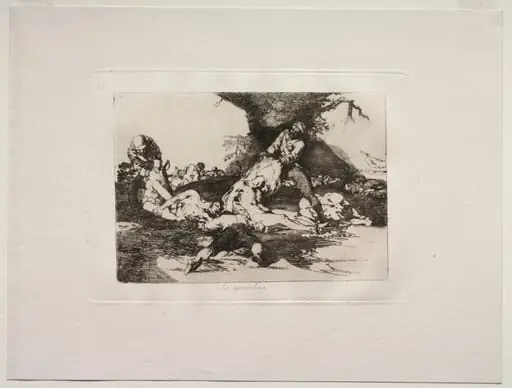 The Horrors of War: They Make Use of Them
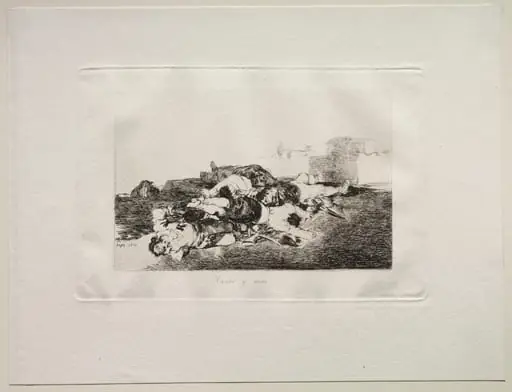 The Horrors of War: Even Worse
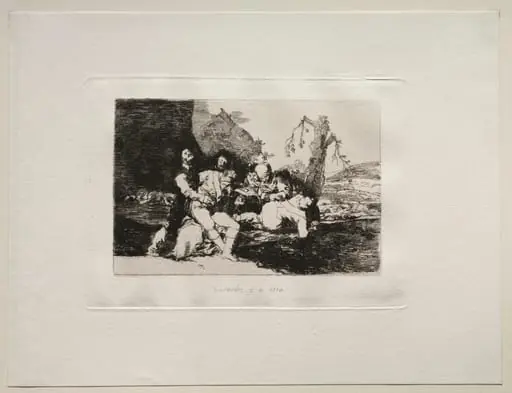 The Horrors of War: Get them Well and On to the Next
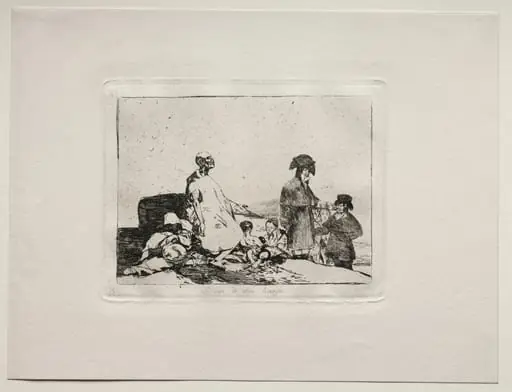 The Horrors of War: Perhaps They are of Another Breed
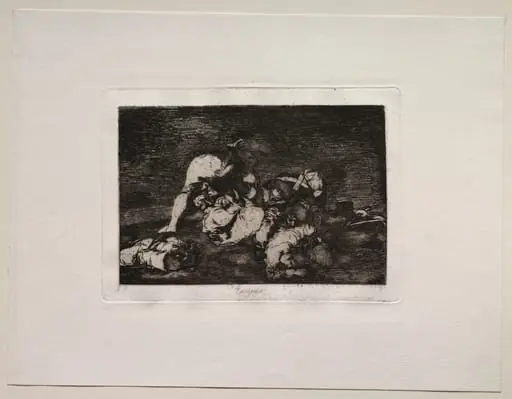 The Horrors of War: Nor (Do These) Either
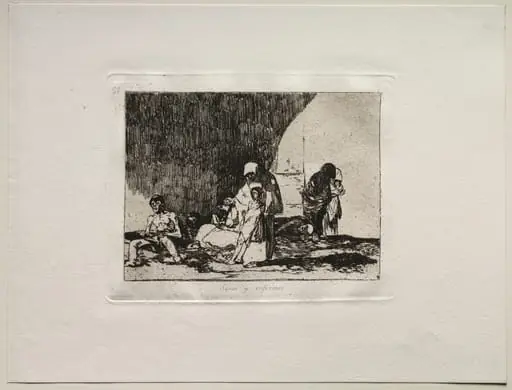 The Horrors of War: The Healthy and the Sick
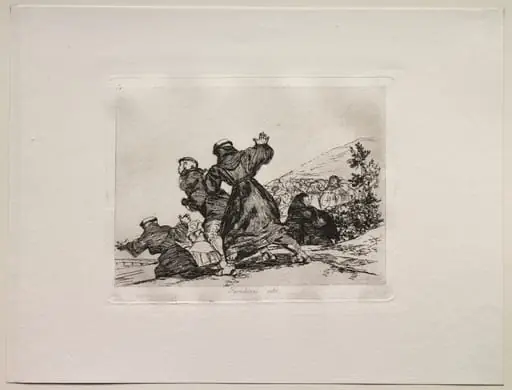 The Horrors of War: This Too
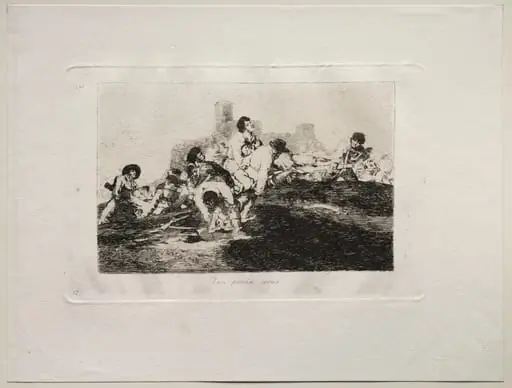 The Horrors of War: They Can Still Be of Use
 The Horrors of War: They Do Not Know The Way