Artwork
The Proverbs: Two Heads are Better than One or Poor Folly
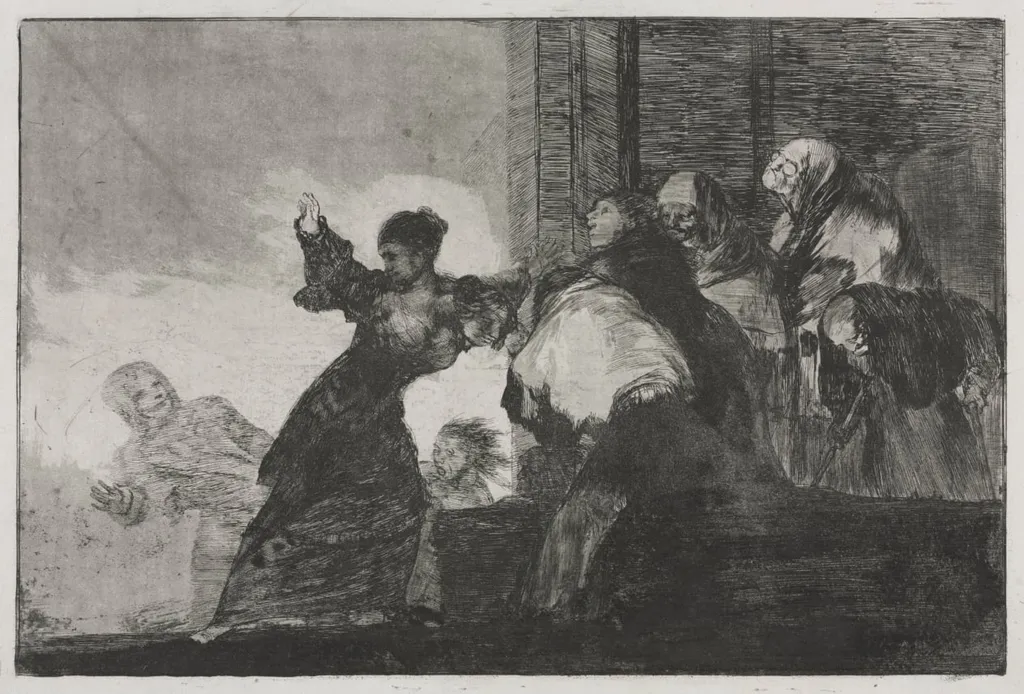
The Proverbs: Two Heads are Better than One or Poor Folly is a print by the Romanticist artist Francisco Goya. It dates from 1820 and is held in the collection of the Cleveland Museum of Art.
About this work
Overview
The series resists clear interpretation, blending folk wisdom with dark satire, and reflects Goya’s growing skepticism toward societal norms.
The Proverbs is a series of twenty-two etchings by Francisco Goya, created around 1797–1798. These works belong to a private, experimental phase of his career, distinct from his larger public commissions. Each print illustrates a Spanish proverb through surreal, often unsettling imagery. The series resists clear interpretation, blending folk wisdom with dark satire, and reflects Goya’s growing skepticism toward societal norms.
Subject & Meaning
One print depicts two figures whose faces merge, one grinning, the other slack-jawed, with a bird perched on one man’s head and a pipe in the other’s hand. The bird symbolizes hollow counsel, while the blurred identities suggest shared folly. The scene mocks the notion that collective wisdom improves judgment, instead implying mutual delusion. Goya uses proverbs not to instruct, but to expose the absurdity of conventional beliefs.
Technique & Style
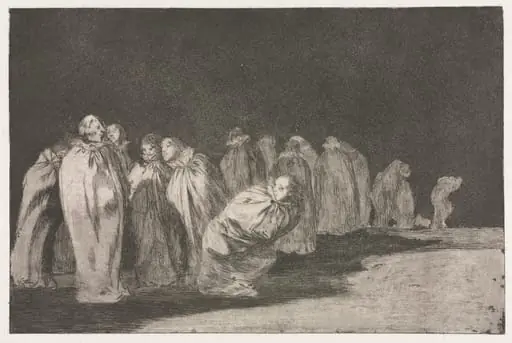
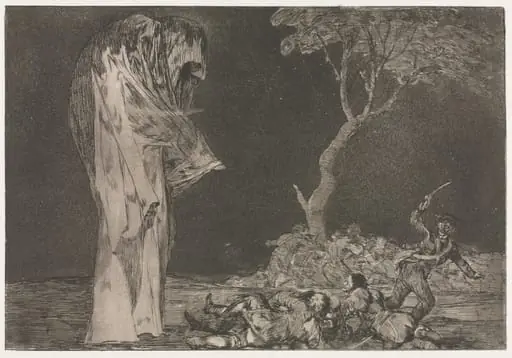
Goya employed drypoint and etching to create dense, atmospheric textures with minimal lines. The figures are rendered with loose, expressive strokes, their features softened or distorted to emphasize ambiguity. Backgrounds are often indistinct, heightening the sense of psychological unease. The absence of clear perspective and the flattening of form contribute to the dreamlike, unsettling tone of the series.
History & Provenance
The Proverbs were never published during Goya’s lifetime and remained in his personal collection until after his death. They were likely intended as private commentary, not public dissemination. The series entered institutional collections in the 19th century, with prints now held in major museums including the Cleveland Museum of Art and the Prado. Their obscurity during Goya’s life underscores their intimate, unpolished nature.
Context
Created during a period of political repression and social unrest in Spain, the series reflects Goya’s disillusionment with authority and popular superstition. The carnival-like scenes echo the chaos of a society in transition, where traditional values were eroding. Unlike his later Black Paintings, these works use humor and ambiguity to critique without overt confrontation, allowing multiple readings.
Legacy
The Proverbs influenced later artists drawn to psychological depth and social satire, particularly in printmaking. Their refusal to offer clear moral lessons made them ahead of their time, anticipating modernist ambiguity. Scholars now regard them as a bridge between Goya’s earlier satirical works and his darker, more introspective later output, revealing his evolving view of human irrationality.
Artist & collection
Artist
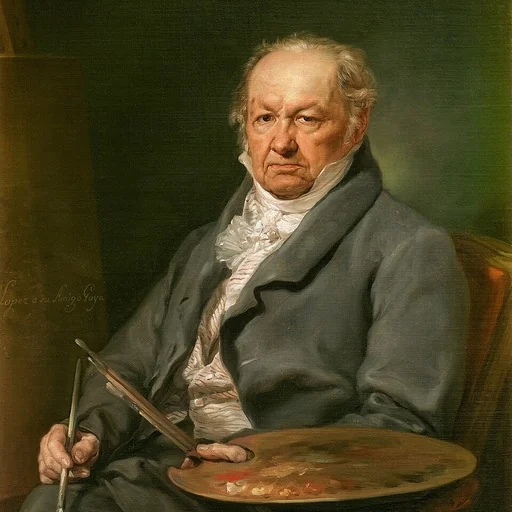
Francisco José de Goya y Lucientes (; Spanish: ; 30 March 1746 – 16 April 1828) was a Spanish romantic painter and printmaker.

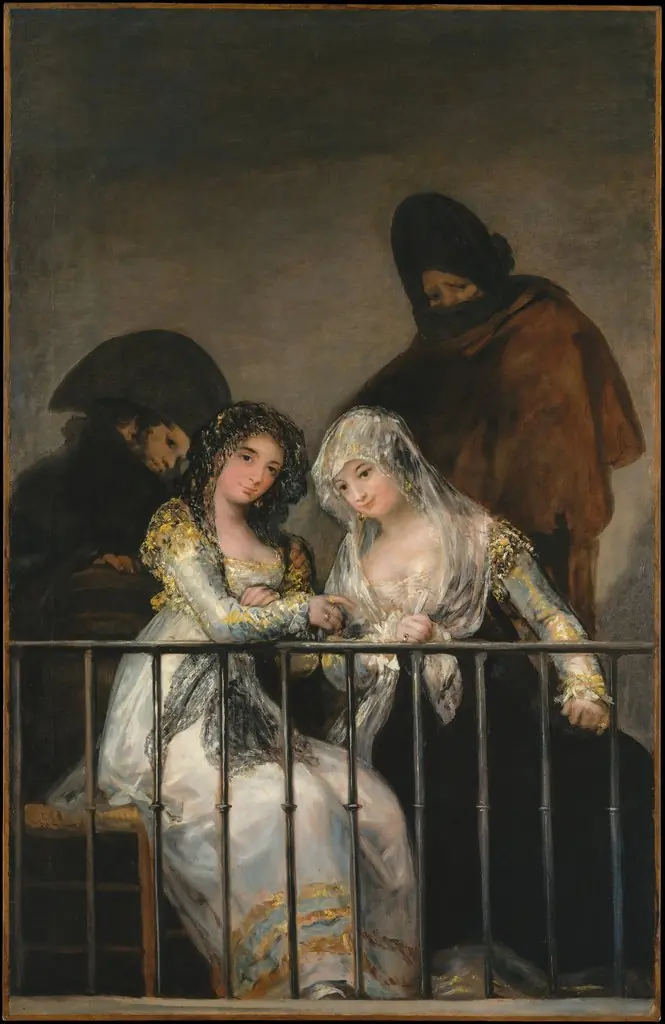
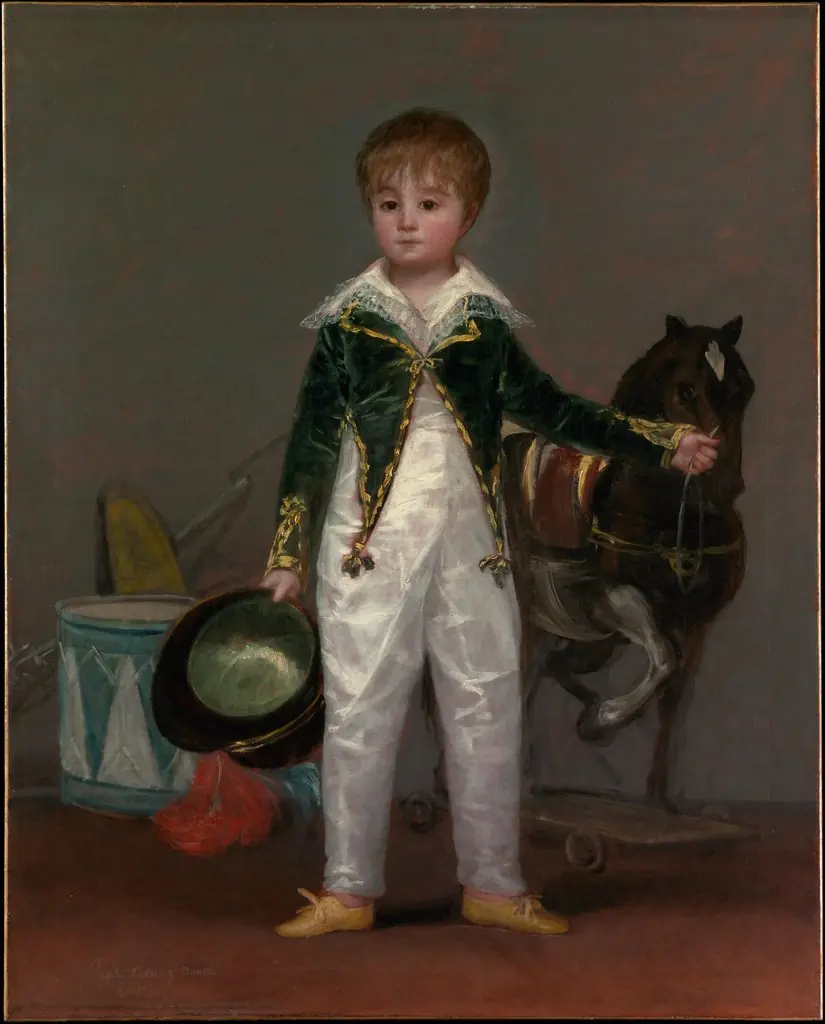
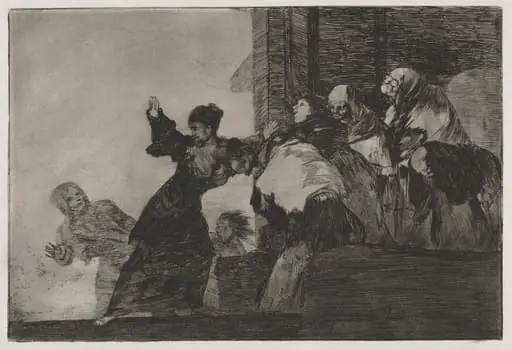 The Proverbs: Poor Folly
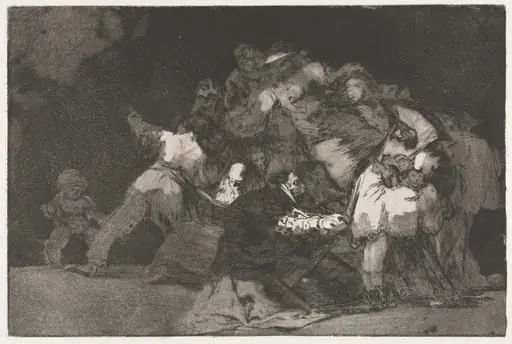 The Proverbs: General Folly
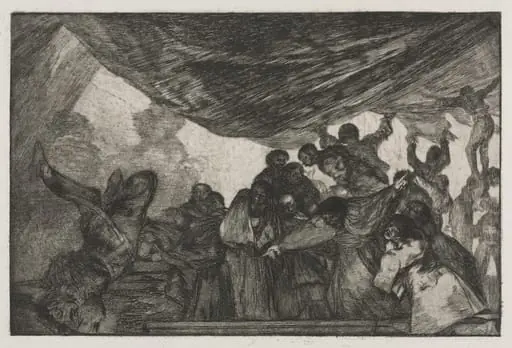 The Proverbs: Clear Folly
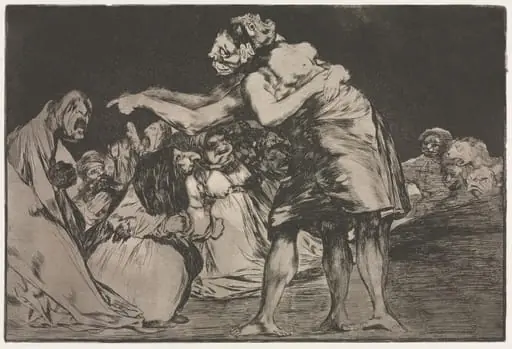 The Proverbs: Matrimonial Folly
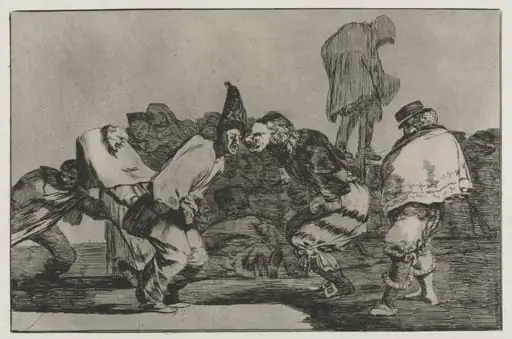 The Proverbs: Carnival Folly
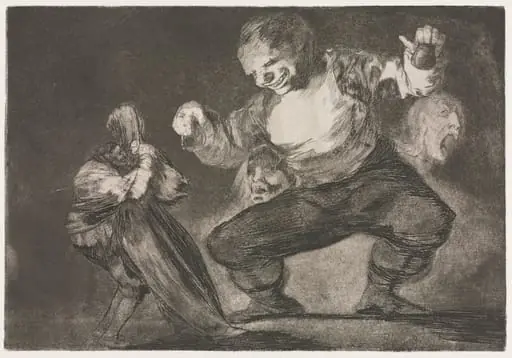 The Proverbs: Simpleton
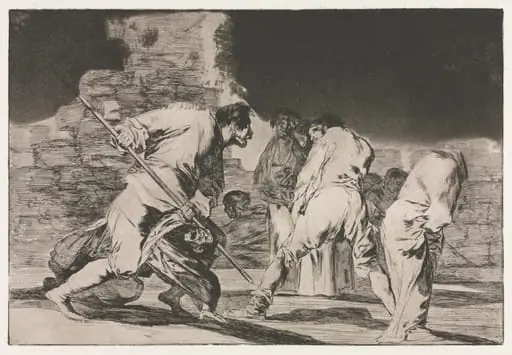 The Proverbs: The Folly of Fury
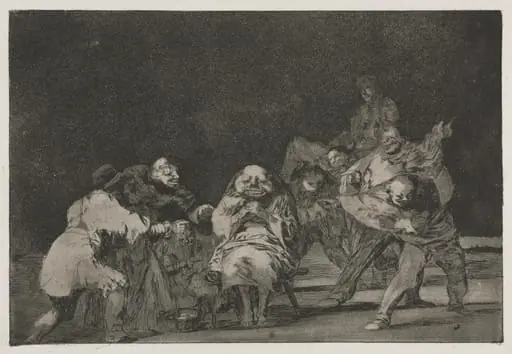 The Proverbs: Loyalty
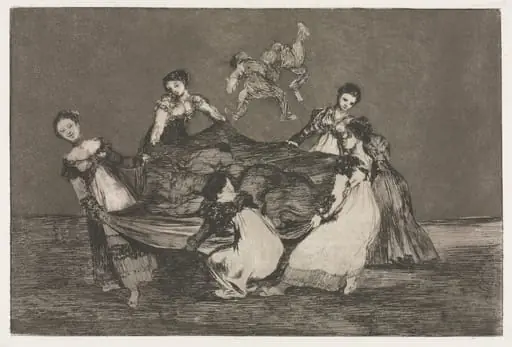 The Proverbs: Feminine Folly
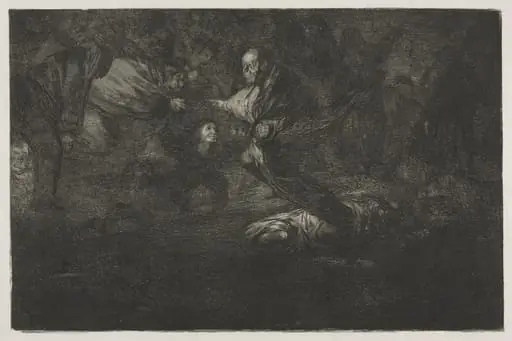 The Proverbs: God Creates Them and They Join Up Together
 The Proverbs: The Men in Sacks
 The Proverbs: Folly of Fear