Artwork
The Proverbs: The Folly of Fury
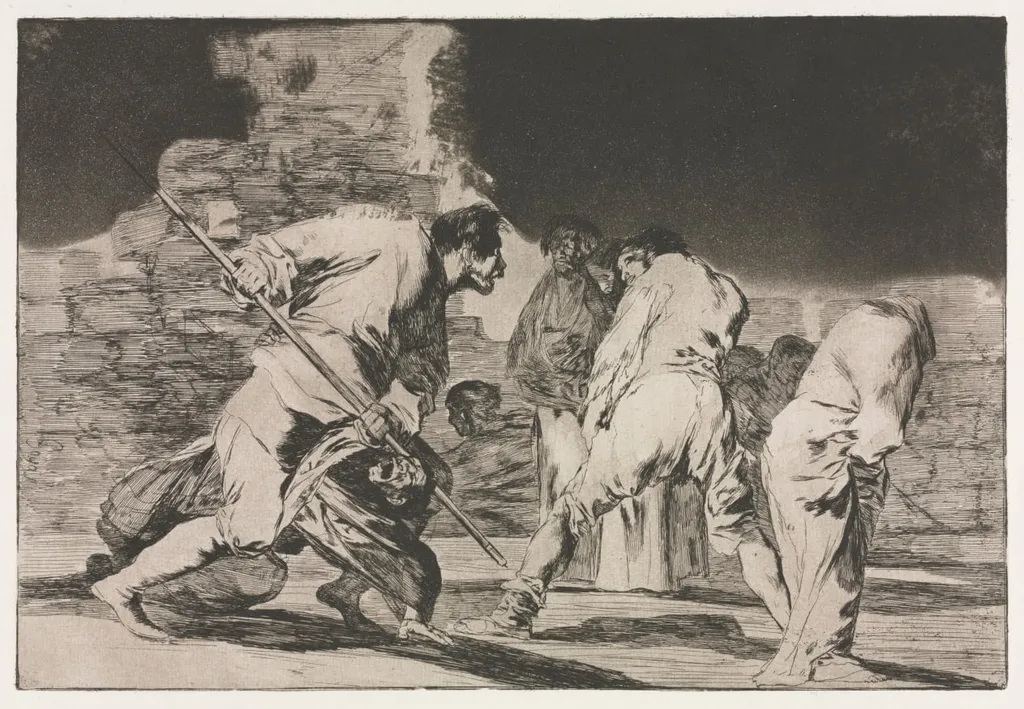
The Proverbs: The Folly of Fury is a print by the Impressionist artist Francisco Goya. It is held in the collection of the Cleveland Museum of Art. Created in 1864, this etching by Francisco de Goya is part of a series exploring human behavior through symbolic scenes.
About this work
Overview
Created in 1864, this etching by Francisco de Goya is part of a series exploring human behavior through symbolic scenes. It depicts a moment of violent tension under cover of night, rendered in stark monochrome. The work belongs to the Cleveland Museum of Art’s collection and exemplifies Goya’s late interest in psychological and moral themes, conveyed through minimal yet potent visual language.
Subject & Meaning
The scene illustrates a moment of uncontrolled rage, likely referencing a Spanish proverb about the consequences of anger. Five disheveled figures surround a kneeling man brandishing a sword, their postures suggesting fear, hesitation, or complicity. The absence of clear narrative context invites interpretation, emphasizing the universality of irrational violence and its disruptive social impact.
Technique & Style
Goya employs etching with heavy burin work to achieve dramatic chiaroscuro. Deep blacks and sharp highlights isolate the figures against an indistinct, smoky background, heightening the sense of impending danger. The rough textures of clothing and the angular, fragmented lines convey agitation, while the lack of fine detail reinforces the raw, urgent tone of the moment.
History & Provenance
This print was produced during Goya’s later years, following his retreat from public life and amid personal illness. It was likely made as part of his private series 'Los Proverbios,' never intended for public sale. The work entered the Cleveland Museum of Art’s collection in the 20th century, having passed through private European holdings after Goya’s death.
Context
Goya created this piece during a period of political disillusionment and introspection in Spain. The 'Proverbios' series reflects his preoccupation with human folly, superstition, and moral decay, drawing from folk sayings and darkened perceptions of society. Unlike his earlier court commissions, these works were intimate, critical, and uncommissioned.
Legacy
The etching stands as a precursor to modern expressions of psychological unease in art. Its raw emotional intensity and rejection of idealized form influenced later generations of artists seeking to depict inner turmoil and social fragmentation. Though not widely exhibited in his lifetime, it gained recognition as a key example of Goya’s visionary late style.
Artist & collection
Artist
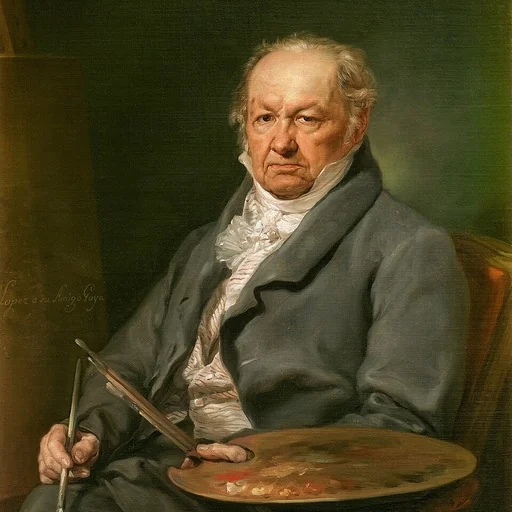
Francisco José de Goya y Lucientes (; Spanish: ; 30 March 1746 – 16 April 1828) was a Spanish romantic painter and printmaker.

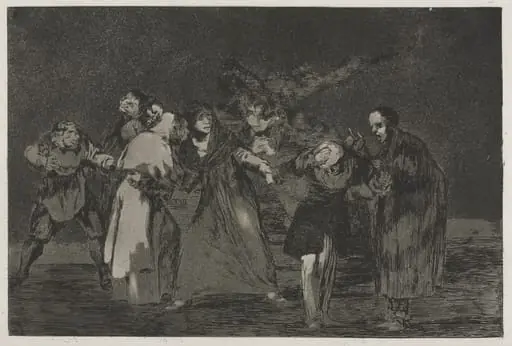 The Proverbs: Wounds Heal Quicker Than Hasty Words
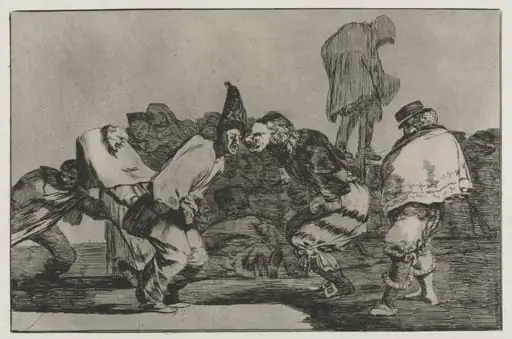 The Proverbs: Carnival Folly
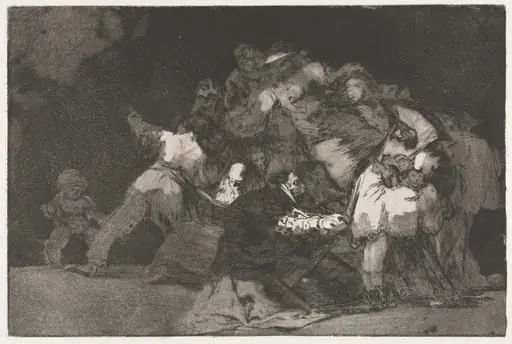 The Proverbs: General Folly
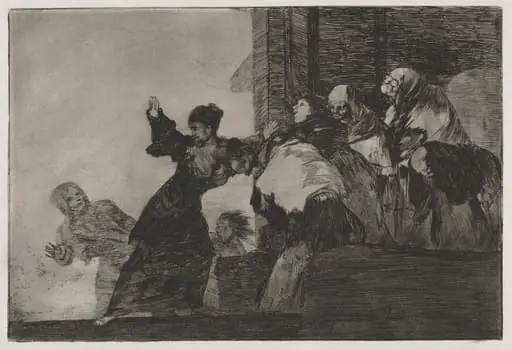 The Proverbs: Poor Folly
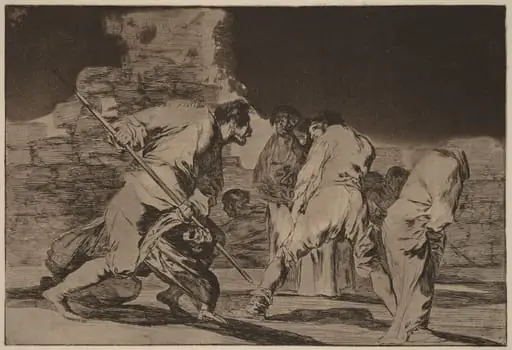 Disparate furioso (Furious Folly)
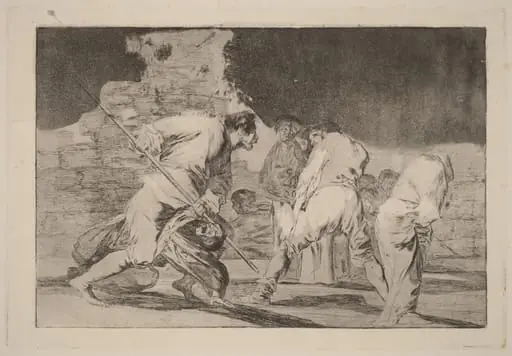 Disparate furioso (Furious Folly)
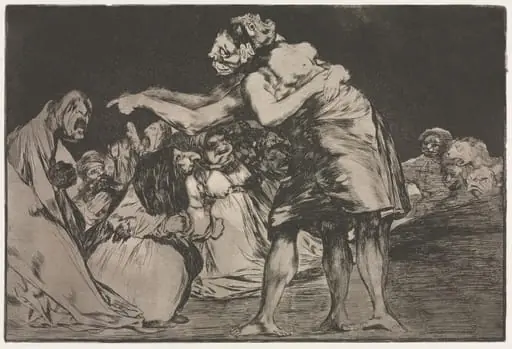 The Proverbs: Matrimonial Folly
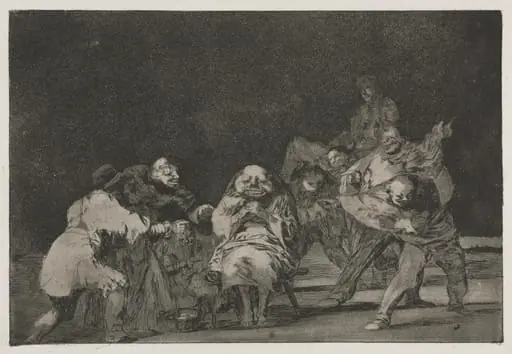 The Proverbs: Loyalty
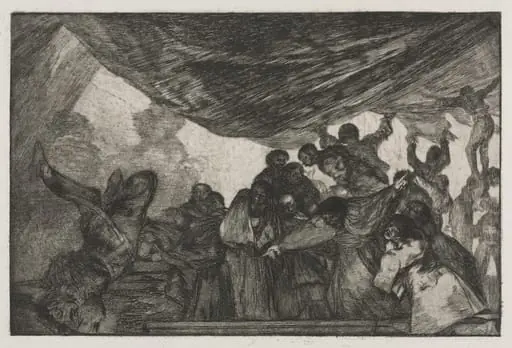 The Proverbs: Clear Folly
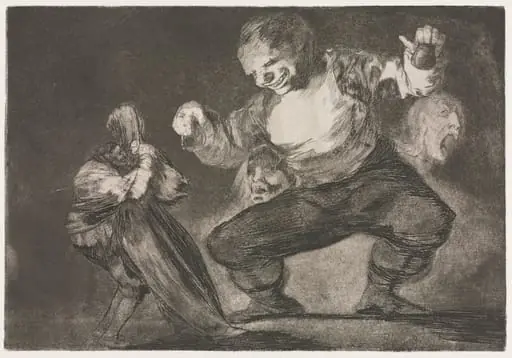 The Proverbs: Simpleton
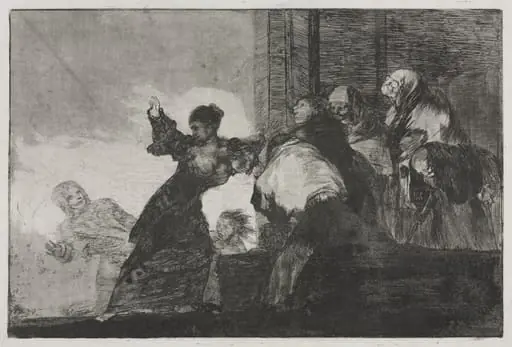 The Proverbs: Two Heads are Better than One or Poor Folly
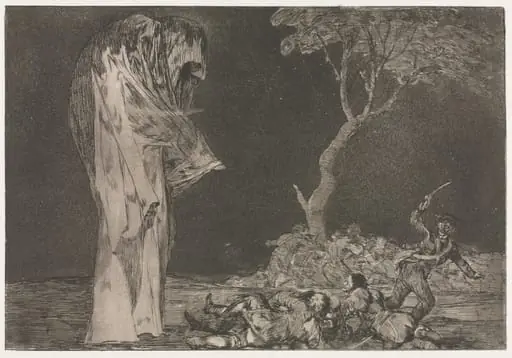 The Proverbs: Folly of Fear