Artwork
The Proverbs: Wounds Heal Quicker Than Hasty Words
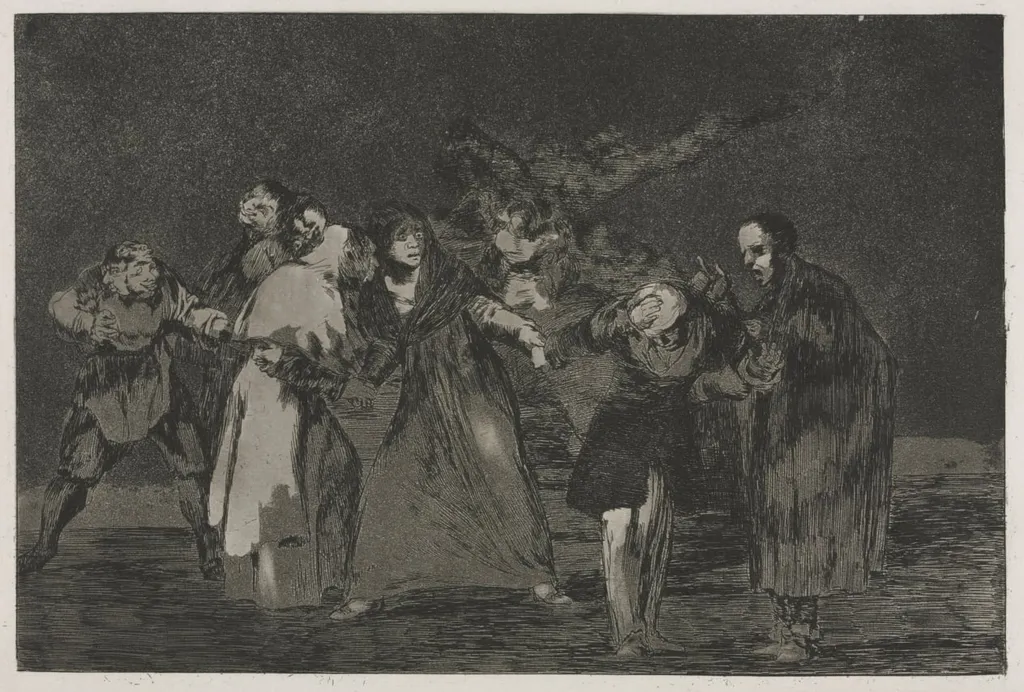
The Proverbs: Wounds Heal Quicker Than Hasty Words is a print by the Impressionist artist Francisco Goya. It is held in the collection of the Cleveland Museum of Art. This etching by Francisco de Goya, dated 1864, is part of a series illustrating moral sayings through dramatic scenes.
About this work
Overview
The composition captures a moment of volatile human interaction, aligning with Goya’s late-period focus on psychological and social unrest.
This etching by Francisco de Goya, dated 1864, is part of a series illustrating moral sayings through dramatic scenes. It is held in the collection of The Cleveland Museum of Art. Rendered in black ink on paper, the work uses sharp contrasts and textured lines to convey emotional tension. The composition captures a moment of volatile human interaction, aligning with Goya’s late-period focus on psychological and social unrest.
Subject & Meaning
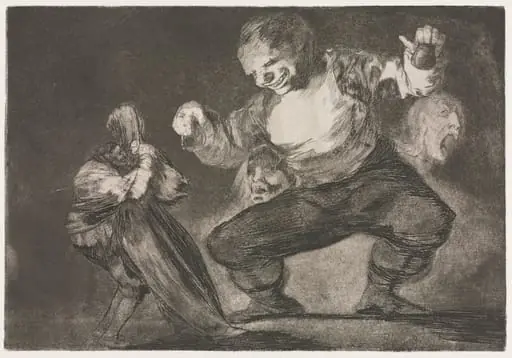
The scene depicts a group locked in heated argument, their gestures exaggerated and faces strained. The title, 'Wounds Heal Quicker Than Hasty Words,' suggests a warning against impulsive speech. Goya visualizes how quickly verbal conflict escalates into chaos, portraying words as more damaging than physical injury. The figures’ clustered forms and aggressive postures reinforce the idea that emotional harm lingers longer than visible wounds.
Technique & Style
Goya employed etching with heavy aquatint to achieve deep shadows and stark highlights, a technique known as chiaroscuro. The rough, expressive lines and dense shading create a sense of immediacy and unease. Light falls sparingly, illuminating only fragments of clothing and faces, heightening the atmosphere of tension. The lack of fine detail forces the viewer to focus on gesture and mood rather than individual identity.
History & Provenance
Created in 1864, this print belongs to Goya’s late series of satirical and moralizing images, produced after his physical decline and withdrawal from public life. It was likely made for private circulation rather than public sale. The work entered The Cleveland Museum of Art’s collection in the 20th century, where it remains as part of a broader group of Goya’s graphic works exploring human folly and social decay.
Context
Goya produced this piece during a period of personal isolation and political disillusionment in Spain. His later works often turned inward, examining human behavior through allegory and dark humor. This etching reflects broader 19th-century anxieties about communication, authority, and the fragility of social order. It aligns with contemporaneous European interest in psychological realism and moral critique.
Legacy
The print contributes to Goya’s enduring reputation as a precursor to modern expressive art. Its raw emotional intensity and rejection of idealized form influenced later generations of artists exploring psychological depth through printmaking. While not widely exhibited, it remains a key example of how Goya used graphic media to confront uncomfortable truths about human nature.
Artist & collection
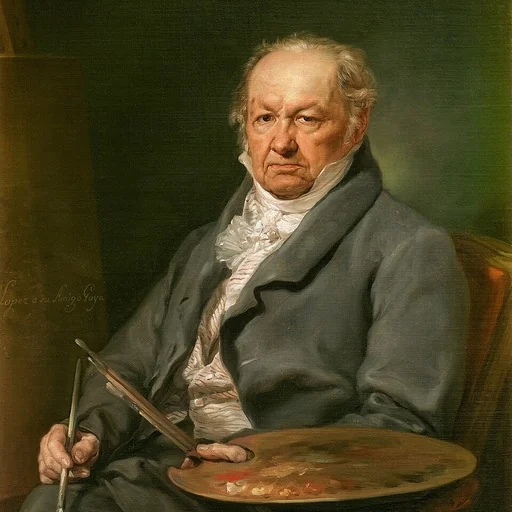
Artist
Francisco José de Goya y Lucientes (; Spanish: ; 30 March 1746 – 16 April 1828) was a Spanish romantic painter and printmaker.

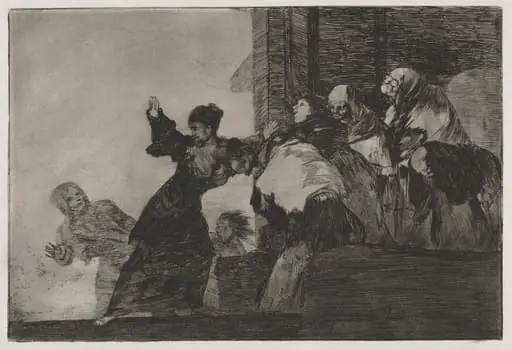 The Proverbs: Poor Folly
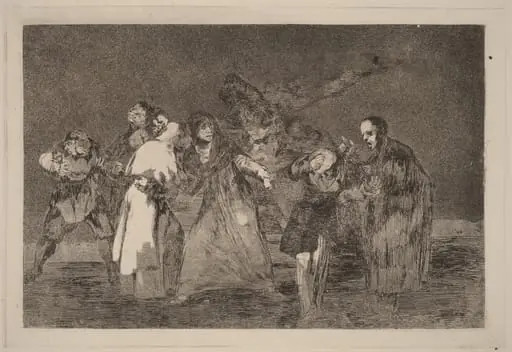 Sanan cuchilladas mas no malas palabras (Wounds Heal Quicker than Hasty Words)
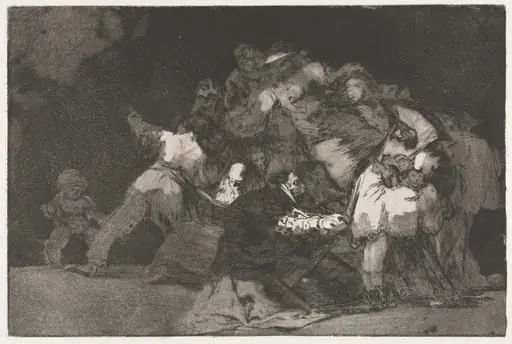 The Proverbs: General Folly
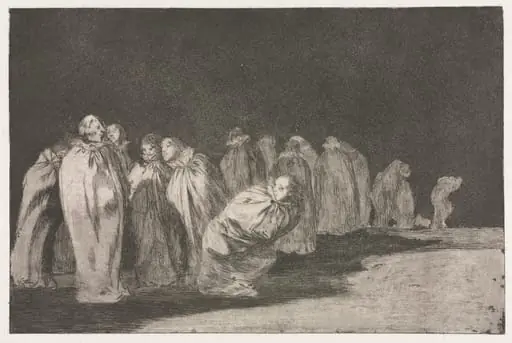 The Proverbs: The Men in Sacks
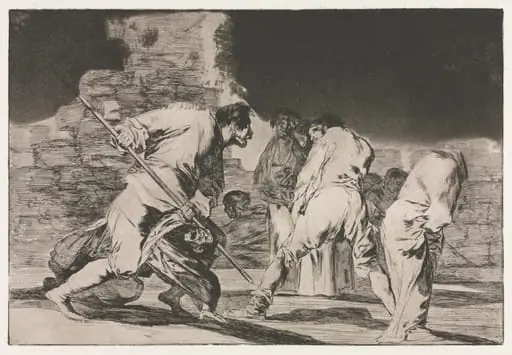 The Proverbs: The Folly of Fury
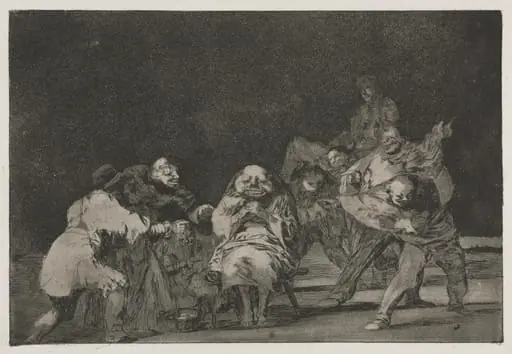 The Proverbs: Loyalty
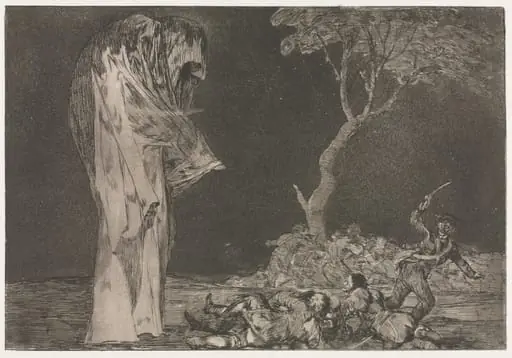 The Proverbs: Folly of Fear
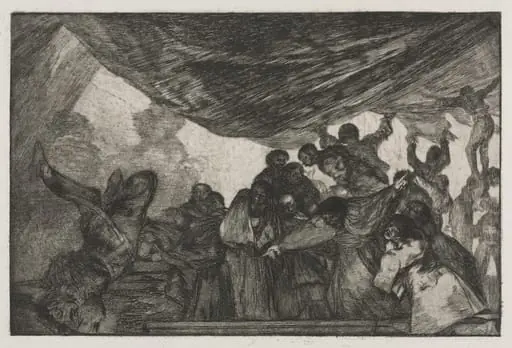 The Proverbs: Clear Folly
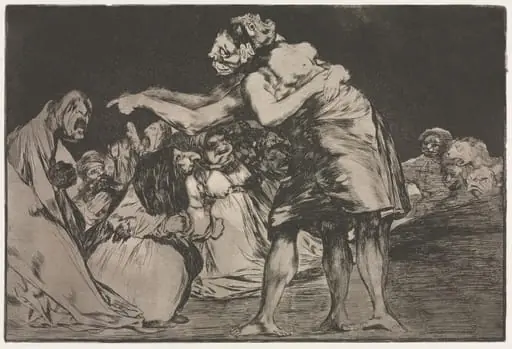 The Proverbs: Matrimonial Folly
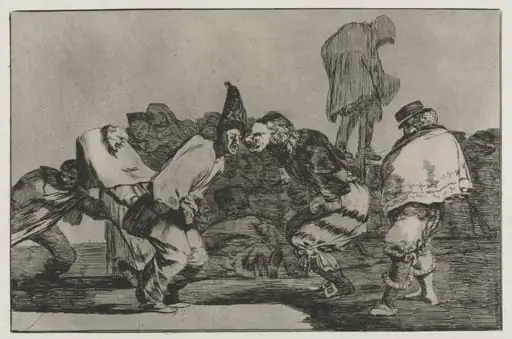 The Proverbs: Carnival Folly
 The Proverbs: Simpleton
 The Proverbs: God Creates Them and They Join Up Together