Artwork
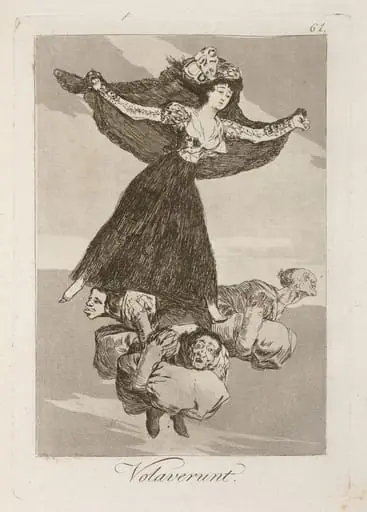
They Have Flown, Plate 61
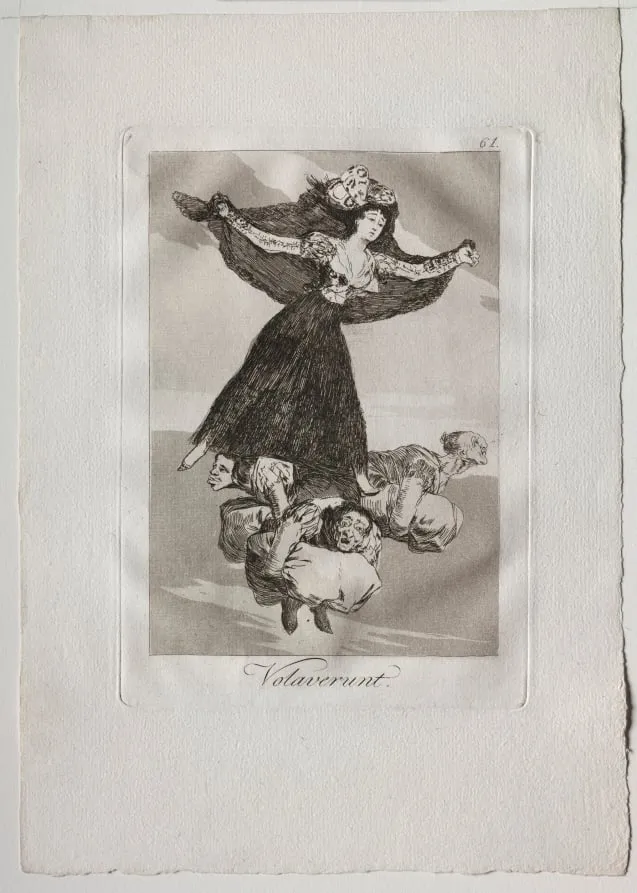
They Have Flown, Plate 61 is a print by the Romanticist artist Francisco Goya. It dates from 1799 and is held in the collection of the Cleveland Museum of Art. Plate 61, titled *They Have Flown*, belongs to Francisco de Goya’s print series *Los Caprichos* (1746–1828).
About this work
You see three witches holding up a young woman who’s floating like a butterfly, her dress and veil fluttering in the wind.
You see three witches holding up a young woman who’s floating like a butterfly, her dress and veil fluttering in the wind.
Goya made this as part of a series called *Los Caprichos*—prints full of strange, dream-like scenes. He used them to poke at Spanish society, but left the meaning fuzzy. Is the woman flying free, or being carried off? The image plays with old ideas about women being "flighty," but it’s hard to tell if Goya agreed or was mocking it.
To see more of his dark, playful prints, look up *Francisco de Goya (Spanish, 1746–1828)*.
Overview
Plate 61, titled *They Have Flown*, belongs to Francisco de Goya’s print series *Los Caprichos* (1746–1828). Executed as an etching, the image shows three figures identified as witches supporting a young woman whose dress and veil billow, giving her the appearance of a butterfly in mid‑air. The composition is deliberately enigmatic, inviting multiple readings of the scene.
Subject & Meaning
The central figure, a youthful woman, is suspended as if carried by the wind, a visual metaphor that historically linked femininity with lightness or capriciousness. The surrounding witches—recurring symbols in Goya’s work for moral corruption and prostitution—add a darker layer, suggesting that the woman’s ascent may be less a triumph of freedom than an implication of exploitation or danger.
Technique & Style
Goya employed the chiaroscuro of etching to render the delicate folds of the woman’s veil against a darker background, creating a contrast that emphasizes her ethereal quality. The exaggerated gestures of the witches and the fluid lines of the floating dress reflect the series’ overall dream‑like, satirical aesthetic, blurring the line between reality and imagination.
History & Provenance
*Los Caprichos* was published in 1799 as a set of 80 prints that circulated widely in Spain and abroad. Plate 61 was included in the original edition and has since been held in several public collections, most notably the Museo del Prado, which houses a complete set of the series.
Context
The series emerged during a period of social and political tension in late‑18th‑century Spain, when Enlightenment ideas clashed with entrenched institutions. Goya used fantastical imagery to critique superstition, corruption, and the subjugation of women, employing ambiguity to evade censorship while still delivering pointed commentary.
Legacy
Scholars continue to debate the intended message of *They Have Flown*, viewing it as both a satirical take on contemporary gender stereotypes and a broader indictment of moral decay. The print remains a focal point in studies of Goya’s engagement with social critique through the medium of printmaking.
Artist & collection
Artist
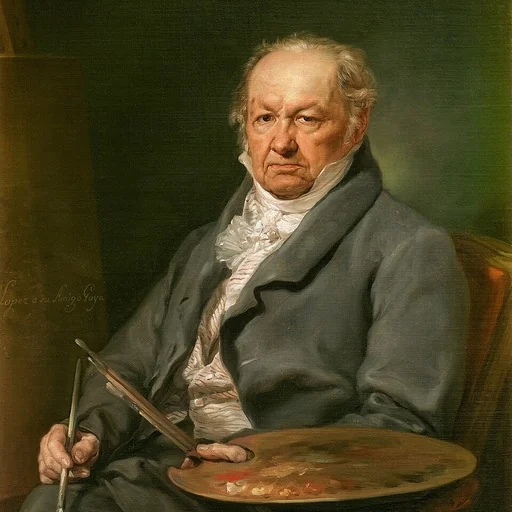
Francisco José de Goya y Lucientes (; Spanish: ; 30 March 1746 – 16 April 1828) was a Spanish romantic painter and printmaker.

 Volaverunt (They Have Flown)
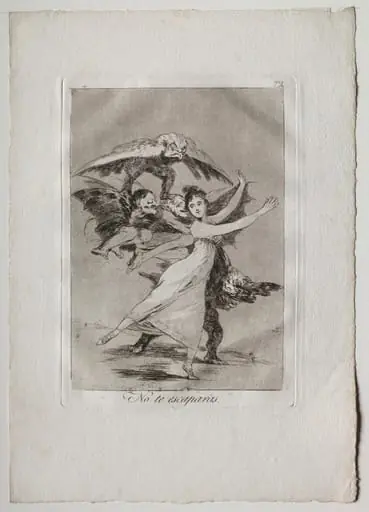 You Will Not Escape, Plate 72
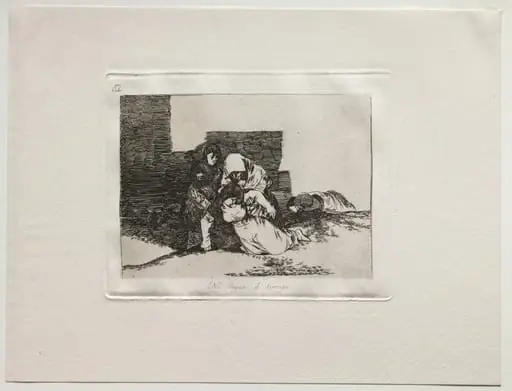 The Horrors of War: They Do Not Arrive In Time
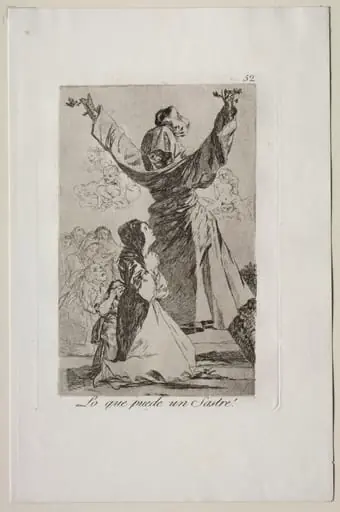 What a Tailor Can Do!, Plate 52
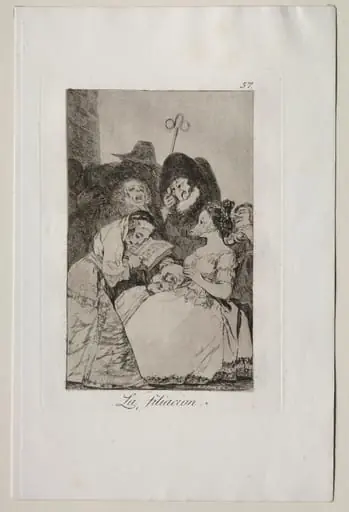 The Filiation, Plate 57
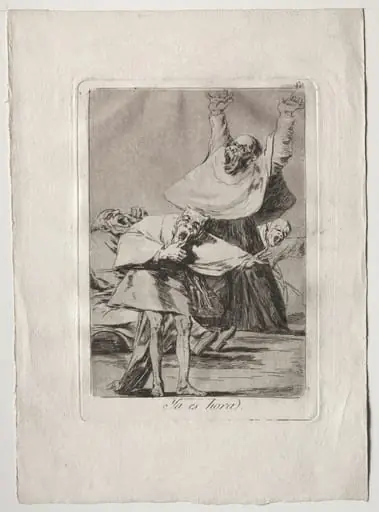 It is Time, Plate 80
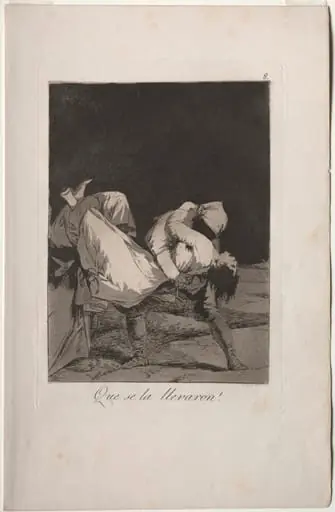 They Carried Her Off!, Plate 8
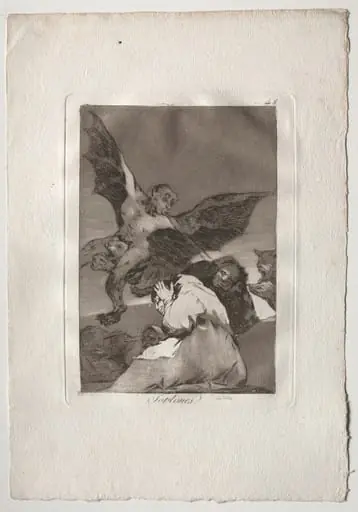 Tale-Bearers - Blasts of Wind, Plate 48
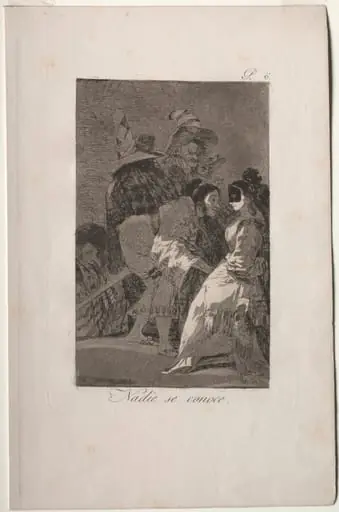 No One Knows Himself, Plate 6
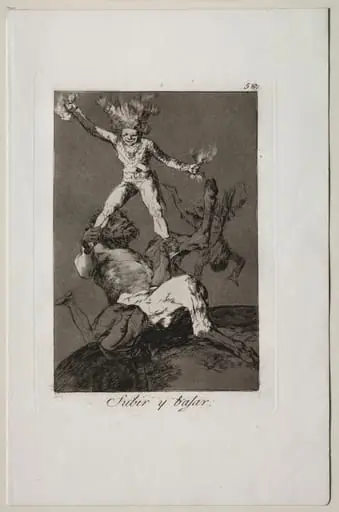 To Rise and to Fall, Plate 56