Artwork
Thou Who Canst Not, Plate 42
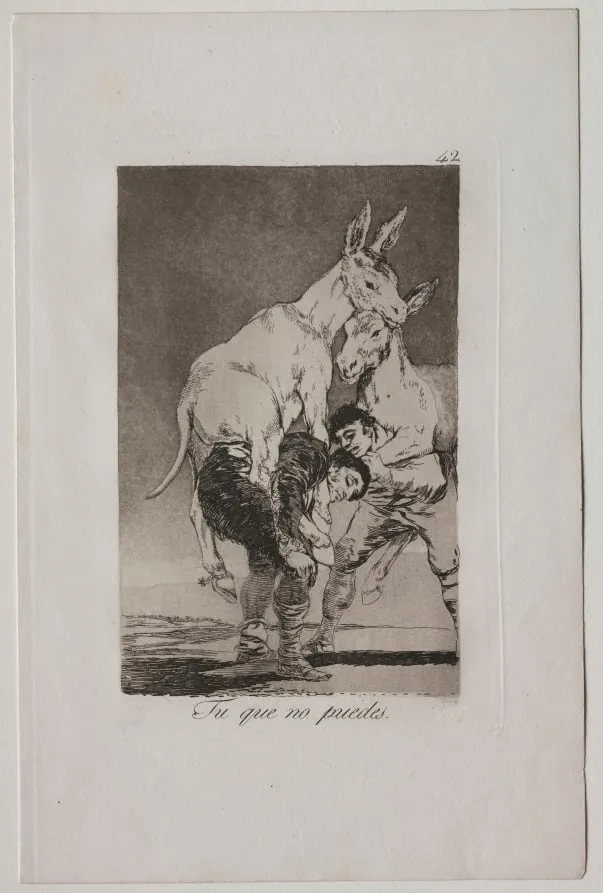
Thou Who Canst Not, Plate 42 is a print by the Romanticist artist Francisco Goya. It dates from 1799 and is held in the collection of the Cleveland Museum of Art.
About this work
Overview
Created around 1799, “Thou Who Canst Not, Plate 42” is an intaglio print by the Spanish artist Francisco de Goya. The work belongs to a larger group of prints through which Goya examined contemporary social conditions. It is part of the permanent collection of the Cleveland Museum of Art.
Subject & Meaning
The image presents a shadowy, enigmatic scene that conveys a sense of unease. Goya’s composition reflects his personal disquiet and a broader critique of the society of his time, expressing frustration with prevailing injustices and the darker aspects of human behavior.
Technique & Style
Executed in the chiaroscuro tradition, the print relies on stark contrasts between deep black tones and illuminated areas to heighten drama and mood. Goya’s handling of line and wash creates a layered, atmospheric effect that underscores the work’s somber narrative.
History & Provenance
The print was produced during a period of personal hardship for Goya, a phase that informed the tone of the series. After changing hands among private collectors, it entered the Cleveland Museum of Art, where it remains on view as part of the museum’s European print holdings.
Artist & collection
Artist
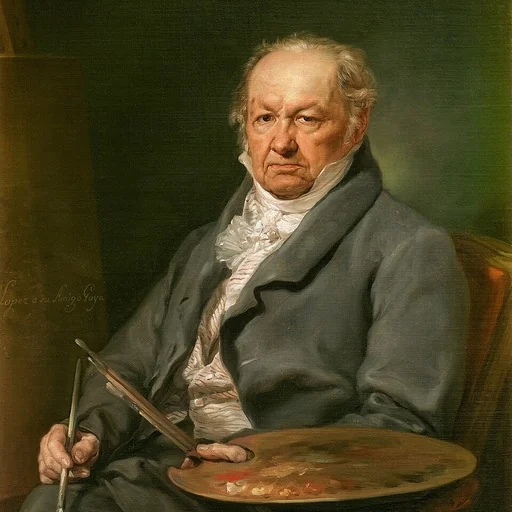
Francisco José de Goya y Lucientes (; Spanish: ; 30 March 1746 – 16 April 1828) was a Spanish romantic painter and printmaker.

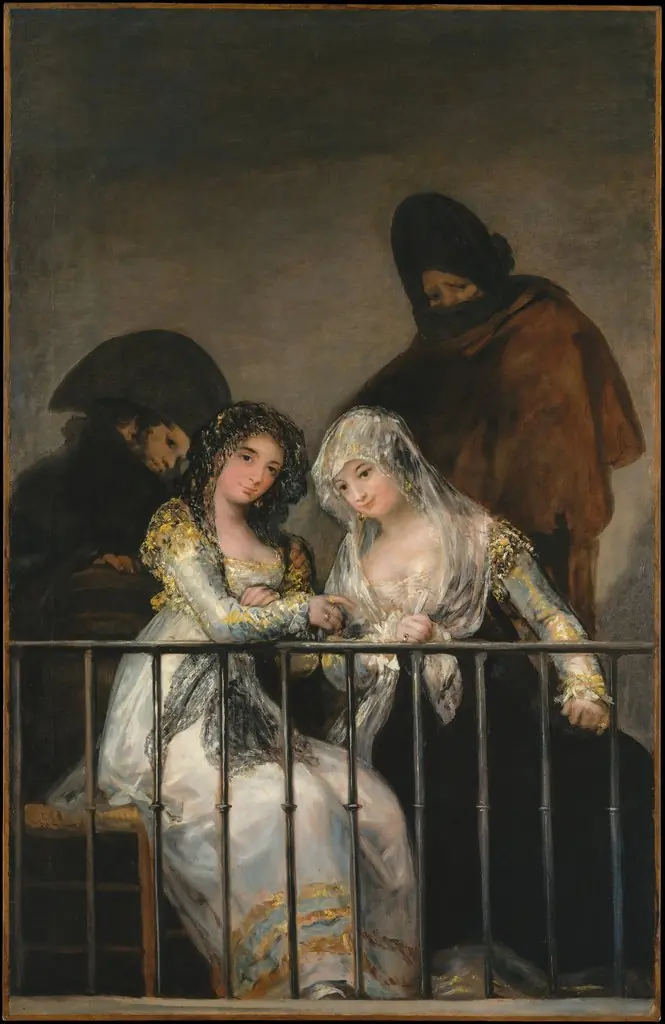
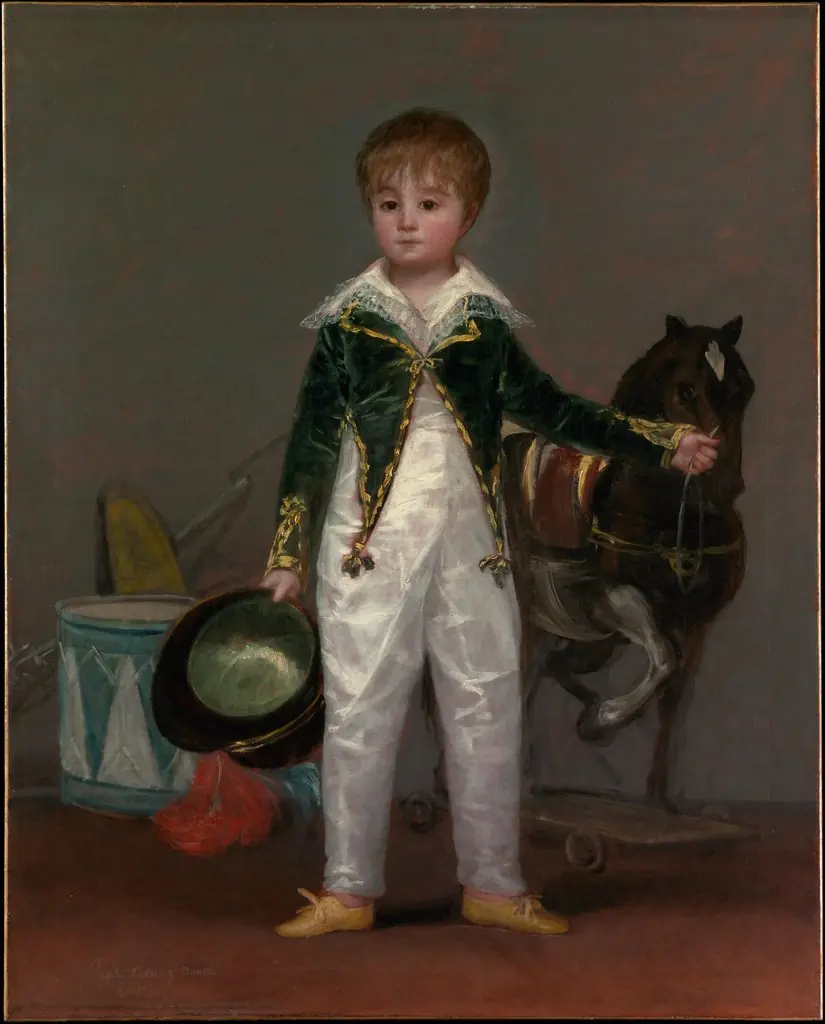
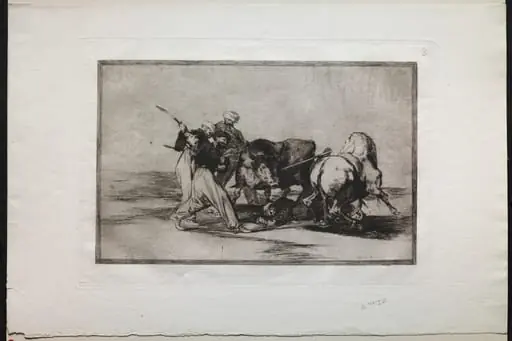 Bullfights: The Moors Settled in Spain, Giving Up the Superstitions of the Qur’an, Adopted this Art of Hunting, and Spear a Bull in the Open
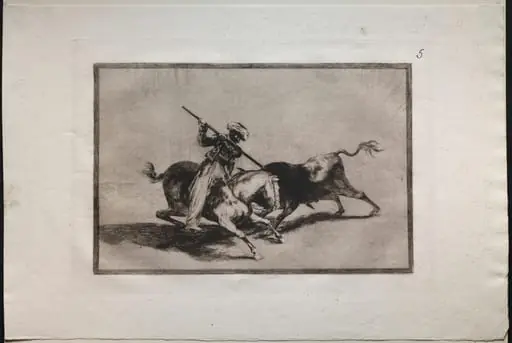 Bullfights: The Spirited Moor Gazul is the First to Fight According to the Rules
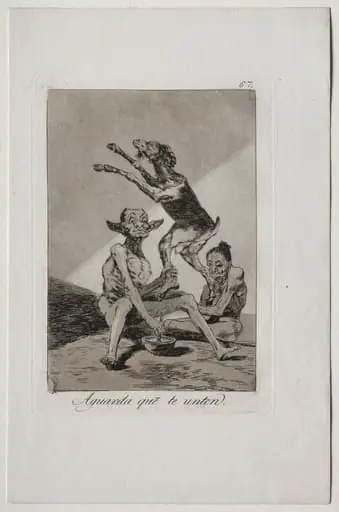 Wait Till You've Been Anointed, Plate 67
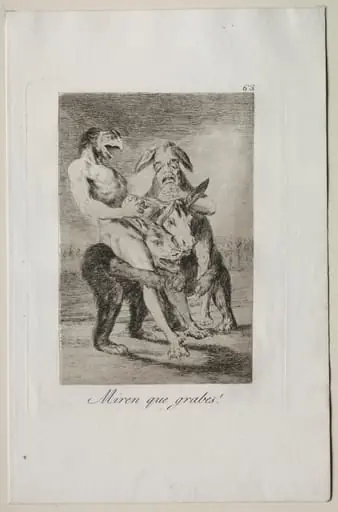 Look How Solemn They Are!, Plate 63
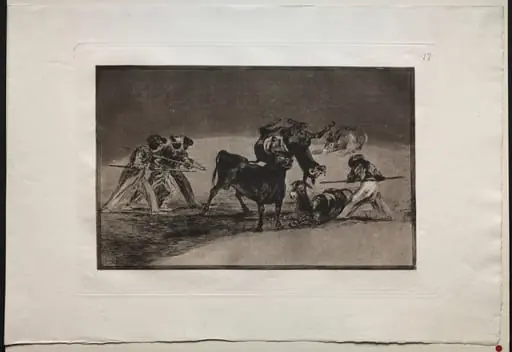 Bullfights: The Moors Use Donkeys as a Barrier to Defend Themselves Against the Bull Whose Horns Have Been Tipped with Balls
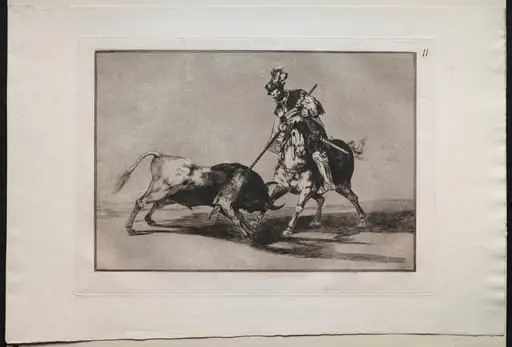 Bullfights: El Cid Campeador Spearing Another Bull
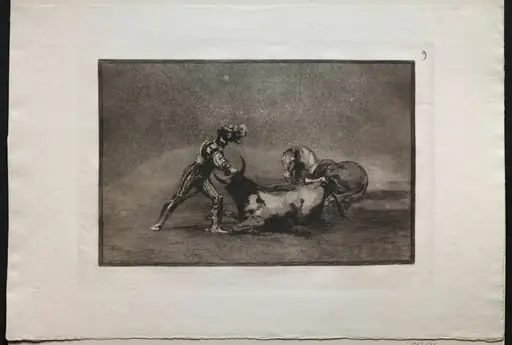 Bullfights: A Spanish Knight Kills the Bull After Having Lost His Horse