Artwork
Hercules Separates Mounts Calpe and Abylla
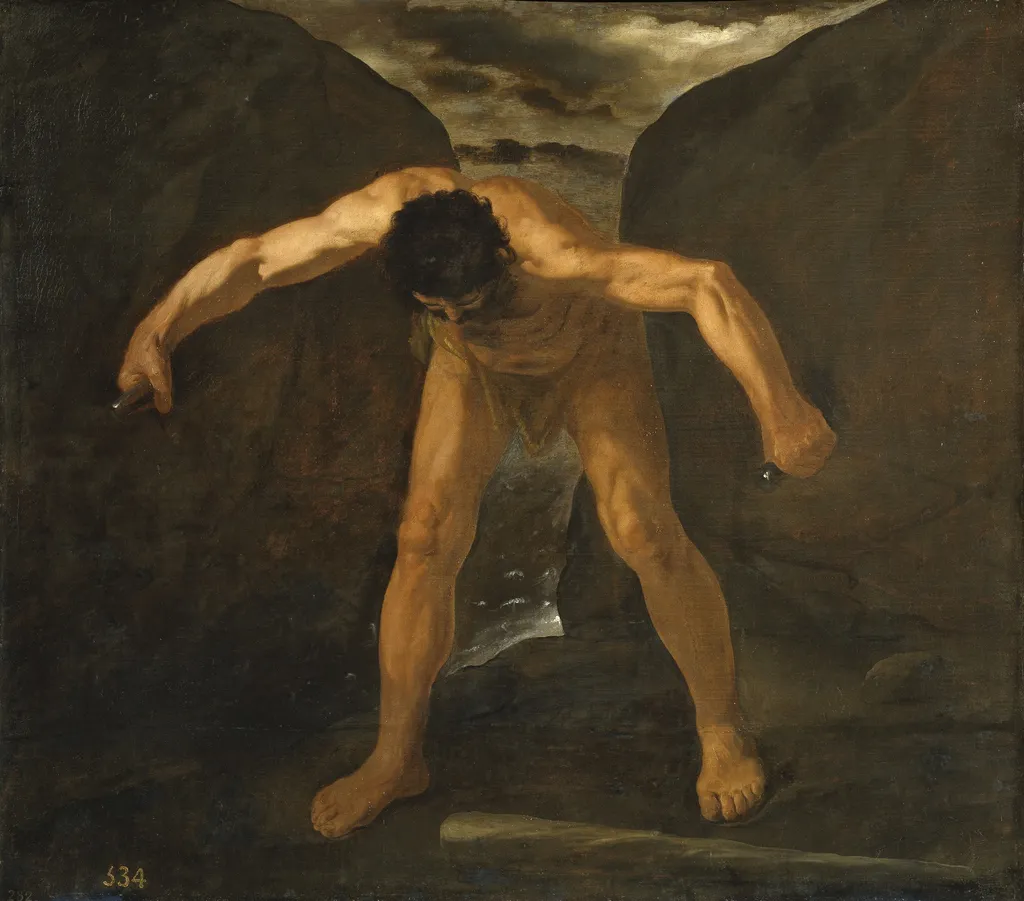
Hercules Separates Mounts Calpe and Abylla is an oil painting by the Early Baroque Italian artist Francisco de Zurbarán. It dates from 1634 and is held in the collection of the Museo del Prado.
About this work
Overview
Created in 1634, this oil on canvas by Spanish painter Francisco de Zurbarán portrays a scene from classical mythology in which the hero Hercules is shown separating the two promontories known as Calpe and Abyla. The work is part of the collection of the Museo del Prado in Madrid and exemplifies the artist’s interest in dramatic narrative subjects.
Subject & Meaning
The central figure is a robust, barefoot Hercules, his dark hair framing a focused expression as he lifts a massive stone with his right hand while clutching a smaller one in his left. The composition captures the moment of Herculean effort required to drive apart the twin pillars that frame the Strait of Gibraltar, symbolising the triumph of human strength over natural obstacles.
Technique & Style
Zurbará n employs a stark chiaroscuro, using deep shadows to model the hero’s musculature and to give the rocks a palpable weight. The limited palette of earth tones and muted blues enhances the sense of tension, while the cloudy sky and distant horizon provide a subtle atmospheric backdrop that deepens the spatial illusion.
History & Provenance
The painting has remained in Spain since its creation, eventually entering the holdings of the Museo del Prado, where it is displayed among the museum’s Baroque holdings. Its provenance reflects the continued appreciation of Zurbará’s mythological works alongside his more widely known religious commissions.
Own this work as a print
Artist & collection
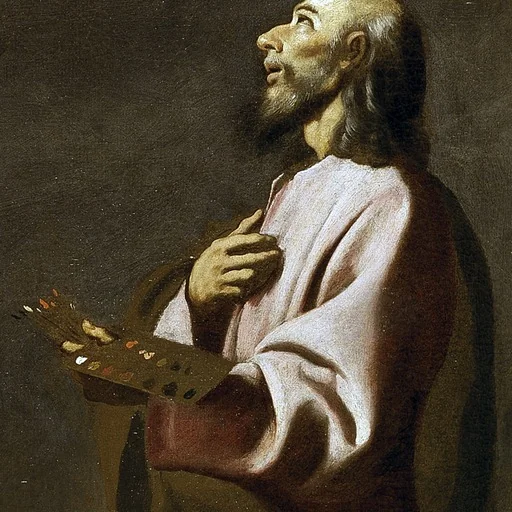
Artist
Francisco de Zurbarán was a Spanish Baroque painter. He is known primarily for his religious paintings depicting monks, nuns, and martyrs, and for his still-lifes. Zurbarán gained the nickname "Spanish Caravaggio",…