Artwork
The blind guitarist
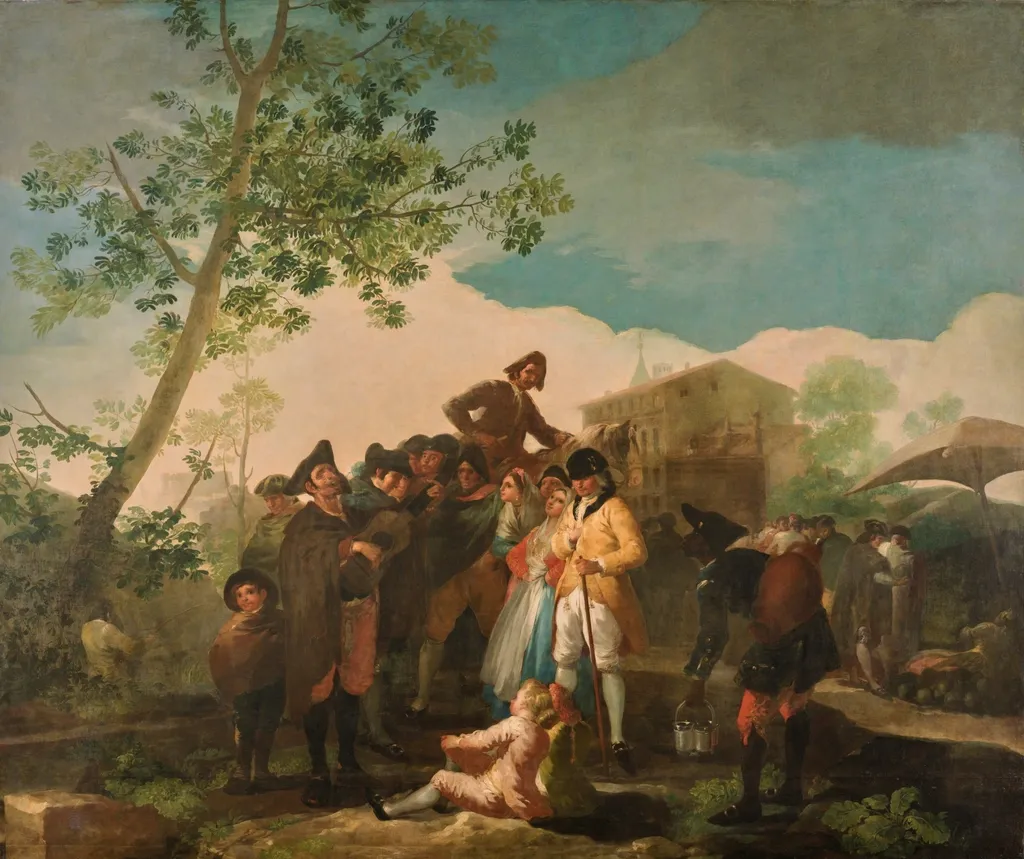
The blind guitarist is an oil painting by the Rococo painting artist Francisco Goya. It dates from 1790 and is held in the collection of the Museo del Prado.
About this work
Overview
Created circa 1790 by the Spanish artist Francisco Goya, this oil painting presents a lively outdoor gathering centered on a blind guitarist. The work captures a fleeting moment of everyday life in late eighteenth‑century Spain, with figures of varying social dress assembled around the seated musician.
Subject & Meaning
The composition focuses on a blind man seated on the ground, his back turned to the viewer as he strums a guitar. Around him, onlookers—some in refined attire, others in workwear—listen, converse, and gesture, suggesting a communal appreciation of music that transcends visual perception.
Technique & Style
Goya employs a restrained palette and a chiaroscuro effect, allowing light to fall unevenly across the group and generate deep shadows that model the forms. The brushwork combines the fluidity of Rococo genre scenes with a nascent realism that anticipates his later, more critical works.
History & Provenance
After its creation, the painting entered the Spanish royal collection before being transferred to the Museo del Prado in Madrid, where it remains part of the museum’s permanent holdings. Its documentation traces a continuous presence in state collections throughout the nineteenth century.
Context
The work belongs to Goya’s early period, when he produced numerous genre scenes depicting ordinary people and popular entertainments. It reflects the social fabric of the era, juxtaposing aristocratic and laboring figures in a shared public space, a theme that would later inform his more overtly political oeuvre.
Own this work as a print
Artist & collection
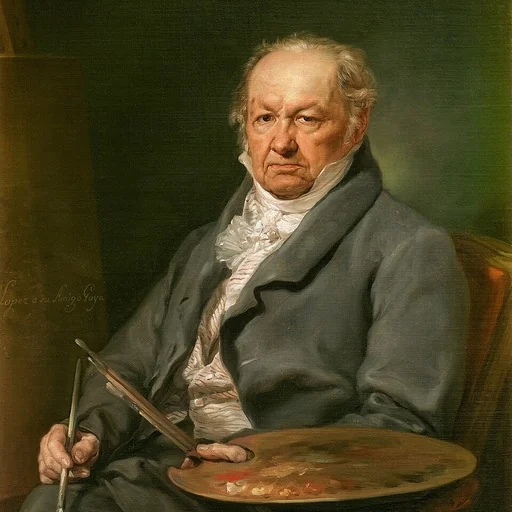
Artist
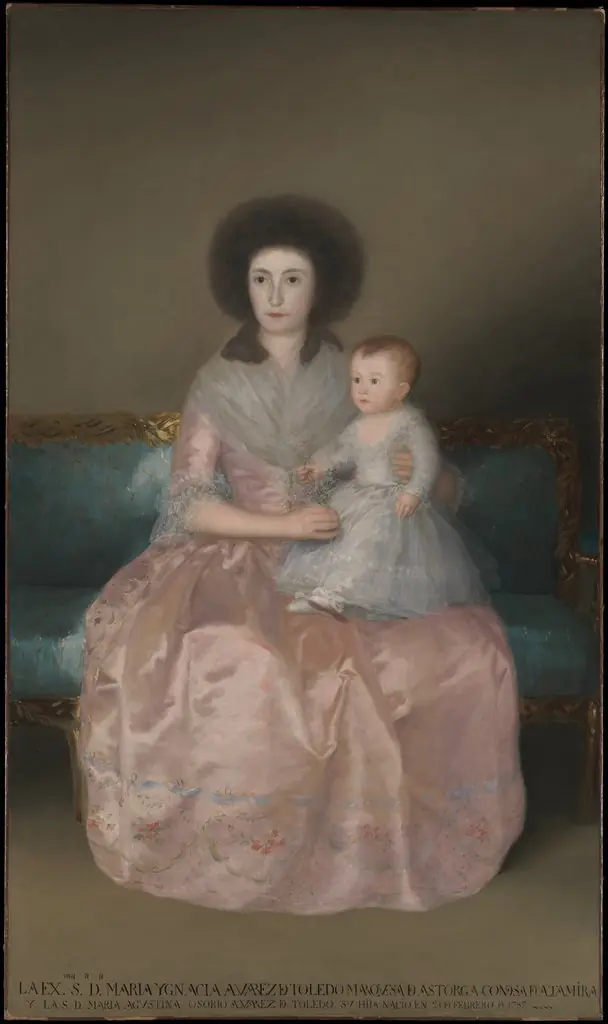
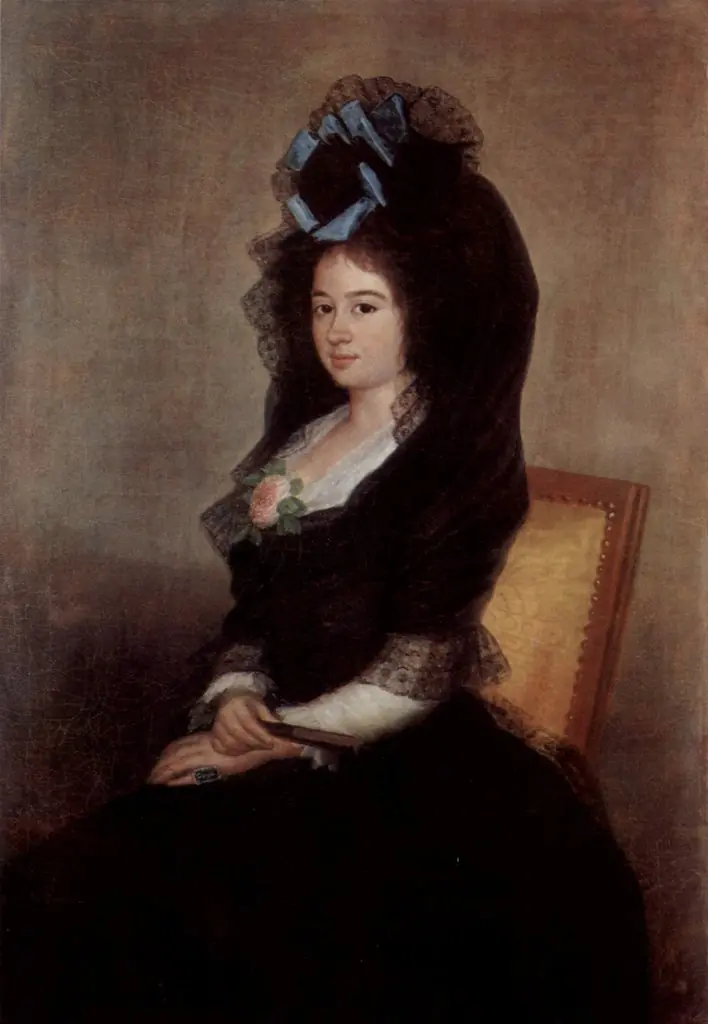
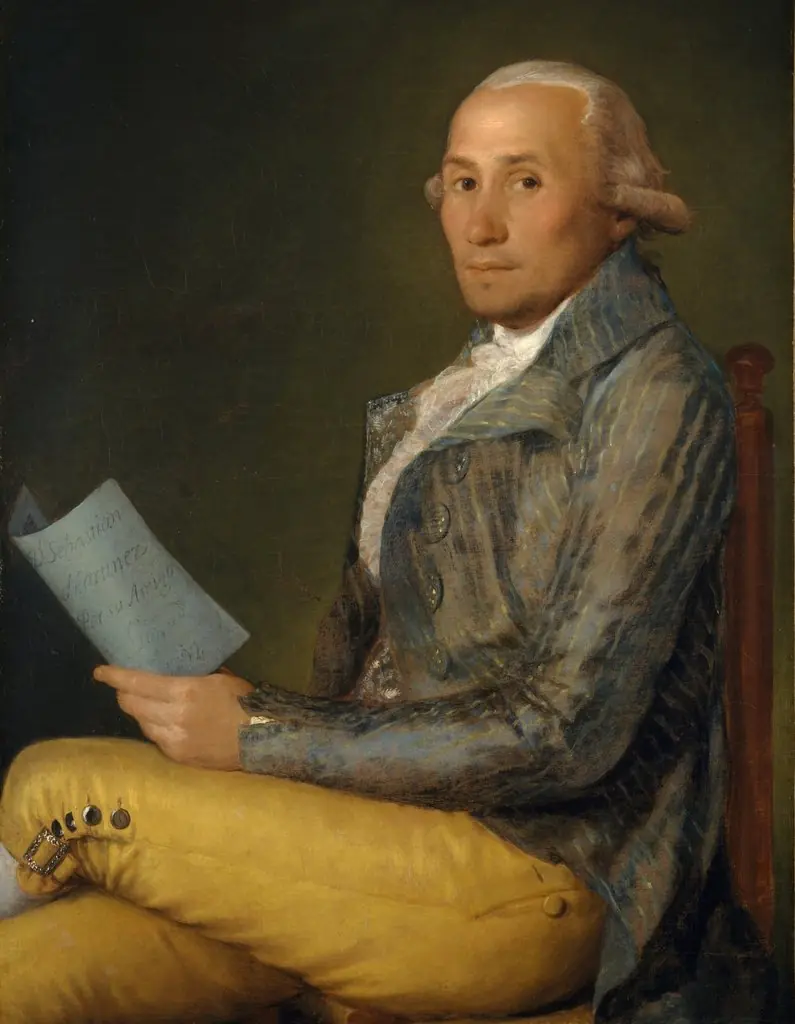
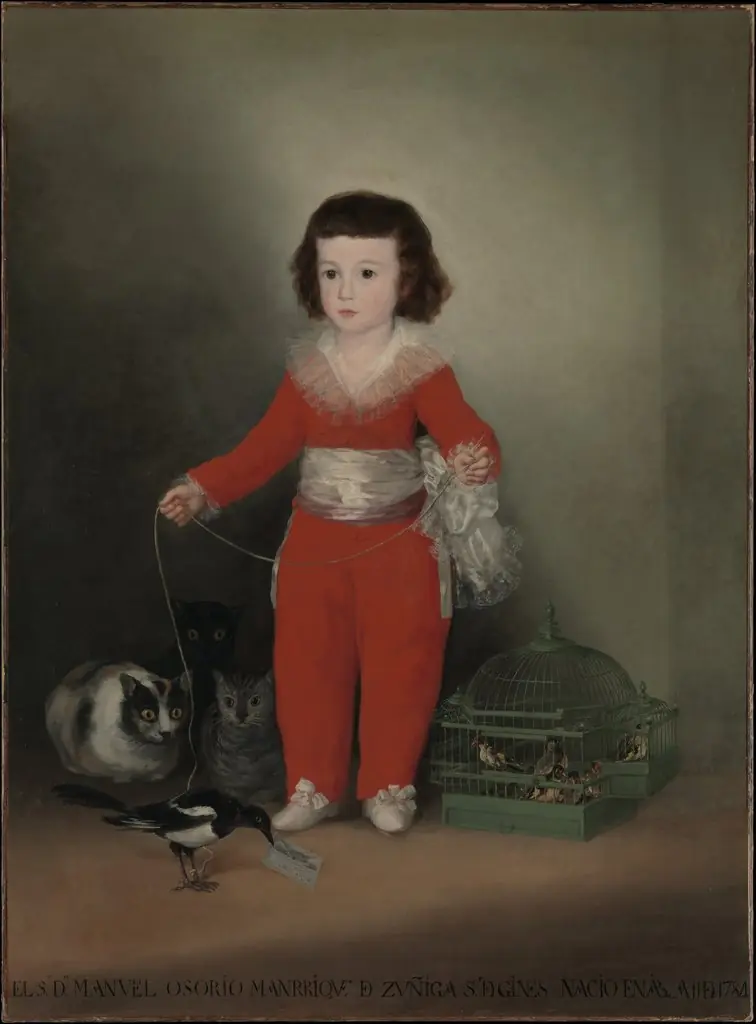
Francisco José de Goya y Lucientes (; Spanish: ; 30 March 1746 – 16 April 1828) was a Spanish romantic painter and printmaker.

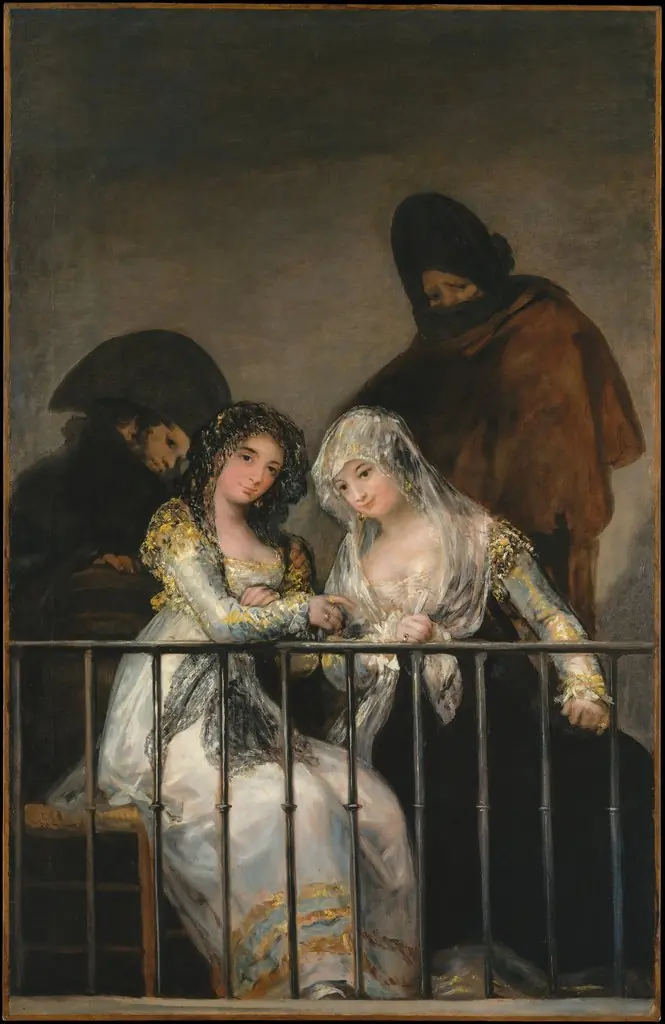
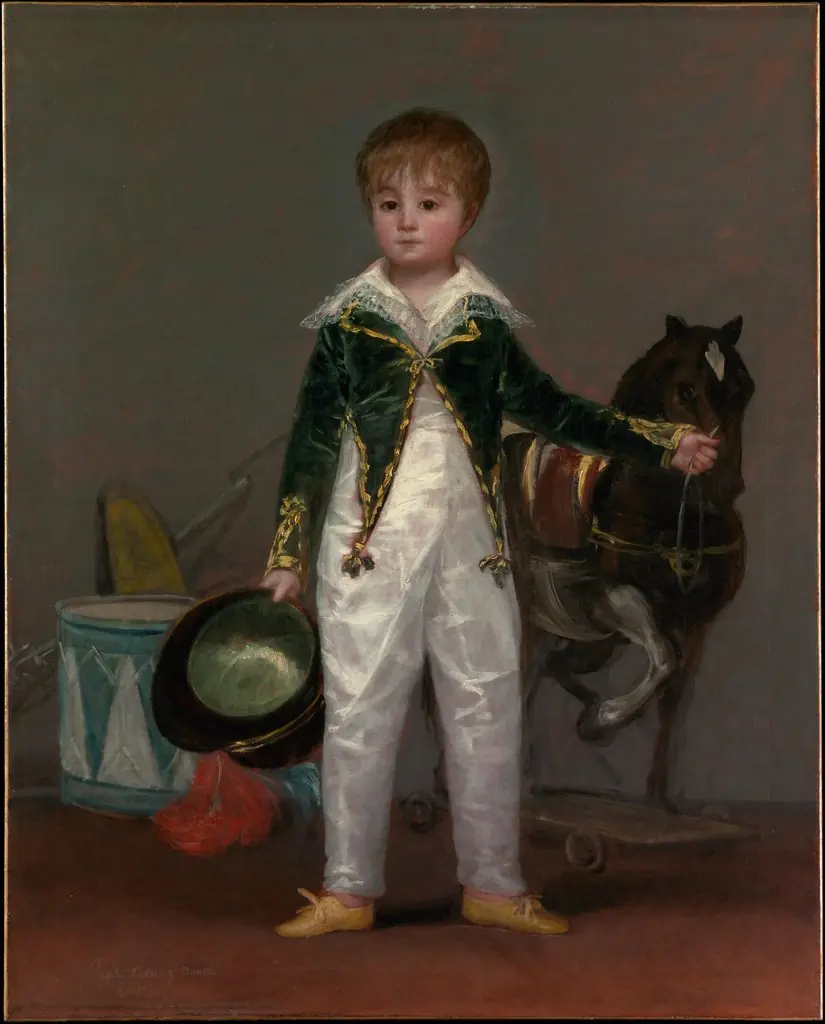
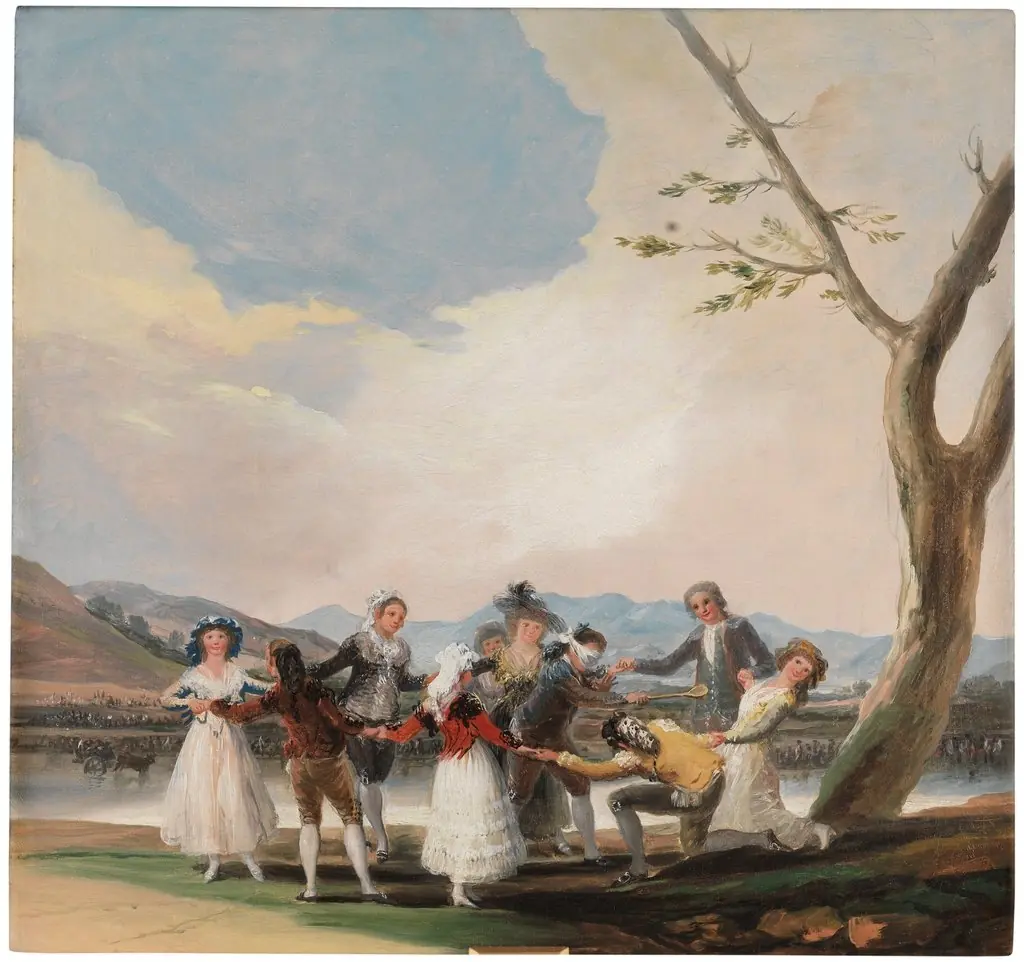 Blind Man's Bluff (sketch)
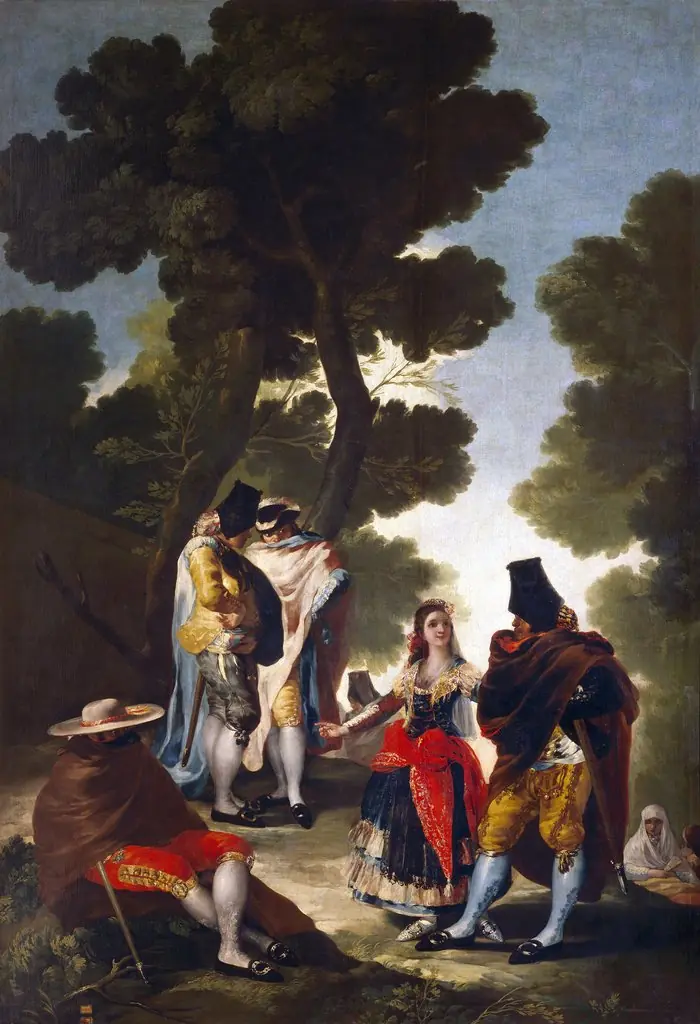 The Pretty Woman and the Masked Men (The Road of Andalusia)
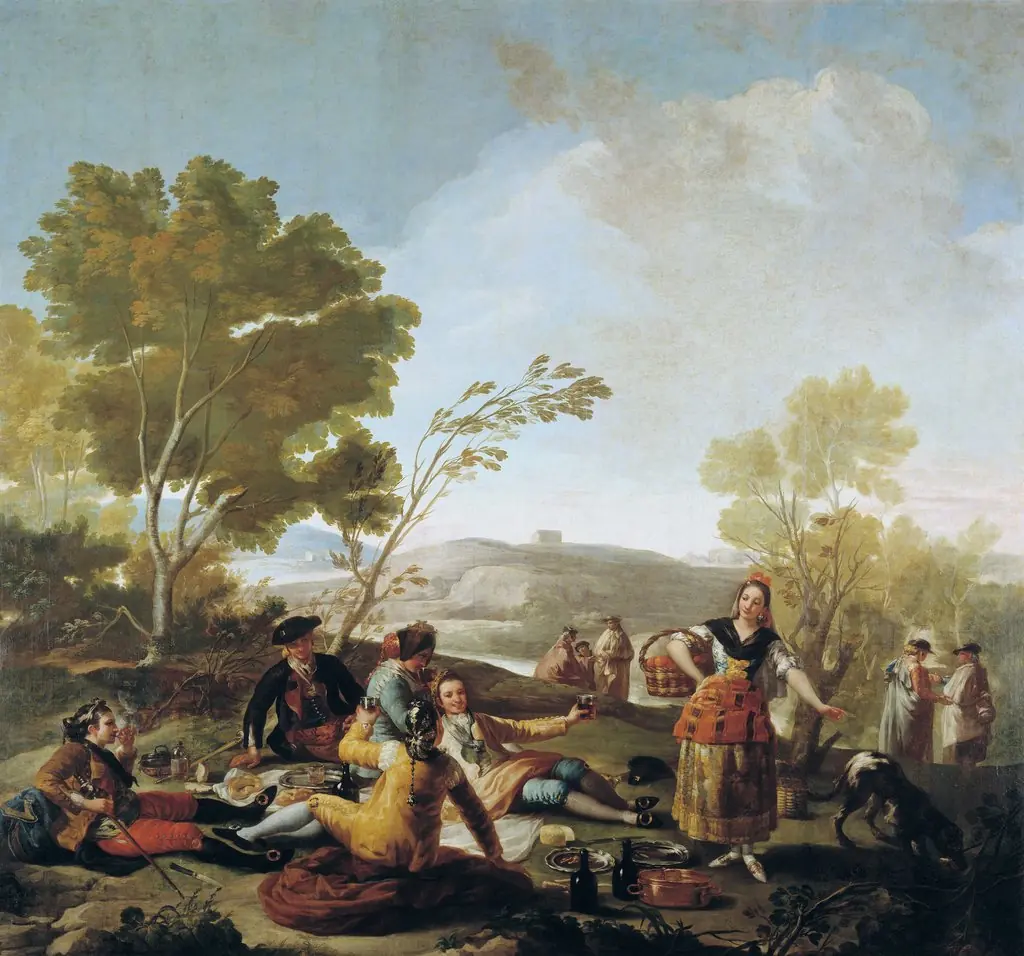 Picnic on the banks of the Manzanares
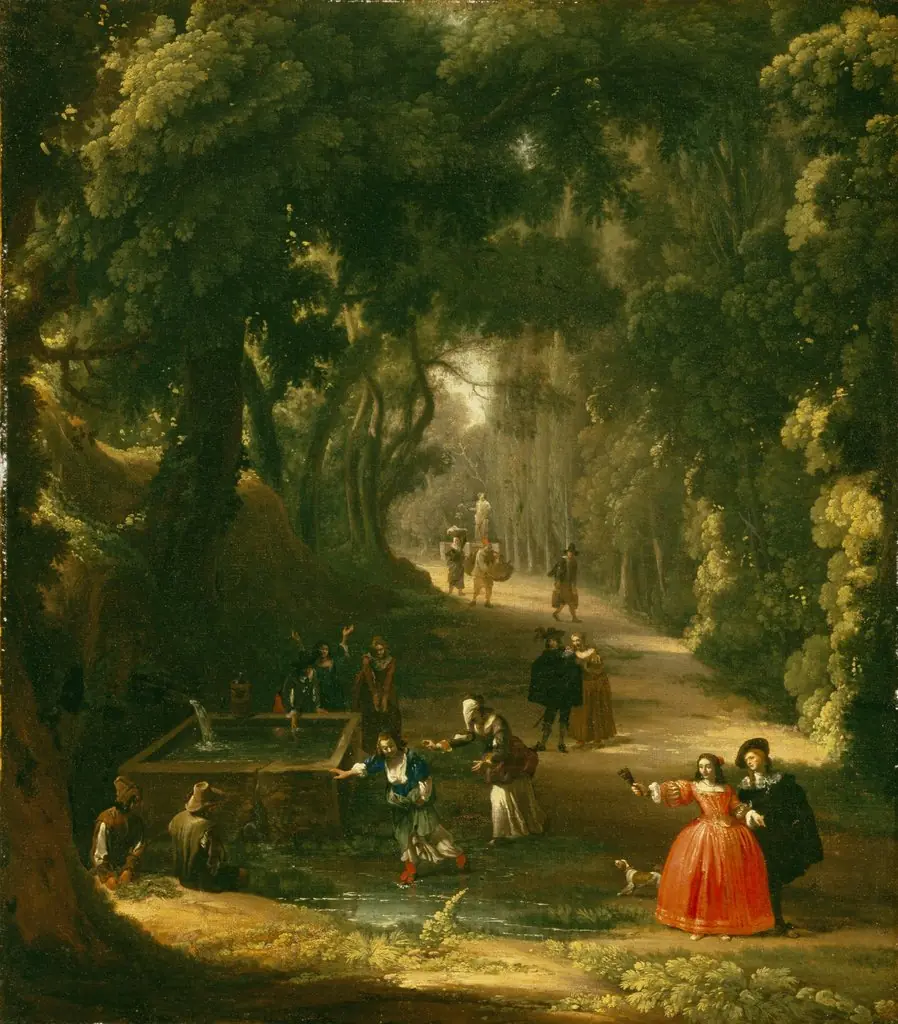 Blindman's Buff
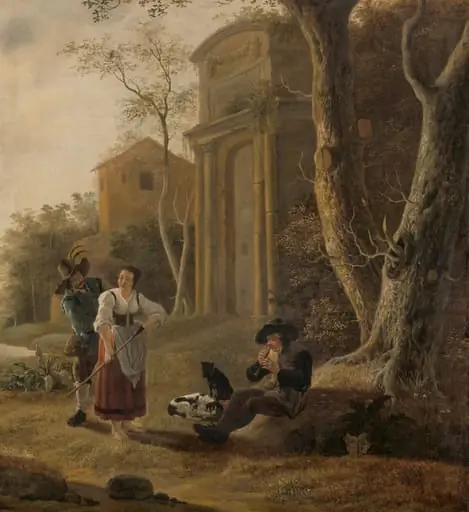 "The Piper (Shepherd Scene with Shawm Player
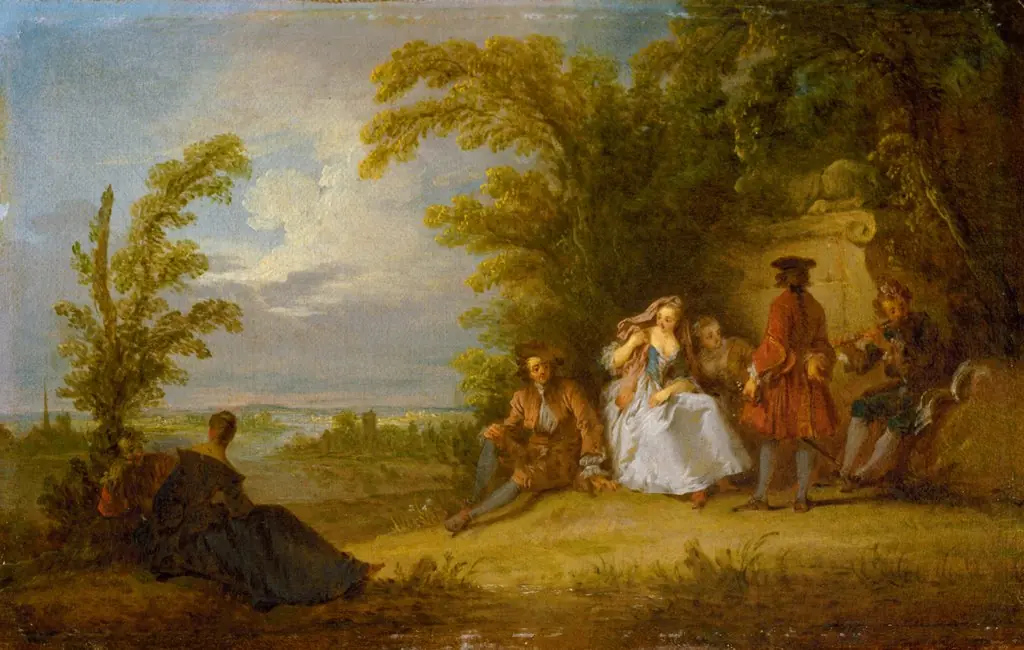 Fête Champêtre
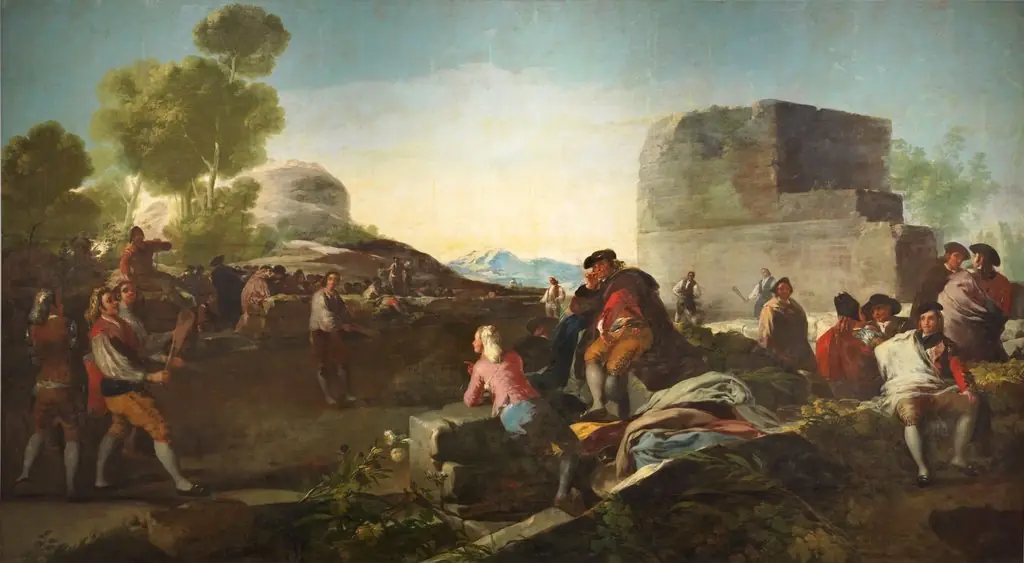 The game of pelota with rackets
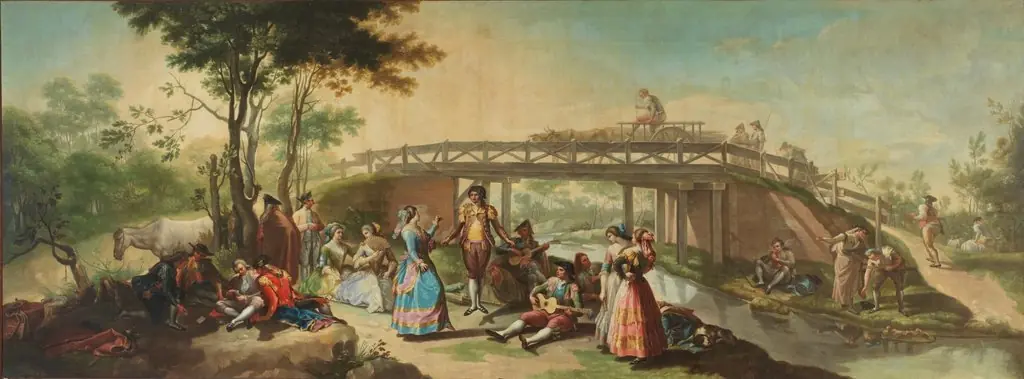 Un baile junto a un puente del canal del Manzanares
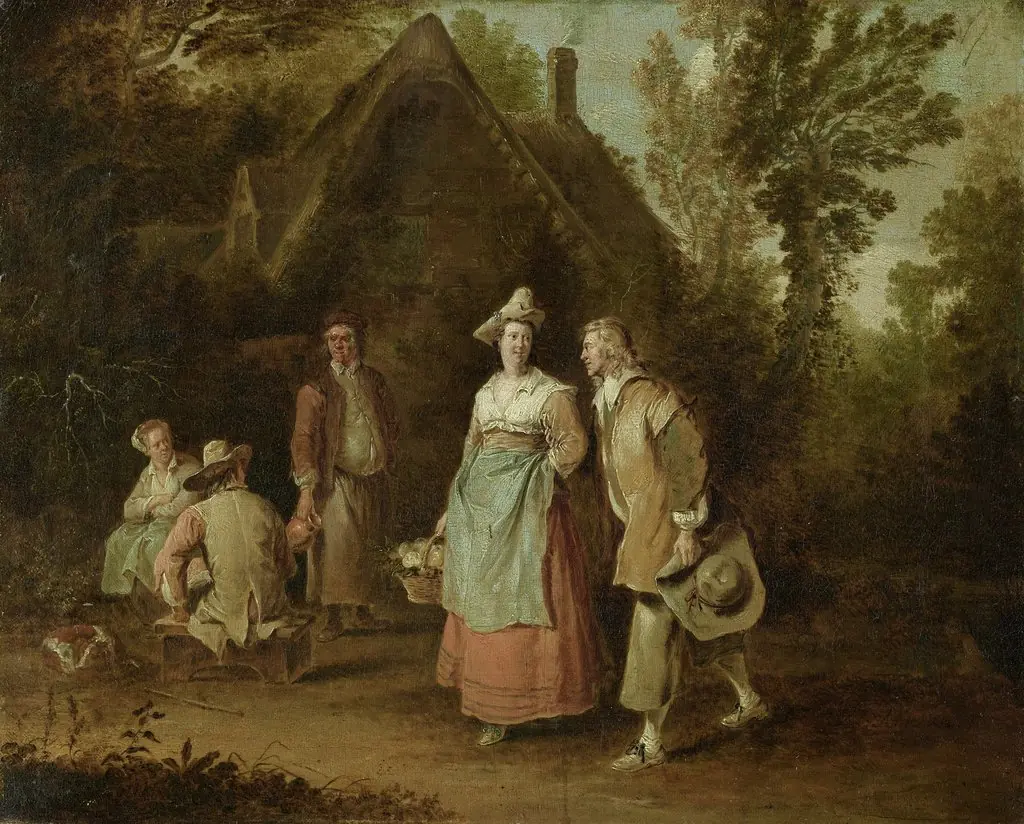 The Approach
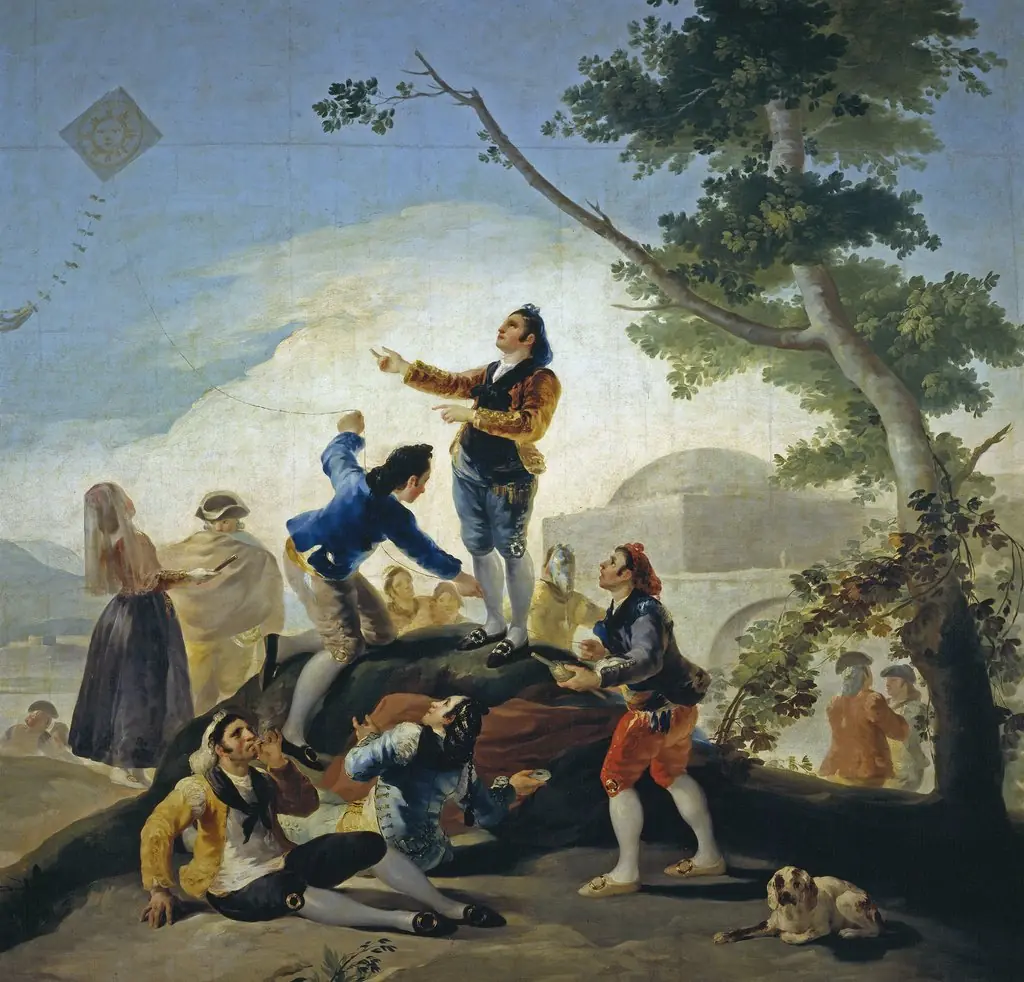 The Kite
 The Gift of the Fishermen
 Jugglers passing – Carnival