Artwork
The Seesaw (1791)
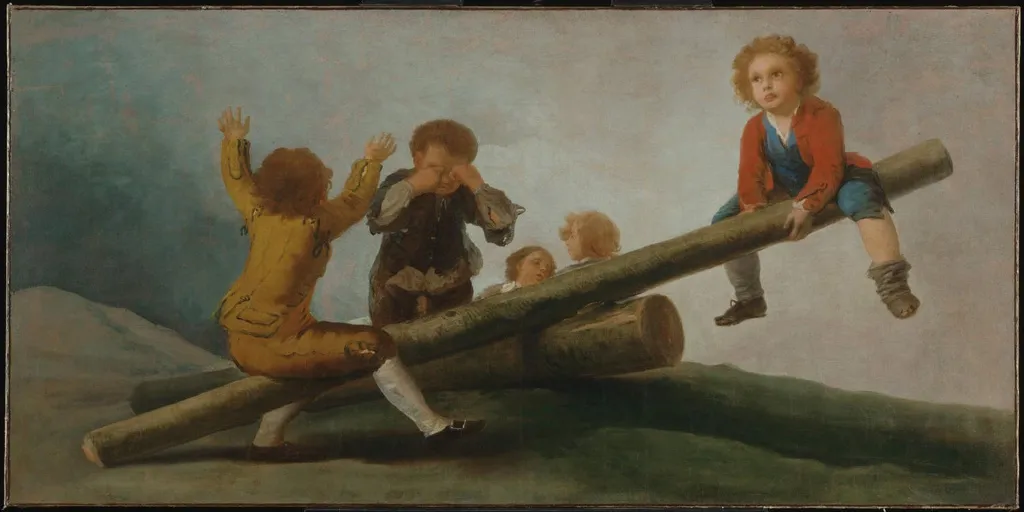
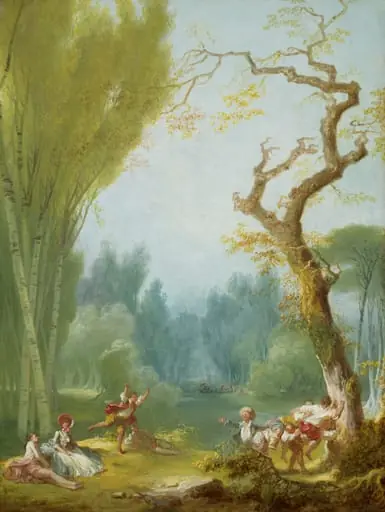
The Seesaw (1791) is an oil painting by the Rococo painting artist Francisco Goya. It dates from 1796 and is held in the collection of the Philadelphia Museum of Art.
About this work
Overview
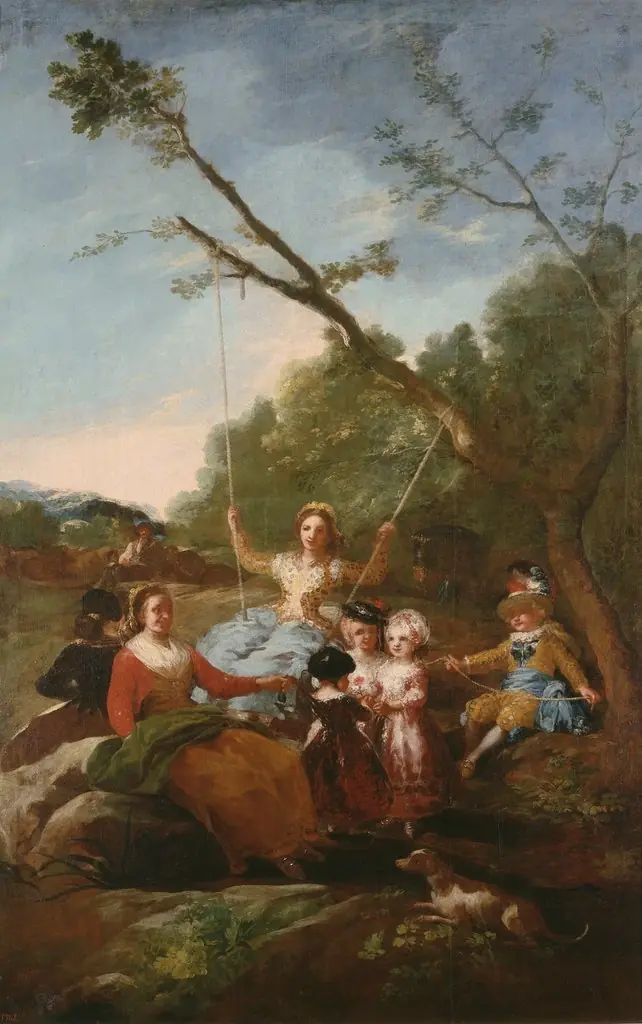
Francisco Goya’s oil painting *The Seesaw* (1791) portrays a moment of childhood play. Five boys occupy a garden setting, balanced on a wooden seesaw that tilts dramatically as one child is lifted into the air while another prepares to leap off. The work is part of the Philadelphia Museum of Art’s collection and exemplifies Goya’s early interest in everyday scenes.
Subject & Meaning
The composition captures the spontaneity and physicality of youthful amusement, emphasizing motion and the fleeting balance between ascent and descent. By focusing on a simple, communal activity, Goya highlights themes of innocence, camaraderie, and the transient nature of childhood, inviting viewers to reflect on the universal experience of play.
Technique & Style
Executed in oil on canvas, the painting employs vigorous brushwork and a bright palette that accentuates the boys’ garments—yellow, red, and other vivid hues—against a subdued background. The diagonal thrust of the seesaw creates a dynamic line that guides the eye across the scene, while the loose handling of paint conveys the energy of movement.
History & Provenance
Created in the early 1790s, *The Seated* belongs to Goya’s formative period before his later, darker subjects. The work entered the Philadelphia Museum of Art’s holdings through acquisition in the 20th century, where it remains on display as a representative example of his early genre paintings.
Artist & collection
Artist
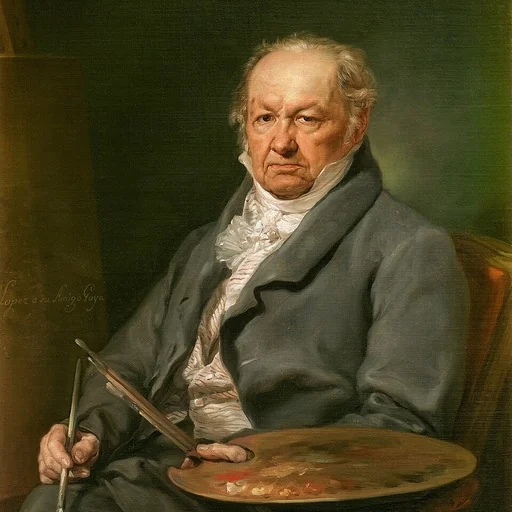
Francisco José de Goya y Lucientes (; Spanish: ; 30 March 1746 – 16 April 1828) was a Spanish romantic painter and printmaker.