Artwork
Boys climbing a tree
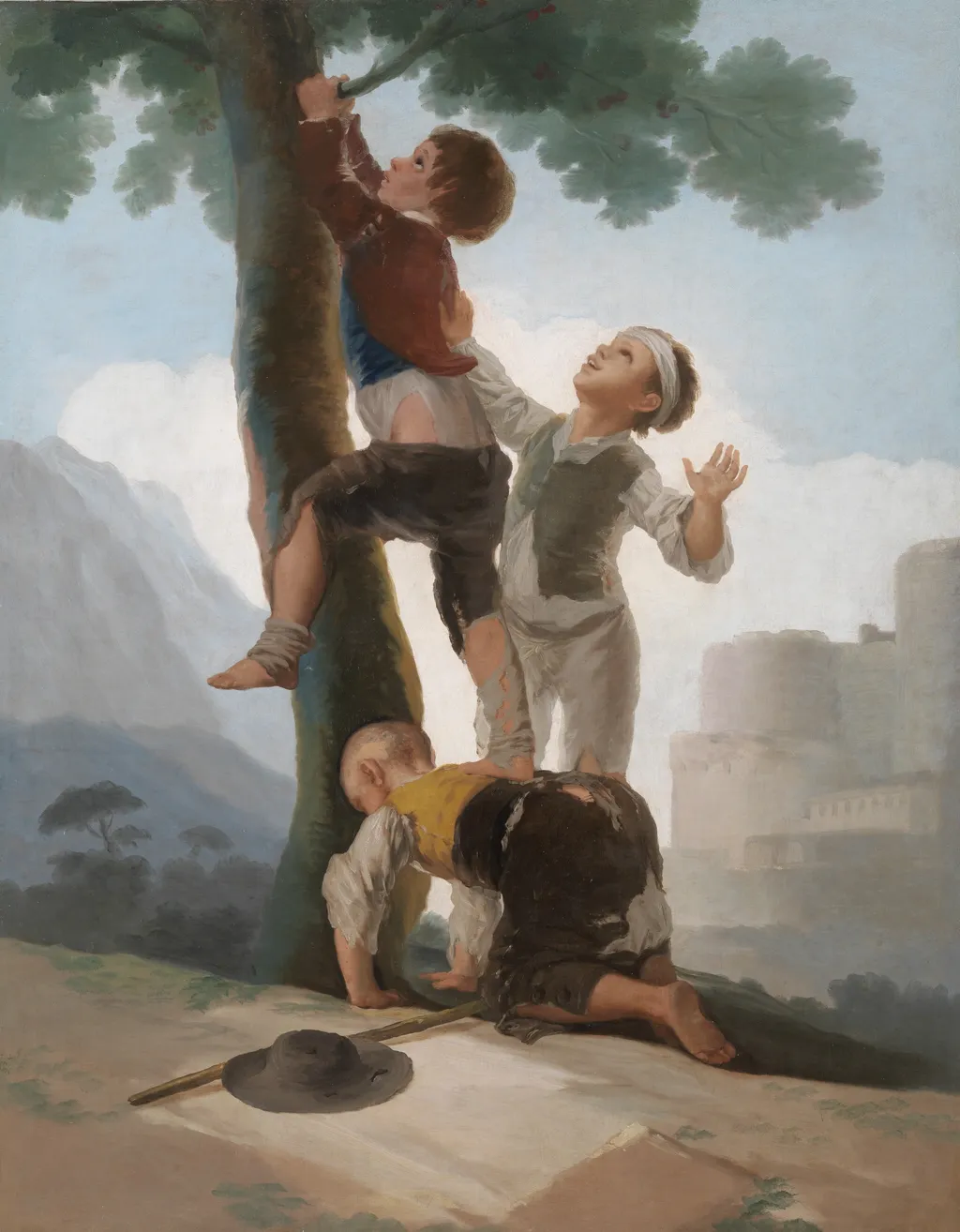
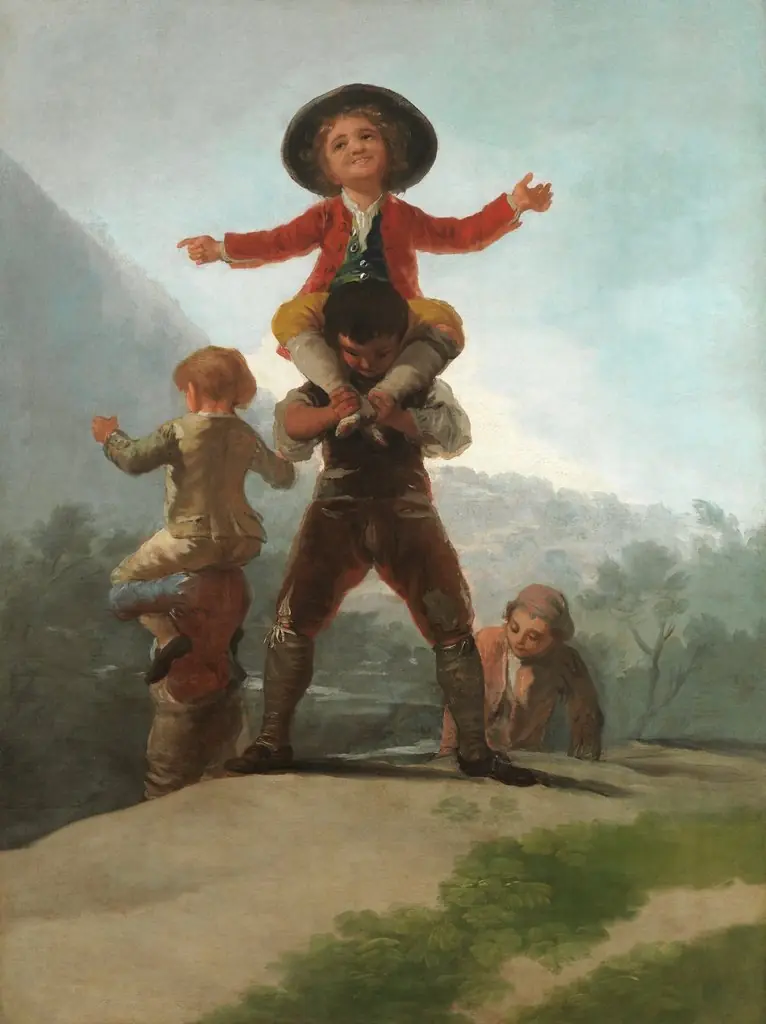
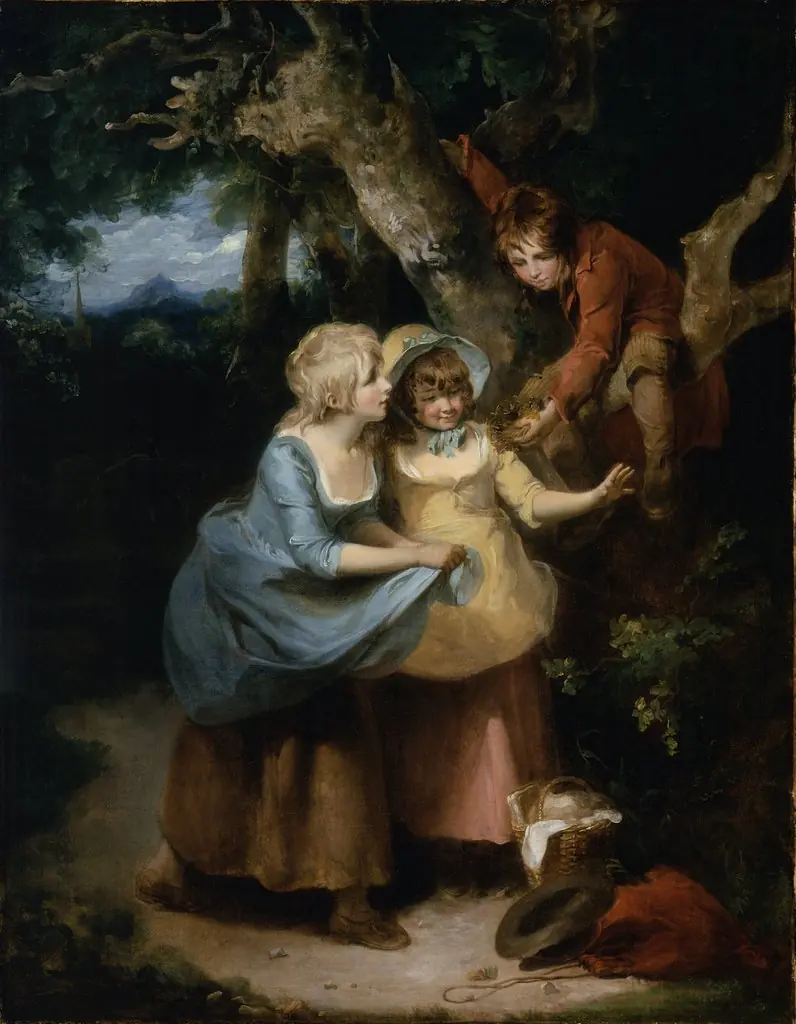
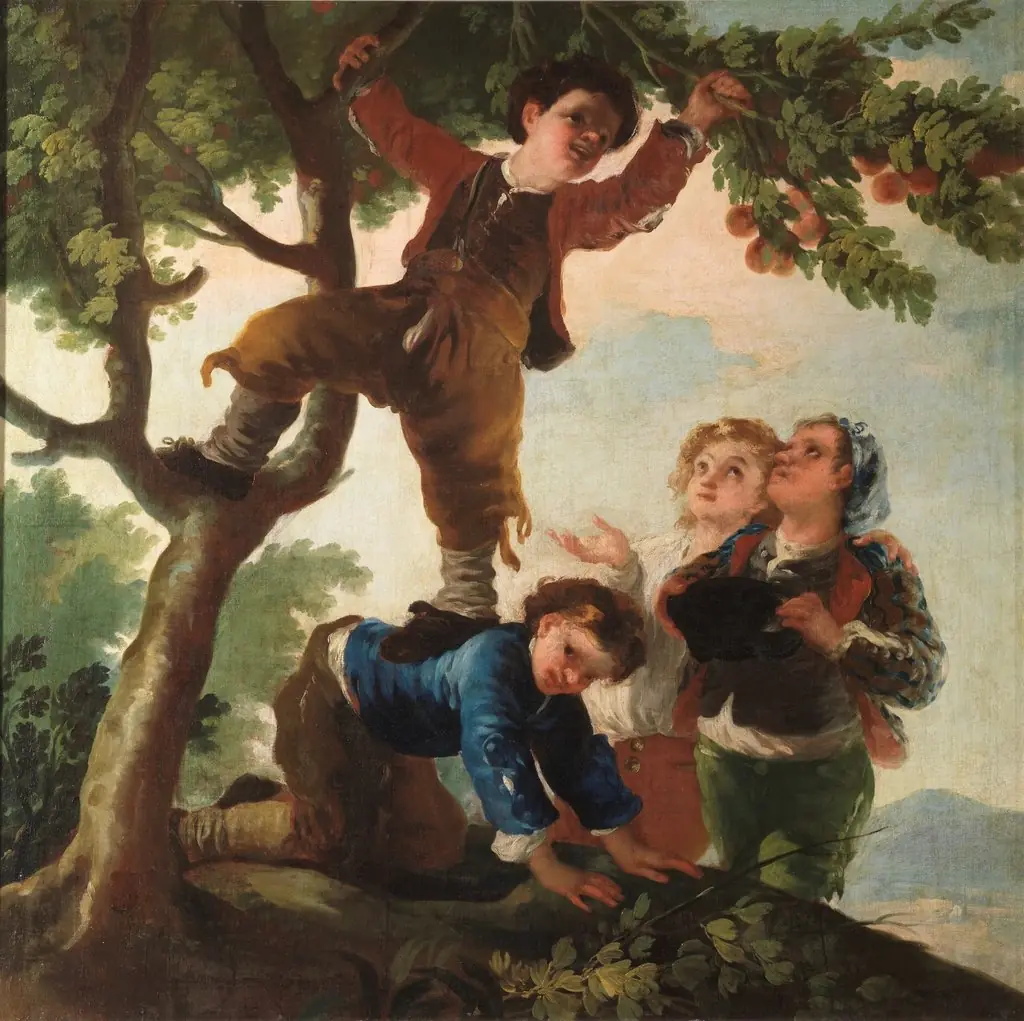
Boys climbing a tree is an oil painting by Francisco Goya. It dates from 1796 and is held in the collection of the Museo del Prado.
About this work
Overview
Painted in 1796 by Francisco Goya, this oil-on-canvas work is one of several genre scenes he produced during his time as a court artist in Spain.
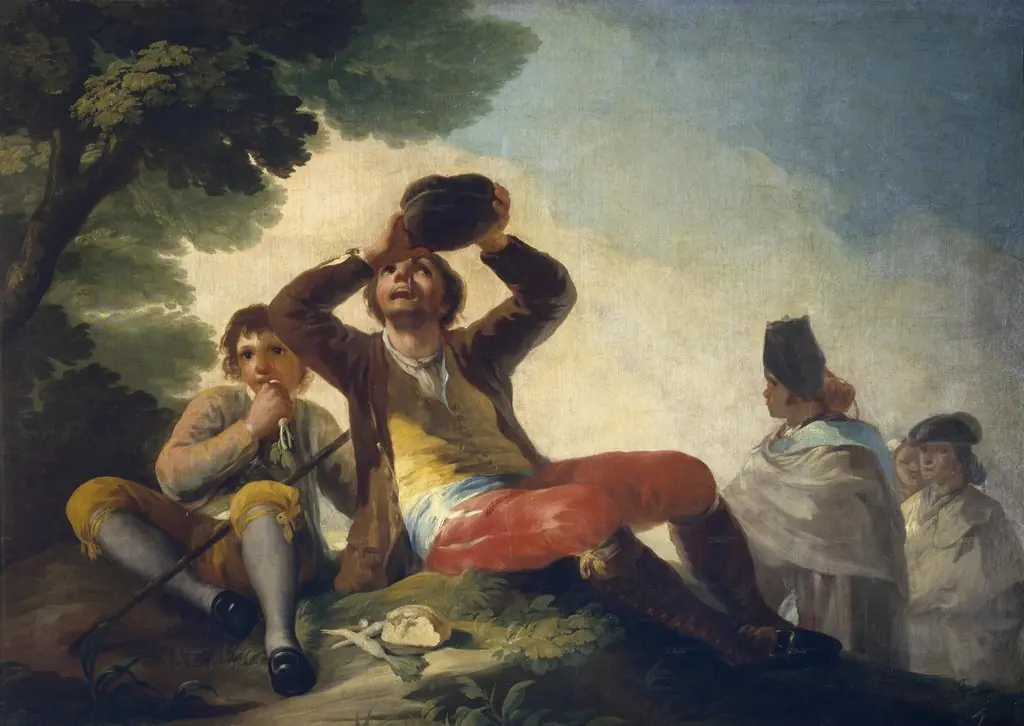
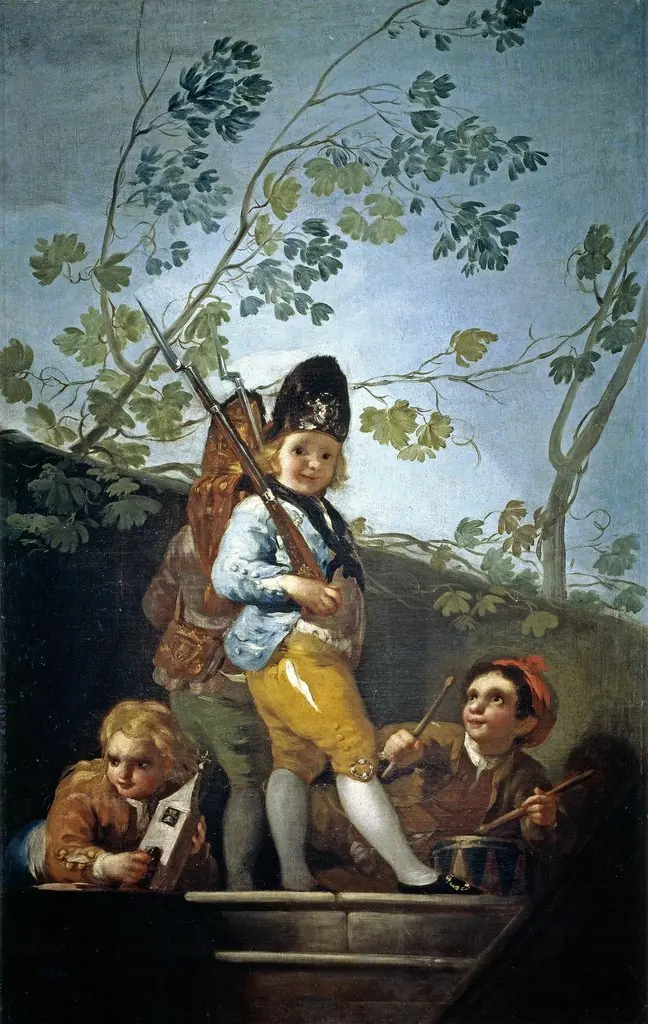
Painted in 1796 by Francisco Goya, this oil-on-canvas work is one of several genre scenes he produced during his time as a court artist in Spain. It portrays a casual, outdoor moment among children, distinct from his more overtly political or dramatic works. The painting is part of the permanent collection at the Museo del Prado in Madrid, where it reflects Goya’s interest in everyday life during a period of social transformation.
Subject & Meaning
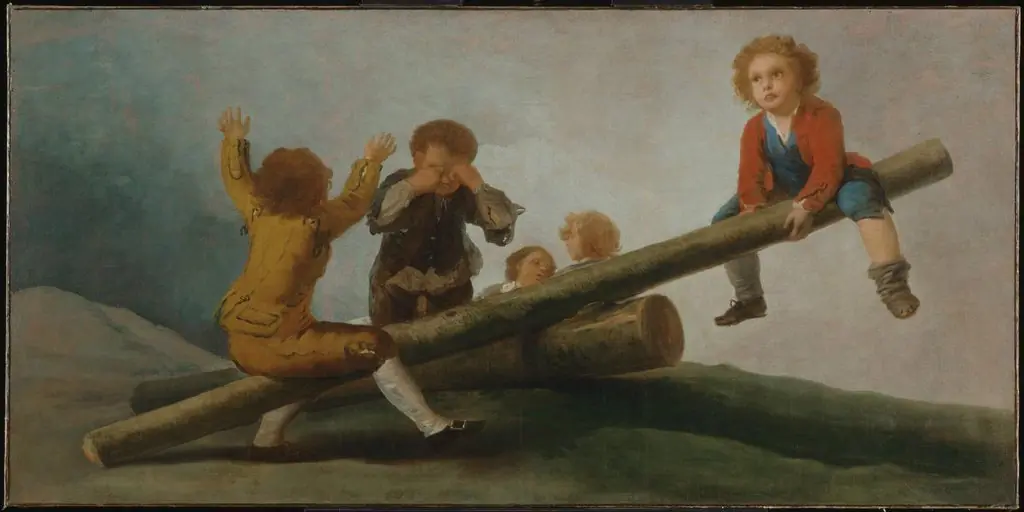
Three boys are engaged in a spontaneous game of climbing and balancing, their actions suggesting trust, playfulness, and physical coordination. The boy atop the others reaches upward, while the one on all fours bears his weight without complaint. The scene lacks narrative drama, instead emphasizing the unguarded authenticity of childhood. Goya’s choice to depict such a mundane interaction underscores his attention to ordinary human behavior.
Technique & Style
Goya rendered the figures with careful observation, capturing subtle shifts in posture and expression through soft modeling and precise brushwork. Chiaroscuro defines the forms, lending volume to the boys’ limbs and clothing against a lightly rendered landscape. The palette is restrained—dominated by earth tones and a pale sky—enhancing the naturalism of the scene. Details like fabric folds and skin tones are rendered without idealization, reinforcing the painting’s documentary quality.
History & Provenance
Created during Goya’s tenure as a painter to the Spanish royal family, the work likely originated as a private commission or personal study. It entered the Museo del Prado’s collection in the 19th century, following the nationalization of royal holdings. Unlike his larger public commissions, this piece remained relatively unremarked upon until the 20th century, when scholars began to value his genre scenes as reflections of social realism.
Context
In late 18th-century Spain, genre painting was gaining traction as artists turned from mythological and religious themes toward scenes of daily life. Goya’s depictions of children and rural activities aligned with broader European trends but retained a distinctly Spanish sensibility. His focus on unposed, authentic moments contrasted with the formal portraiture expected of court artists, hinting at a quiet rebellion against artistic conventions.
Legacy
Though not widely exhibited, this painting contributes to the understanding of Goya’s versatility and his commitment to observing the world without embellishment. It influenced later realist painters who sought to elevate ordinary subjects. Its quiet intimacy stands as a counterpoint to his darker later works, revealing a sustained interest in human vulnerability and resilience across his career.
Own this work as a print
Artist & collection
Artist
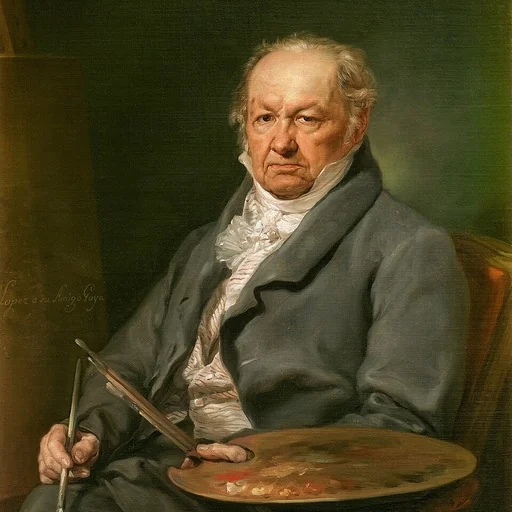
Francisco José de Goya y Lucientes (; Spanish: ; 30 March 1746 – 16 April 1828) was a Spanish romantic painter and printmaker.