Artwork
Vicente Osorio de Moscoso, hrabia Trastamara
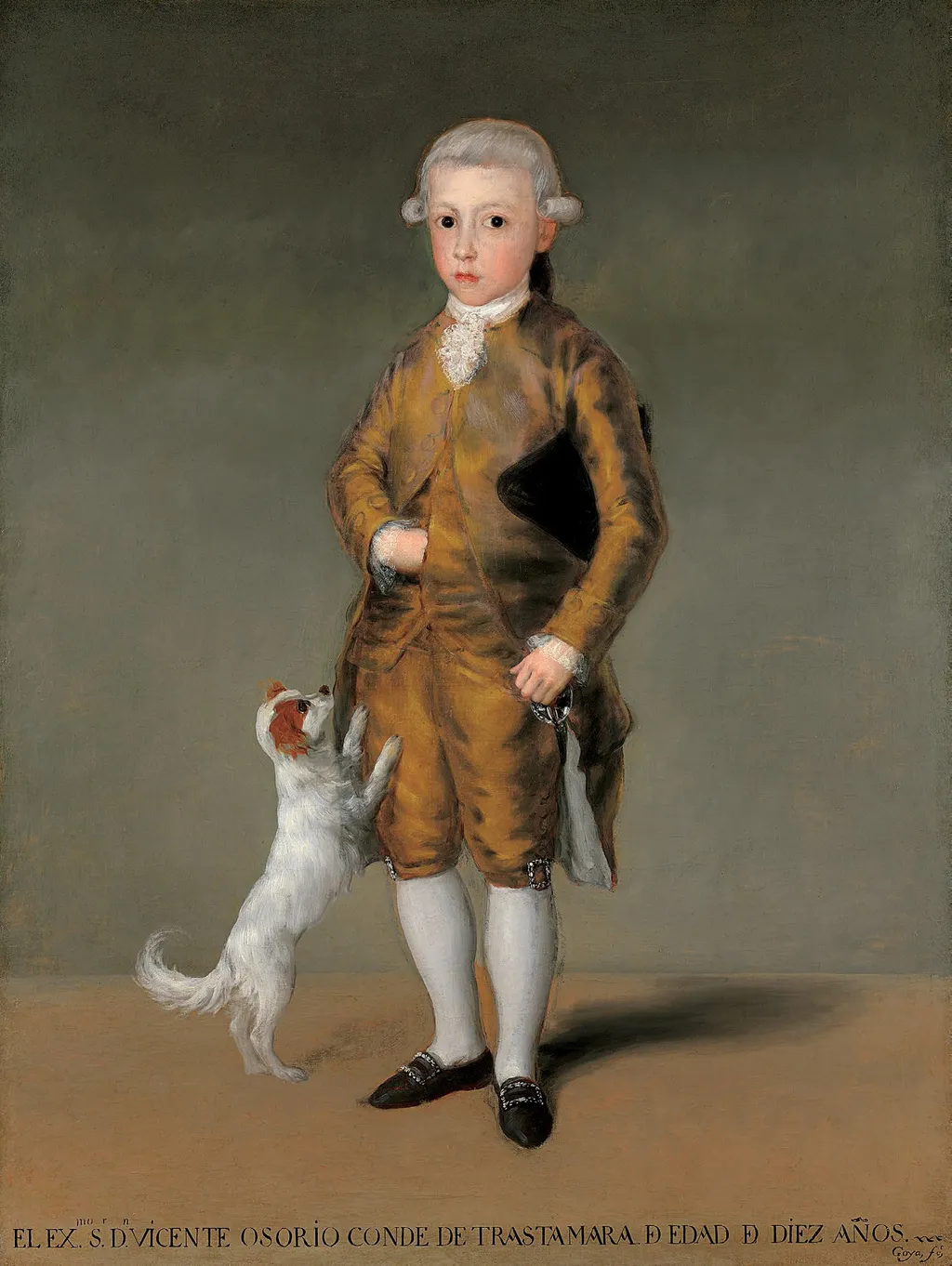
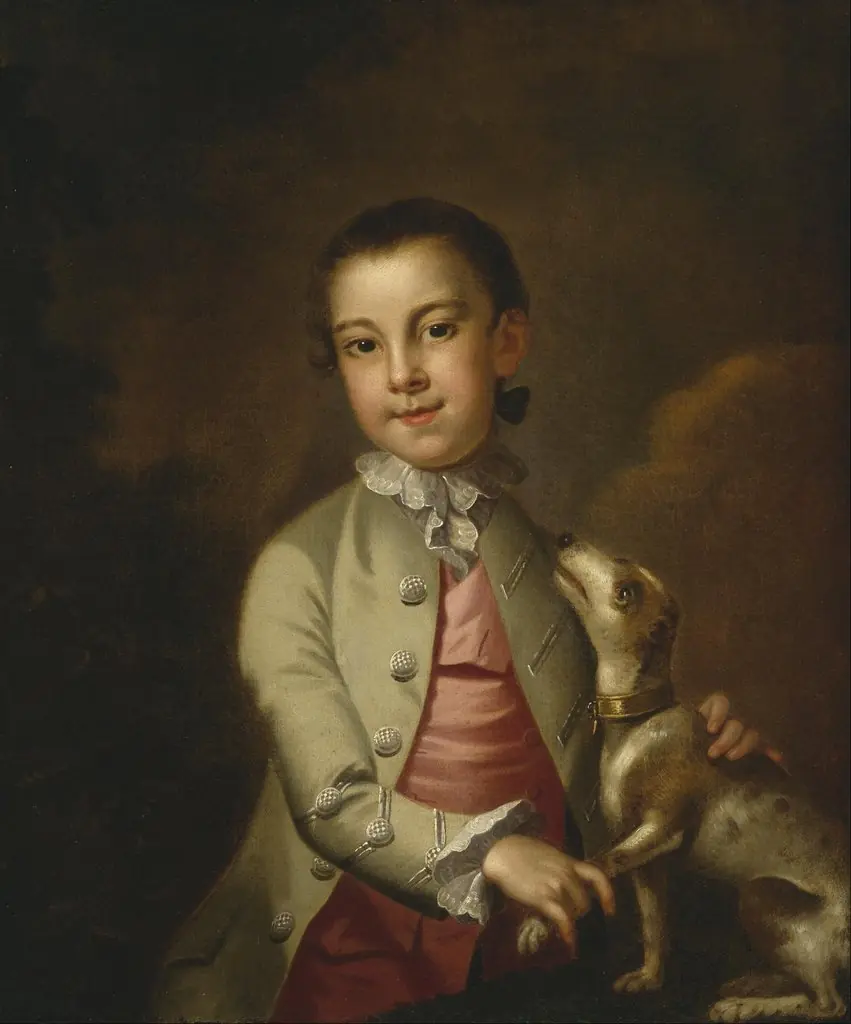
Vicente Osorio de Moscoso, hrabia Trastamara is an oil painting by the Rococo painting artist Francisco Goya. It dates from 1794 and is held in the collection of the Museum of Fine Arts, Houston.
About this work
Overview
Created in 1794, Francisco Goya's oil-on-canvas portrait Vicente Osorio de Moscoso, hrabia Trastamara, is a Rococo-period work depicting a young nobleman. The piece is part of the Museum of Fine Arts, Houston's collection.
Subject & Meaning
The portrait captures Vicente Isabel Osorio de Moscoso y Álvarez de Toledo, a young boy, in a contemplative pose, conveying a sense of youthful seriousness as he engages directly with the viewer. A small, attentive dog stands beside him, adding a note of intimacy.
Technique & Style
Goya employs a muted greenish-gray background to center focus on the subject. The boy's brown suit, white lace accents, and the dog's detailed portrayal showcase Goya's characteristic attention to detail and expressive use of color within the Rococo tradition.
History & Provenance
Painted during Goya's prolific period, the work reflects his role as a leading Spanish artist of his time, capturing contemporary aristocratic life. It is now housed in the Museum of Fine Arts, Houston.
Context
This portrait exemplifies Goya's practice of reflecting the social hierarchy of his era through portraiture, while also previewing his ability to imbue subjects with depth, a trait that would influence later artistic movements.
Legacy
As part of Goya's oeuvre, the portrait contributes to his legacy as a pivotal figure in Spanish art, known for his impactful and historically resonant works that have inspired successive generations of artists.
Own this work as a print
Artist & collection
Artist
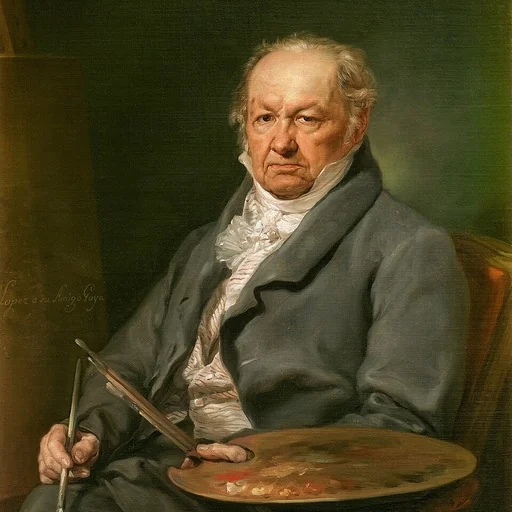
Francisco José de Goya y Lucientes (; Spanish: ; 30 March 1746 – 16 April 1828) was a Spanish romantic painter and printmaker.

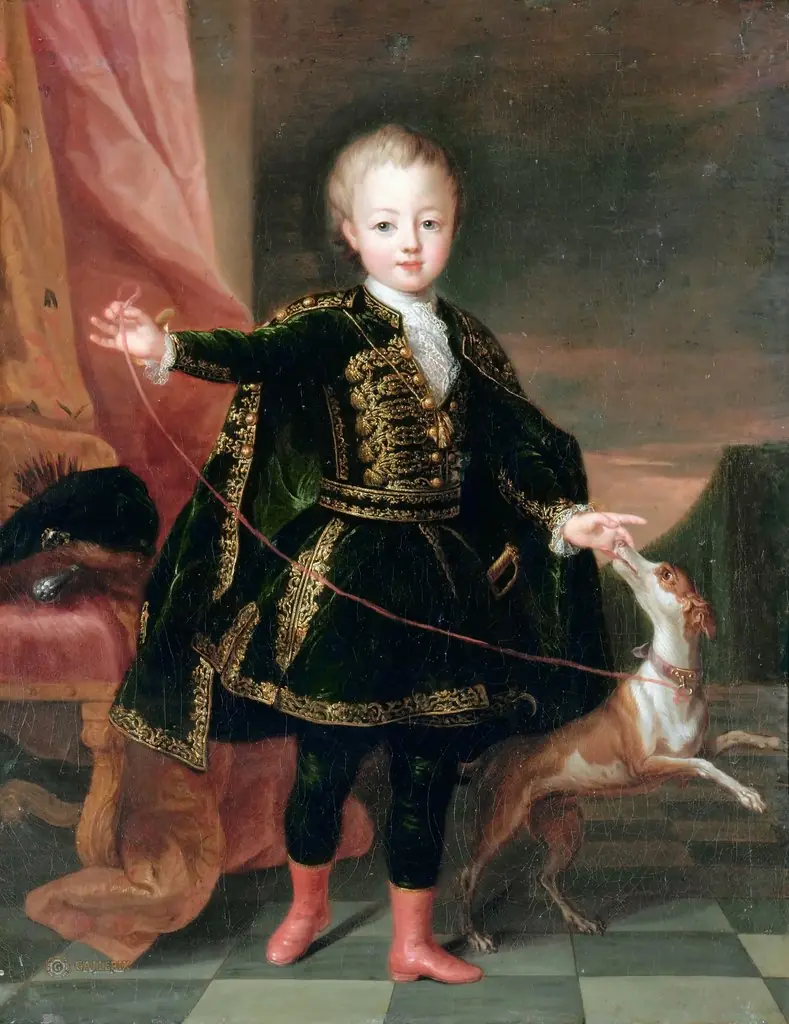 Portrait of Léopold Clément de Lorraine, Hereditary Prince of Lorraine (1707-1723)
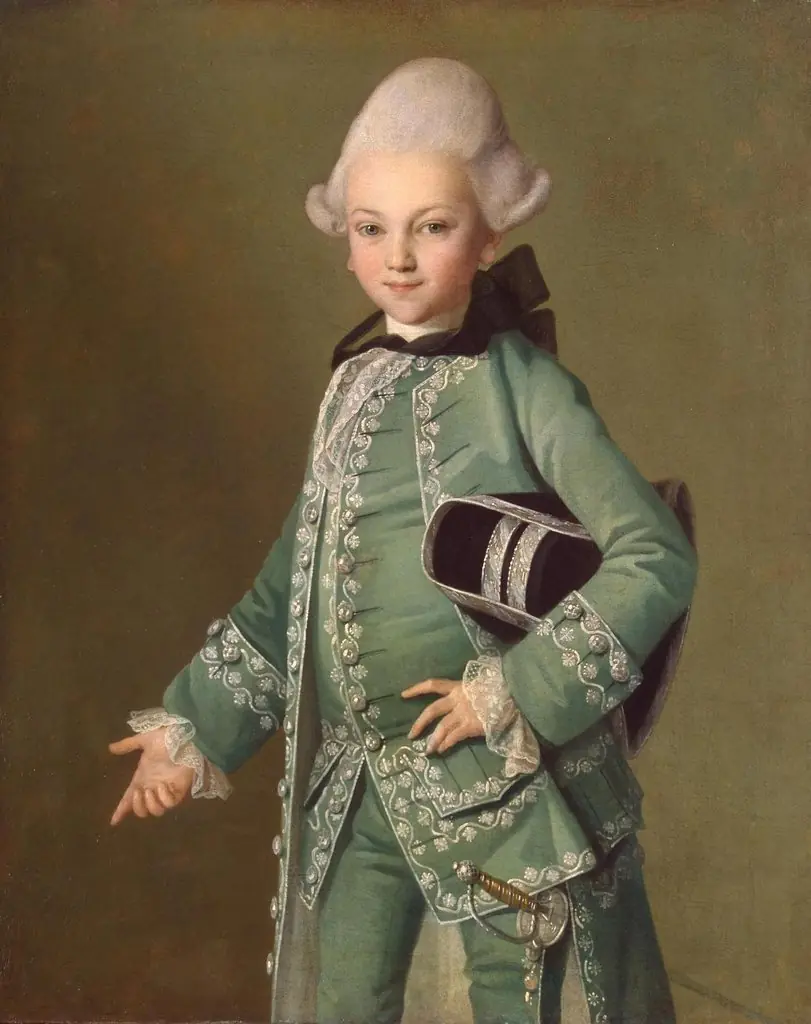 Portrait of Count Alexei Bobrinsky as a Child
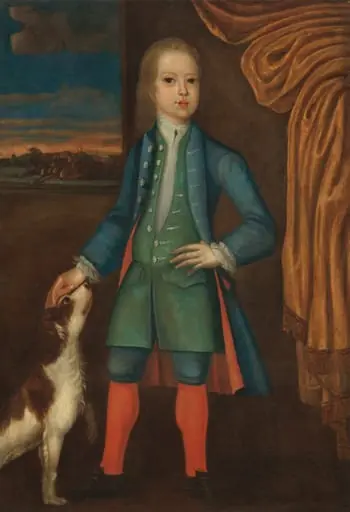 Boy in Blue Coat
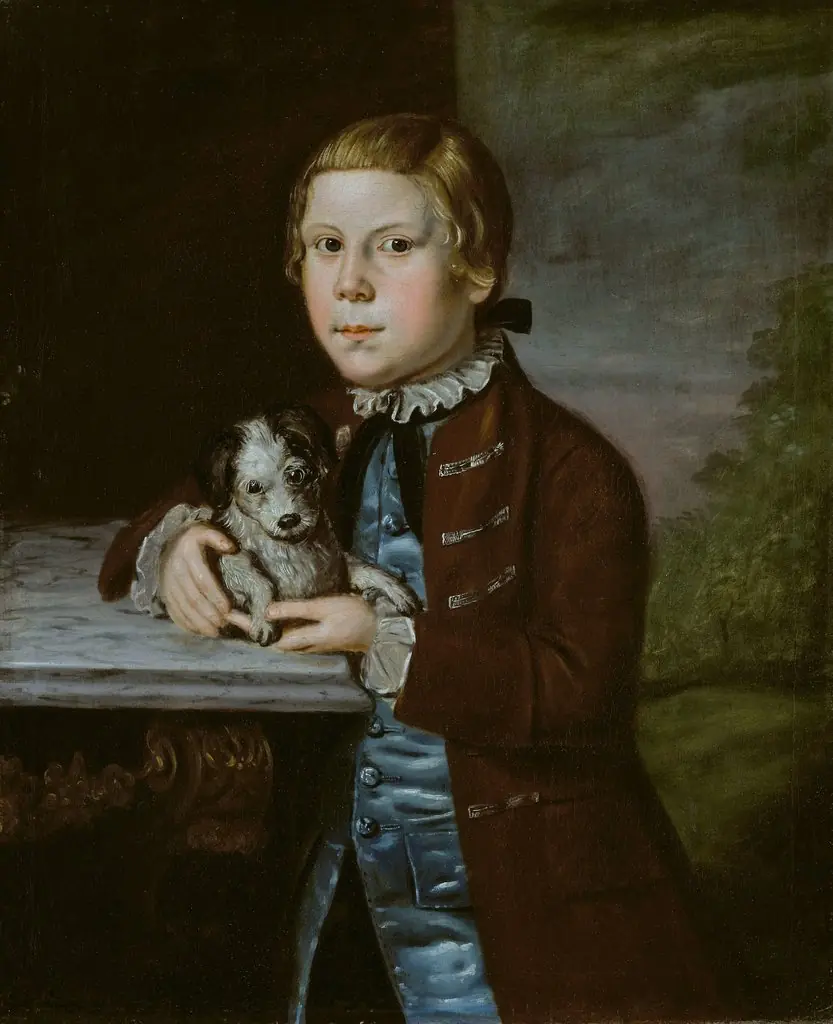 Boy of Hallett Family with Dog
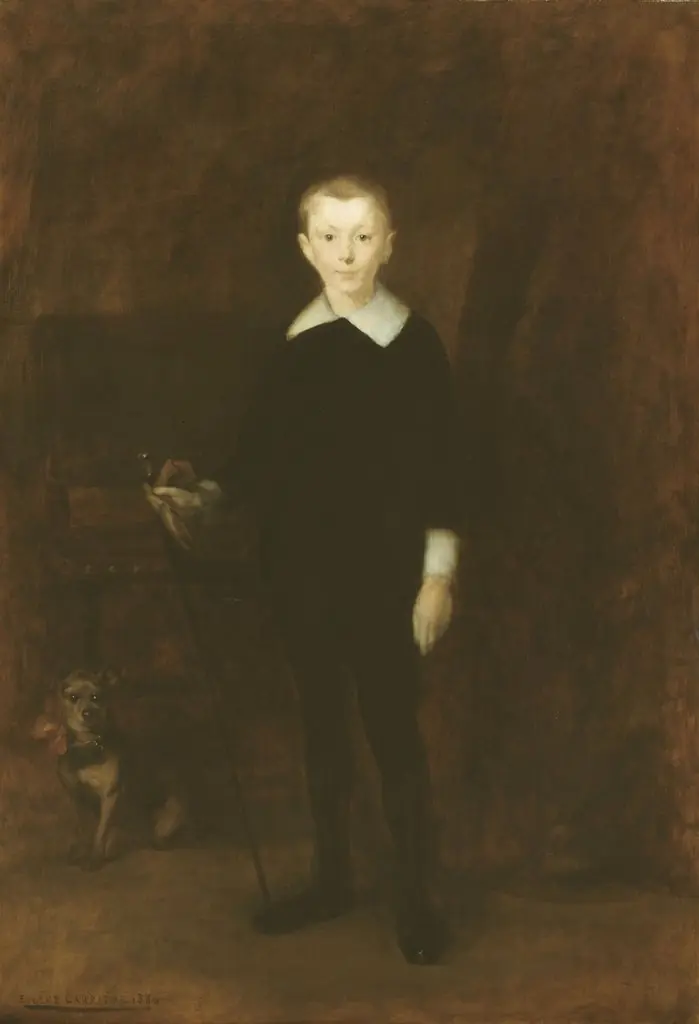 Portrait of a Boy
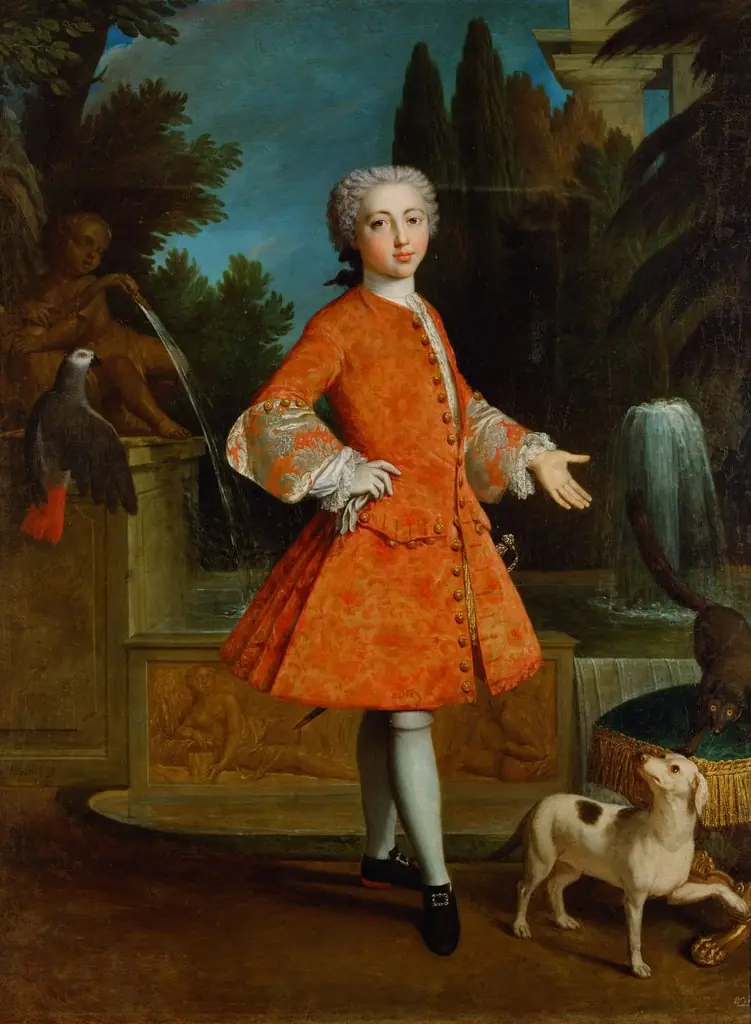 Duke Louis-Philippe of Orleans
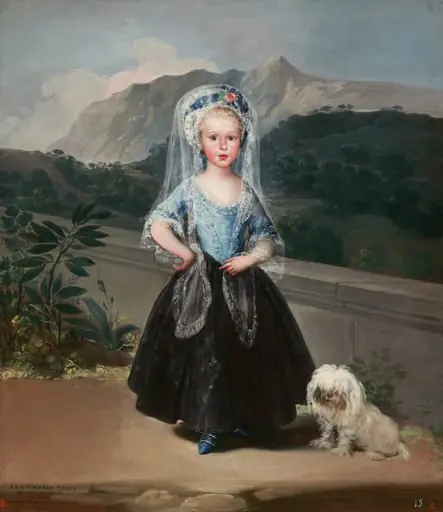 María Teresa de Borbón y Vallabriga, later Condesa de Chinchón
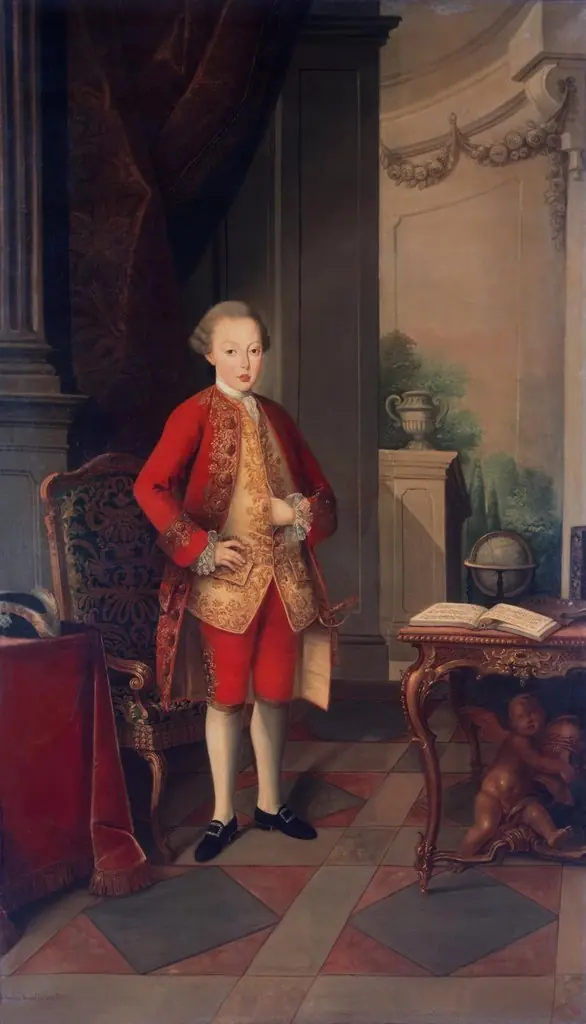 Portrait of Joseph, Prince of Brasil and Beira
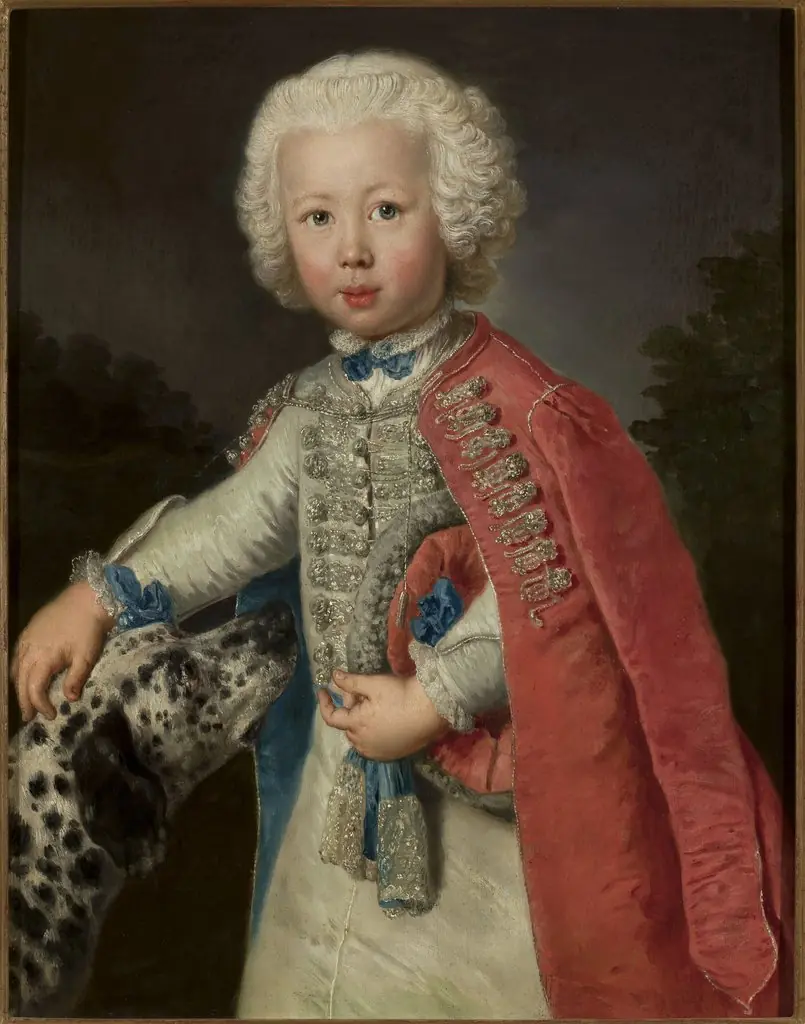 Portrait of a boy
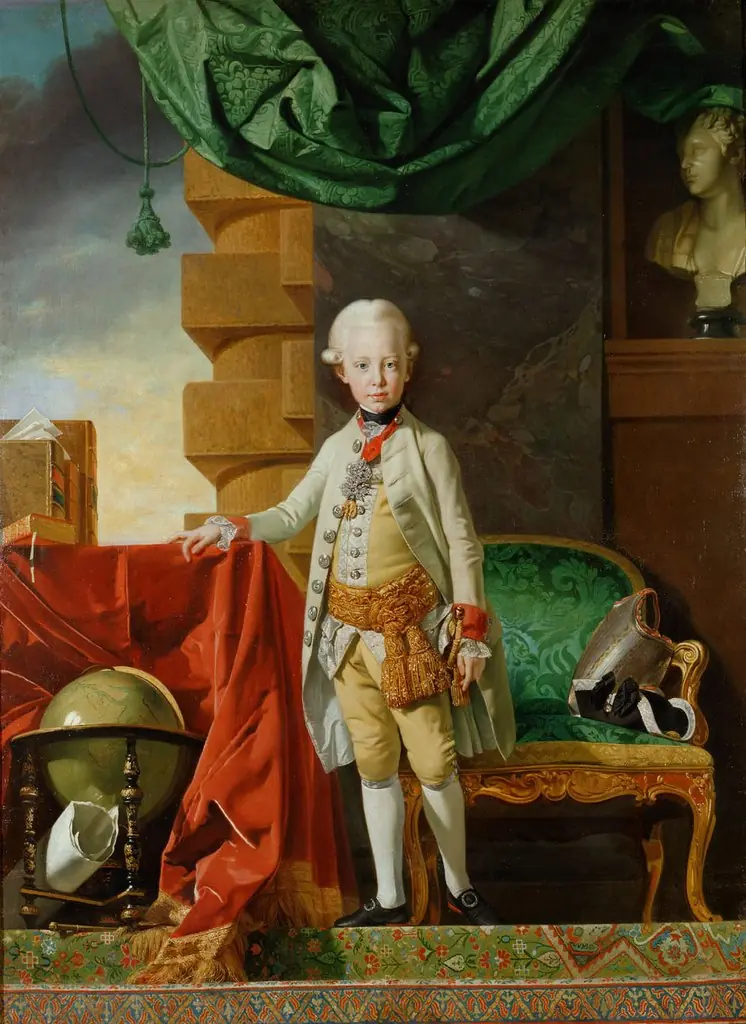 Portrait of Francis of Austria (1768-1835)
 Portrait of William Holmes (1762–c. 1818/20)