Artwork
Portrait of William Holmes (1762–c. 1818/20)
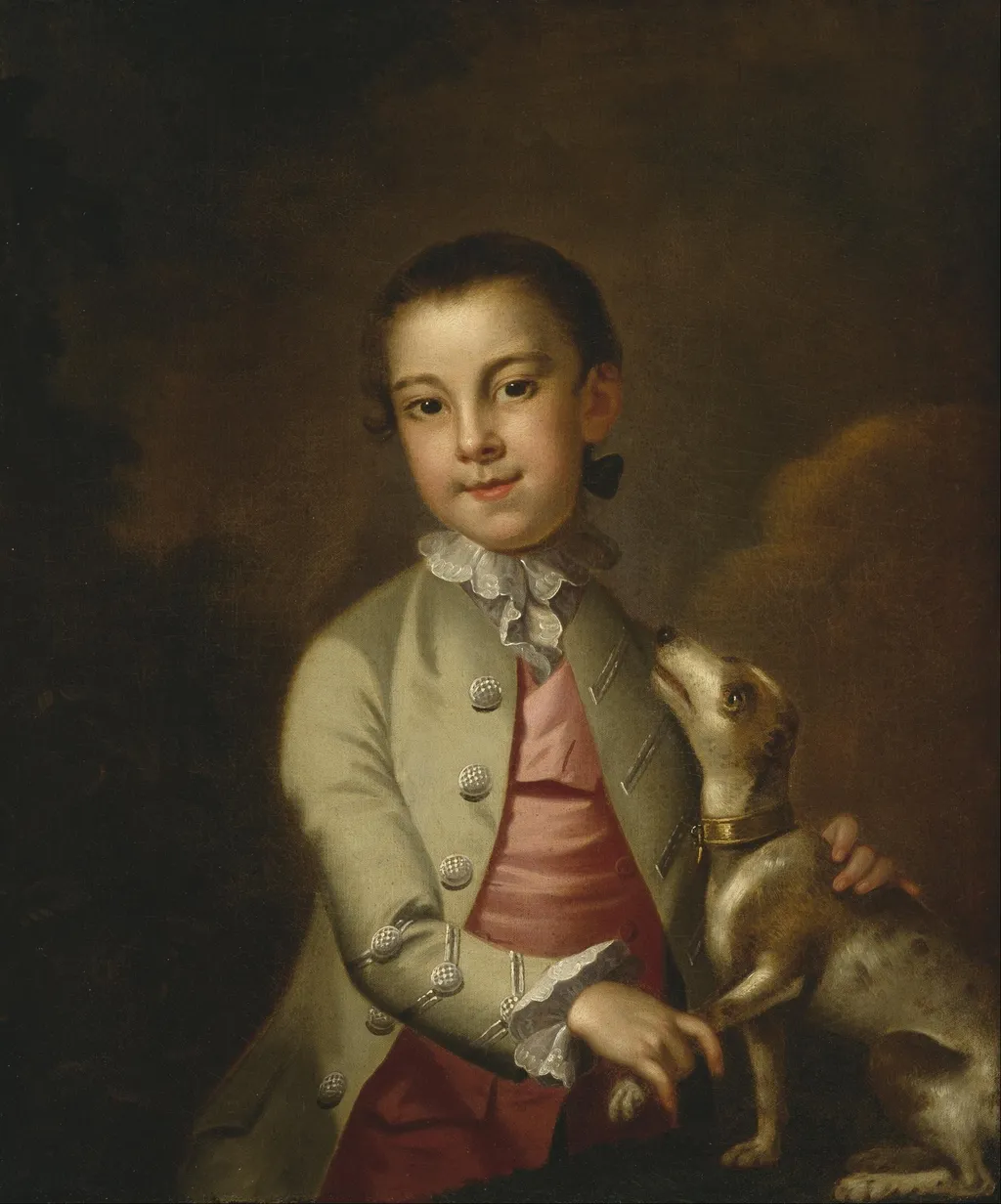
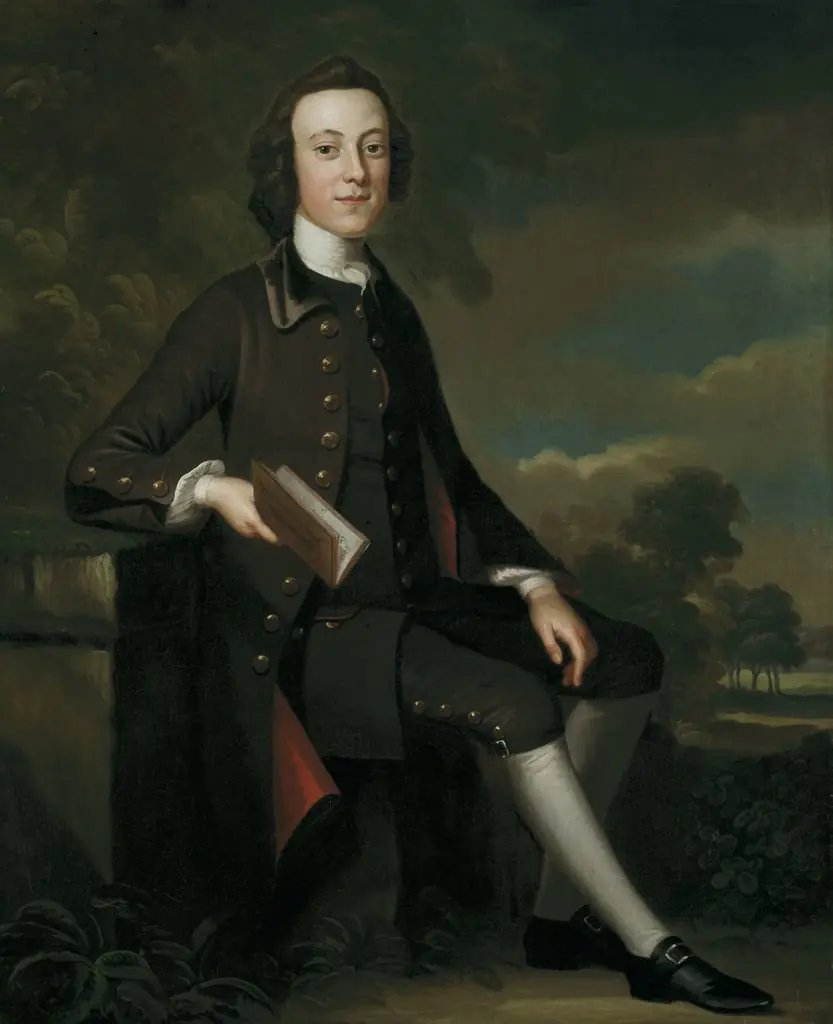
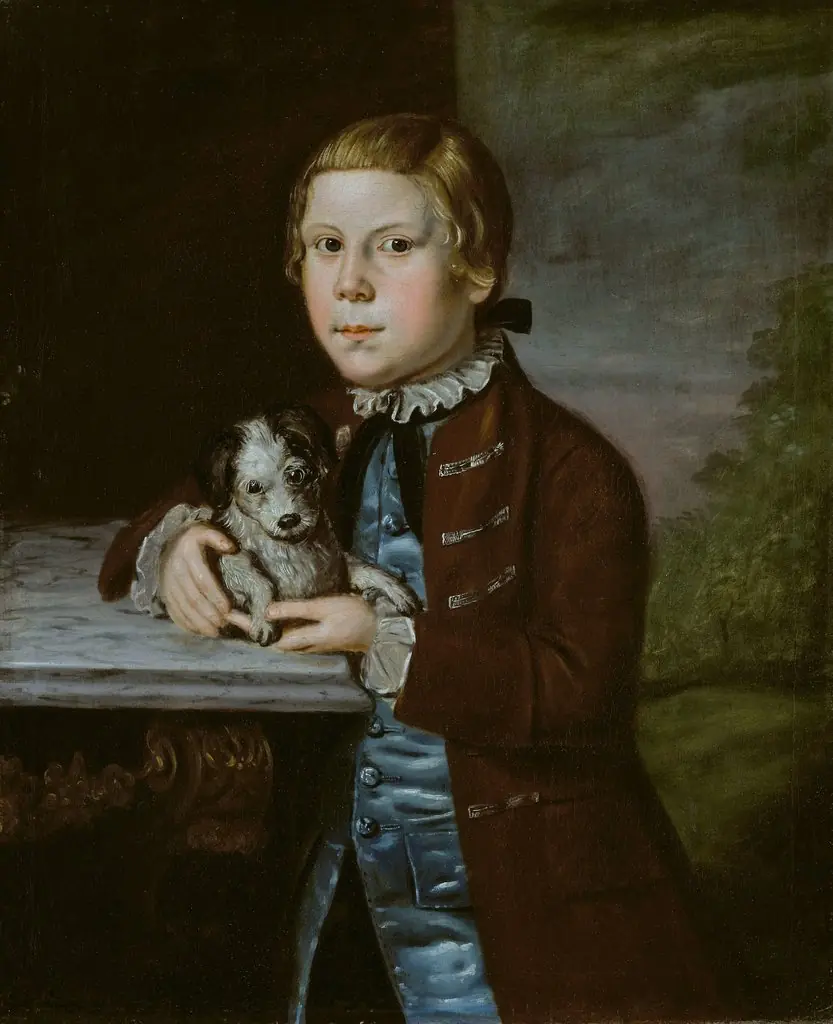
Portrait of William Holmes (1762–c. 1818/20) is an oil painting by the American Folk Art artist John Wollaston. It is held in the collection of the Museum of Fine Arts, Houston.
About this work
Overview
This oil portrait, created by John Wollaston the Younger, captures a young boy named William Holmes, born around 1762 and active into the early 19th century.
This oil portrait, created by John Wollaston the Younger, captures a young boy named William Holmes, born around 1762 and active into the early 19th century. Painted during Wollaston’s time in British North America, the work reflects the transatlantic artistic traditions brought to colonial America. It is part of the Museum of Fine Arts, Houston’s collection and exemplifies the formal portraiture favored by affluent families seeking to document their children’s status and lineage.
Subject & Meaning
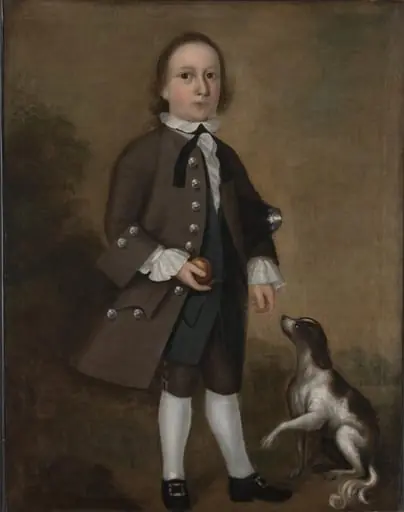
The subject, William Holmes, is depicted at approximately eight to ten years old, dressed in refined 18th-century clothing that signals his family’s social standing. His direct gaze and composed posture convey a sense of poise expected of young gentlemen. The inclusion of a small dog beside him, with his hand resting gently on its back, suggests companionship and perhaps a symbol of loyalty or domestic affection, common in portraits of aristocratic children.
Technique & Style
Wollaston employed a restrained, polished technique characteristic of English Rococo portraiture adapted for colonial audiences. The boy’s attire—light jacket, pink vest, and ruffled collar—is rendered with careful attention to fabric texture, while the dark, unadorned background isolates the figure and enhances focus. Brushwork is smooth and precise, avoiding overt embellishment, reflecting a balance between elegance and the practical constraints of provincial artistic training.
History & Provenance
The painting’s provenance traces back to William Holmes’s family, likely commissioned during his childhood in the American colonies. John Wollaston the Younger, active in the mid-to-late 18th century, traveled extensively in the region, producing portraits for merchant and planter families. The work entered the Museum of Fine Arts, Houston’s collection through documented acquisition, preserving its connection to early American elite culture.
Context
In colonial America, portrait painting served as both personal record and social assertion. Families commissioned likenesses to affirm status, especially for heirs. Wollaston’s work, influenced by English models, offered a familiar aesthetic to colonists seeking cultural continuity. This portrait reflects the blending of European conventions with local resources and tastes, forming a distinct strand of early American visual culture.
Legacy
As one of many portraits by Wollaston in American collections, this work contributes to the understanding of how British artistic norms were transmitted and adapted in the colonies. It stands as a quiet testament to childhood in the 18th-century gentry, preserving not only a child’s likeness but also the values of decorum, lineage, and domestic life that shaped elite identity in pre-Revolutionary and early national America.
Own this work as a print
Artist & collection
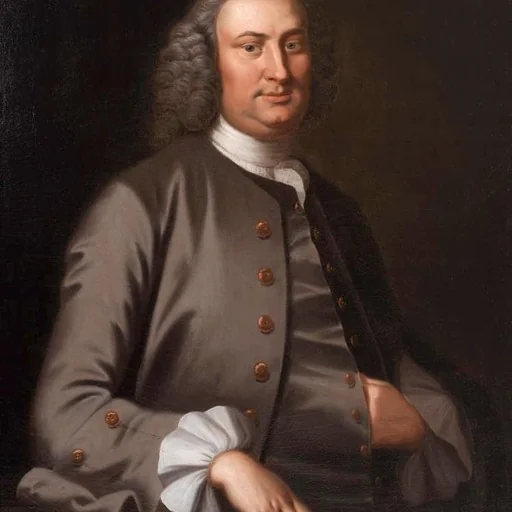
Artist
John Wollaston (fl. 1742 – 1775) was an English painter who specialised in portrait painting and was active mostly in British North America. He was one of a handful of painters to introduce English Rococo styles of…