Artwork
Klassische Landschaft
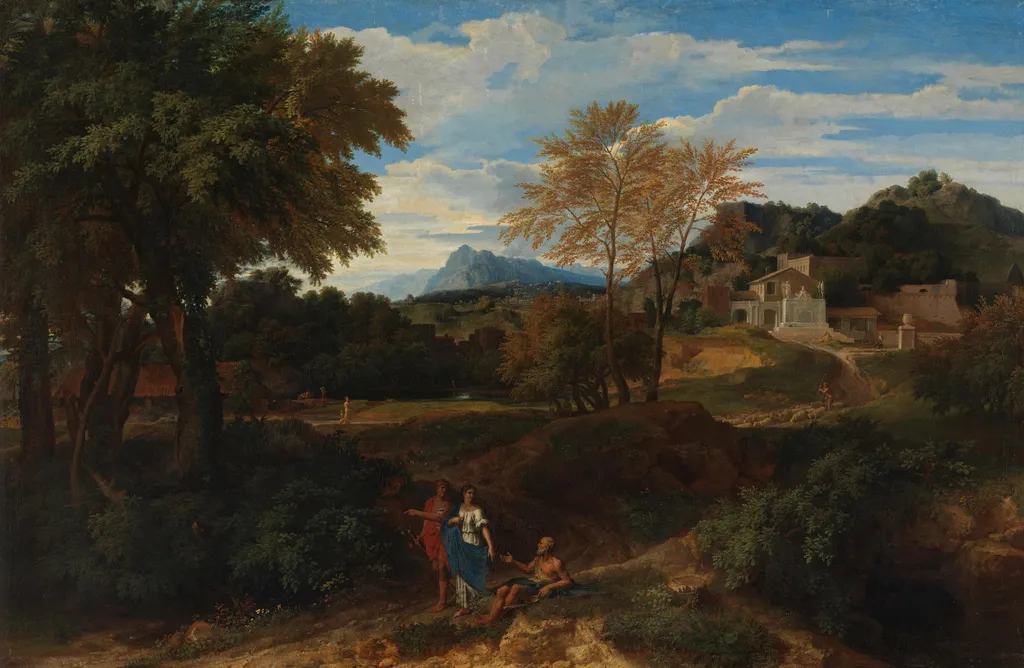
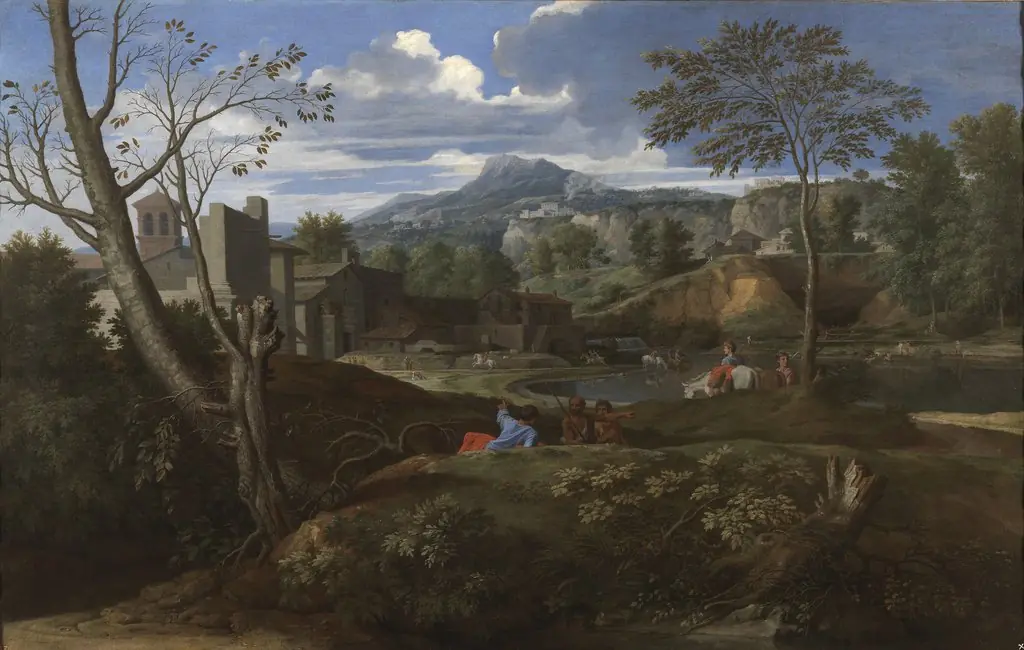
Klassische Landschaft is an unspecified painting by the French Classical Baroque artist Francisque Millet. It dates from 1665 and is held in the collection of the Bavarian State Painting Collections.
About this work
Overview
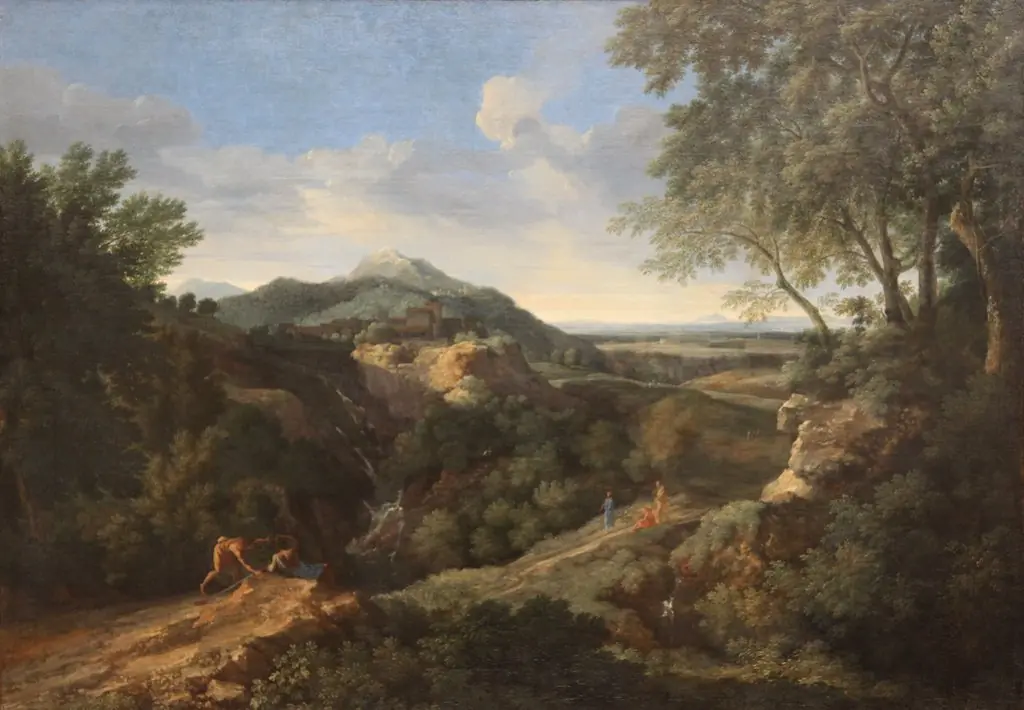
Painted in 1665 by Francisque Millet, *Klassische Landschaft* is a landscape work rooted in the French Classical Baroque tradition.
Painted in 1665 by Francisque Millet, *Klassische Landschaft* is a landscape work rooted in the French Classical Baroque tradition. Millet, of Flemish origin but active in France, synthesized Northern attention to detail with Italianate compositional harmony. The scene presents a balanced, serene environment where nature and human presence coexist with quiet order, reflecting the era’s preference for idealized rather than literal depictions of the natural world.
Subject & Meaning
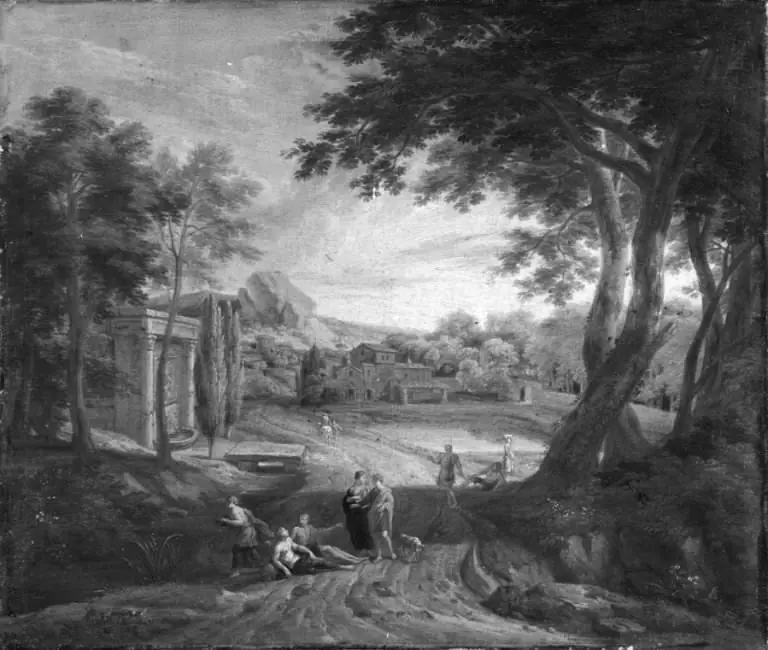
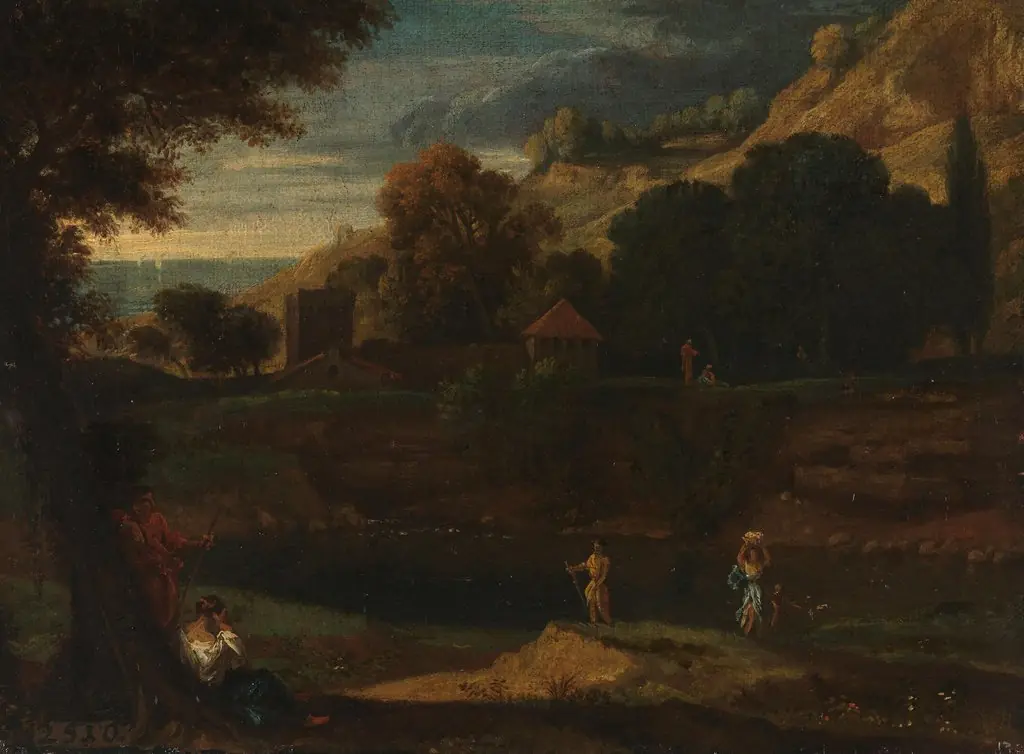
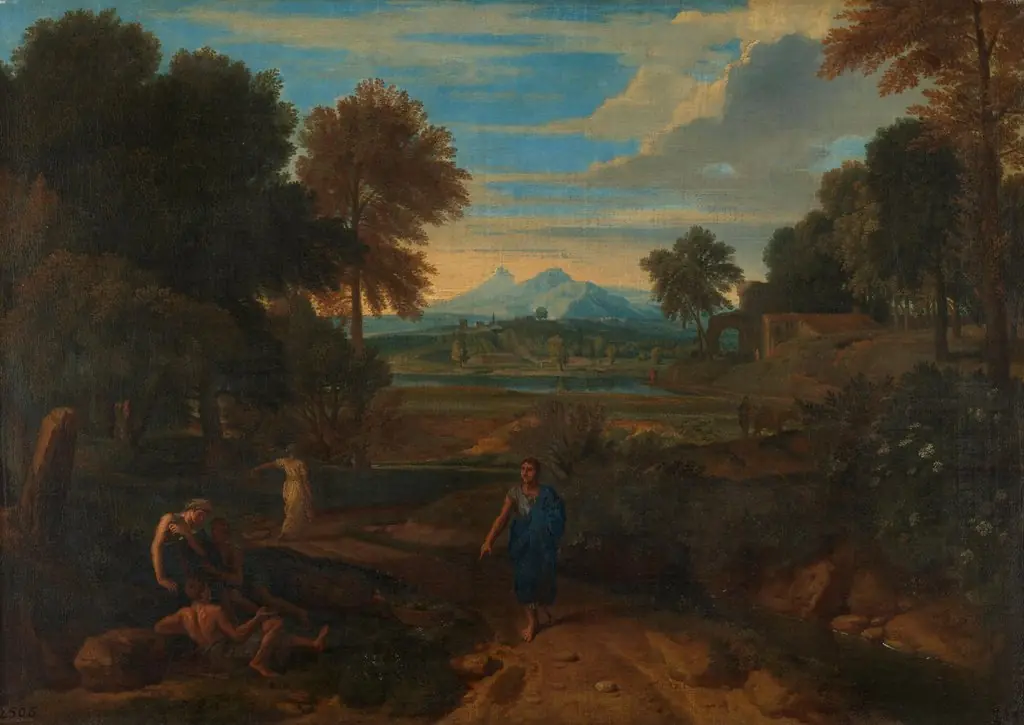
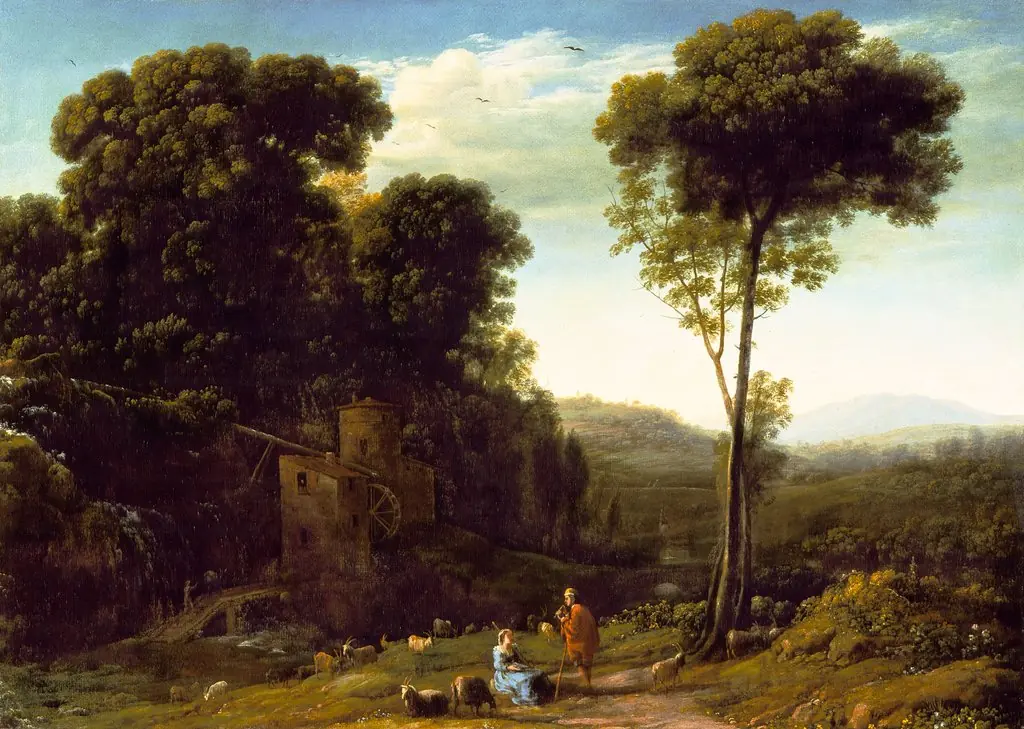
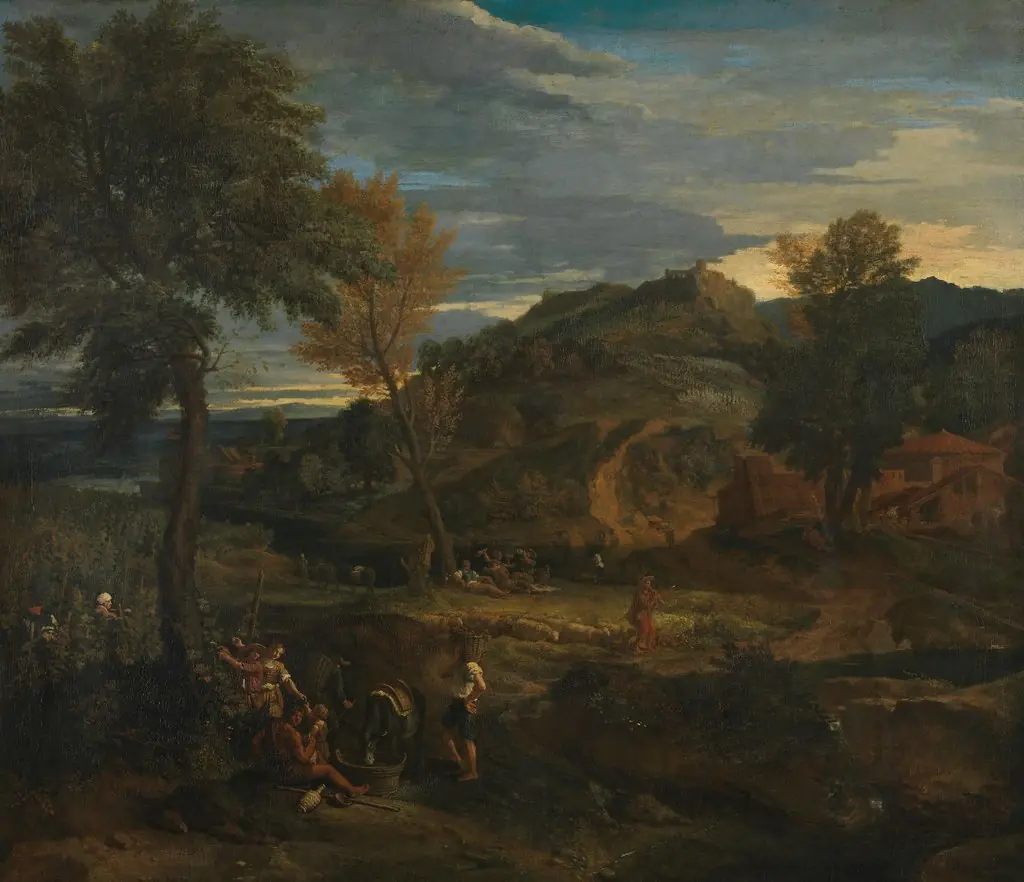
The painting features three figures in the foreground: one seated, observing an object in their hand, and two standing nearby. Their modest attire and stillness suggest contemplation or rest, not narrative action. The inclusion of distant buildings and rolling hills evokes a timeless, harmonious countryside, free from disruption. The scene conveys an idealized vision of rural life, aligned with classical ideals of tranquility and balance rather than specific historical events.
Technique & Style
Millet employed fine brushwork to render textures in foliage, stone, and fabric, with careful attention to light and atmospheric perspective. The sky, rendered in soft blues and whites, recedes gently behind the hills, enhancing spatial depth. Colors are muted yet varied, avoiding dramatic contrasts in favor of a cohesive, subdued tonality. This controlled palette and structured composition reflect the influence of Poussin and the French academic tradition of the mid-17th century.
History & Provenance
The painting entered the collection of the Alte Pinakothek in Munich, where it remains today. While details of its early ownership are sparse, its presence in a major European museum since the 19th century indicates its recognition among collectors of classical landscape painting. Its survival through centuries reflects its status as a representative example of French Baroque landscape practice, valued for its compositional discipline and refined execution.
Context
In mid-17th-century France, landscape painting evolved under the influence of classical antiquity and the teachings of the Académie Royale. Artists like Millet sought to elevate landscape beyond mere topography, embedding it with moral and aesthetic order. This work aligns with contemporaries such as Claude Lorrain and Nicolas Poussin, who favored structured, poetic scenes over spontaneous naturalism, reinforcing the era’s intellectual approach to nature.
Legacy
Millet’s *Klassische Landschaft* exemplifies a transitional phase in European landscape painting, bridging Northern realism and Italianate idealism. Though less widely known than his peers, his work contributed to the codification of classical landscape as a respected genre. Its preservation in the Alte Pinakothek ensures continued study of how 17th-century artists reconciled observation with idealization, influencing later academic traditions in landscape art.
Own this work as a print
Artist & collection
Artist
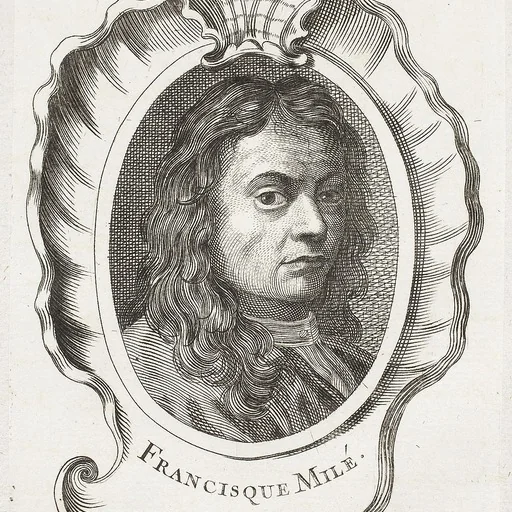
Francisque Millet (27 April 1642, in Antwerp – 3 June 1679, in Paris), also known as Jean-François Milée or Millet I, was a Flemish-French landscape painter of the Baroque era.