Artwork
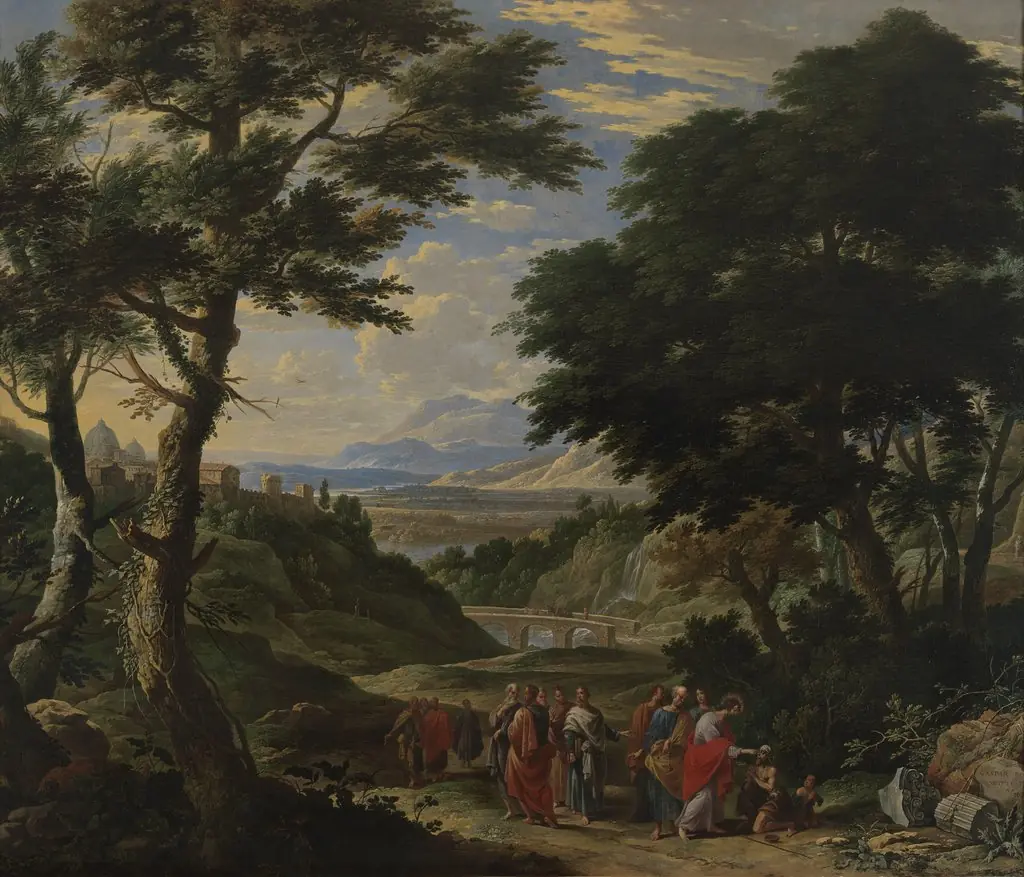
Landscape with Christ and His Disciples
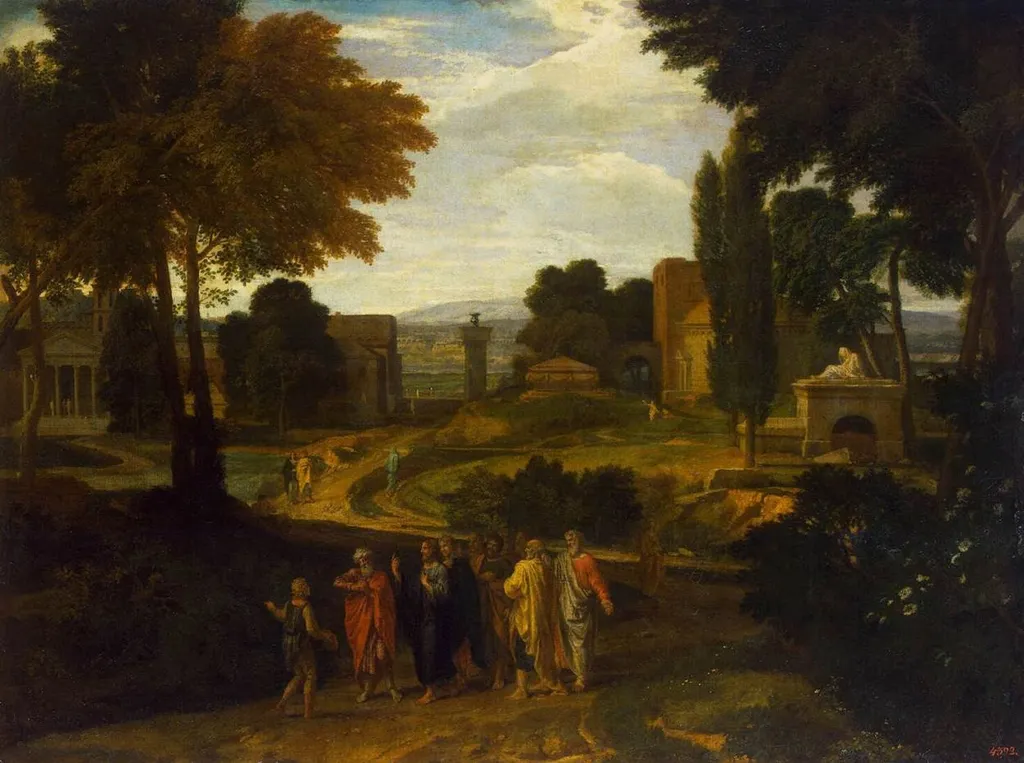
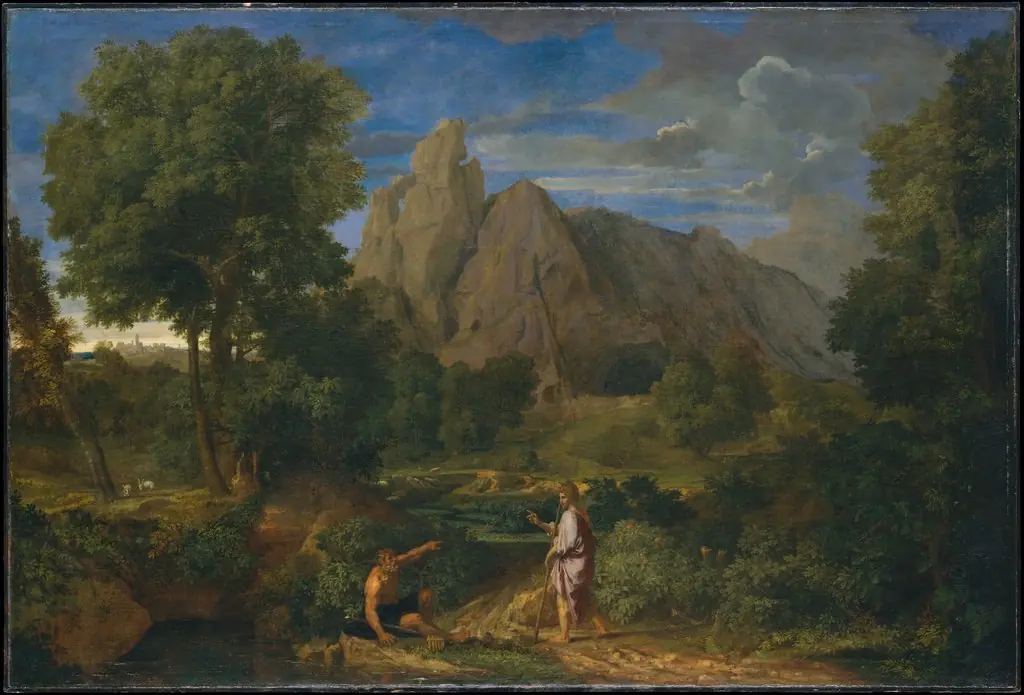
Landscape with Christ and His Disciples is an oil painting by the Barbizon school artist Francisque Millet. It dates from 1650 and is held in the collection of the Hermitage Museum.
About this work
Overview
Painted around 1650 by Francisque Millet, this oil-on-canvas work presents a quiet rural scene infused with biblical allusion.
Painted around 1650 by Francisque Millet, this oil-on-canvas work presents a quiet rural scene infused with biblical allusion. Millet, born in Antwerp and active in Paris, was known for integrating religious narratives into landscape settings. The painting resides in the State Hermitage Museum’s collection, reflecting its status as a representative example of mid-17th-century Flemish-French landscape painting that balances naturalism with spiritual suggestion.
Subject & Meaning
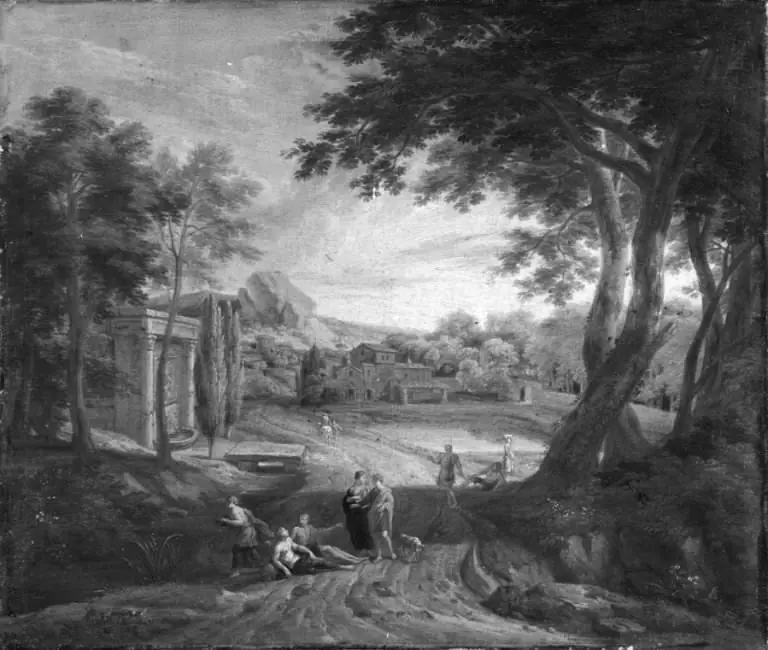
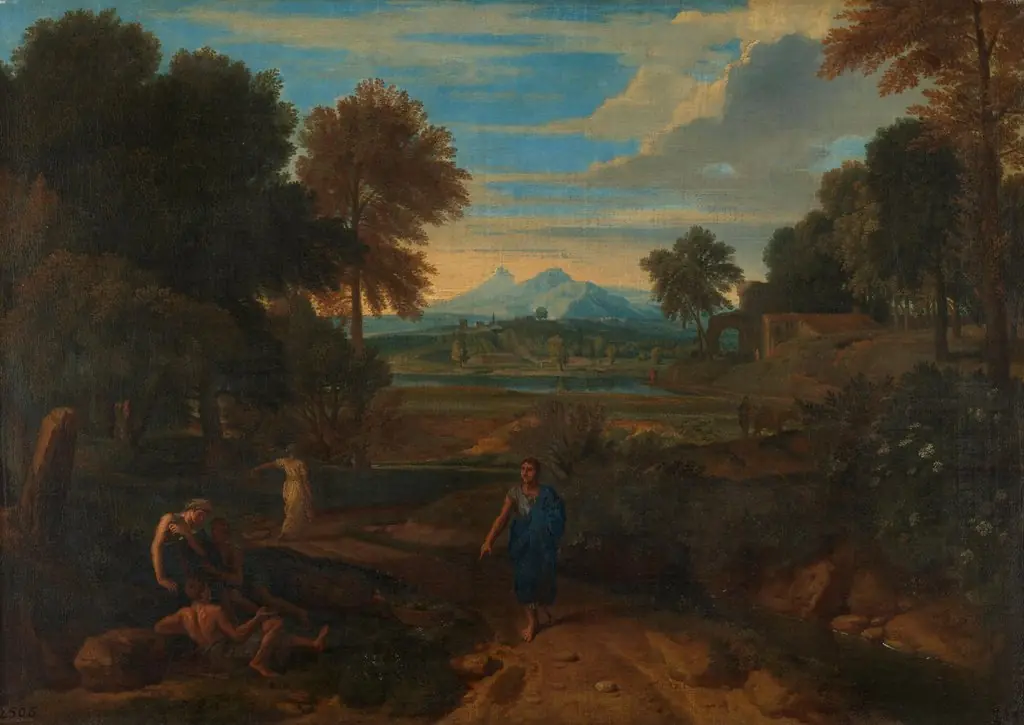
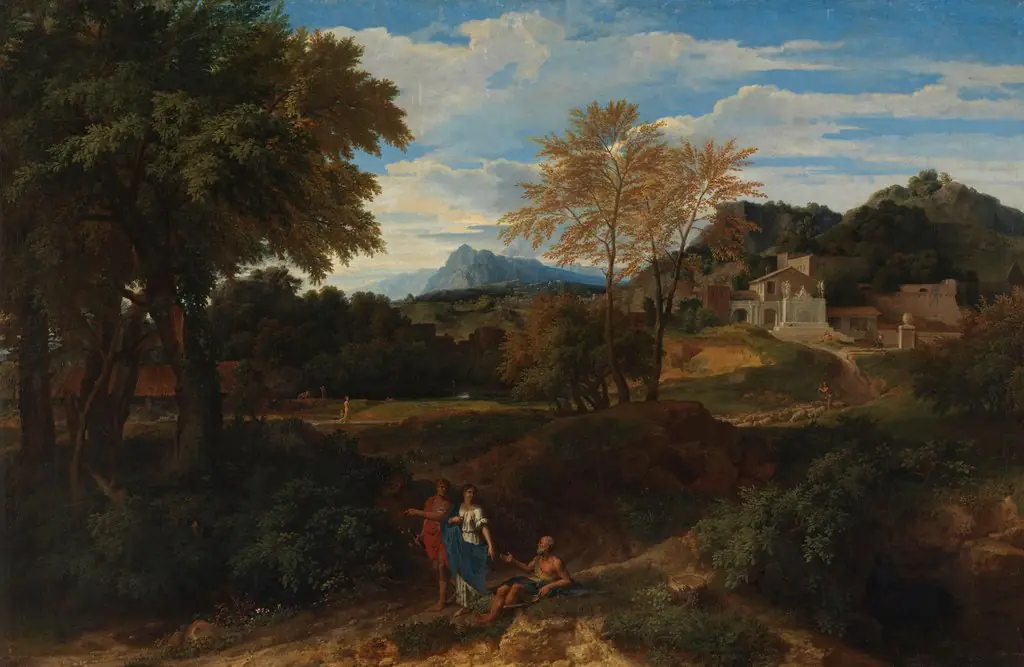
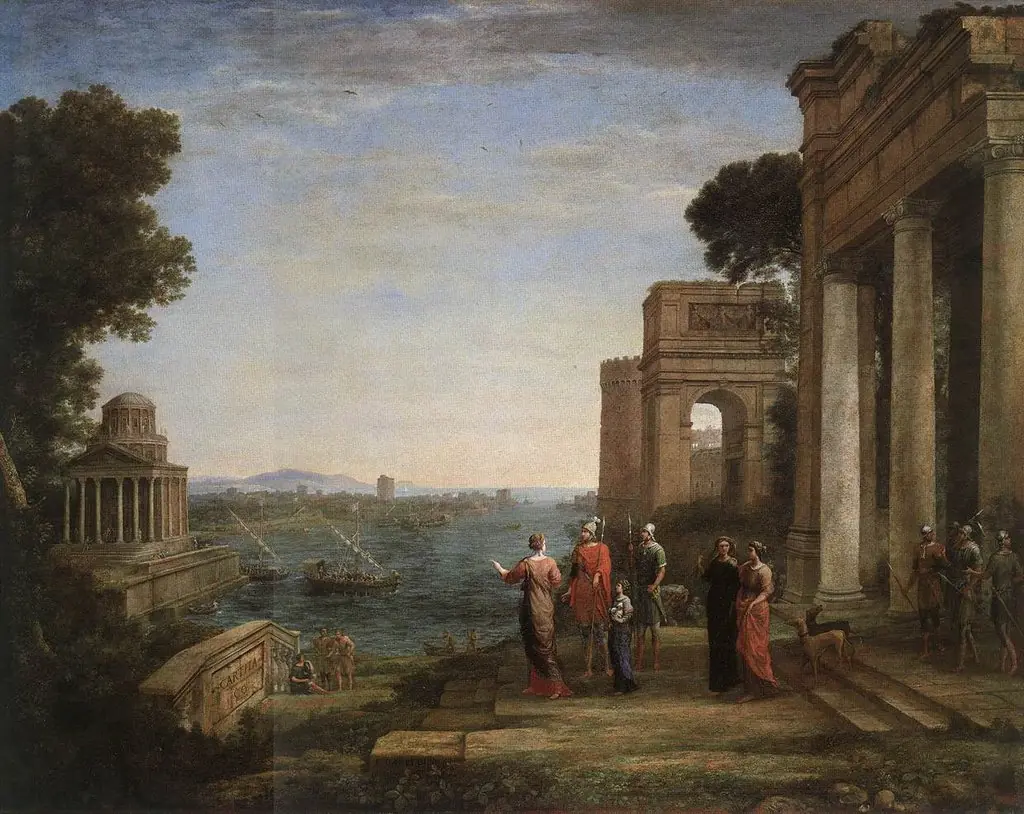
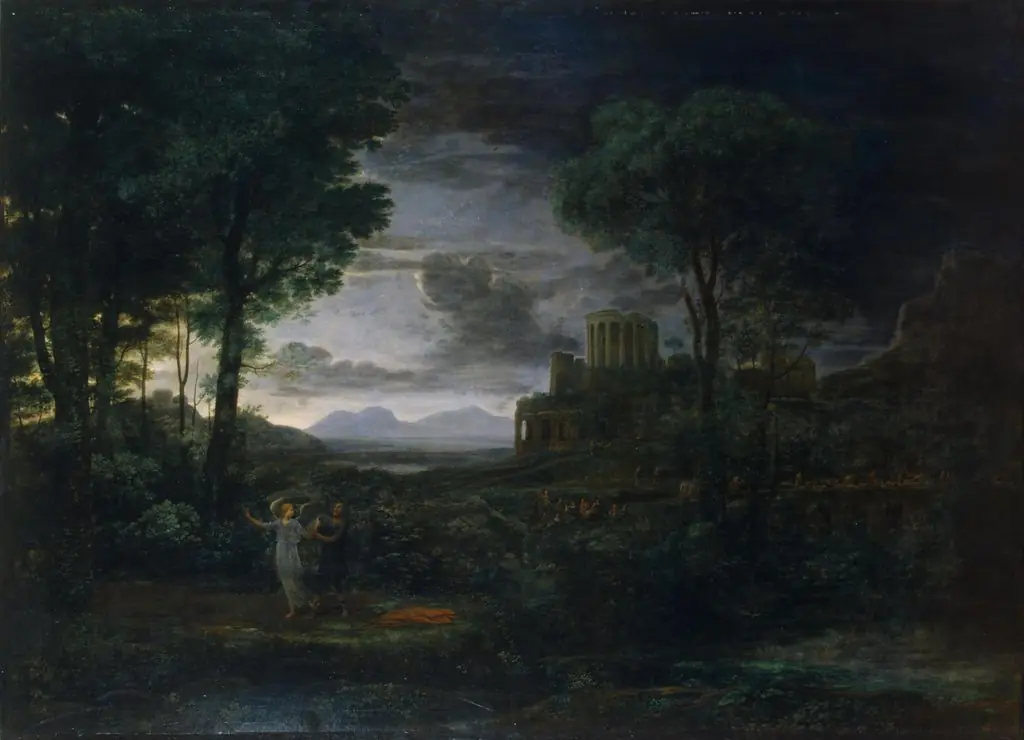
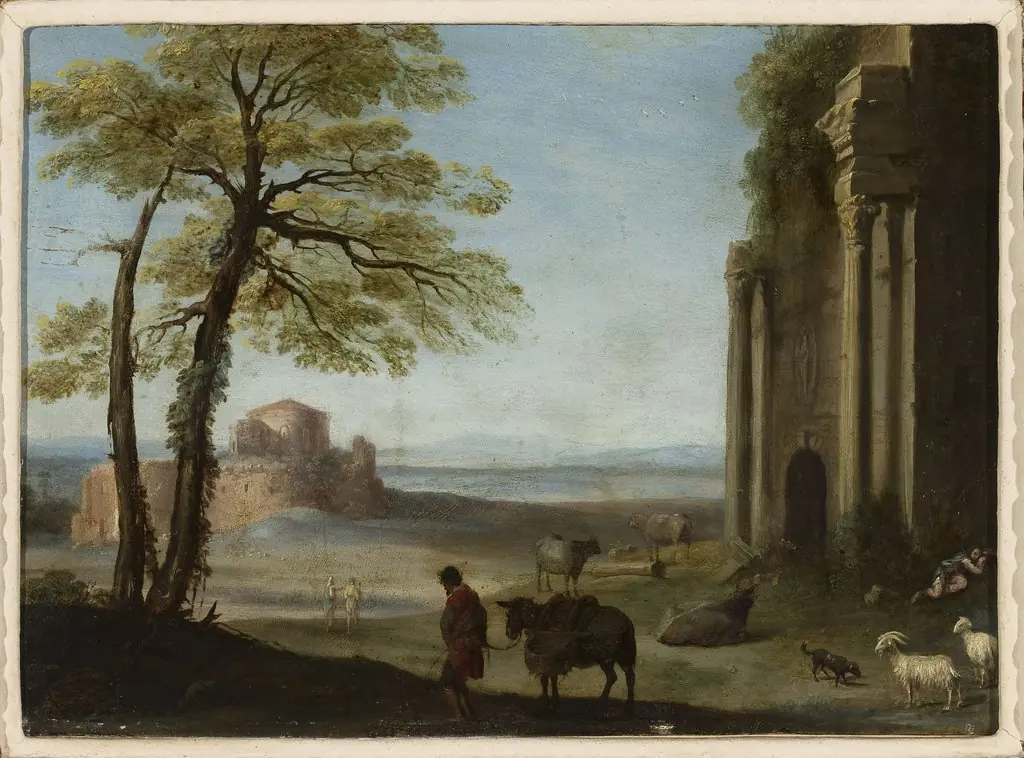
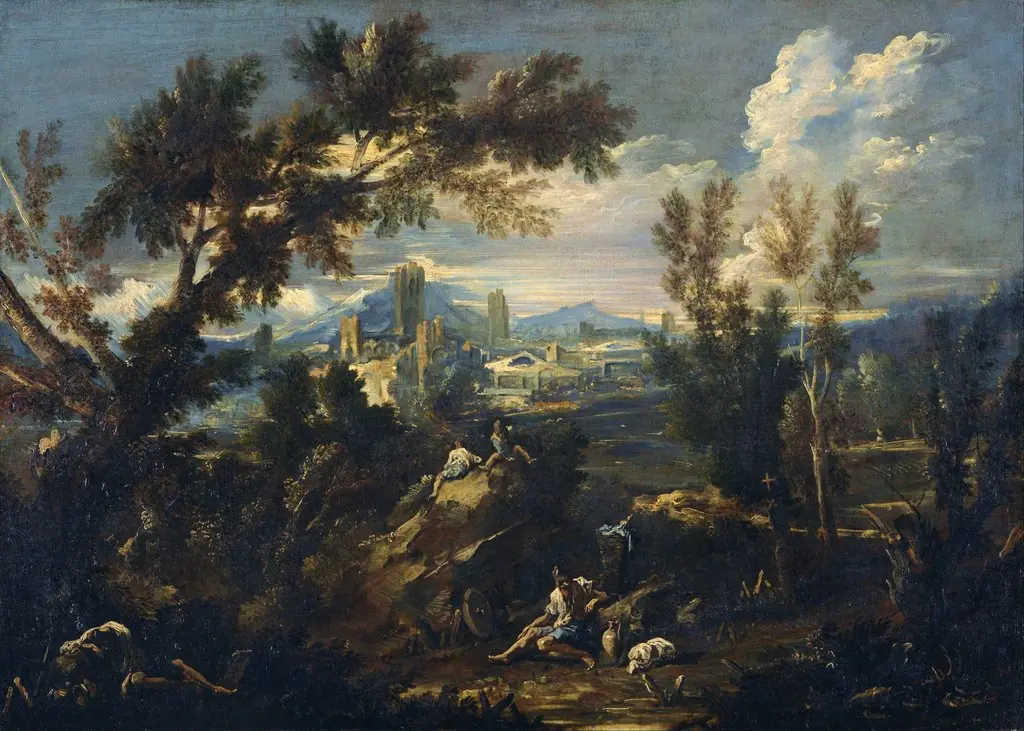
The painting shows a group of figures in ancient robes traversing a winding path through a hilly countryside. Their placement and attire suggest Christ and his disciples, though no overt iconography identifies them. The scene evokes quiet contemplation rather than dramatic revelation, emphasizing pilgrimage and companionship. The religious element is subtle, woven into the fabric of everyday movement through nature, aligning with a broader trend of devotional landscapes in the Baroque period.
Technique & Style
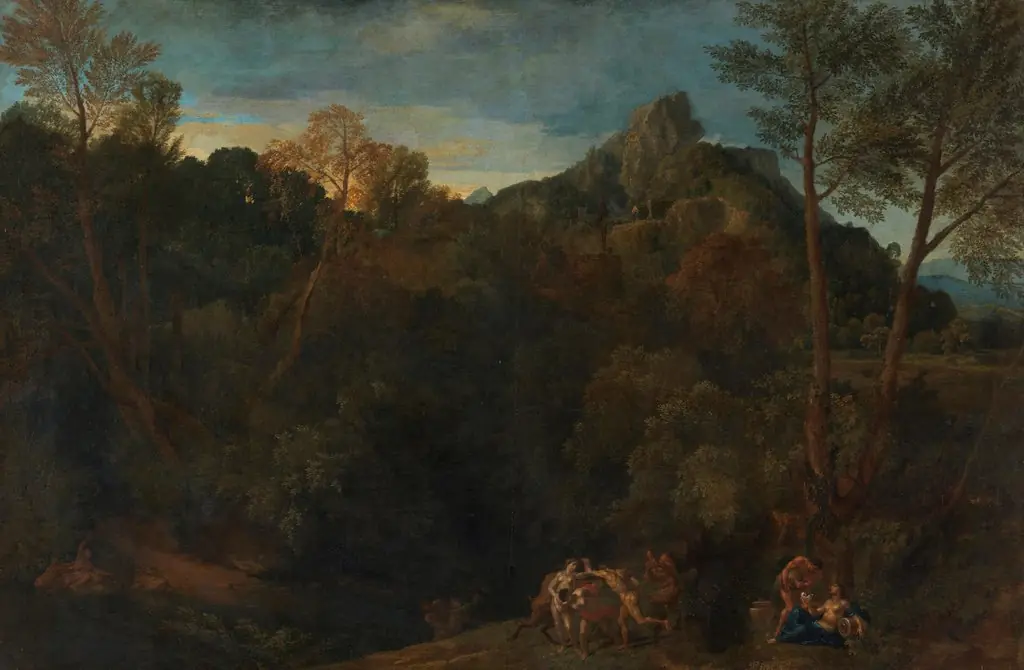
Millet employed soft gradations of light and muted earth tones to create atmospheric depth. The composition guides the eye along the path into the distance, where hills and clouds recede under a diffused sky. Figures are rendered with minimal detail, serving as anchors within the landscape rather than focal points. His handling of light suggests an awareness of chiaroscuro, though applied with restraint to preserve the scene’s tranquility and naturalism.
History & Provenance
Francisque Millet, active in the mid-1600s, worked between Antwerp and Paris, contributing to a generation of painters who favored landscape over overt religious narrative. The painting entered the Hermitage collection in the 18th or 19th century, likely through imperial acquisitions of Northern European works. Its attribution to Millet is consistent with stylistic comparisons to his other known landscapes, though few of his works survive in public collections.
Context
In mid-17th-century France and the Low Countries, landscape painting gained prominence as secular subjects expanded beyond myth and portraiture. Artists like Millet blended biblical themes with observed nature, responding to both devotional tastes and growing interest in the natural world. This work reflects a shift from grand altarpieces to intimate, contemplative scenes, aligning with broader cultural movements that valued quiet reflection and the spiritual potential of the everyday environment.
Legacy
Millet’s approach influenced later French landscape painters who sought to harmonize nature with human presence. Though not widely known today, his integration of religious figures into unidealized scenery contributed to the evolution of the genre that would later flourish in the Barbizon School. His work stands as a quiet precursor to 19th-century naturalism, emphasizing mood and atmosphere over narrative clarity.
Artist & collection
Artist
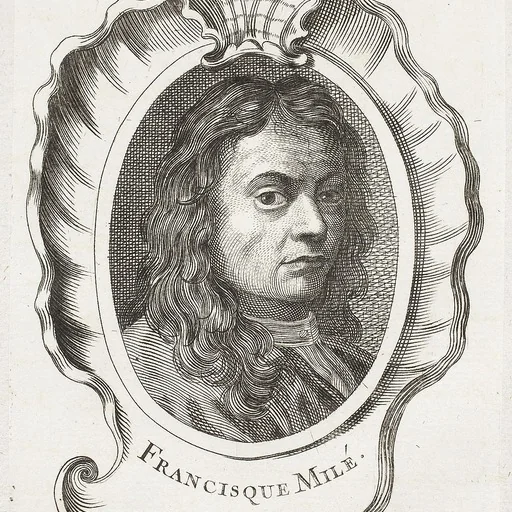
Francisque Millet (27 April 1642, in Antwerp – 3 June 1679, in Paris), also known as Jean-François Milée or Millet I, was a Flemish-French landscape painter of the Baroque era.