Artwork
Ehrenbreitstein to Coblenz, No. 1

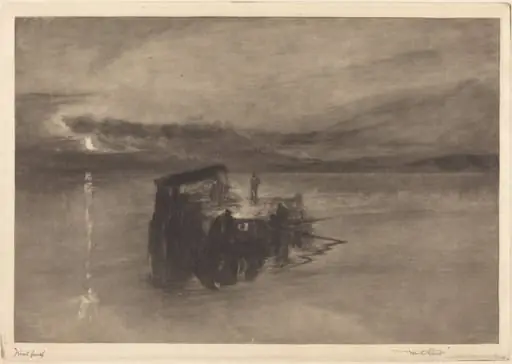
Ehrenbreitstein to Coblenz, No. 1 is a print by the Impressionist artist Frank Short. It dates from 1891 and is held in the collection of the Cleveland Museum of Art.
About this work
Overview
Short’s technical rigor and dedication to the craft positioned him as a leading figure in late 19th-century British print culture.
Frank Short, a British printmaker and educator, produced *Ehrenbreitstein to Coblenz, No. 1* in 1891 as part of his exploration of landscape through intaglio techniques. The work is held in The Cleveland Museum of Art’s collection and exemplifies his commitment to reviving and refining traditional printmaking methods, particularly mezzotint and aquatint. Short’s technical rigor and dedication to the craft positioned him as a leading figure in late 19th-century British print culture.
Subject & Meaning
The print depicts a narrow band of terrain and sky, suggesting the view from Ehrenbreitstein Fortress toward Coblenz along the Rhine. The composition reduces the landscape to minimal tonal contrasts—pale horizontal bands against deep shadow—evoking a quiet, atmospheric moment rather than a detailed topographical record. This abstraction implies a meditative observation of place, emphasizing mood over specificity.
Technique & Style
Short employed mezzotint and aquatint to achieve subtle gradations of tone, exploiting the intaglio process’s capacity for rich blacks and delicate light. The image’s stark division between light and dark reflects his control over ink and plate texture, with the pale upper zone rendered through minimal scraping and burnishing. The result is a restrained, almost monochromatic study that prioritizes tonal harmony over linear detail.
History & Provenance
Created in 1891, the print entered The Cleveland Museum of Art’s collection as part of its broader acquisition of British graphic art from the late 19th century. Short’s reputation as a teacher and institutional leader—serving as president of the Royal Society of Painter-Etchers & Engravers from 1910 to 1938—helped ensure the preservation and recognition of his works. This print remains a representative example of his mature technique.
Context
Short worked during a period when British artists were re-engaging with intaglio printmaking after decades of decline. His landscapes, including this one, responded to both the Romantic tradition of the sublime and emerging interest in tonal abstraction. While not aligned with Impressionism, his focus on light and atmosphere resonated with contemporary shifts in visual perception, particularly among printmakers seeking alternatives to photographic realism.
Legacy
Short’s influence extended through his leadership in professional societies and his teaching at the Royal College of Art. His technical innovations in mezzotint and aquatint helped sustain these methods into the 20th century. *Ehrenbreitstein to Coblenz, No. 1* stands as a quiet testament to his ability to convey spatial depth and emotional resonance through minimal means, shaping later generations’ appreciation of print as a medium for contemplative expression.
Artist & collection
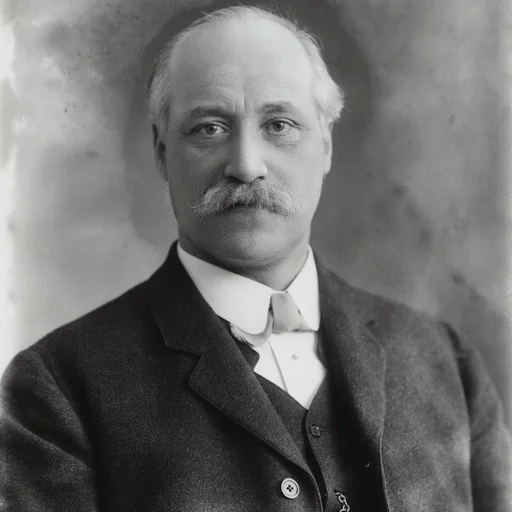
Artist
Sir Francis Job Short PPRE (19 June 1857 – 22 April 1945) was a British printmaker and teacher of printmaking.

 Sketch Copy of Natural Disasters, from the Seven Fortunes and Misfortunes
 Wall painting: four Nubians armed with shields
 Sketch Copy of Natural Disasters, from the Seven Fortunes and Misfortunes
 Portrait of a Man
 Capital and seated layman from Santa Maria de Taüll
 Bătrână lângă scaun
 The Killing of Three Warriors with Two Peaches
 Strigăt
 Untitled
 Femeie șezând
 Nud
Nud Fereastra