Artwork
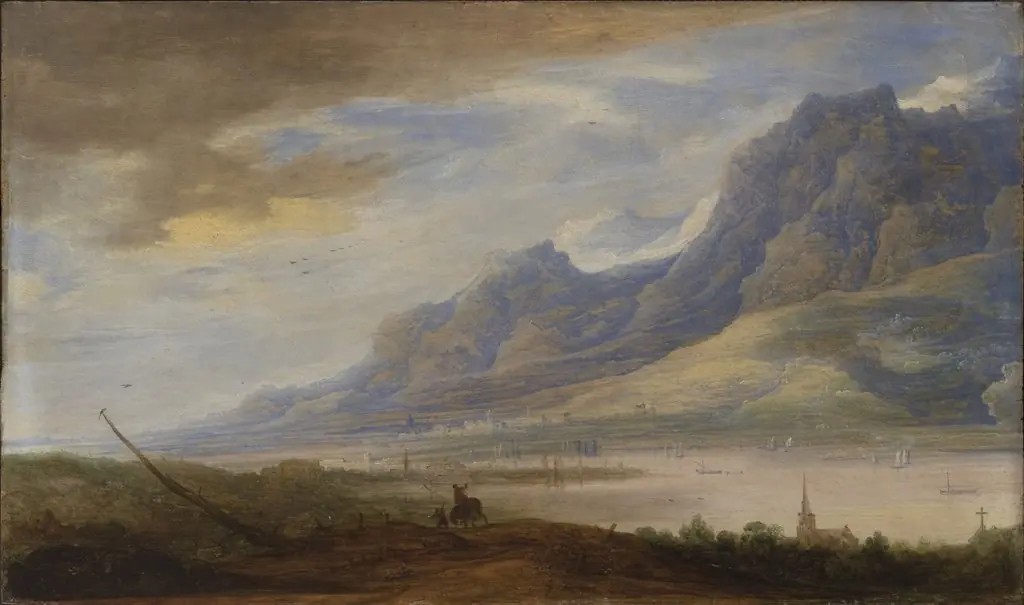
Mountainous landscape with valley and rainbow
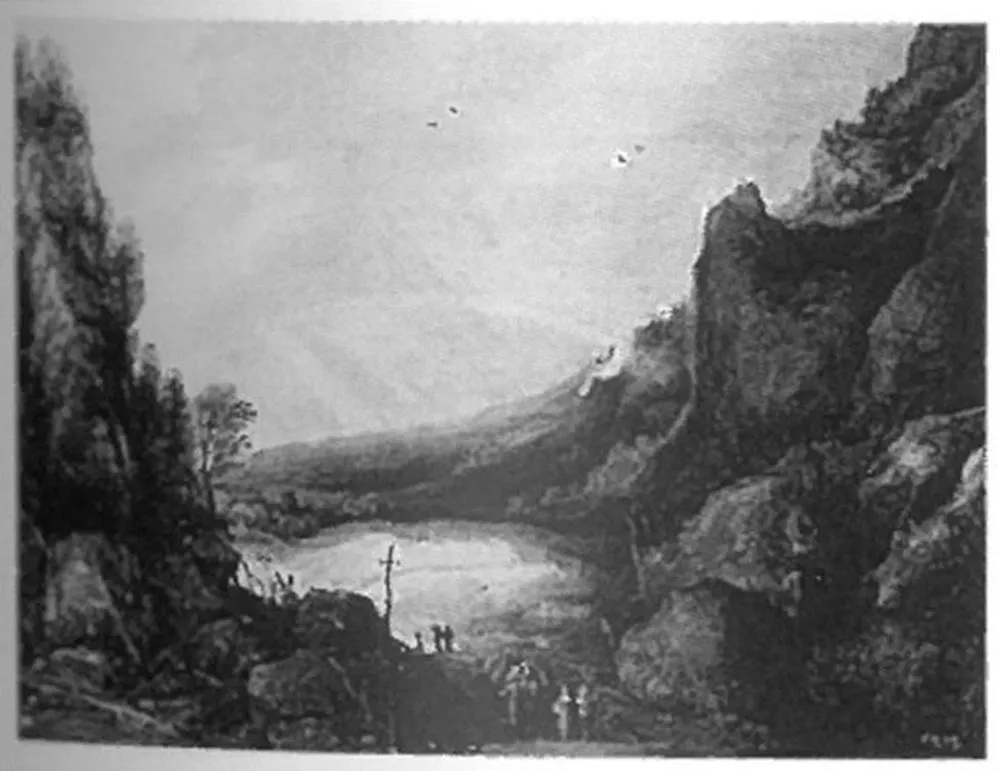
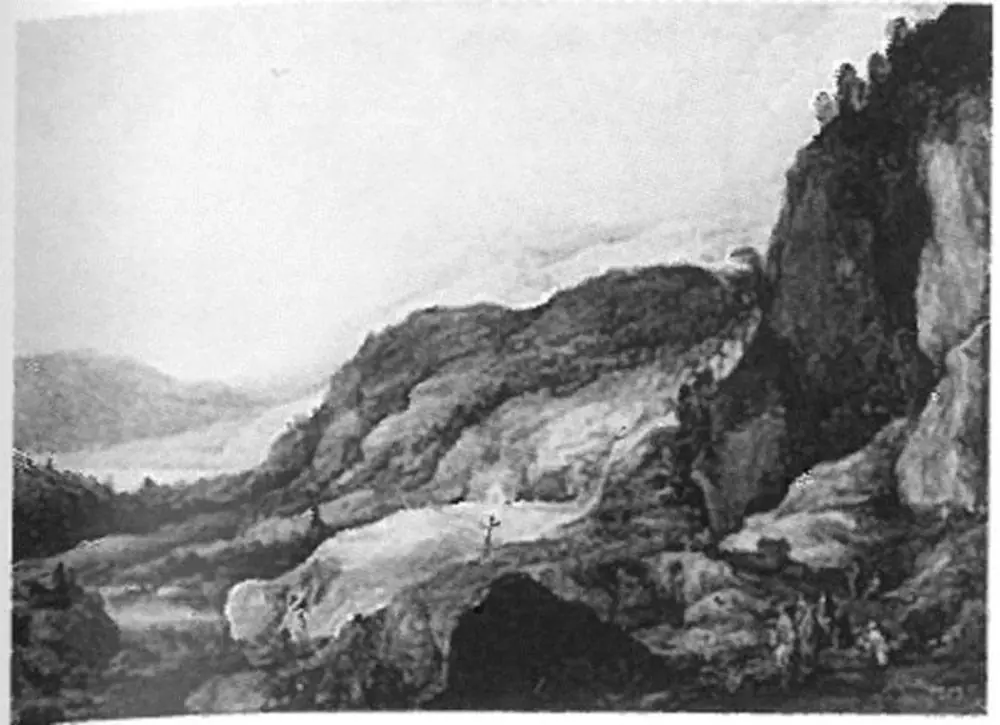
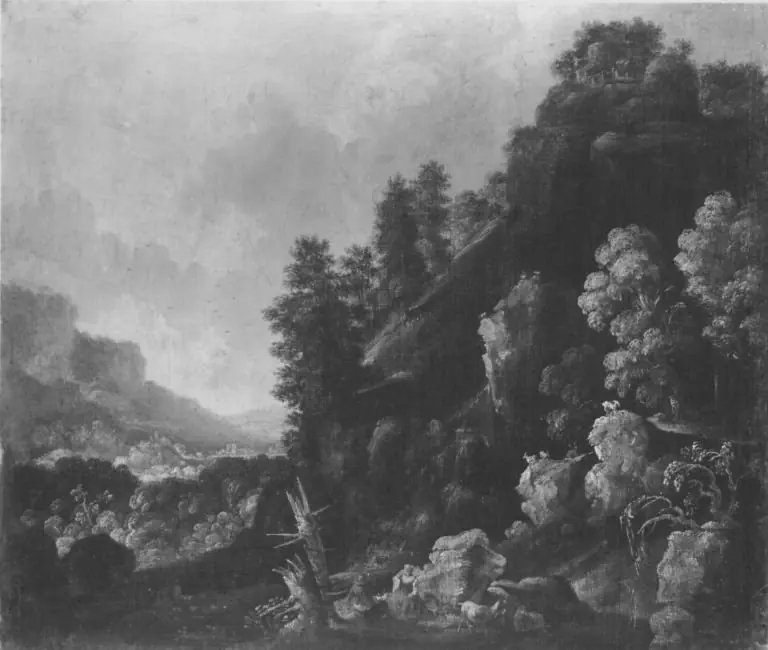
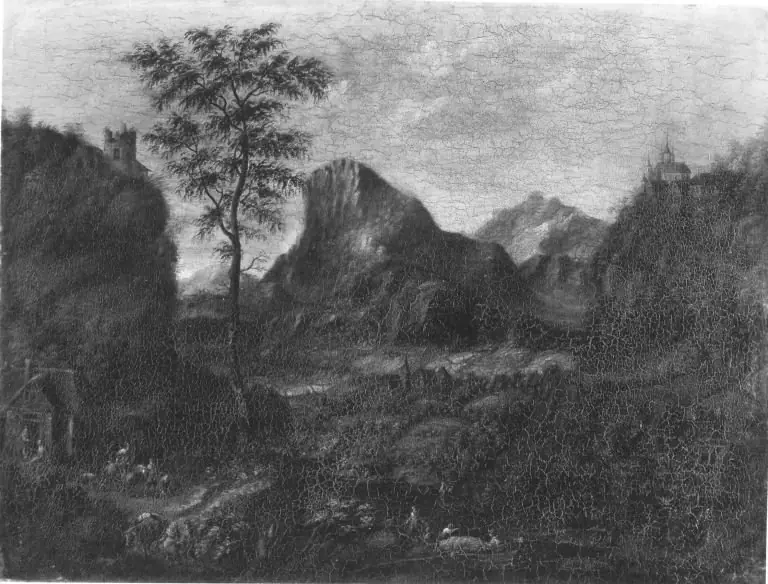
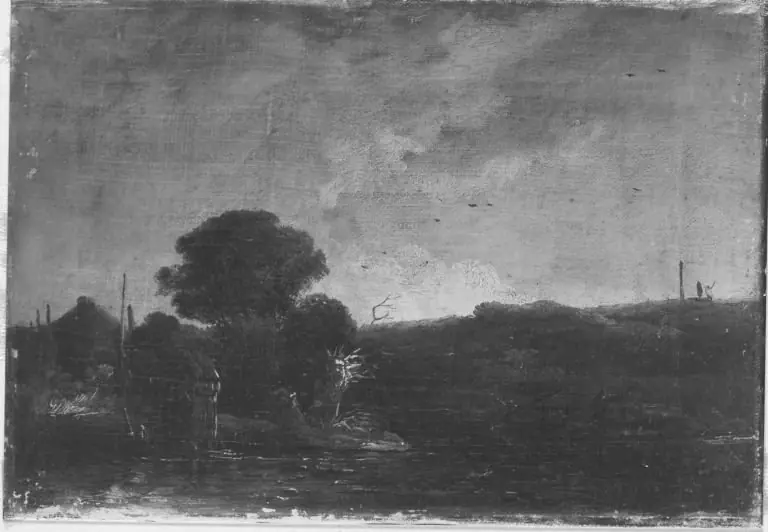
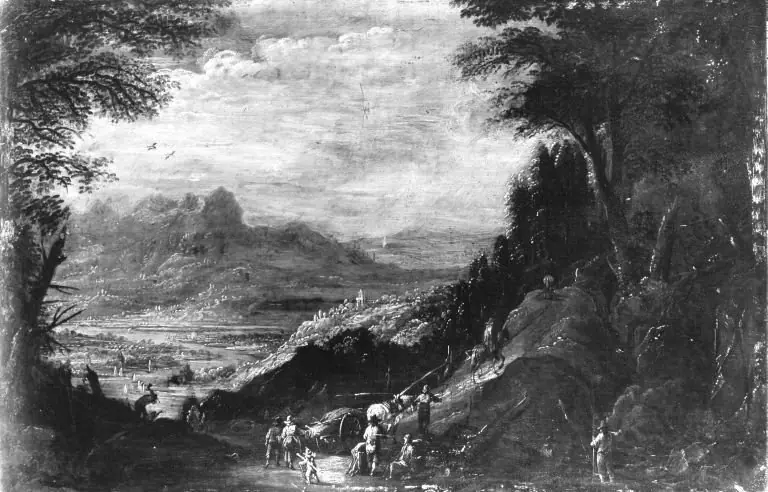
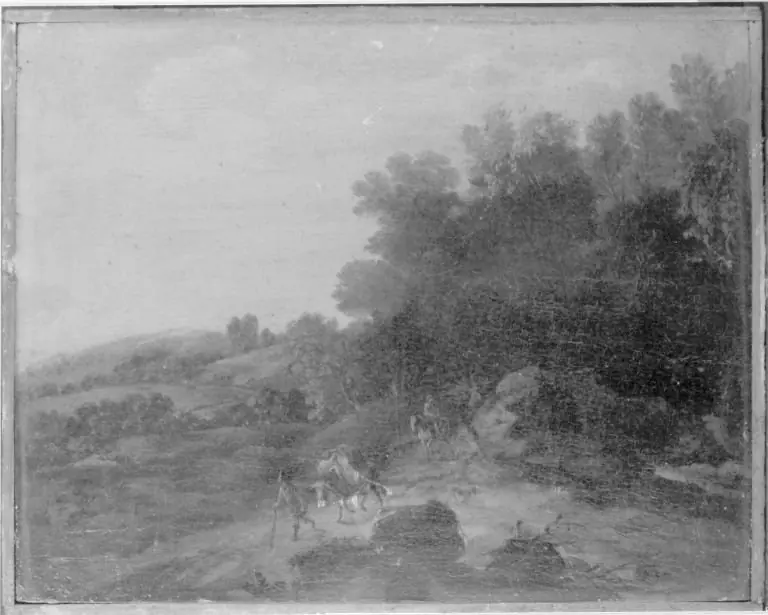
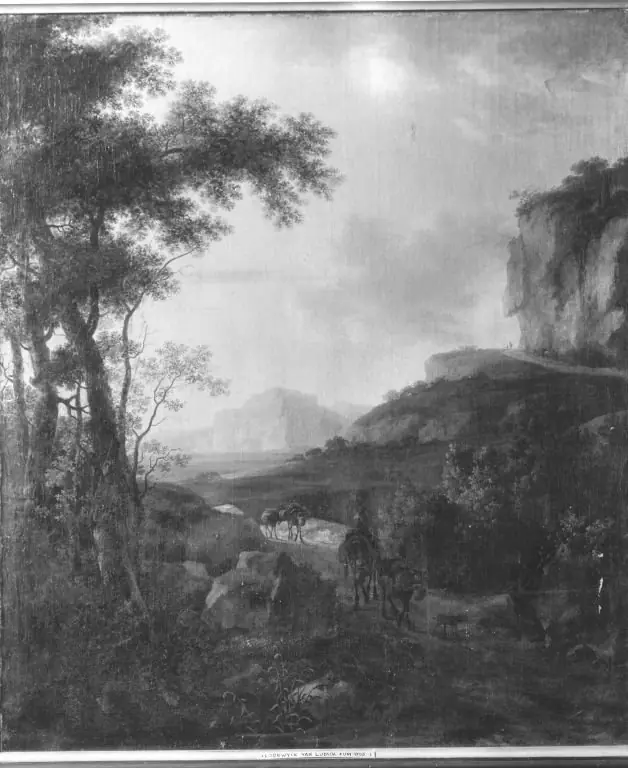
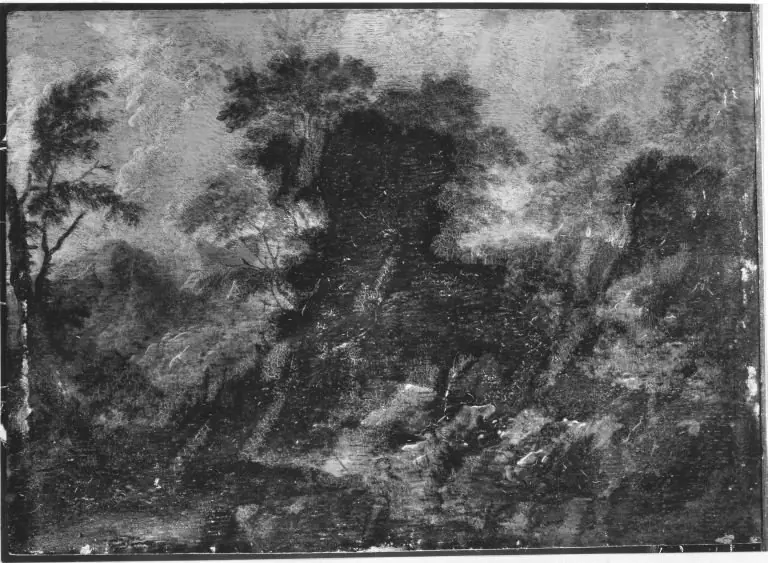
Mountainous landscape with valley and rainbow is an oil painting by the Dutch Golden Age artist Frans de Momper. It dates from 1631 and is held in the collection of the Staatliche Kunstsammlungen Dresden.
About this work
Overview
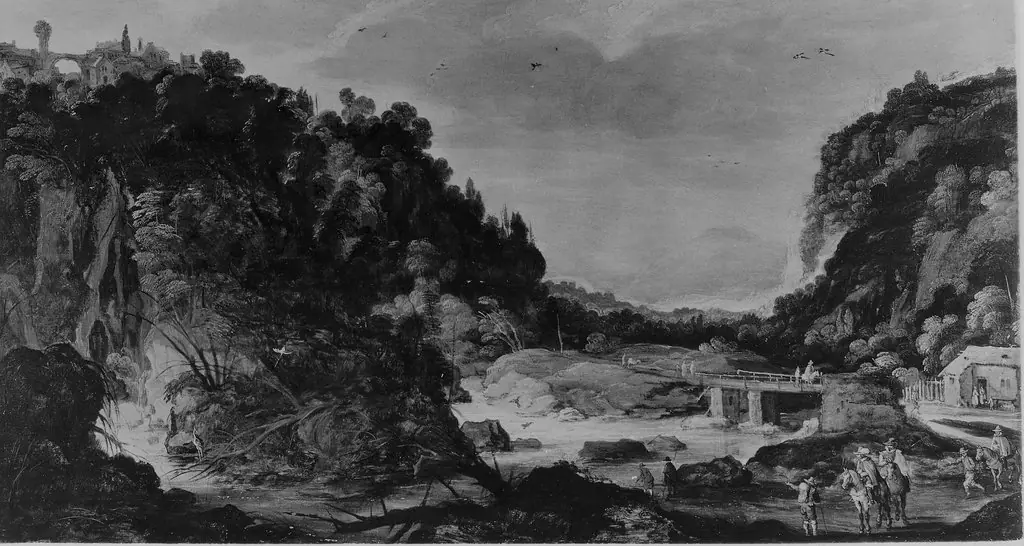
The scene presents a quiet, expansive valley beneath towering peaks, with a rainbow arching overhead, capturing a moment of atmospheric calm.
Painted in 1631 by Frans de Momper, this oil-on-canvas landscape reflects the artist’s time in the Dutch Republic, where he absorbed the tonal approaches of local painters like Jan van Goyen. Though trained in Antwerp, de Momper adapted his style to the Dutch preference for subdued naturalism. The scene presents a quiet, expansive valley beneath towering peaks, with a rainbow arching overhead, capturing a moment of atmospheric calm.
Subject & Meaning
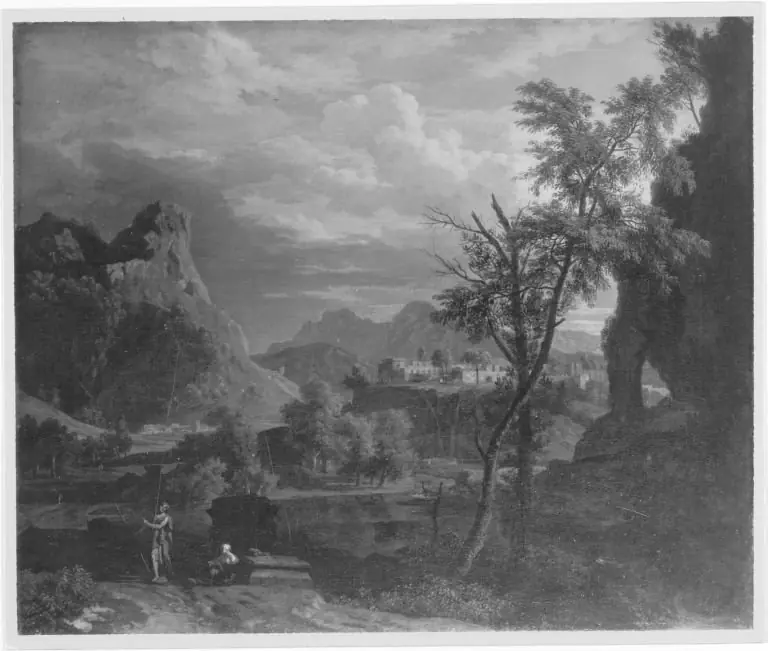
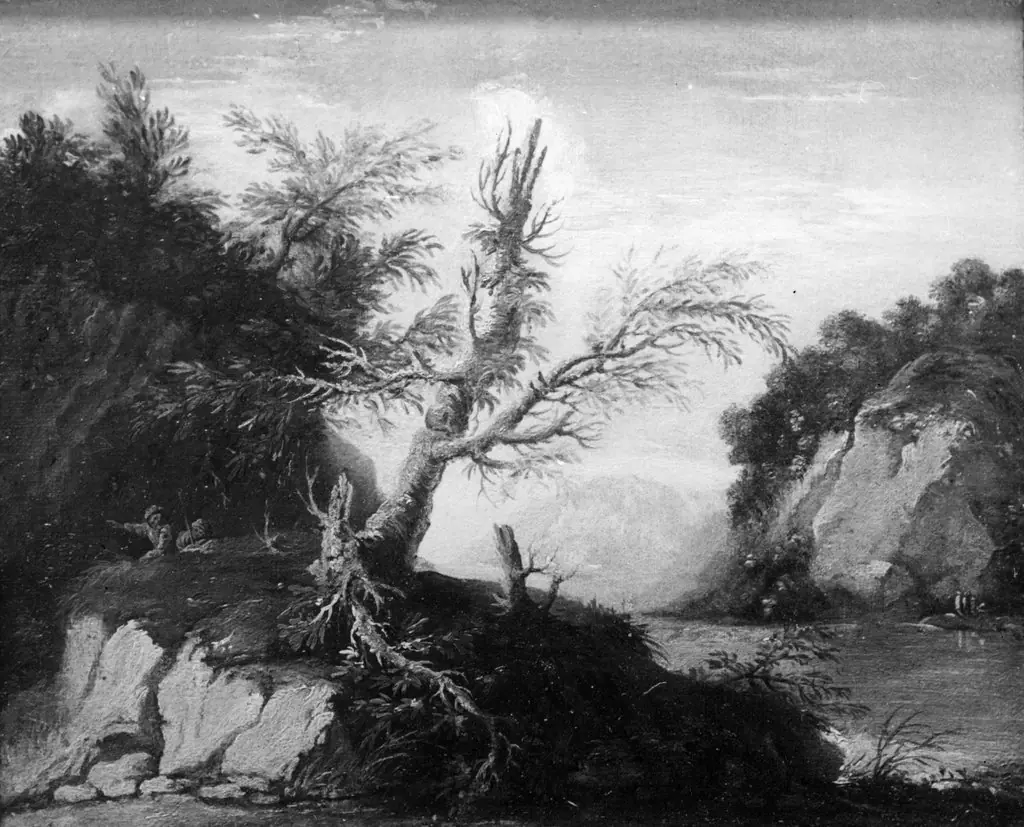
The painting portrays a tranquil mountainous valley, populated by tiny human figures that emphasize the vastness of nature. The rainbow, though delicate, introduces a subtle symbolic contrast—transient beauty against enduring landforms. No overt narrative is present; instead, the work invites contemplation of nature’s scale and quiet order, aligning with the Dutch Golden Age’s interest in observed reality over idealized grandeur.
Technique & Style
De Momper employed layered oil glazes to achieve subtle gradations of light and texture. Earth tones dominate the terrain, while the sky is rendered with soft transitions to suggest atmospheric depth. The rainbow, painted with restrained chromatic precision, does not overpower the composition but harmonizes with the muted palette. Brushwork is deliberate yet unobtrusive, supporting the painting’s quiet realism.
History & Provenance
Created during de Momper’s stay in the Dutch Republic, the painting entered the collection of the Gemäldegalerie Alte Meister in Dresden, where it remains today. Its documented history traces back to early 17th-century Northern European collections, though specific ownership prior to the 18th century is not fully established. The work’s survival reflects its early recognition among collectors of landscape art.
Context
In the 1630s, Dutch landscape painting shifted toward intimate, atmospheric views rather than grand historical or mythological scenes. De Momper’s work aligns with this trend, blending Flemish compositional traditions with Dutch tonal sensitivity. The absence of religious or allegorical elements underscores a growing cultural emphasis on the natural world as a subject worthy of quiet observation.
Legacy
Though less widely known than contemporaries like Rembrandt or Ruisdael, de Momper’s landscapes contributed to the evolution of Northern European tonal painting. His synthesis of Flemish detail and Dutch atmospheric realism influenced later generations of landscape artists. This work exemplifies a transitional phase in 17th-century painting, where observation replaced symbolism as the primary mode of representation.
Artist & collection
Artist
Frans de Momper (born on 17 October 1603 – died between 18 September 1660 and 18 September 1661) was a Flemish landscape painter who, after training in Antwerp, worked for a while in the Dutch Republic.