Artwork
The Four Crowned at work
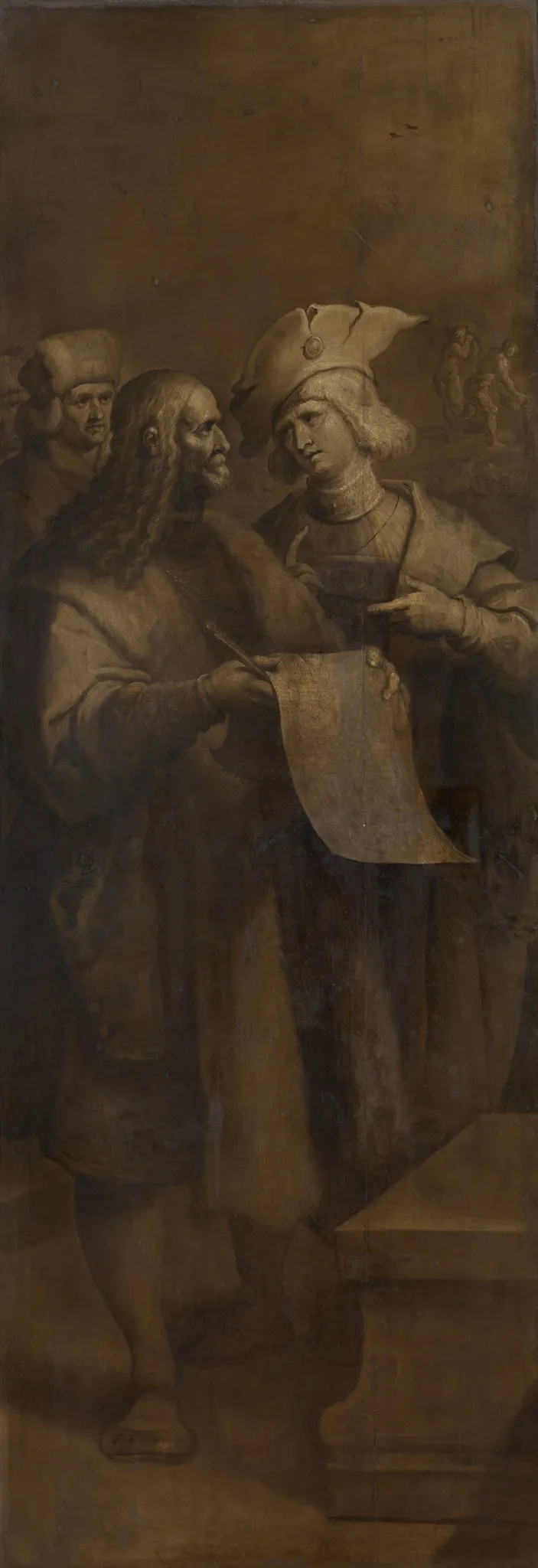
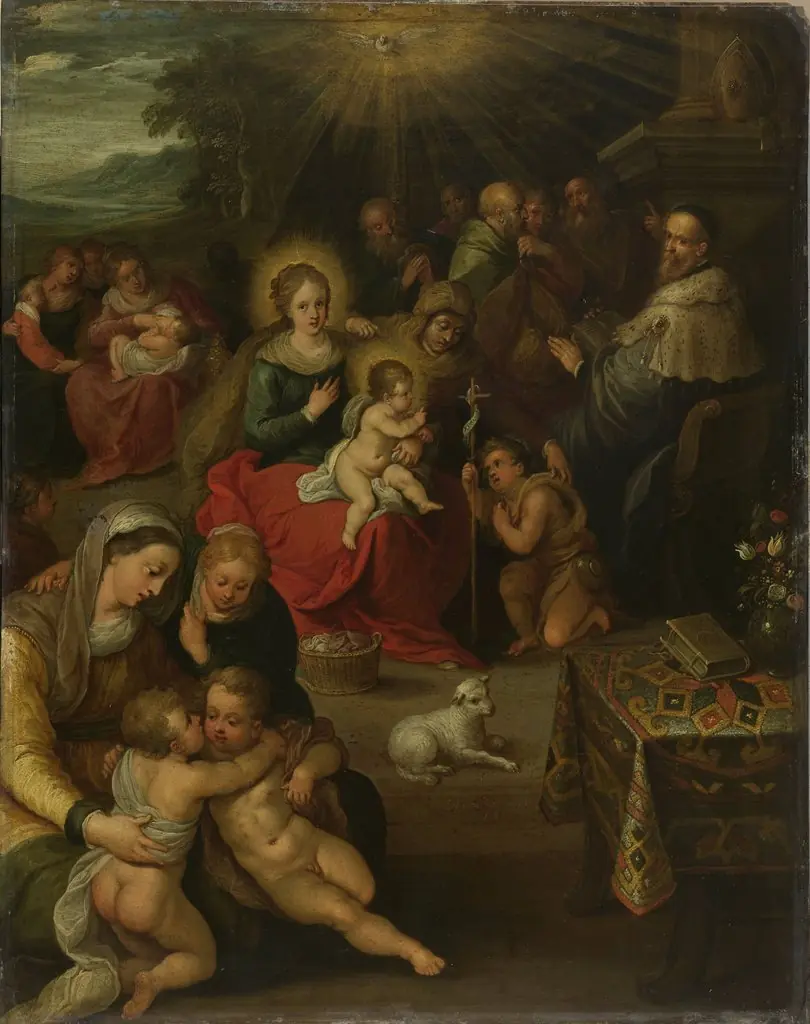
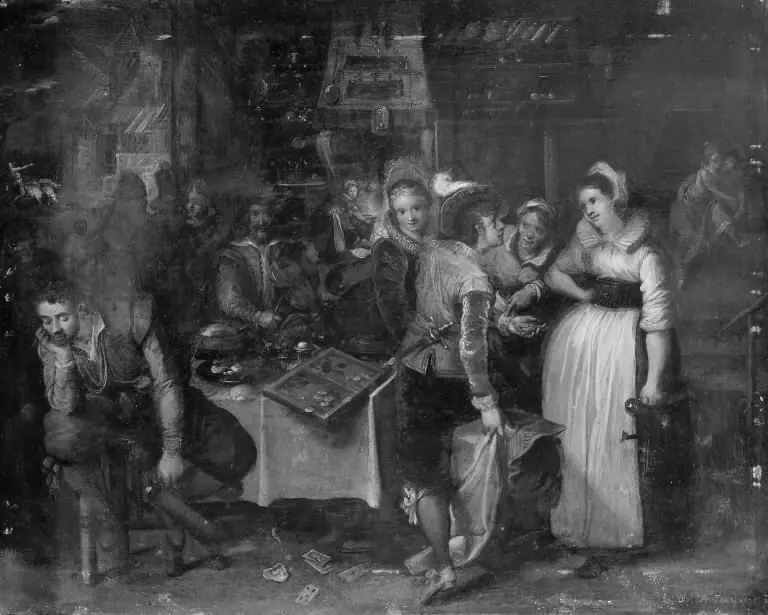
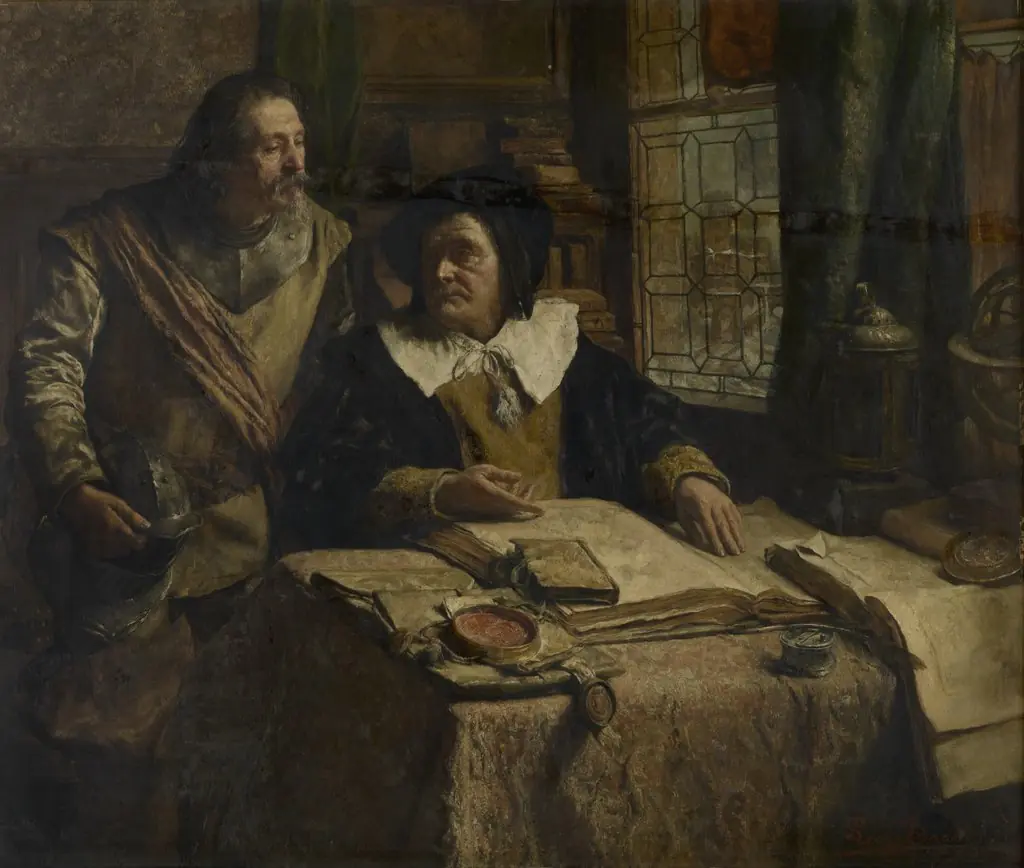
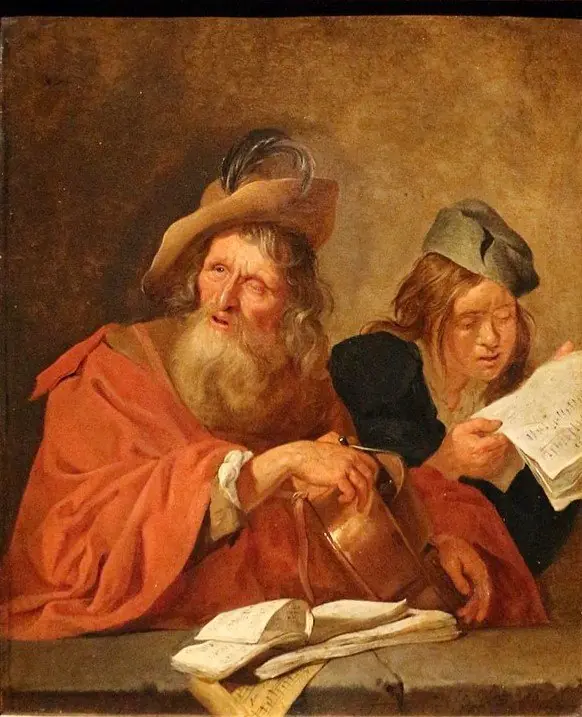
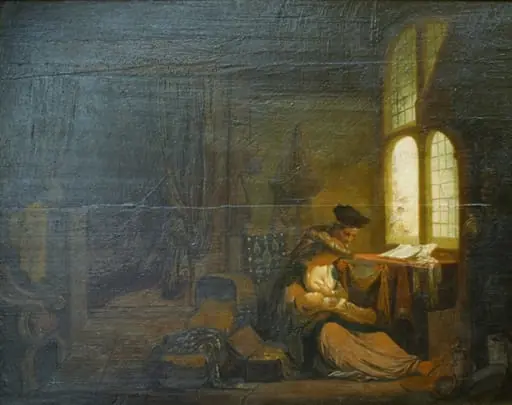
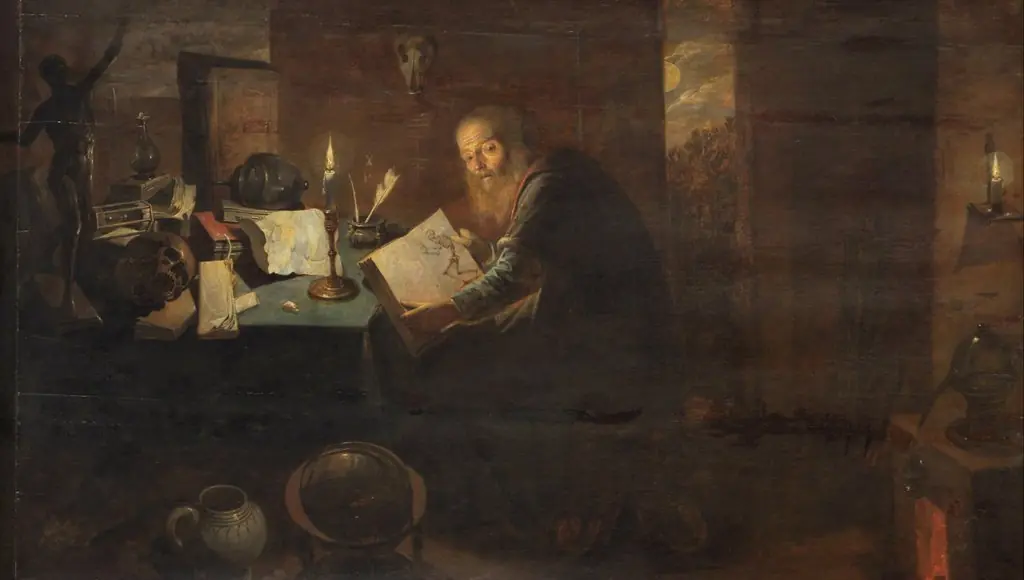
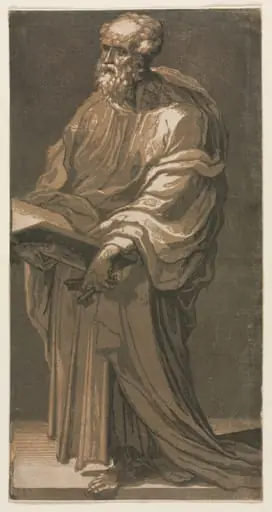
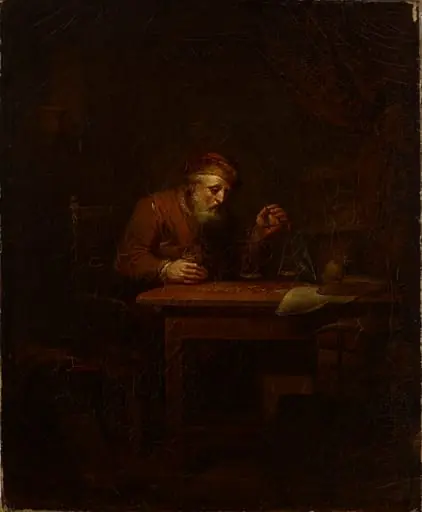
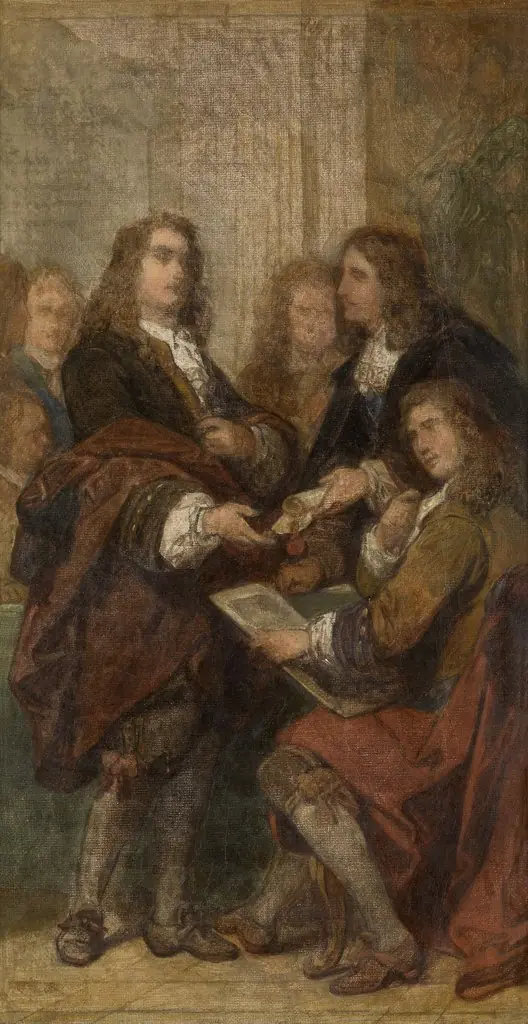
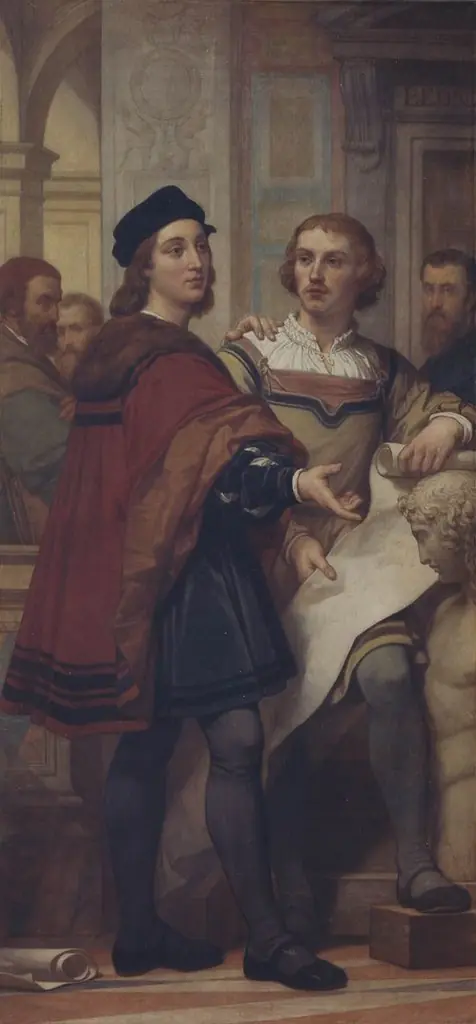
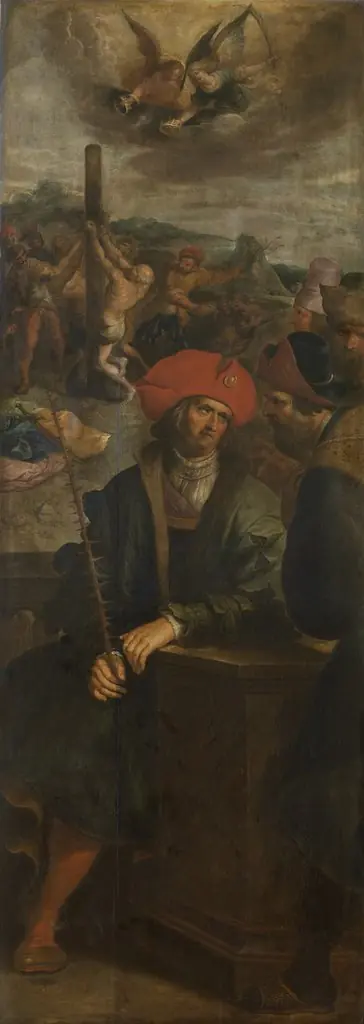
The Four Crowned at work is an oil painting by the Flemish Baroque painting artist Frans Francken the Younger. It dates from 1624 and is held in the collection of the Royal Museum of Fine Arts Antwerp.
About this work
Overview
Painted in 1624 by Frans Francken the Younger, this oil-on-panel work portrays a quiet scene of religious figures in deliberation.
Painted in 1624 by Frans Francken the Younger, this oil-on-panel work portrays a quiet scene of religious figures in deliberation. It belongs to the Flemish Baroque tradition, reflecting the era’s interest in intimate, narrative-driven religious subjects. The painting is part of the Royal Museum of Fine Arts Antwerp’s collection, where it remains a modest yet significant example of Francken’s smaller-scale devotional compositions.
Subject & Meaning
The painting illustrates the Four Crowned Martyrs—early Christian stonemasons executed for refusing to worship pagan idols. Depicted in a moment of focused assembly, they are shown reviewing a document, likely a blueprint or decree, symbolizing their commitment to faith over imperial demands. The scene emphasizes moral resolve rather than martyrdom, inviting quiet reflection on conscience and duty.
Technique & Style
Francken employs chiaroscuro to isolate the figures’ faces and hands against a deep, neutral background, drawing attention to their expressions and gestures. The brushwork is precise but unobtrusive, favoring clarity over dramatic flair. Robes and hats are rendered with subtle texture, while the dark surroundings enhance the sense of intimacy and solemnity, characteristic of Flemish devotional painting of the period.
History & Provenance
Commissioned likely for a guild or private chapel, the painting entered the Royal Museum of Fine Arts Antwerp’s collection in the 19th century. Its survival through centuries of religious upheaval and war suggests it was valued as a devotional object. No early inventories or donor records survive, but its style aligns with Francken’s output for Antwerp’s religious and civic patrons during the early 1600s.
Context
In early 17th-century Flanders, guilds of stonemasons and builders often commissioned religious art to honor their patron saints. The Four Crowned Martyrs were venerated as protectors of craftsmen. Francken’s depiction reflects this local devotion, merging spiritual narrative with the dignity of labor—a theme resonant in a region where artisan identity and Catholic faith were closely intertwined.
Legacy
Though not among Francken’s most widely reproduced works, this painting exemplifies his skill in conveying quiet moral gravity through restrained composition. It contributes to the understanding of how Flemish artists translated hagiographic themes into accessible, human-centered scenes, influencing later generations focused on psychological depth in religious imagery.
Artist & collection
Artist
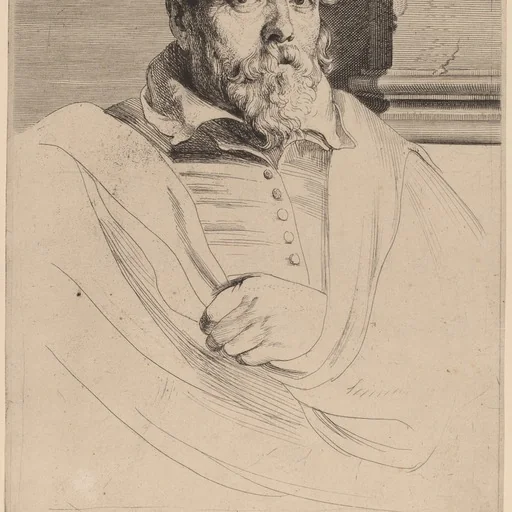
Frans Francken the Younger (1581, Antwerp – 6 May 1642, Antwerp) was a Flemish painter and the best-known and most prolific member of the large Francken family of artists.