Artwork
The Engraver Gerard Edelinck in Paris
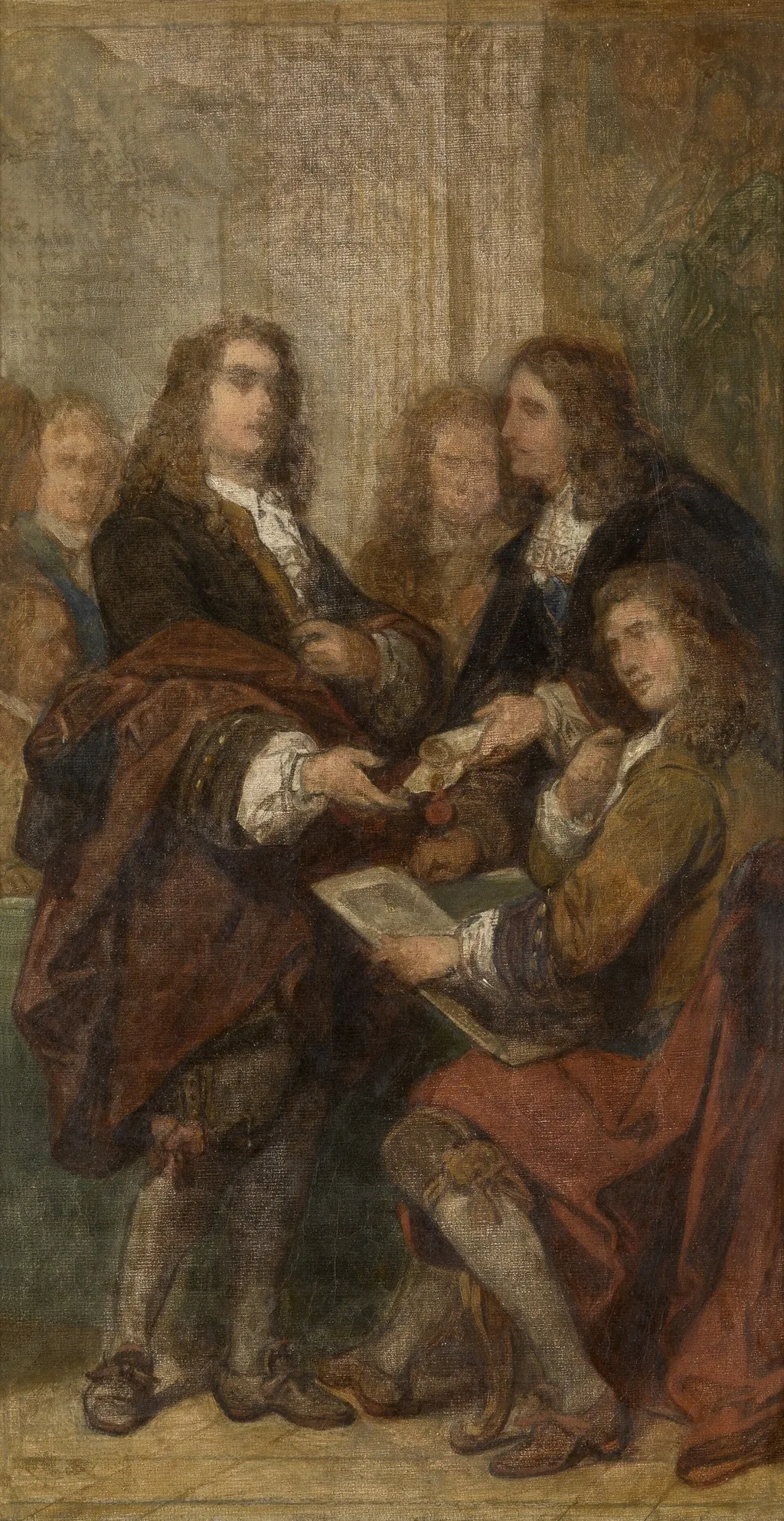
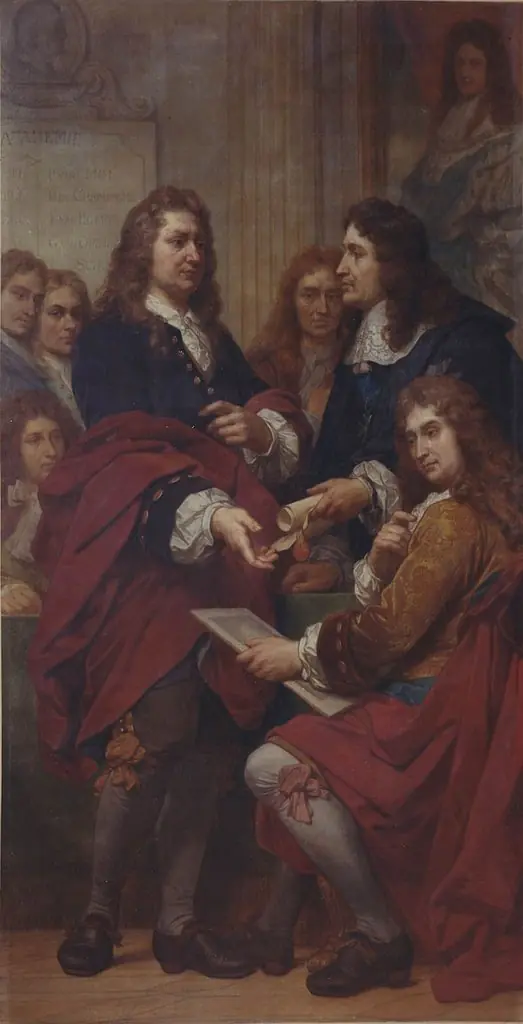
The Engraver Gerard Edelinck in Paris is an oil painting by Nicaise De Keyser. It dates from 1860 and is held in the collection of the Royal Museum of Fine Arts Antwerp.
About this work
Overview
The painting resides in the Royal Museum of Fine Arts Antwerp, where it exemplifies the Romantic-era fascination with cultural heritage and artisanal labor.
Painted around 1860 by Belgian artist Nicaise De Keyser, this oil portrait depicts the 17th-century engraver Gérard Edelinck at work in his studio. Though created in the mid-19th century, the scene deliberately evokes an earlier era, reflecting De Keyser’s interest in historical figures of the arts. The painting resides in the Royal Museum of Fine Arts Antwerp, where it exemplifies the Romantic-era fascination with cultural heritage and artisanal labor.
Subject & Meaning
The portrait centers on Gérard Edelinck, a respected French engraver known for his precise reproductions of Old Master drawings. De Keyser presents him not as a celebrity but as a dedicated craftsman, immersed in his task. The focused expression and meticulous tools suggest reverence for intellectual and manual discipline. The choice of Edelinck underscores a 19th-century idealization of the artist as a quiet, enduring contributor to cultural memory.
Technique & Style
De Keyser employs a restrained palette and soft chiaroscuro to isolate the figure against a dark, undefined background. The textures of Edelinck’s wig, velvet cloak, and engraved plates are rendered with careful attention, yet the brushwork remains unobtrusive. The composition emphasizes stillness and concentration, avoiding theatricality. This approach aligns with Romantic historicism, prioritizing psychological presence over dramatic narrative.
History & Provenance
The painting entered the collection of the Royal Museum of Fine Arts Antwerp in the 19th century, likely acquired during De Keyser’s peak influence in Belgian art circles. No record suggests it was commissioned; instead, it appears to be a personal study in historical homage. De Keyser, who taught at the Antwerp Academy, often turned to past artisans as subjects, reinforcing national pride in artistic lineage.
Context
In mid-19th-century Belgium, artists like De Keyser sought to anchor national identity in historical continuity. By portraying Edelinck—a figure from the age of Louis XIV—De Keyser linked contemporary Belgian artistry to a broader European tradition of printmaking. This was part of a wider trend in Romanticism: reviving the dignity of pre-modern craftsmen as cultural ancestors.
Legacy
Though not widely reproduced, the painting remains a quiet testament to De Keyser’s commitment to honoring artistic labor across time. It contributes to a genre of 19th-century portraiture that elevated artisans over aristocrats, influencing later realist and academic depictions of creative work. Its endurance in Antwerp’s collection reflects its role as a scholarly, rather than sensational, artifact.
Artist & collection
Artist
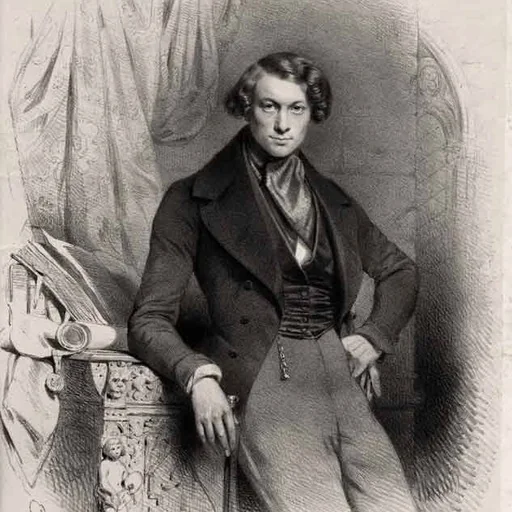
Nicaise de Keyser (alternative first names: Nicaas, Nikaas of Nicasius; 26 August 1813, Zandvliet – 17 July 1887, Antwerp) was a Belgian painter of mainly history paintings and portraits who was one of the key figures…

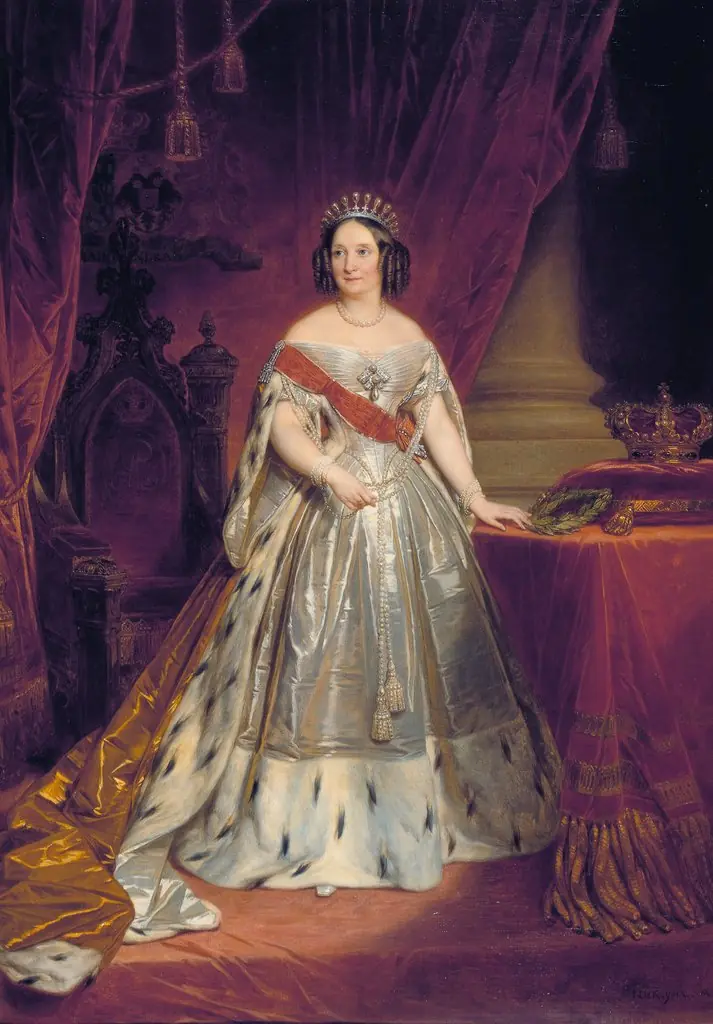 Portrait of Grand Princess Anna Pavlovna
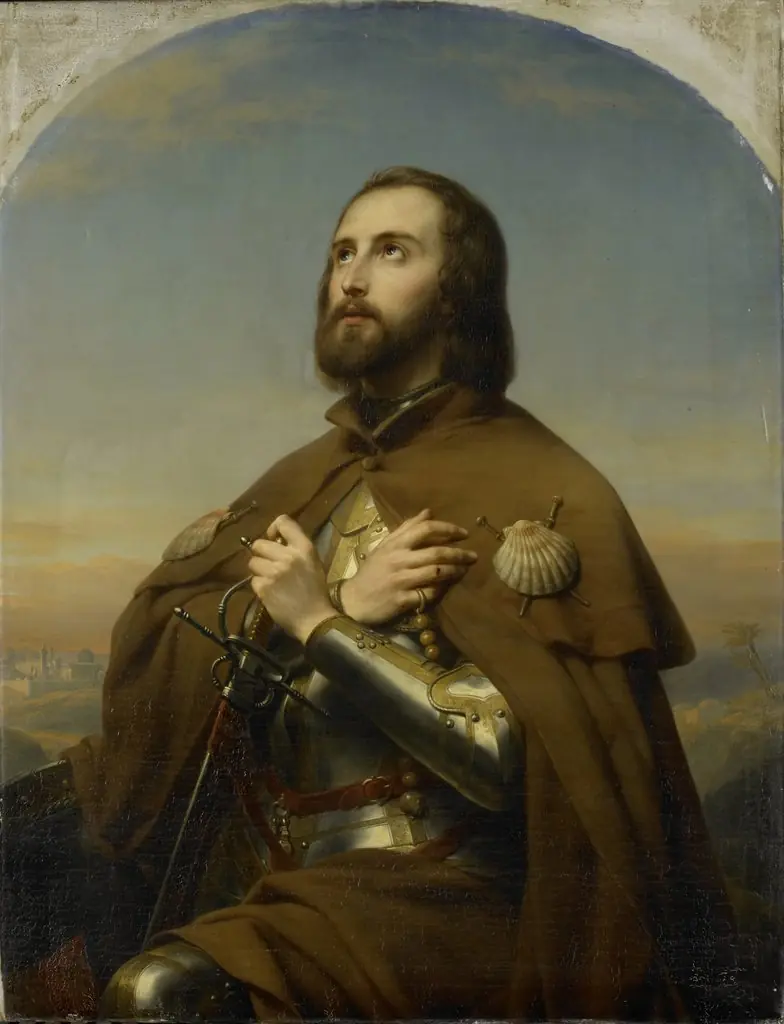 Eberhard (1445-96), Duke of Würtemberg, as a Pilgrim in the Holy Land
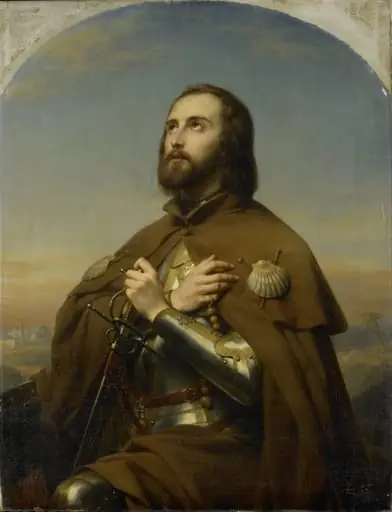 Eberhard (1445-96), Duke of Würtemberg, as a Pilgrim in the Holy Land
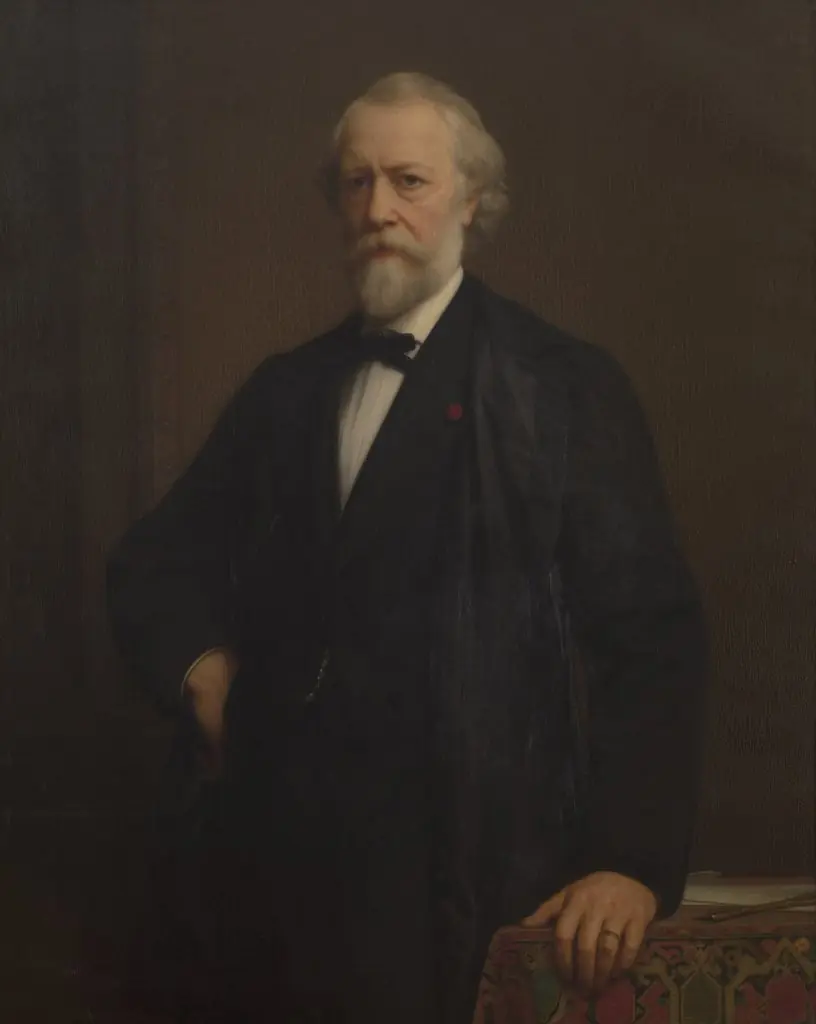 Self Portrait
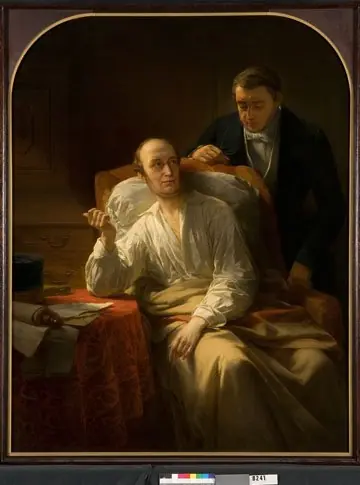 King Willem II Making his Last Will
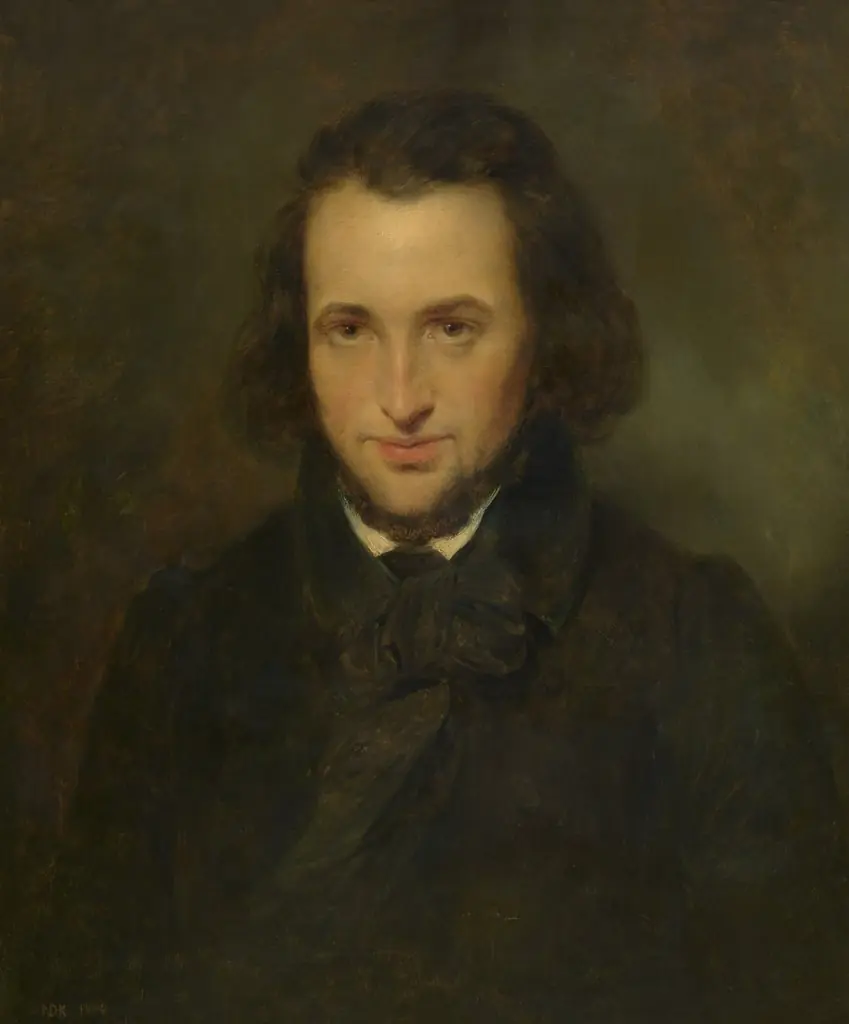 The Printer-Publisher Jozef-Ernest Buschmann
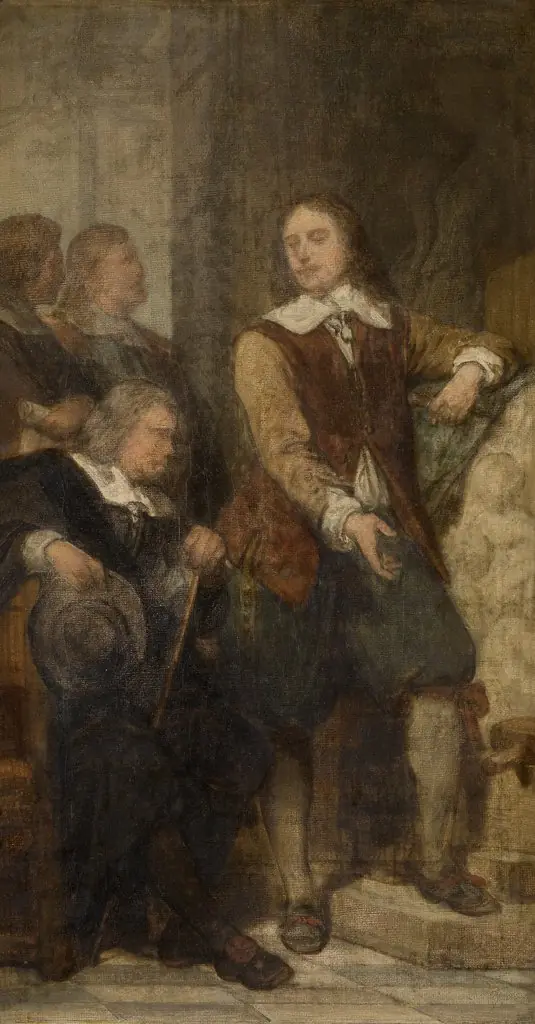 The Sculptor Artus Quellinus I in Amsterdam
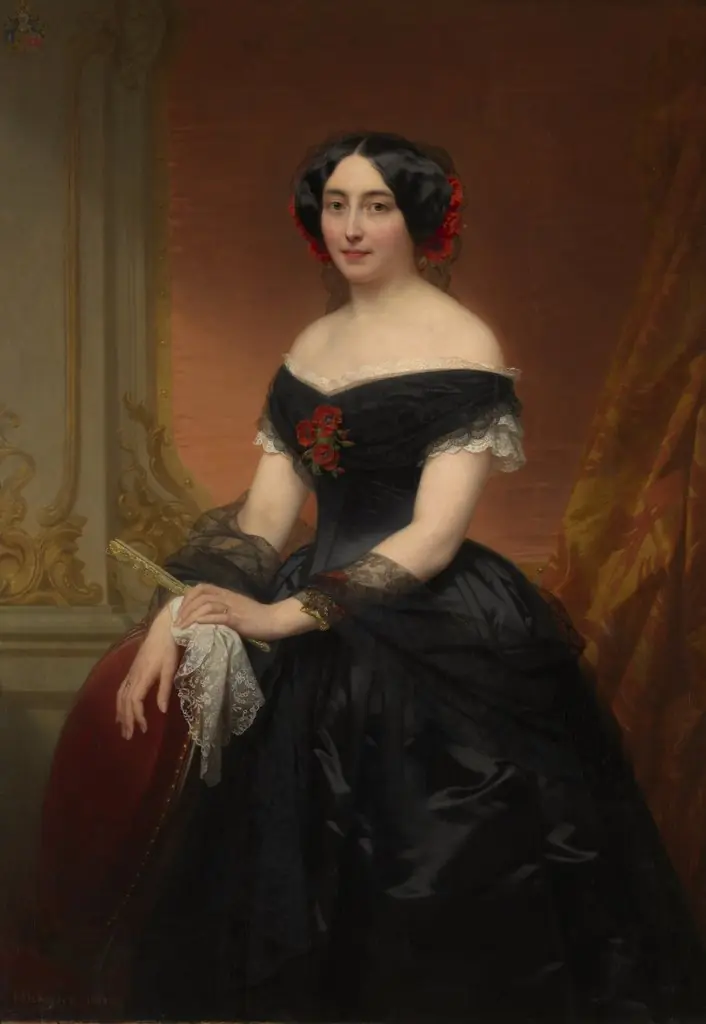 Madame Mols-de Brialmont
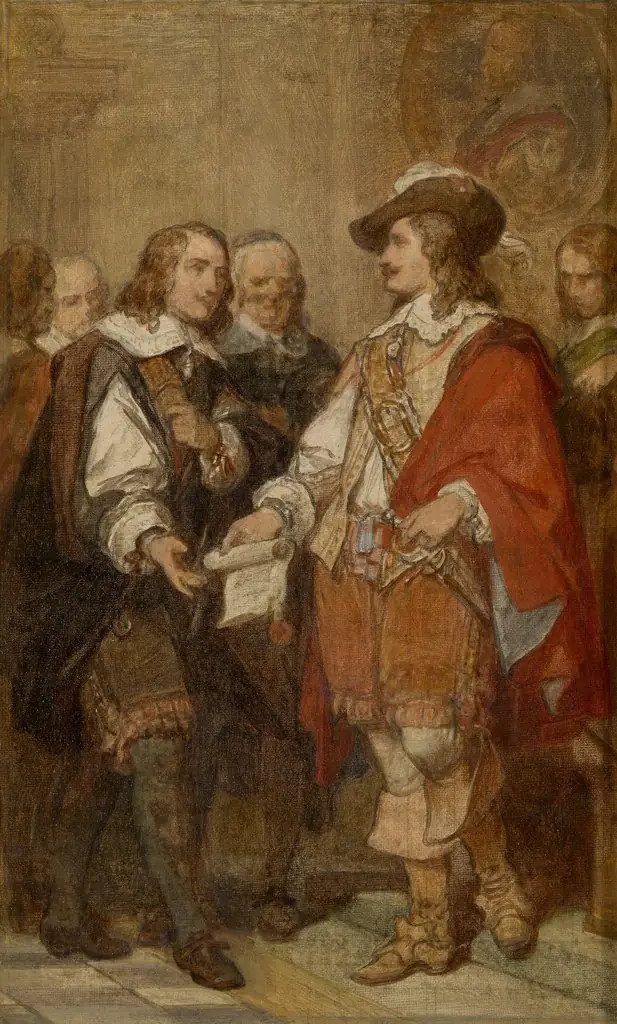 Foundation of the Antwerp Academy by David Teniers II
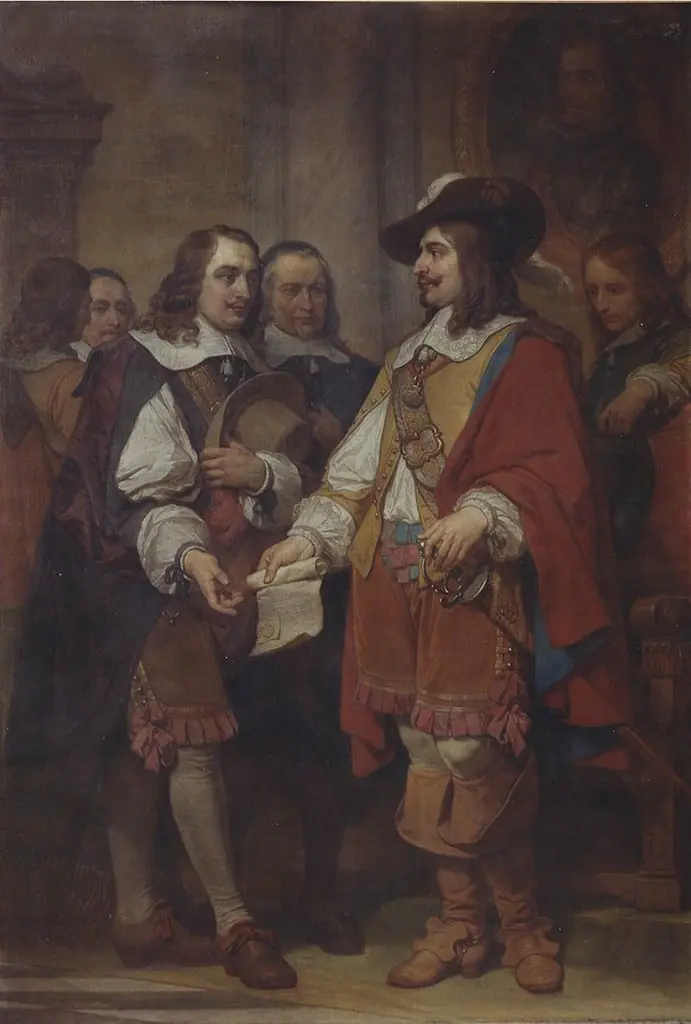 Foundation of the Antwerp Academy by David Teniers II
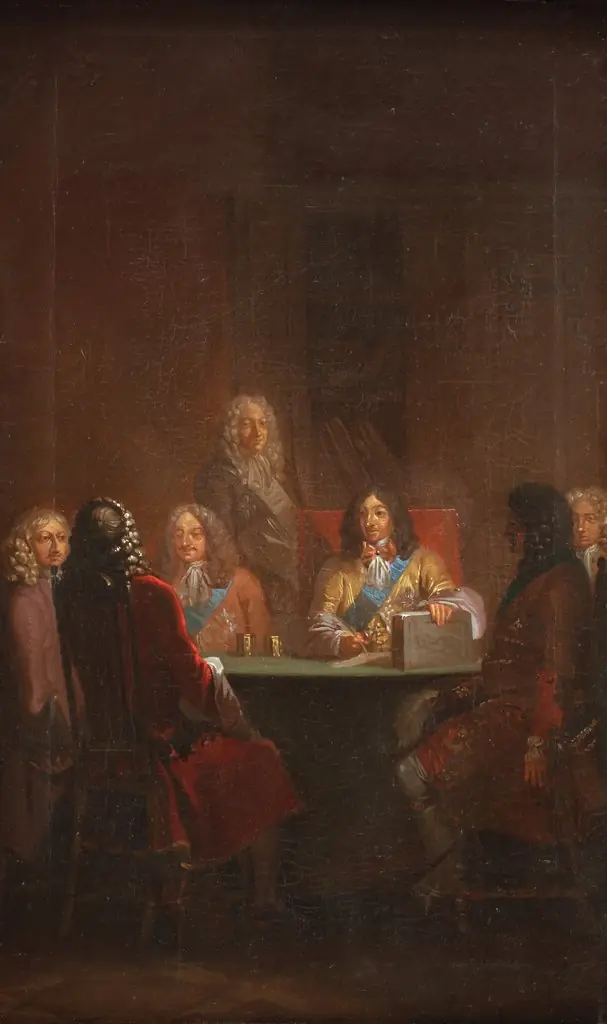 Christian V Presents Danish Law 1683
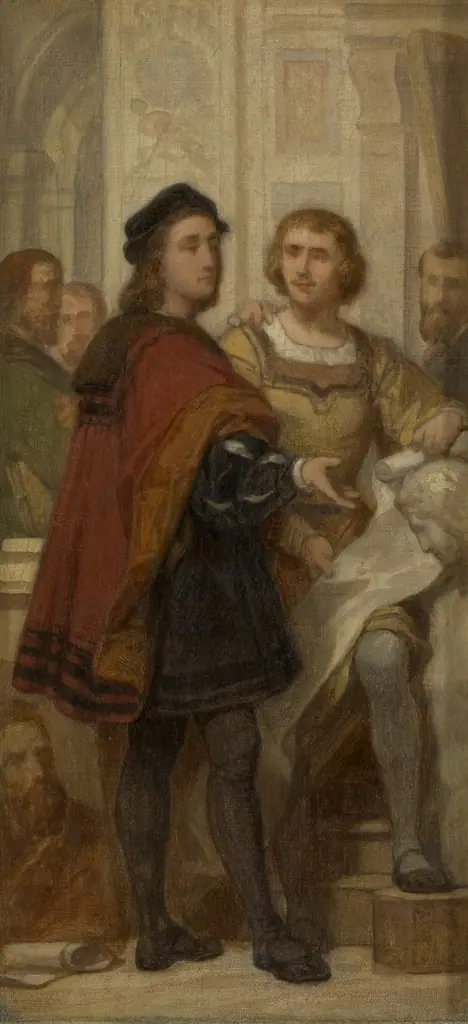 The Painters Raphael and Bernard van Orley
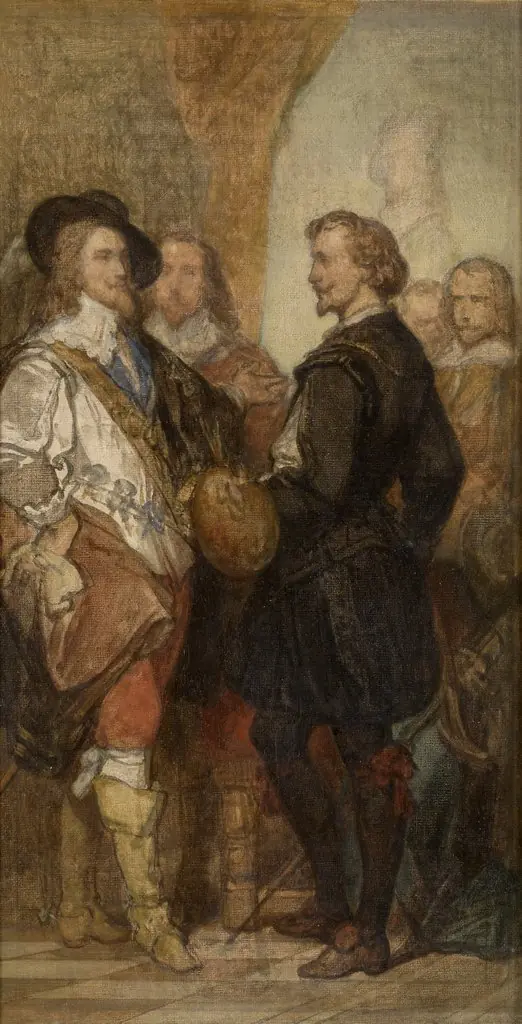 The Painter Anthony van Dyck in London
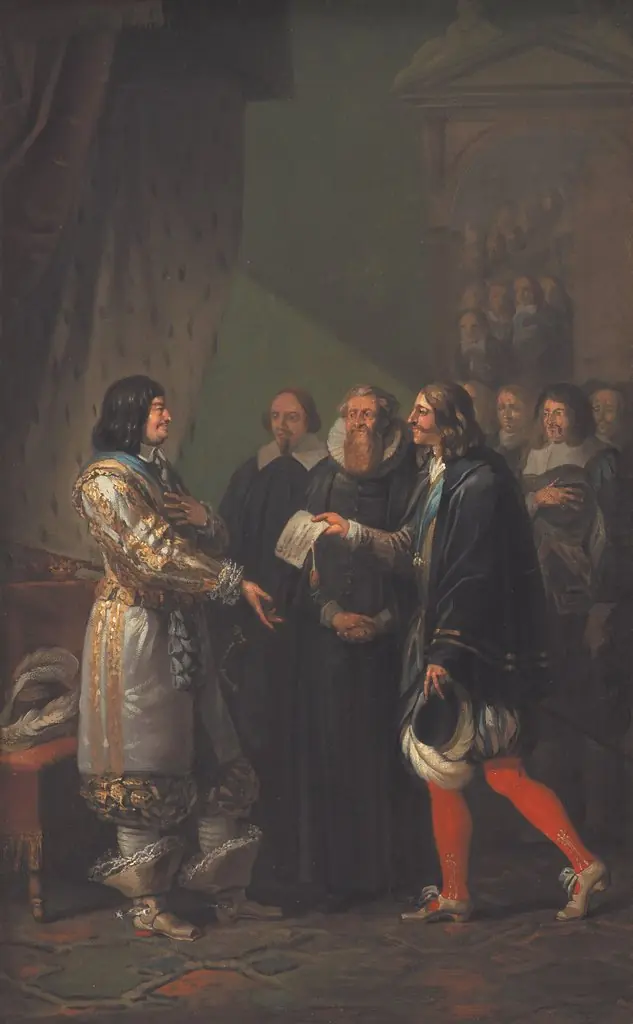 Absolute Monarchy Assigned to Frederik III in 1660
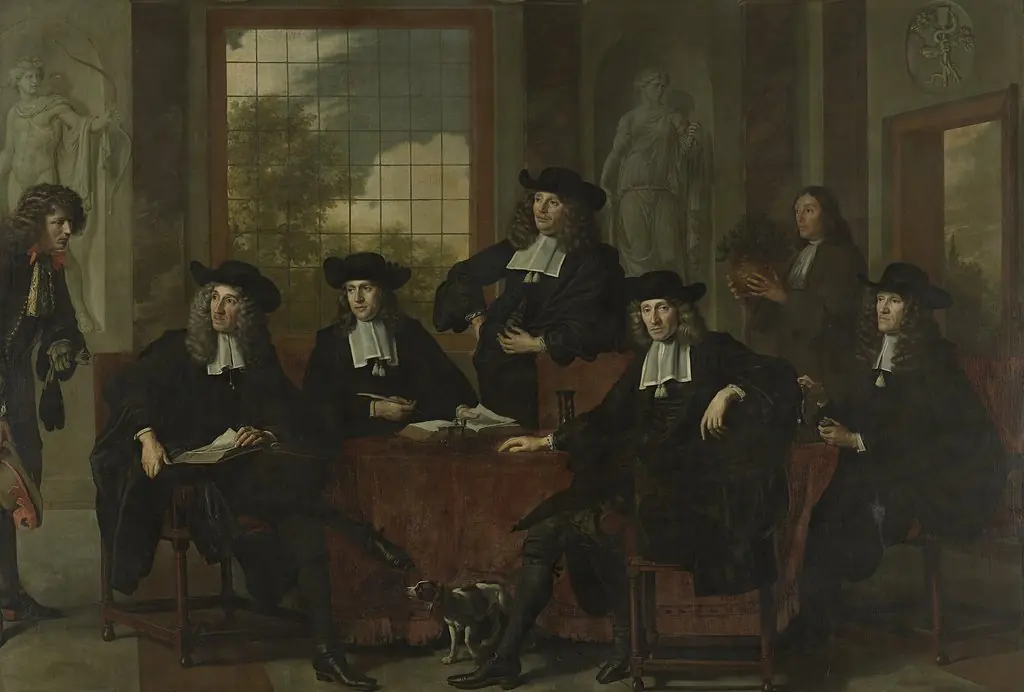 The superintendents of the Collegium Medicum in Amsterdam
 The Superintendents of the Collegium Medicum in Amsterdam, 1683
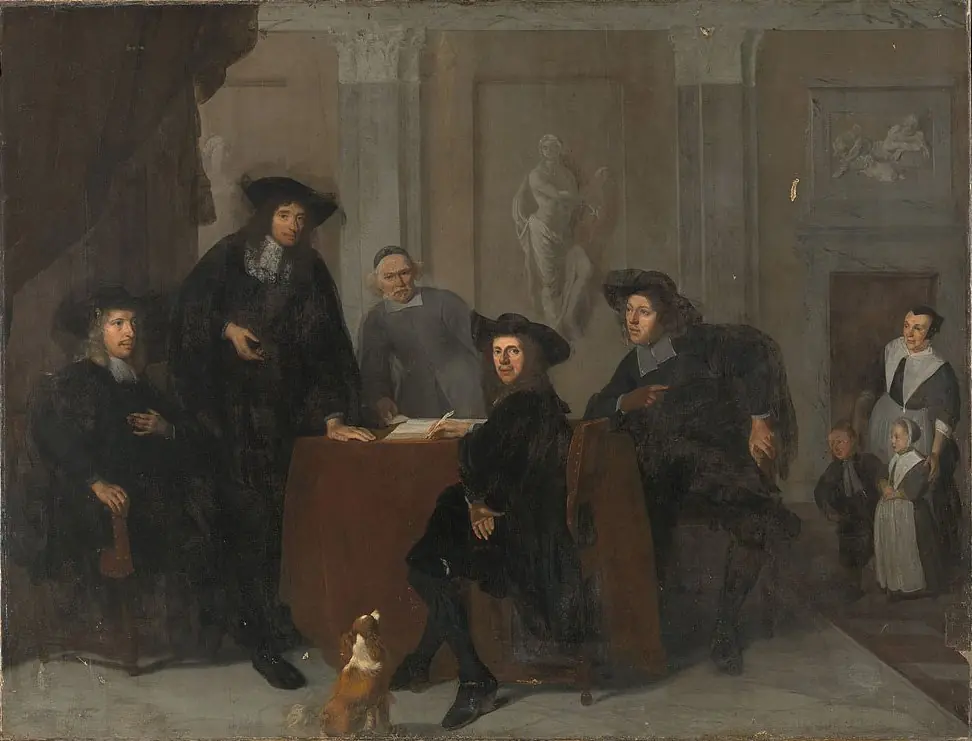 Regents of the Leper's house in Amsterdam
 Christian V Presents Danish Law 1683
 The Engraver Gerard Edelinck in Paris