Artwork
Portrait of Aletta Hanemans (1606–1653)
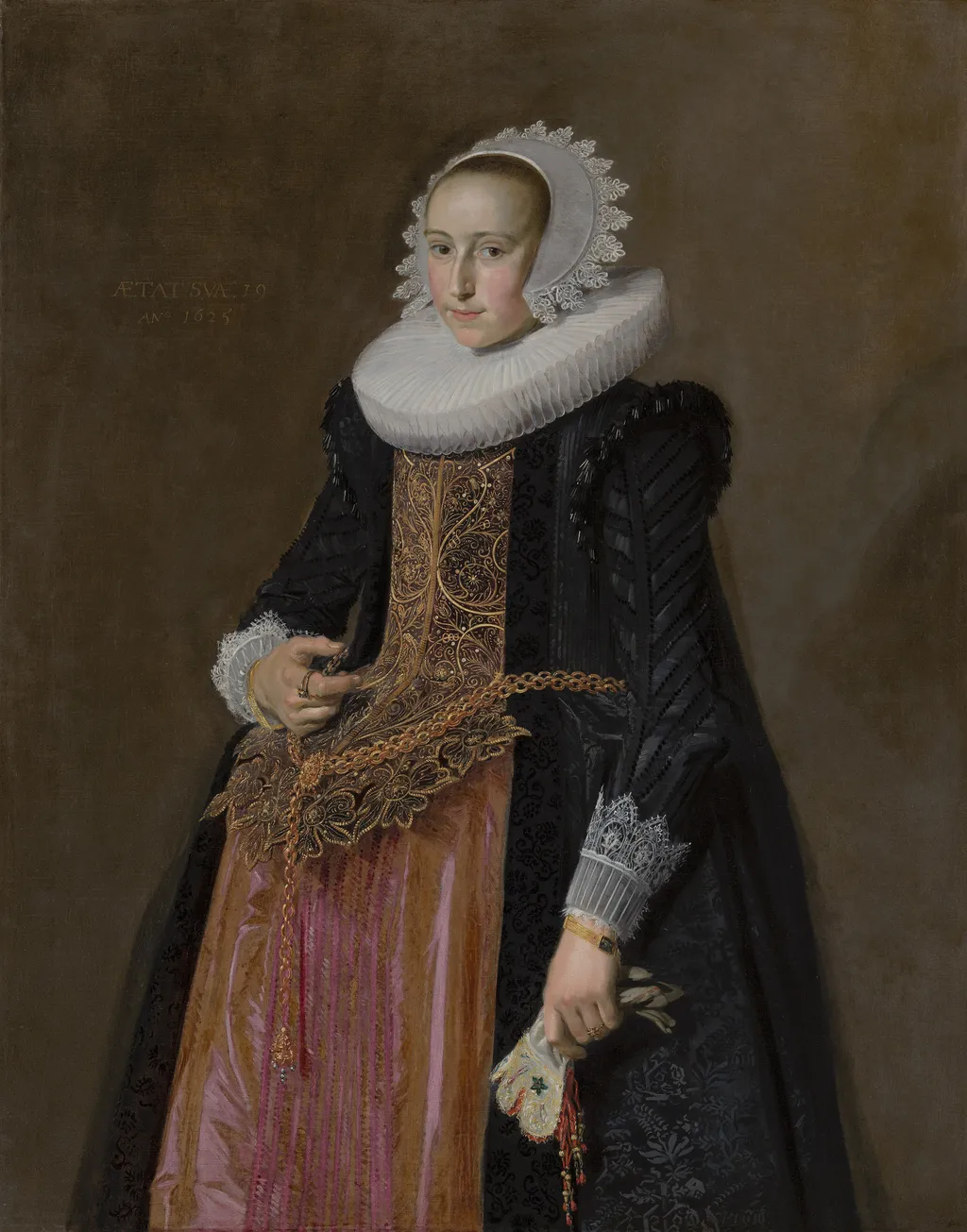
Portrait of Aletta Hanemans (1606–1653) is an oil painting by the Dutch Golden Age artist Frans Hals. It dates from 1625 and is held in the collection of the Mauritshuis.
About this work
Overview
Executed with brisk brushwork typical of Hals’s style, the image presents a composed, direct gaze and restrained elegance.
Painted in 1625 by Frans Hals, this oil portrait captures Aletta Hanemans, a Haarlem resident of modest wealth. Executed with brisk brushwork typical of Hals’s style, the image presents a composed, direct gaze and restrained elegance. The plain background isolates the subject, emphasizing her attire and presence without distraction. The work exemplifies Hals’s skill in rendering individual character through subtle expression and tactile detail.
Subject & Meaning
Aletta Hanemans is portrayed not as a noblewoman but as a member of Haarlem’s prosperous merchant class. Her clothing—gold-embroidered dress, lace cap, and delicate gloves—signals social standing without ostentation. The fan and bracelet suggest refinement and personal adornment, while her steady gaze conveys quiet confidence. The portrait affirms her identity within a community that valued dignity over grandeur.
Technique & Style
Hals employed loose, energetic brushstrokes to define fabric textures and facial features, avoiding rigid detail in favor of lifelike immediacy. Light falls naturally across her face and hands, highlighting the sheen of silk, the glint of metal, and the crispness of lace. The chiaroscuro is understated, serving to model form rather than dramatize it. Every stitch and fold is rendered with observational precision, not idealization.
History & Provenance
Commissioned during Hals’s early career in Haarlem, the painting remained in private Dutch collections before entering the Mauritshuis in The Hague. Its continuous presence in the Netherlands reflects its recognition as a representative work of regional portraiture. No major alterations or reworkings are documented, preserving Hals’s original execution and intent.
Context
In 1625, Haarlem was a thriving center of trade and culture, where wealthy citizens commissioned portraits to assert their status. Hals stood apart from contemporaries by favoring vitality over formality, capturing subjects in moments of quiet self-possession. This portrait aligns with a broader trend of individualized, non-religious portraiture emerging in the Dutch Republic during the early 17th century.
Legacy
The portrait exemplifies Hals’s influence on the evolution of Dutch portraiture, demonstrating how everyday subjects could be rendered with psychological depth and material richness. Its restrained composition and attention to texture became a model for later artists seeking authenticity over ceremony. It remains a key reference for understanding the visual culture of the Dutch middle class.
Own this work as a print
Artist & collection
Artist
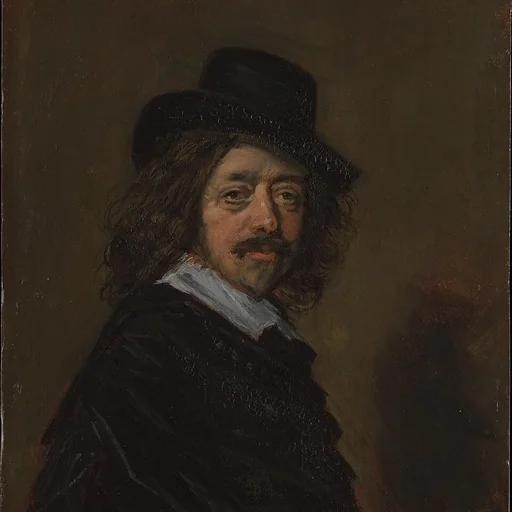
Frans Hals the Elder (UK: , US: ; Dutch: ; c. 1582 – 26 August 1666) was a Dutch Golden Age painter. He lived and worked in Haarlem, a city in which the local authority of the day frowned on religious painting in places…

 Portrait of Johanna Le Maire (c. 1601-60)
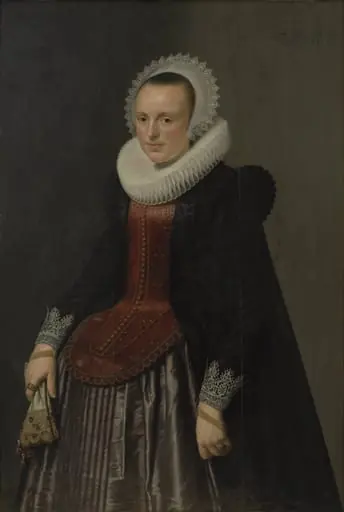 Portrait of a Lady
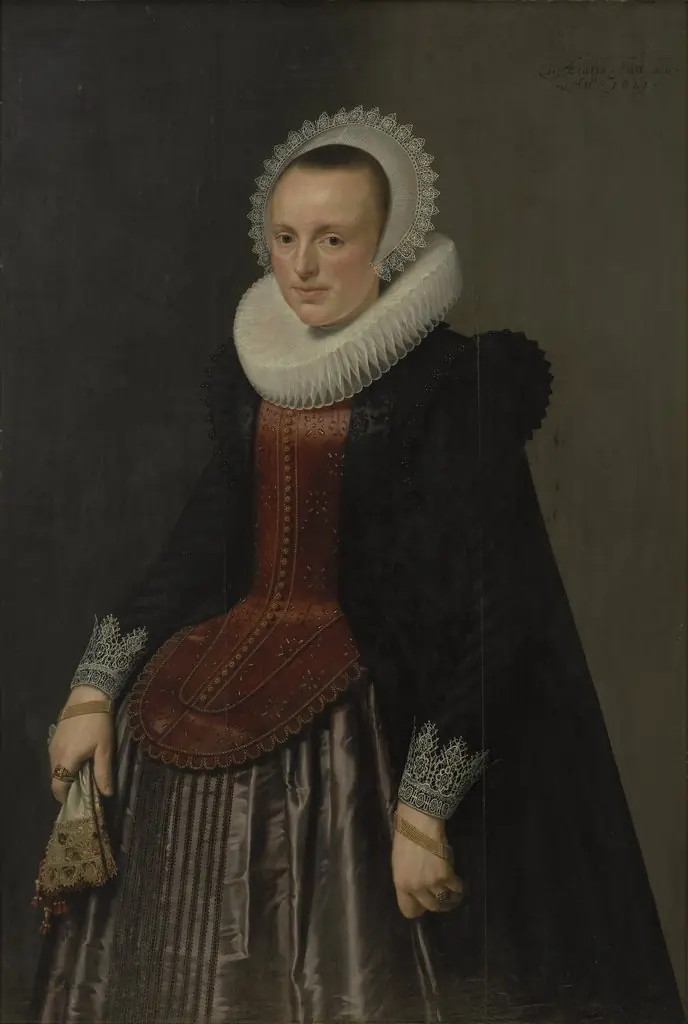 Portrait of a Lady
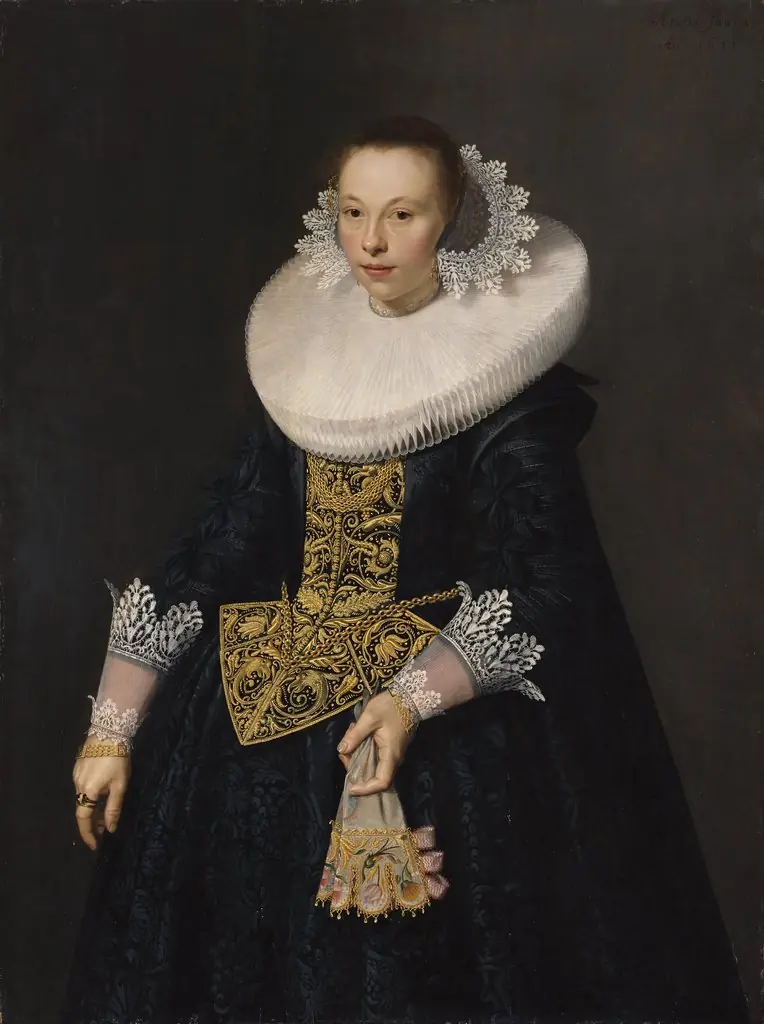 Portrait of a Young Woman
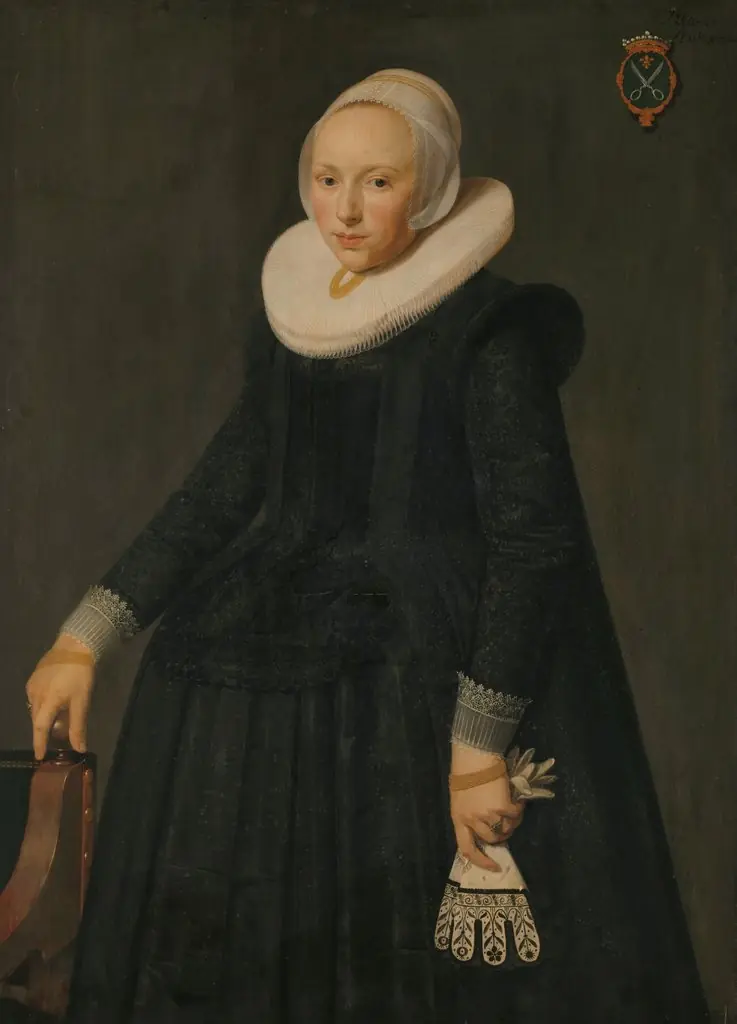 Portrait of Trijntje Tijsdr van Nooij (1606/07-1646)
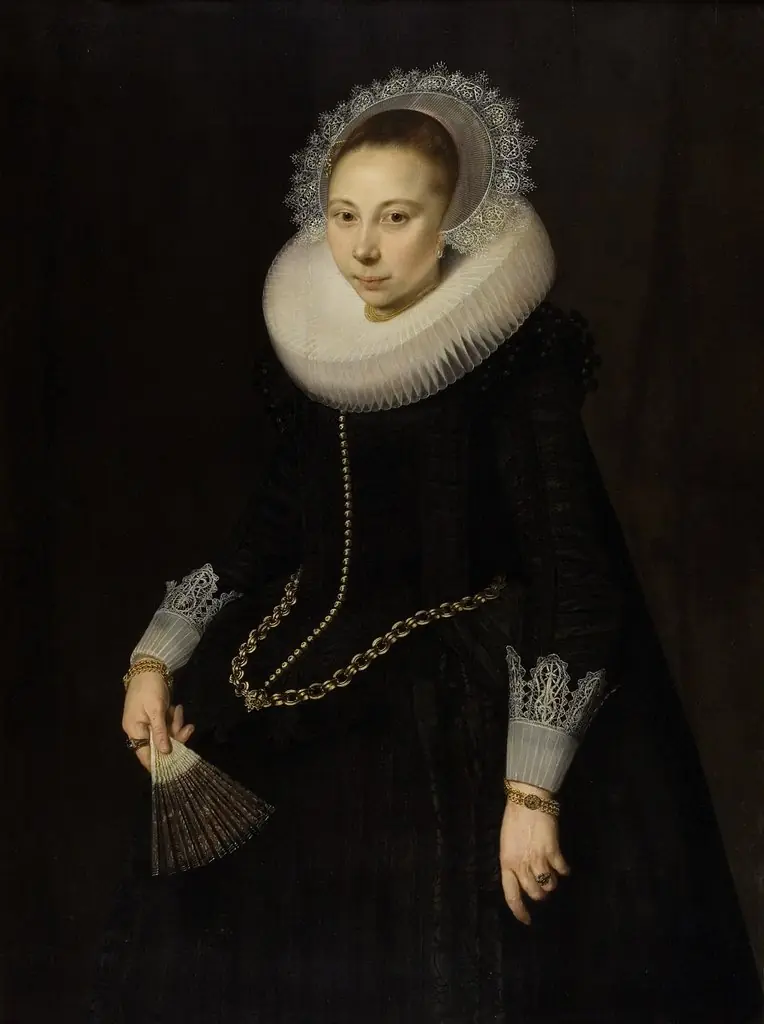 Portrait of Maria Overrijn van Schoterbosch (1599/1600-1638)
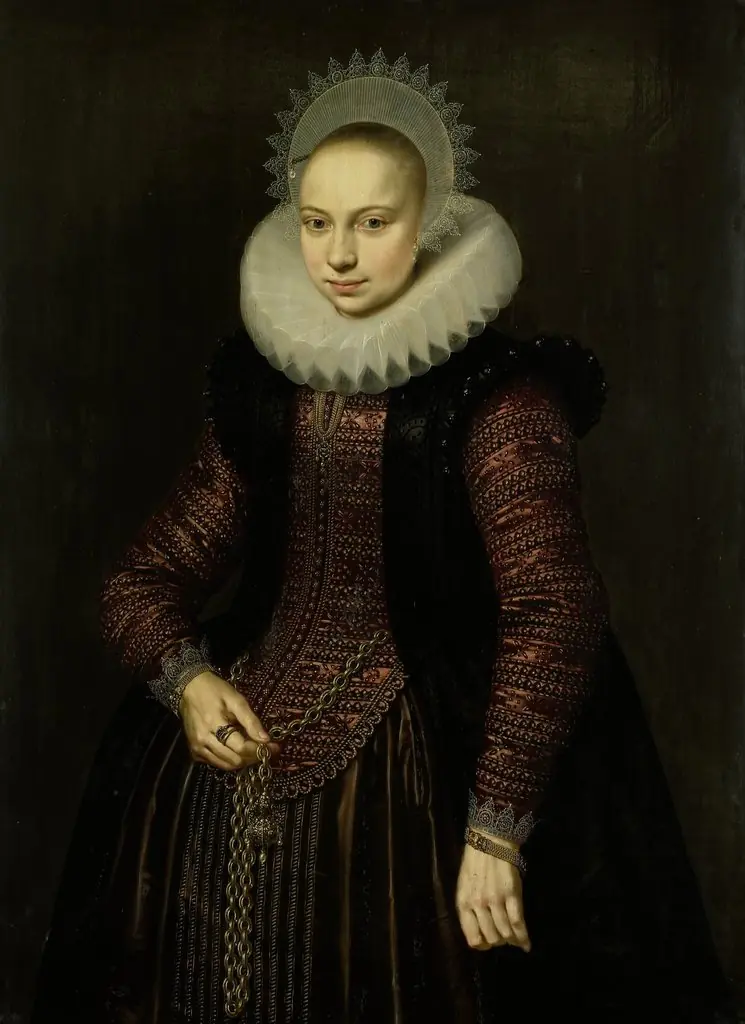 Portrait of Brechtje Overrijn van Schoterbosch (1592-1618)
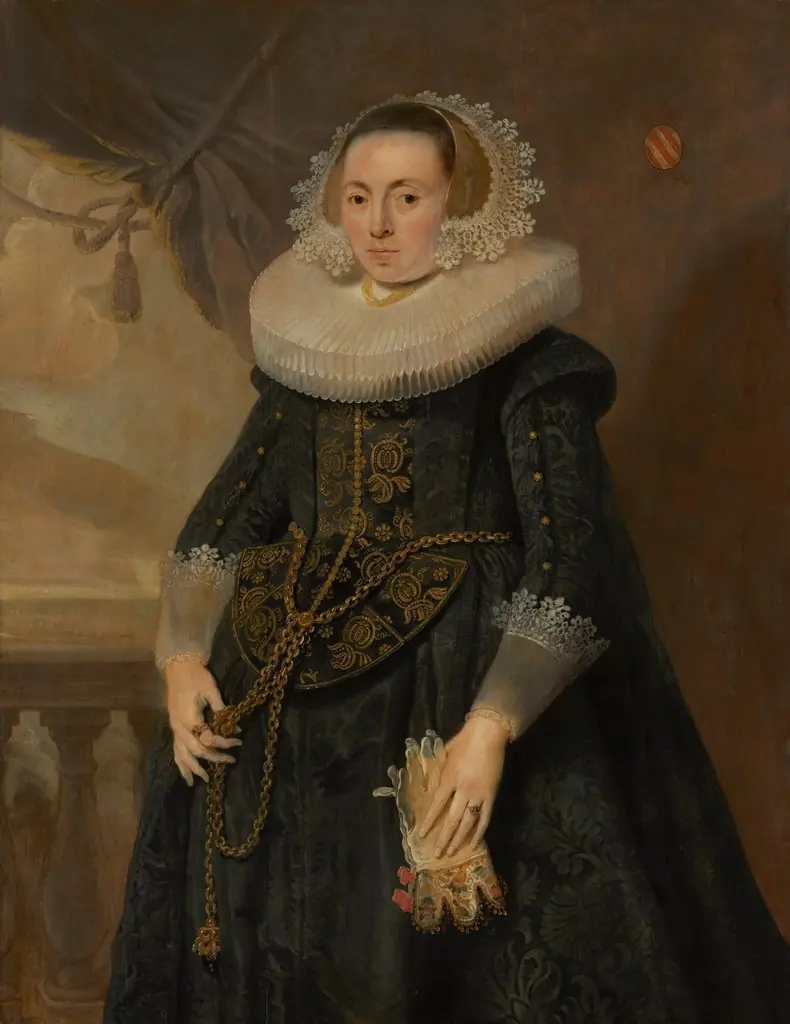 Portrait of an unknown lady with marriage glove
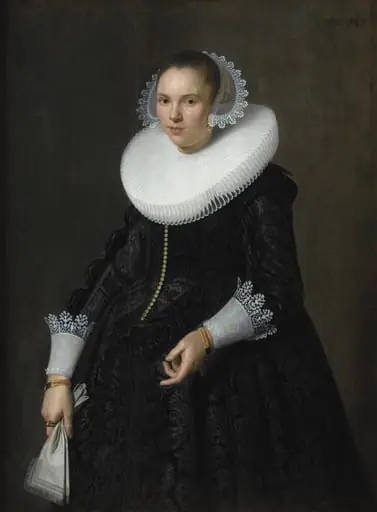 Portrait of a Lady
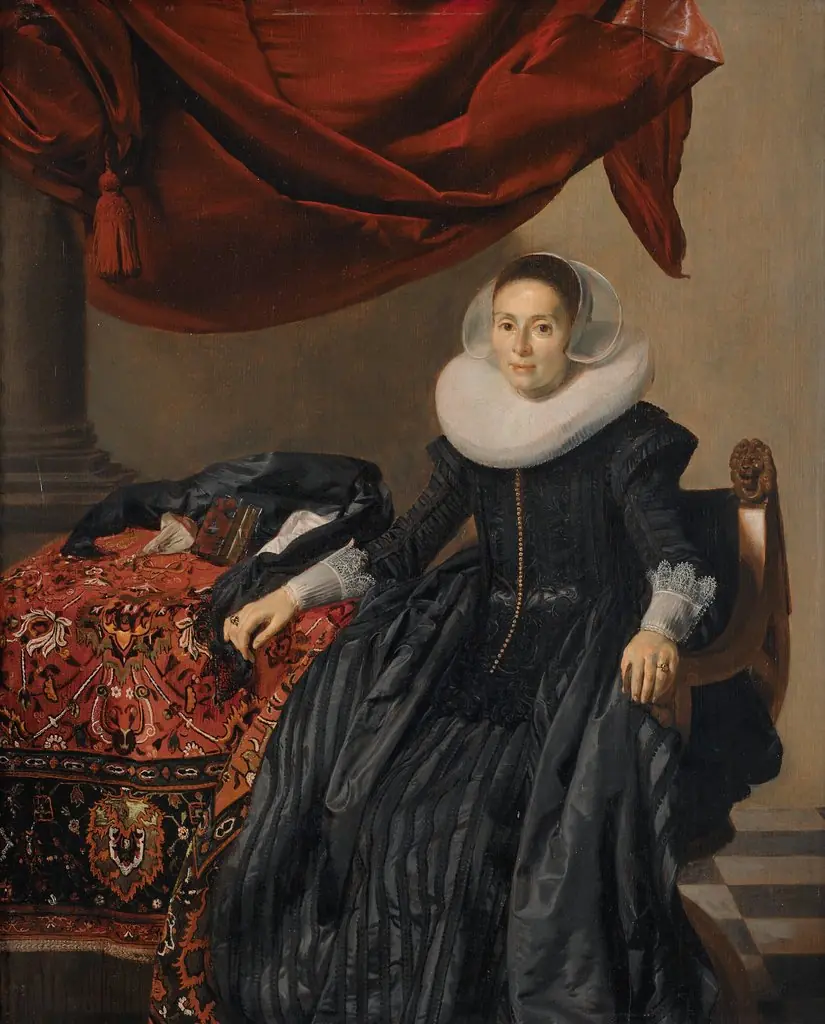 Portrait of a Young Woman
 Untitled
 Portrait of a Woman, probably Aeltje Dircksdr. Pater