Artwork
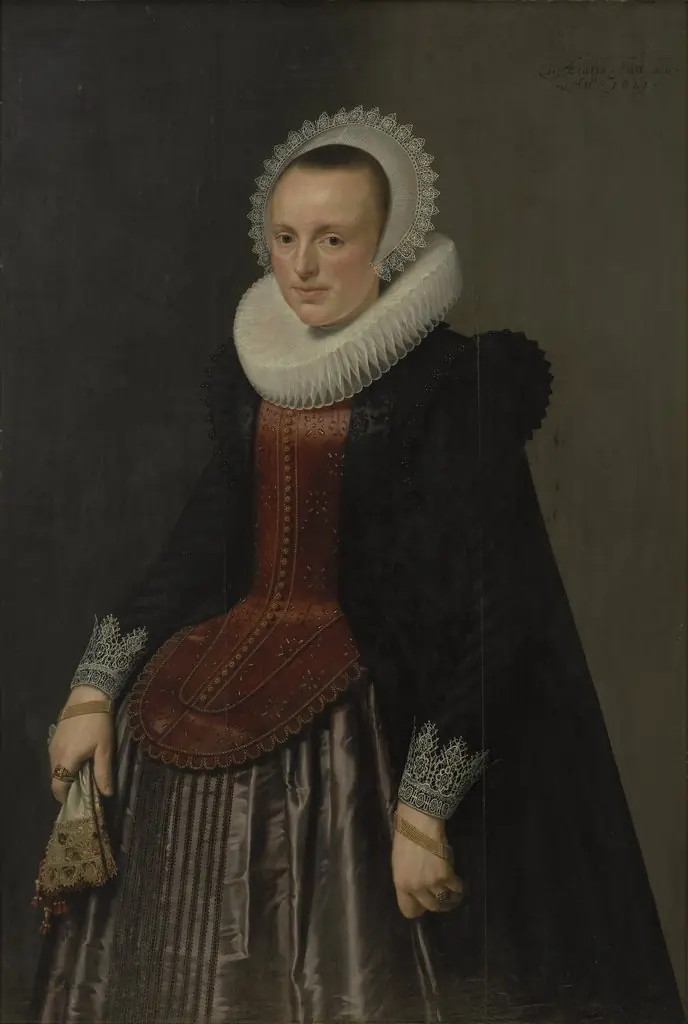
Portrait of an unknown lady with marriage glove
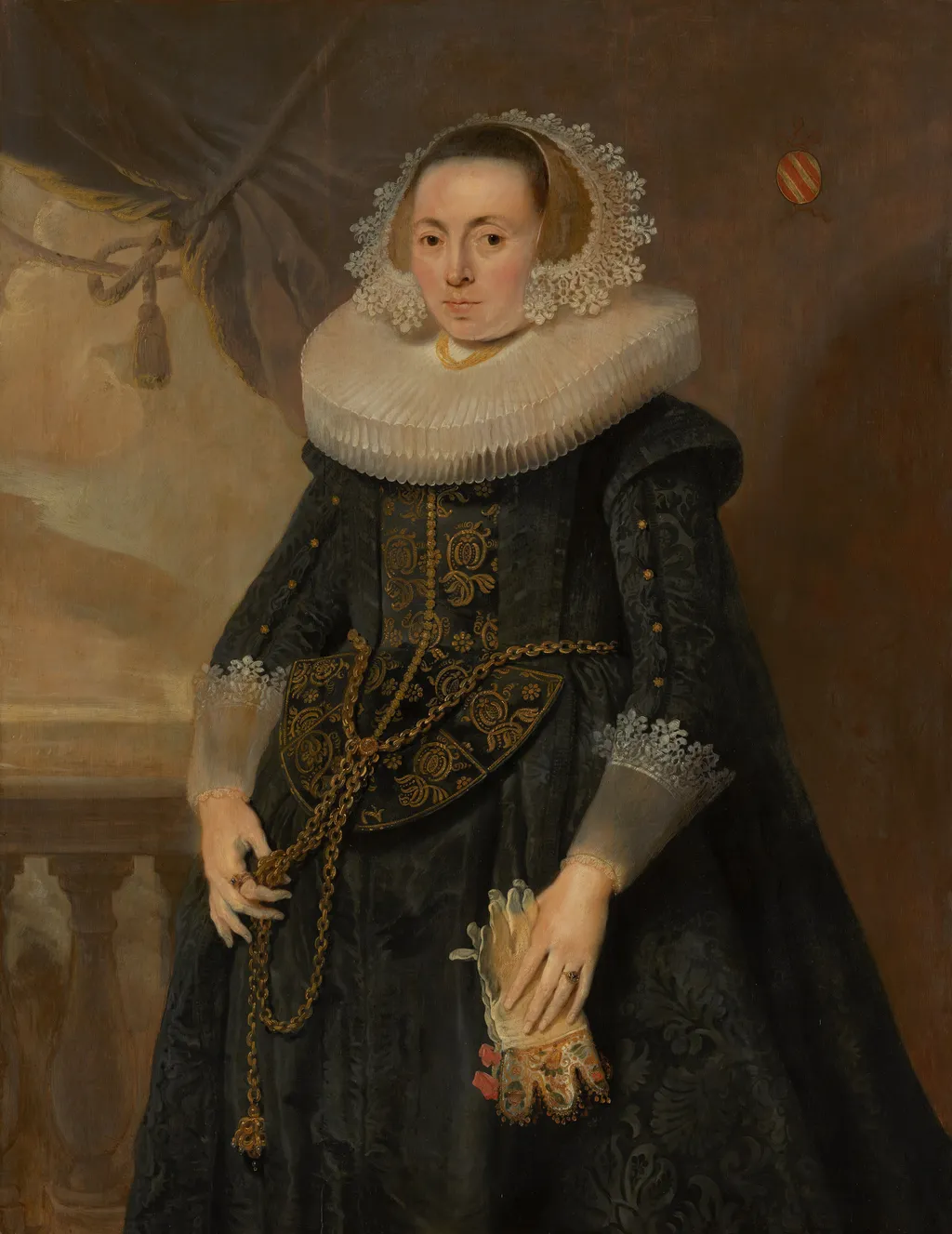
Portrait of an unknown lady with marriage glove is an oil painting by the Dutch Golden Age artist Pieter Soutman. It dates from 1627 and is held in the collection of the Mauritshuis.
About this work
Overview
Its restrained palette and focused composition reflect early 17th-century Dutch portraiture, emphasizing dignity and social identity over ornamentation.
Painted in 1627 by Pieter Soutman, this oil portrait portrays an unidentified woman, likely of high social standing. The work is part of the Mauritshuis collection in The Hague. Its restrained palette and focused composition reflect early 17th-century Dutch portraiture, emphasizing dignity and social identity over ornamentation. The subject’s poised demeanor and precise rendering suggest a commission intended for private display.
Subject & Meaning
The woman holds a white glove, a conventional symbol of betrothal or marital status in Dutch culture of the period. Her attire—dark fabric with gold embroidery, a stiff ruff, and a waist chain—signals affluence and adherence to formal dress codes. The absence of jewelry or overt indicators of identity reinforces the portrait’s focus on status rather than individuality, typical of elite portraiture at the time.
Technique & Style
Soutman employs chiaroscuro to model the figure with subtle gradations of light and shadow, lending volume to the fabric and face. The brushwork is controlled, particularly in the rendering of the lace collar and metallic embroidery, where fine detail contrasts with the broader, darker areas of the cloak. The background is muted, directing attention entirely to the sitter’s composed presence and the symbolic glove.
History & Provenance
The painting entered the Mauritshuis collection in the 19th century, though its earlier ownership remains undocumented. It was likely commissioned by the sitter’s family and remained in private hands before acquisition by the museum. No records confirm the woman’s identity, and the portrait has been consistently cataloged as depicting an unknown lady since its inclusion in the museum’s holdings.
Context
Created during the Dutch Golden Age, this portrait aligns with regional trends favoring restrained elegance and moral seriousness in depictions of women. Unlike Italian or Flemish counterparts, Dutch portraits of this era often avoided theatricality, favoring psychological restraint. The marriage glove, while a clear emblem, was not universally used, making this work a specific example of localized symbolic language among the urban elite.
Legacy
The portrait contributes to scholarly understanding of how social status and marital symbolism were visually encoded in Dutch portraiture. While not widely reproduced, it is frequently cited in studies of 17th-century gender representation and material culture. Its preservation in a major public collection ensures continued access for research and comparative analysis within the broader canon of Northern European painting.
Own this work as a print
Artist & collection

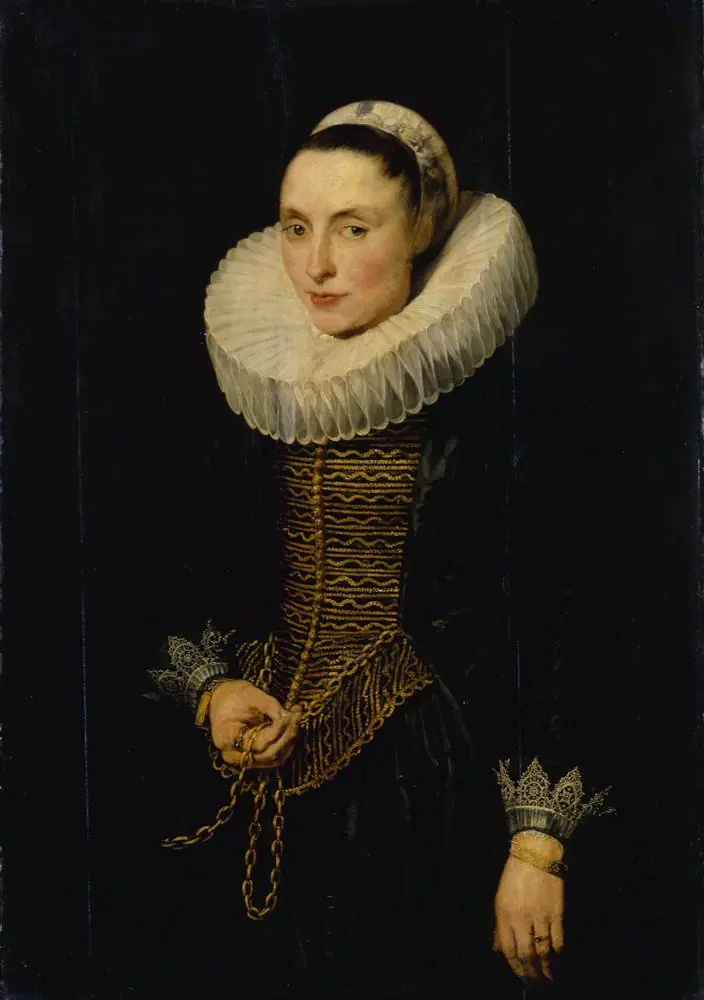 Portrait of a Lady
 Portrait of a Lady
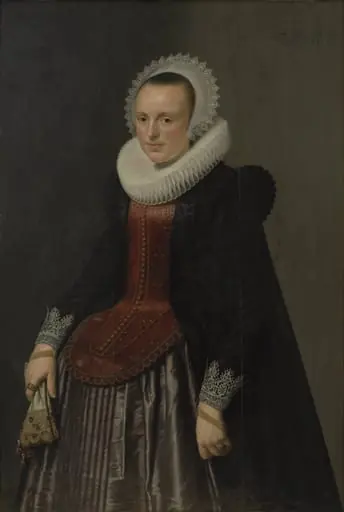 Portrait of a Lady
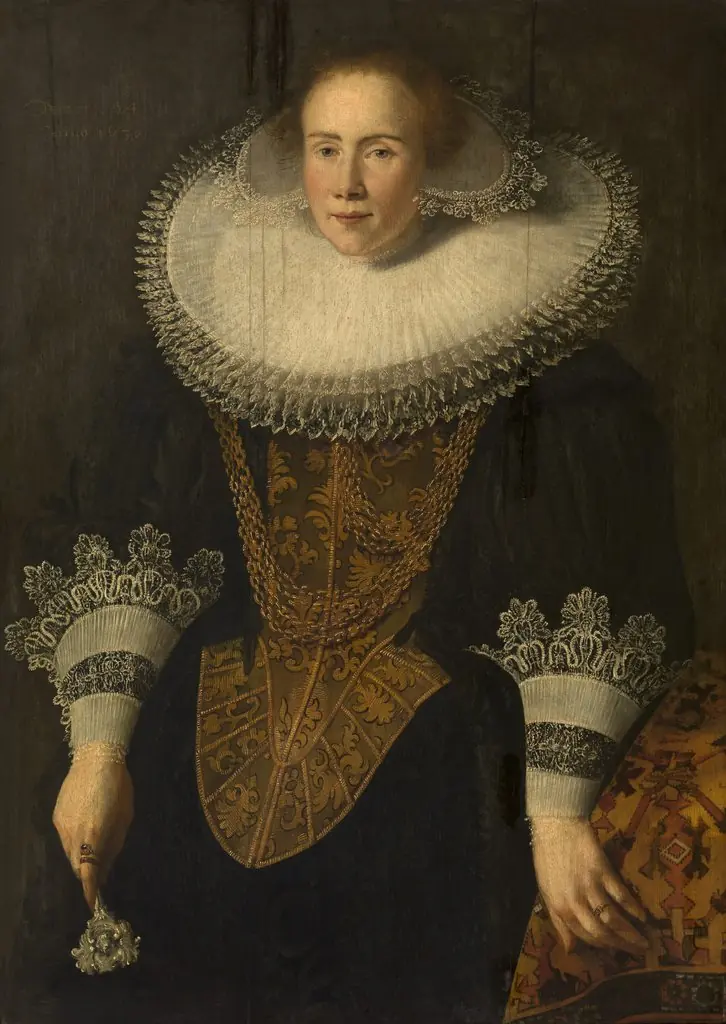 Portrait of a Woman
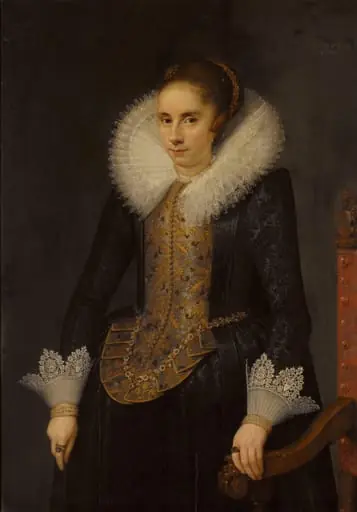 Untitled
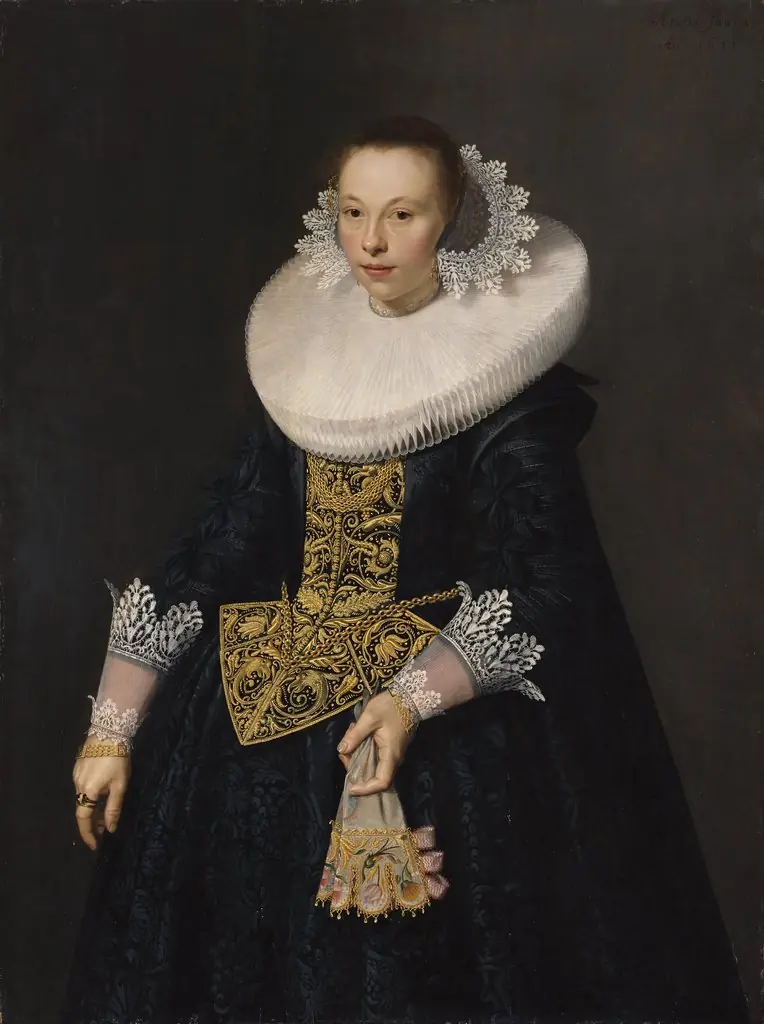 Portrait of a Young Woman
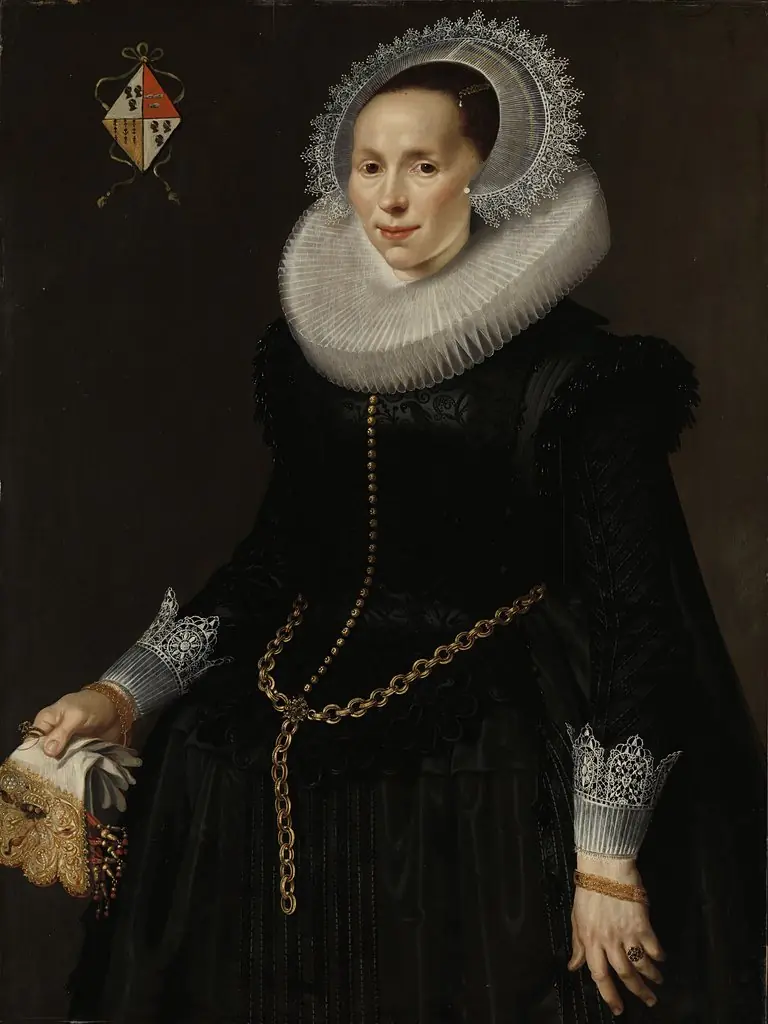 Portrait of Johanna Le Maire (c. 1601-60)
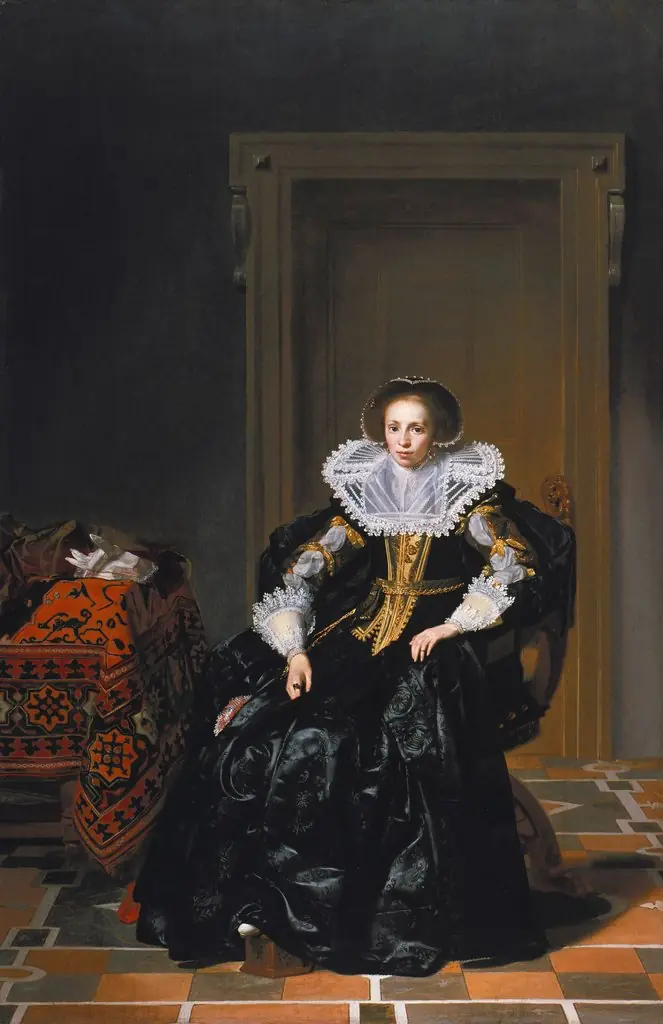 Portrait of a Lady
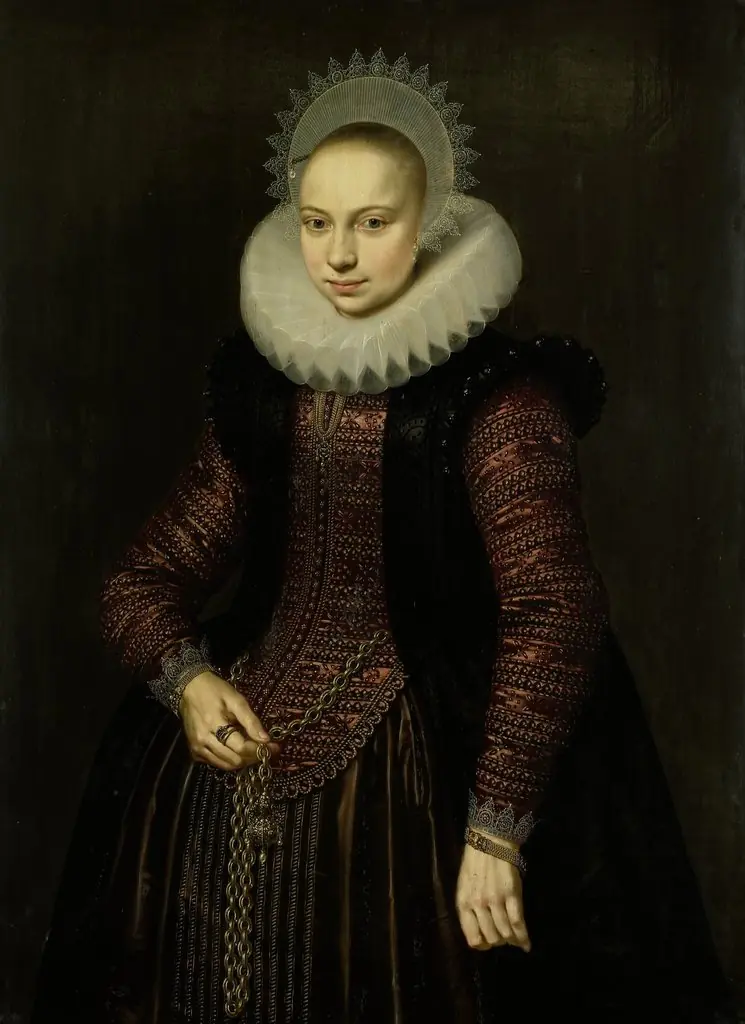 Portrait of Brechtje Overrijn van Schoterbosch (1592-1618)
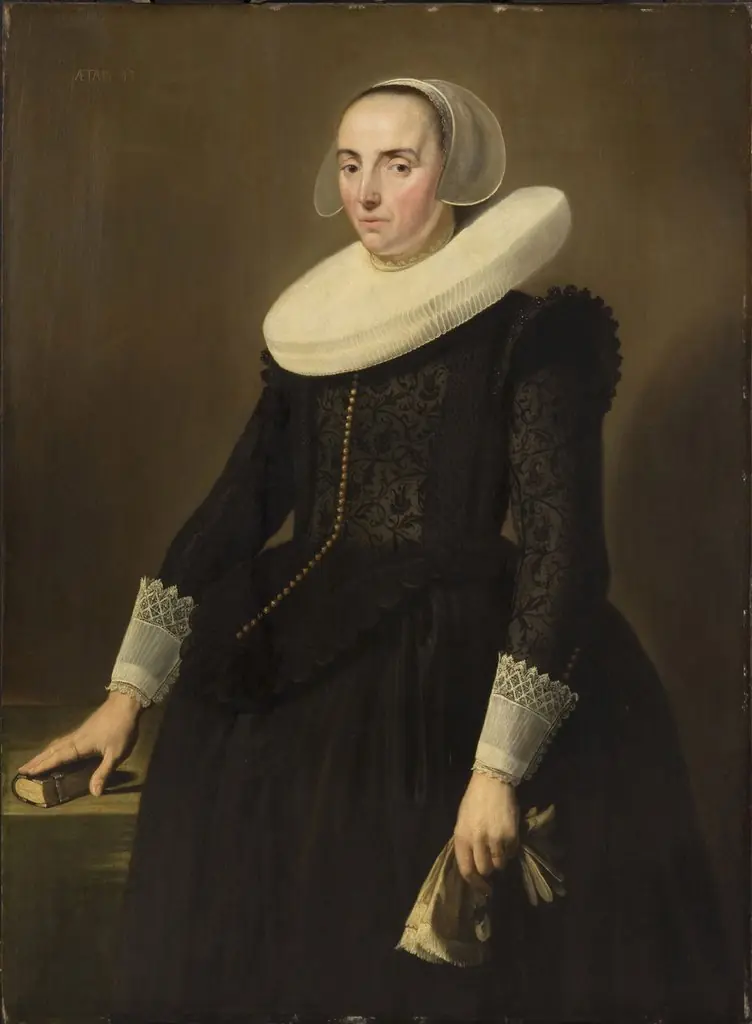 Portrait of Jeanne de Planque
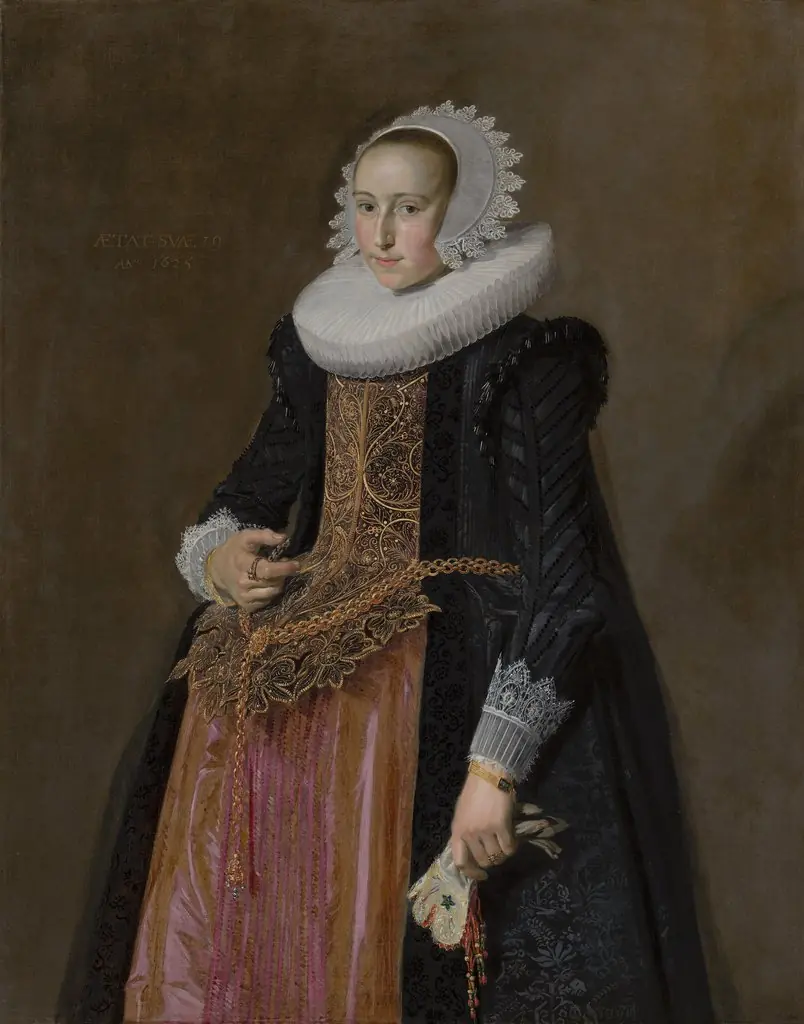 Portrait of Aletta Hanemans (1606–1653)
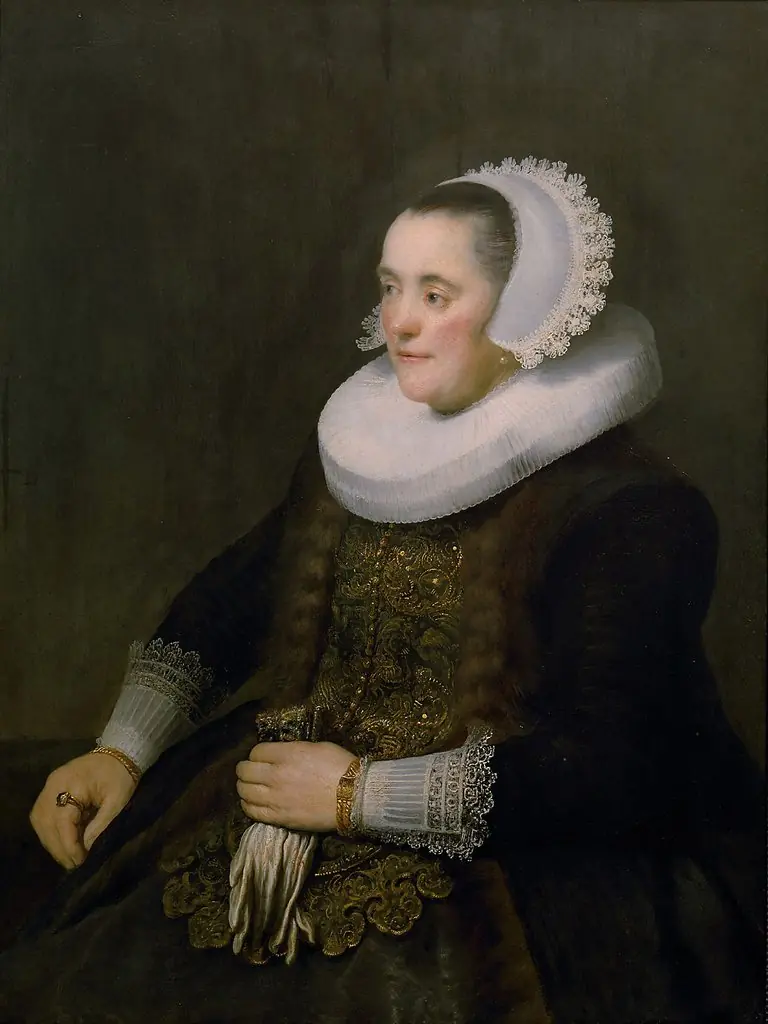 Portrait of a Woman holding Gloves