Artwork
María of Austria Queen of Hungary
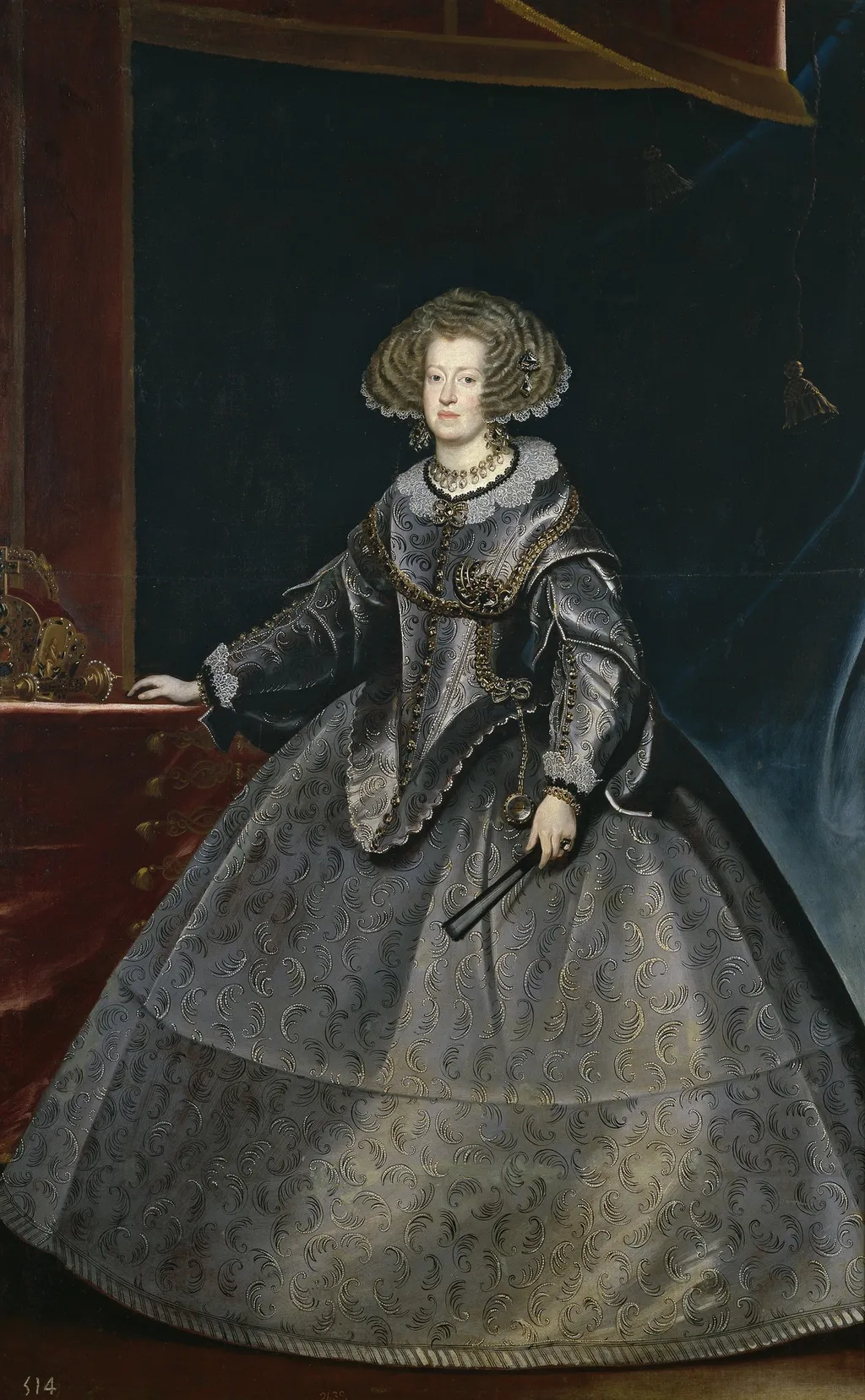
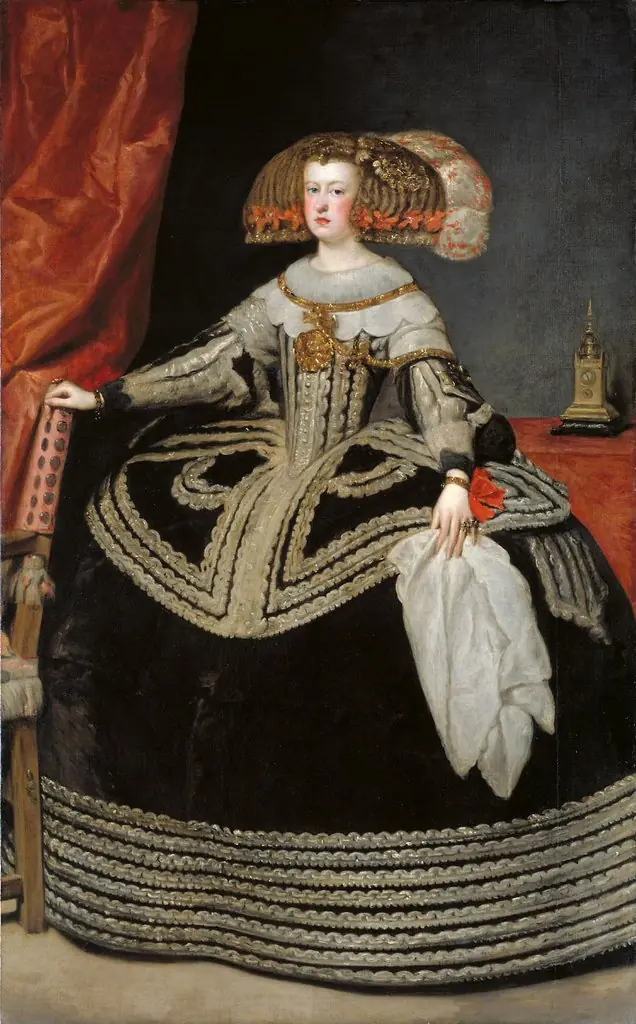
María of Austria Queen of Hungary is an oil painting by the Flemish Baroque painting artist Frans Luycx. It dates from 1635 and is held in the collection of the Museo del Prado.
About this work
Overview
Created in 1635 by the Flemish court painter Frans Luycx, this oil on canvas presents Maria of Austria, who held the title Queen of Hungary. The portrait is executed in the Baroque idiom prevalent in the Habsburg realms and now belongs to the collection of the Museo del Prado in Madrid.
Subject & Meaning
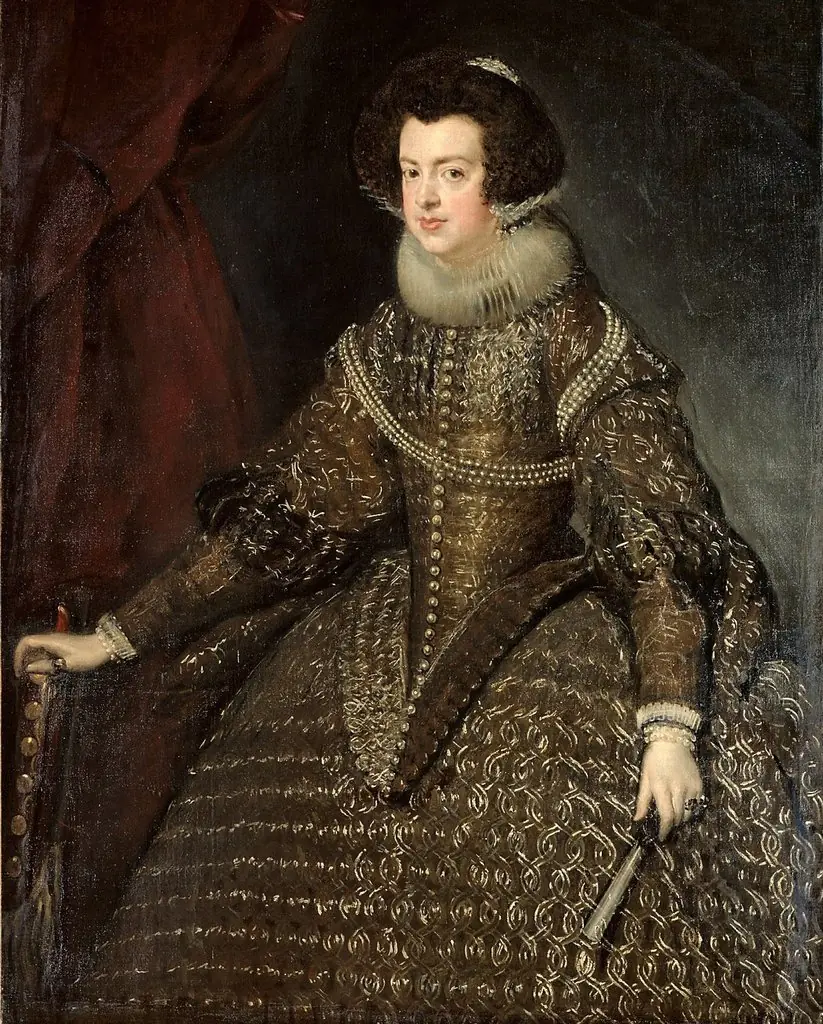
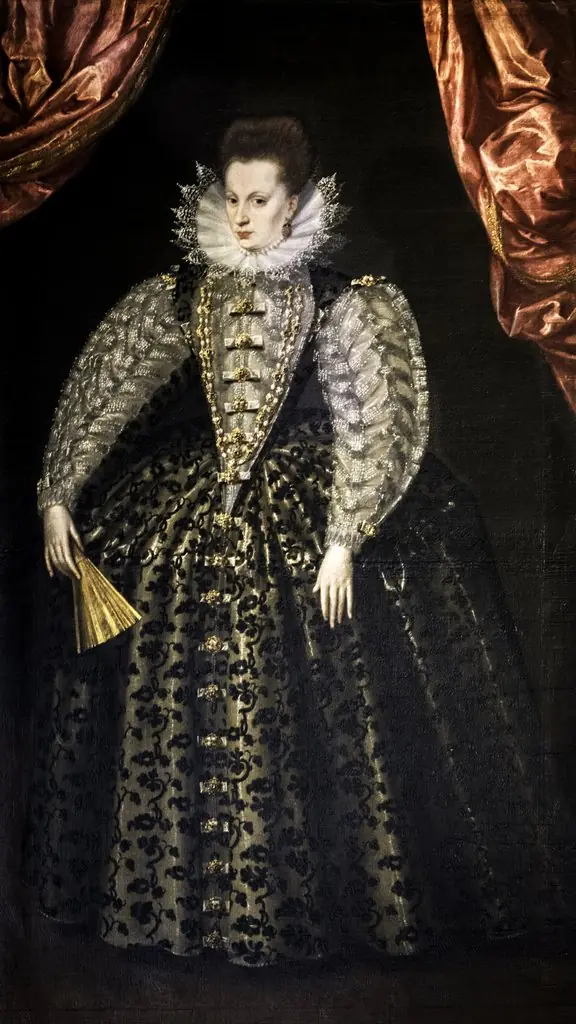
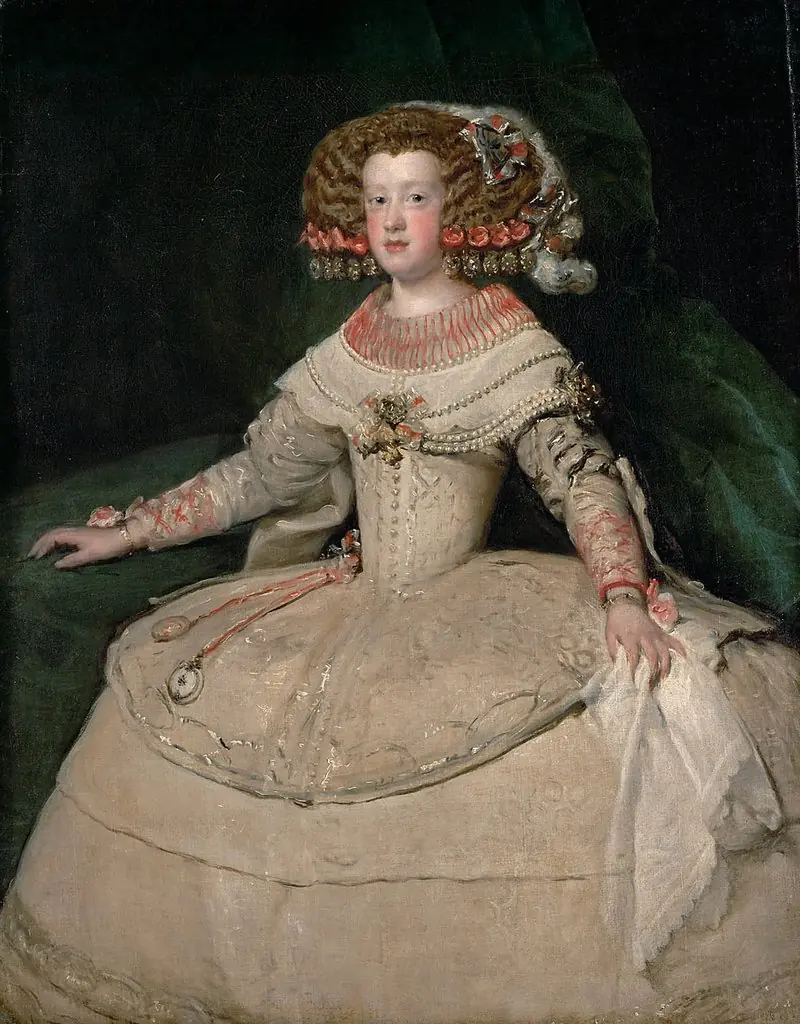
The sitter is shown in an opulent gray gown trimmed with gold embroidery, a lace collar and a delicate lace cap framing her curls. A string of pearls adorns her neck and ears, while she holds a dark fan in her right hand, a conventional symbol of aristocratic poise and courtly elegance.
Technique & Style
Luycx employs the rich, layered brushwork typical of Flemish Baroque portraiture, rendering textures—from the sheen of silk to the softness of lace—with meticulous detail. The composition is set against a subdued backdrop: a deep red curtain on one side and a muted blue wall on the other, enhancing the figure’s luminous presence.
History & Provenance
After serving as the principal portraitist to Emperor Ferdinand III in Vienna, Luycx’s works entered various imperial collections. This particular painting eventually passed to the Spanish royal holdings and was transferred to the Prado Museum, where it remains on public display as part of the museum’s European Baroque holdings.
Artist & collection
Artist
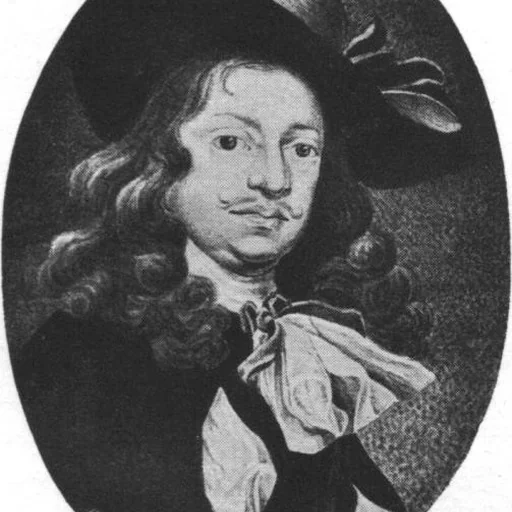
Frans Luycx or Frans Luyckx (Dutch pronunciation: ; before 17 April 1604 – 1 May 1668) was a Flemish painter who became the leading portrait painter at the imperial court of Emperor Ferdinand III in Vienna.

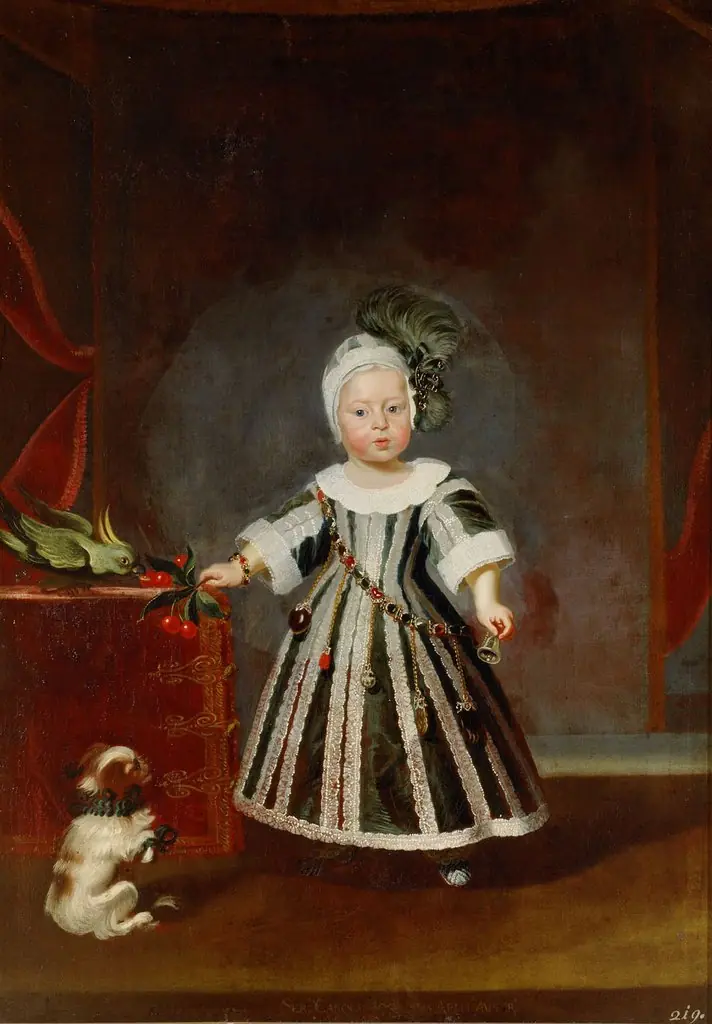 Portrait of Charles Joseph, Archduke of Austria (1745-1761)
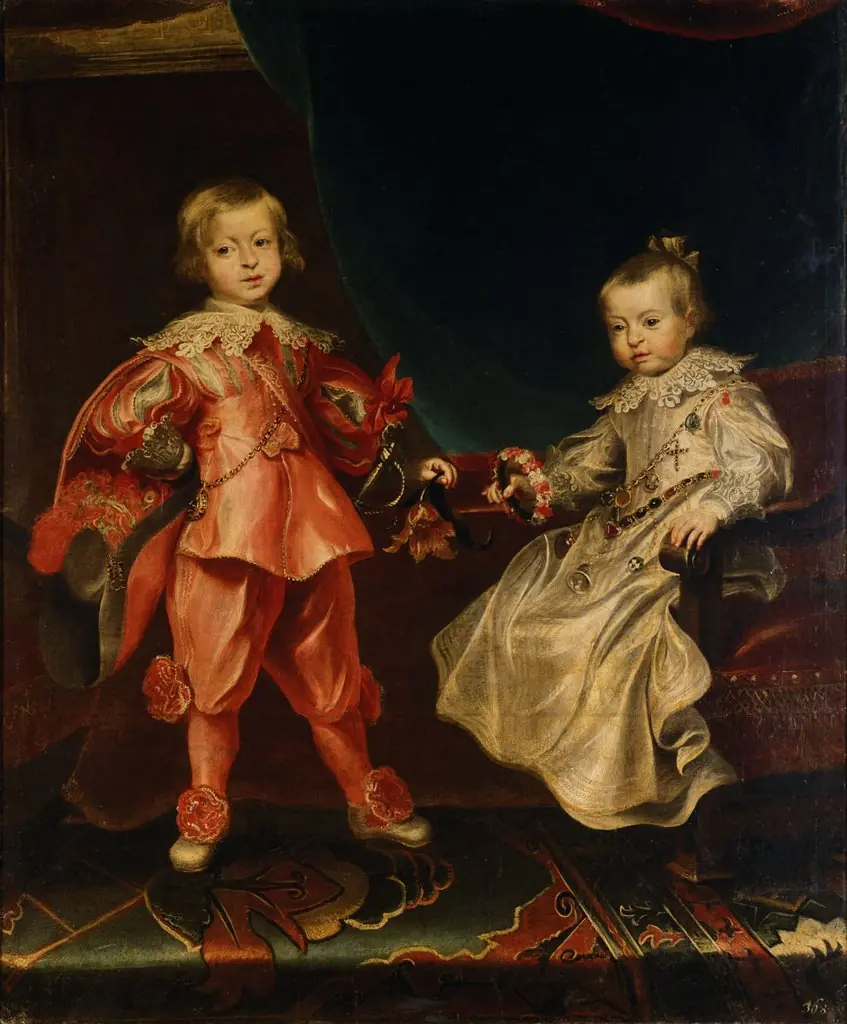 Portrait of Ferdinand IV with his sister Maria Anna
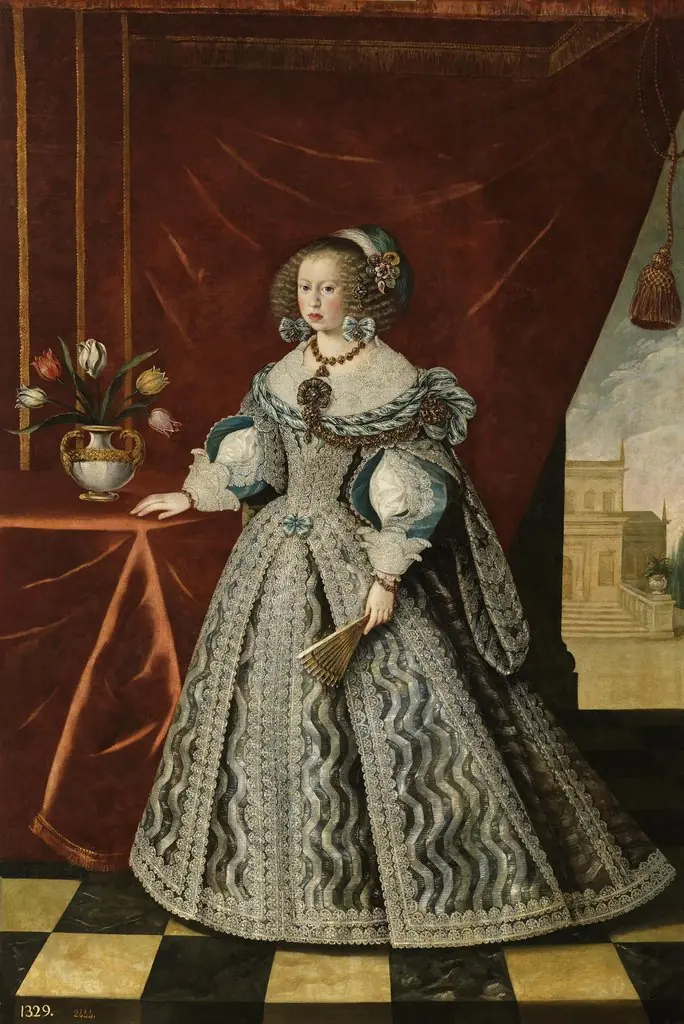 Mariana of Austria
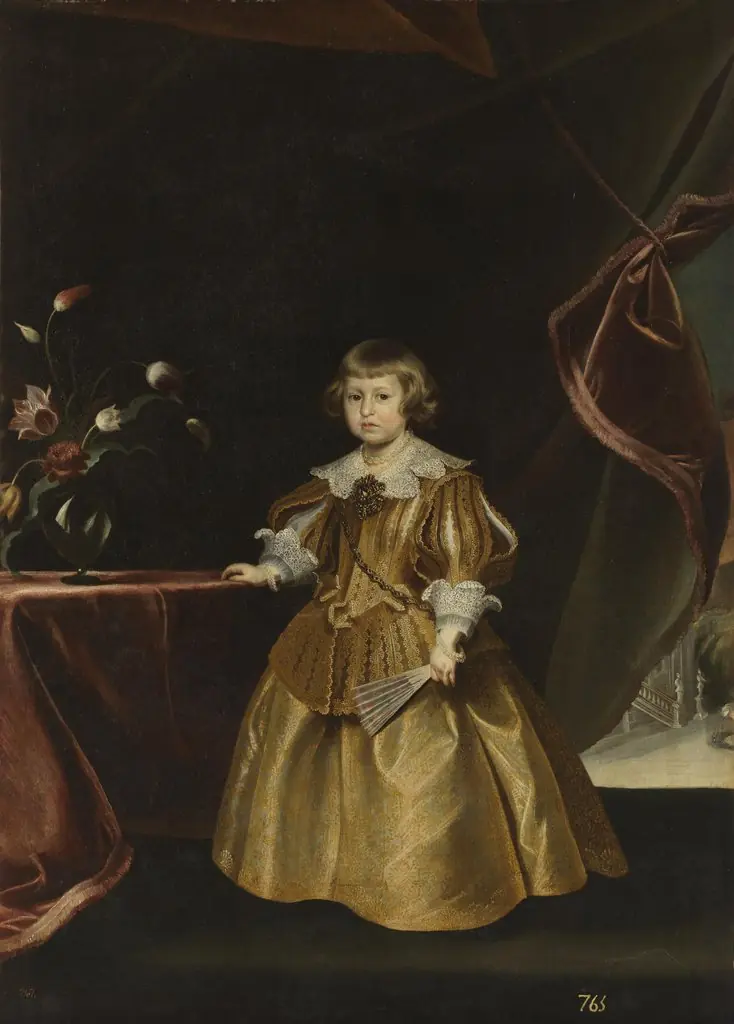 Portrait of an infanta
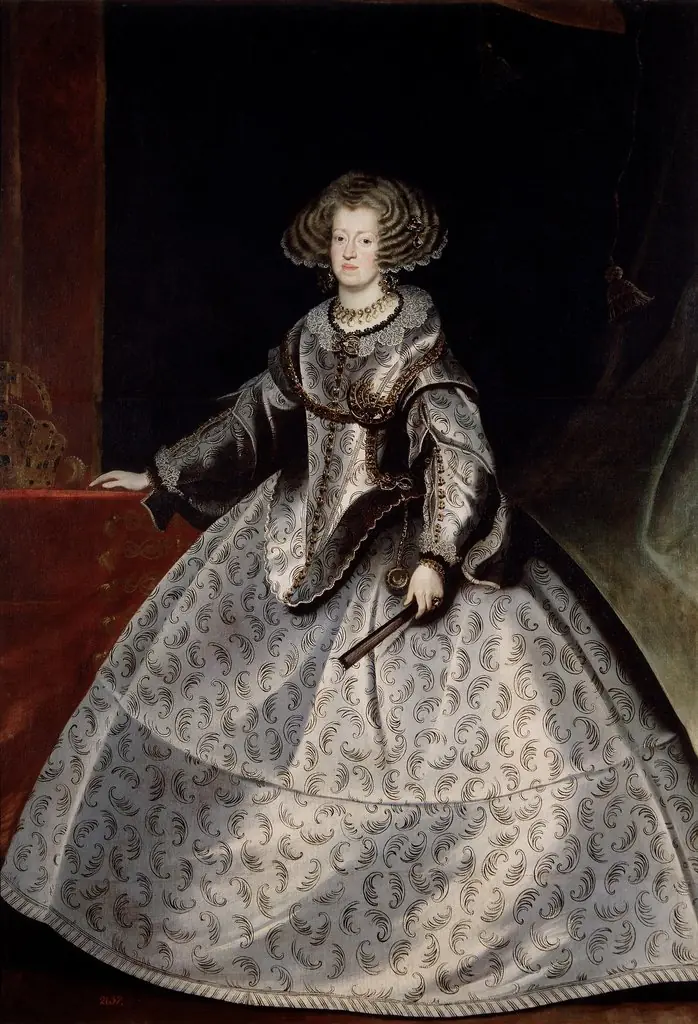 María of Austria Queen of Hungary
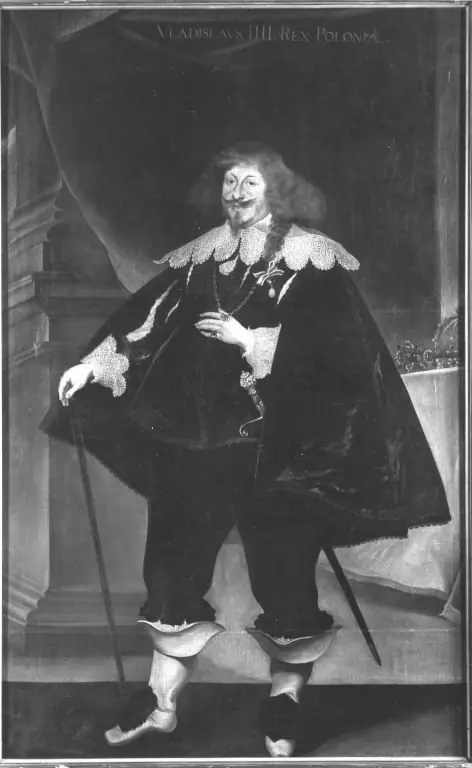 Portrait of King Ladislaus IV Vasa.
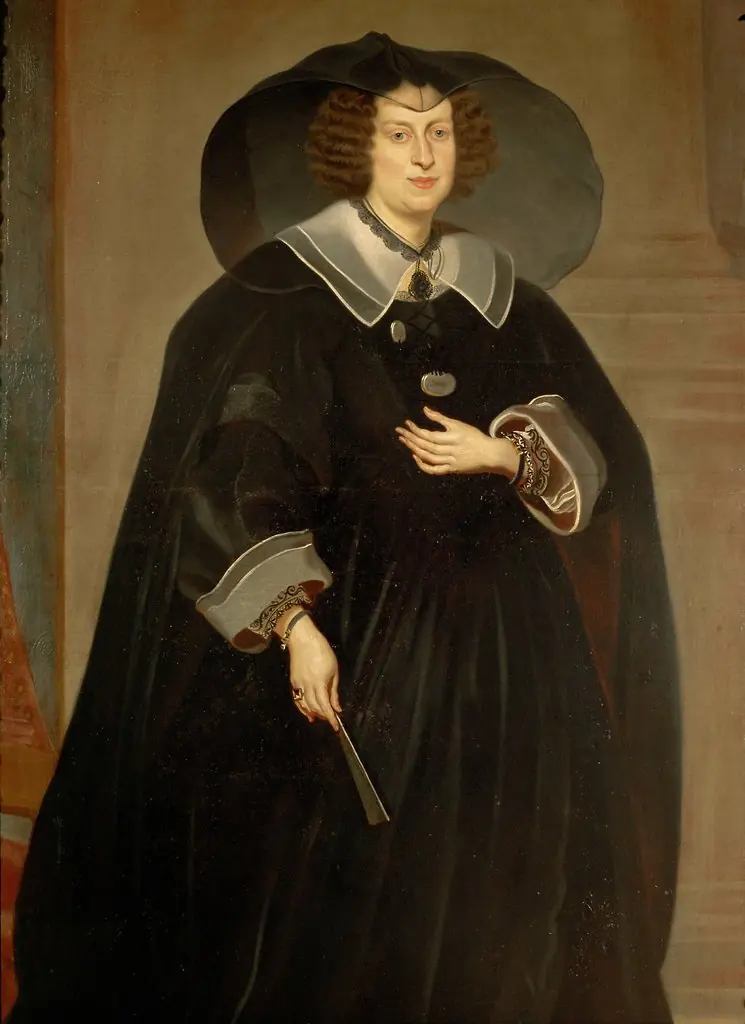 Claudia de' Medici (1604-1648), Erzherzogin, in Witwentracht, Kniestück
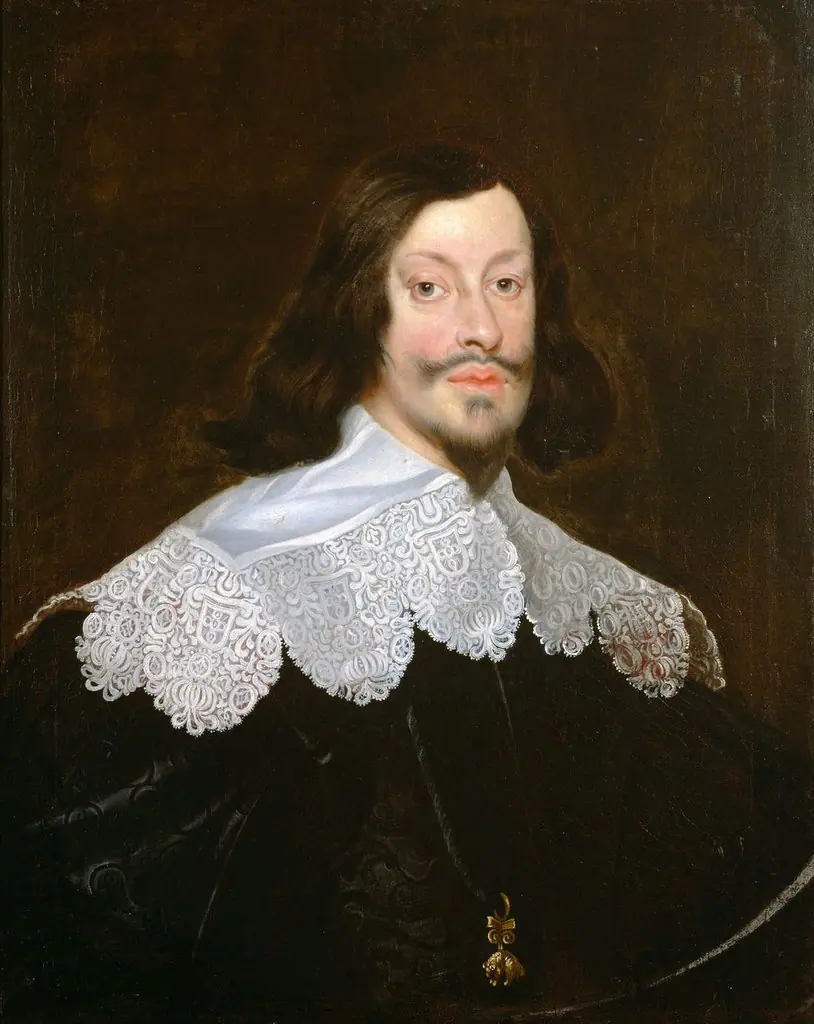 Kaiser Ferdinand III. (1608-1657), Brustbild