Artwork
Head of a Young Woman
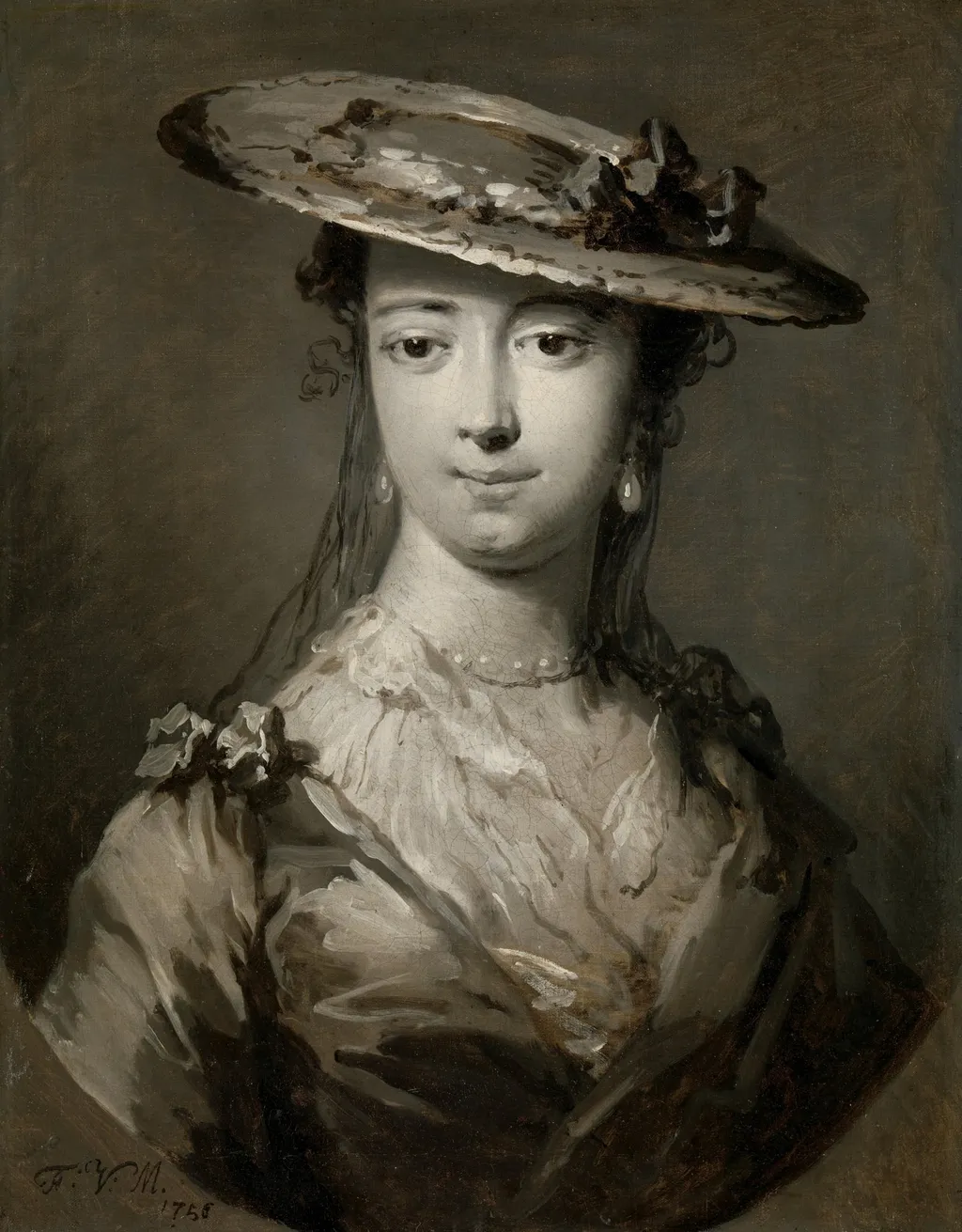
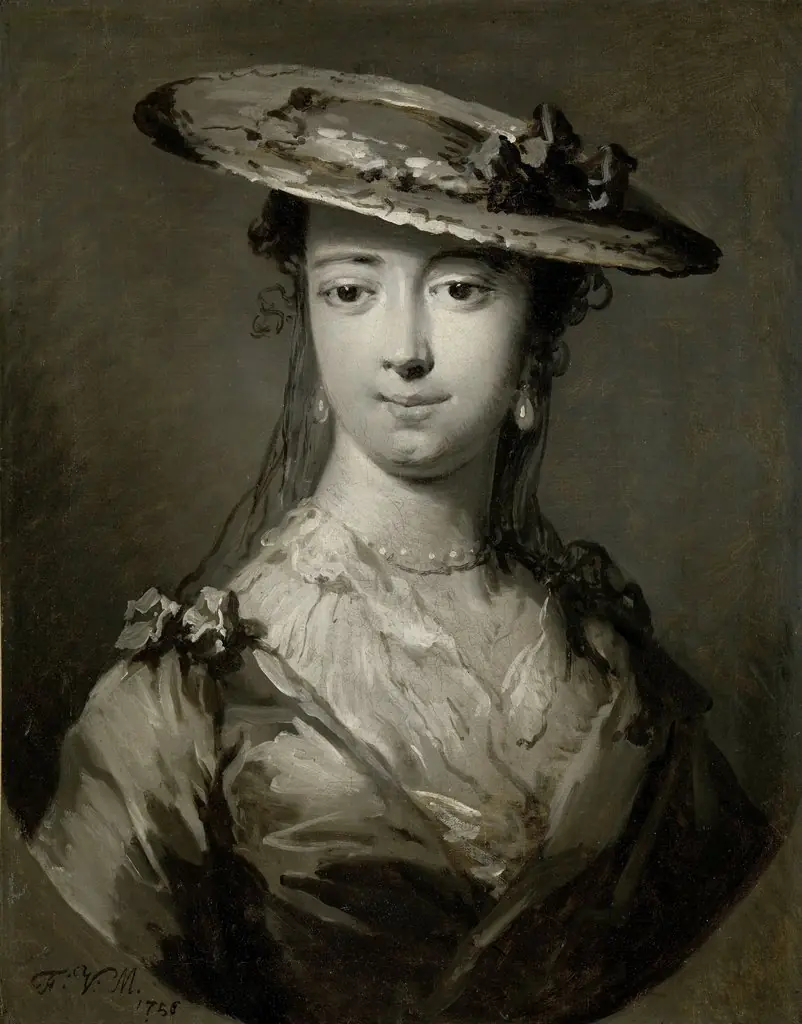
Head of a Young Woman is an unspecified painting by the Rococo painting artist Frans van der Mijn. It dates from 1756 and is held in the collection of the Rijksmuseum.
About this work
Overview
Frans van der Mijn, who relocated to London as a child with his father Herman, developed a reputation for refined genre and character studies. This work is not a commissioned portrait but a study in idealized femininity, created to demonstrate technical command rather than document a specific individual. It reflects the artist’s interest in capturing subtle expressions through restrained means.
Subject & Meaning
The subject is a young woman rendered in profile, her features softened and unidentifiable, suggesting an archetype rather than a real person. Her parted lips and gentle gaze convey quiet introspection, while the simple white cap and single pearl earring hint at modesty and refinement. The image invites contemplation of beauty as an abstract ideal, not tied to identity or status.
Technique & Style
Van der Mijn limited his palette to shades of brown, grey, and white, evoking the tonal range of drawn or engraved studies. Despite this restraint, he achieved a convincing sense of volume and texture through delicate gradations and fine brushwork. The effect mimics graphic art while retaining the subtlety of oil paint, showcasing his ability to suggest realism with minimal color.
History & Provenance
The painting’s early ownership is undocumented, but it aligns with van der Mijn’s known output in mid-18th century London, where he catered to collectors interested in refined, non-portrait studies. Its survival suggests it was valued as a demonstration of skill rather than a decorative piece. No significant alterations or restorations are recorded.
Context
In 18th-century Britain, artists often produced non-portrait heads to display technical prowess, especially in monochrome or limited palettes. Van der Mijn’s work responds to this trend, echoing Dutch and Flemish traditions of tronies—studies of expressive, anonymous faces. His approach reflects a broader interest in the art of observation over narrative or social commentary.
Legacy
Though van der Mijn is not widely remembered today, this painting exemplifies a quiet but significant strand of 18th-century British art: the pursuit of aesthetic precision through restraint. It stands as a testament to the value placed on craftsmanship over spectacle, influencing later artists who favored subtlety and control in depicting the human form.
Artist & collection

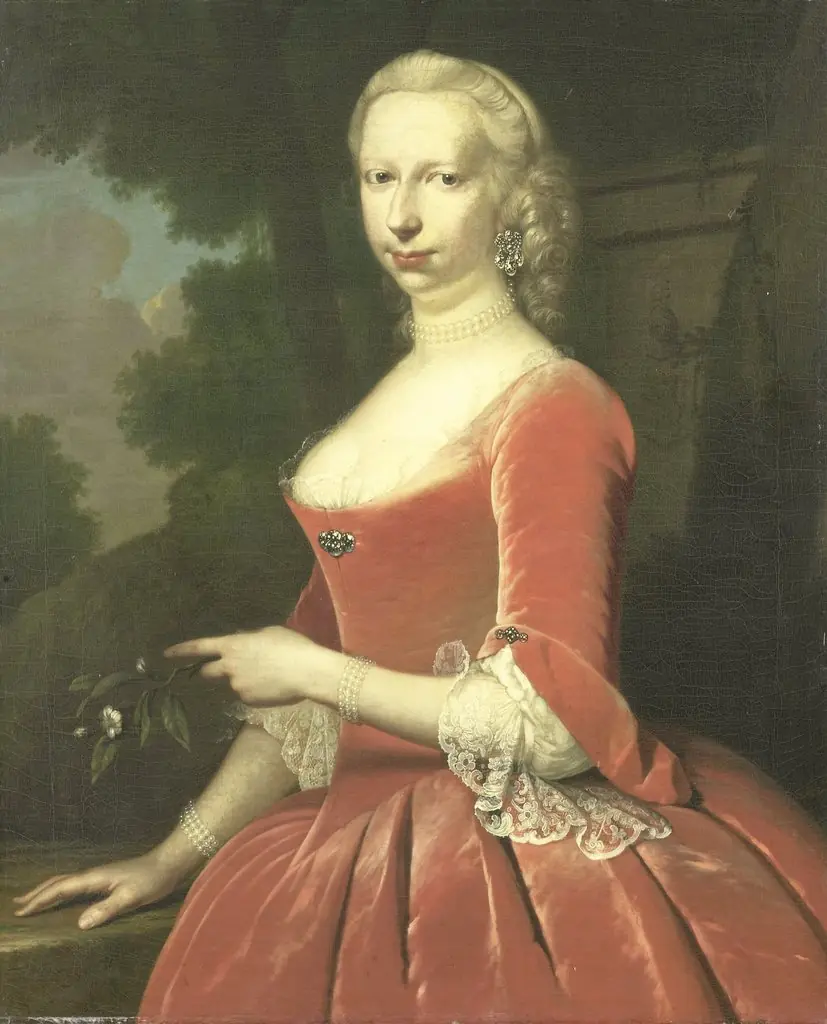
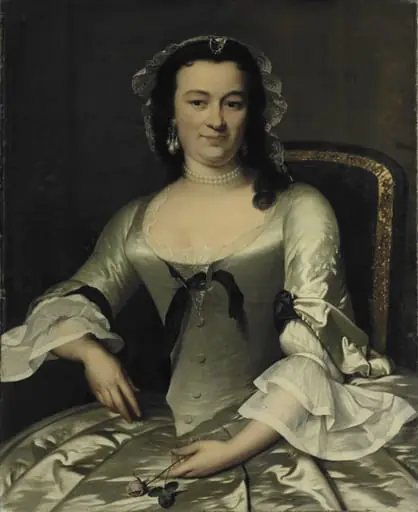
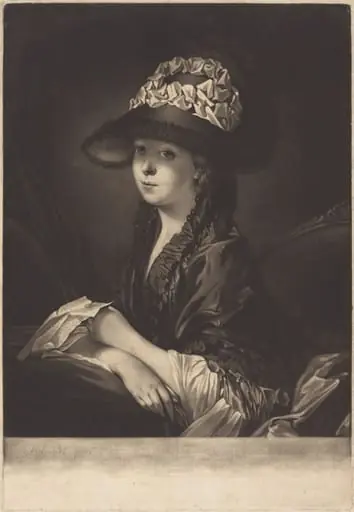 Lucinda, Miss Moore
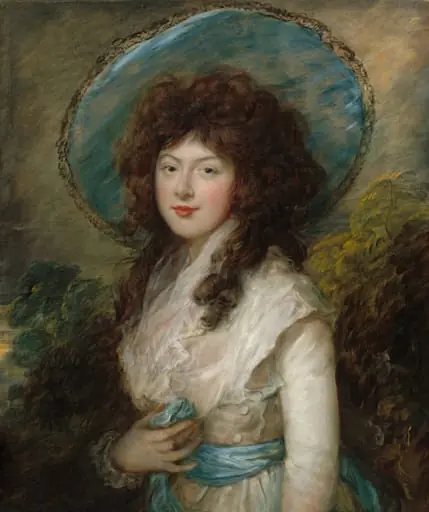 Miss Catherine Tatton
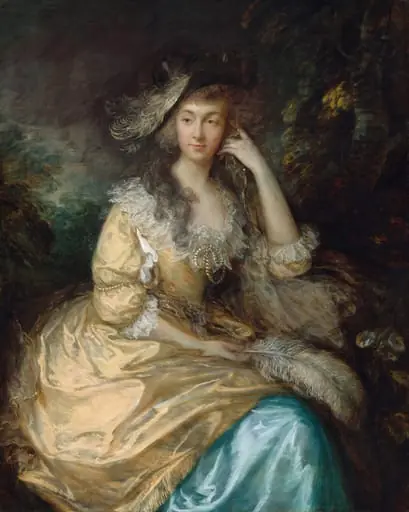 Frances Susanna, Lady de Dunstanville
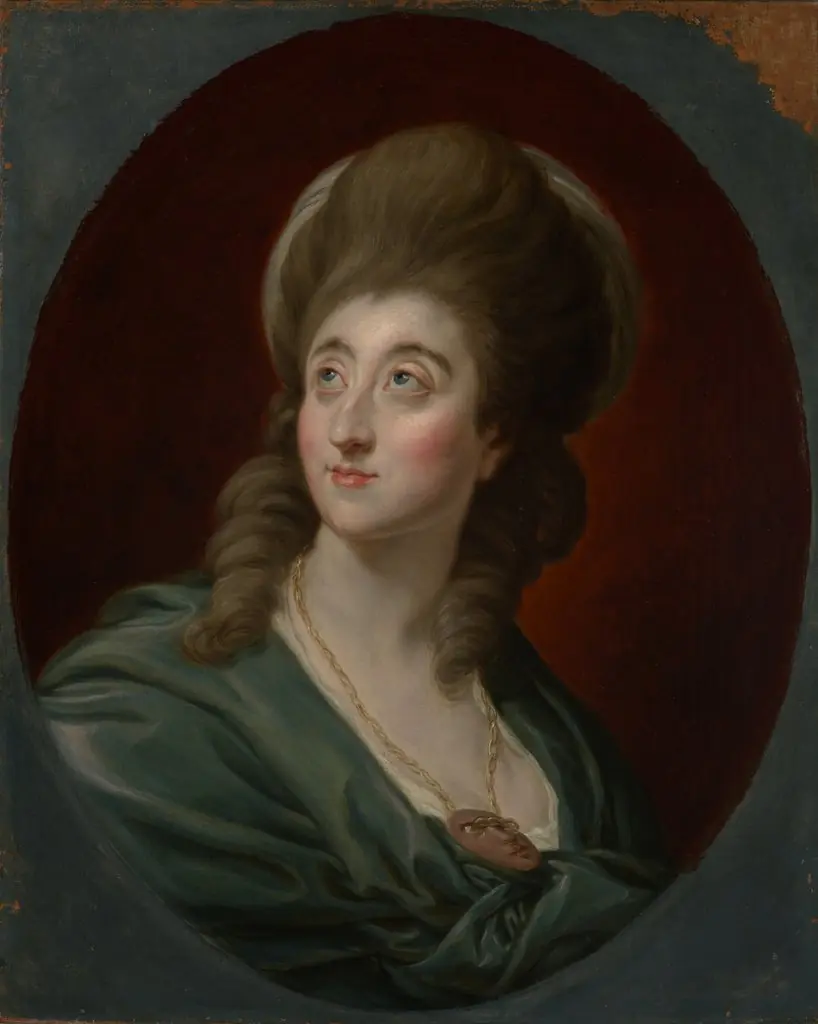 Portrait of Aleksandra née Lubomirska, Wife of Stanisław Potocki (1758–1831)
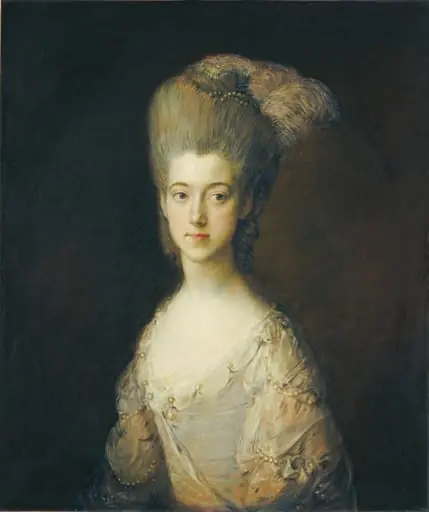 Mrs. Paul Cobb Methuen
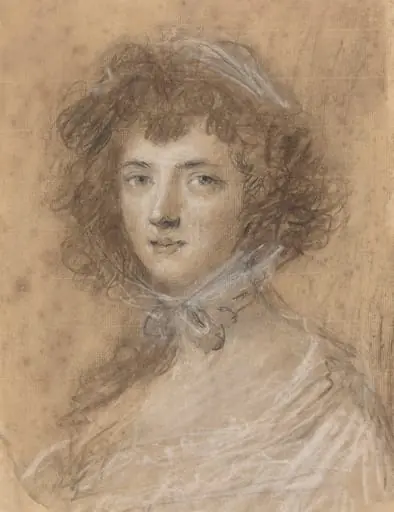 Head and Bust of a Woman
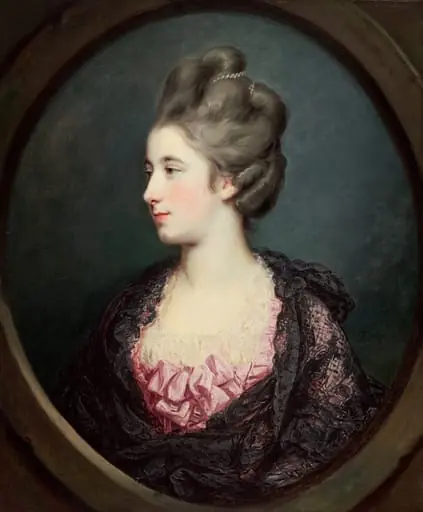 Mrs. Thomas Horne
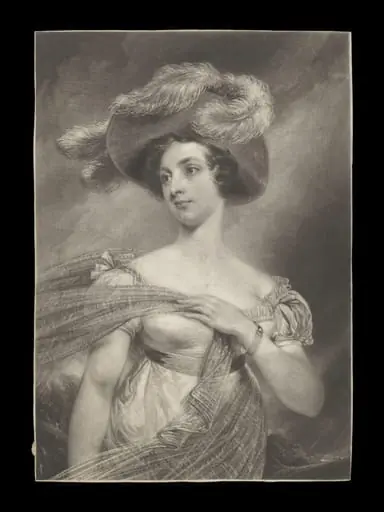 H Beard Print Collection
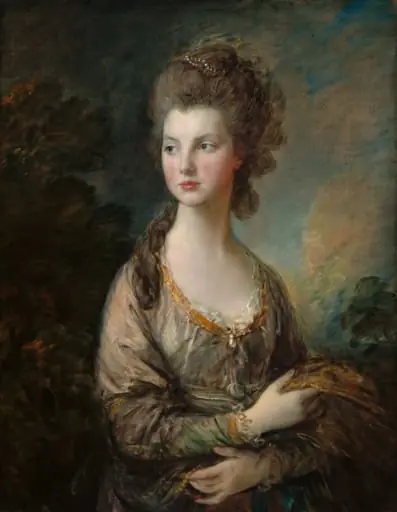 The Hon. Mrs. Thomas Graham
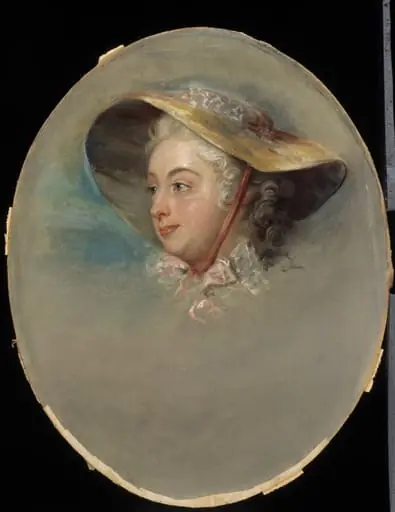 Juliana Dorothea Schröder
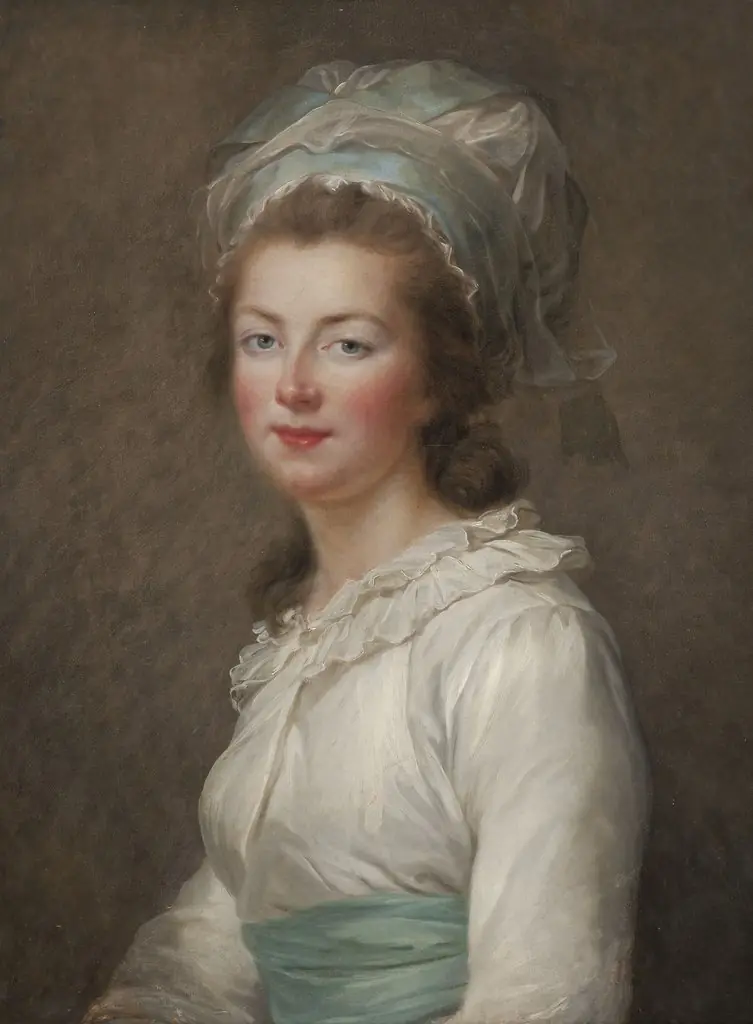 Elisabeth-Philippe-Marie-Hélène of France, known as Madame Elisabeth