Artwork
Portrait of Aleksandra née Lubomirska, Wife of Stanisław Potocki (1758–1831)
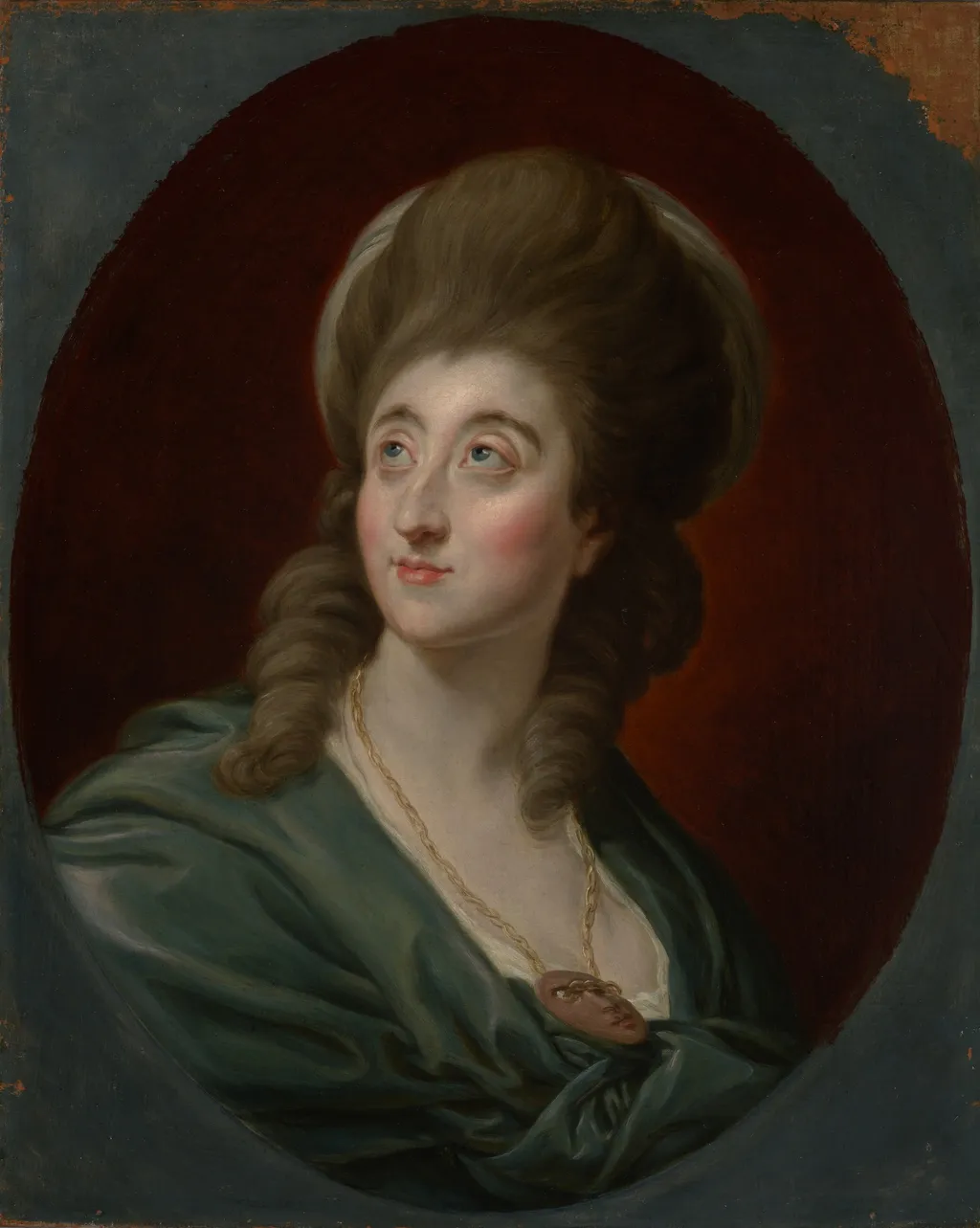
Portrait of Aleksandra née Lubomirska, Wife of Stanisław Potocki (1758–1831) is an oil painting by the Rococo painting artist Pompeo Batoni. It is held in the collection of the National Museum in Kraków.
About this work
Overview
The painting is part of the National Museum in Kraków’s collection, reflecting the transnational networks of elite patronage in late 18th-century Europe.
Painted in 1790 by the Italian artist Pompeo Batoni, this portrait captures Aleksandra Lubomirska, wife of the Polish magnate Stanisław Potocki. Batoni, renowned for his refined portraiture, executed the work during a period when he was sought after by European aristocracy. The painting is part of the National Museum in Kraków’s collection, reflecting the transnational networks of elite patronage in late 18th-century Europe.
Subject & Meaning
Aleksandra Lubomirska Potocka is depicted with quiet composure, her gaze direct and expression restrained, conveying dignity rather than sentiment. Her attire—a green silk gown with a white lace undergarment and a gold chain bearing a pendant—signals her noble status through subtle luxury. The absence of overt symbolism or allegory emphasizes her identity as a member of the Polish aristocracy, valued for lineage and poise rather than narrative.
Technique & Style
Batoni employed smooth, controlled brushwork to render the textures of fabric and skin with precision. The dark, unmodeled background isolates the figure, focusing attention on her form and attire. The green dress is rendered with delicate tonal shifts, while the gold chain and lace are rendered with fine detail, reflecting Batoni’s mastery of surface variety. The composition adheres to classical portraiture conventions, avoiding theatricality in favor of serene equilibrium.
History & Provenance
Commissioned during Batoni’s mature period, the portrait was likely created in Rome, where many Polish nobles resided during their travels. It remained within the Potocki family before entering the National Museum in Kraków’s collection in the 19th century. Its preservation reflects the family’s commitment to maintaining their cultural legacy amid political upheavals in partitioned Poland.
Context
Batoni’s clientele included European elites who commissioned portraits as tokens of status and cosmopolitanism. Polish nobility, often engaged in the Grand Tour, sought Italian artists to affirm their place within broader aristocratic networks. This portrait aligns with a trend of Polish patrons adopting Western European artistic styles to assert their cultural sophistication during a time of national fragmentation.
Legacy
The portrait endures as a representative example of Batoni’s portraiture beyond British patrons, illustrating his reach into Central European aristocratic circles. It contributes to the understanding of how Polish nobility engaged with Italian artistic traditions. Today, it remains a key work in Kraków’s collection for studying cross-cultural patronage in the late Enlightenment.
Artist & collection
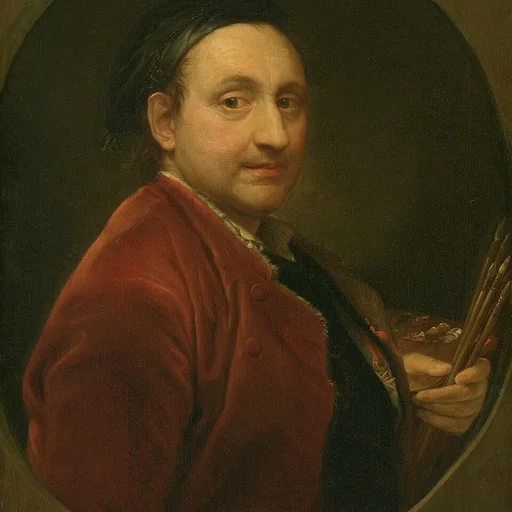
Artist
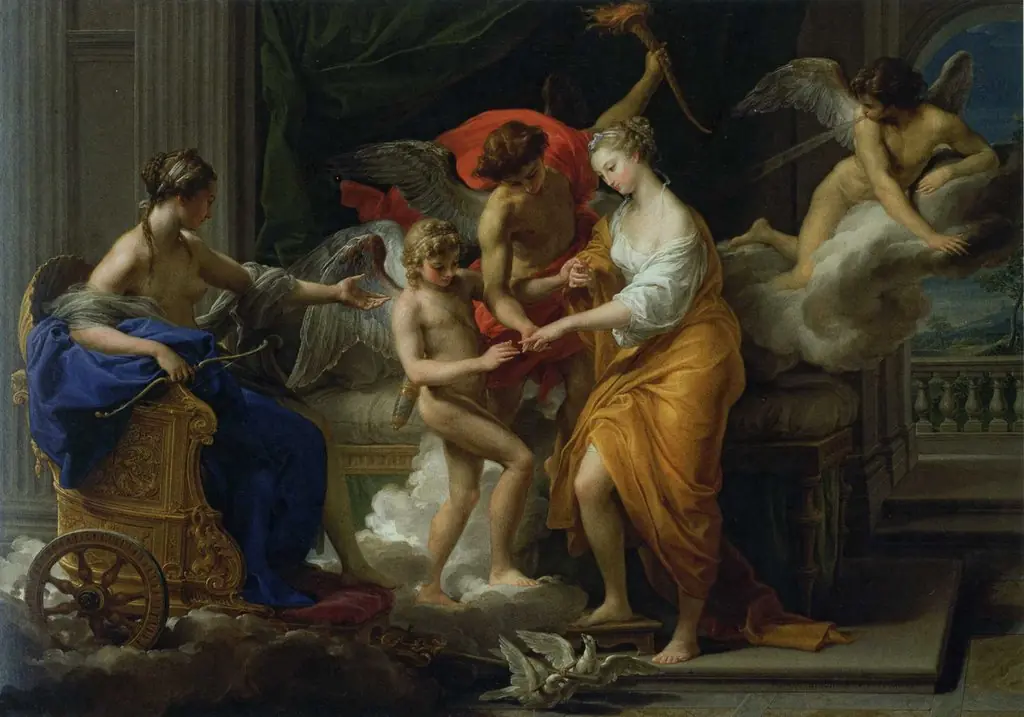
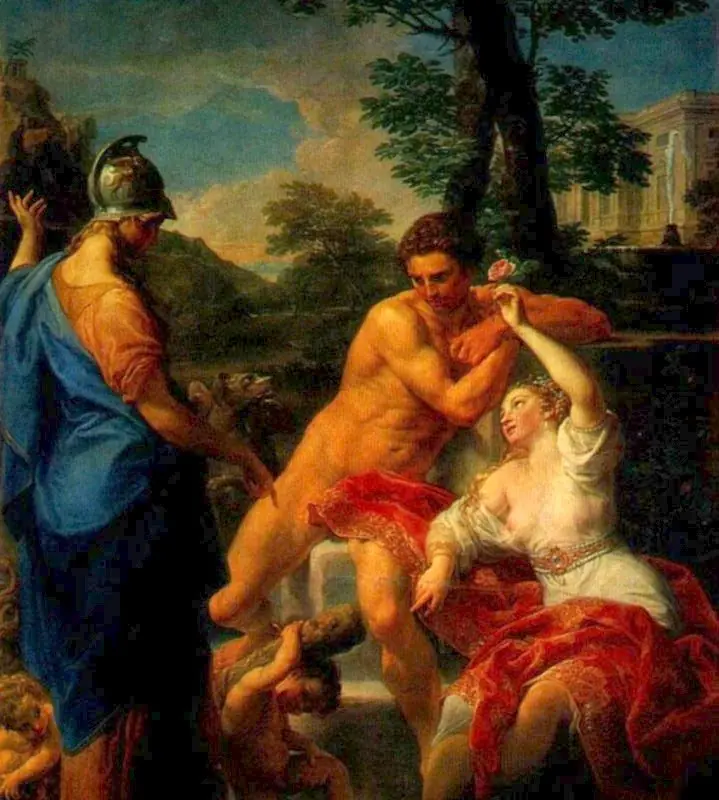
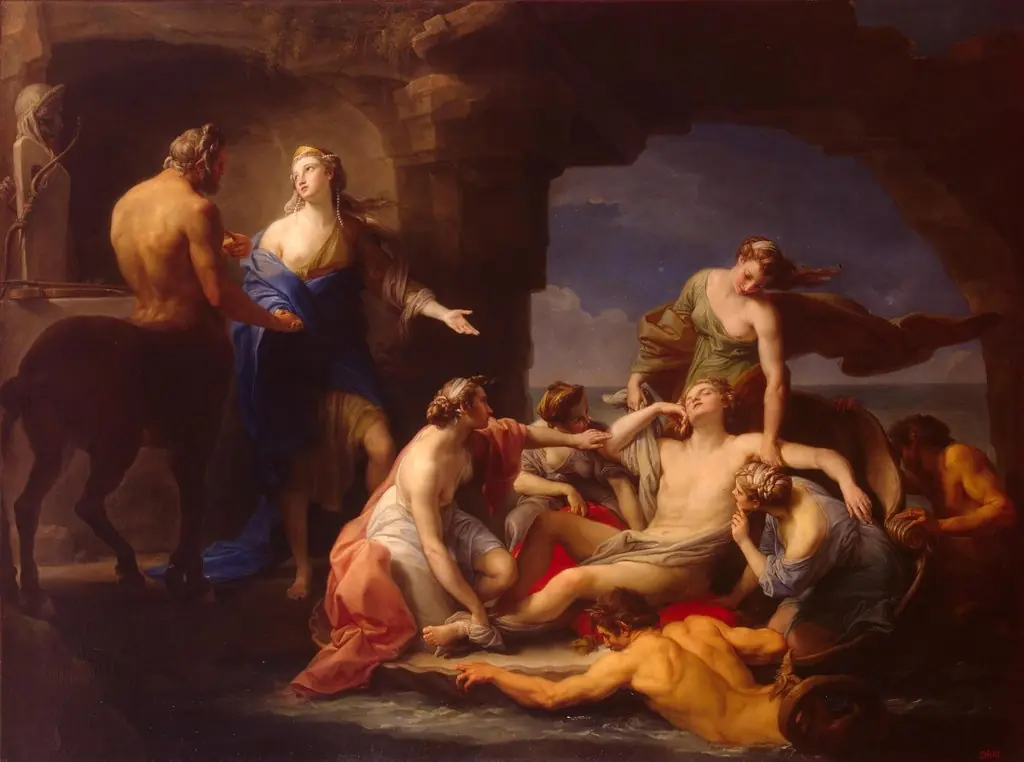
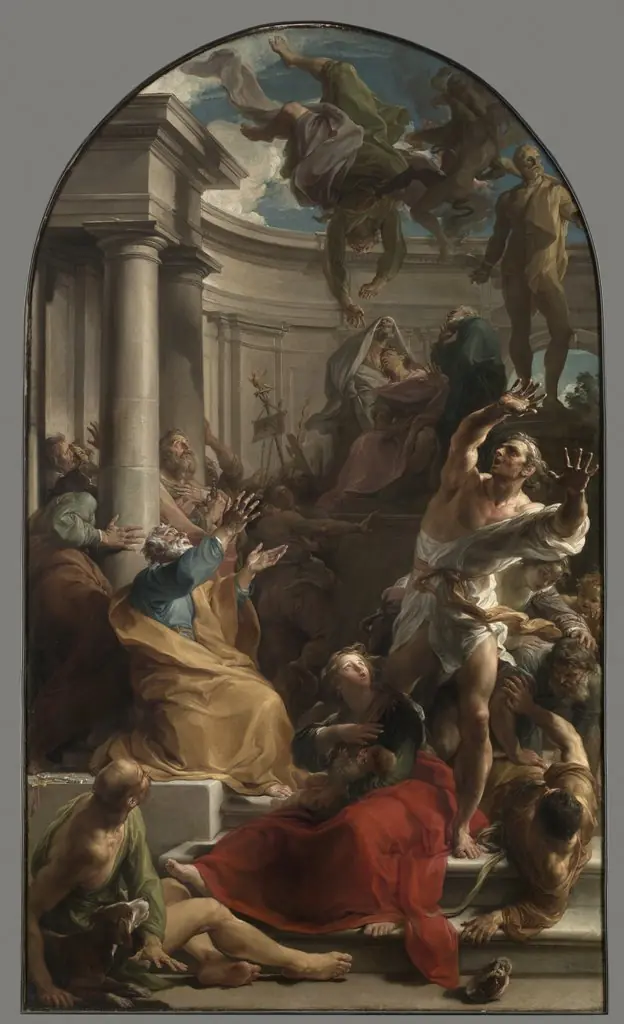
Pompeo Girolamo Batoni (25 January 1708 – 4 February 1787) was an Italian painter who displayed a solid technical knowledge in his portrait work and in his numerous allegorical and mythological pictures.

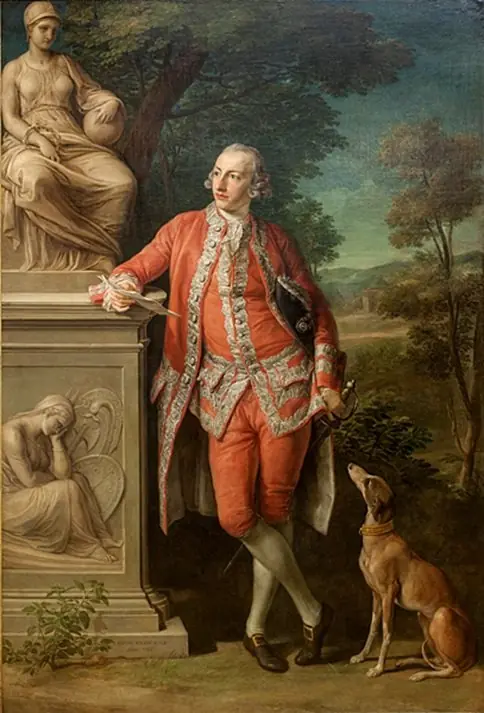
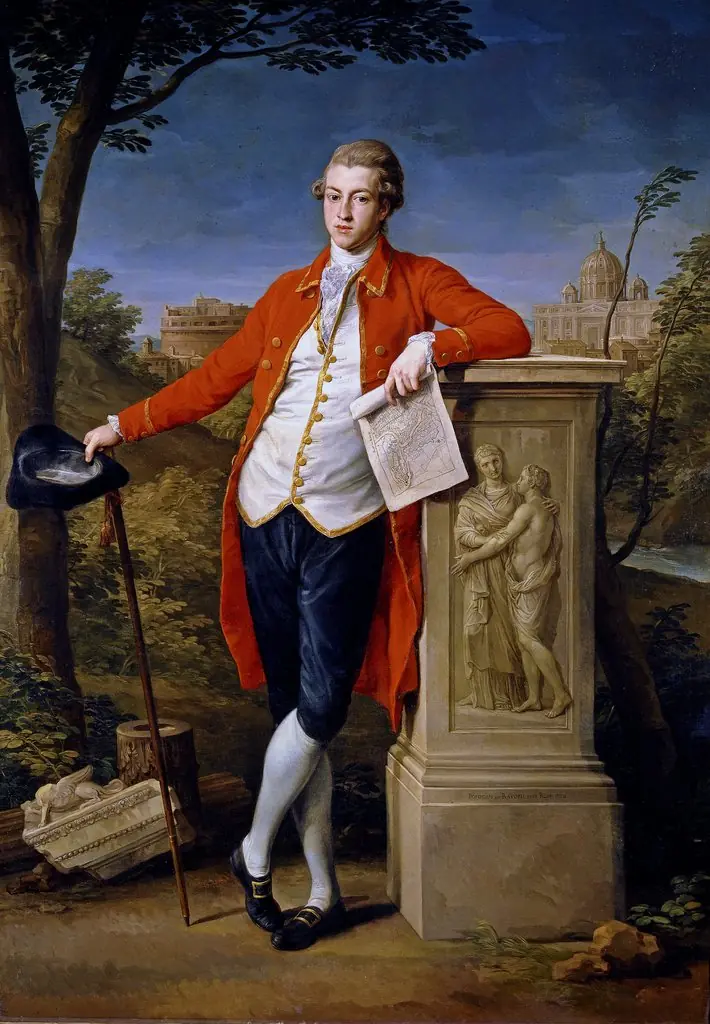
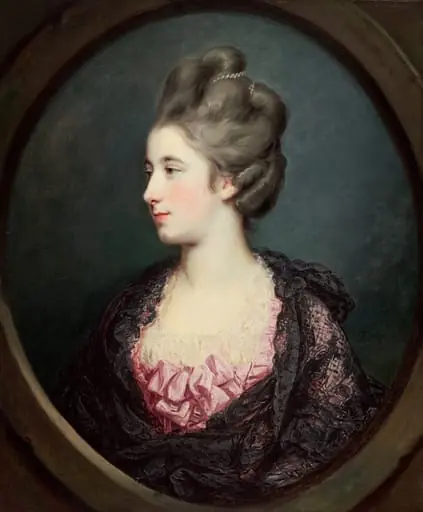 Mrs. Thomas Horne
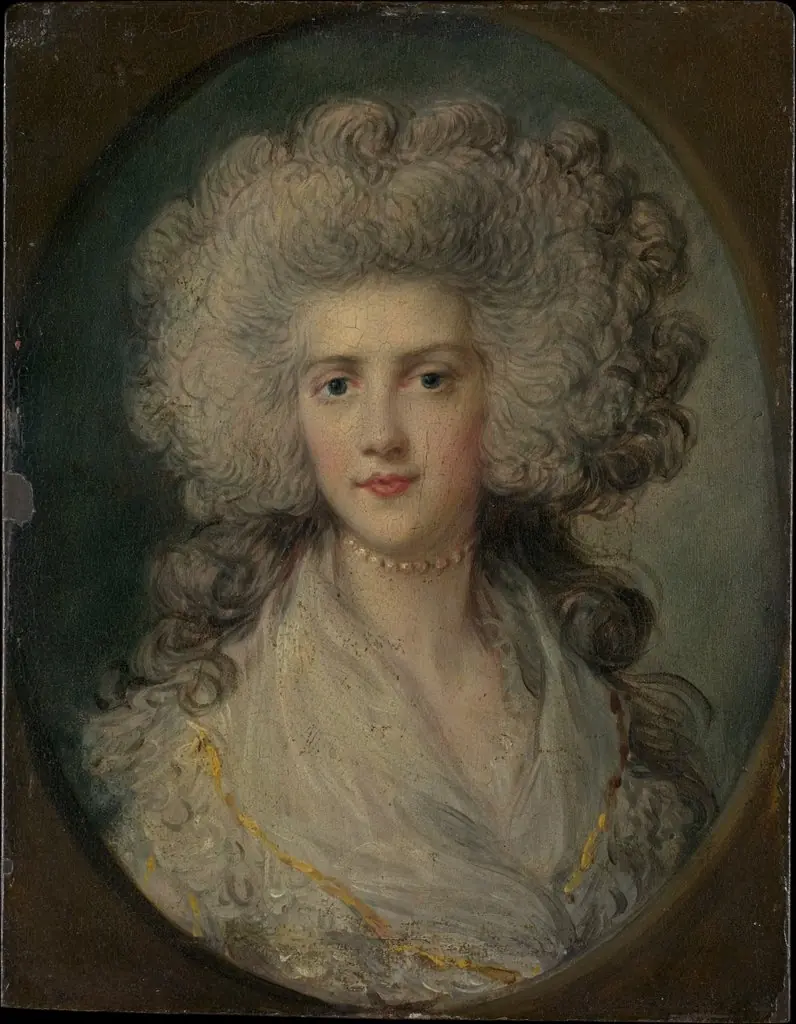 Mrs. John Puget (Catherine Hawkins)
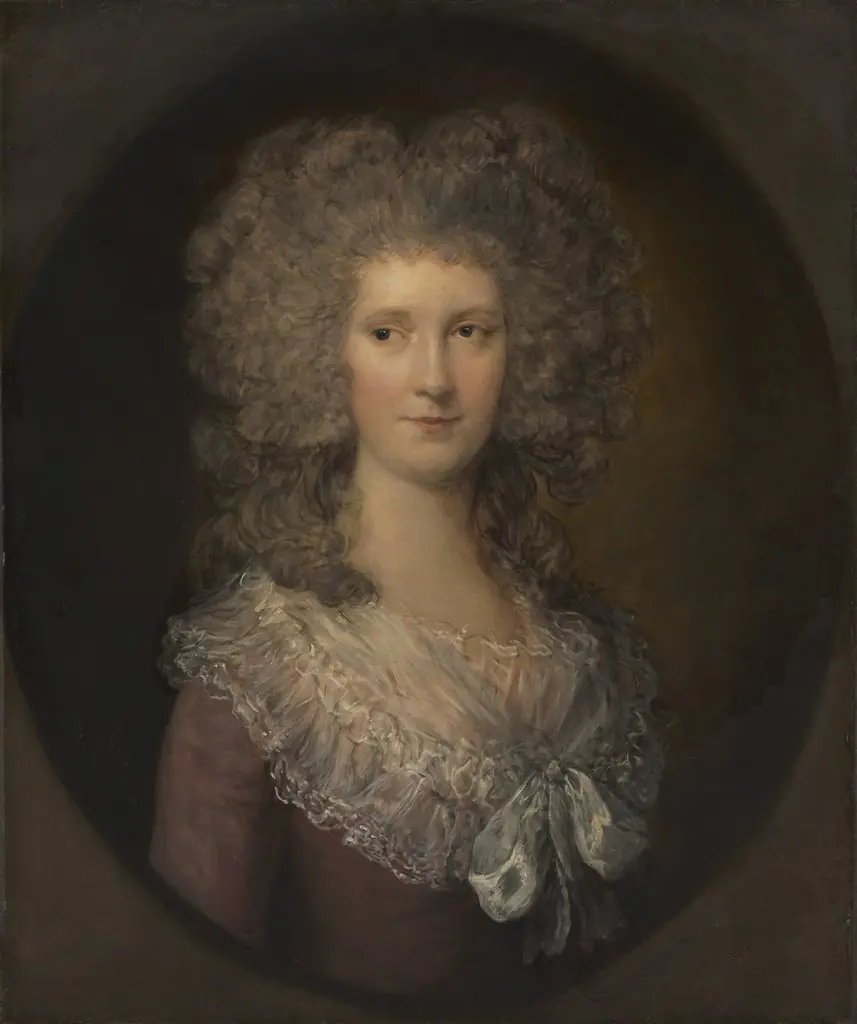 Portrait of Mary Anne Jolliffe
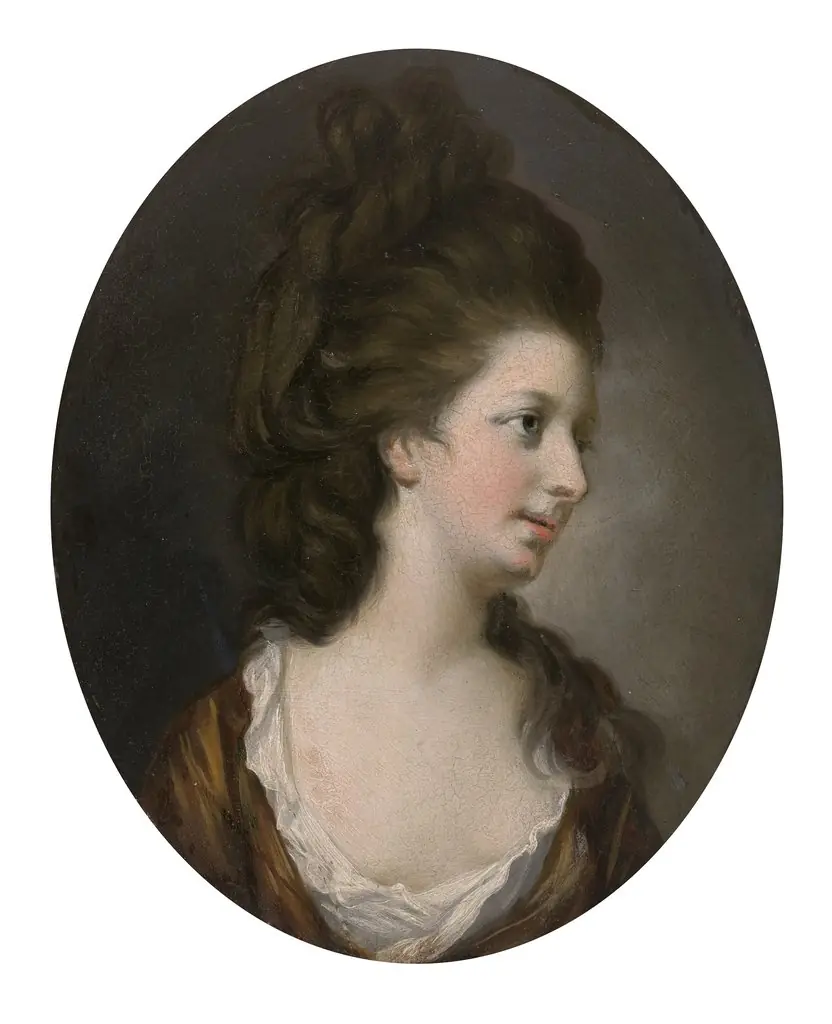 Portrait of The Hon. Mrs John Beresford (née Montgomery) (?1757-1788)
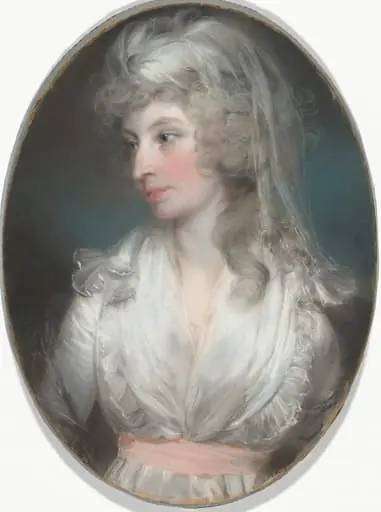 Mary Wood
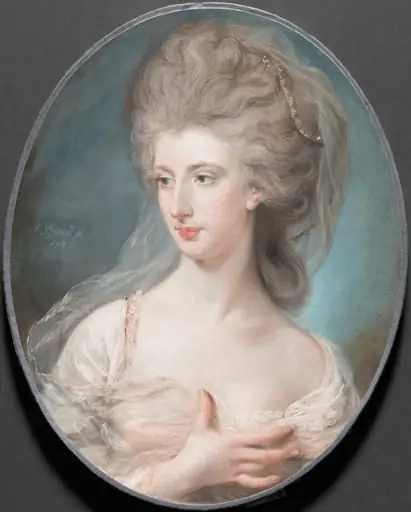 Miss Raymond
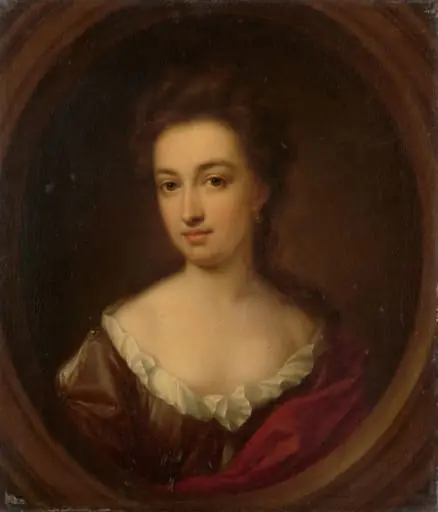 Josina Clara van Citters (1671-1753), Sister of Anna van Citters
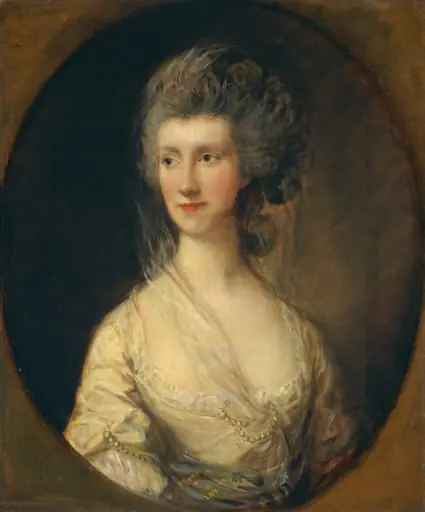 Mrs. John Taylor
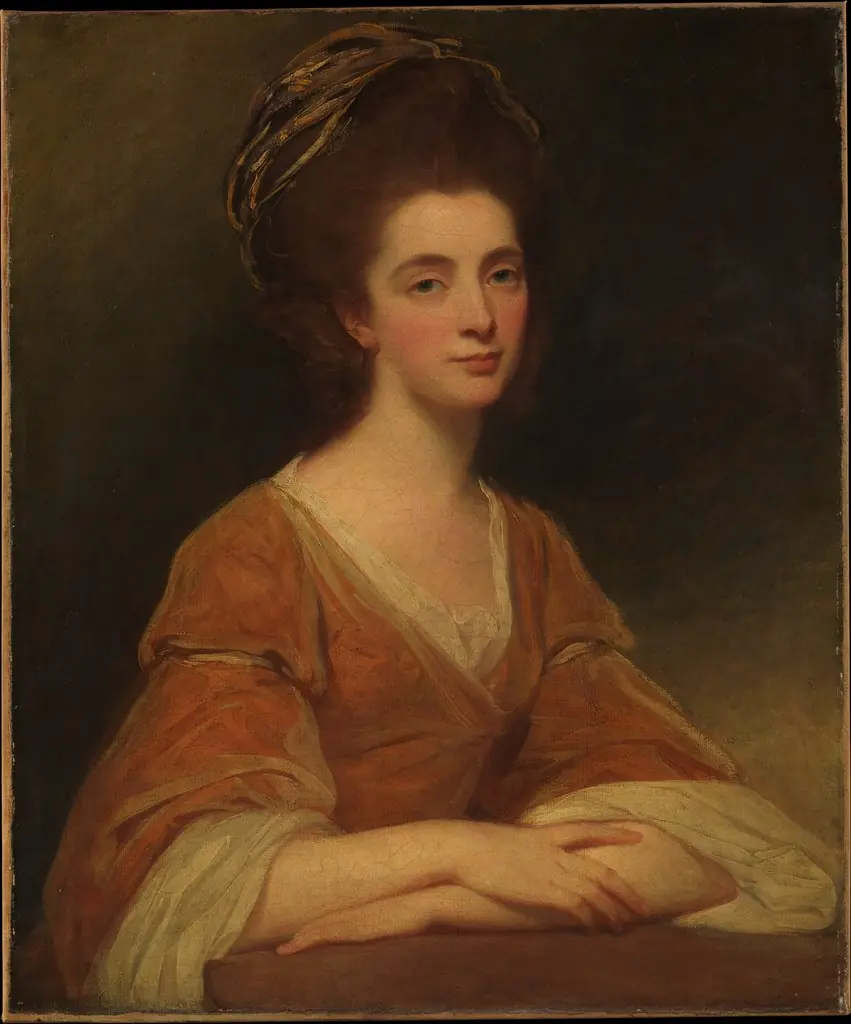 Mrs. Charles Frederick (Martha Rigden, died 1794)
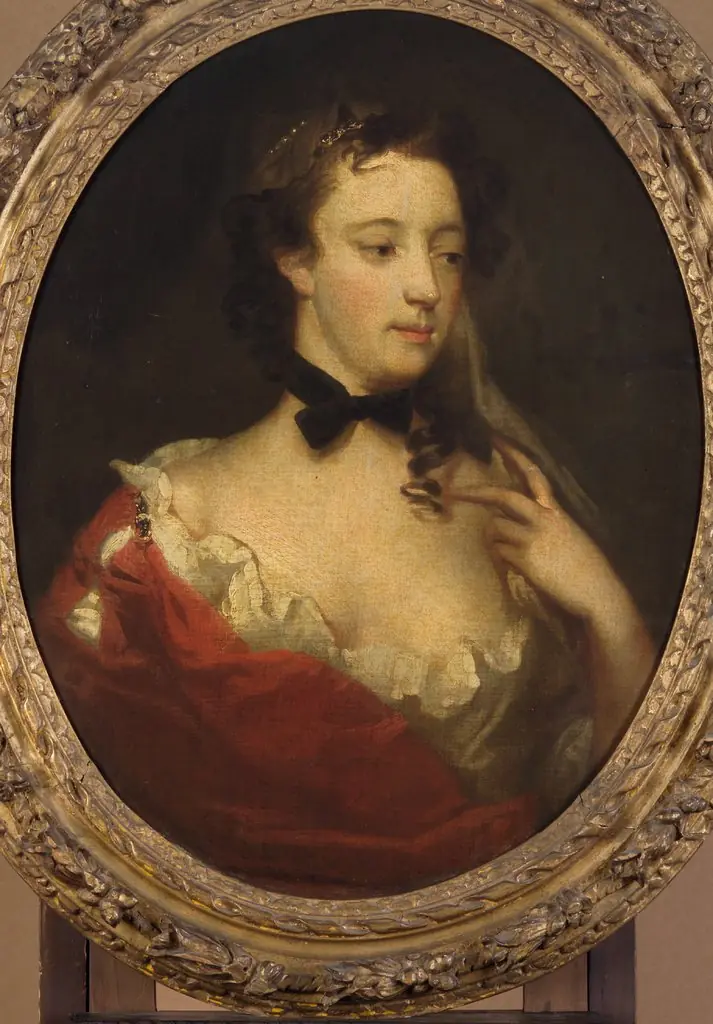 Bildnis einer Dame