Artwork
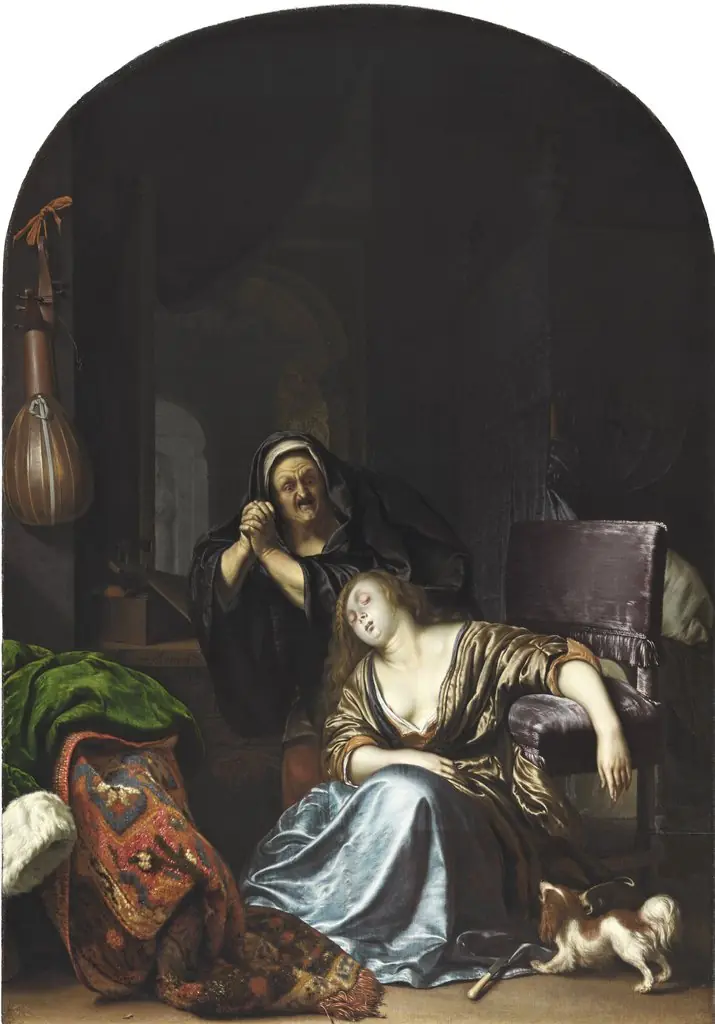
A Woman and a Procuress (Bathsheba)
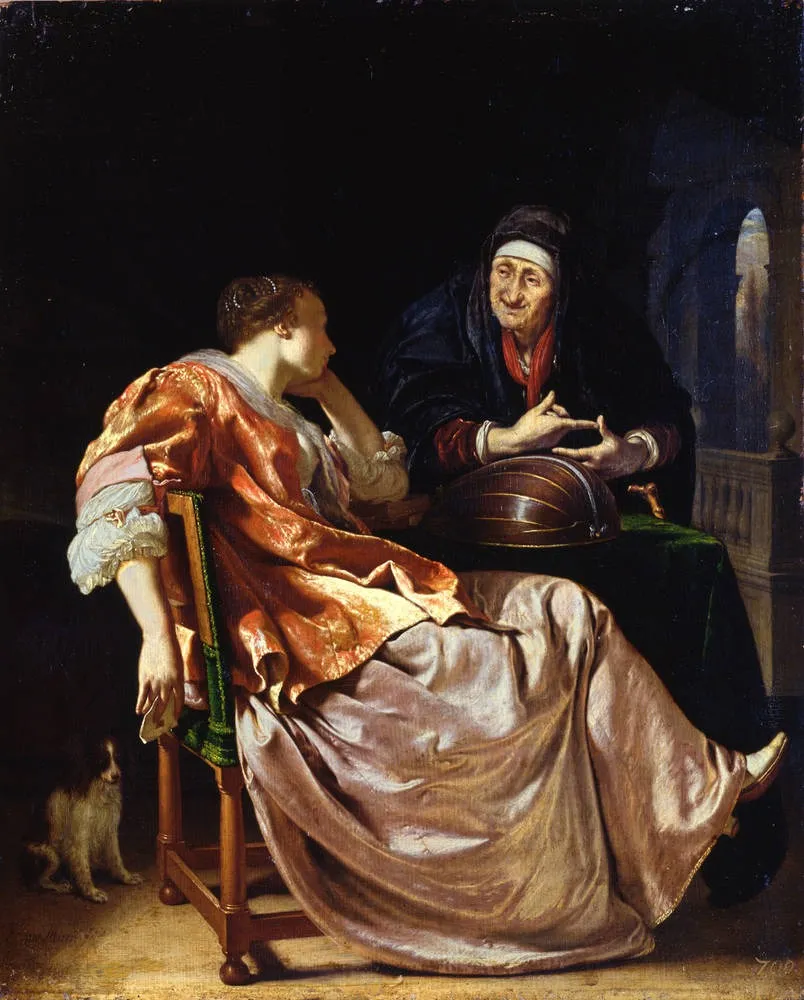
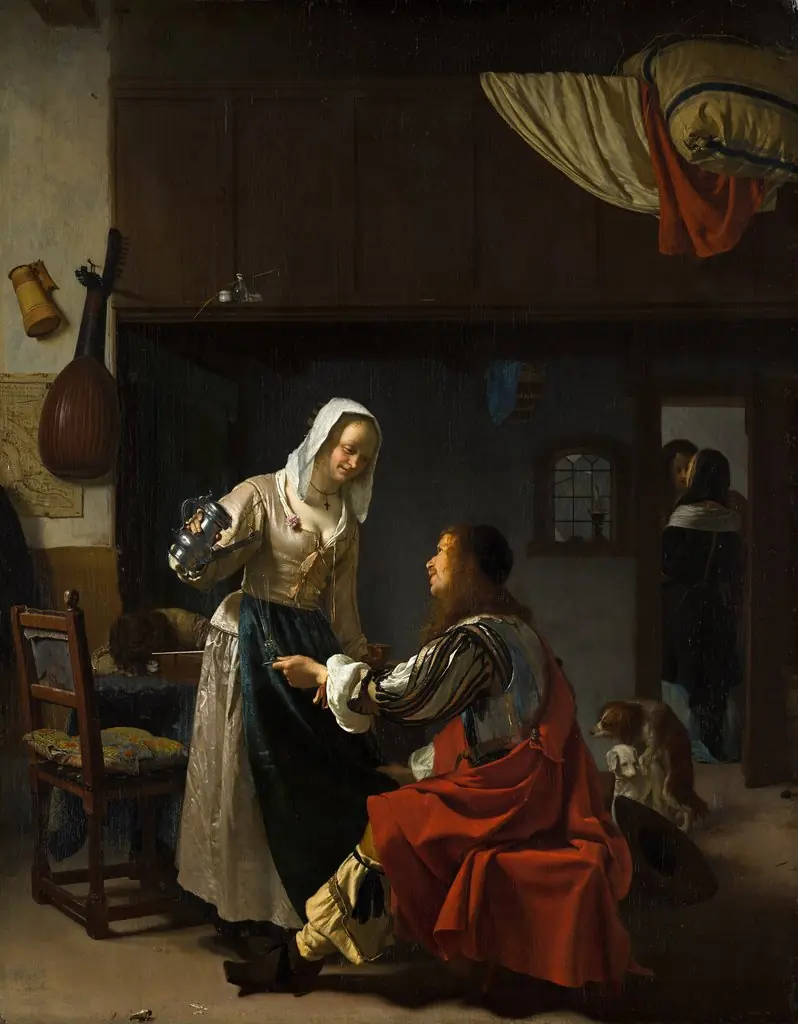
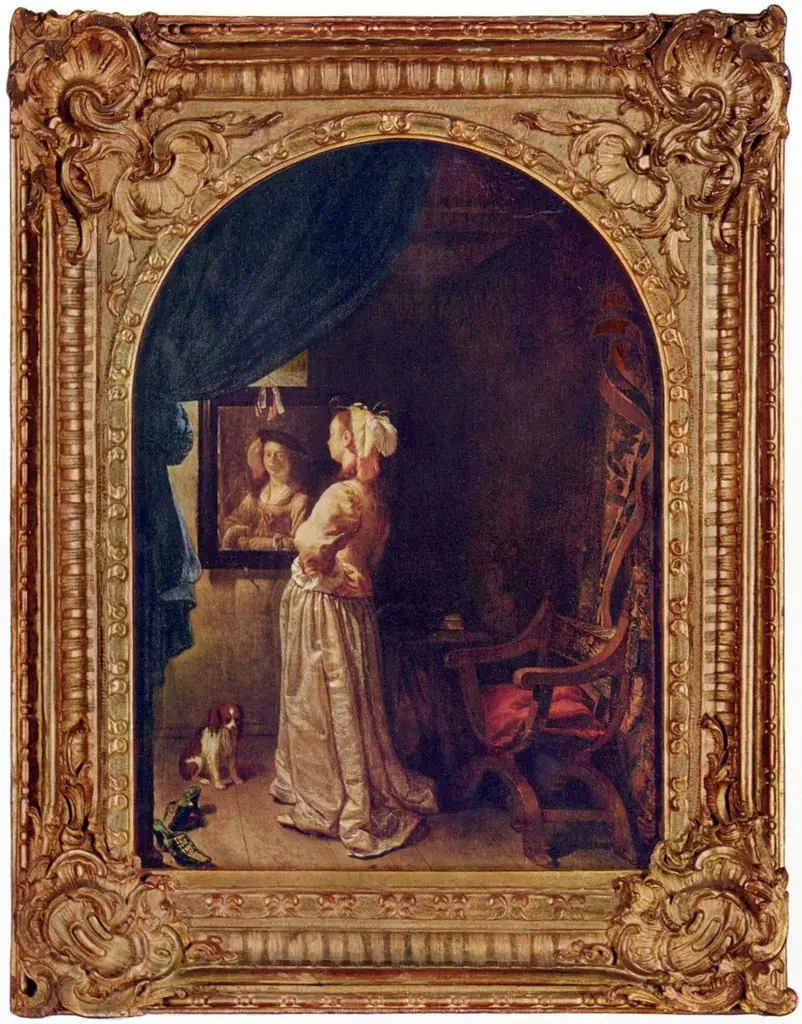
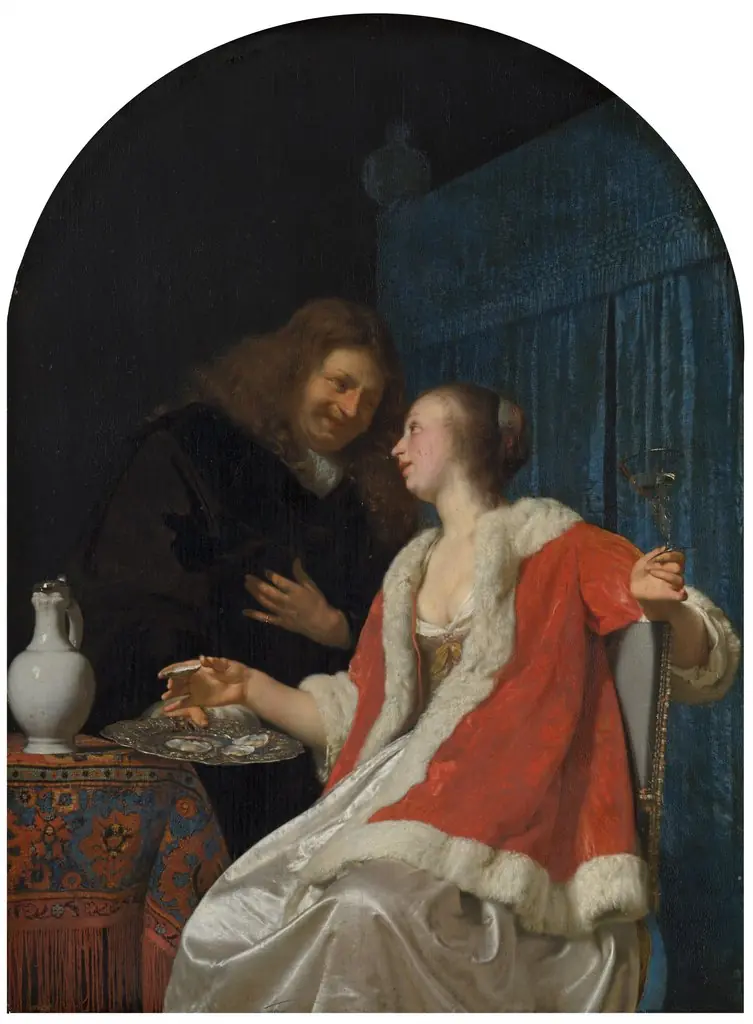
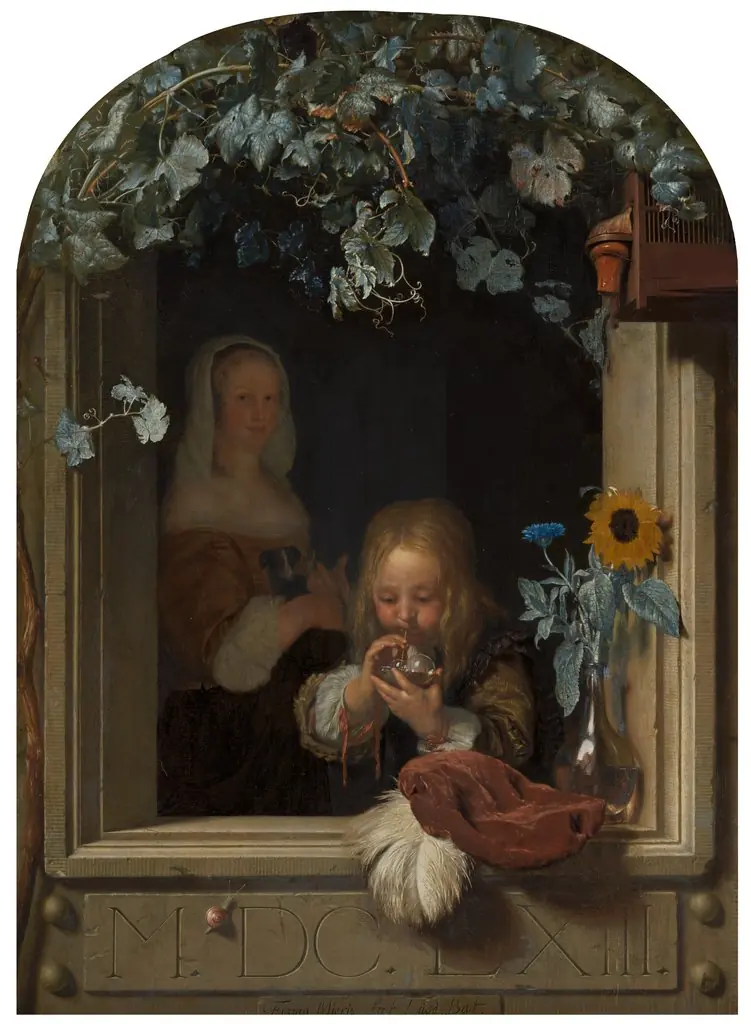
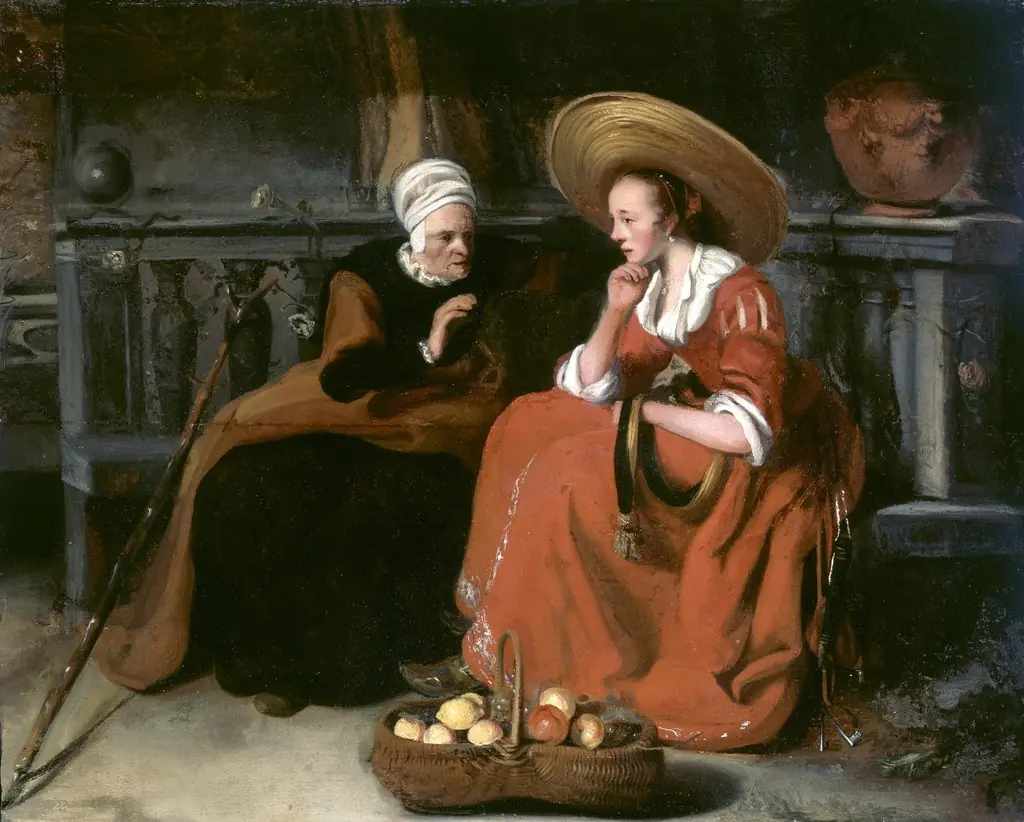
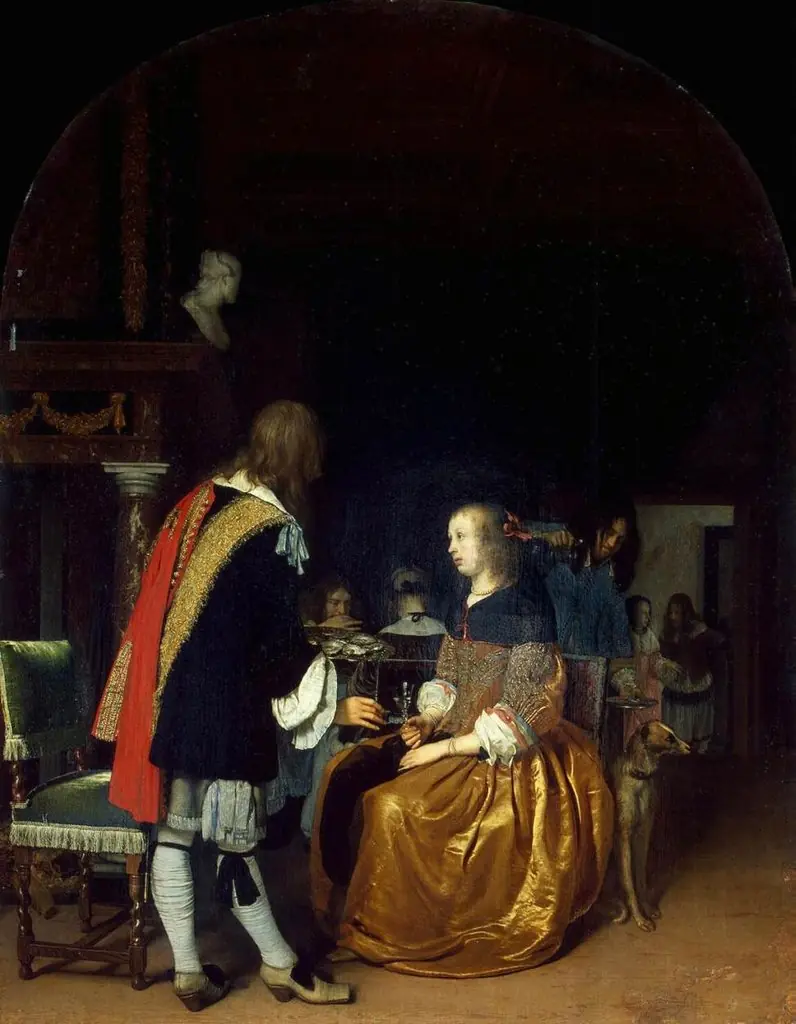
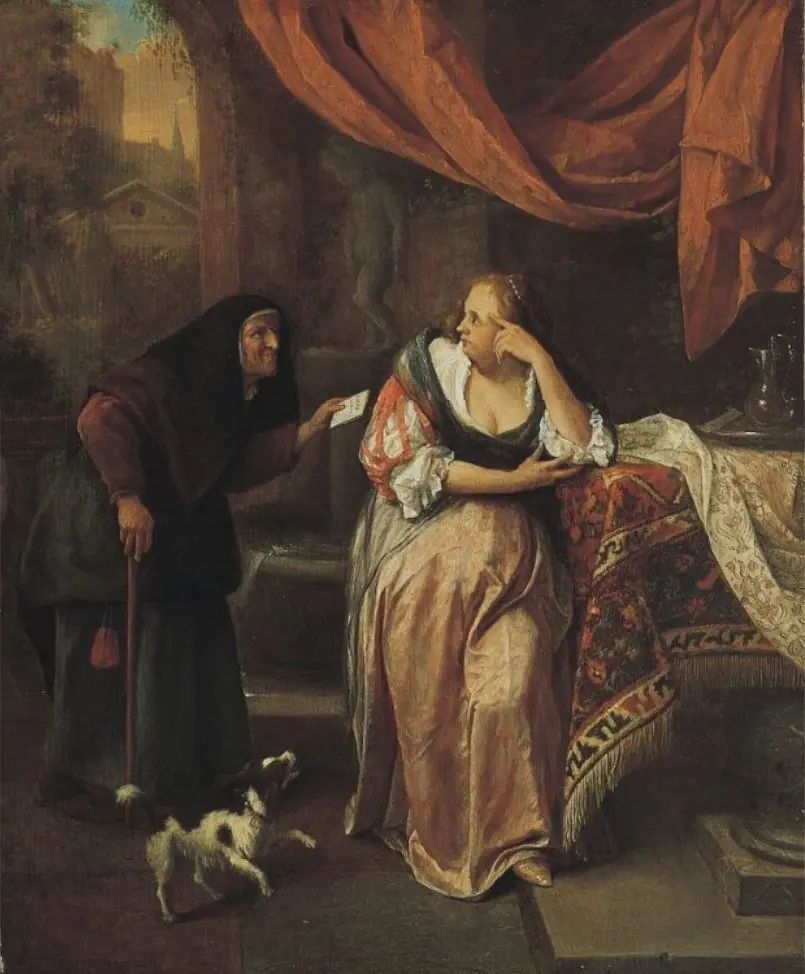
A Woman and a Procuress (Bathsheba) is an oil painting by the Dutch Golden Age artist Frans van Mieris the Elder. It dates from 1671 and is held in the collection of the Staatliche Kunstsammlungen Dresden.
About this work
Overview
Frans van Mieris the Elder, a prominent Leiden painter of the Dutch Golden Age, executed the oil painting *A Woman and a Procuress (Bathsheba)* in 1671. The work belongs to the Gemäldegalerie Alte Meister collection and presents a quiet interior scene that merges a biblical narrative with genre observation.
Subject & Meaning
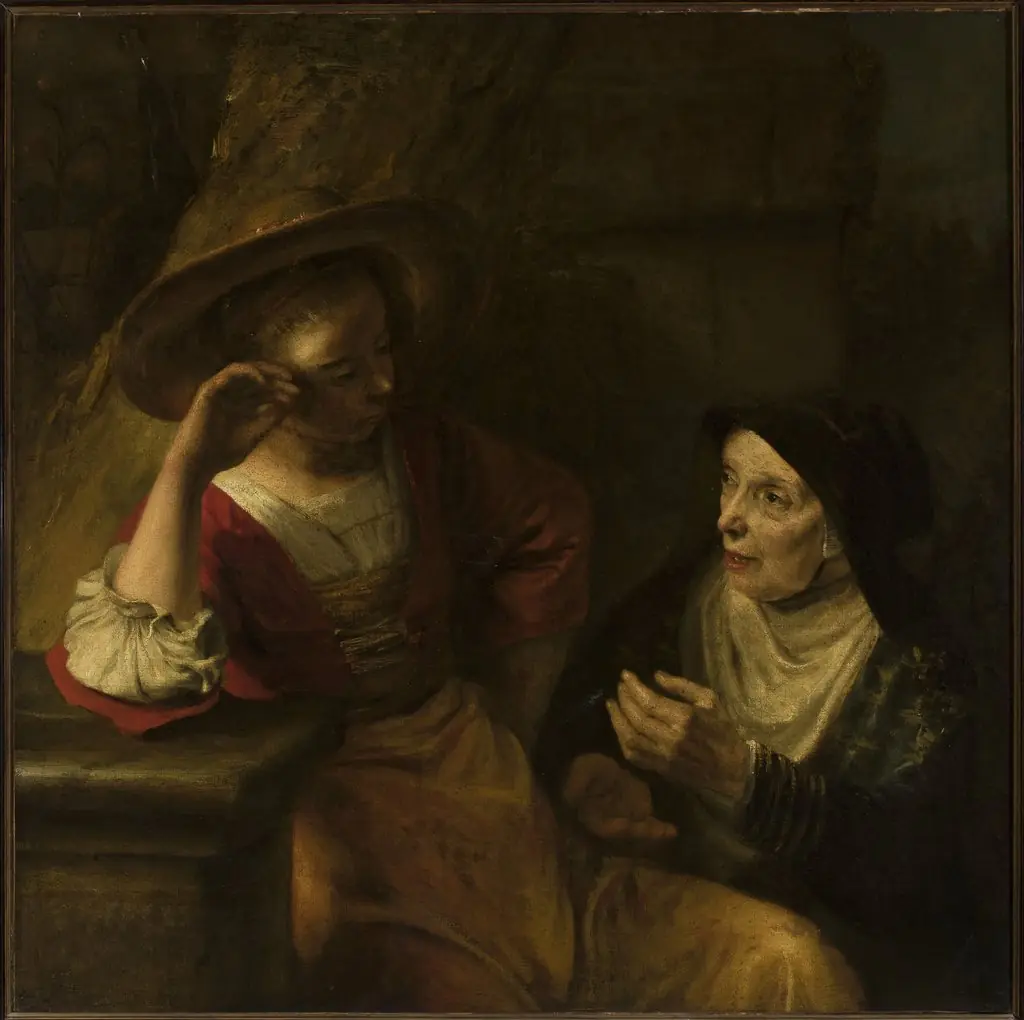
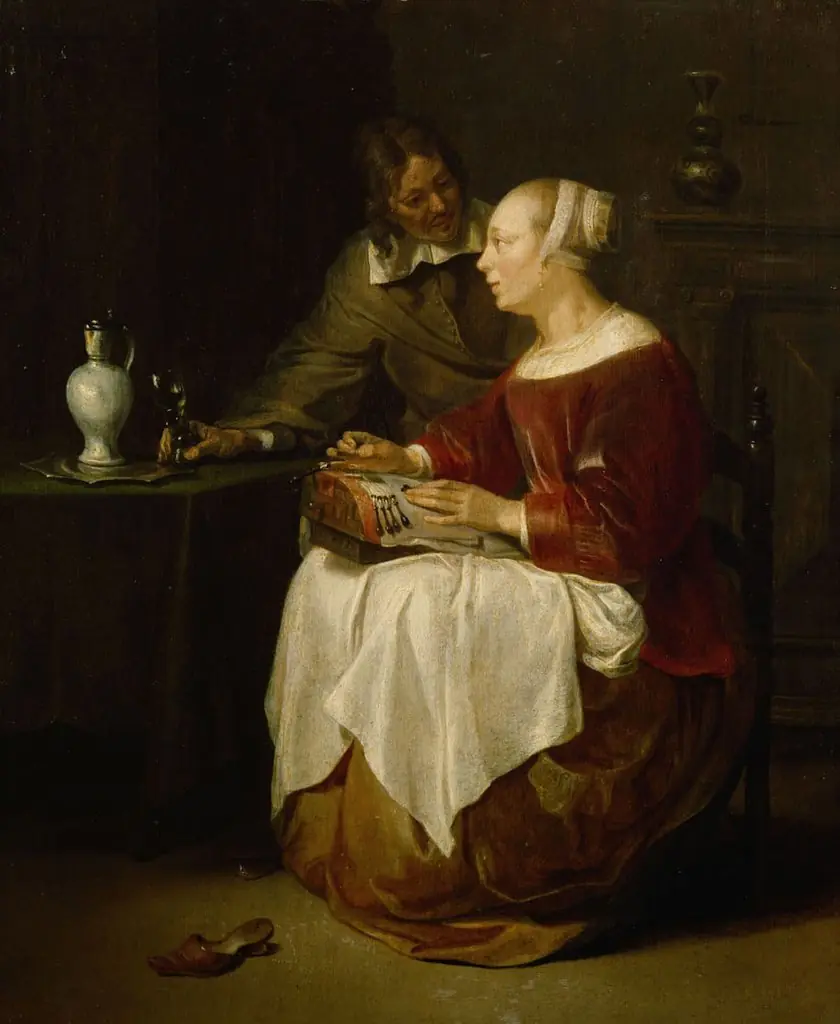
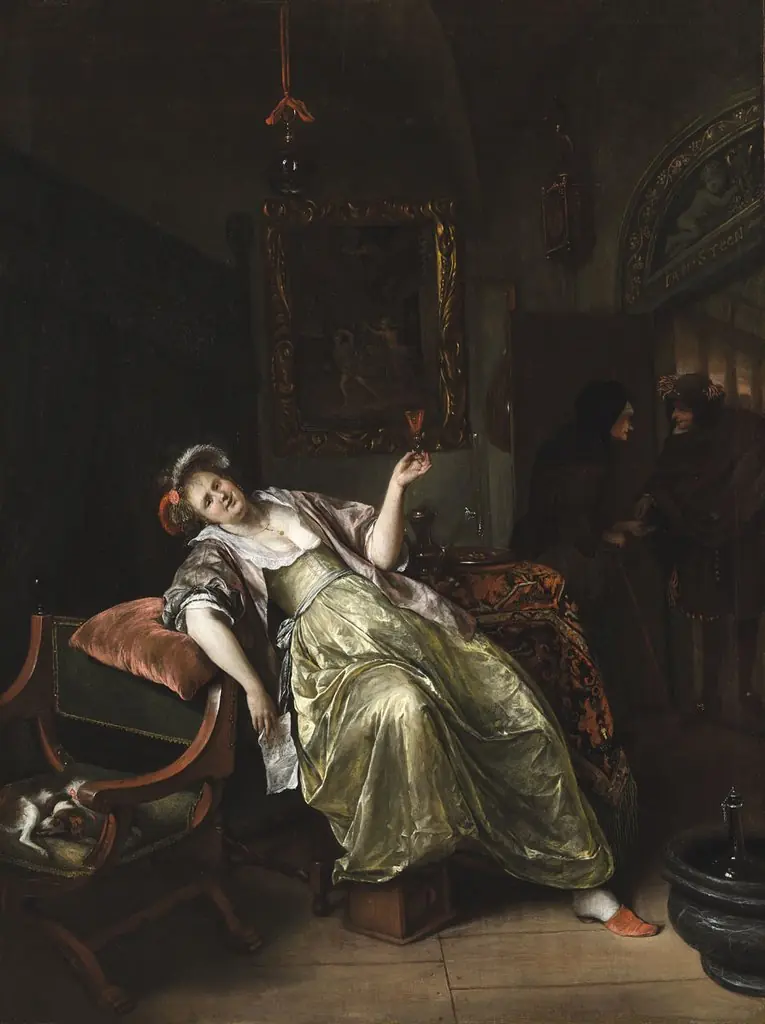
The composition brings together the biblical Bathsheba, a procuress, and a third female figure within a modestly furnished room. While Bathsheba is traditionally associated with the king’s desire, the presence of a procurer suggests a moral commentary on the intersection of virtue, desire, and commercial mediation in everyday life.
Technique & Style
Van Mieris employs a restrained chiaroscuro, allowing the light to illuminate the faces and sumptuous fabrics while the surrounding space recedes into shadow. The orange‑gold gown and the dark cloak are rendered with fine brushwork, highlighting texture and materiality characteristic of the artist’s meticulous genre approach.
History & Provenance
Created toward the end of van Mieris’s career, the painting reflects the family’s established workshop tradition, which included his sons and grandson. After remaining in private hands for several centuries, it entered the Gemäldegalerie Alte Meister, where it has been displayed as part of the museum’s Dutch Golden Age holdings.
Context
The work exemplifies the Leiden school’s focus on intimate domestic scenes that blend narrative and moral instruction. By situating a biblical figure alongside a contemporary procuress, van Mieris aligns with a broader 17th‑century Dutch tendency to reinterpret sacred stories within the framework of everyday social realities.
Artist & collection
Artist
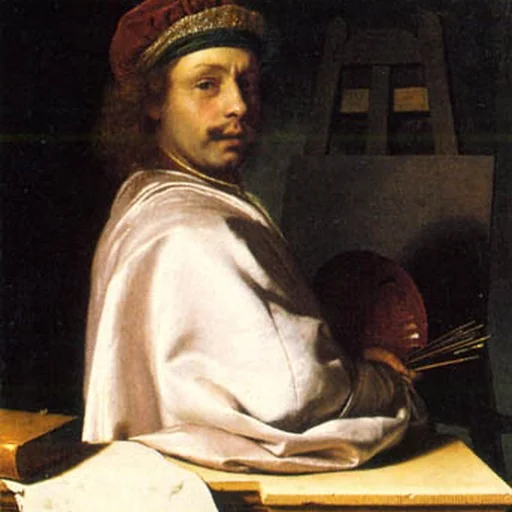
Frans van Mieris the Elder (16 April 1635 – 12 March 1681), was a Dutch Golden Age genre and portrait painter.