Artwork
Jagdbeute
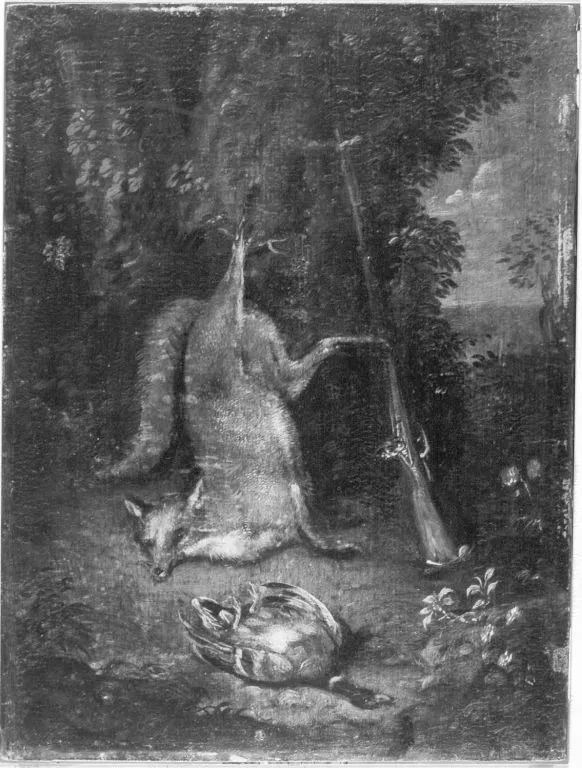
Jagdbeute is an unspecified painting by the Rococo painting artist Franz Anton Grafenstein. It dates from 1748 and is held in the collection of the Bavarian State Painting Collections.
About this work
Overview
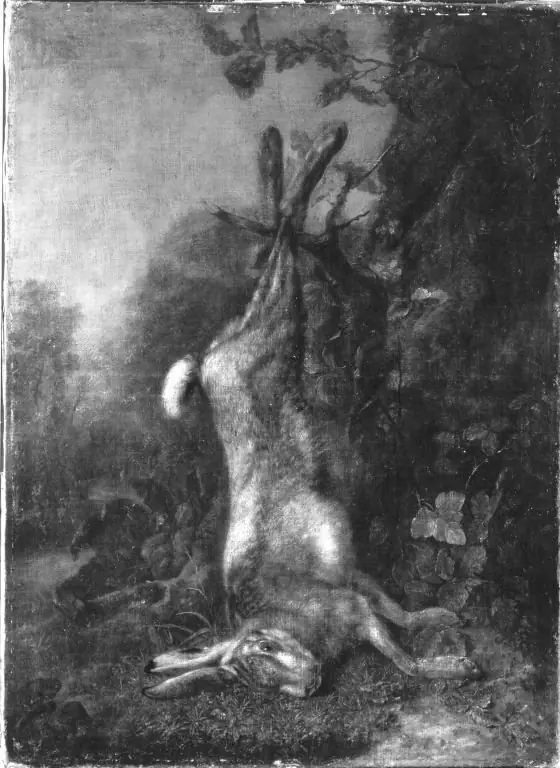
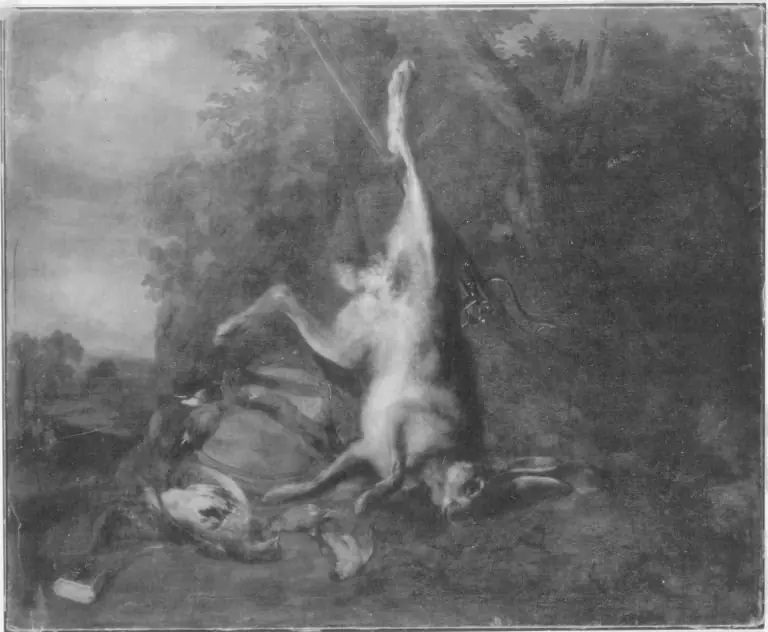
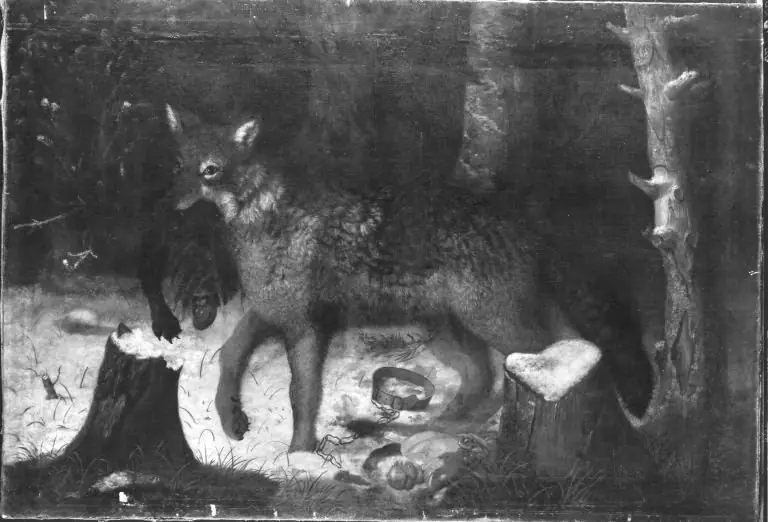
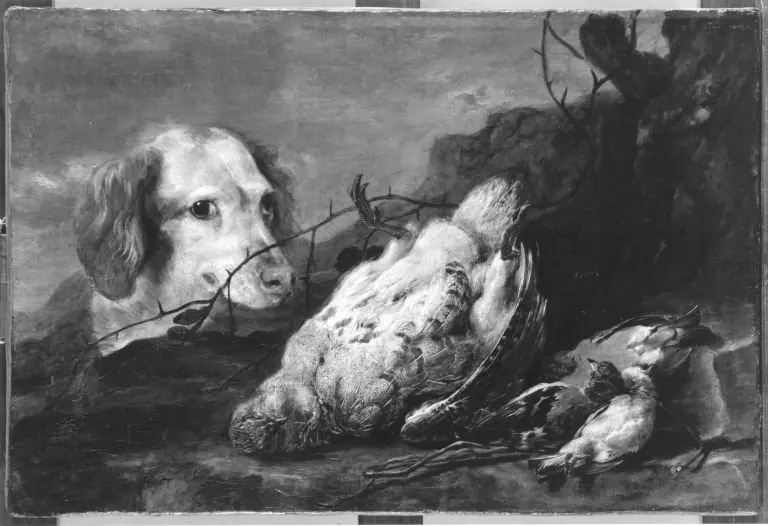
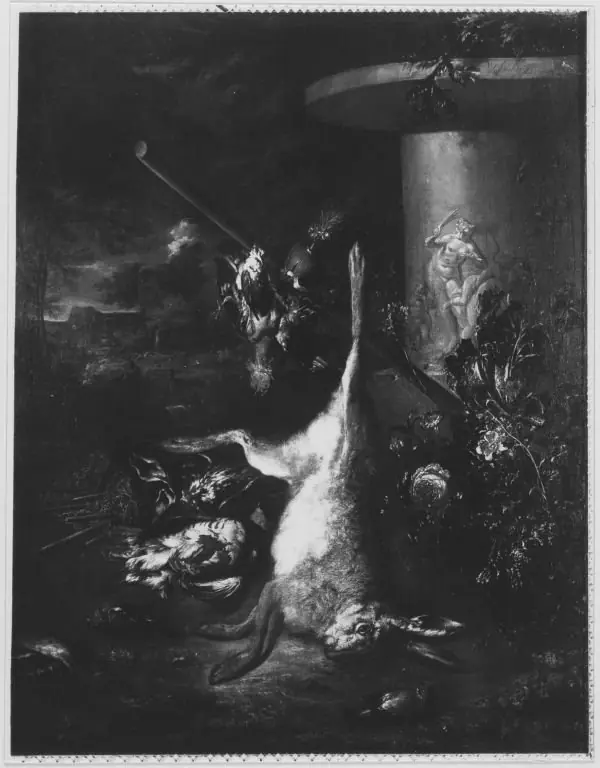
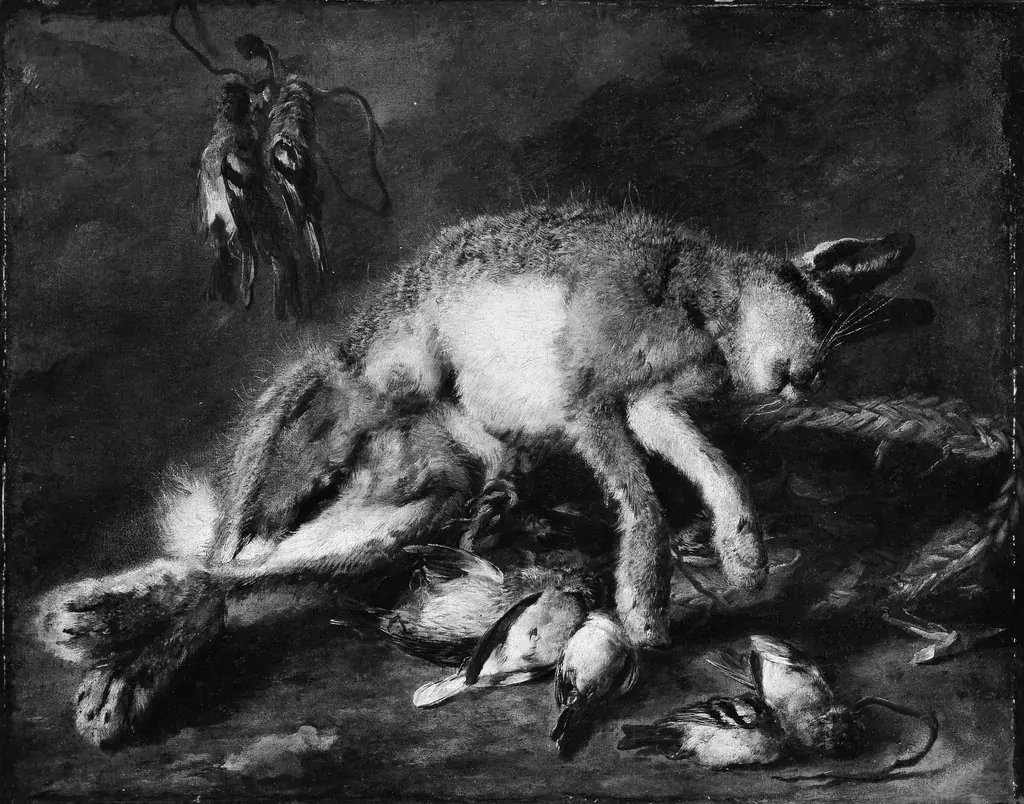
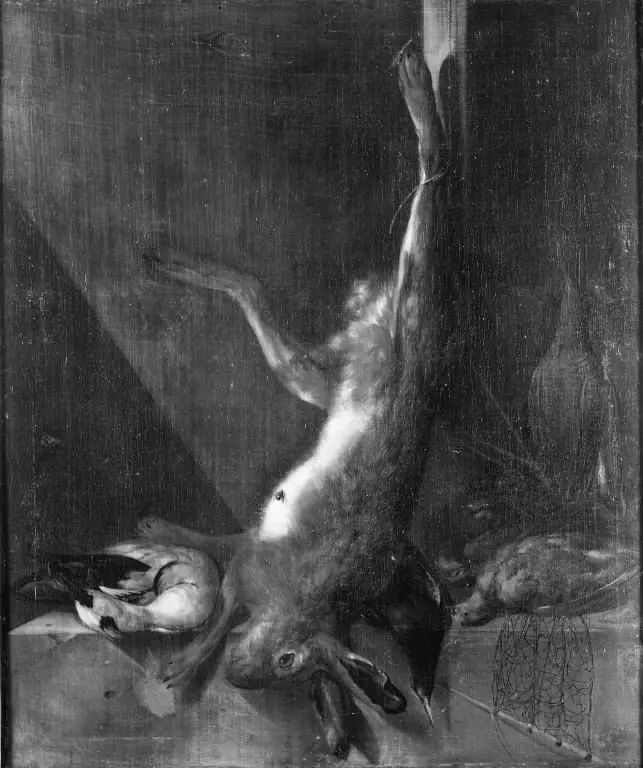
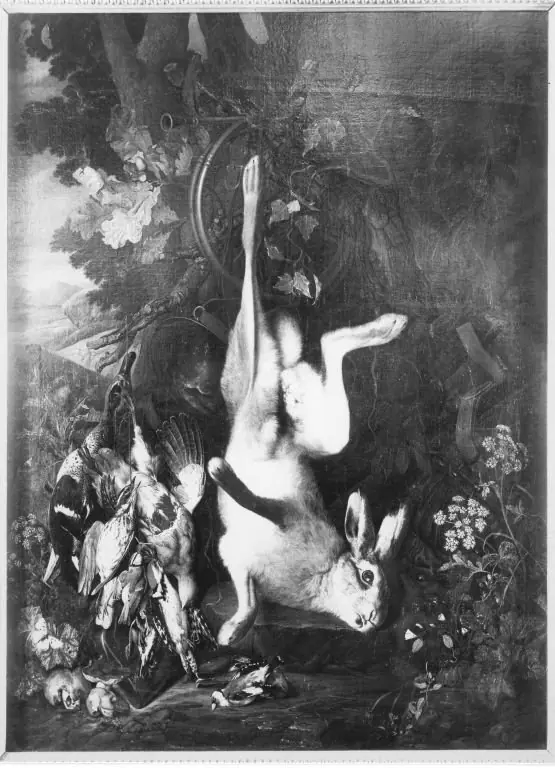
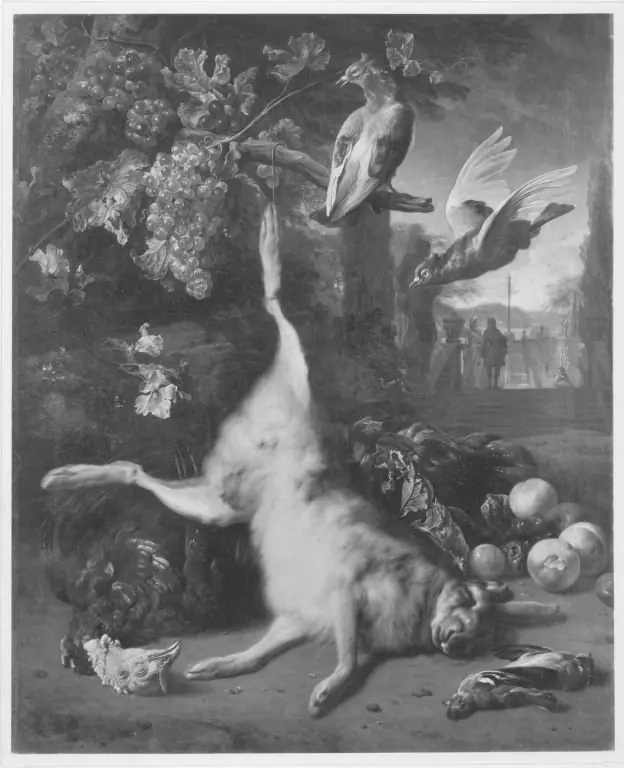
It presents a quiet moment after a hunt, with no human figures present, focusing instead on the aftermath through the arrangement of the fox and pheasant.
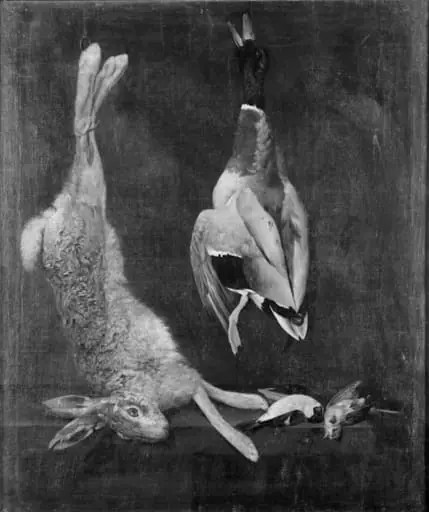
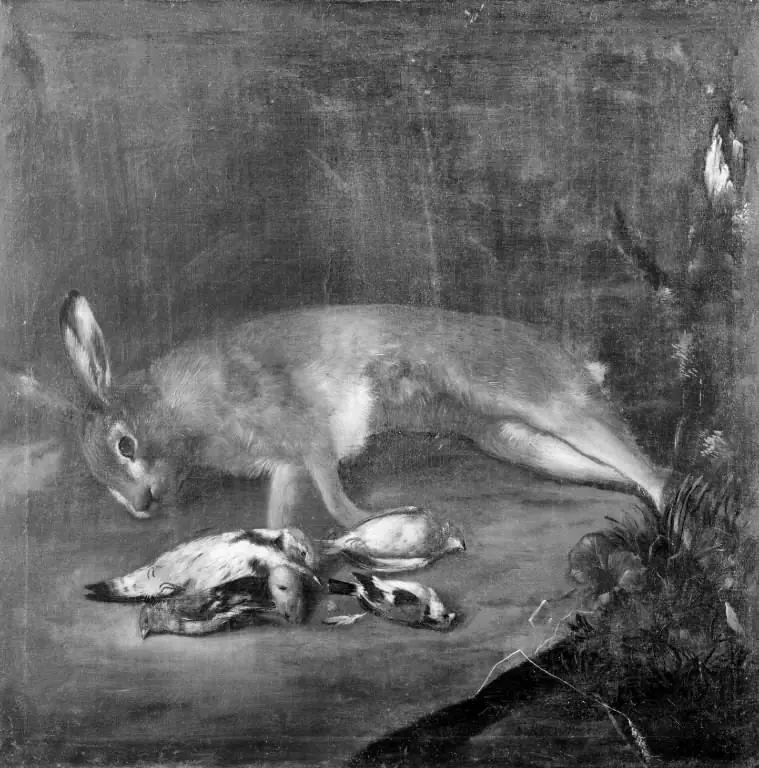
Painted in 1748 by Franz Anton Grafenstein, Jagdbeute is a still-life composition depicting game animals in a forest setting. The work is part of the collection at the Alte Pinakothek in Munich. It presents a quiet moment after a hunt, with no human figures present, focusing instead on the aftermath through the arrangement of the fox and pheasant. The painting reflects 18th-century German interest in naturalistic depictions of wildlife.
Subject & Meaning
The dead fox, lying on its back, and the pheasant, perched nearby with ruffled feathers, suggest a recent hunt. The rifle leaning against a tree implies human presence without showing the hunter, creating a sense of absence. The scene evokes themes of mortality and the quiet aftermath of human intervention in nature. The animals are rendered with attention to their physicality, emphasizing their status as hunted prey rather than symbols of nobility.
Technique & Style
Grafenstein employs chiaroscuro to model the forms of the animals and the forest floor, using sharp contrasts between light and shadow to enhance volume and depth. The dim, muted lighting isolates the subjects against the dark woodland, drawing focus to their textures—fur, feathers, and bark. Brushwork is precise yet restrained, avoiding theatricality in favor of a subdued, observational realism that prioritizes atmospheric tone over narrative drama.
History & Provenance
The painting was completed in 1748 and entered the collection of the Alte Pinakothek in Munich, where it remains today. Its provenance prior to museum acquisition is not widely documented, but its style aligns with regional German hunting still lifes of the mid-18th century. It was likely commissioned by a noble patron interested in natural history or as a decorative piece reflecting aristocratic pastimes.
Context
In mid-18th-century Germany, hunting scenes were popular among the nobility, often serving as both record and celebration of sport. Yet Grafenstein’s work diverges from grandiose depictions of the hunt, opting instead for a contemplative, post-event stillness. This quiet approach reflects a broader shift toward naturalism in regional art, influenced by Dutch still-life traditions and Enlightenment-era interest in observed reality over idealization.
Legacy
Jagdbeute stands as a modest but significant example of German hunting still life from the Baroque period. While not widely reproduced or celebrated in major art historical narratives, it contributes to understanding how regional artists interpreted nature with restraint and psychological nuance. Its enduring presence in the Alte Pinakothek underscores its value as a quiet, observational artifact of 18th-century visual culture.
Artist & collection
Artist