Artwork
Landscape with Saint Peter in the Wilderness
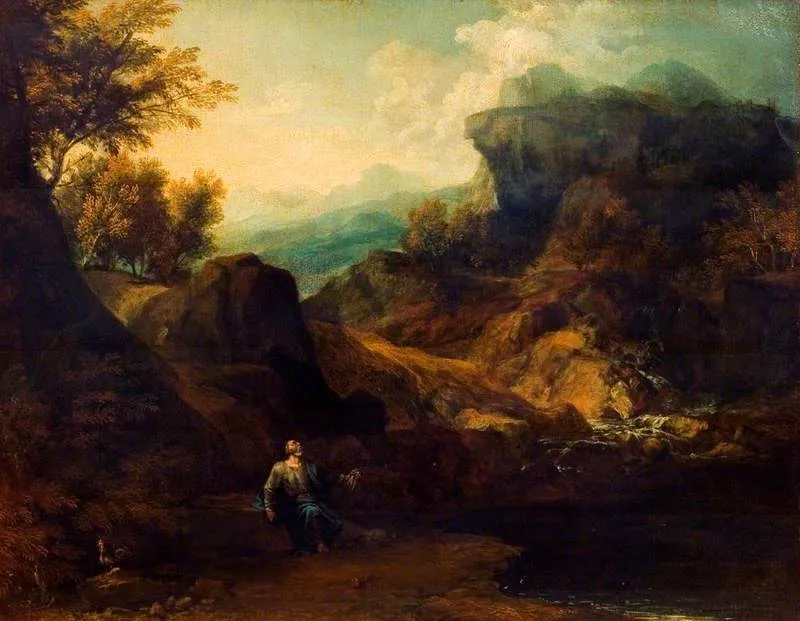
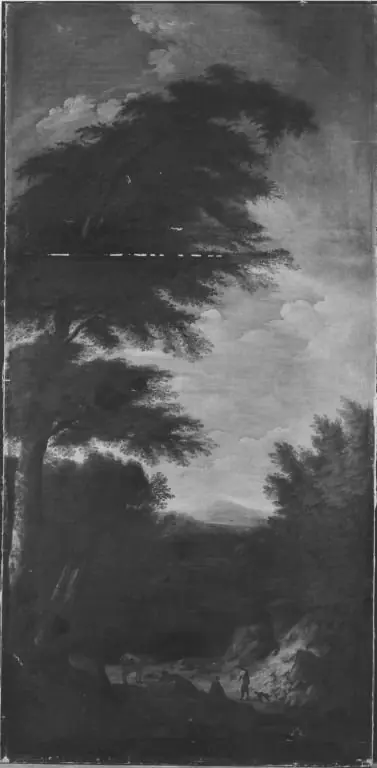
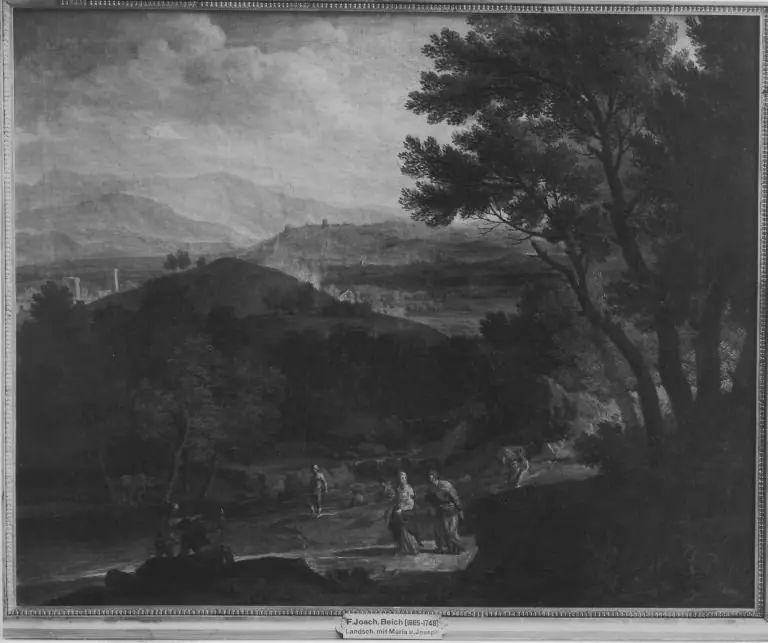
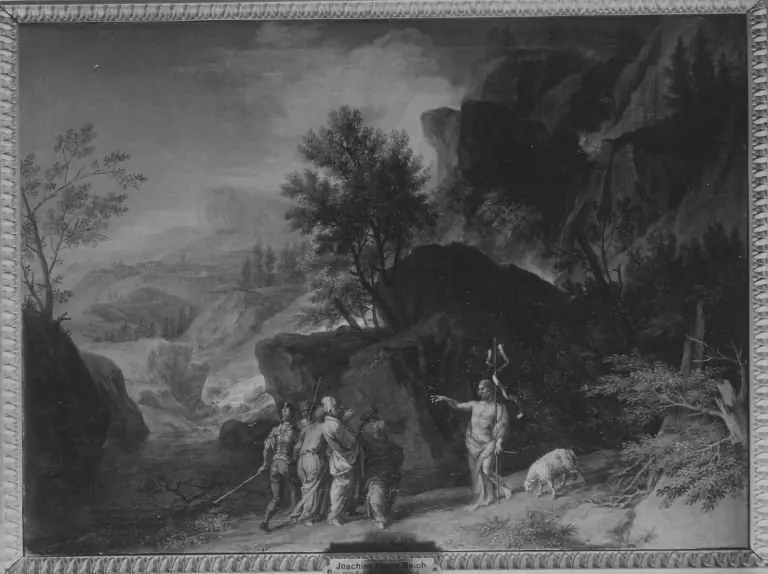
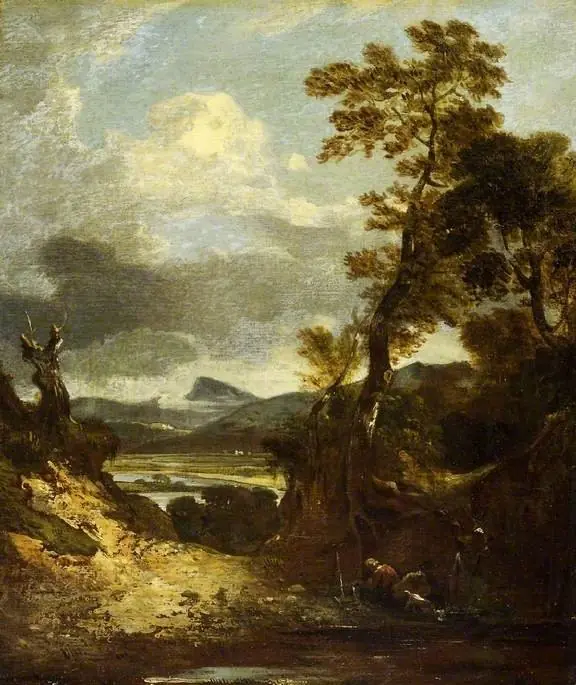
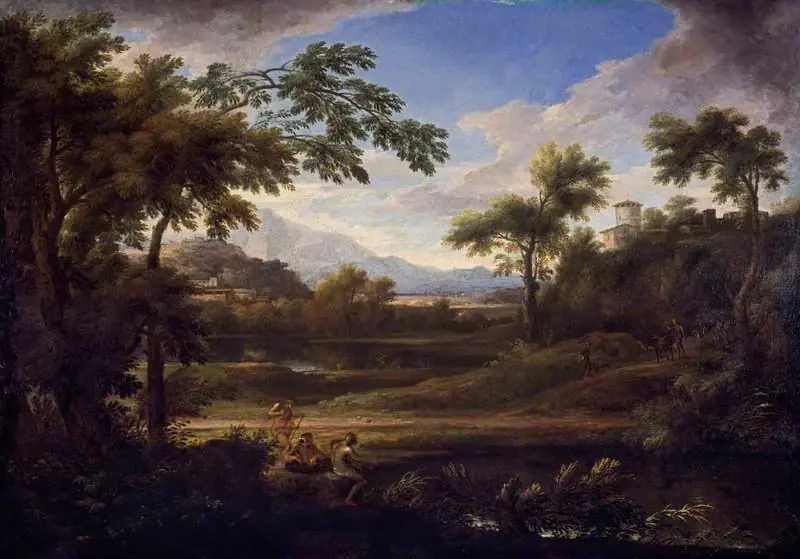
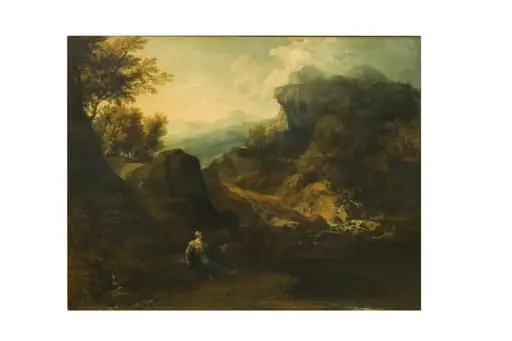
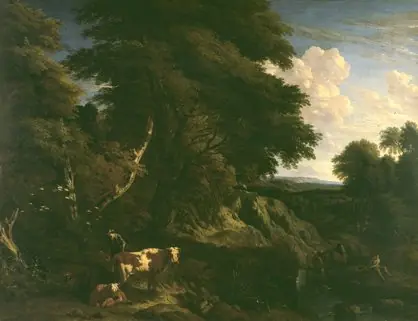
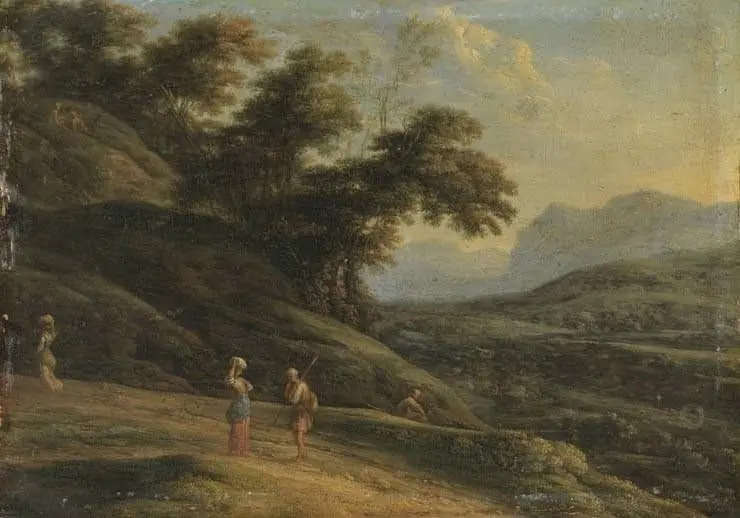
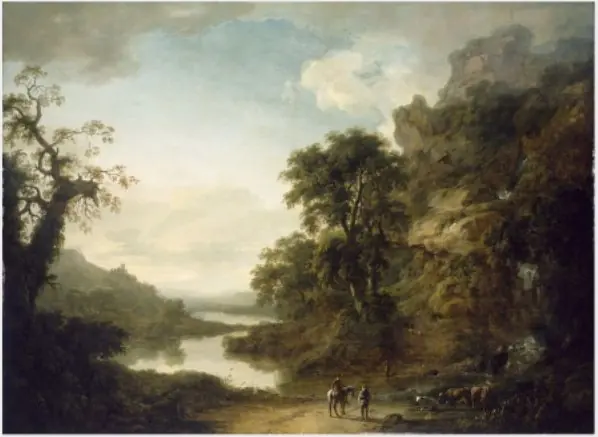
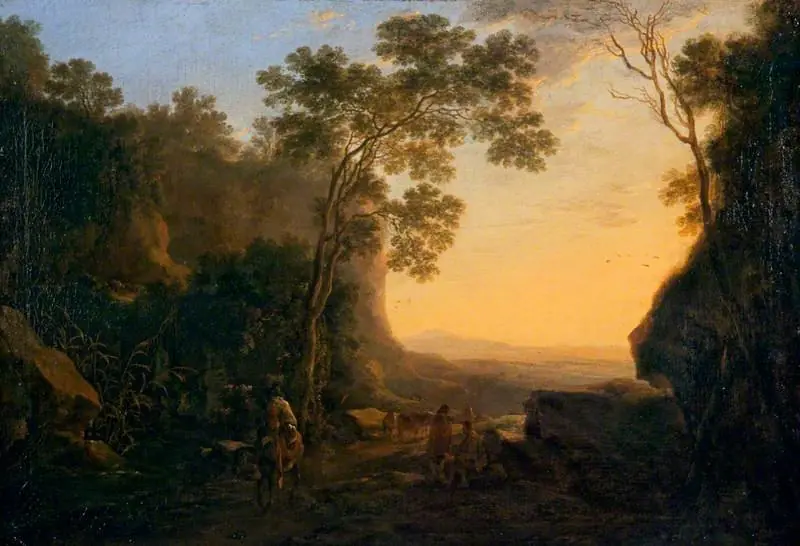
Landscape with Saint Peter in the Wilderness is an oil painting by Franz Joachim Beich. It dates from 1715 and is held in the collection of the Victoria and Albert Museum.
About this work
Overview
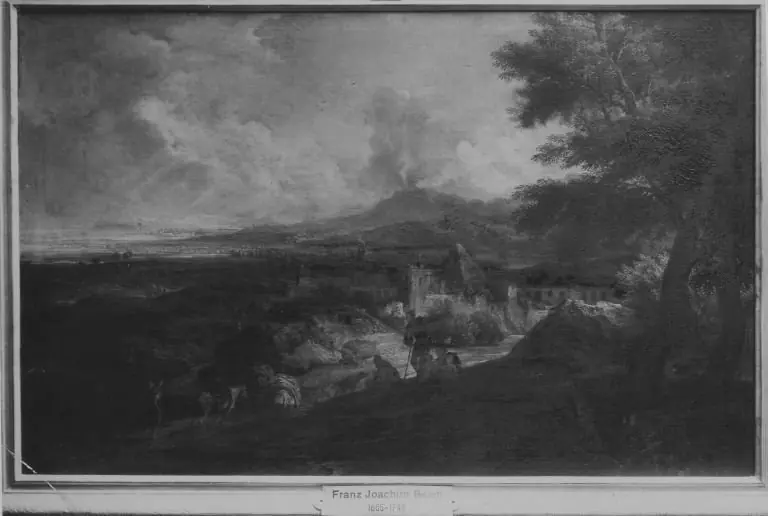
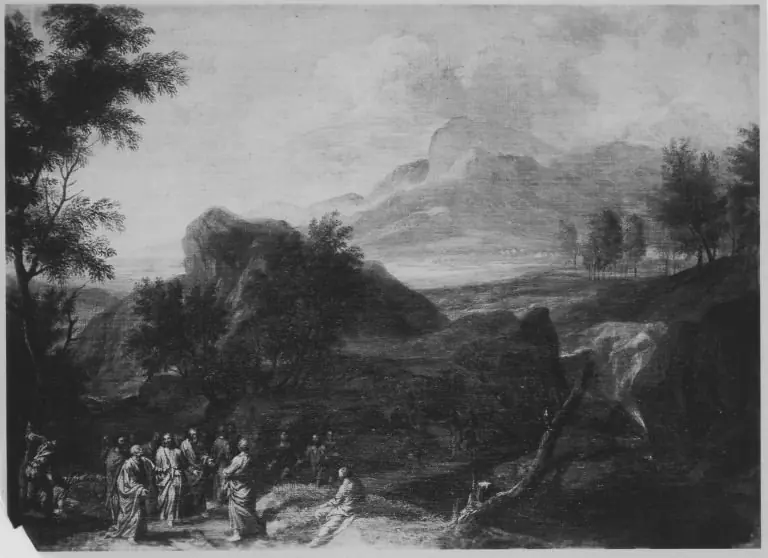
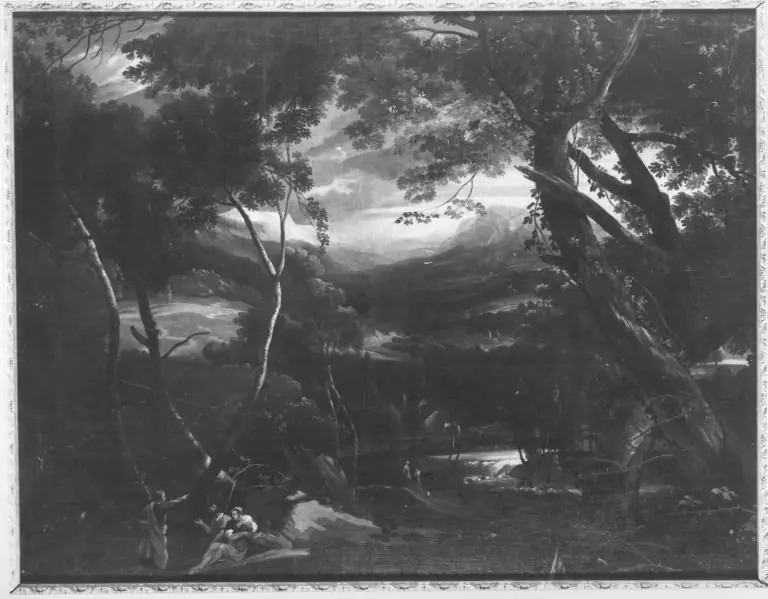
Painted around 1715, this oil-on-canvas work by Franz Joachim Beich presents a solitary figure within a rugged natural setting. It belongs to the collection of the Victoria and Albert Museum in London. The composition blends landscape and religious imagery, characteristic of early 18th-century German artistic traditions that favored contemplative scenes in nature.
Subject & Meaning
Depicted seated on a rocky outcrop, he appears in quiet reflection, suggesting a moment of spiritual solitude.
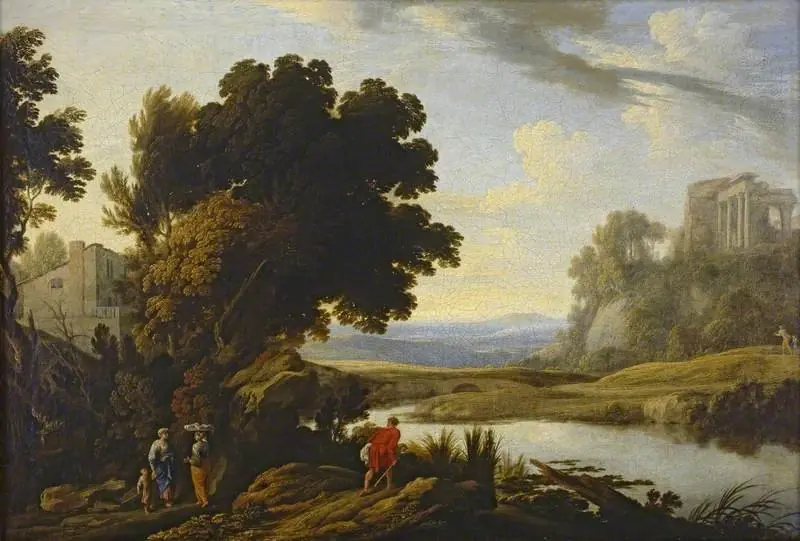
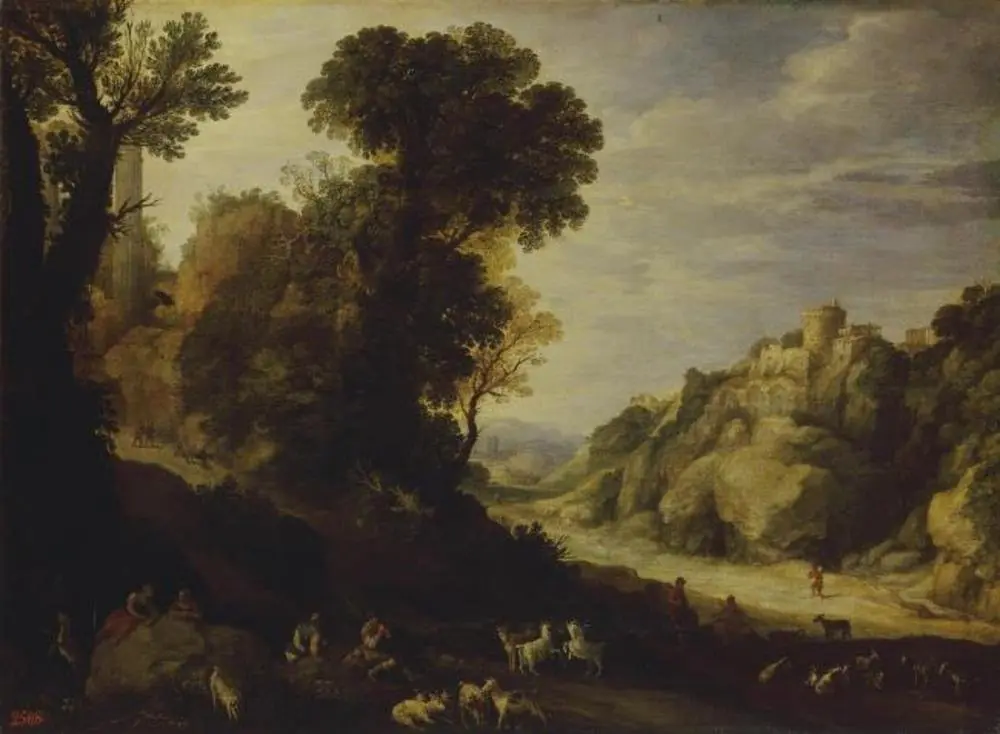
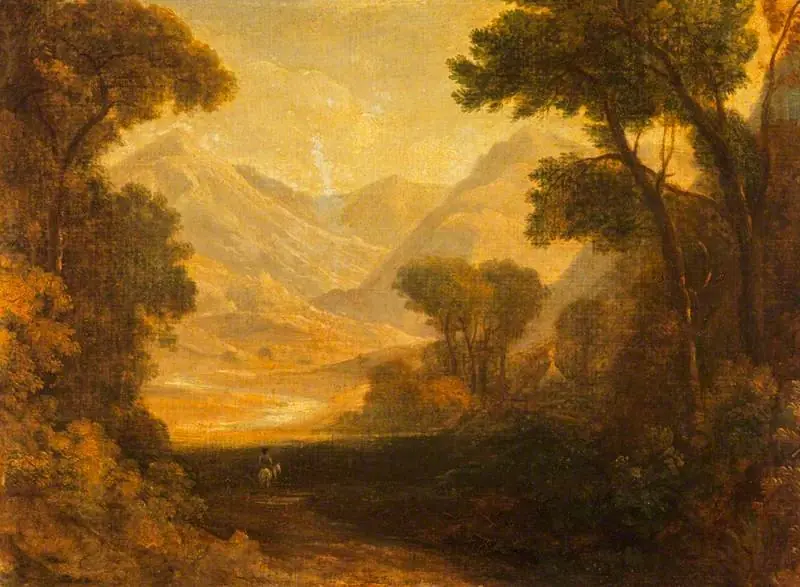
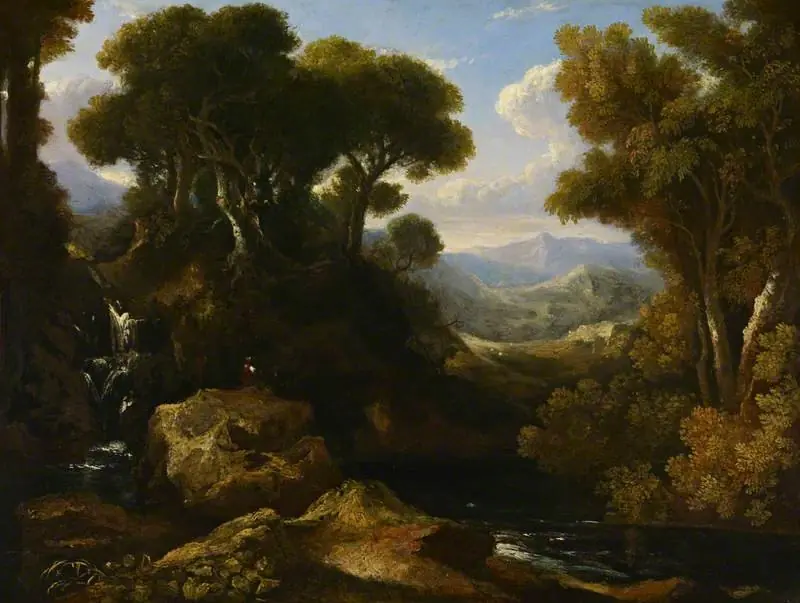
The figure is Saint Peter, identified by his traditional attributes: a long robe and a wooden staff. Depicted seated on a rocky outcrop, he appears in quiet reflection, suggesting a moment of spiritual solitude. The wilderness setting evokes themes of penitence and divine communion, aligning with Christian iconography that associates saints with remote, untamed landscapes as places of inner revelation.
Technique & Style
Beich employs chiaroscuro to model form and space, using sharp contrasts between illuminated rock faces and shadowed recesses to create depth. The brushwork is precise yet restrained, with attention to atmospheric effects in the sky and the texture of foliage. The landscape is rendered with naturalistic detail, though the figure remains slightly stylized, emphasizing symbolic presence over physical realism.
History & Provenance
The painting entered the Victoria and Albert Museum’s collection in the 19th century, likely acquired as part of a broader interest in European Old Master works. Its origin traces to Beich’s time in Germany, where he produced religious and topographical scenes for private patrons. No earlier ownership records are widely documented, but its survival suggests it was valued within collector circles of the early 1700s.
Context
Beich worked during a period when German artists increasingly integrated religious subjects into landscape painting, influenced by Dutch and Flemish precedents. This trend reflected broader devotional practices that encouraged personal meditation through visual imagery. The painting aligns with a genre that sought to merge the sacred with the observable natural world, appealing to both spiritual and aesthetic sensibilities.
Legacy
Though not widely known today, Beich’s work contributes to the understanding of regional German painting in the early 18th century. This piece exemplifies how religious narratives were adapted into quiet, introspective landscapes, offering insight into the devotional culture of the time. It remains a modest but significant example of a transitional style between Baroque grandeur and emerging naturalism.
Artist & collection