Artwork
Untitled
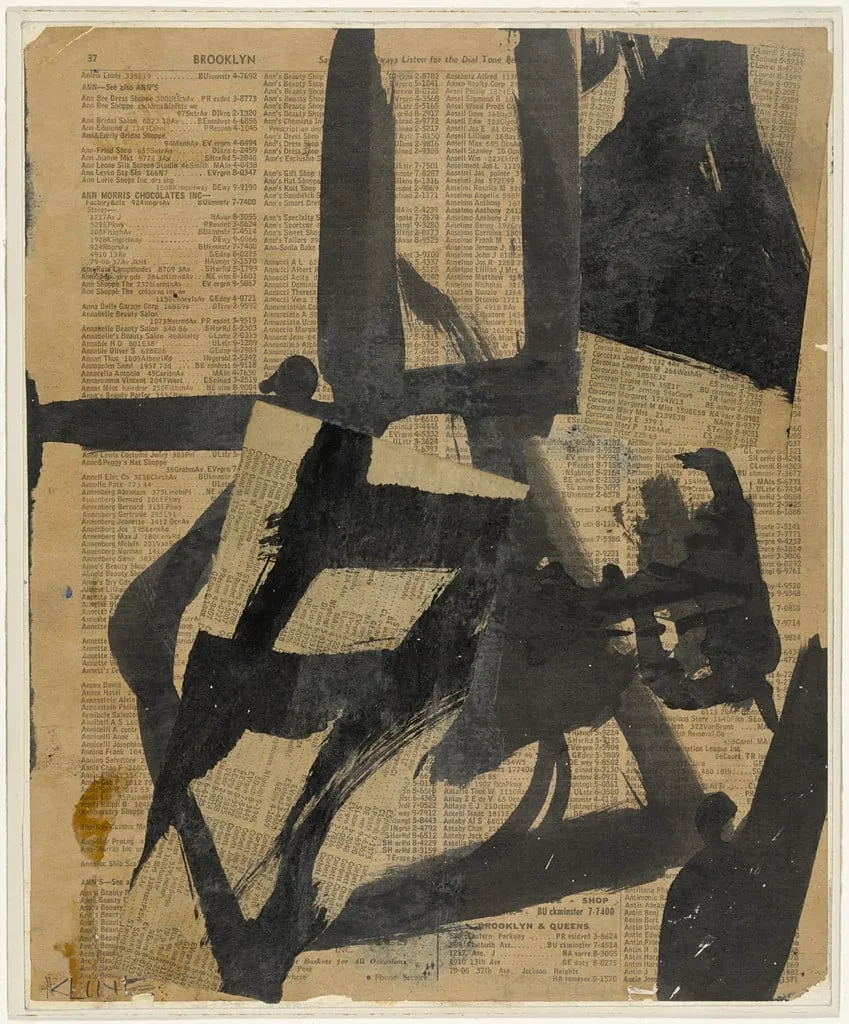
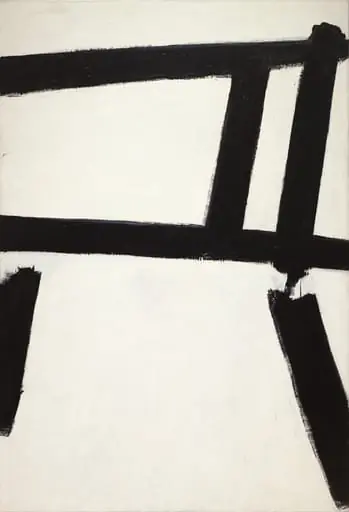
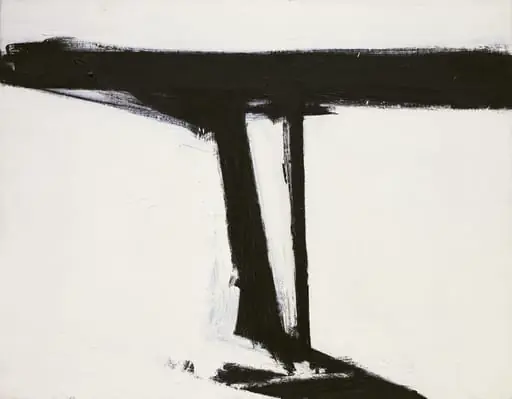
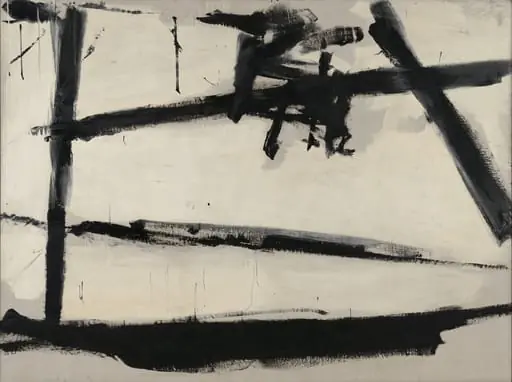
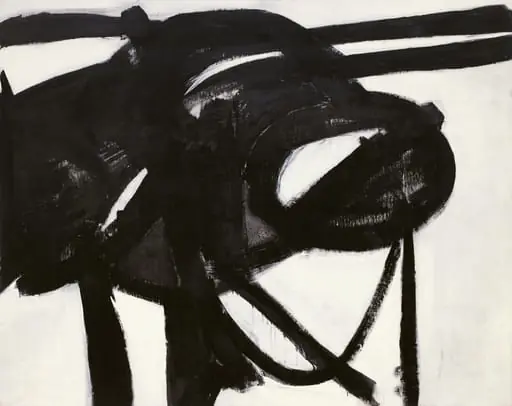
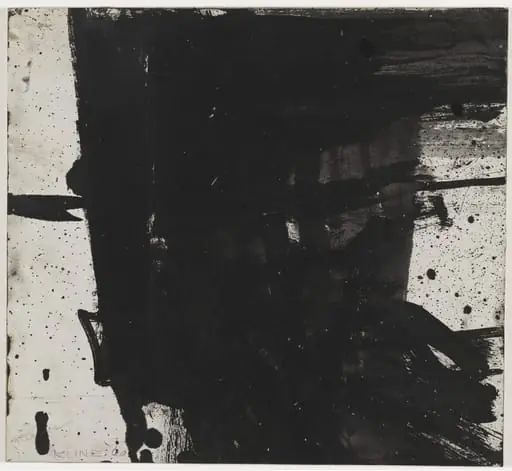
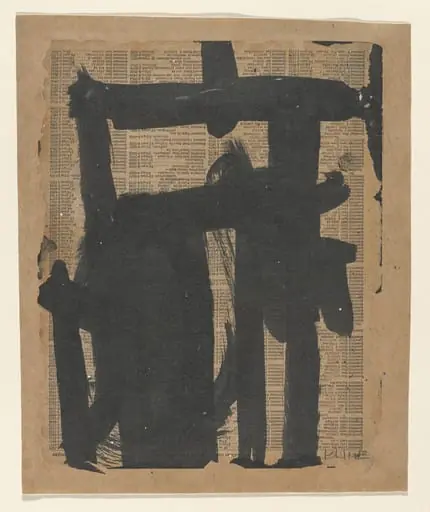
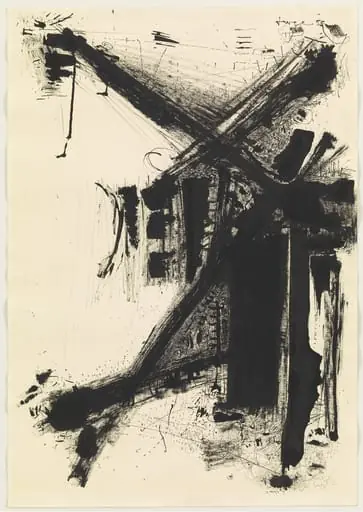
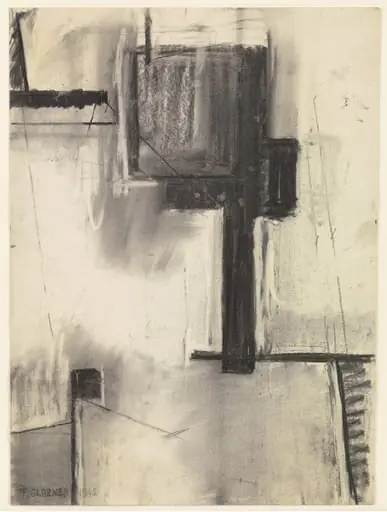
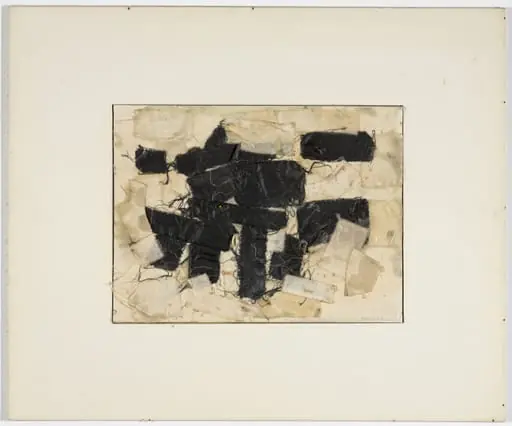
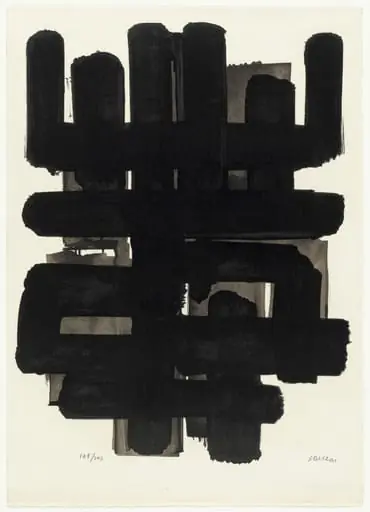
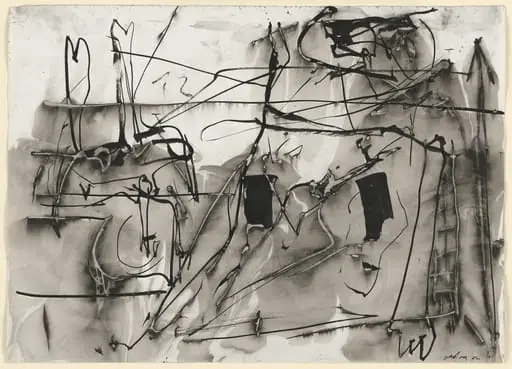
Untitled is an oil drawing by Franz Kline. It dates from 1952 and is held in the collection of the Museum of Modern Art.
About this work
Overview
The result is a layered surface where textual remnants persist beneath aggressive mark-making, blurring the boundary between drawing and collage.
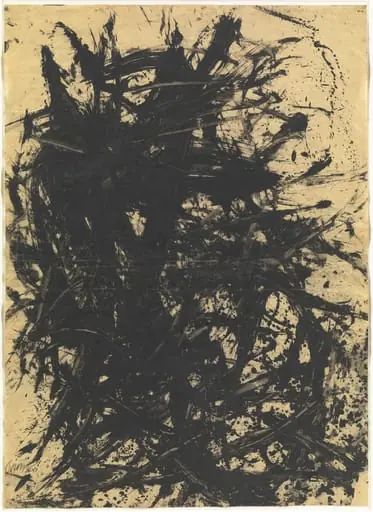
Created around 1952, this work by Franz Kline combines ink and oil on paper fragments that have been cut, layered, and mounted on board. The composition emerges from the physical act of assembling printed material, then overlaying it with vigorous black strokes. The result is a layered surface where textual remnants persist beneath aggressive mark-making, blurring the boundary between drawing and collage.
Subject & Meaning
The work resists narrative or symbolic interpretation. Instead, it emphasizes gesture and material presence. Fragments of printed text remain partially visible, suggesting the detritus of everyday life, but they are subsumed by the dominance of black forms. The piece invites attention to the physicality of creation rather than any representational content, aligning with abstract expressionist concerns of immediacy and presence.
Technique & Style
Kline constructed the base from torn and pasted printed paper, then applied thick, rapid strokes of ink and oil in black. The brushwork is unrefined and forceful, with irregular edges and drips that convey speed and spontaneity. The underlying text is not erased but obscured, creating a tension between legibility and abstraction. The technique prioritizes tactile energy over precision, reflecting a process-driven approach to image-making.
History & Provenance
The work entered the collection of The Museum of Modern Art in the mid-20th century, following Kline’s rise within the New York School. It reflects a period when artists were redefining drawing through unconventional materials and direct application. Though not among his most widely exhibited pieces, it exemplifies his experimentation with surface and scale during the early 1950s, a time of intense formal exploration.
Context
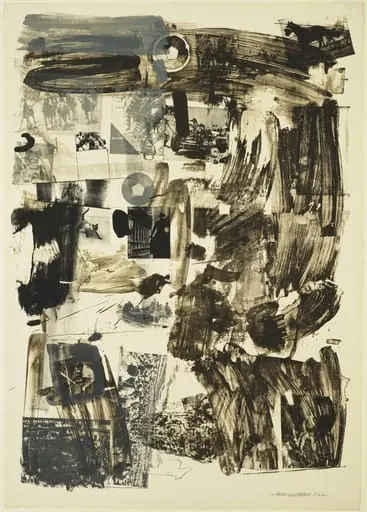
Emerging alongside Abstract Expressionism, Kline’s work responded to a broader shift away from figurative representation. His use of found printed material echoed contemporaries like Robert Rauschenberg, yet his focus remained on monochrome gesture rather than collage narrative. The work reflects postwar American art’s preoccupation with authenticity, materiality, and the artist’s physical engagement with the surface.
Legacy
This piece contributes to Kline’s reputation for transforming mundane materials into powerful abstract compositions. Its raw, unmediated quality influenced later generations interested in process-based art and the aesthetic of the unfinished. Though not a singular breakthrough, it remains a quiet testament to his commitment to reducing form to essential gesture, reinforcing the value of immediacy in postwar abstraction.
Artist & collection

Artist
Franz Kline was an American painter. He is associated with the Abstract Expressionist movement of the 1940s and 1950s. Kline, along with other action painters like Jackson Pollock, Willem de Kooning, Robert Motherwell,…