Artwork
Der kleine Patient
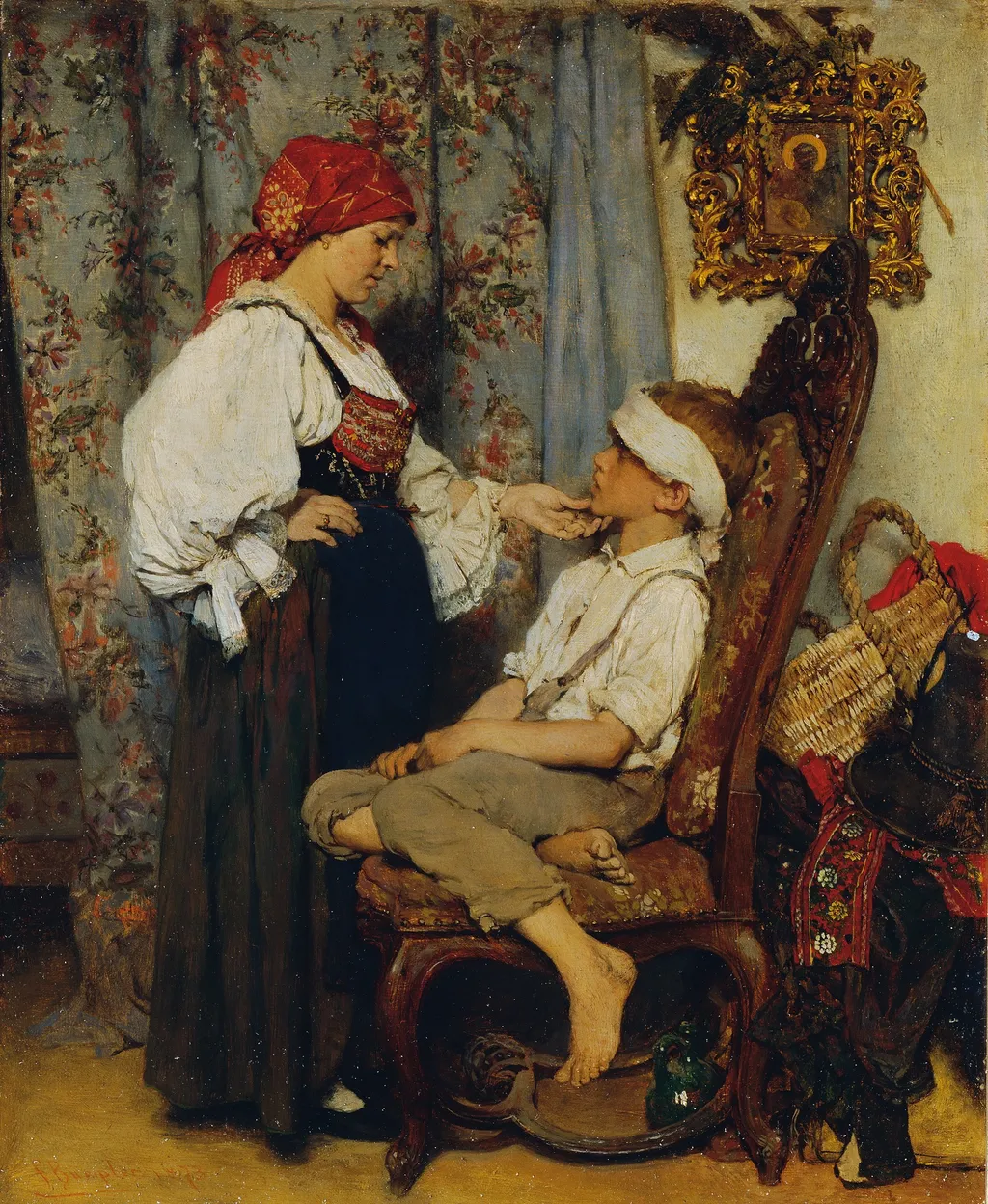
Der kleine Patient is an oil painting by the Realist artist Franz Rumpler. It dates from 1873 and is held in the collection of the Kunsthistorisches Museum.
About this work
Overview
Its composition centers on an intimate exchange between a woman and a young boy, inviting close observation of their gestures and surroundings.
Franz Rumpler’s 1873 oil painting, titled Der kleine Patient, is part of the collection of Vienna’s Kunsthistorisches Museum. Executed in the late nineteenth‑century Austrian realist tradition, the work measures a modest size and presents a domestic interior illuminated by subtle light. Its composition centers on an intimate exchange between a woman and a young boy, inviting close observation of their gestures and surroundings.
Subject & Meaning
The canvas shows a woman in a red headscarf and white blouse, her hand gently resting on the cheek of a barefoot child seated on a chair. The boy’s head is wrapped in a bandage, suggesting recent injury or illness. The tender contact and the careful positioning of the figures convey a mood of nurturing care, hinting at themes of maternal concern and the fragility of youth.
Technique & Style
Rumpler employs chiaroscuro to model the figures, allowing light to fall on the faces while deeper shadows recede into the background. Thin layers of glaze build a warm tonal harmony, especially in the flesh tones and the rich reds of the scarf. The floral curtains and the small framed picture on the wall are rendered with fine brushwork, adding depth and a sense of lived space to the scene.
History & Provenance
Created in 1873, Der kleine Patient entered the holdings of the Kunsthistorisches Museum, where it remains on display. The painting reflects Rumpler’s early career focus on genre scenes that portray everyday moments with psychological nuance. Its acquisition by the museum aligns with the institution’s 19th‑century efforts to assemble representative works of Austrian academic painting.
Context
During the 1870s, Austrian art was navigating between academic conventions and emerging realist tendencies. Rumpler’s work exemplifies this transition, combining meticulous draftsmanship with an empathetic portrayal of ordinary life. The domestic interior, a common motif of the period, serves as a stage for exploring personal narratives within a broader social framework of family and health.
Own this work as a print
Artist & collection

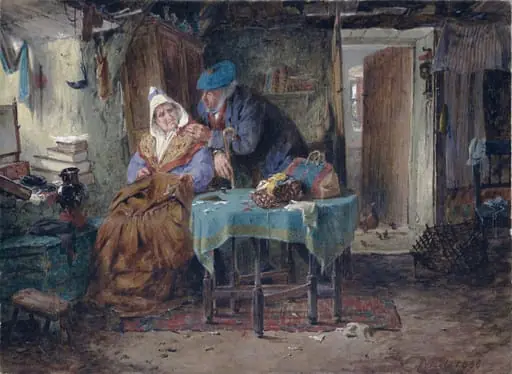 Clout the Auld, the New are Dear
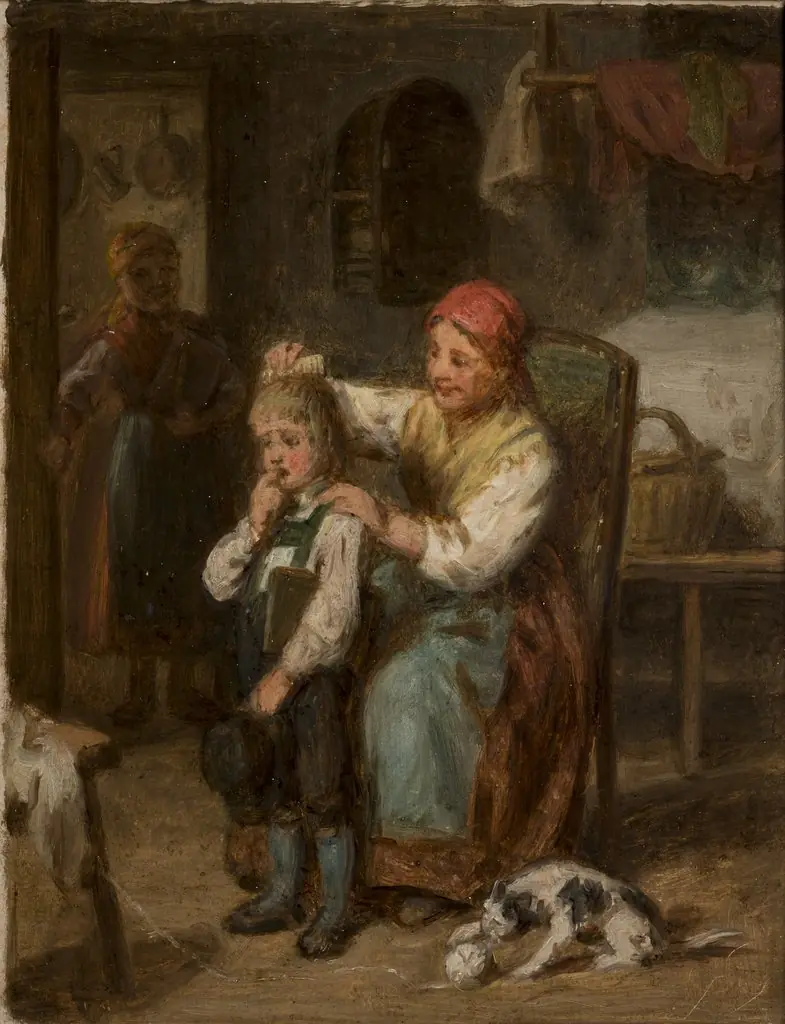 Preparation for School
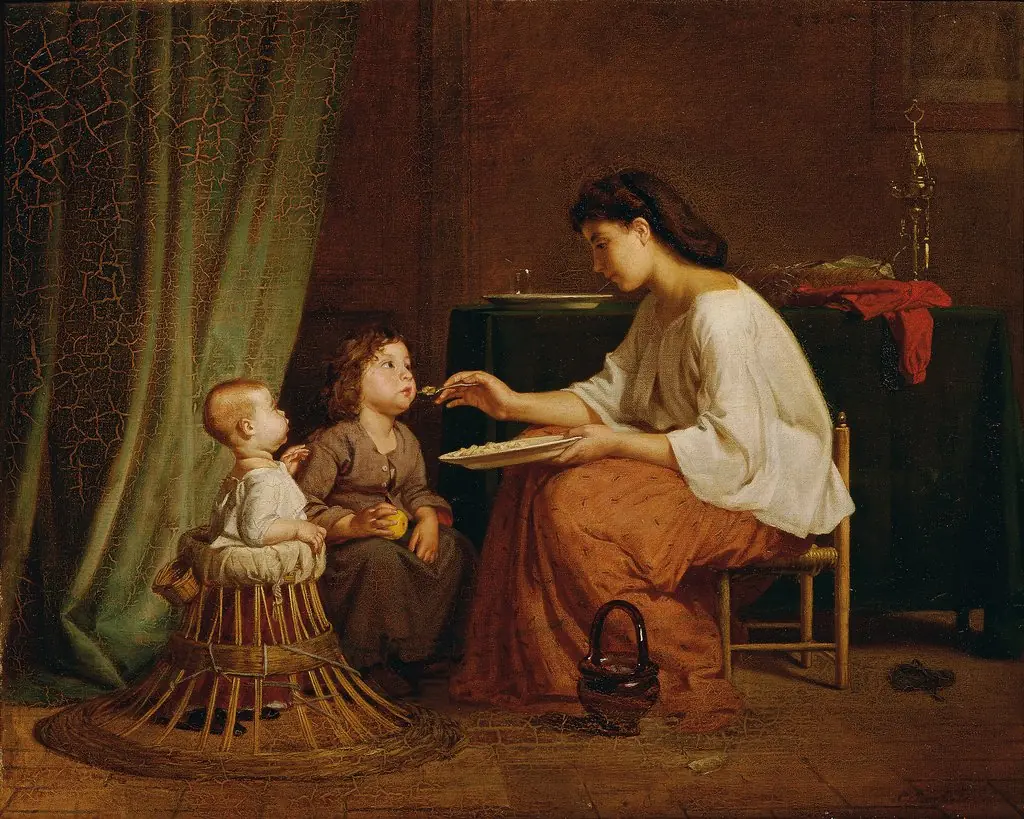 Sorgsame Schwester
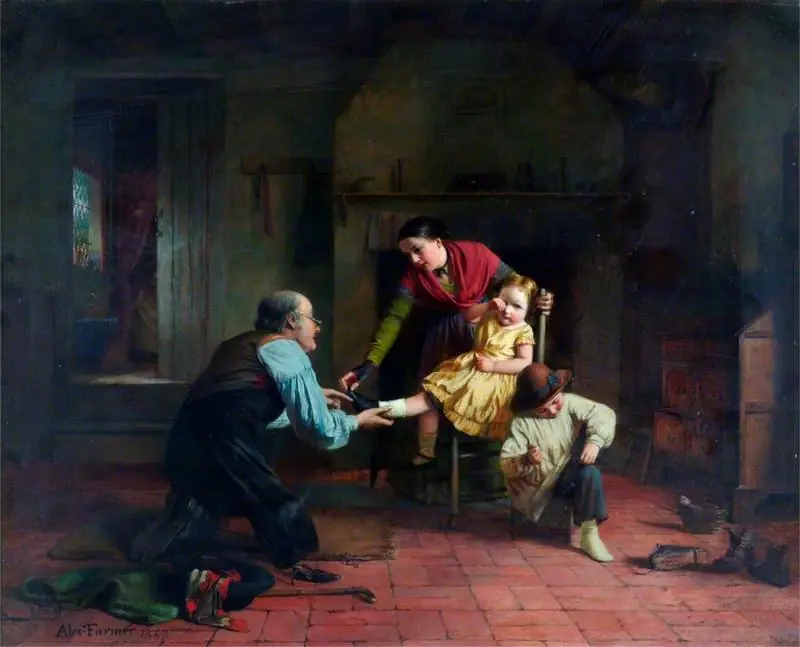 No One Knows Where the Shoe Pinches But Him Who Wears It
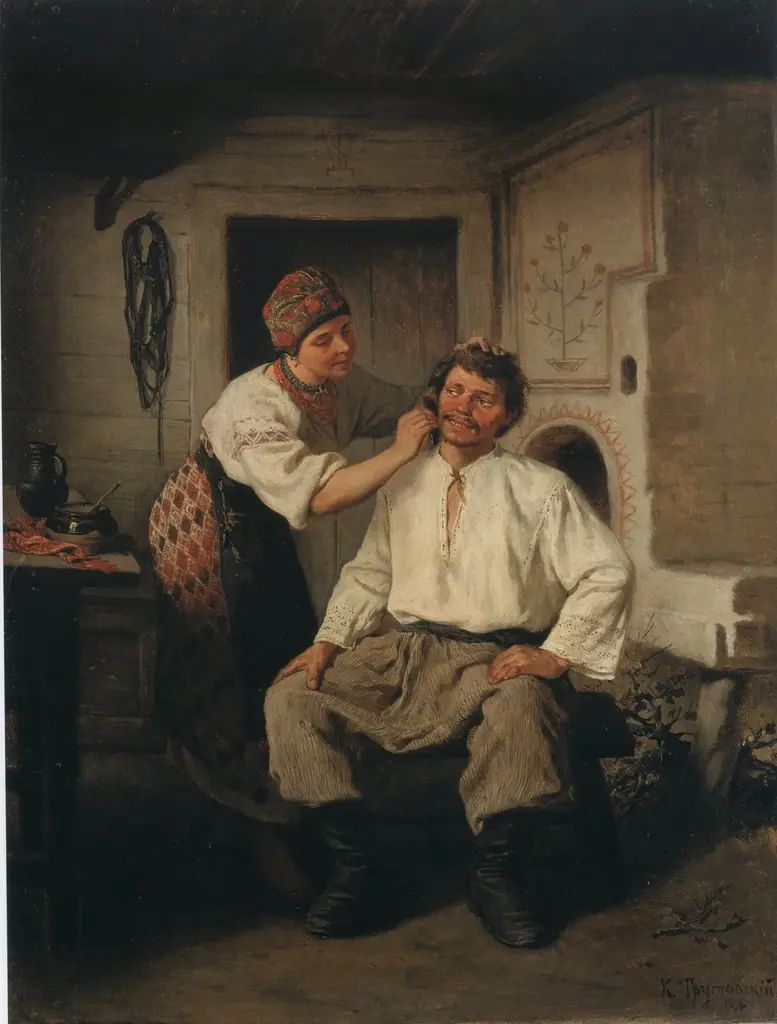 Жанровая сцена
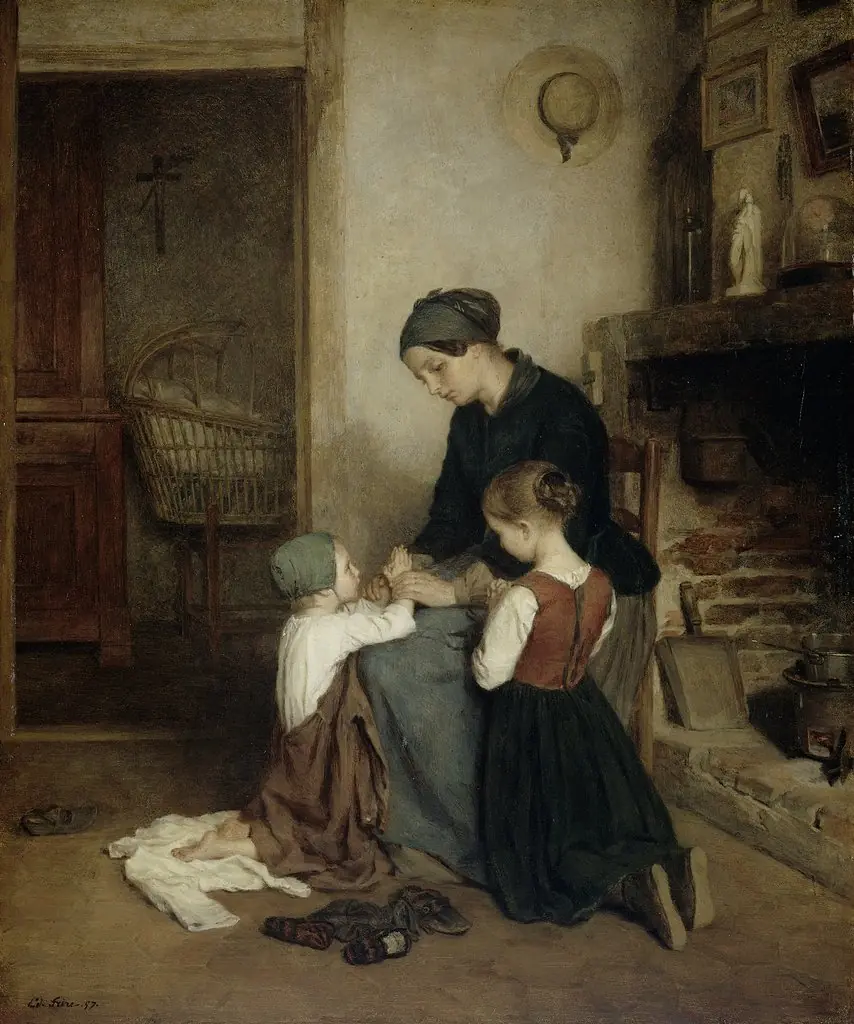 The Evening Prayer
 Kinkeripäivän aamuna
 The Fisherman's Children
 The Storyteller
 Young peasant woman rocking an infant in its cradle
 Lulled to Sleep
 Queen Blanche de Namur