Artwork
Portrait of Zdzisław Zamoyski
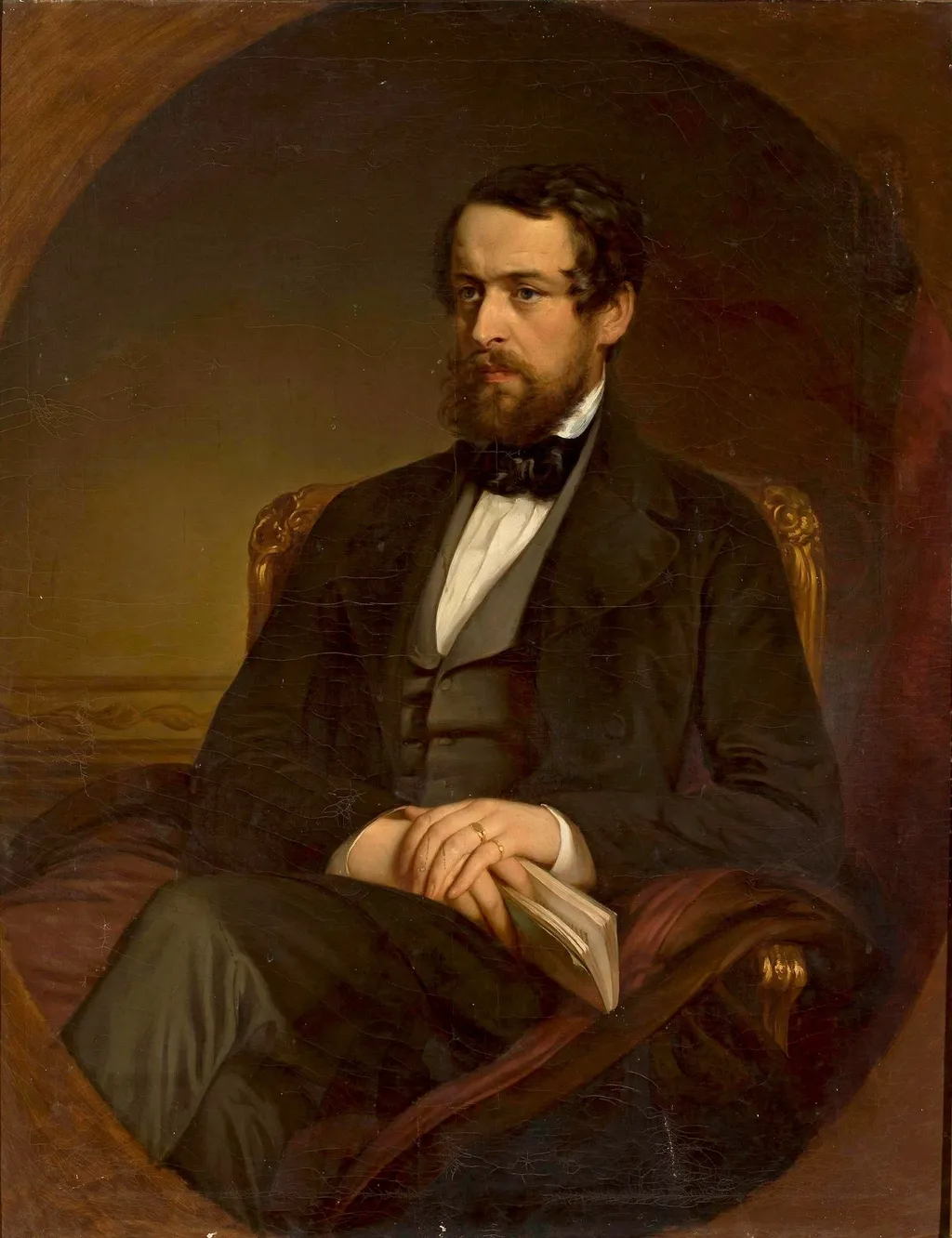
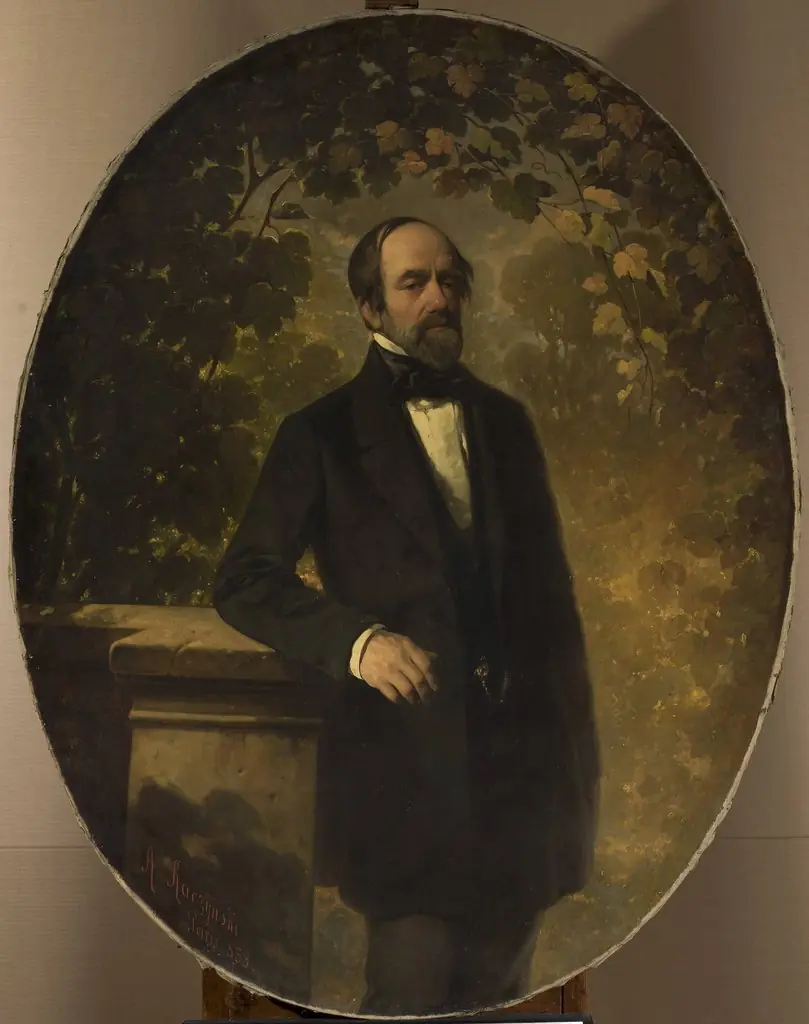
Portrait of Zdzisław Zamoyski is an oil painting by the Biedermeier artist Franz Schrotzberg. It dates from 1850 and is held in the collection of the National Museum in Warsaw.
About this work
The man's gaze is directed slightly to the left, and he appears to be holding a book or papers in his hands.
This painting features a man seated in a chair, dressed in formal attire. He wears a black jacket over a white shirt and a dark bow tie, with his hands resting on his lap. The background is a warm, dark brown color.
The man's gaze is directed slightly to the left, and he appears to be holding a book or papers in his hands. His attire and the style of the painting suggest a formal portrait from the 19th century.
To learn more about the artist behind this work, look up Franz Schrotzberg.
Overview
Franz Schrotzberg’s oil portrait of Zdzisław Zamoyski dates from around 1850 and is part of the collection of the National Museum in Warsaw. The work presents the Polish nobleman seated in a chair, dressed in a black jacket, white shirt and dark bow tie, against a warm, dark‑brown backdrop. The composition reflects the conventions of mid‑nineteenth‑century formal portraiture.
Subject & Meaning
The sitter, Zdziszław Zamoyski, is depicted with a composed demeanor, his gaze turned slightly to the left. His hands rest on his lap, seemingly holding a book or documents, suggesting an emphasis on education or official duties. The attire and pose convey status and propriety typical of aristocratic portraiture of the period.
Technique & Style
Executed in oil on canvas, Schrotzberg employs a restrained palette of deep browns, blacks and whites, allowing the figure’s clothing to stand out. The brushwork is smooth, rendering the fabrics and facial features with a realistic clarity. The background’s muted tone serves to focus attention on the sitter while providing subtle depth.
History & Provenance
Created circa 1850, the portrait entered the holdings of Warsaw’s National Museum, where it remains on display. Its acquisition reflects the museum’s effort to preserve works by Austrian‑born artists who were active in Central Europe and to represent Polish aristocratic portraiture of the era.
Artist & collection

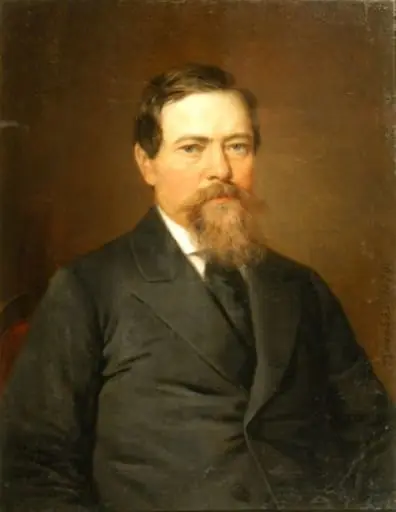 Baronul Kemeny Janos
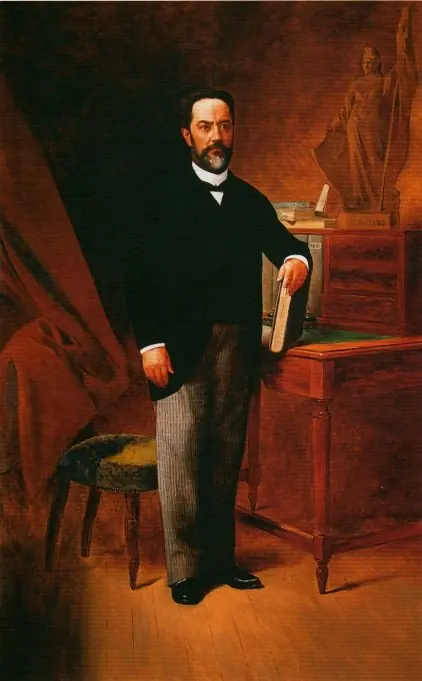 Portrait of Dr. Manoel Lopes de Oliveira
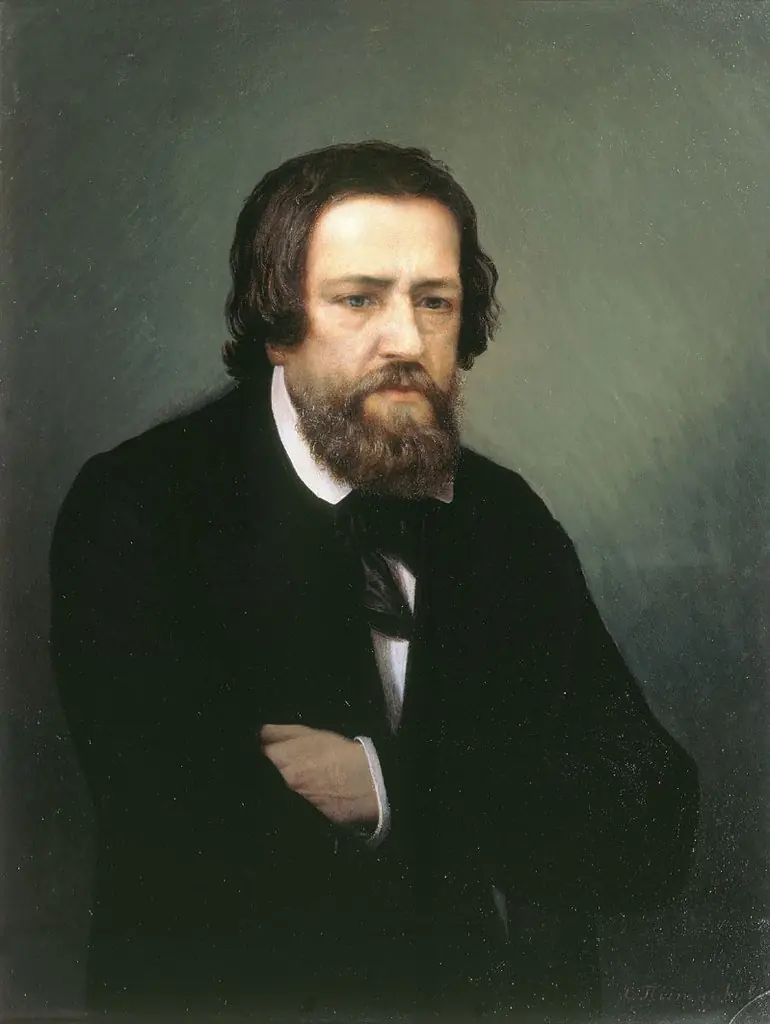 Alexander Andreyevich Ivanov
 Selbstporträt
 Dr. jur. J. Bedeus von Scharberg
 Portrait of D.E. Benardaki
 Portret de bărbat-Vasile Mălinescu
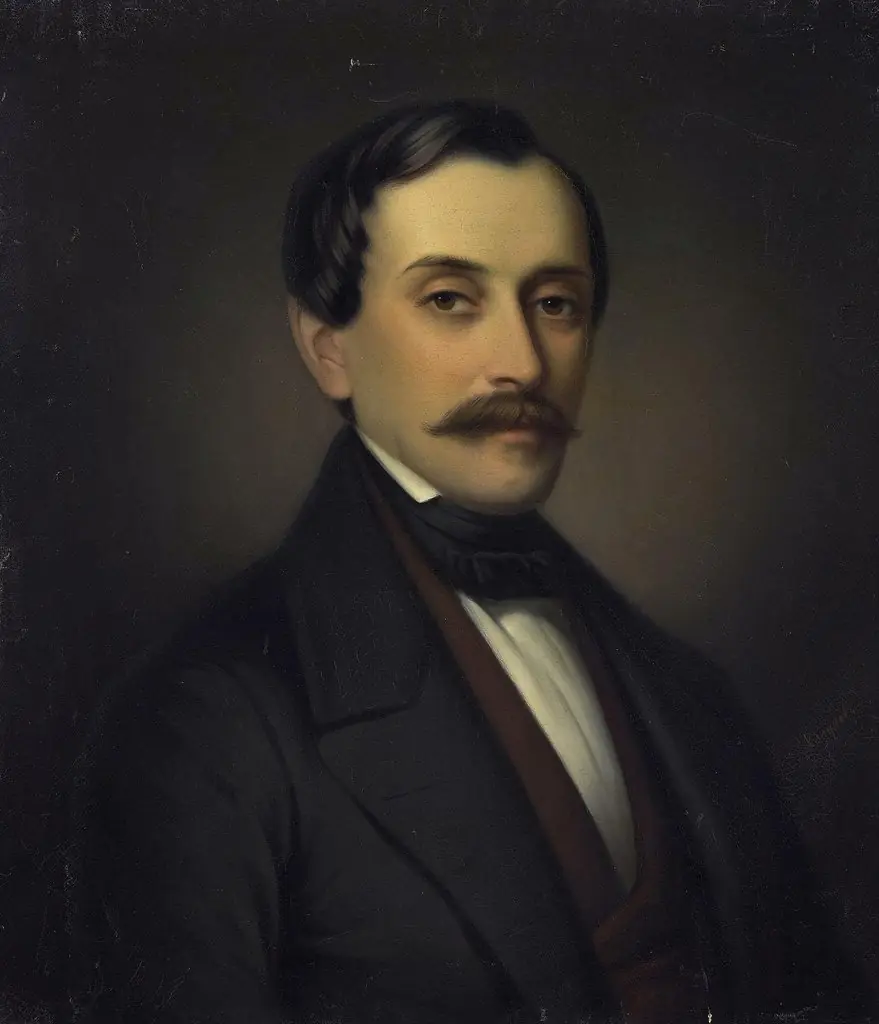 Portrait of Prince Nikolai Yusupov
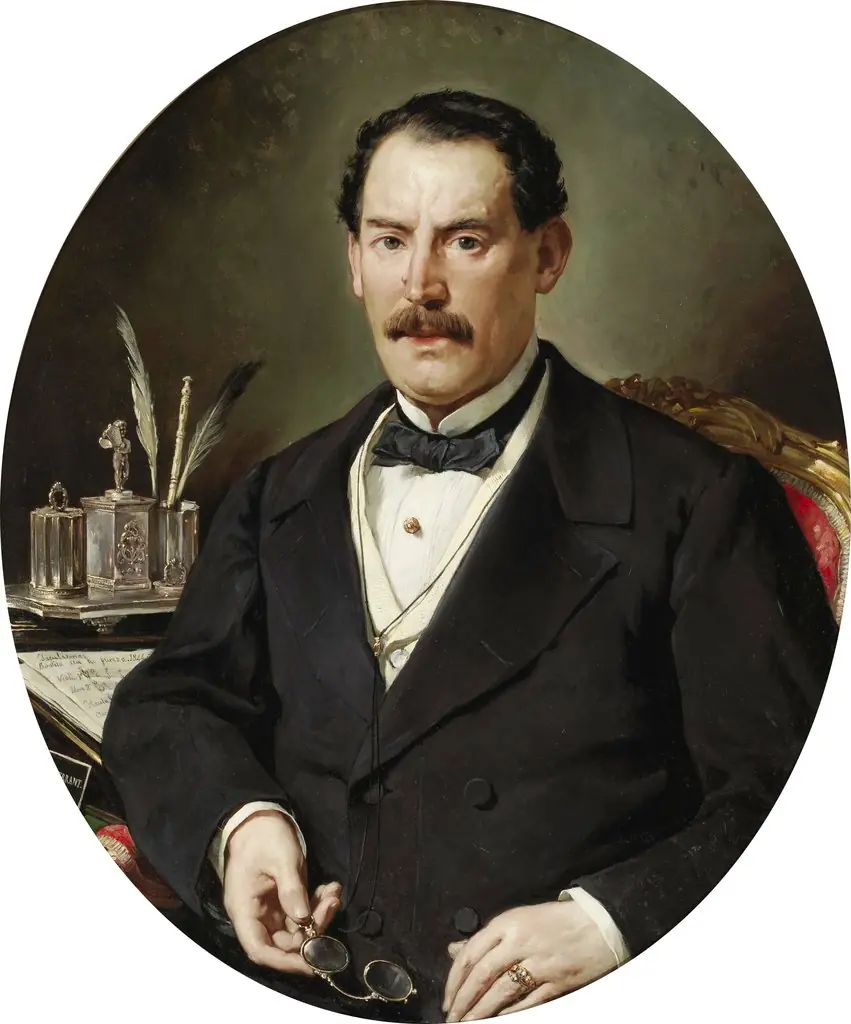 Portrait of a Gentleman
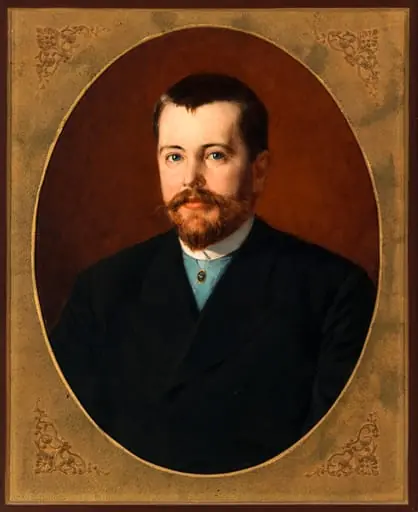 Karl Johan Maximilian Krook
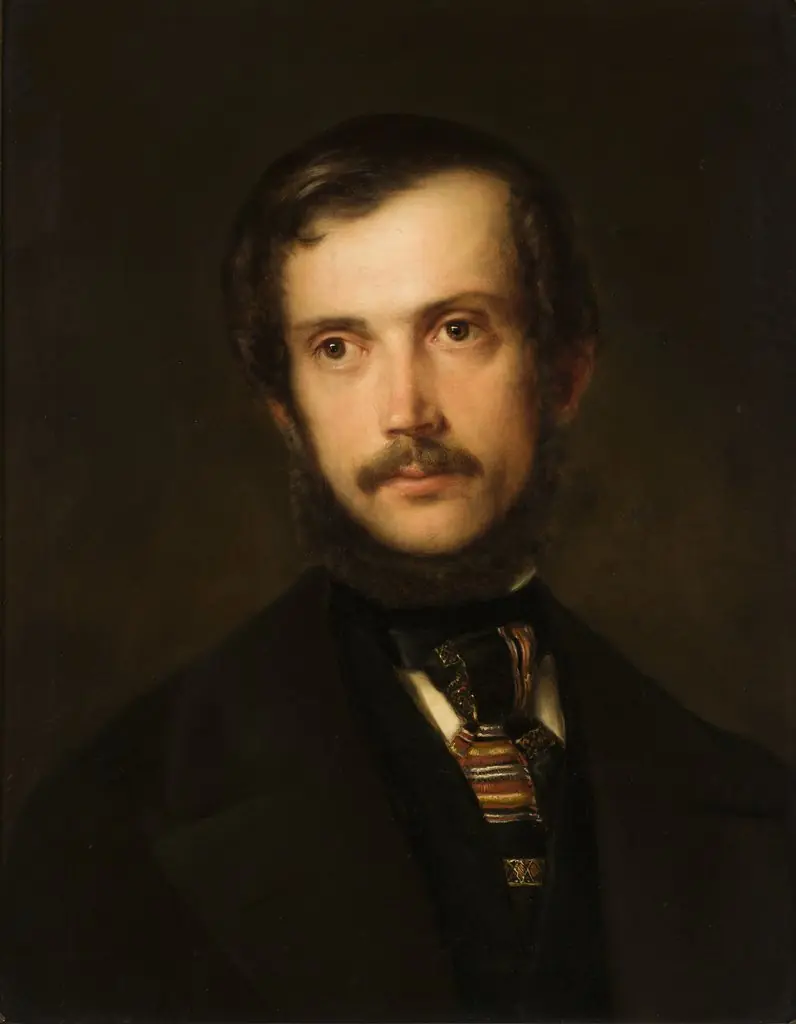 Portrait of a Man
 Portrait of Bohdan Zaleski