Artwork
Portret de bărbat-Vasile Mălinescu
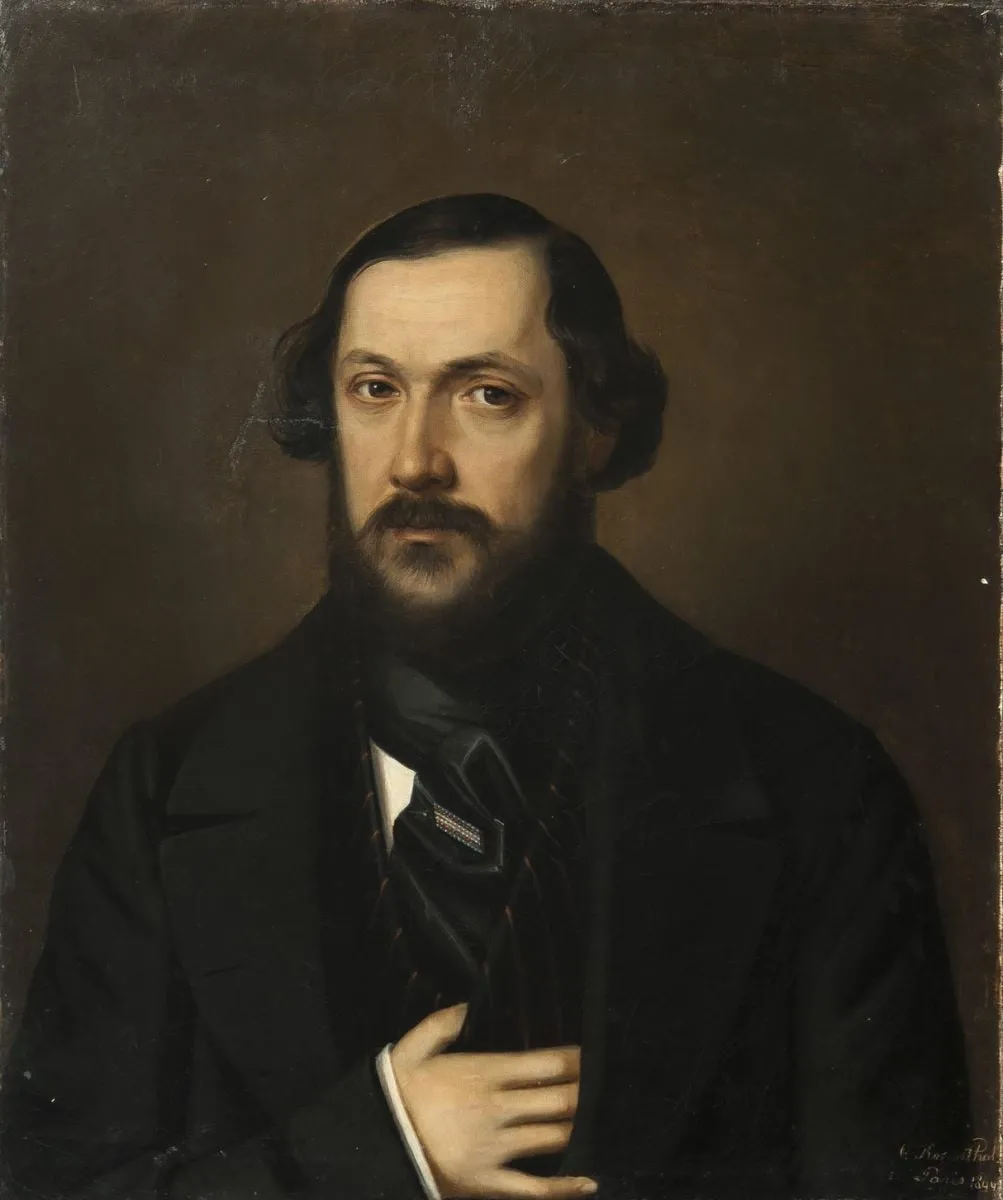
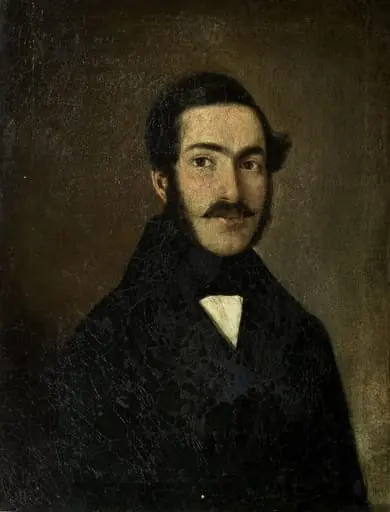
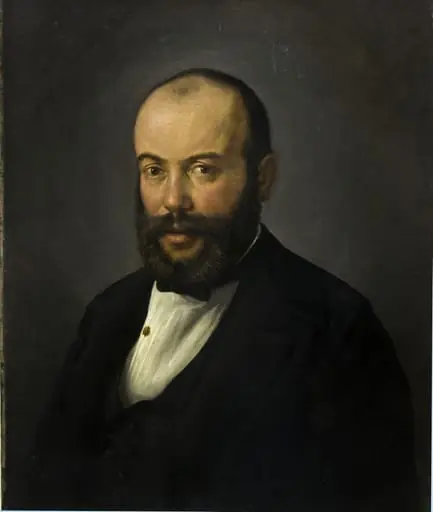
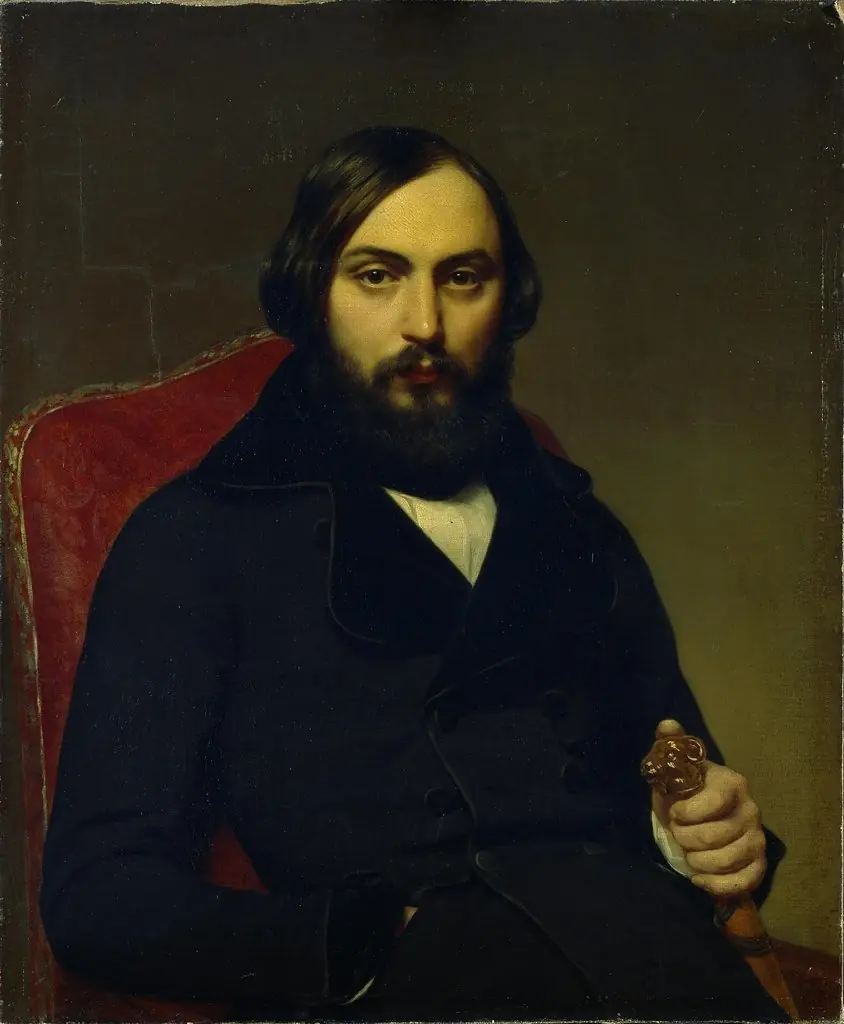
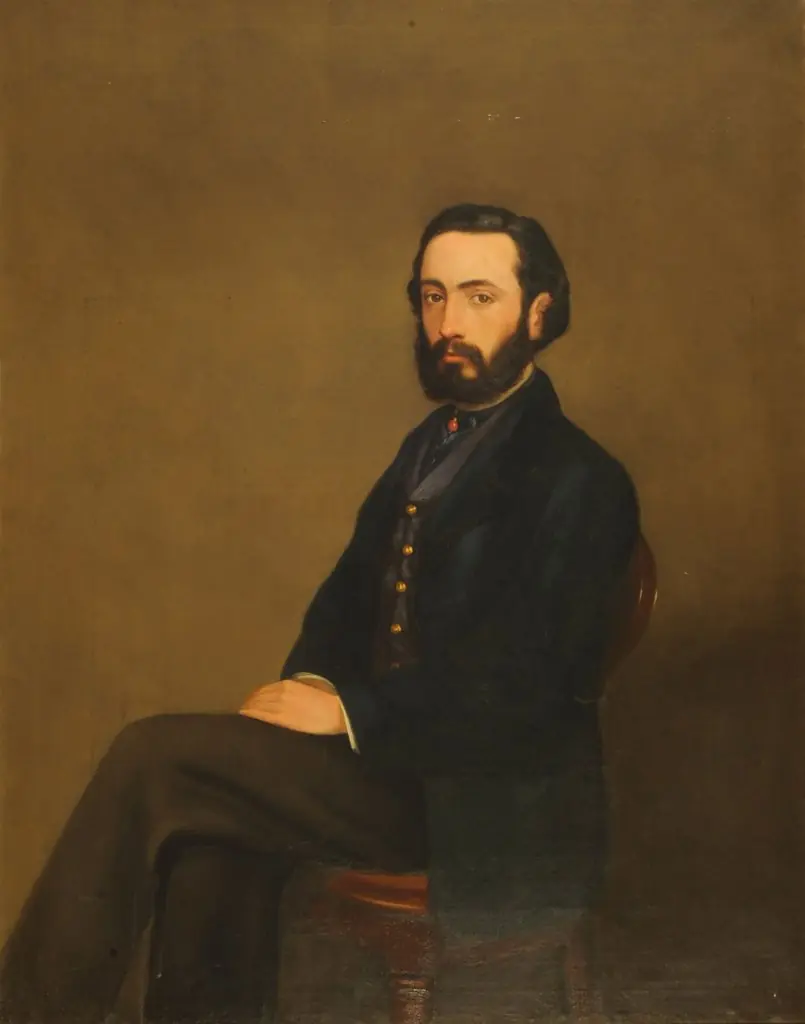
Portret de bărbat-Vasile Mălinescu is an unspecified painting by the Biedermeier artist Constantin Daniel Rosenthal. It dates from 1844 and is held in the collection of the National Museum of Art of Romania.
About this work
Overview
Painted in 1844 by Constantin Daniel Rosenthal, this portrait depicts Vasile Mălinescu, a Romanian intellectual and political figure. Executed in oil on canvas, the work presents a full-length view of the subject against a deep, unadorned background. The composition emphasizes stillness and presence, with minimal distractions to focus attention on the sitter’s demeanor and attire.
Subject & Meaning
His direct gaze and formal dress convey a sense of dignity and resolve, reflecting his public role during a period of national awakening.
Vasile Mălinescu, a known advocate for Romanian cultural and political reform, is rendered with quiet authority. His direct gaze and formal dress convey a sense of dignity and resolve, reflecting his public role during a period of national awakening. The absence of symbolic objects or elaborate settings shifts emphasis to his character, suggesting an introspective, earnest individual rather than a ceremonial figure.
Technique & Style
Rosenthal employs a restrained palette dominated by blacks, grays, and muted browns, enhancing the portrait’s solemn tone. Brushwork is precise yet unobtrusive, with careful attention to the texture of fabric and the subtlety of facial modeling. The lighting is even and diffused, avoiding dramatic contrasts, which aligns with a transitional approach between Neoclassical precision and Romantic emotional depth.
History & Provenance
The portrait was completed during Rosenthal’s early career in Wallachia, a time when Romanian artists were beginning to assert a distinct national identity through visual culture. It remained in private collections in Romania before being acquired by a public institution. Its survival through political upheavals underscores its significance as a document of 19th-century Romanian elite portraiture.
Context
Created amid rising nationalist sentiment in the Danubian Principalities, the portrait reflects a broader trend of depicting intellectuals and reformers as embodiments of civic virtue. Rosenthal, influenced by European academic traditions, adapted them to local subjects, contributing to a visual language that linked personal identity with emerging national consciousness.
Legacy
The portrait endures as one of the earliest known oil portraits of a Romanian public figure by a native artist. It represents a shift from foreign-dominated artistic representation to locally grounded imagery. While not widely exhibited, it remains a reference point in studies of Romanian Romantic portraiture and the visual culture of 19th-century reform movements.
Artist & collection

Artist
Constantin Daniel Rosenthal (b.Rosenthal Konstantin, 1820 – July 23, 1851) was a painter and sculptor of Austrian birth and a Romanian 1848 revolutionary, best known for his portraits and his choice of Romanian Romantic nationalist…