Artwork
Prince Otto von Bismarck
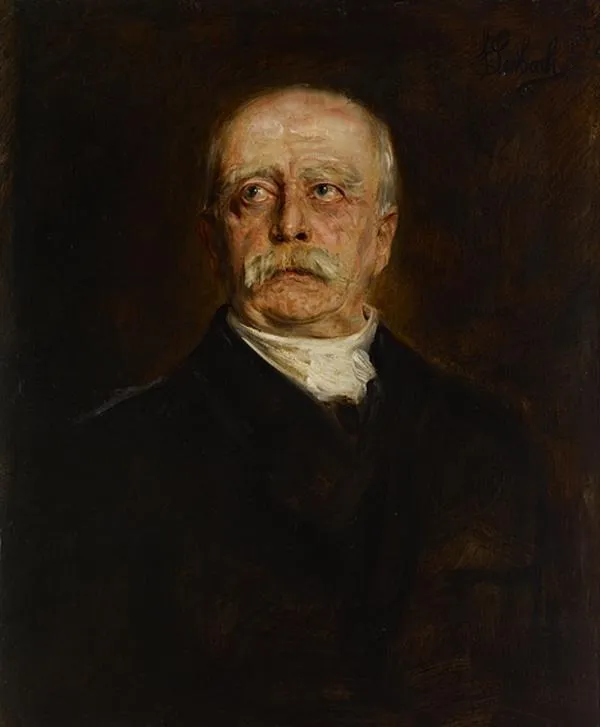
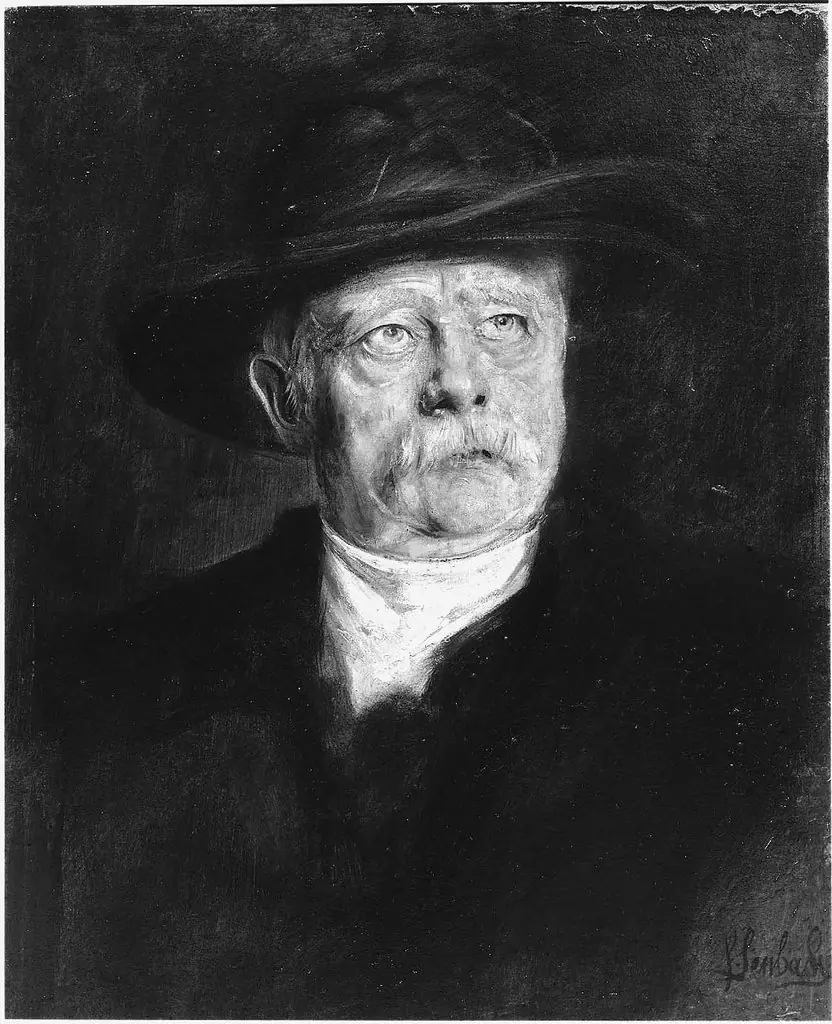
Prince Otto von Bismarck is an oil painting by the Impressionist artist Franz von Lenbach. It dates from 1896 and is held in the collection of the National Galleries Scotland.
About this work
Overview
Painted in 1896 by Franz Seraph von Lenbach, this oil portrait captures Otto von Bismarck, the former Chancellor of the German Empire, in his later years.
Painted in 1896 by Franz Seraph von Lenbach, this oil portrait captures Otto von Bismarck, the former Chancellor of the German Empire, in his later years. Lenbach, renowned for his precise depictions of European elites, rendered Bismarck with a quiet intensity. The work is held in the collection of the Scottish National Gallery, reflecting its international recognition despite its German subject and artist.
Subject & Meaning
Bismarck is portrayed not as a statesman in ceremonial dress, but as a weary yet resolute elder. His white mustache and thinning gray hair suggest age and experience, while his direct gaze conveys authority tempered by time. The absence of symbols of power—no medals, books, or documents—focuses attention on his character rather than his titles, suggesting a psychological portrait over a political one.
Technique & Style
Lenbach employed a controlled realism with subtle impressionist touches. The face is rendered with smooth transitions and fine brushwork, particularly around the eyes and forehead, where slight strokes suggest texture and light. The dark, undefined background isolates the figure, enhancing the focus on his expression. The technique balances precision with a softness that avoids idealization.
History & Provenance
Commissioned during Bismarck’s retirement, the portrait was completed shortly before his death in 1898. Lenbach, who had painted Bismarck multiple times, captured him in a moment of personal reflection. The painting entered the Scottish National Gallery’s collection in the early 20th century, likely through private acquisition, and has remained there since, serving as a key example of late 19th-century German portraiture.
Context
In the decades following German unification, Bismarck remained a towering, if controversial, figure. Lenbach’s portrait emerged during a period when public memory of the Chancellor was being shaped by both admiration and critique. The painting reflects a cultural moment in which visual representation was used to stabilize the legacy of political figures beyond their active years in power.
Legacy
This portrait endures as one of the most recognized images of Bismarck, valued for its psychological depth rather than its grandeur. Lenbach’s approach influenced later portraitists seeking to convey inner character over external status. The work remains a reference point in studies of European political portraiture and the transition from academic to modern visual representation.
Artist & collection
Artist
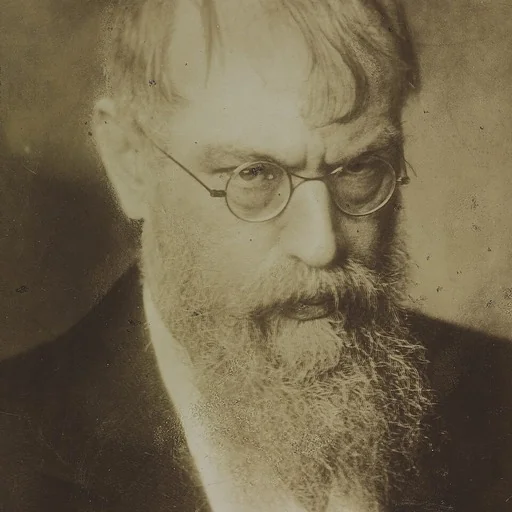
Franz Seraph Lenbach, after 1882, Ritter von Lenbach (13 December 1836 – 6 May 1904), was a German painter known primarily for his portraits of prominent personalities from the nobility, the arts, and industry.

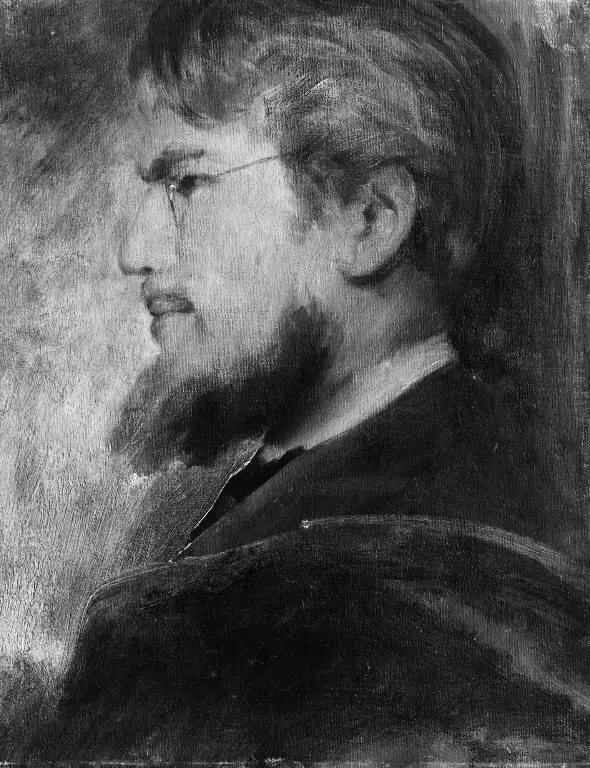
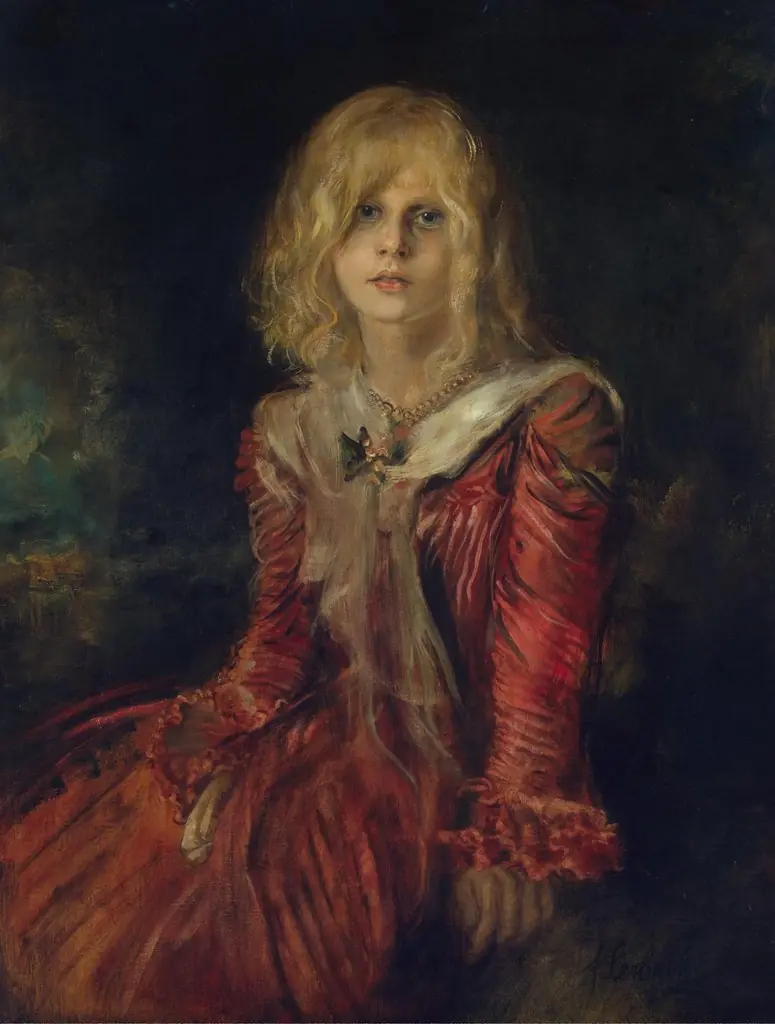
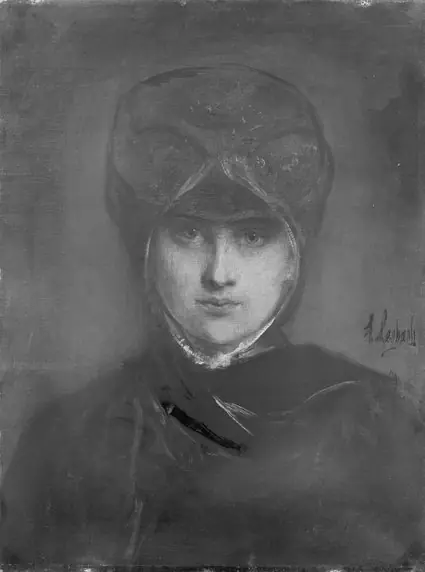
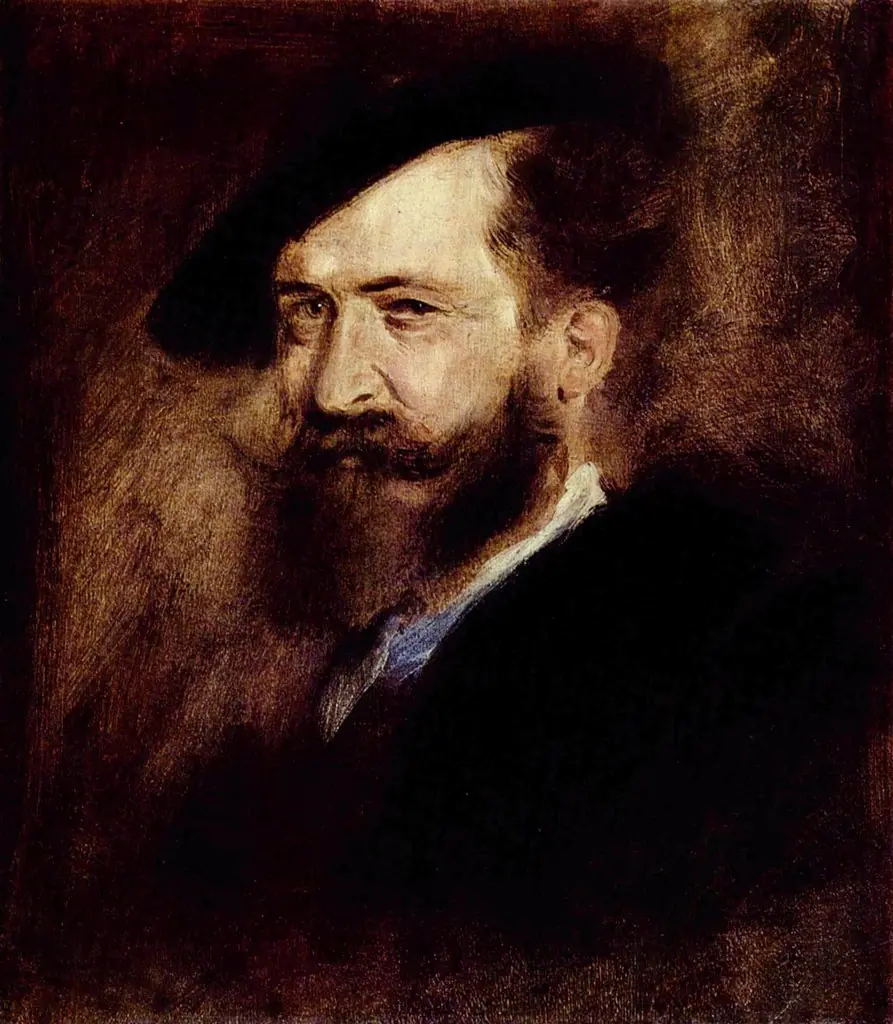
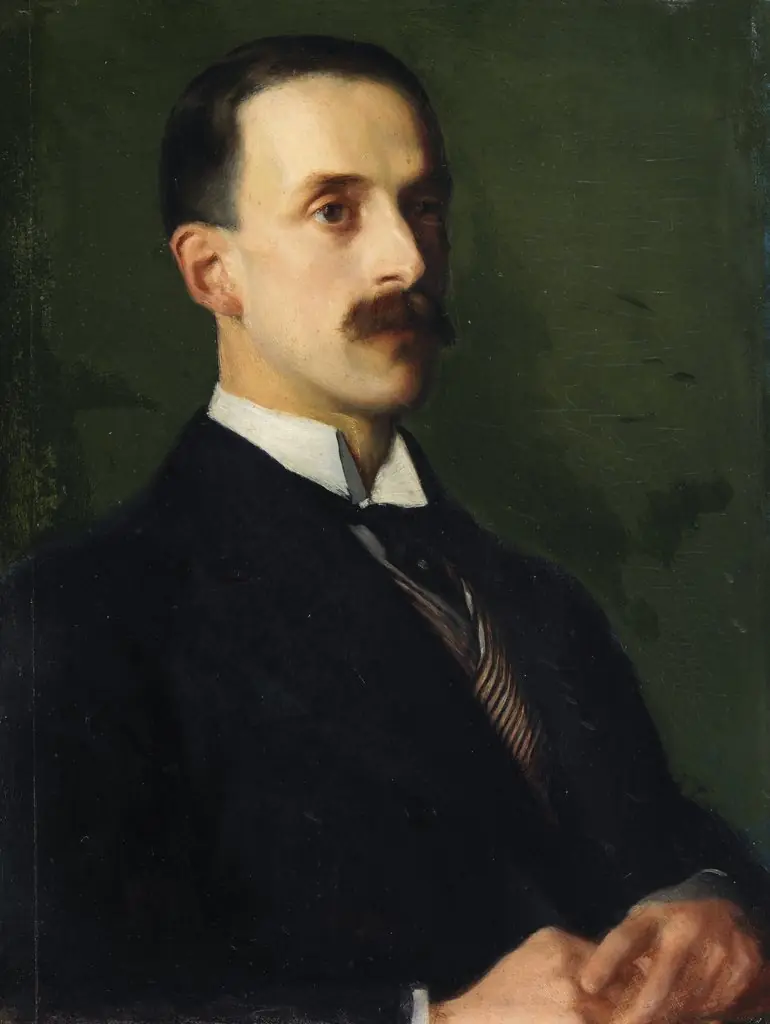 Portrait of Sir Hugh Lane (1865-1915), Director of the National Gallery of Ireland 1914-1915
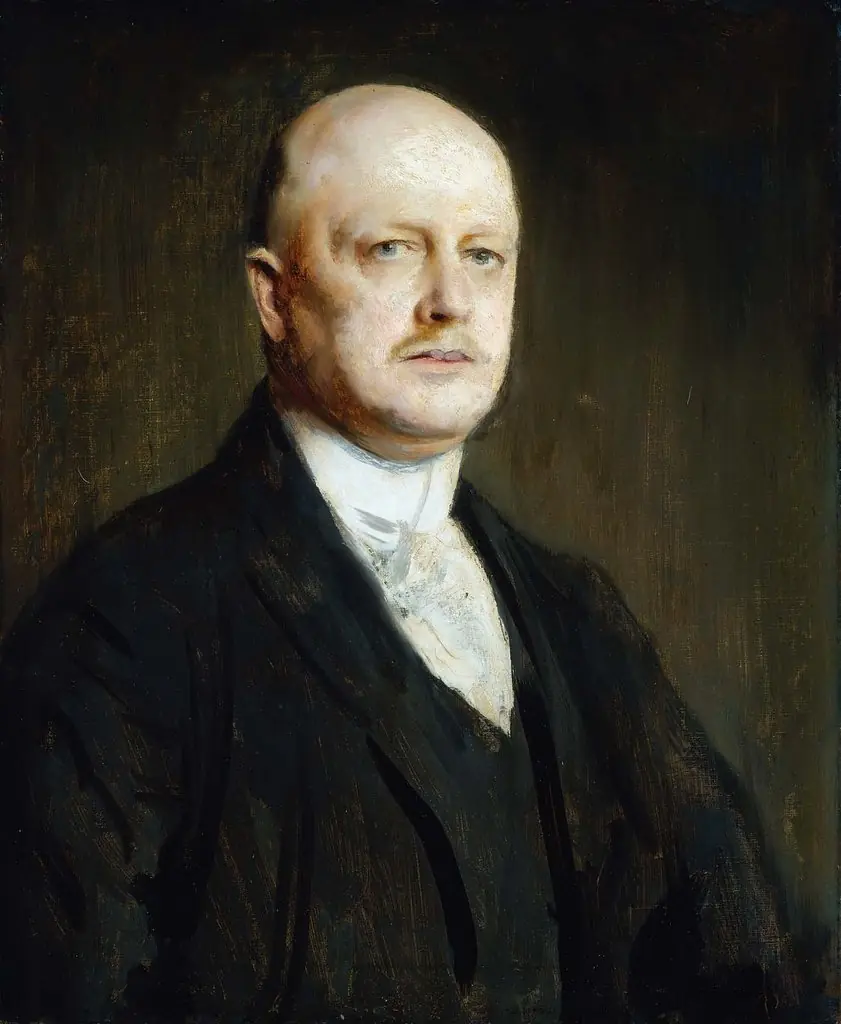 Thomas B. Clarke
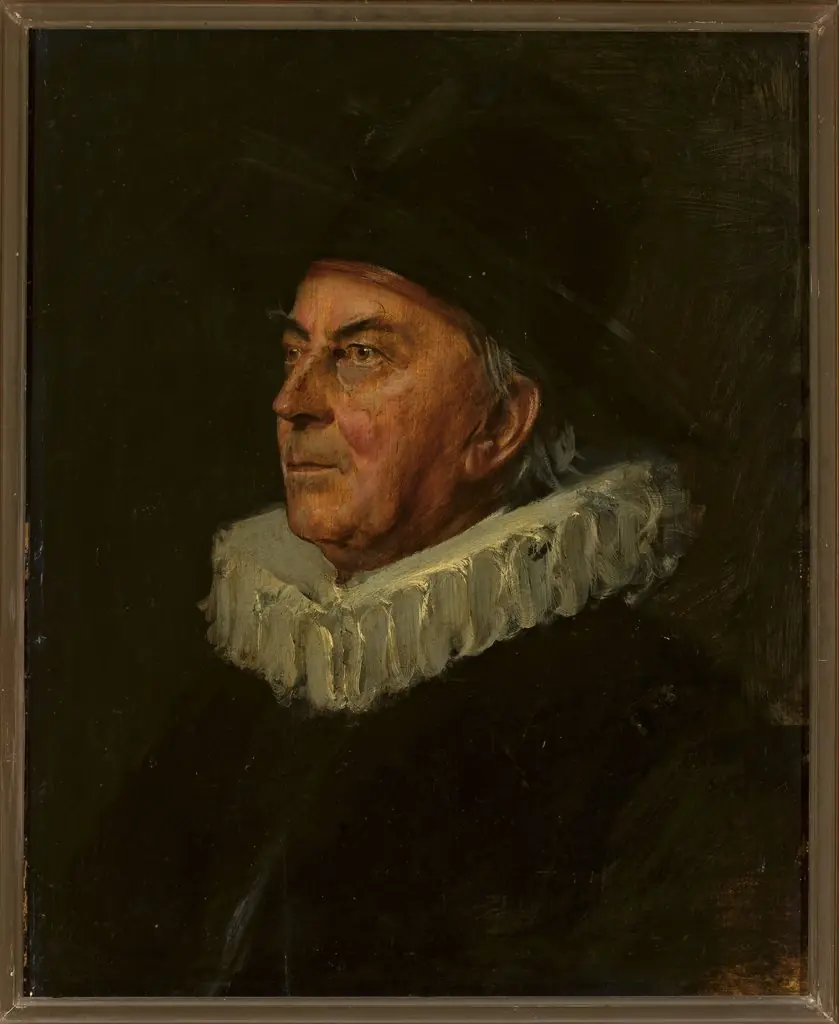
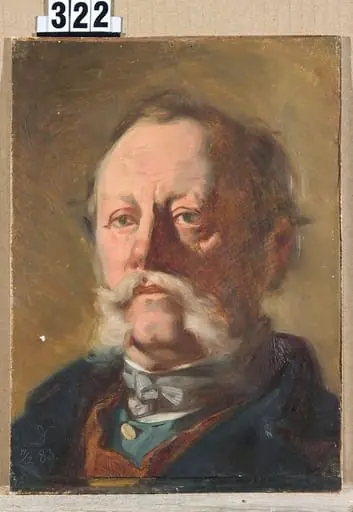 Capul unui bărbat în vârstă
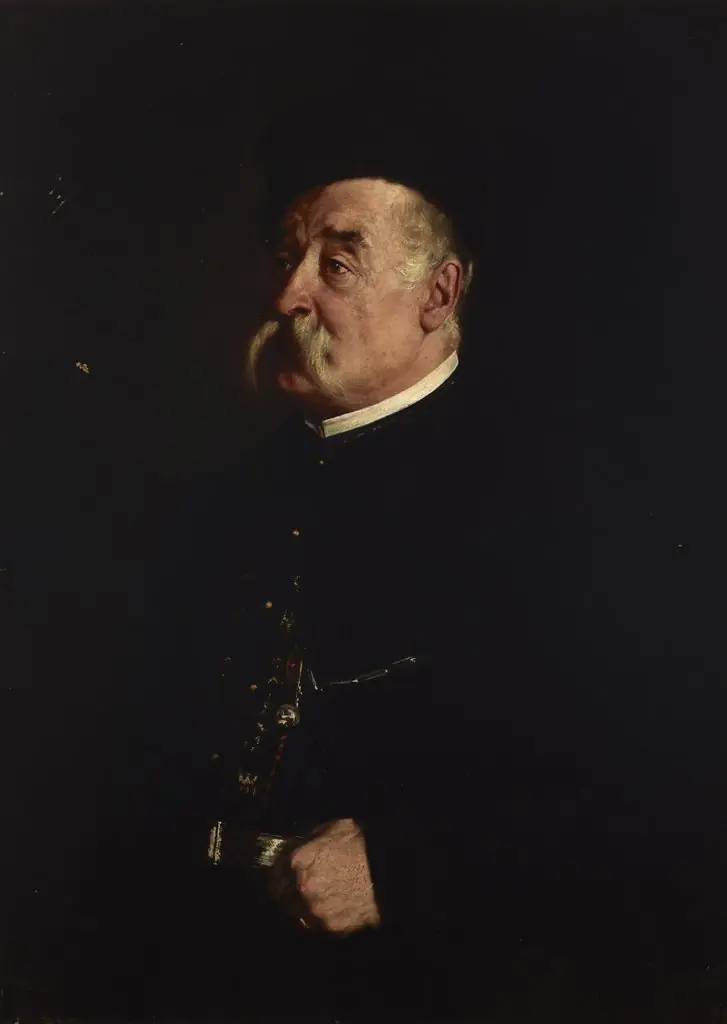 Portrait of Adam Wyleżyński
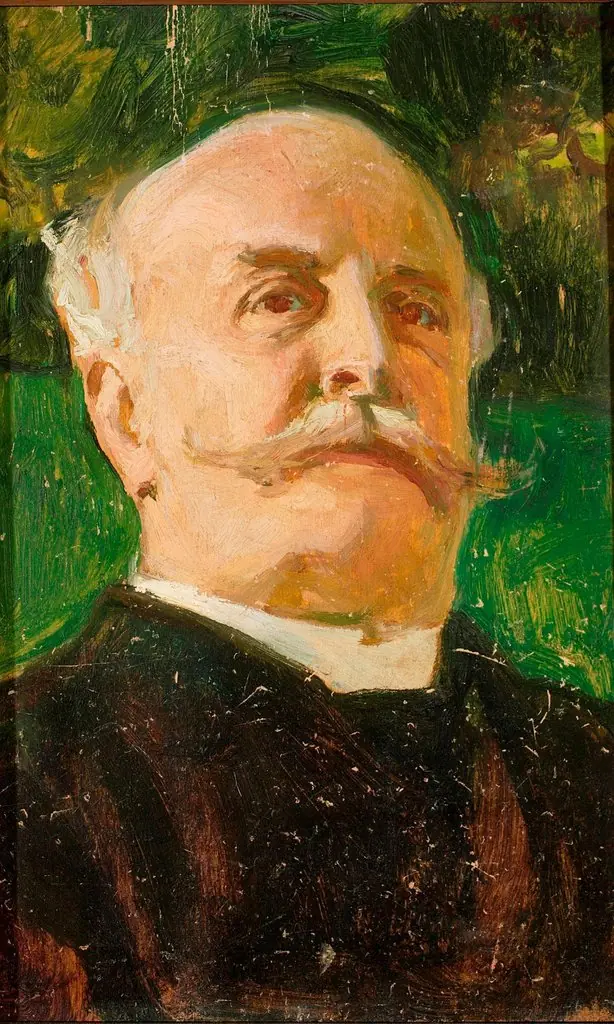 Portrait of Juliusz Kossak
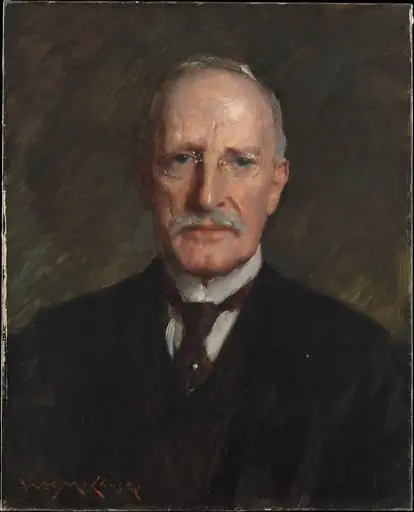 Edward Guthrie Kennedy
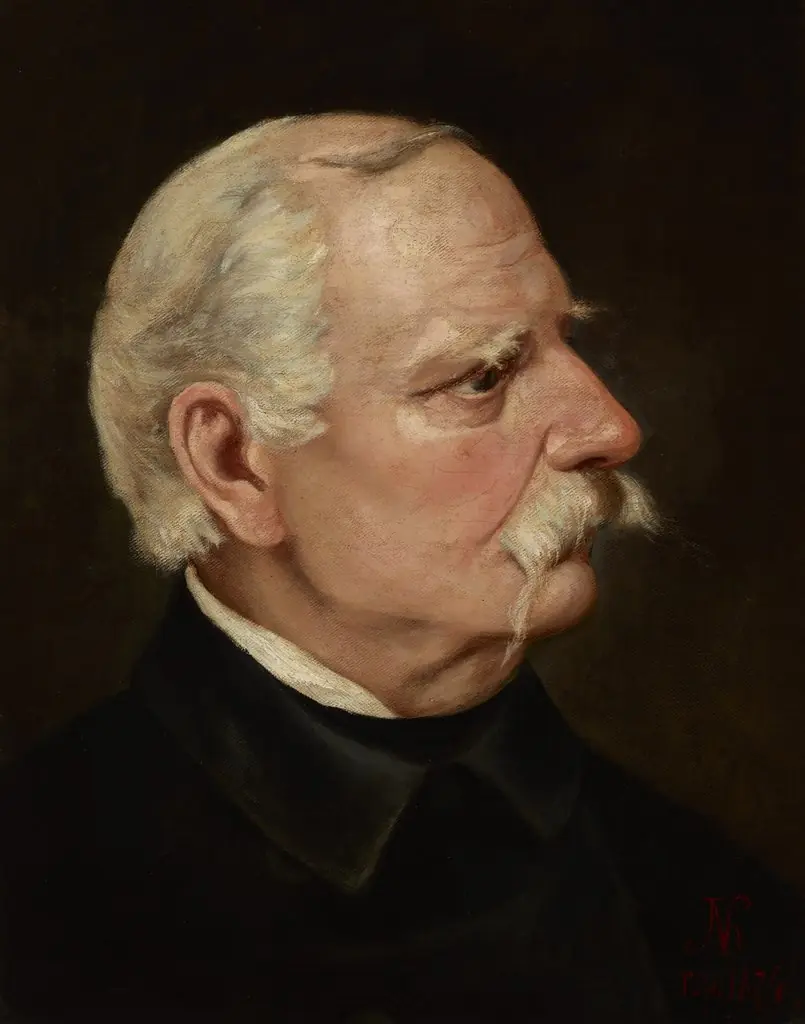 Portrait of Wincenty Pol
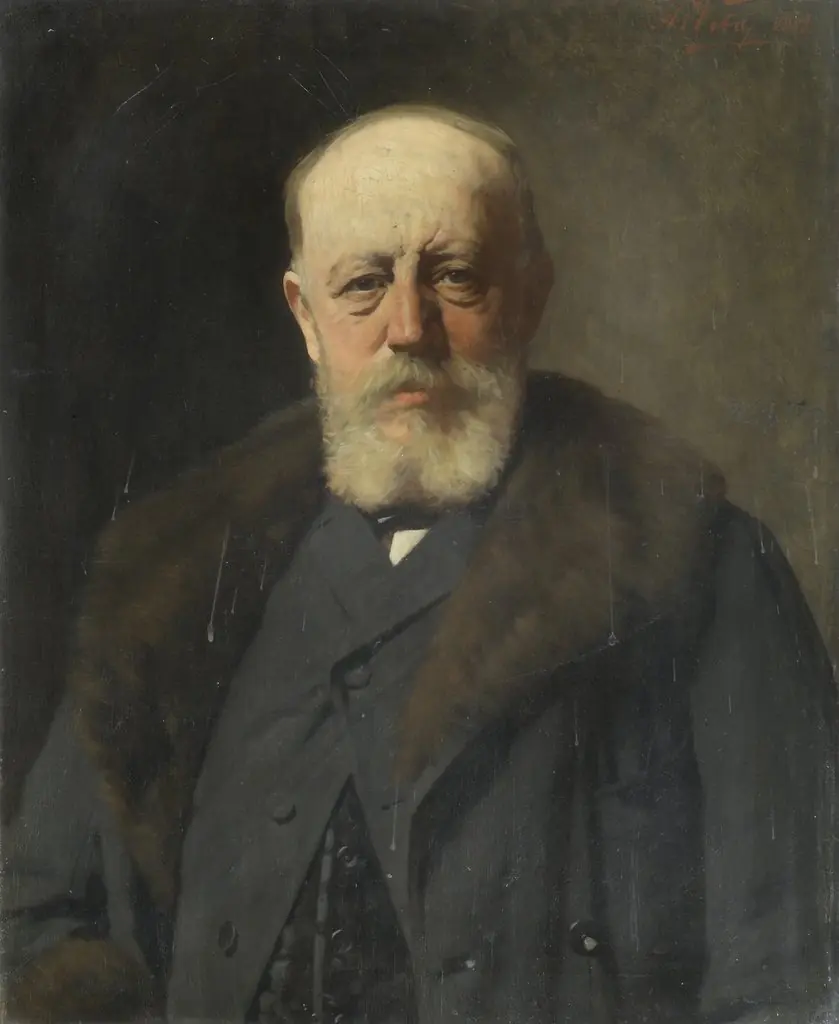 Dr. Thaddäus Vita
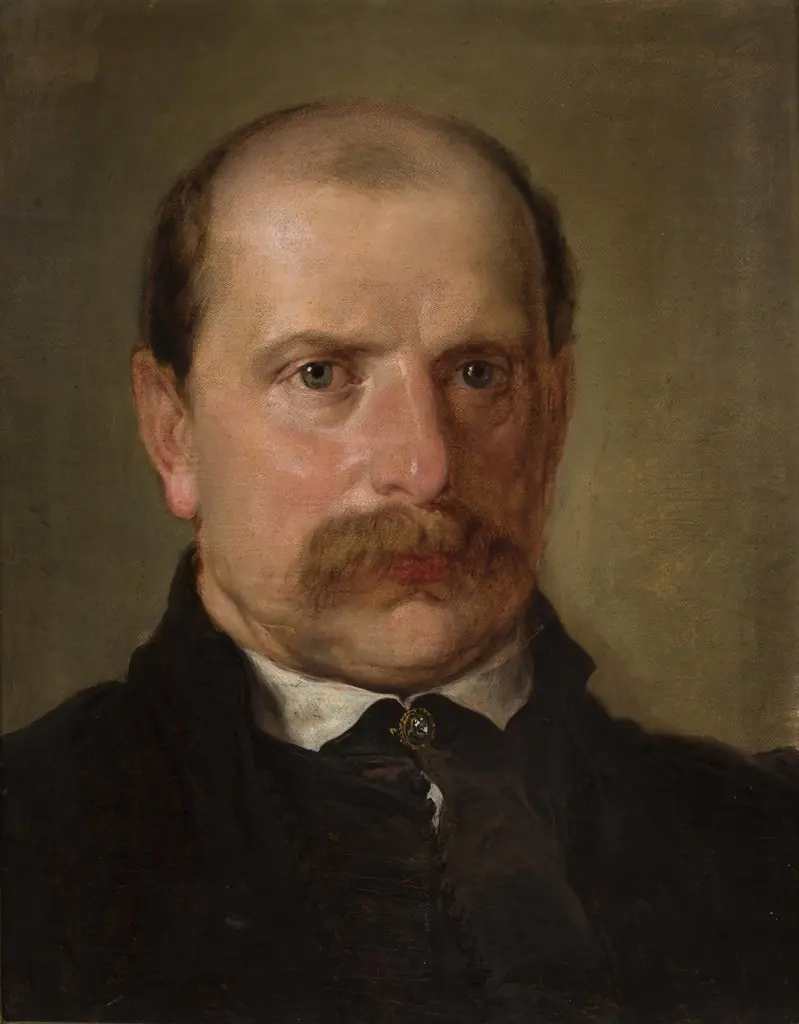 Portrait of Kazimierz Stankiewicz
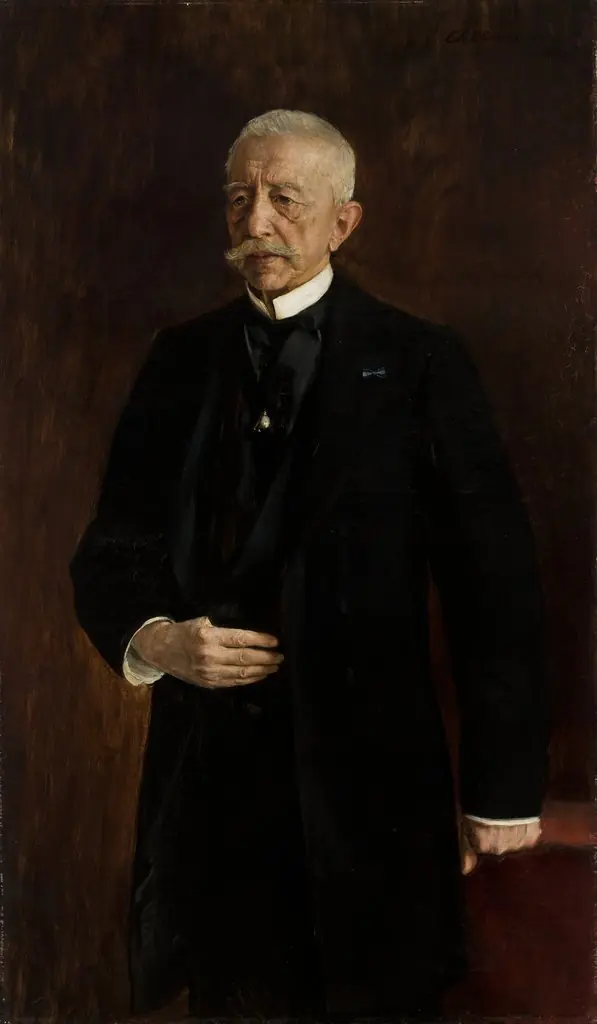 Portrait of Wiktor Osławski
 Portrait of August Allebé
 Otto Bismarck