Artwork
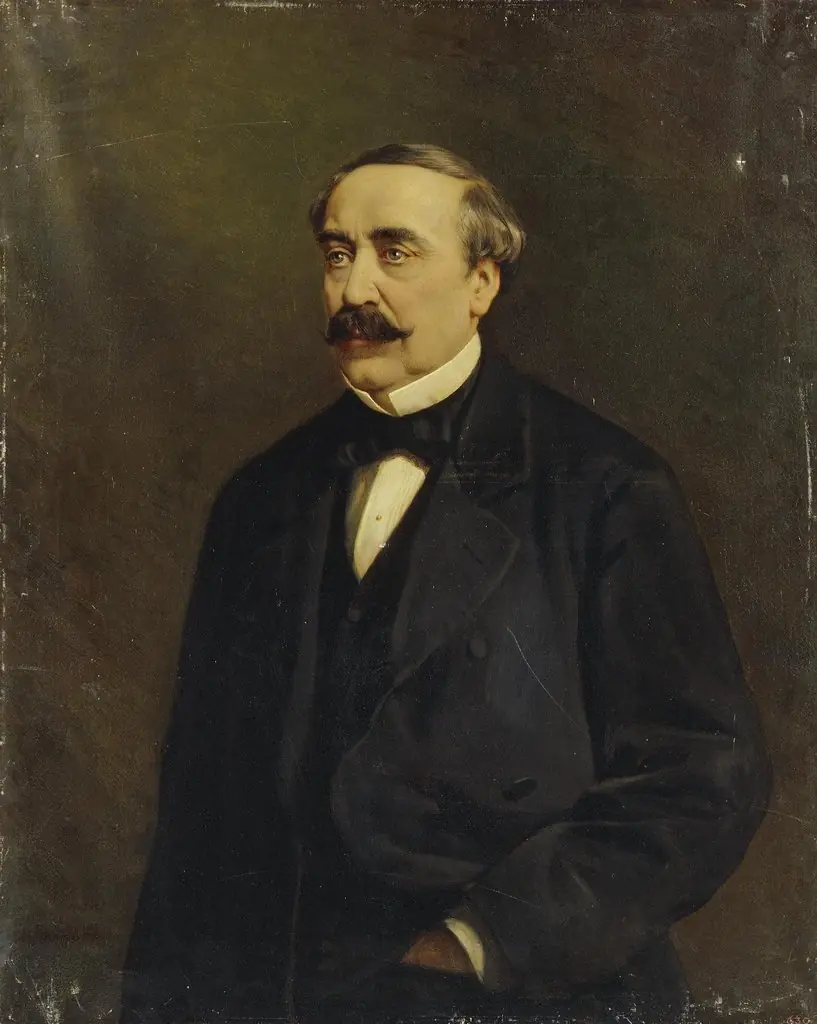
Der kaiserliche Rat und Reichstagsabgeordnete Isaak Rubinstein
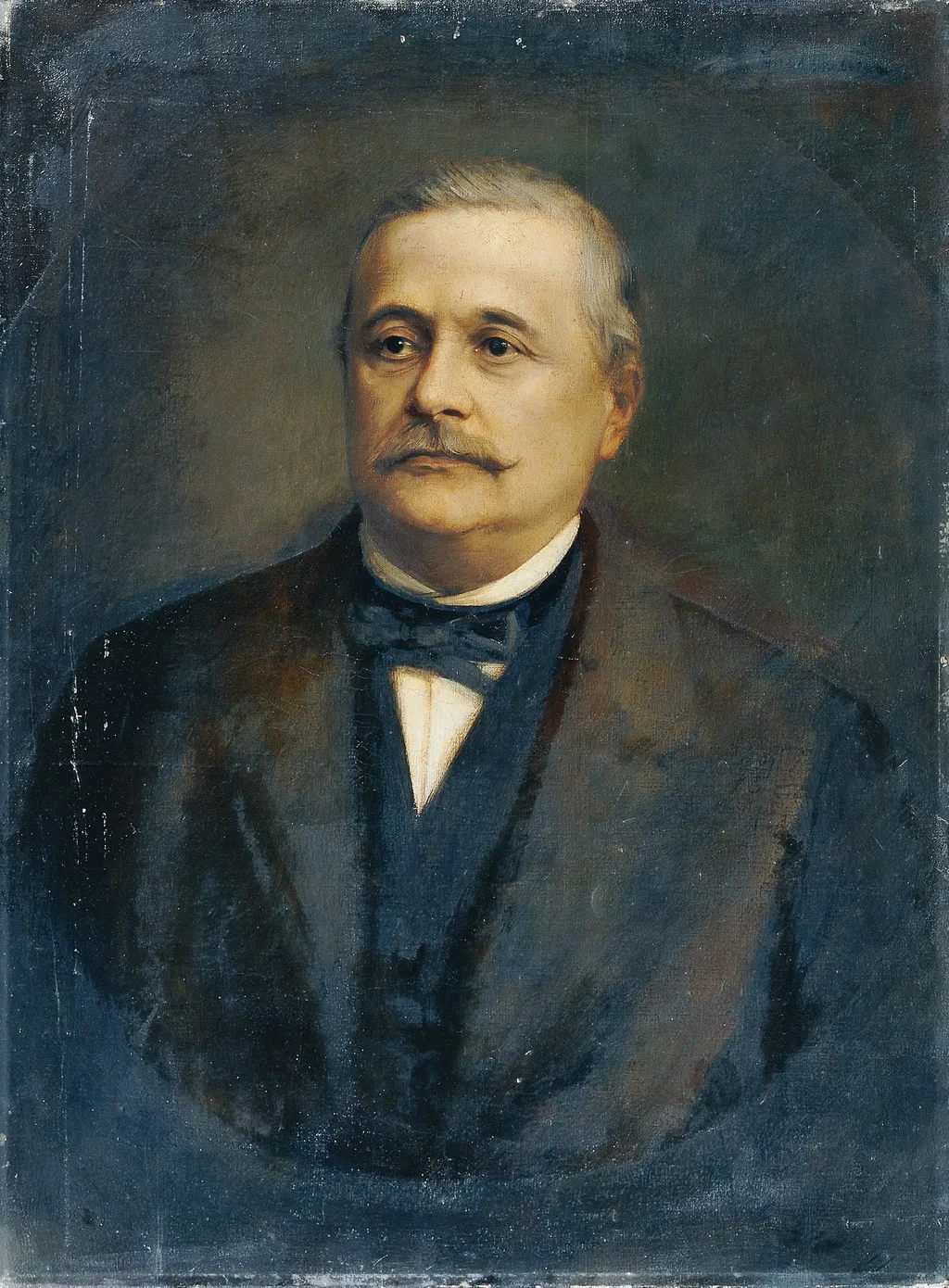
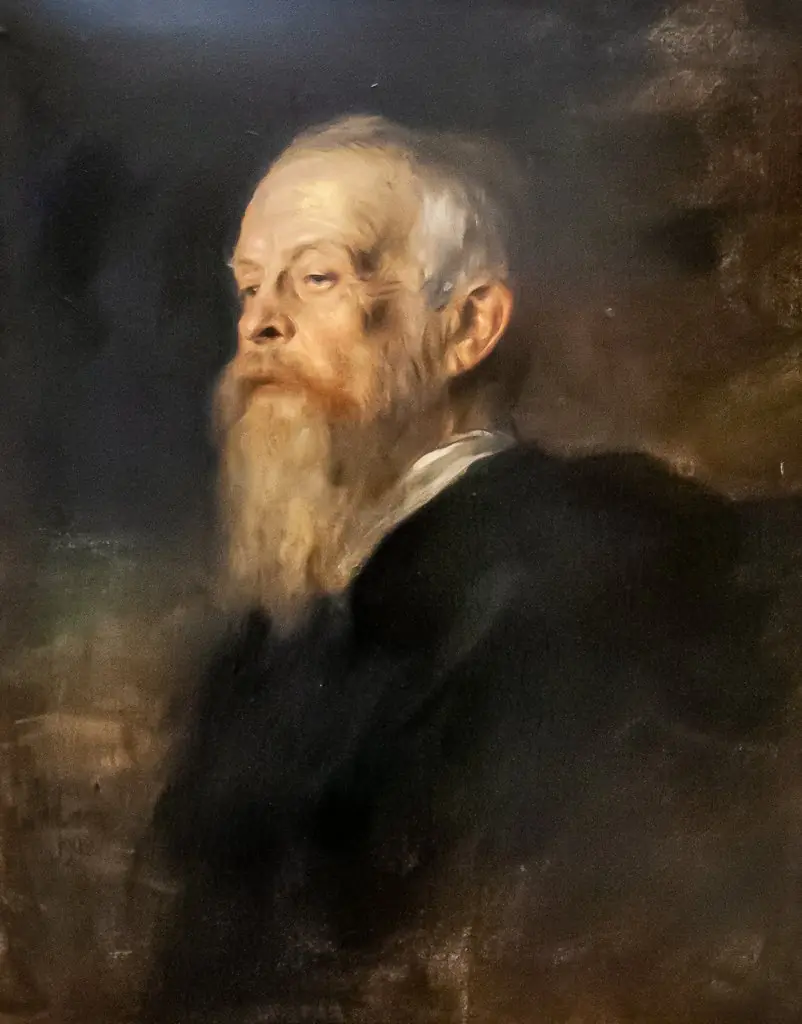
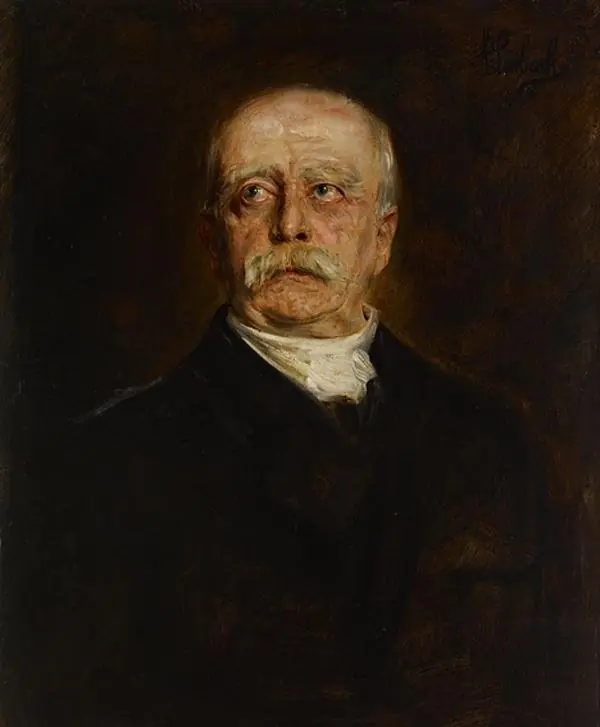
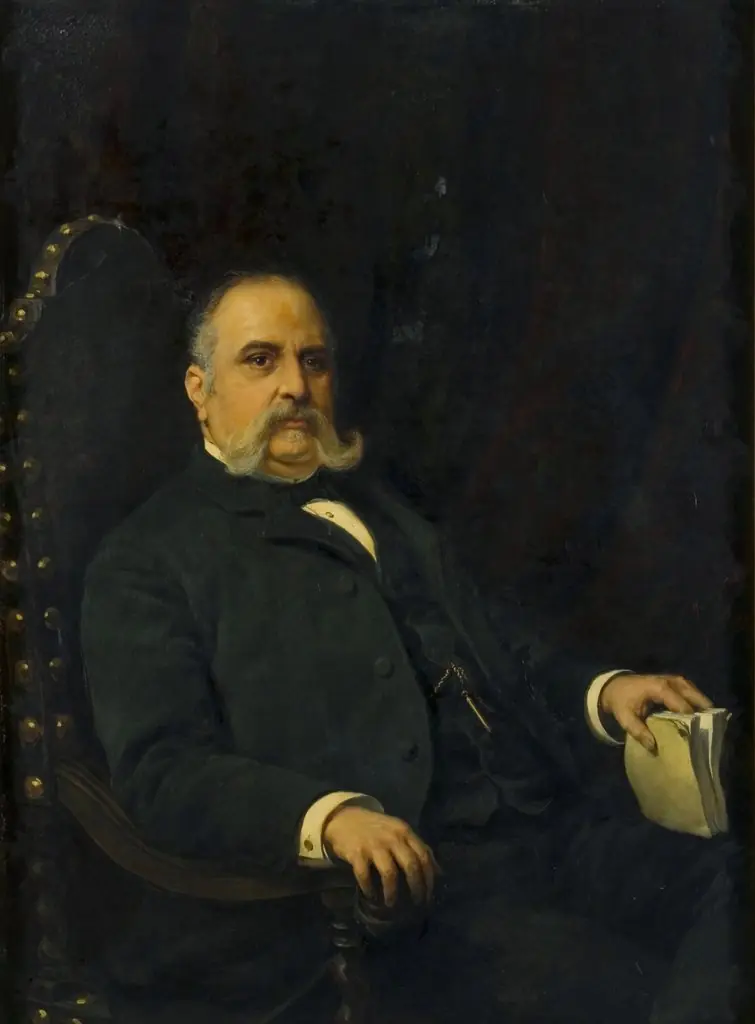
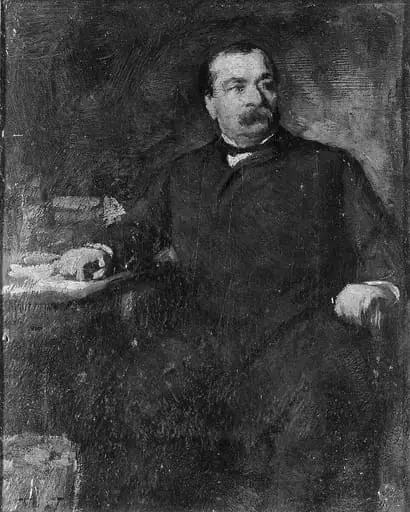
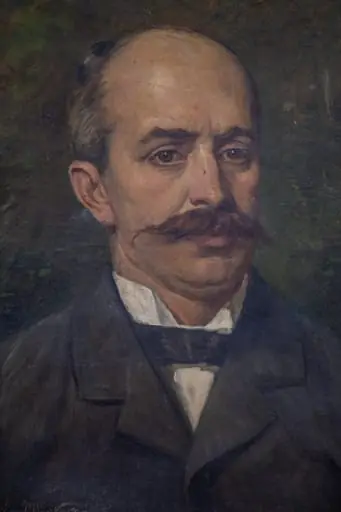
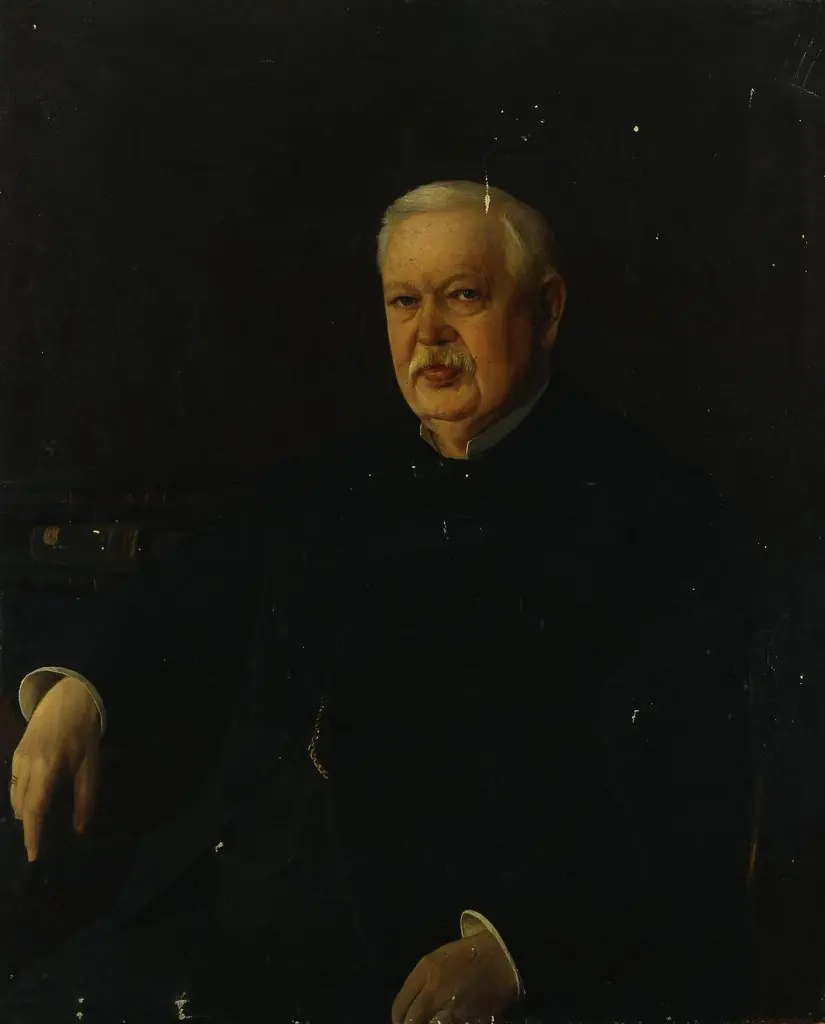
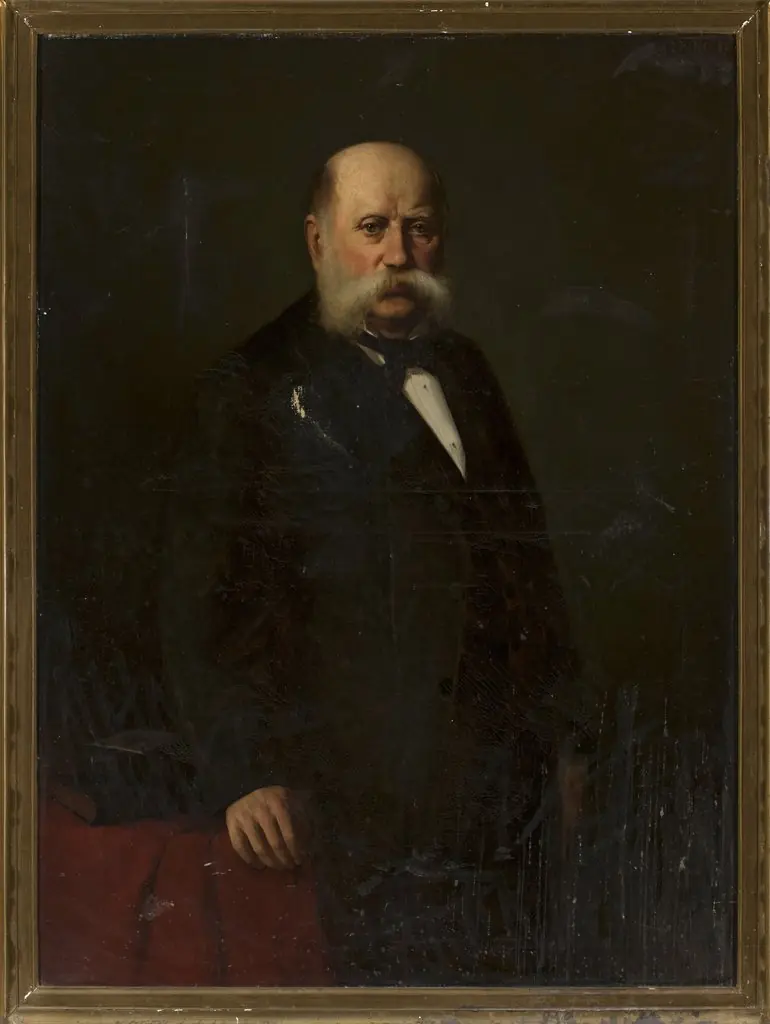
Der kaiserliche Rat und Reichstagsabgeordnete Isaak Rubinstein is an oil painting by Franz von Lenbach. It dates from 1880 and is held in the collection of the Kunsthistorisches Museum.
About this work
Overview
Painted around 1880, this oil portrait by Franz von Lenbach depicts Isaak Rubinstein, a legal advisor to the emperor and member of the Reichstag.
Painted around 1880, this oil portrait by Franz von Lenbach depicts Isaak Rubinstein, a legal advisor to the emperor and member of the Reichstag. Lenbach, known for his precise renderings of elite figures, captured Rubinstein in formal attire against a subdued background. The painting reflects the artist’s reputation for dignified, psychologically restrained portraiture, aligned with the visual culture of late 19th-century German-speaking elites.
Subject & Meaning
Isaak Rubinstein held significant public roles in the Austro-Hungarian Empire, serving as an imperial councilor and elected representative. His portrait conveys authority through stillness and direct gaze, avoiding theatricality. The absence of symbolic objects or grand settings emphasizes his institutional role rather than personal wealth or lineage, suggesting a modern, bureaucratic identity rooted in public service.
Technique & Style
Lenbach employed traditional oil techniques with meticulous attention to texture and tone. The suit’s fabric, the sheen of the bow tie, and the subtle gradations in the skin are rendered with controlled brushwork. The muted background isolates the figure, focusing attention on facial structure and posture. The style prioritizes realism over expressionism, aligning with academic conventions of the period.
History & Provenance
The painting entered the collection of the Kunsthistorisches Museum in Vienna, where it remains today. Its acquisition likely followed its completion in the early 1880s, possibly through direct commission or donation by Rubinstein’s family. The museum’s holdings of Lenbach’s portraits reflect its broader commitment to documenting the cultural and political elite of the Habsburg era.
Context
In the late 19th century, portraits like this served as visual records of emerging public figures beyond aristocracy—lawyers, administrators, and parliamentarians. Lenbach’s work bridged the old nobility and the new professional class. Rubinstein’s inclusion in this tradition signals the growing visibility of Jewish elites in imperial institutions, despite persistent social barriers.
Legacy
The portrait endures as an example of Lenbach’s ability to convey gravitas without embellishment. It contributes to a broader archive of imperial-era portraiture that documents the transition from hereditary power to merit-based authority. Today, it offers insight into the visual language of public service in a multiethnic empire on the cusp of modernity.
Artist & collection
Artist
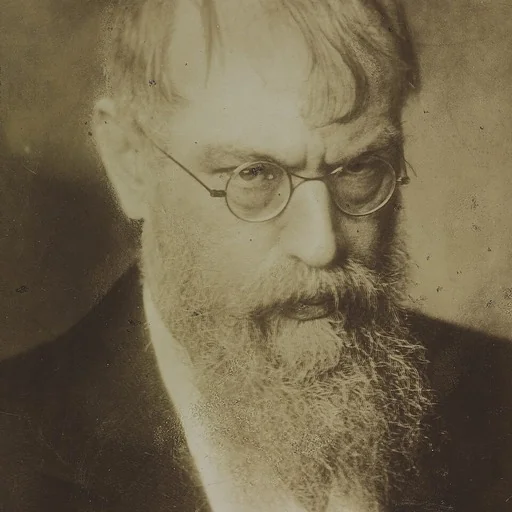
Franz Seraph Lenbach, after 1882, Ritter von Lenbach (13 December 1836 – 6 May 1904), was a German painter known primarily for his portraits of prominent personalities from the nobility, the arts, and industry.