Artwork
Blumen, Früchte und Kinder am Boden eines Gartens
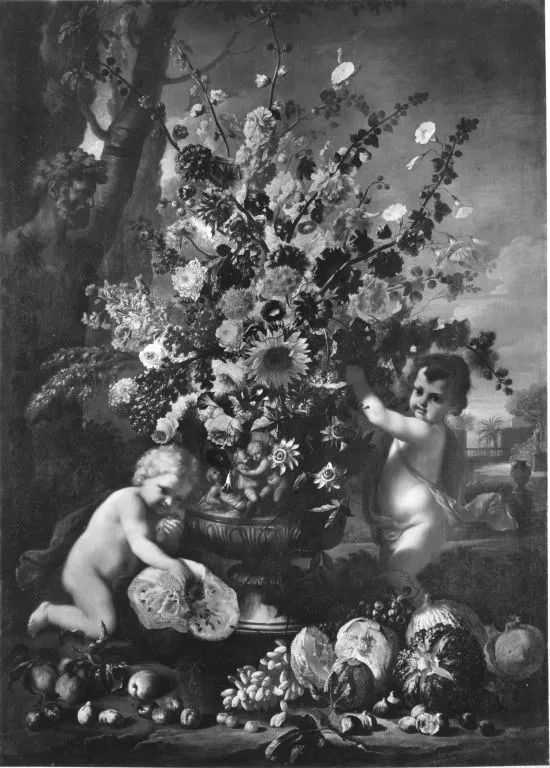
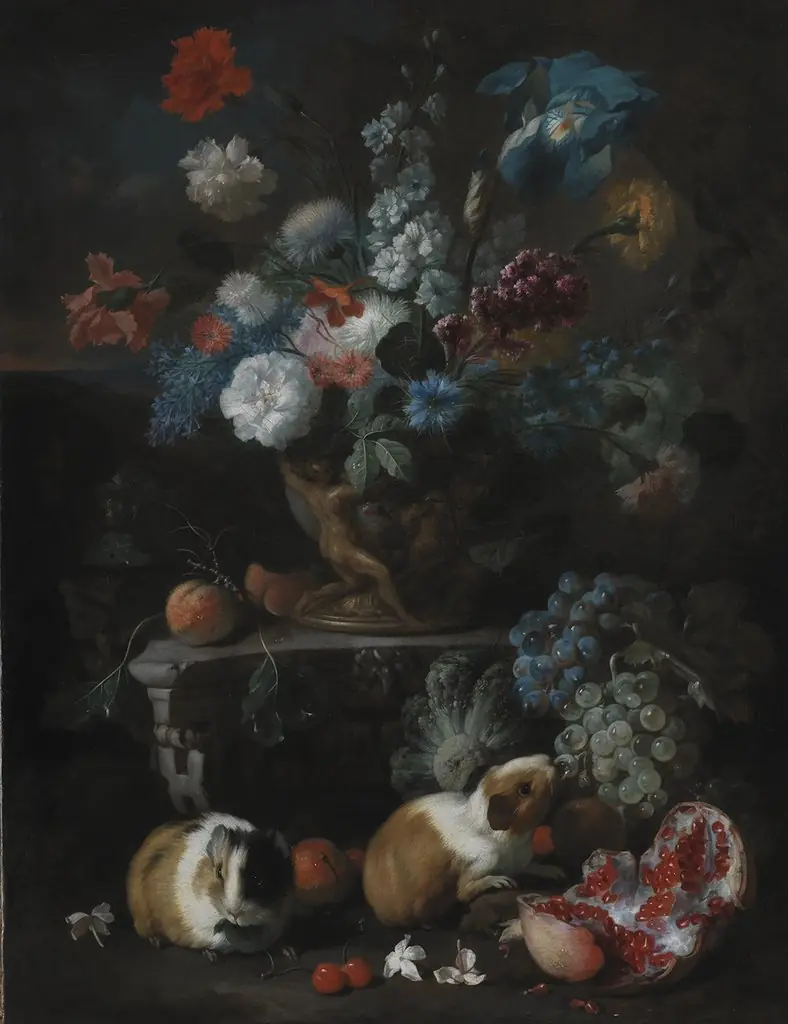
Blumen, Früchte und Kinder am Boden eines Gartens is an unspecified painting by the Flemish Baroque painting artist Franz Werner Tamm. It dates from 1696 and is held in the collection of the Bavarian State Painting Collections.
About this work
Overview
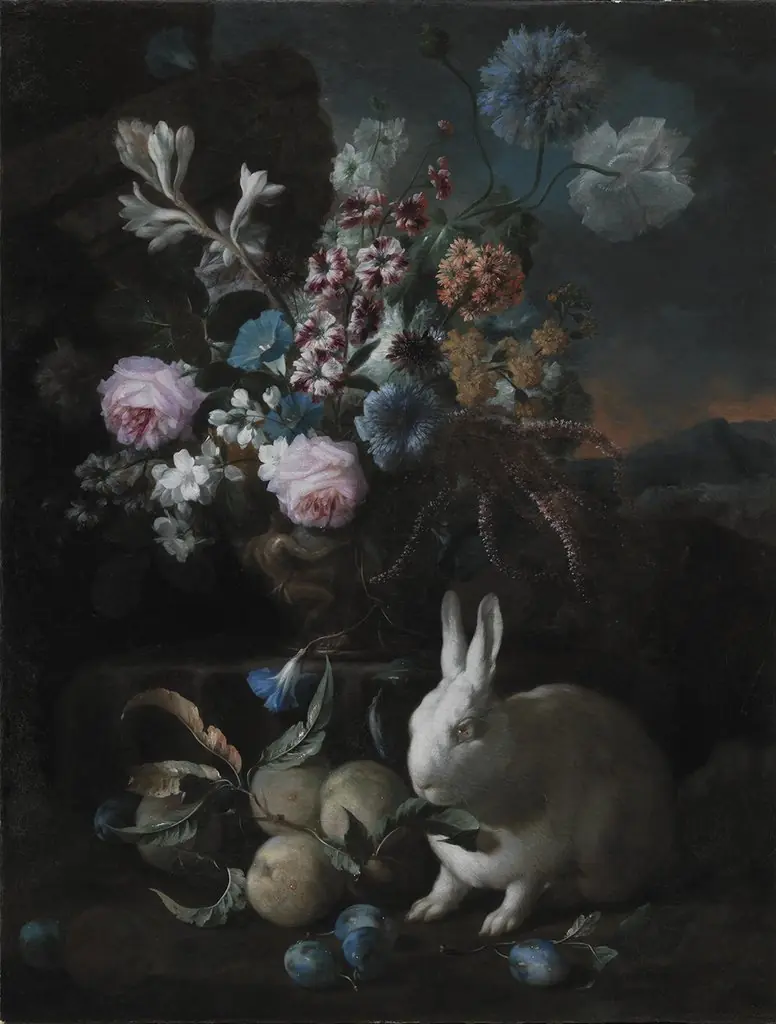
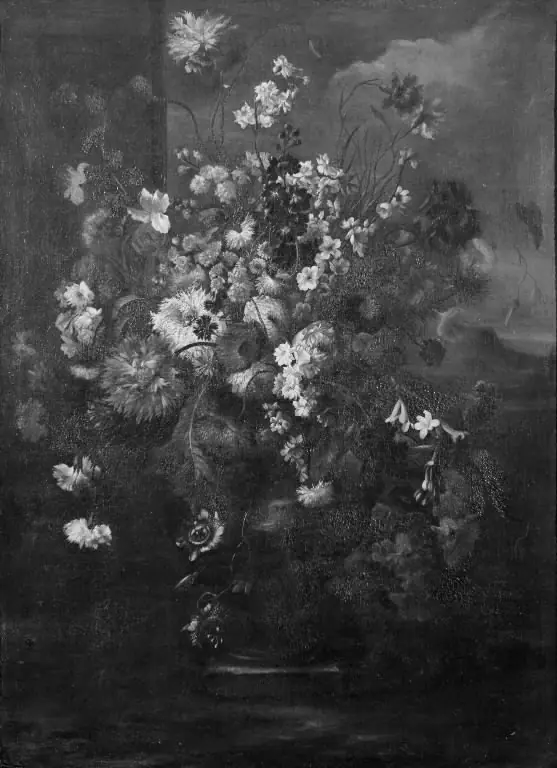
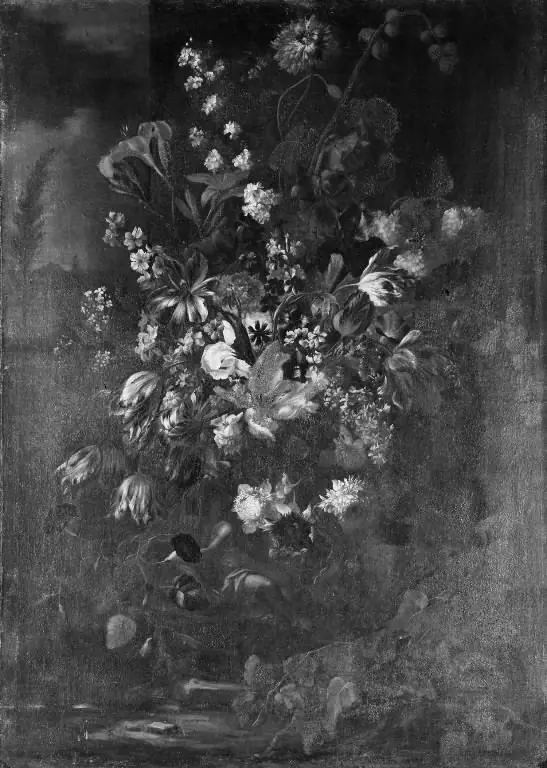
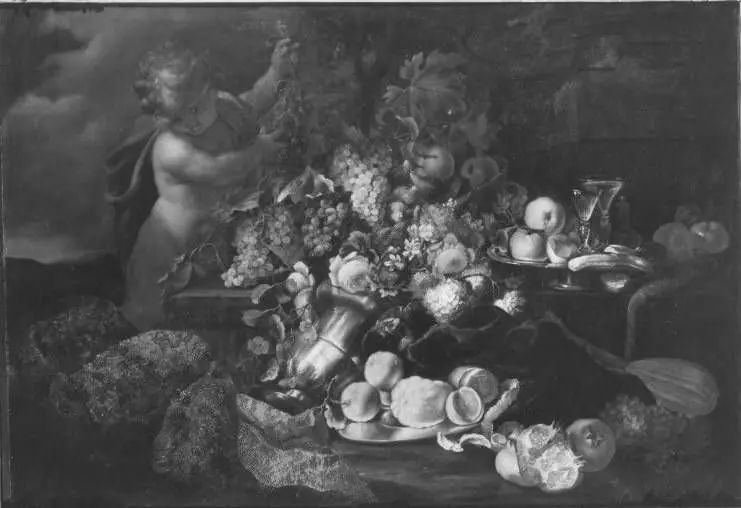
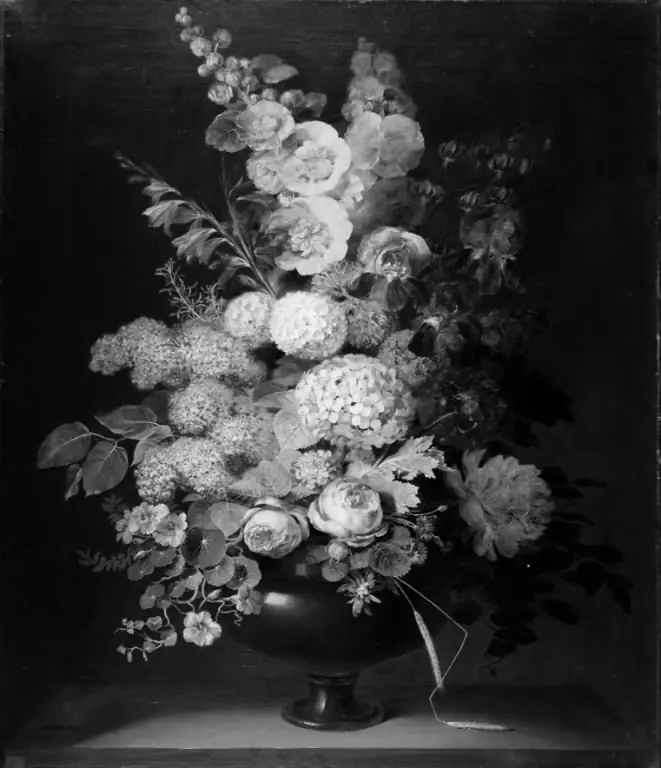
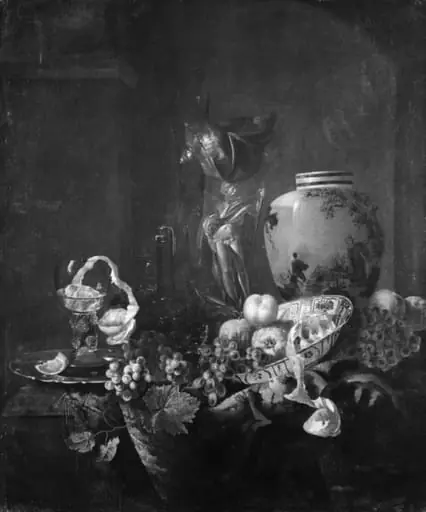
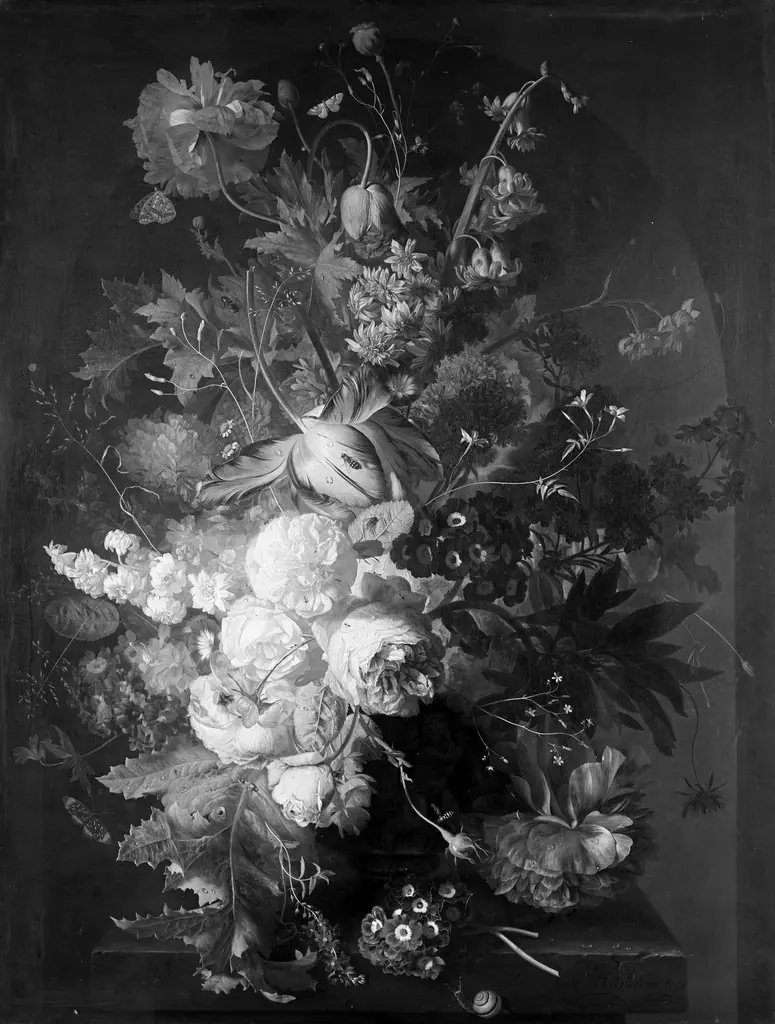
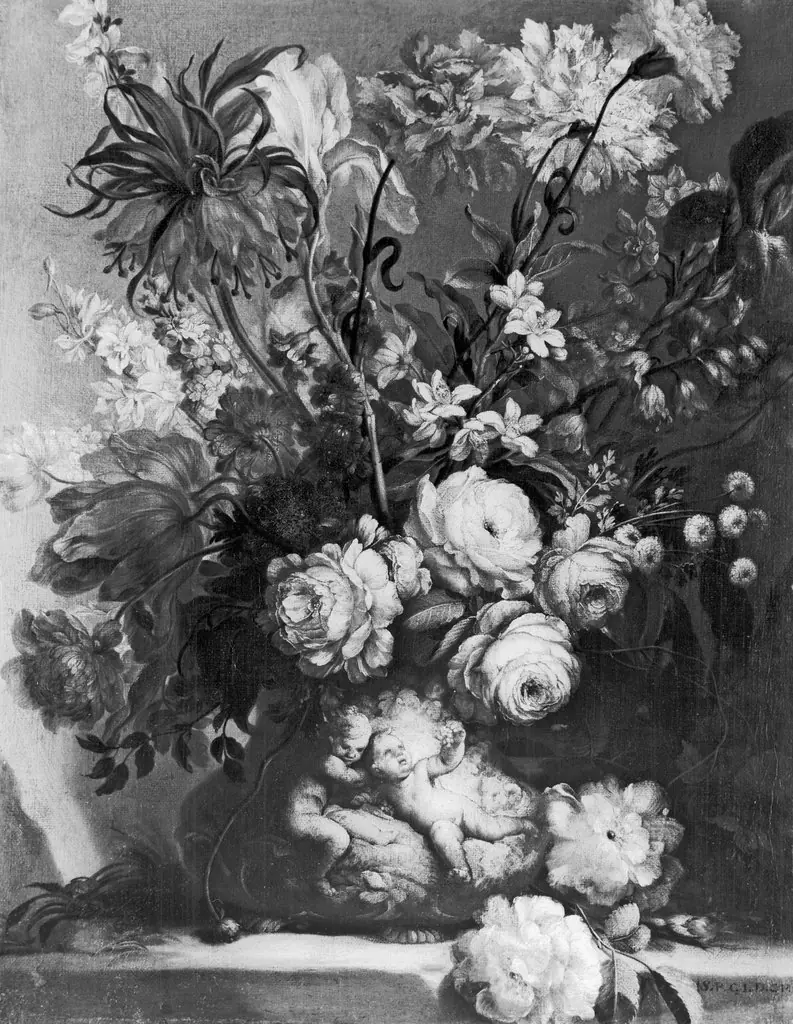
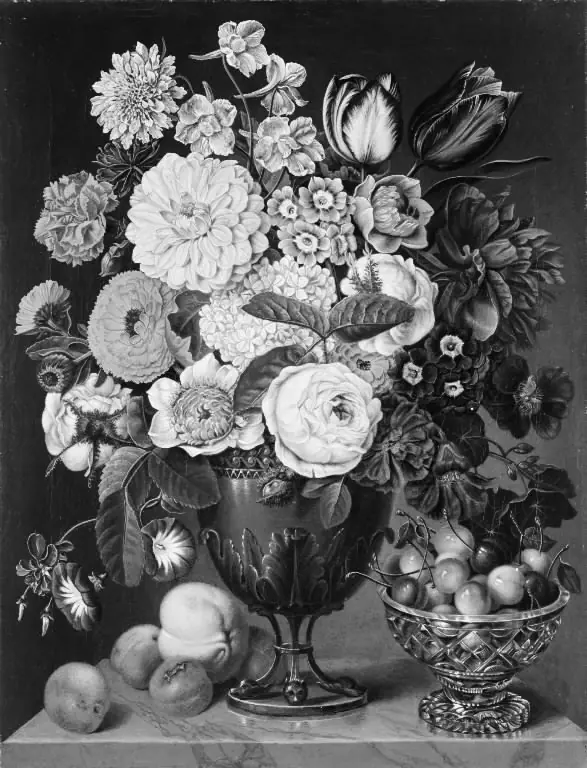
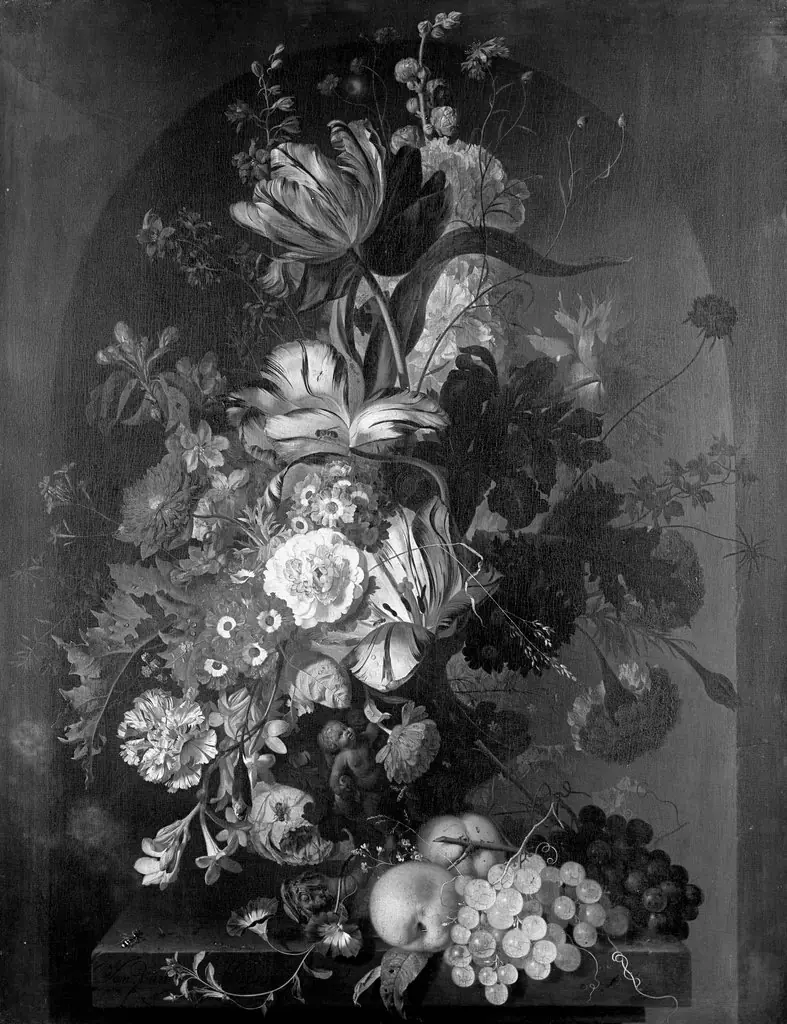
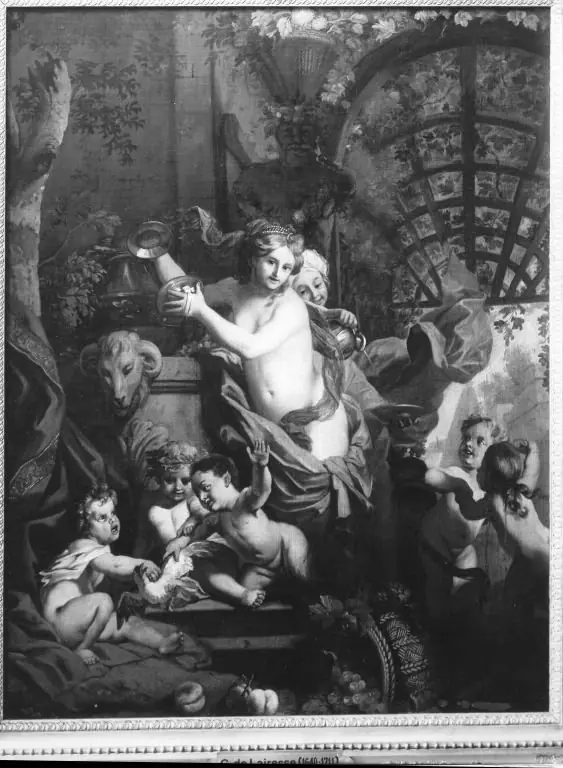
Painted in 1696 by Franz Werner Tamm, this work presents a lush still life set within a garden setting. A central vase overflows with flowers, while fruits and vegetables spill across the foreground. Two putti interact playfully among the vegetation, and distant trees and architecture suggest an outdoor space. The composition balances natural abundance with quiet domestic harmony.
Subject & Meaning
The scene reflects a 17th-century ideal of nature as both bountiful and orderly, celebrating earthly beauty through careful observation rather than allegory.
The arrangement of flowers, fruits, and children evokes themes of fertility, seasonal plenty, and the innocence of rural life. The putti, traditional symbols of playful spirits, enhance the sense of vitality without overt religious reference. The scene reflects a 17th-century ideal of nature as both bountiful and orderly, celebrating earthly beauty through careful observation rather than allegory.
Technique & Style
Tamm employs chiaroscuro to heighten the tactile presence of petals, skins, and leaves, contrasting their luminous surfaces against a dim, atmospheric background. Brushwork is precise yet fluid, capturing the softness of blooms and the sheen of fruit. The background recedes subtly, guiding focus to the foreground’s rich textures and the dynamic movement of the putti.
History & Provenance
The painting has been part of the Alte Pinakothek’s collection since at least the 19th century, likely acquired during the museum’s early expansion of German and Flemish still lifes. Its attribution to Franz Werner Tamm, a lesser-known artist of the period, suggests it was valued for its craftsmanship rather than its creator’s fame.
Context
Created during the late Baroque era, the painting aligns with northern European traditions of detailed still life, where nature’s transience and beauty were often juxtaposed. Unlike Dutch examples, this work integrates figures into the scene, reflecting a regional preference for narrative warmth within floral compositions.
Legacy
Though not widely reproduced, the painting remains a representative example of late 17th-century German still life with figurative elements. It contributes to understanding how regional artists adapted Flemish models to express local sensibilities, emphasizing harmony and quiet delight over grandeur or moral warning.
Artist & collection