Artwork
The Blue Gown
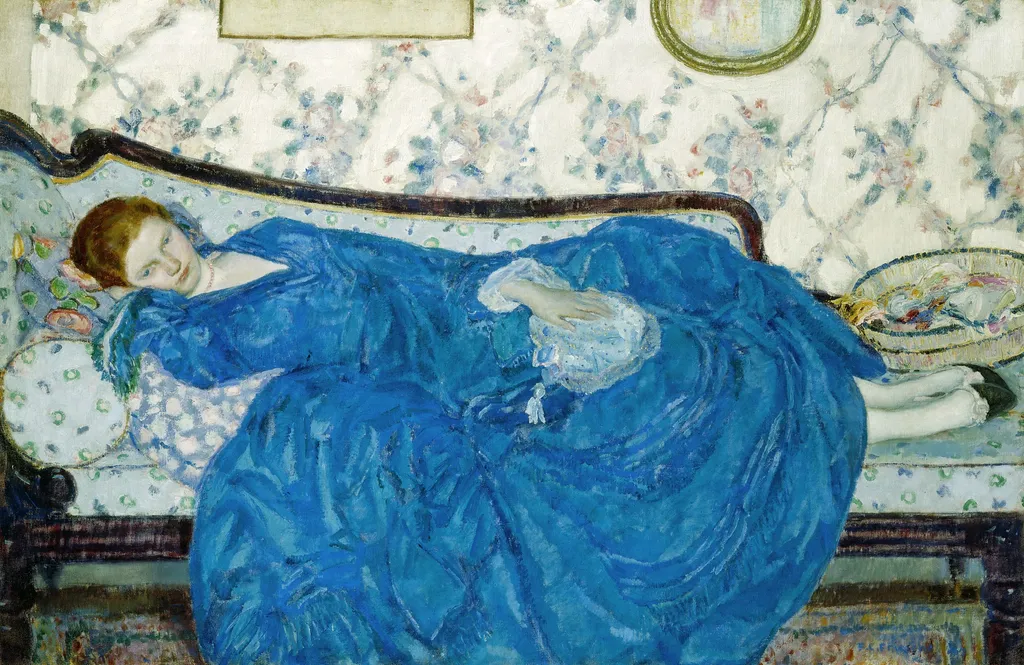
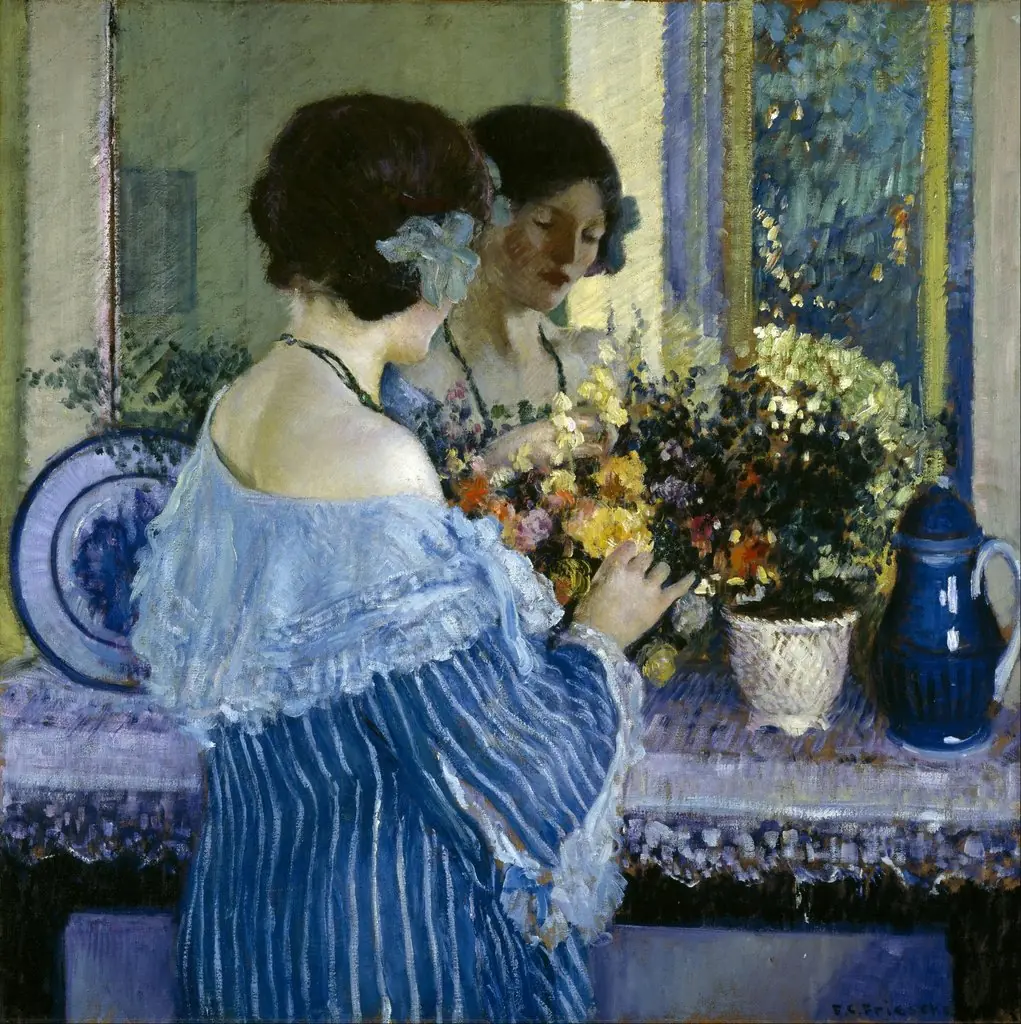
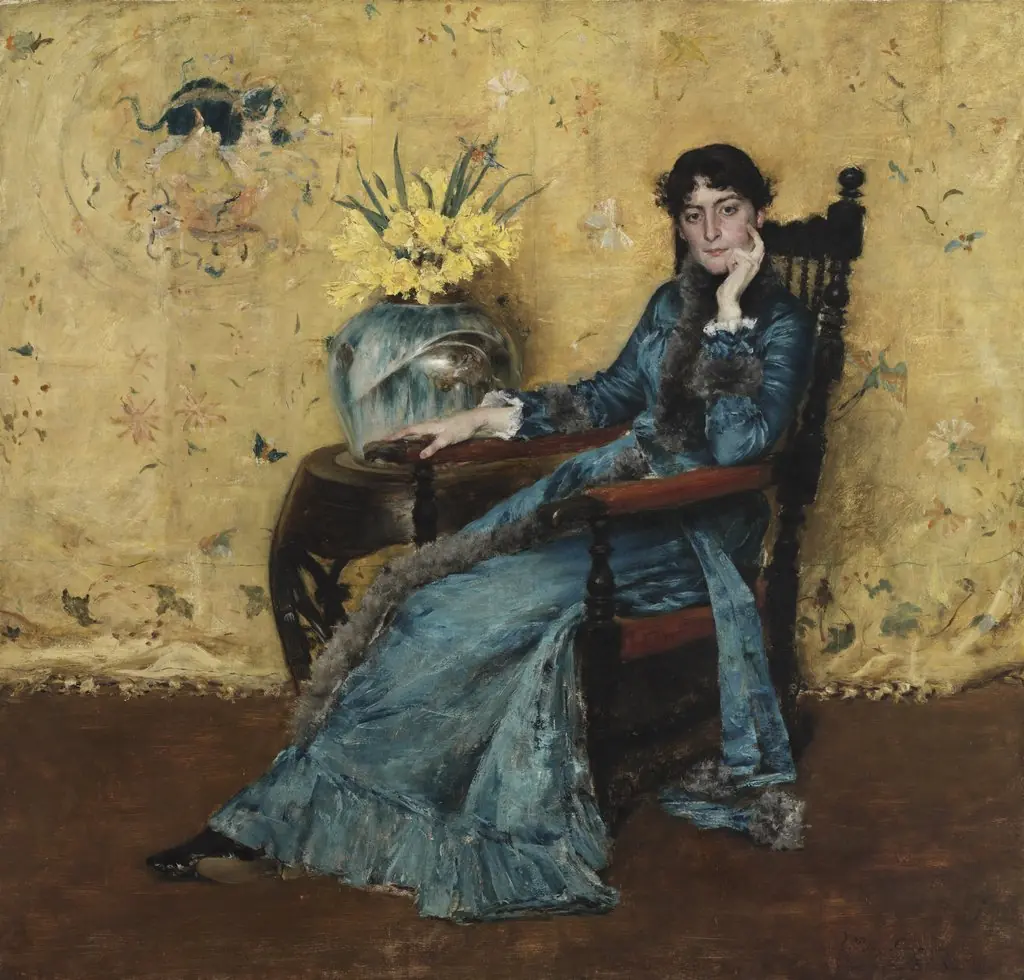
The Blue Gown is an oil painting by the American Impressionist artist Frederick Carl Frieseke. It dates from 1917 and is held in the collection of the Detroit Institute of Arts.
About this work
Overview
Living in Giverny, Frieseke developed a distinctive approach to capturing ambient light, particularly in intimate interior and garden scenes.
Painted in 1917 by American artist Frederick Carl Frieseke, *The Blue Gown* is an oil on canvas work that reflects his prolonged engagement with French Impressionism. Living in Giverny, Frieseke developed a distinctive approach to capturing ambient light, particularly in intimate interior and garden scenes. This piece exemplifies his focus on quiet, everyday moments rendered through subtle color harmonies and soft tonal transitions.
Subject & Meaning
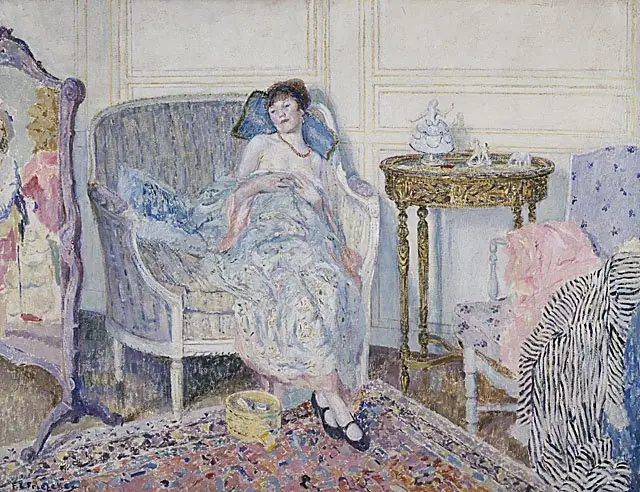
The painting depicts a woman reclining on a cushioned couch, dressed in a flowing blue gown, her eyes closed and posture relaxed. A woven basket rests beside her, suggesting a pause in domestic routine. The stillness of the figure, combined with the absence of narrative action, conveys a sense of private repose. The scene avoids theatricality, instead emphasizing tranquility and the quiet dignity of solitary rest.
Technique & Style
Frieseke employed loose, broken brushwork to render light filtering through fabric and walls, a hallmark of his Impressionist technique. The blue gown and floral wallpaper are rendered with layered hues that shift under simulated sunlight, avoiding flat color. The background’s patterned wall and circular object are suggested rather than sharply defined, reinforcing the painting’s atmospheric quality and emphasis on light over detail.
History & Provenance
Created during Frieseke’s mature period in France, the painting remained in private hands before entering the collection of the Detroit Institute of Arts. Its acquisition by the museum reflects early 20th-century American institutions’ growing interest in expatriate artists who adapted European styles. The work has been consistently exhibited as a representative example of American Impressionism since its inclusion.
Context
In 1917, as Europe was engulfed in war, Frieseke’s Giverny studio remained a refuge for artists focused on light and domestic serenity. His work stood apart from the era’s political and avant-garde currents, instead continuing the legacy of Monet’s plein-air sensibility within interior spaces. *The Blue Gown* aligns with a broader trend among American expatriates who sought calm and aesthetic refinement abroad.
Legacy
The painting endures as a quiet testament to Frieseke’s ability to transform ordinary moments into meditative compositions. While not widely known outside academic circles, it remains a key example in studies of American Impressionism’s domestic focus. Its presence in the Detroit Institute of Arts ensures continued access for viewers interested in the interplay of light, color, and stillness in early 20th-century painting.
Own this work as a print
Artist & collection
Artist
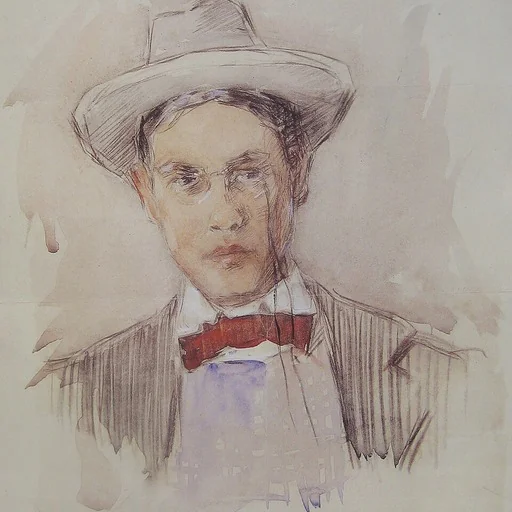
Frederick Carl Frieseke (April 7, 1874 – August 24, 1939) was an American Impressionist painter who spent most of his life as an expatriate in France.