Artwork
Two Trees: Beddgelert Village
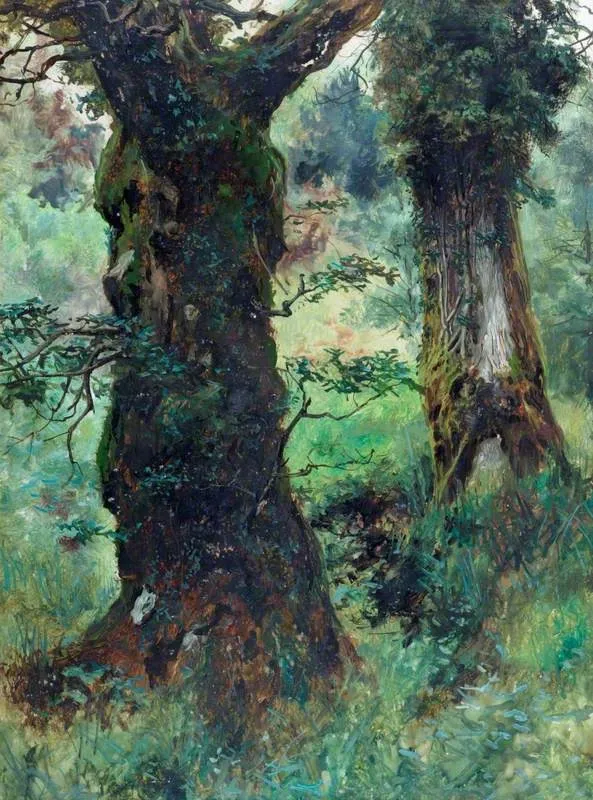
Two Trees: Beddgelert Village is an unspecified painting by Frederick William Hayes. It dates from 1893 and is held in the collection of the Victoria and Albert Museum.
About this work
Overview
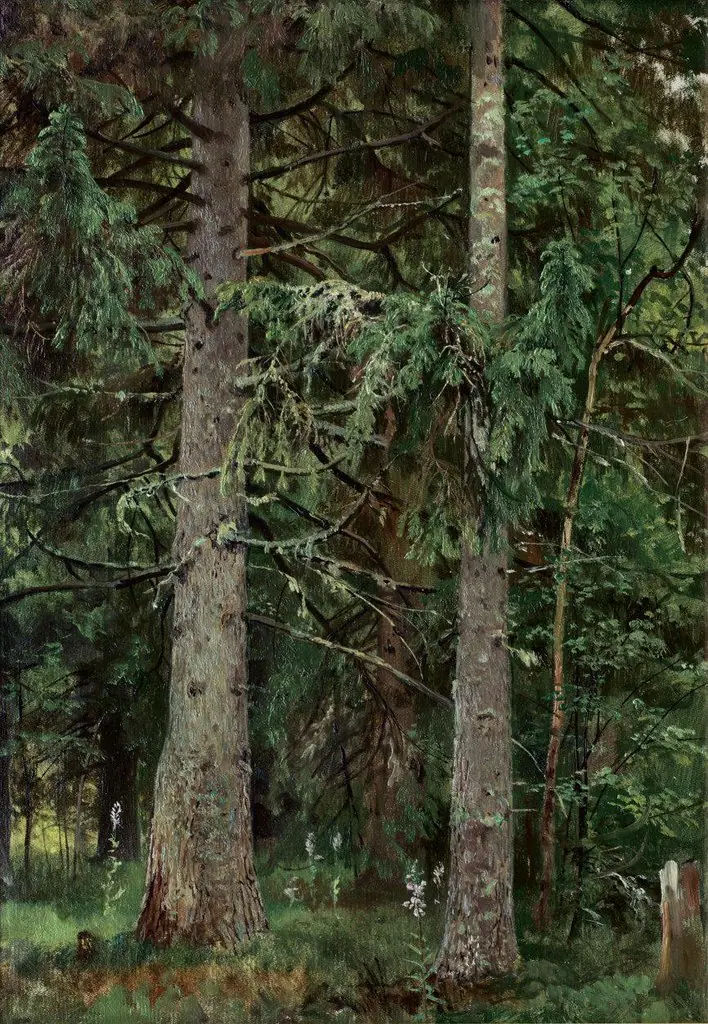
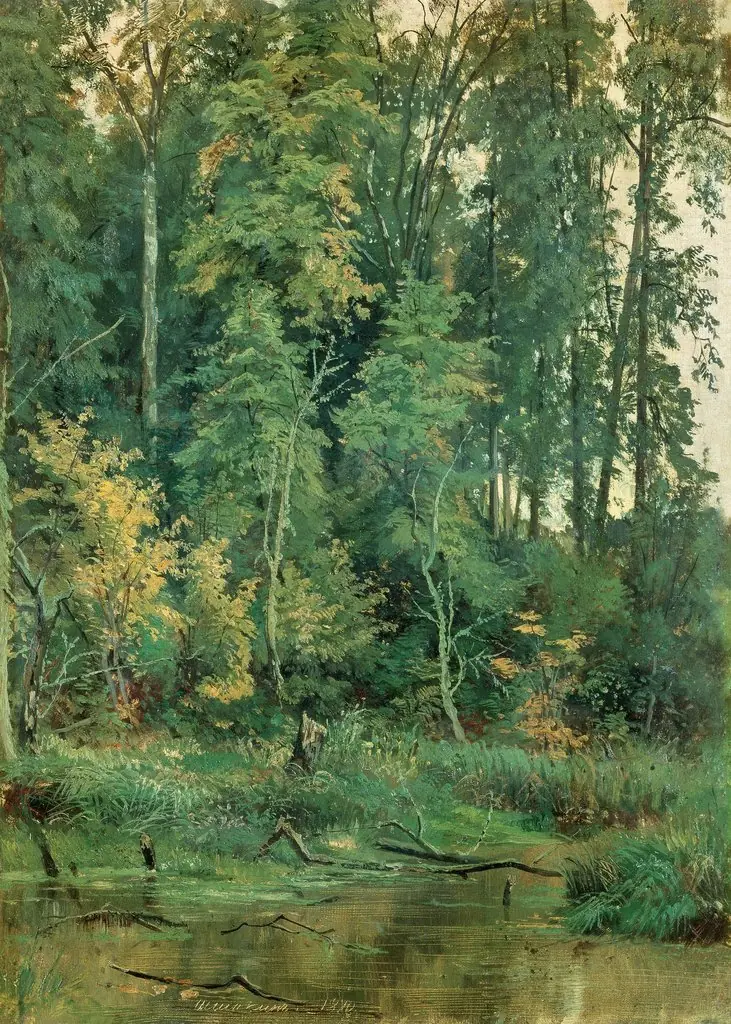
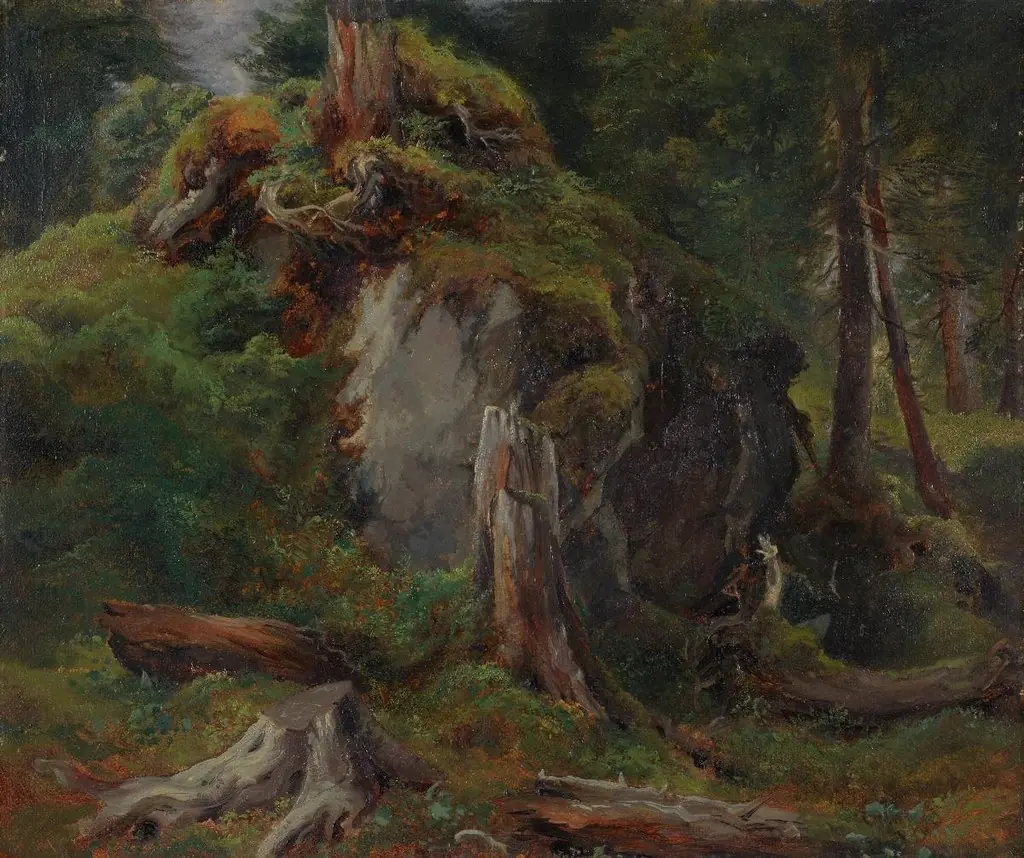
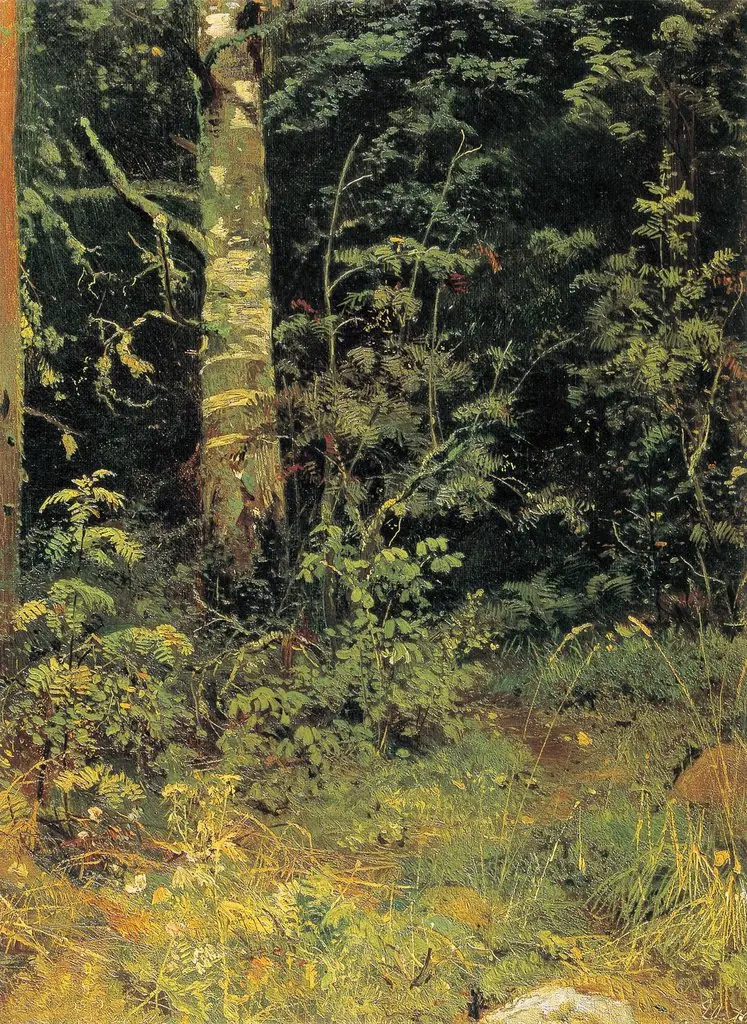
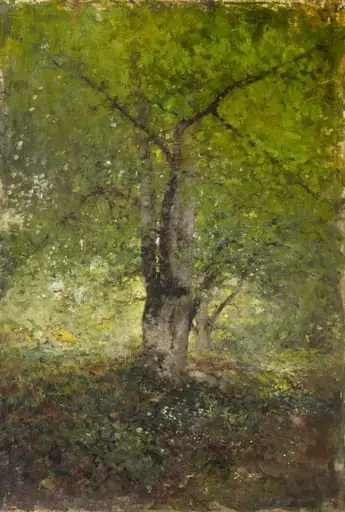
Frederick William Hayes painted *Two Trees: Beddgelert Village* circa 1893, capturing a quiet Welsh hamlet through the framing of two ancient trees.
Frederick William Hayes painted *Two Trees: Beddgelert Village* circa 1893, capturing a quiet Welsh hamlet through the framing of two ancient trees. Originally trained in architecture, Hayes shifted to landscape painting under Henry Dawson in London, developing a quiet, observational style. This work exemplifies his preference for rural settings over urban or coastal subjects, emphasizing natural forms with careful attention to detail and atmosphere.
Subject & Meaning
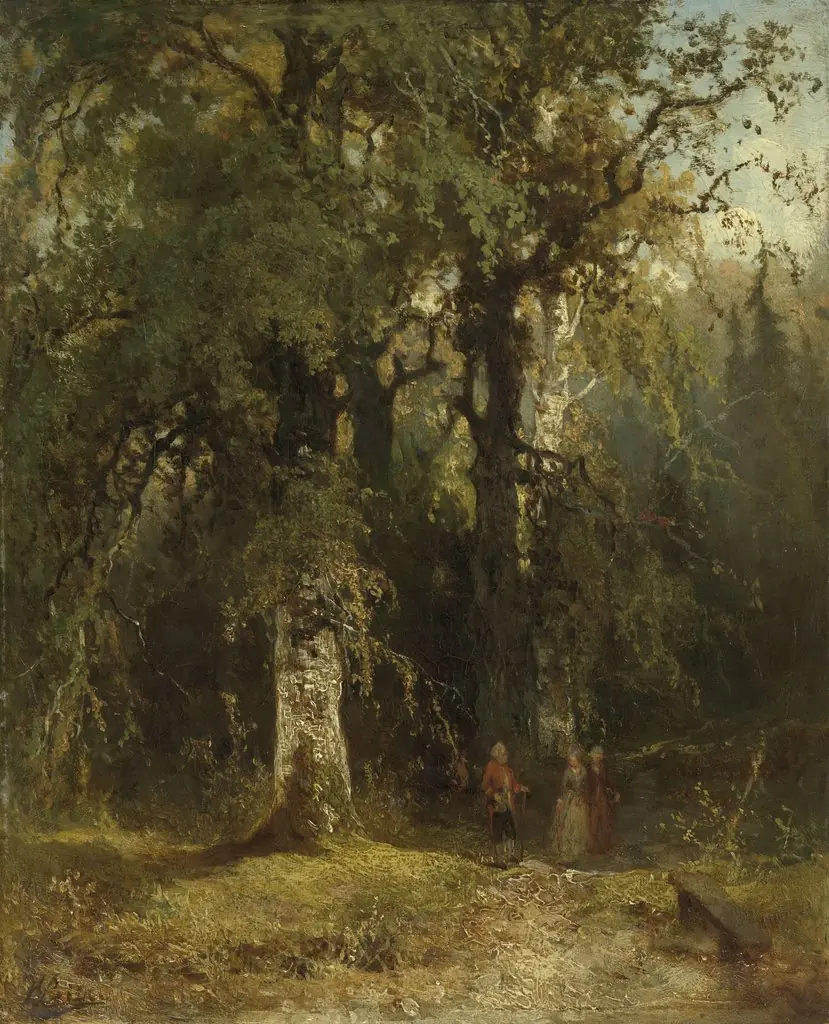
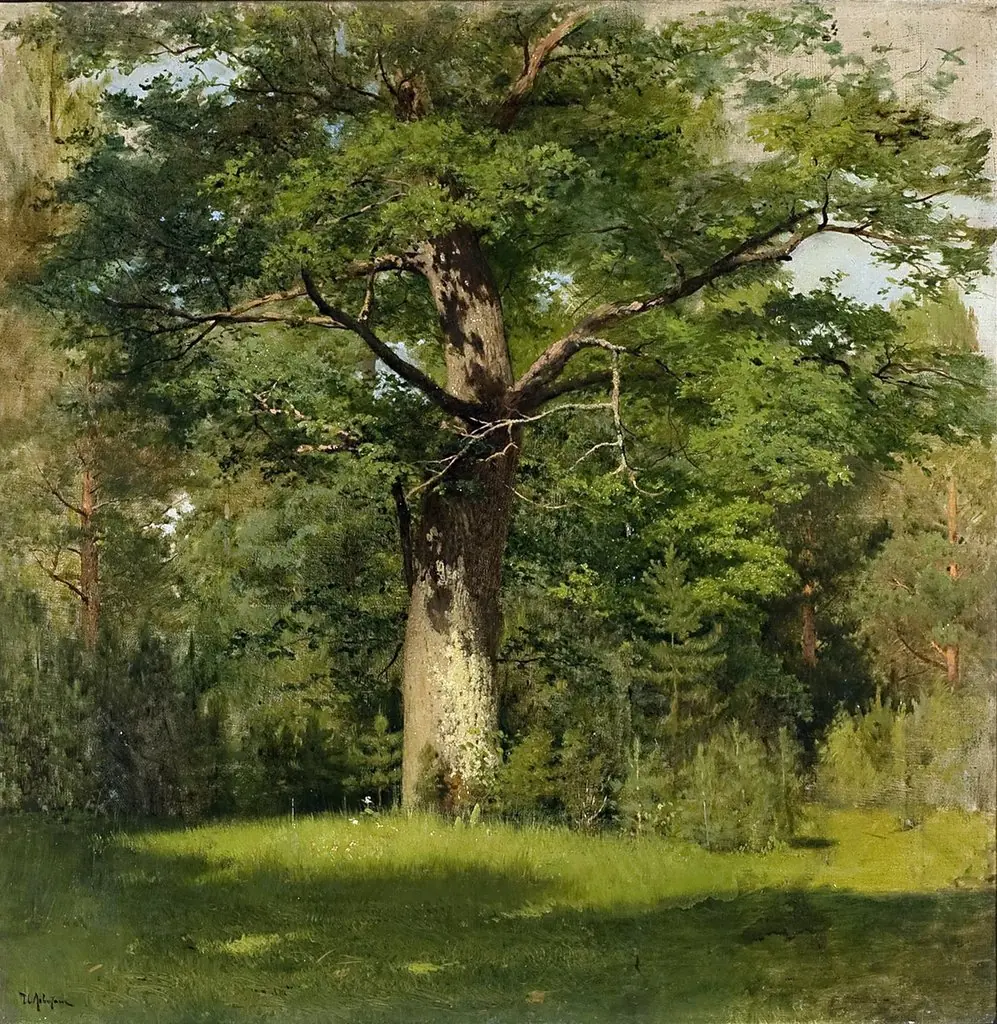
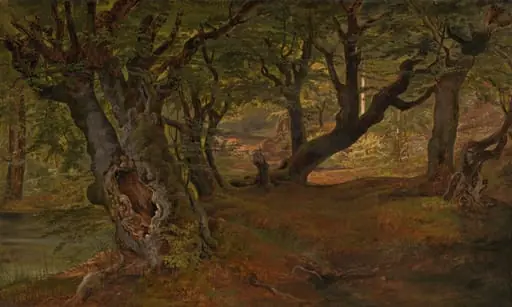
The painting centers on two massive, moss-laden trees standing sentinel over the village of Beddgelert in North Wales. Their twisted trunks and sprawling branches dominate the composition, suggesting endurance and quiet permanence. The surrounding foliage and distant trees imply a lived-in landscape, neither idealized nor romanticized. The scene conveys a sense of time passing within an unaltered natural environment, rooted in the local topography rather than narrative.
Technique & Style
Hayes employed fine brushwork to render the textures of bark, moss, and leaves with precision, creating a tactile sense of the trees’ surfaces. Subtle gradations of green and muted earth tones establish depth, while soft contrasts of light and shadow model the forms without dramatic chiaroscuro. The composition is deliberately contained, focusing attention on the trees’ structure and their relationship to the enclosed space of the village behind them.
History & Provenance
The painting entered the Victoria and Albert Museum’s collection in the early 20th century, likely acquired as part of a broader effort to document British landscape art of the period. Its provenance traces directly to Hayes’s studio, with no known public exhibitions prior to its museum acquisition. It remains one of the few surviving works from his later period focused on Welsh rural scenes.
Context
Painted during a time when British artists increasingly turned to regional landscapes for authenticity, Hayes’s work aligns with a quiet trend away from grand Romantic vistas toward intimate, localized observations. Beddgelert, a village steeped in folklore and pastoral tradition, offered a subject resonant with contemporary interests in heritage and place. Hayes’s approach avoided sentimentality, favoring direct observation over idealization.
Legacy
Though not widely exhibited beyond museum walls, *Two Trees: Beddgelert Village* represents Hayes’s mature style and his commitment to recording the English and Welsh countryside with quiet fidelity. It stands as a modest but enduring example of late Victorian landscape painting that prioritizes texture, atmosphere, and local character over spectacle or narrative. The work continues to be studied for its restrained technique and sensitivity to natural form.
Artist & collection
Artist
Frederick William Hayes ( 13 July 1848, Freshfield, Merseyside - 7 September 1918, Hampstead, London) was an English landscape painter, illustrator, playwright, and novelist.