Artwork
The Hurdy-Gurdy Player
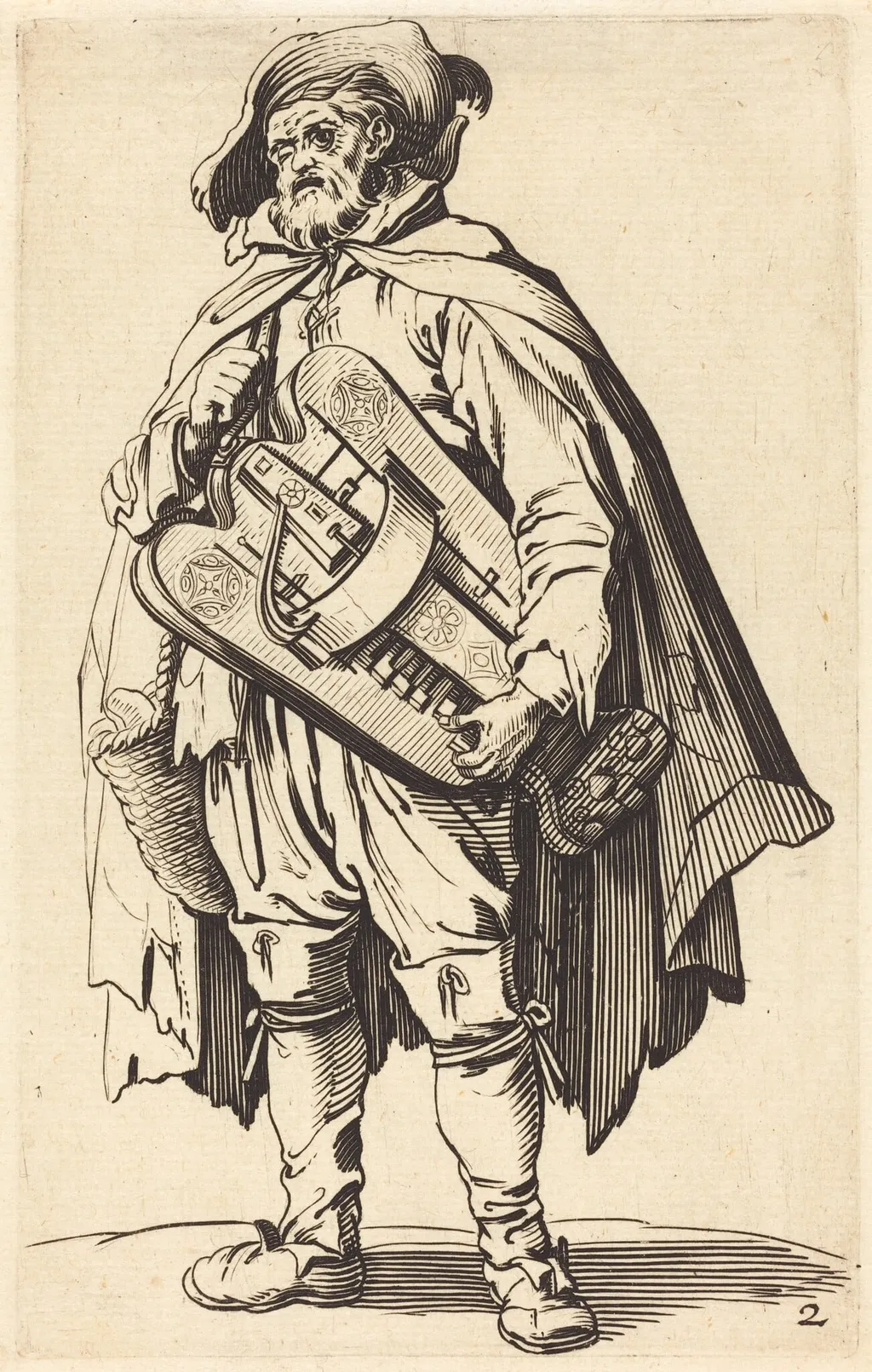
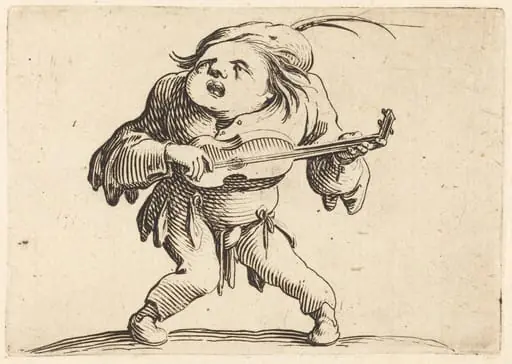
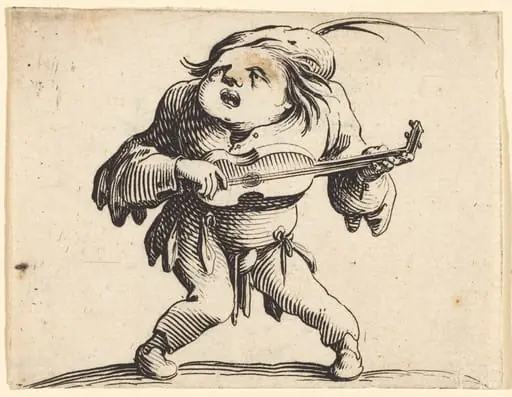
The Hurdy-Gurdy Player is an ink print by the Baroque artist French 17th Century. It dates from 1622 and is held in the collection of the National Gallery of Art. The work is an etching on laid paper depicting a solitary figure dressed in period attire.
About this work
Overview
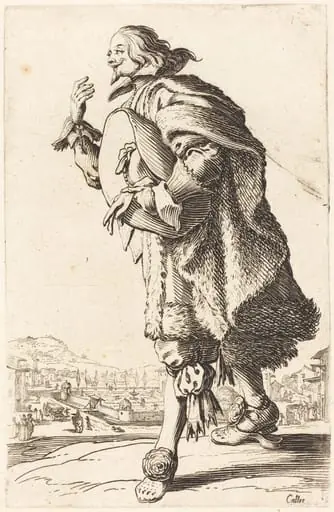
The work is an etching on laid paper depicting a solitary figure dressed in period attire. He cradles a small hurdy‑gurdy beneath his arm, his low‑set hat and loosely draped coat emphasizing a modest, perhaps itinerant, presence. The composition is rendered in stark black and white, with pronounced lines that define the subject’s weathered face and the texture of his clothing.
Technique & Style
The artist’s handling of line is precise, producing deep, dark strokes that delineate the folds of the coat and the contours of the instrument.
Created by incising a metal plate and allowing ink to settle in the resulting grooves, the print employs the classic etching process. The artist’s handling of line is precise, producing deep, dark strokes that delineate the folds of the coat and the contours of the instrument. The contrast between dense shadows and clean whites gives the image a graphic intensity characteristic of 19th‑century printmaking.
Subject & Meaning
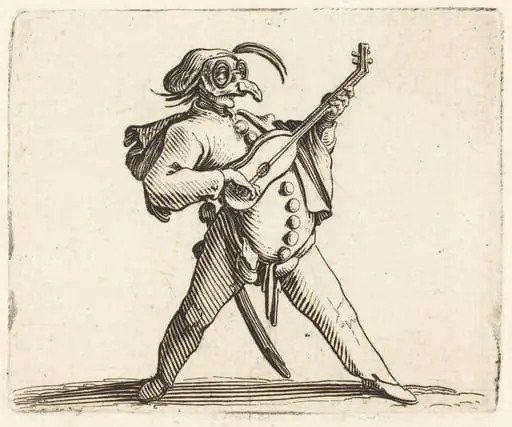
The figure appears as a street musician, his hurdy‑gurdy suggesting a role in popular entertainment of earlier centuries. The emphasis on worn features and simple dress may allude to the social marginality of itinerant performers, inviting viewers to consider the everyday lives of those outside the formal art world.
Context
Etchings of genre scenes were common in the period, serving both as documentary records and as affordable art for a growing middle class. By focusing on a humble musician, the artist aligns with contemporary interests in realism and the depiction of ordinary subjects, reflecting broader trends in European visual culture during the era of industrialization.
Artist & collection

Artist
Seventeenth-century French printmakers turned ink into story. Their tools were burin and acid, paper their stage. Look at the Beggar Woman with Rosary (1622), etched on laid paper, her hands folded around faith, or The…