Artwork
Portrait of a Man in a Military Uniform
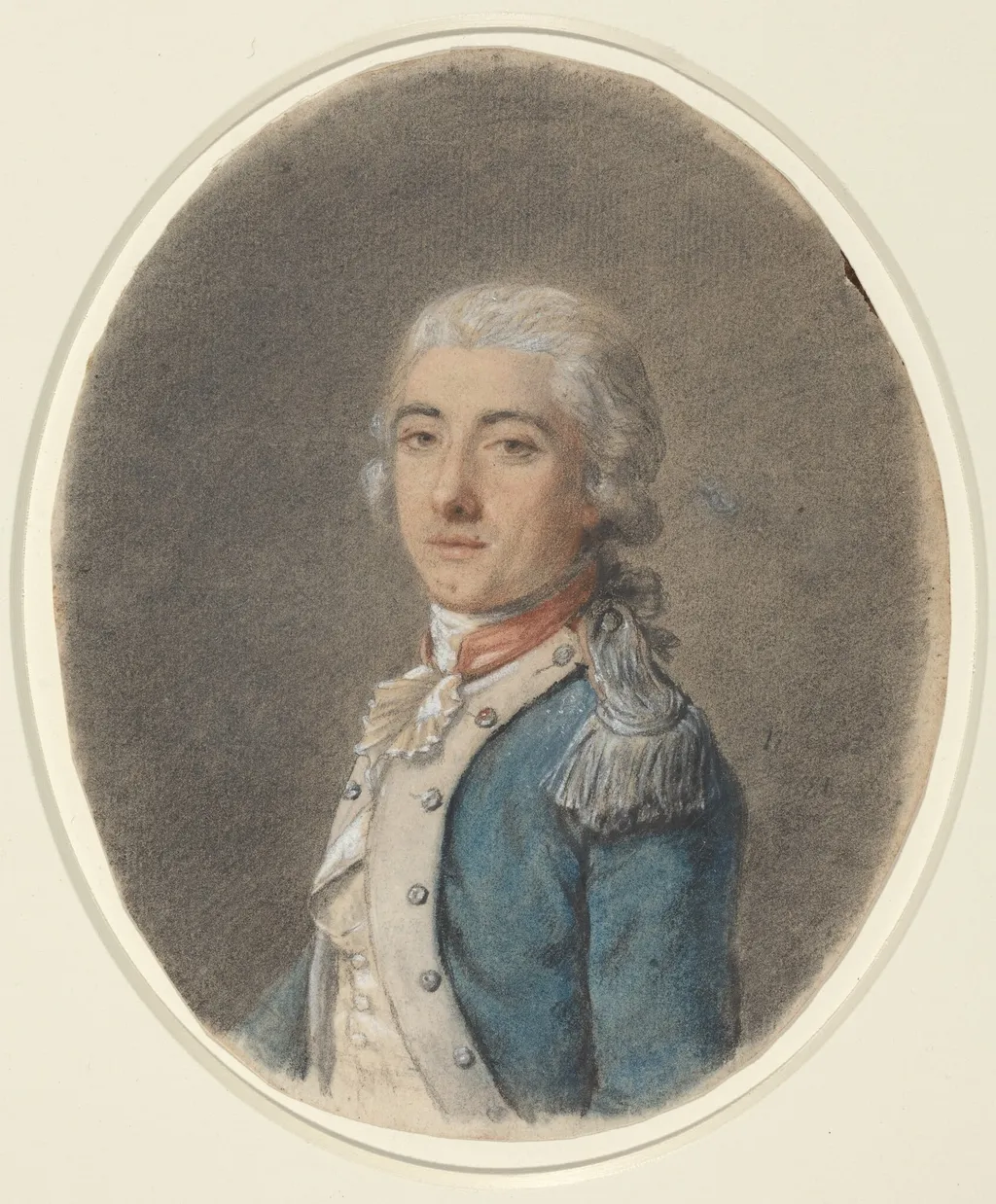
Portrait of a Man in a Military Uniform is a chalk drawing by the Baroque artist French 18th Century. It dates from 1701 and is held in the collection of the National Gallery of Art. This drawing depicts a man in a military uniform, rendered in black, blue, and red chalk with white highlights on laid paper.
About this work
The artist's use of chiaroscuro creates a sense of drama and tension in the painting, drawing the viewer's eye to the subject's face and uniform.
This painting is a portrait of a man in a military uniform. He is shown from the waist up, facing the viewer with a neutral expression. His hair is styled in a powdered wig, and he wears a blue coat with white lapels and buttons.
The man's uniform is detailed with intricate folds and textures, suggesting a sense of depth and dimensionality. The background of the painting is a muted gray, which helps to focus attention on the subject.
The artist's use of chiaroscuro creates a sense of drama and tension in the painting, drawing the viewer's eye to the subject's face and uniform. This painting is reminiscent of the work of French 18th Century artists.
Overview
This drawing depicts a man in a military uniform, rendered in black, blue, and red chalk with white highlights on laid paper. The composition focuses on the upper torso, presenting the figure frontally with a composed demeanor. The restrained palette and minimal background direct attention to the subject’s attire and facial features, emphasizing precision over narrative context.
Subject & Meaning
The subject is a military officer, identifiable by his uniform’s structured form and powdered wig, symbols of rank and social standing in 18th-century Europe. His neutral expression conveys stoicism, aligning with ideals of disciplined authority. The portrait functions as a record of status rather than a psychological study, typical of formal military portraiture of the period.
Technique & Style
Chalk in three tones, augmented with white heightening, creates subtle gradations of light and shadow. The artist employs careful hatching and cross-contour lines to define the folds of fabric and the texture of the wig, achieving a tactile realism. The muted gray background enhances the three-dimensionality of the figure through chiaroscuro, a technique rooted in Renaissance draftsmanship.
History & Provenance
The work’s origins are not fully documented, but its materials and style suggest it was produced in France during the 1700s. Such drawings often served as preparatory studies or independent portraits for elite patrons. Its preservation on laid paper indicates it was handled as a finished work, not merely a sketch.
Context
In 18th-century France, military officers were prominent figures in court and society, and their portraits were commissioned to affirm identity and prestige. Drawings like this, executed in colored chalk, were favored for their immediacy and elegance, bridging the gap between formal oil paintings and informal sketches in aristocratic circles.
Legacy
This drawing reflects the enduring value placed on draftsmanship in French academic tradition. Though not attributed to a major named artist, its technical refinement exemplifies the skill expected of portraitists working in elite circles. It contributes to a broader understanding of how military identity was visually codified in pre-revolutionary France.
Artist & collection

Artist
This artist worked in late 18th-century France, making portrait paintings and etched prints.

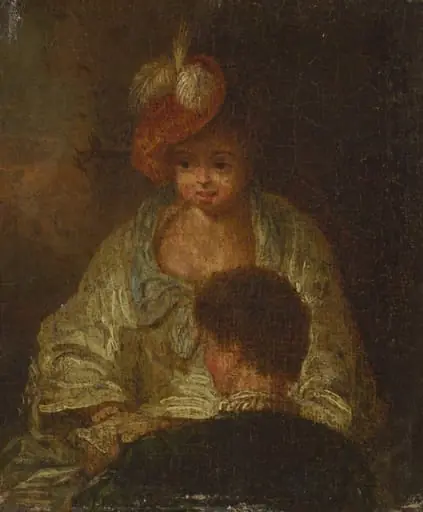
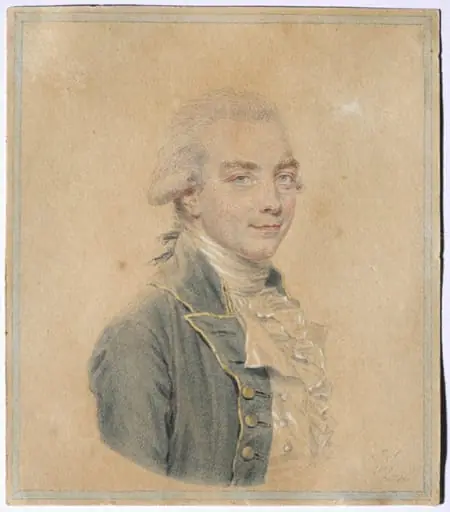 Portrait of Sir John Macpherson, 1st Baronet, Governor-General of India
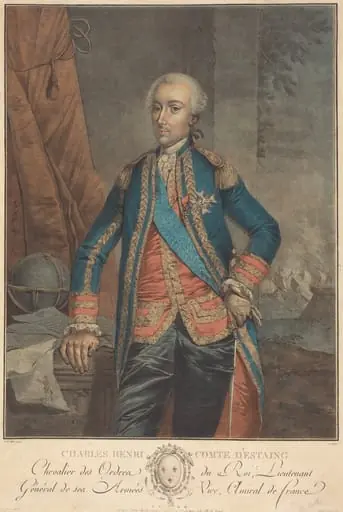 Charles Henri, Comte d'Estaing
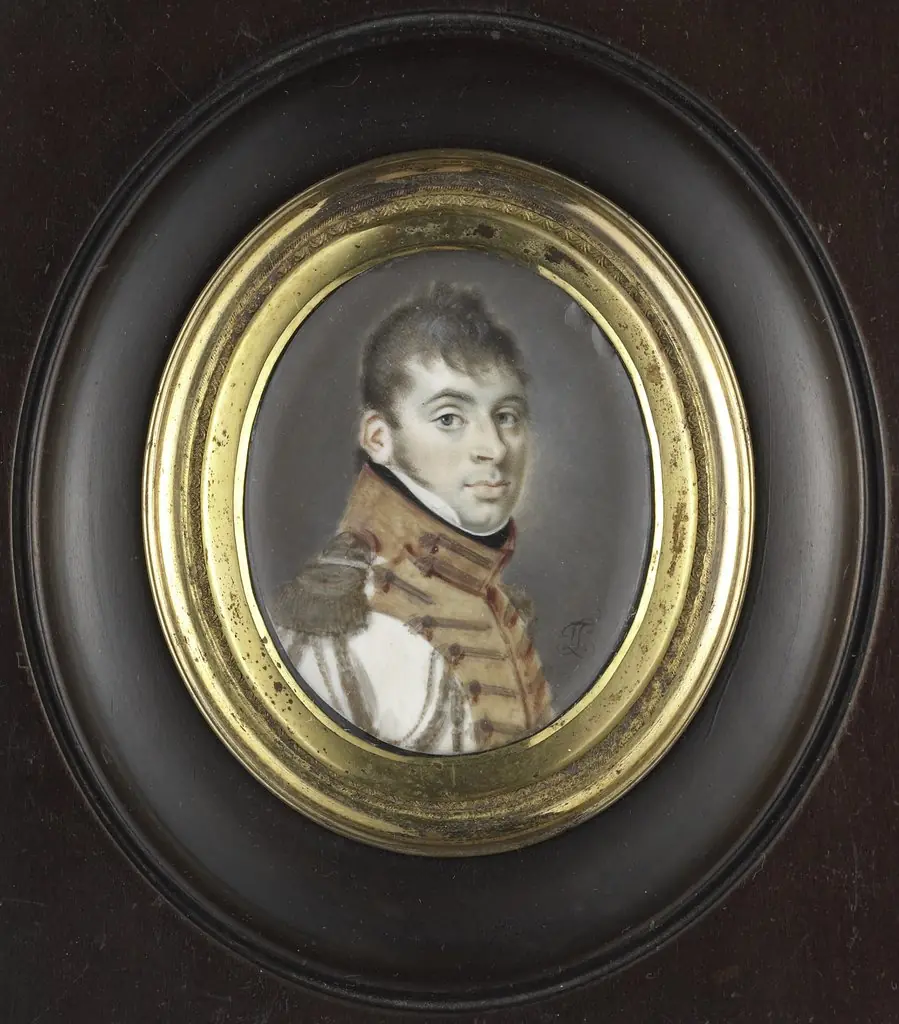 Willem Jacob Verkouteren (1779-1861), in het uniform van de Garde d'Honneur van Delft
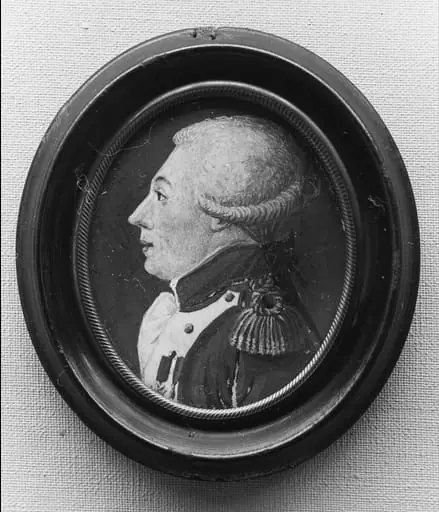 Portrait Miniature of the Marquis de Lafayette
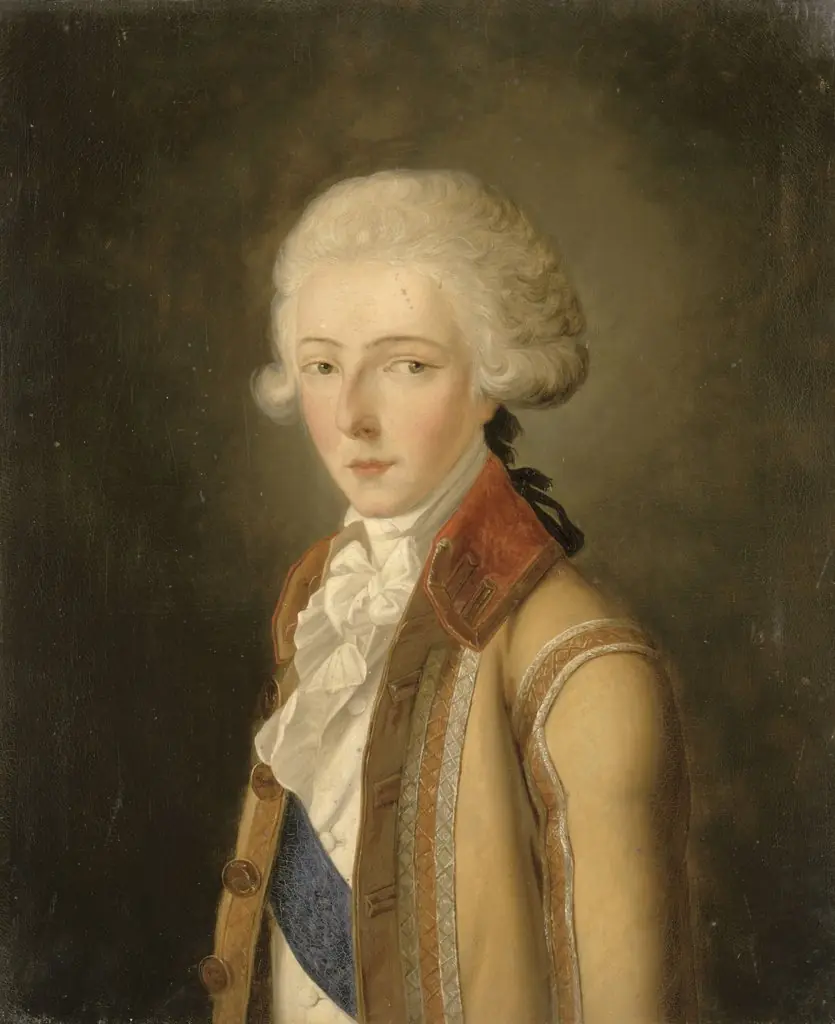 Louis Antoine de Bourbon, Duke of Enghien (1772—1804)
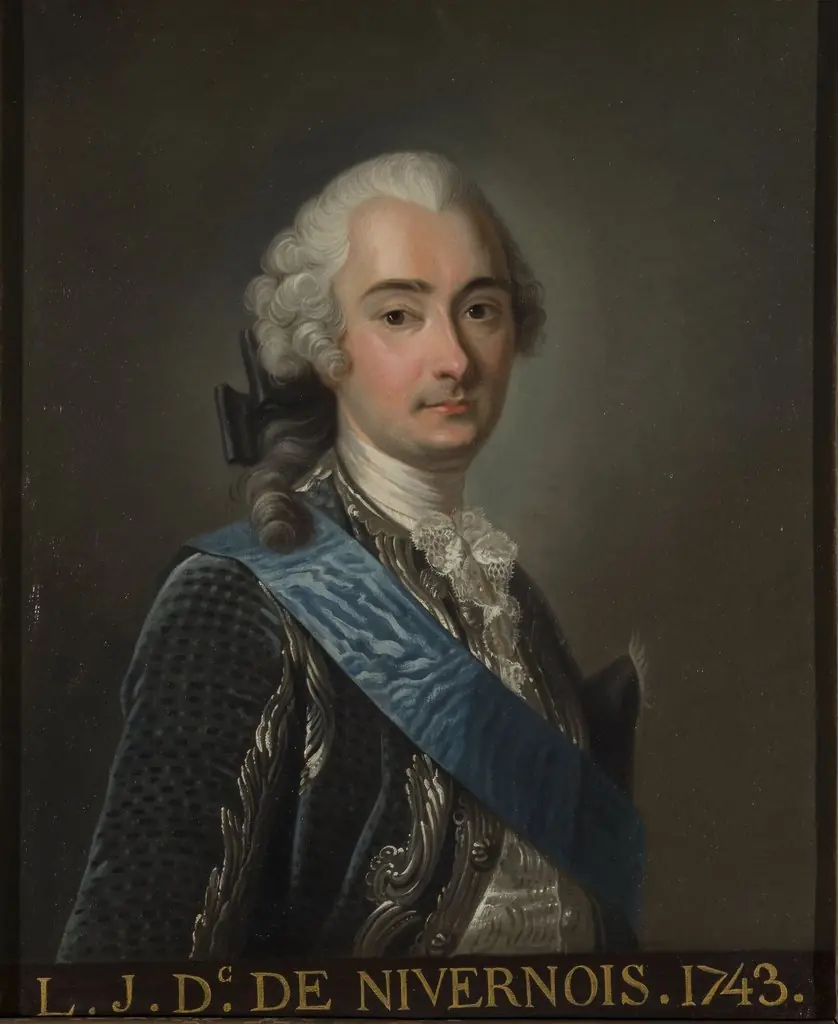 Louis-Jules-Barbon Mancini-Mazarin, Duke of Nivernais (1716-1798)
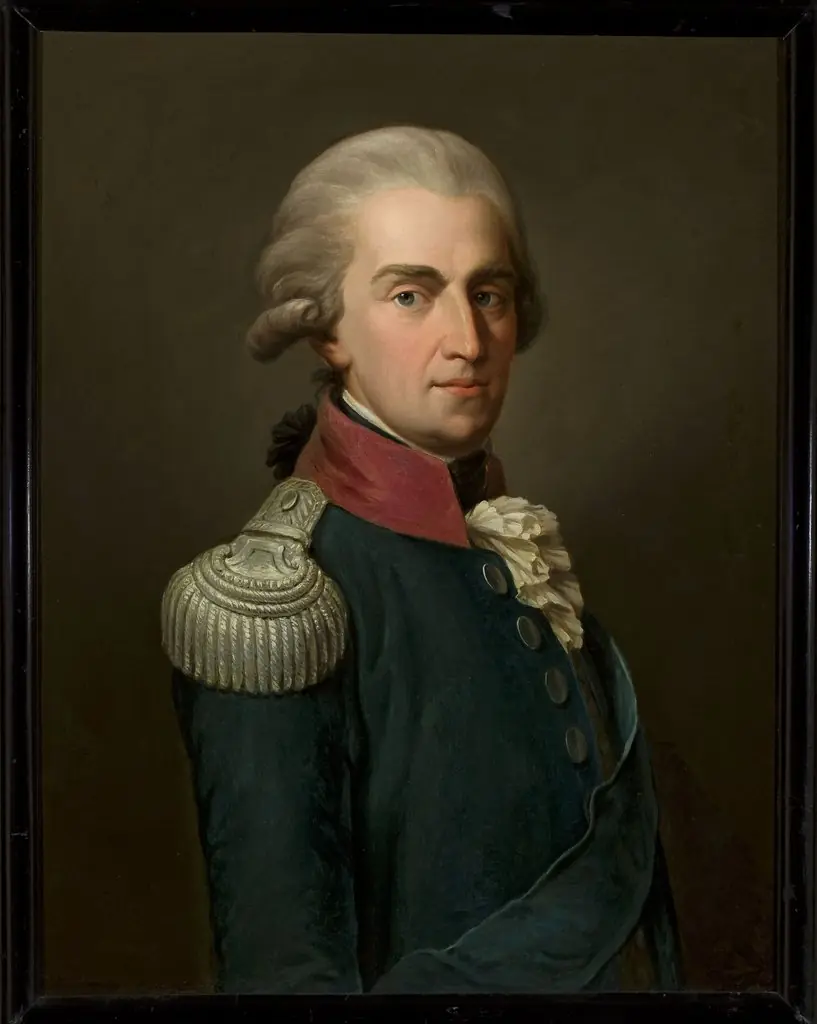 Portrait of Frederick Augustus, Duke of Warsaw
 Portrait of Théophile Van Robais
 Portrait of Stanisław August Poniatowski
 An Unknown French Officer