Artwork
Charles Henri, Comte d'Estaing
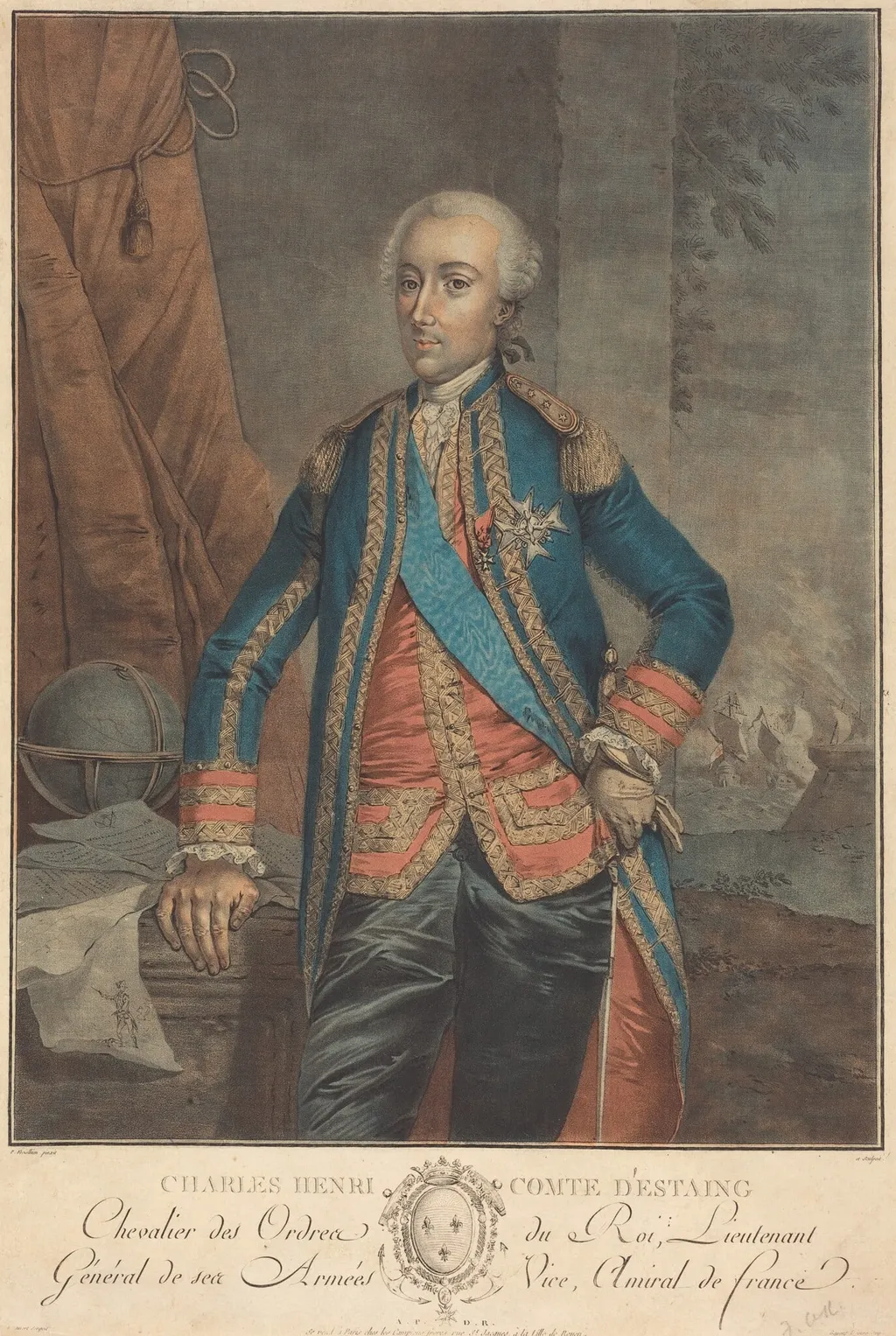
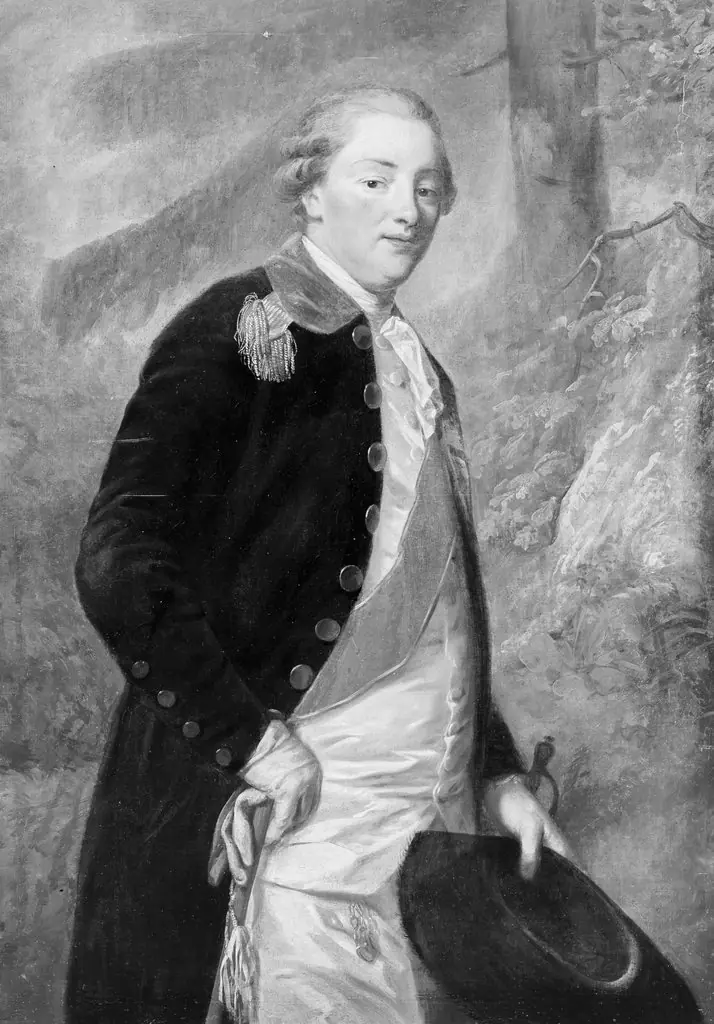
Charles Henri, Comte d'Estaing is an ink print by the Romanticist artist P. Frieselhem. It dates from 1780 and is held in the collection of the National Gallery of Art.
About this work
Overview
This print depicts Charles Henri, Comte d'Estaing, a French naval officer and nobleman, rendered in color etching and mezzotint around 1780. The work was produced by P. Frieselhem and presents a formal portrait emphasizing rank and authority. The image combines fine line work with tonal gradations to achieve a lifelike presence, typical of late 18th-century military portraiture in print form.
Subject & Meaning
The globe and rolled map reference his command of overseas expeditions, while the sword and medals affirm his service to the French crown.
D'Estaing is portrayed in full military regalia, his blue coat, gold buttons, and red sash signaling his high status. The globe and rolled map reference his command of overseas expeditions, while the sword and medals affirm his service to the French crown. The faint ship and distant figure in the background suggest his role in colonial campaigns, reinforcing his identity as an administrator of imperial power rather than a battlefield commander.
Technique & Style
The portrait employs color etching for precise outlines and mezzotint for rich tonal depth, particularly in the fabric and skin tones. The contrast between the bright blue coat and the muted background creates visual focus. Details like the cravat and medals are rendered with fine lines, while softer gradients in the sky and sea add atmospheric depth, reflecting the technical sophistication of French printmaking at the time.
History & Provenance
Created circa 1780, the print likely served as a commemorative portrait for d'Estaing’s supporters or as a record of his service during the American Revolutionary War. It was produced during a period when French military leaders were widely depicted in print to bolster public prestige. No definitive early ownership records survive, but the work aligns with the circulation of similar portraits among aristocratic and naval circles in late Bourbon France.
Context
D'Estaing’s career unfolded amid France’s imperial ambitions and its involvement in the American Revolution. As commander of the French fleet sent to aid the colonies, he became a symbol of royal military outreach. This portrait reflects the era’s practice of using visual media to legitimize state authority, blending personal achievement with institutional loyalty through standardized iconography of rank and global reach.
Legacy
The print remains a documented example of how French military elites were visually represented in the decades before the Revolution. While d'Estaing’s historical reputation is complex, this image preserves the formal language of aristocratic service. It contributes to the broader corpus of 18th-century print culture that shaped public perception of leadership, diplomacy, and empire through controlled, reproducible imagery.
Artist & collection


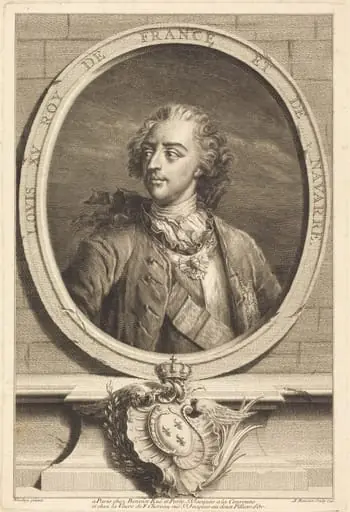 Louis XV, King of France
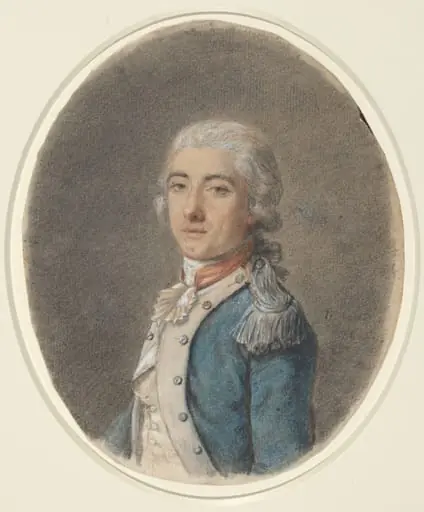 Portrait of a Man in a Military Uniform
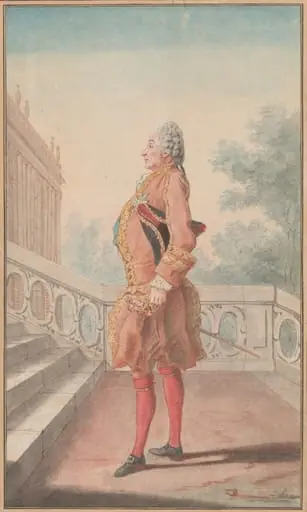 The Maréchal de Brissac
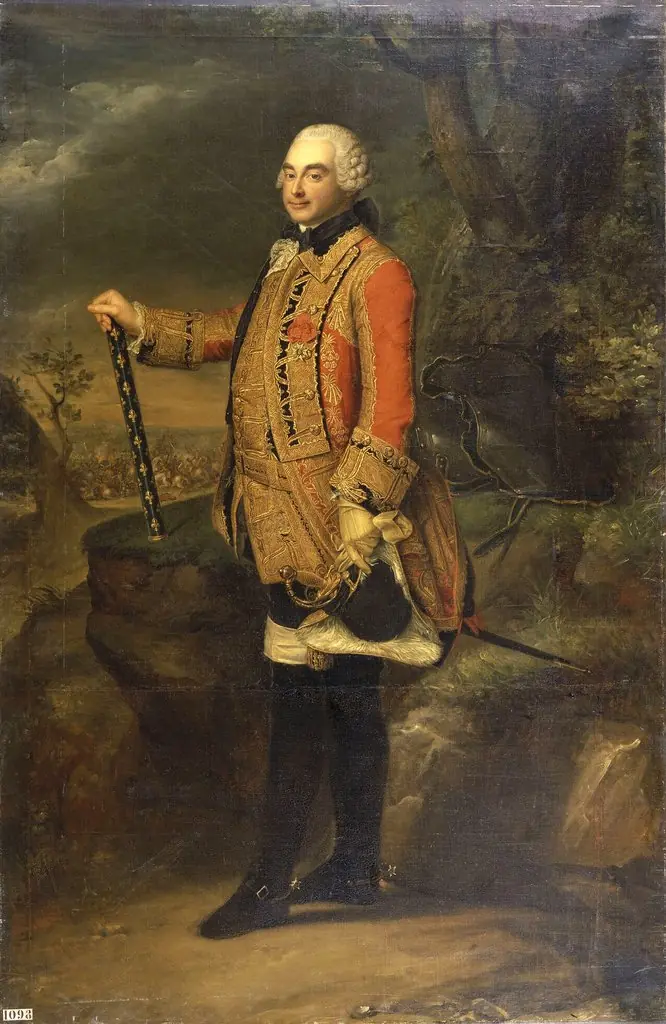 Portrait of Charles de Rohan, Prince of Soubise
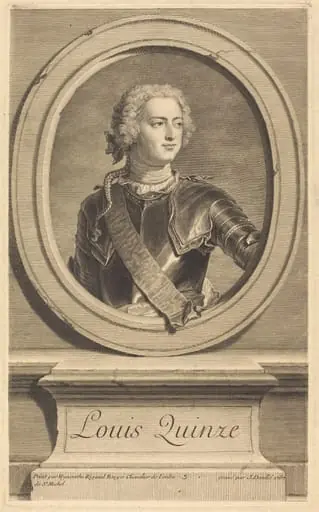 Louis XV
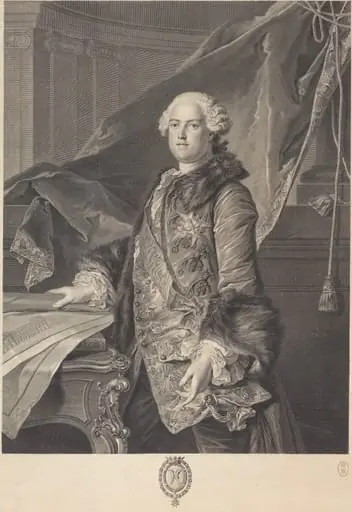 Marquis de Marigny
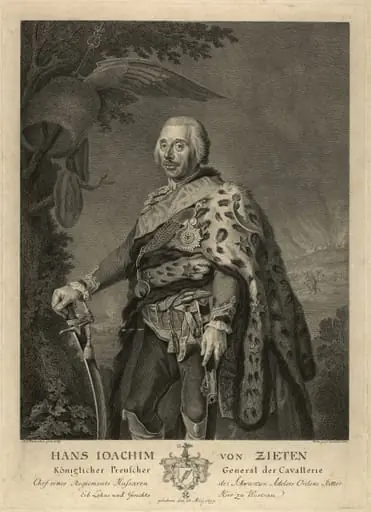 Therbusch, Anna Dorothea (Vorlage): Porträt Hans Joachim von Zieten
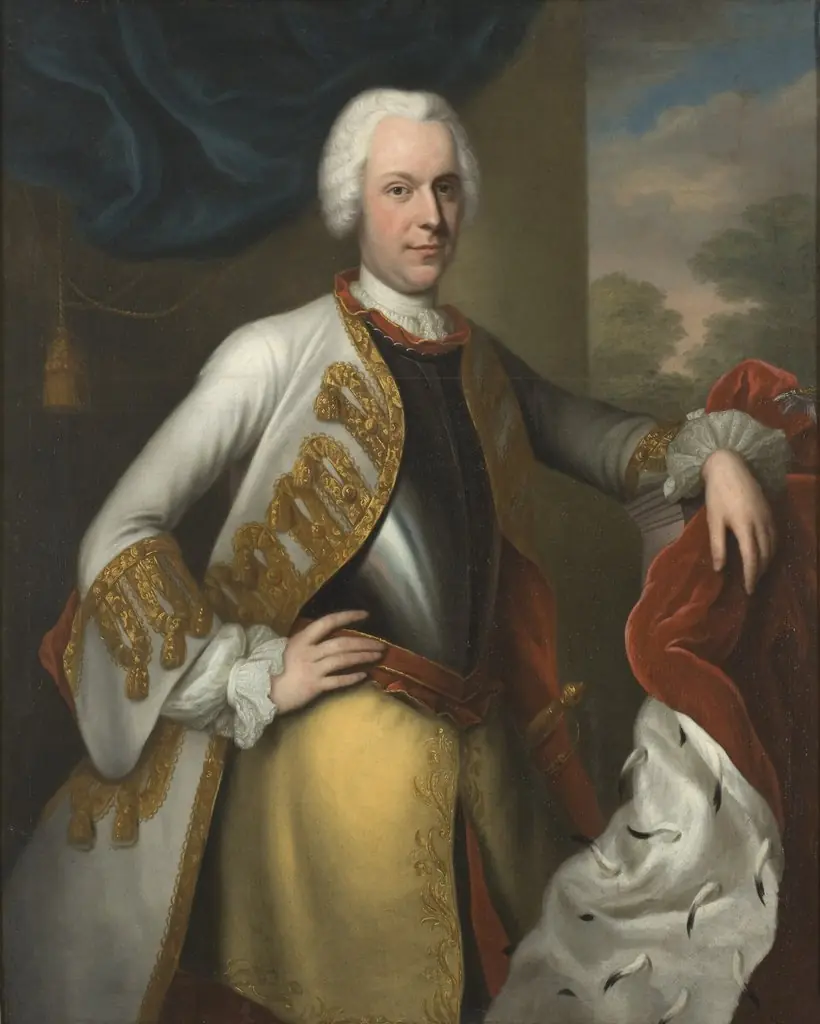 Adolf Fredrik (1710-1771), king of Sweden, duke of Holstein-Gottorp, prince bishop of Lübeck, married to Lovisa Ulrika of Prussia
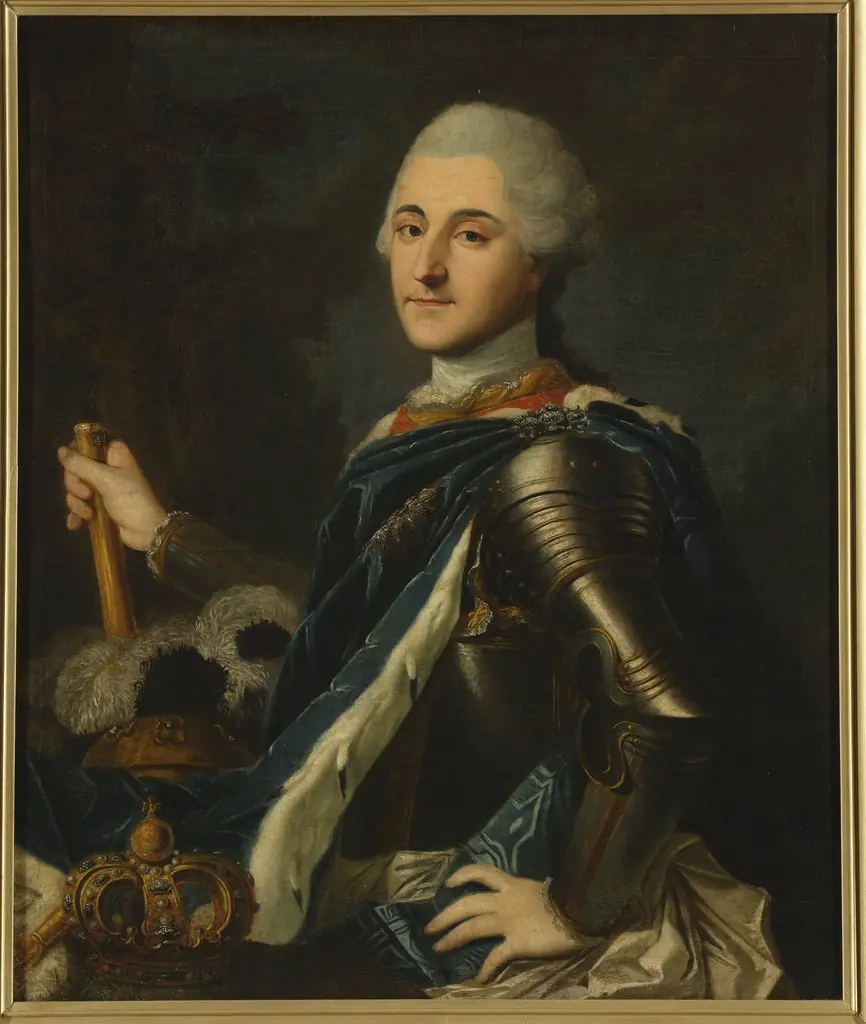 Portrait of king Stanisław August in armour
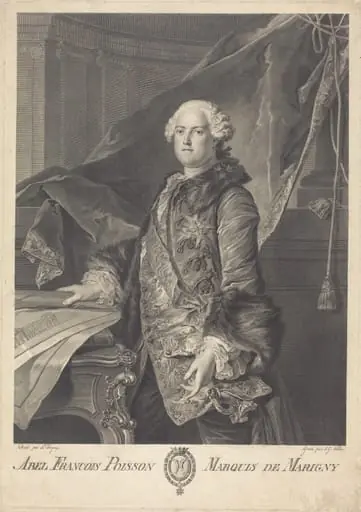 Abel Francois Poisson, Marquis de Marigny
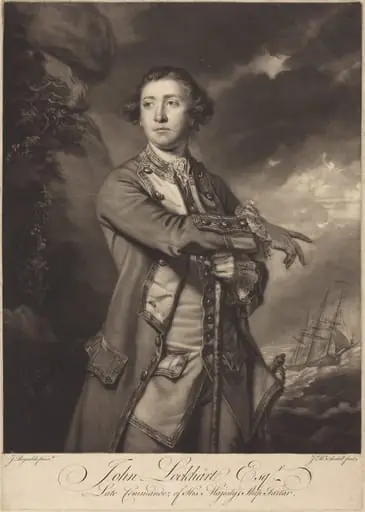 James Lockhart
 Portrait of a German prince