Artwork
Portrait of a Lady
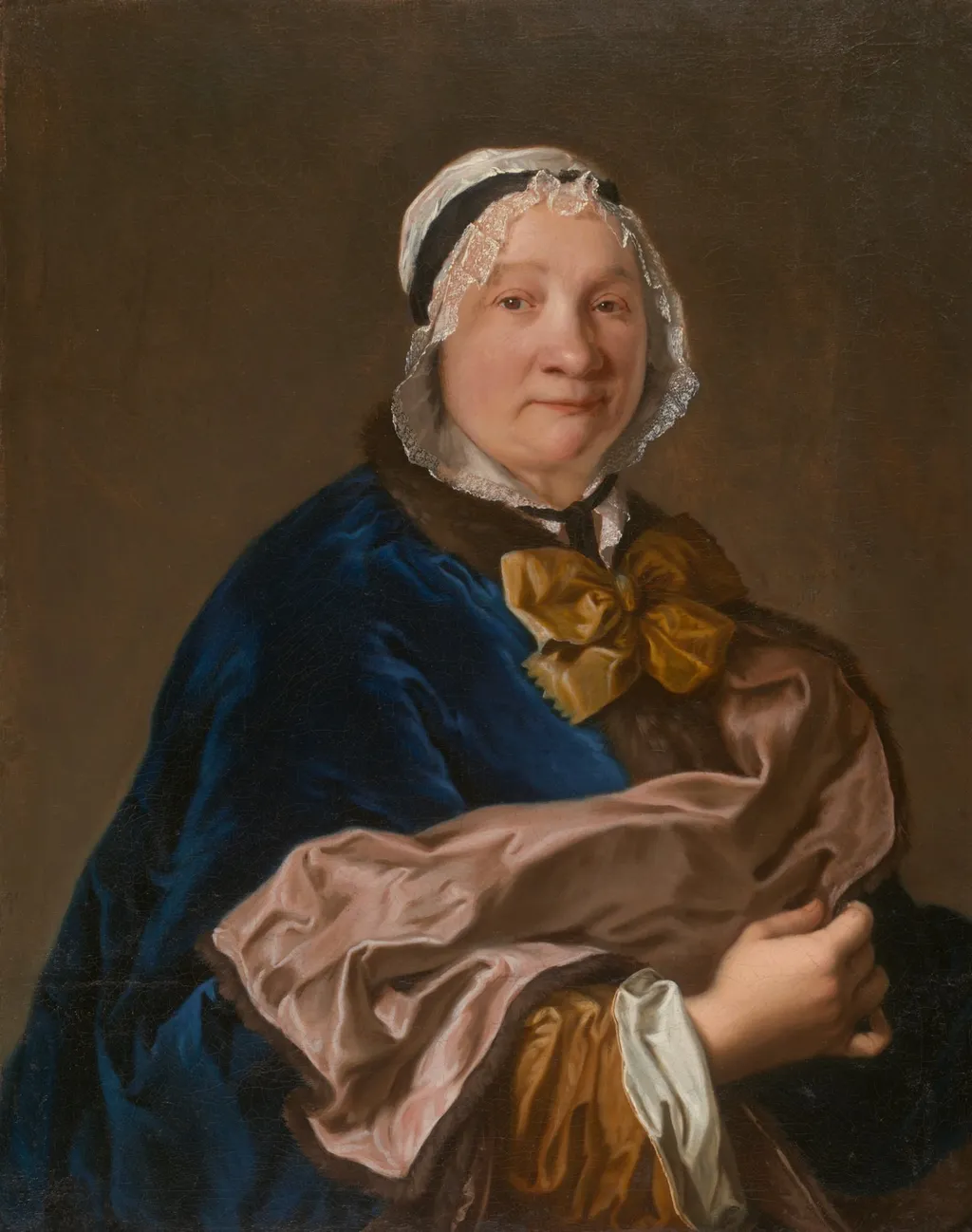
Portrait of a Lady is an oil painting by the Baroque artist French School. It dates from 1738 and is held in the collection of the Art Institute of Chicago.
About this work
Overview
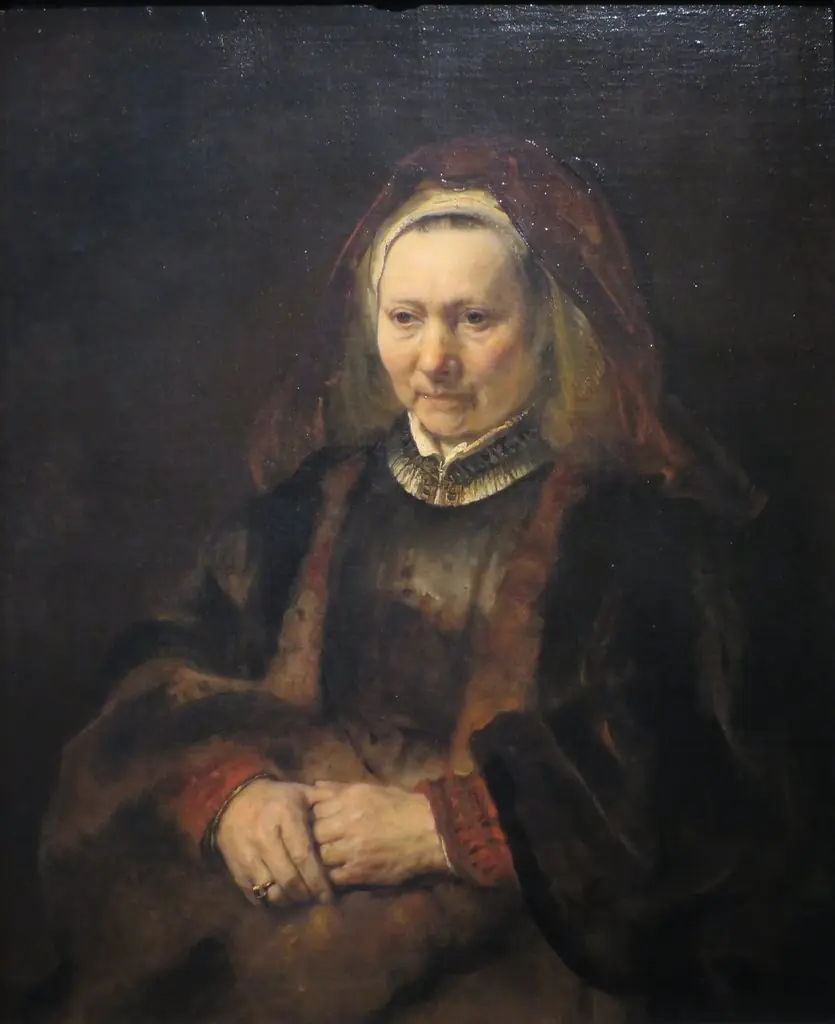
Painted in 1738 by an artist of the French School, this oil on canvas portrait depicts an unidentified woman in a domestic interior. The work is part of the permanent collection at the Art Institute of Chicago. Its restrained palette and careful attention to texture reflect the conventions of early 18th-century French portraiture, emphasizing dignity over theatricality.
Subject & Meaning
The sitter, dressed in elaborate attire including a large hat and finely rendered fabrics, conveys social status through her clothing rather than gesture or setting. Her composed expression and still posture suggest composure and restraint, values associated with elite femininity of the period. The absence of symbolic objects shifts focus to personal presence and material culture.
Technique & Style
The artist employed glazing techniques to build subtle transitions in skin tone and fabric sheen, enhancing realism without overt drama. Light falls softly across the face and shoulders, modeling form with quiet precision. Details in lace, embroidery, and interior elements are rendered with meticulous brushwork, characteristic of refined French portraiture of the era.
History & Provenance
The painting entered the Art Institute of Chicago’s collection in the early 20th century, though its earlier ownership remains undocumented. It has been consistently attributed to the French School due to stylistic affinities with contemporaneous works from Parisian workshops, though the artist’s identity has not been firmly established.
Context
Created during the reign of Louis XV, the portrait reflects the growing emphasis on private life and personal identity among the French aristocracy. While grand historical or mythological themes dominated official commissions, intimate portraits like this one catered to private patrons seeking to assert status through refined taste and sartorial detail.
Legacy
This portrait contributes to the understanding of how French portraiture evolved beyond formal rigidity toward nuanced psychological presence. Its preservation allows study of textile rendering, lighting conventions, and the quiet assertion of identity in a period when such images served as both personal mementos and social markers.
Own this work as a print
Artist & collection
Artist
This is a small group of portraits and fancy scenes made in France around the 1700s.

 Portrait of a Lady
 Brechje Hooft (1640-1721). Widow of Harmen van de Poll
 Portrait of a Woman with a Balance
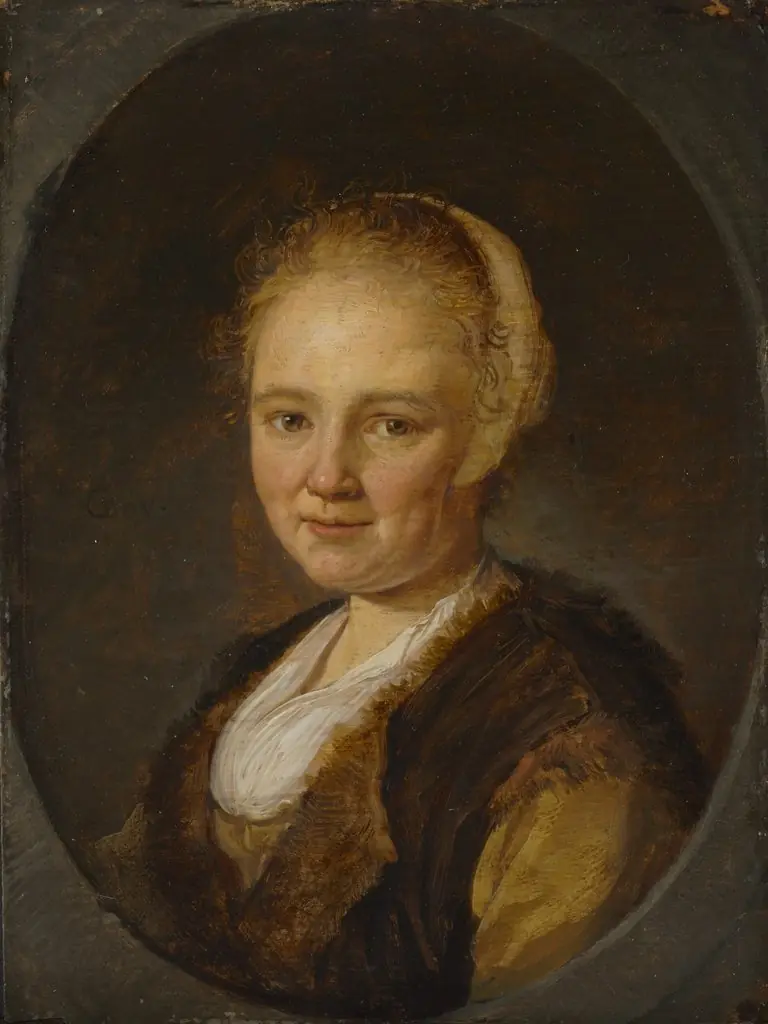 A Young Woman
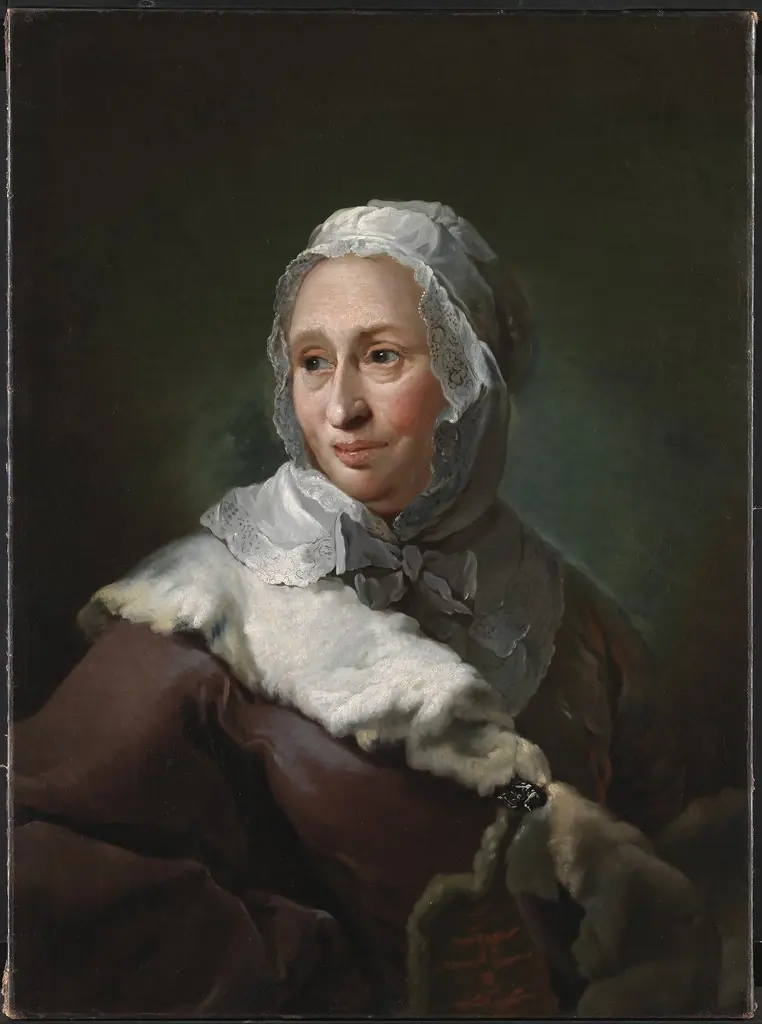 Portræt af Elisabeth Marie Fabritius, født d'Abbestée
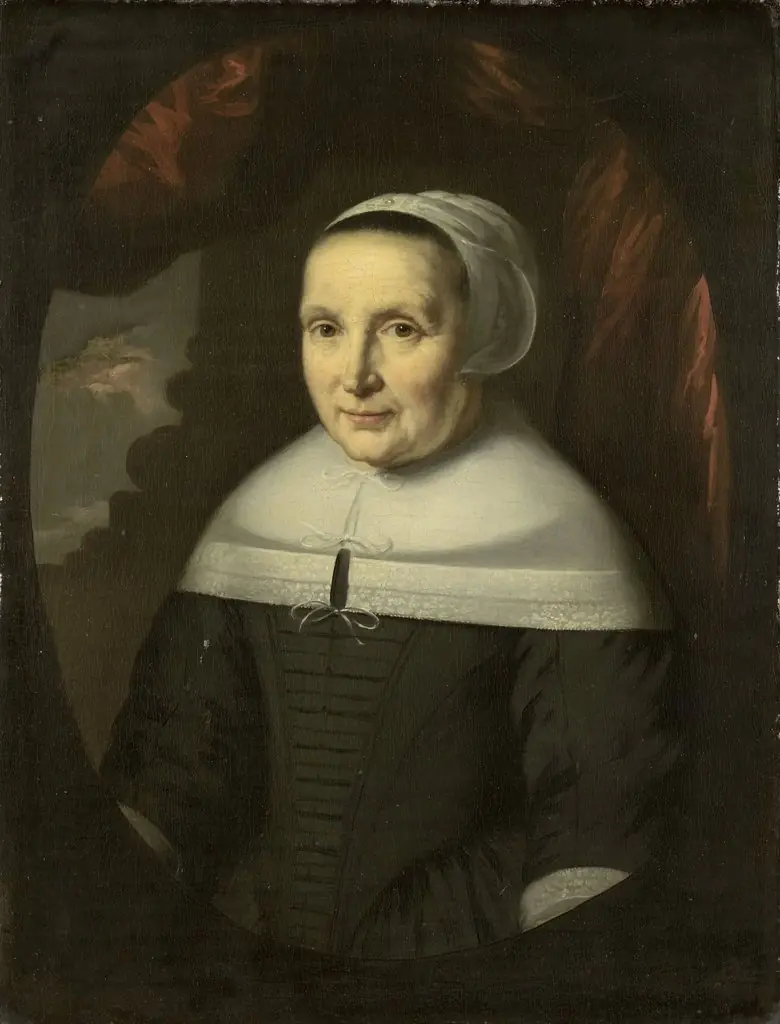 Portrait of Aeltje Denijs (b. 1598/99), wife of Hendrick Wijnands and mother of Dionijs Wijnands
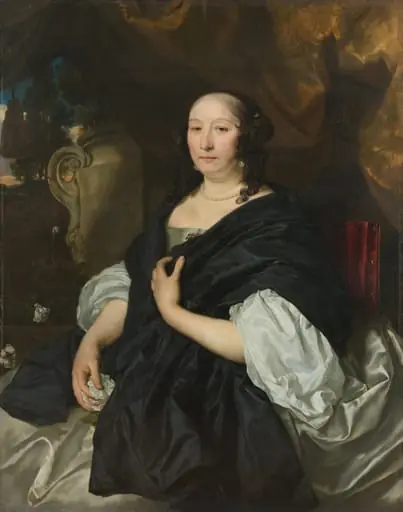 Portrait of Catharina van der Voort
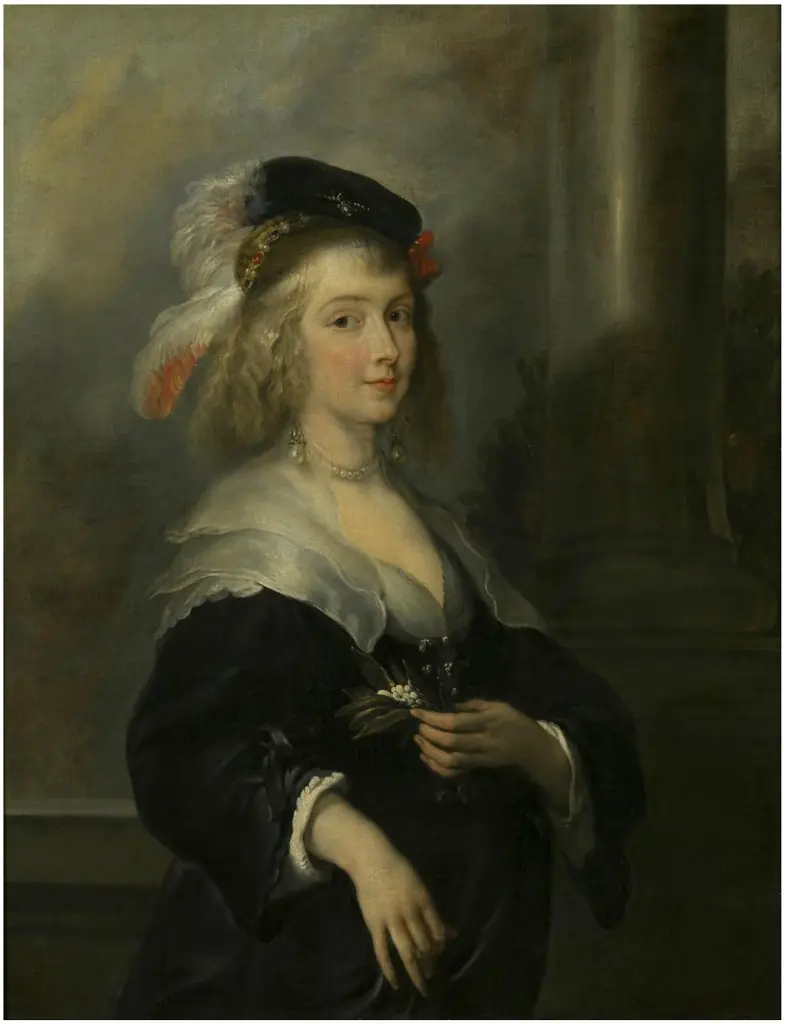 Helena Fourment
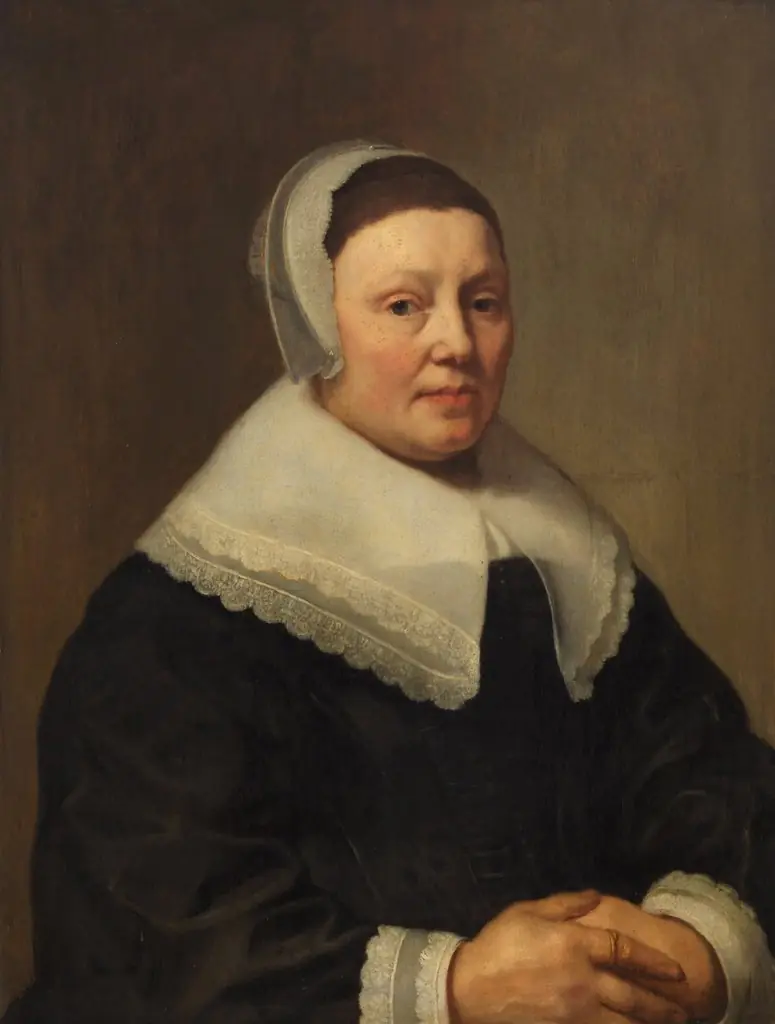 Portrait of a Lady
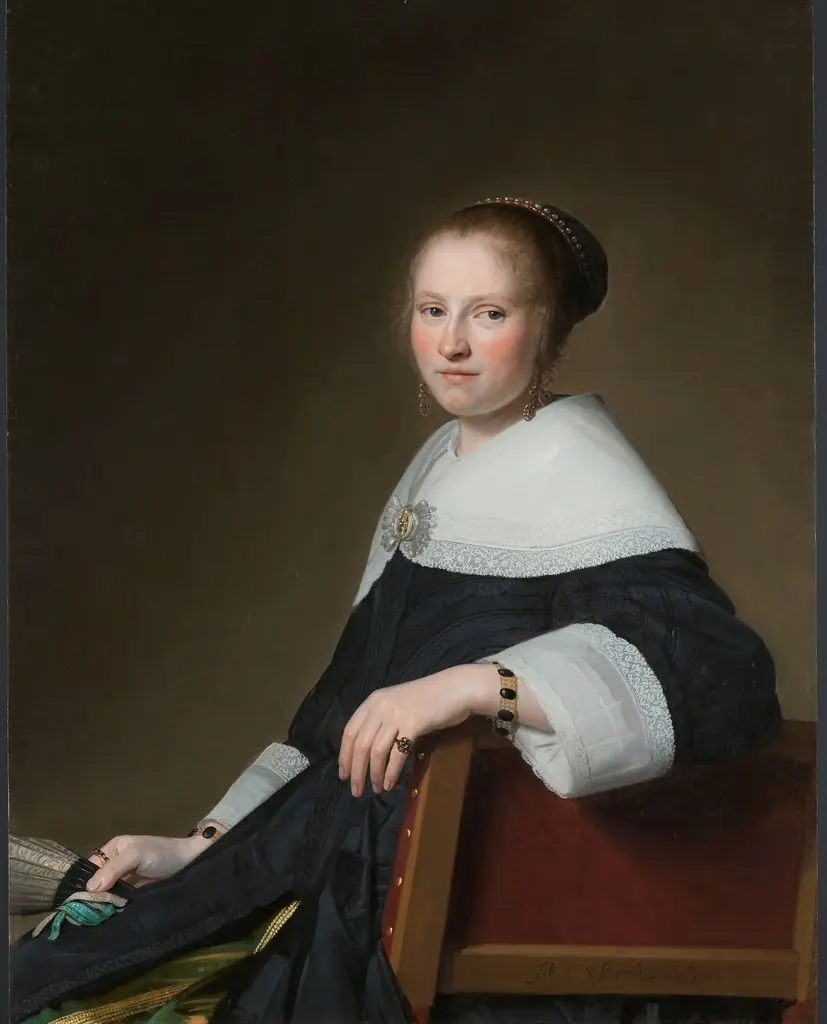 Portrait of Maria van Strijp
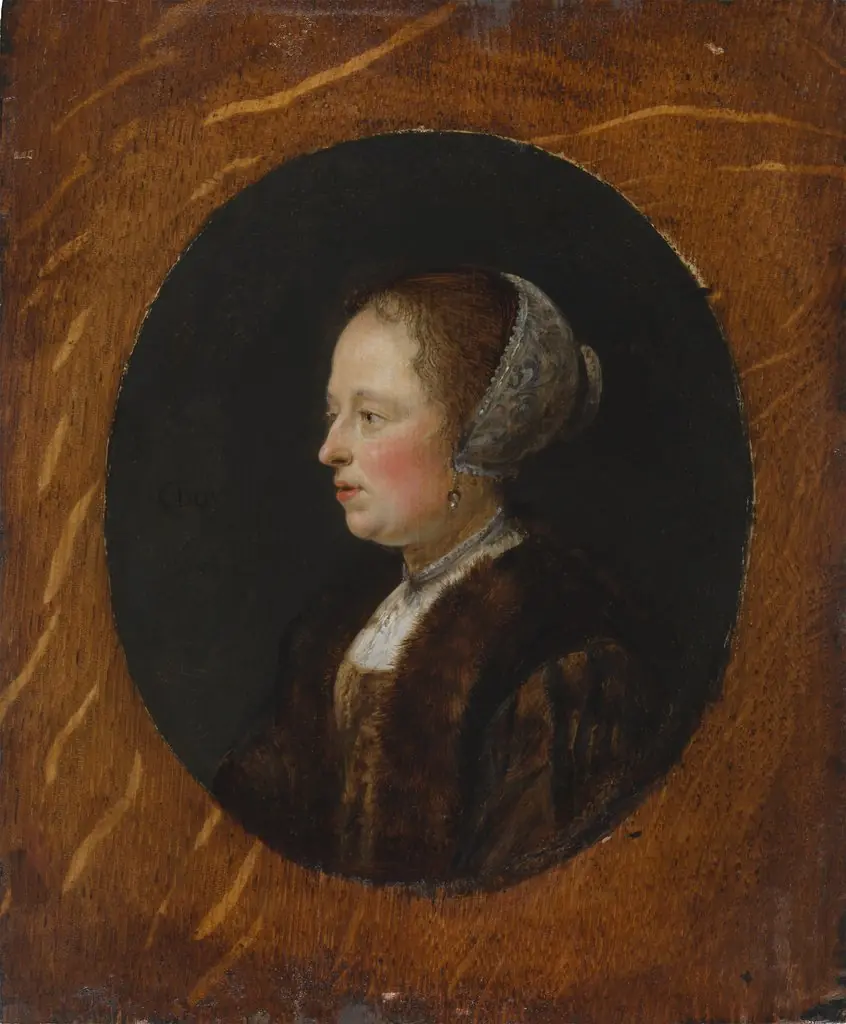 Portrait of a Woman in Profile
 Portrait of an Old Woman in a Fur Robe