Artwork
Portrait of a Lady
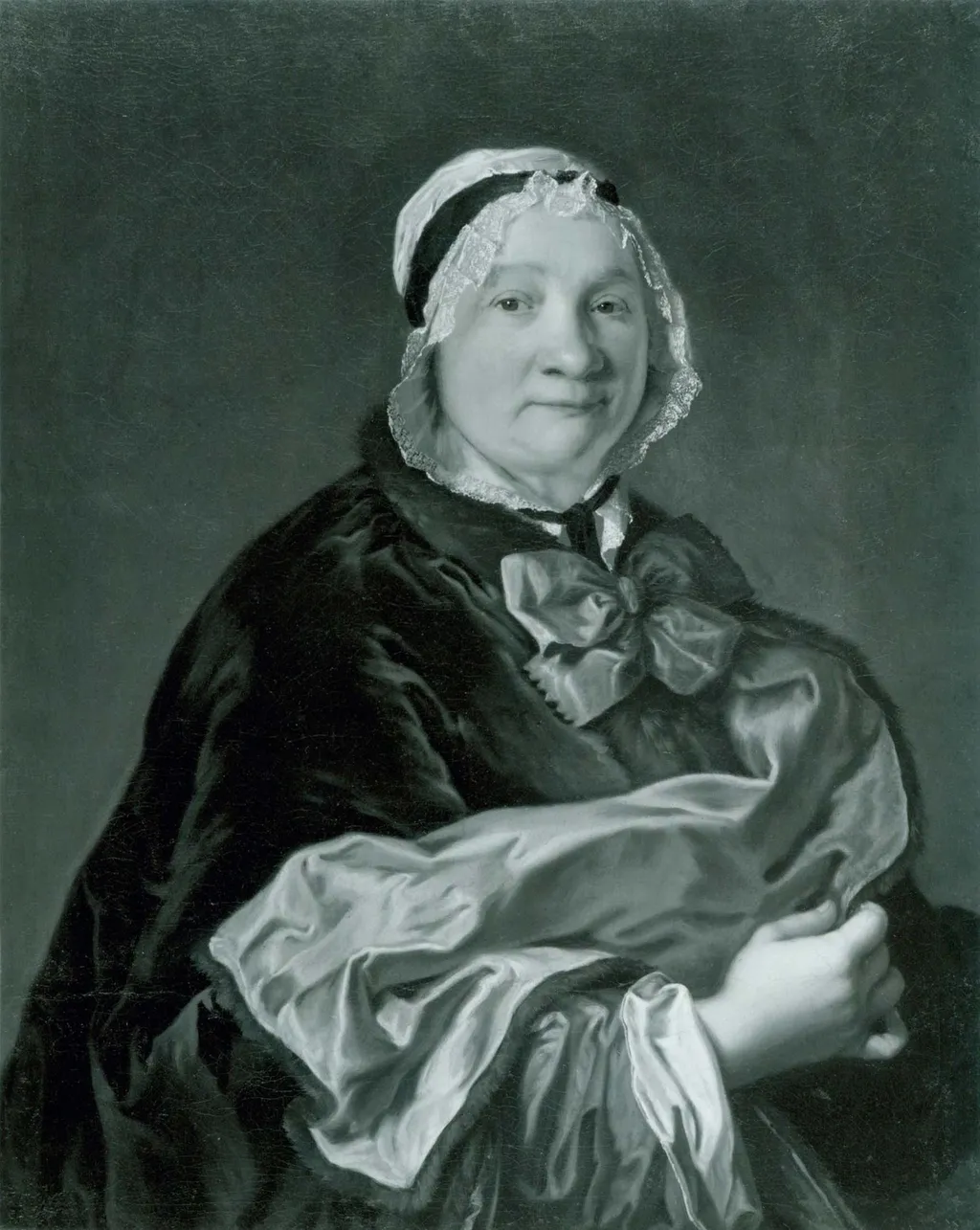
Portrait of a Lady is an oil painting by the Rococo painting artist Unknown. It dates from 1737 and is held in the collection of the Art Institute of Chicago.
About this work
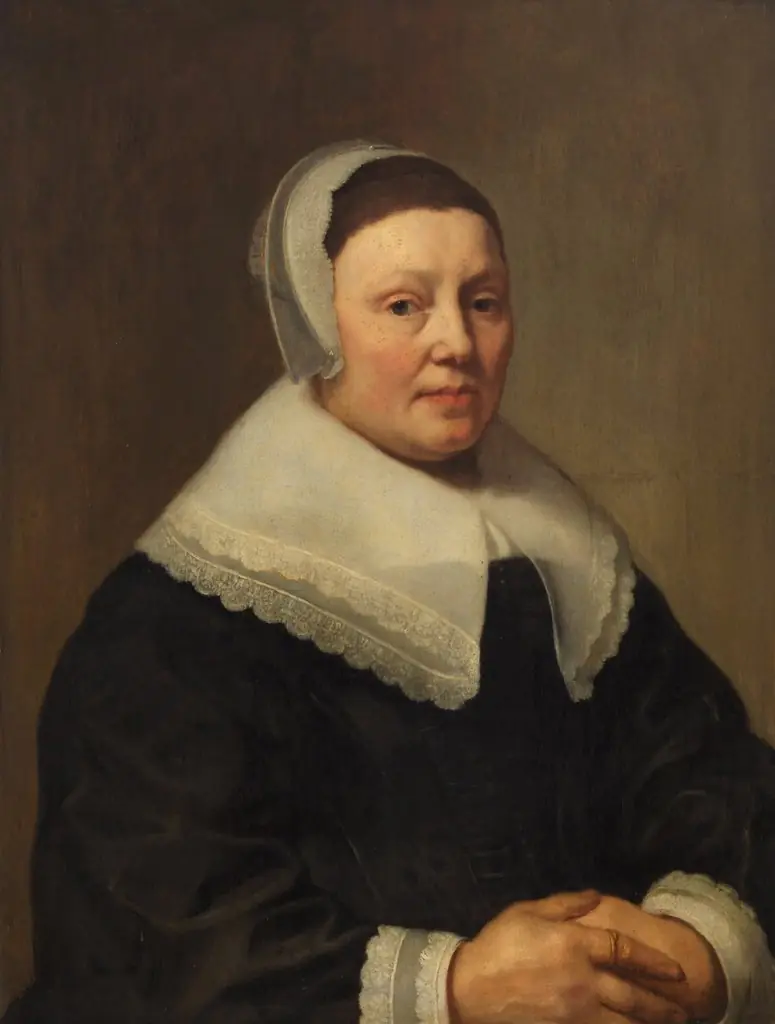
This painting depicts a woman in a dark dress with a large bow at her neck, holding a fabric in her arms.
This painting depicts a woman in a dark dress with a large bow at her neck, holding a fabric in her arms. She wears a lace-trimmed bonnet and has a serious expression. The background is dark, and the lighting highlights the subject's face and clothing. The woman's attire and the style of the painting suggest a formal portrait from the 18th century. The use of chiaroscuro creates a sense of depth and volume, drawing attention to the subject's features. The artist's use of light and shadow adds a sense of drama to the portrait.
Overview
The work is an oil painting titled *Portrait of a Lady*, presenting a solitary woman in a dark, formal costume. She is shown holding a piece of fabric, her gaze directed outward with a composed, serious expression. The composition is illuminated by a focused light that accentuates her face and attire against a subdued background.
Subject & Meaning
The sitter is dressed in a dark gown accented by a prominent bow at the neckline, complemented by a lace‑trimmed bonnet. The restrained palette and solemn demeanor suggest a conventional portrayal of status and propriety, typical of genteel portraiture in the eighteenth century.
Technique & Style
The artist employs chiaroscuro, using strong contrasts of light and shadow to model the figure’s form and convey a sense of three‑dimensionality. Soft modelling of the facial features and the delicate rendering of lace and fabric demonstrate a refined handling of oil paint.
History & Provenance
Stylistic cues such as the clothing, bonnet, and compositional approach place the painting within the late eighteenth‑century portrait tradition. No specific artist or ownership record is provided, indicating that the work’s provenance remains undocumented in the available sources.
Context
During the period in which this portrait was likely created, formal portraiture served to affirm the social standing of the subject and her family. The dark background and controlled lighting reflect contemporary aesthetic preferences for dignified, restrained representation.
Artist & collection

 Domestic Scene
 Giacomo and Cardinal Marco, investing Andrea, Abbot of San Zeno, with his Benefice
 The Nymph of Fontainebleau
 Portrait of a Woman
 Madonna and Child with Saints in the Enclosed Garden
 Venus and Minerva
 Family Group of Four on Sofa
 Wall painting from Room H of the Villa of P. Fannius Synistor at Boscoreale
 Portrait of a Lady
 Anne Cockburn, Lady Inglis (died 1772)
 Portrait of an Elderly Woman
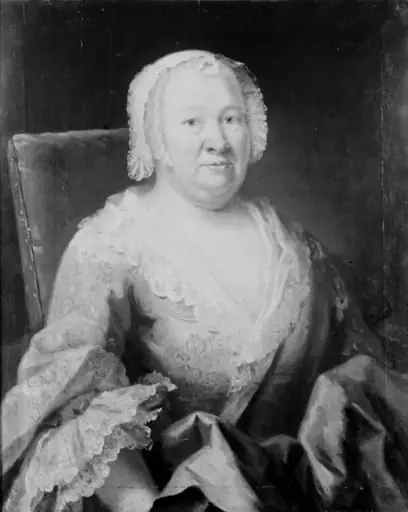 Portrait of an Elderly Woman
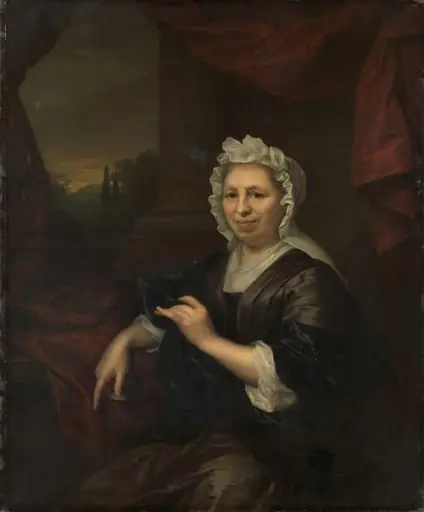 Brechje Hooft (1640-1721). Widow of Harmen van de Poll
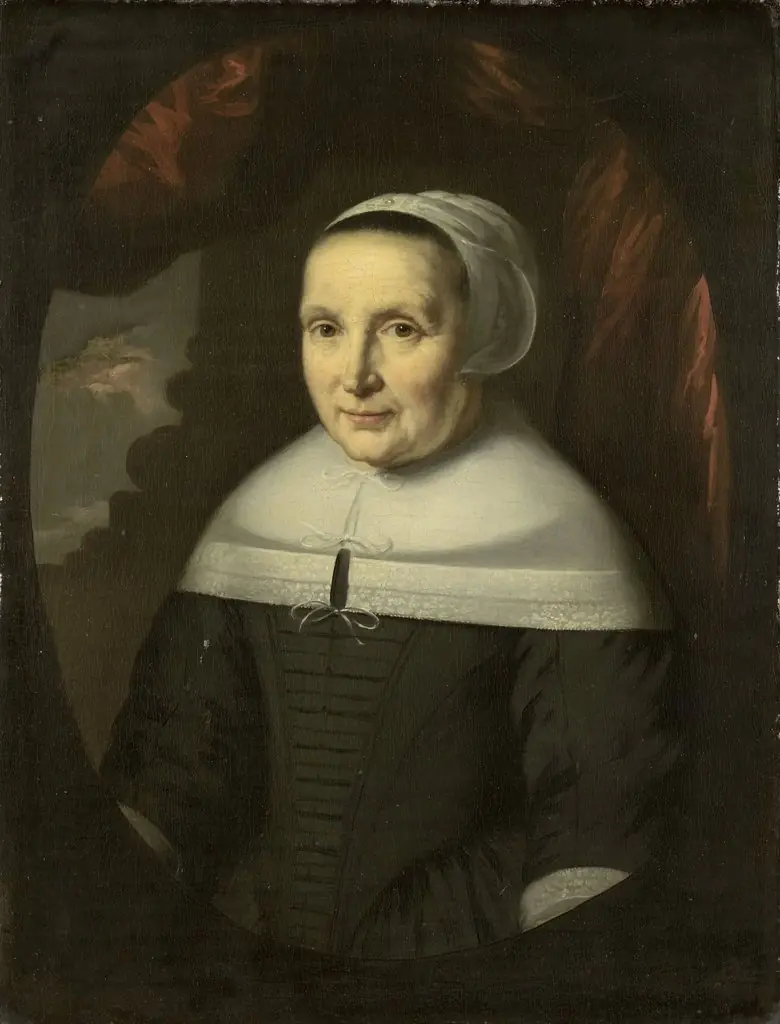 Portrait of Aeltje Denijs (b. 1598/99), wife of Hendrick Wijnands and mother of Dionijs Wijnands
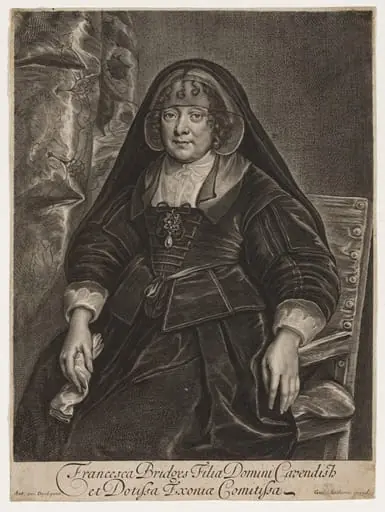 Frances Bridges
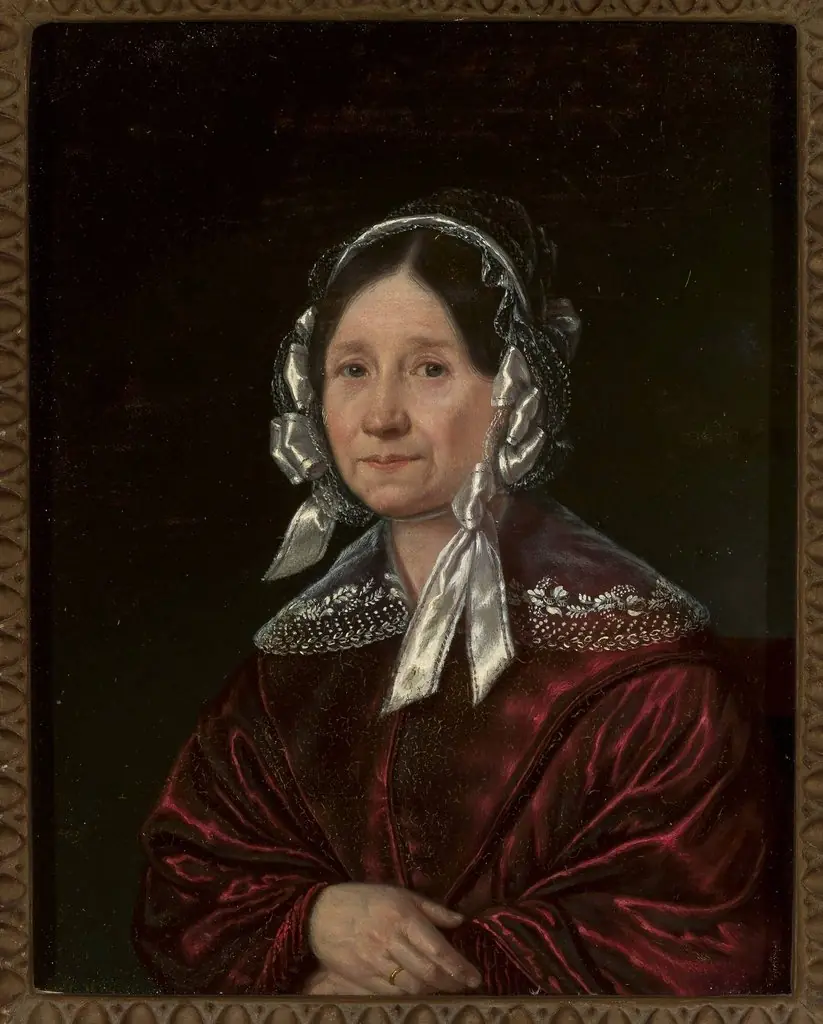 Portrait of Teresa Kicka
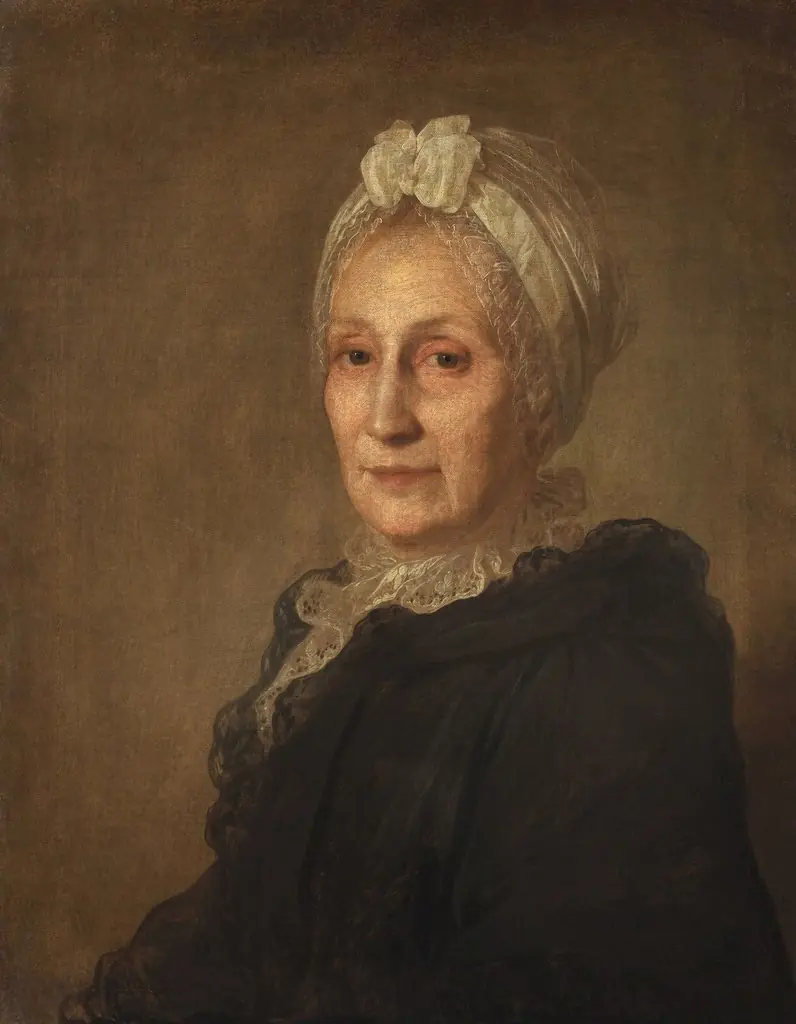 Portrait of Anna Yuryevna Kvashnina-Samarina
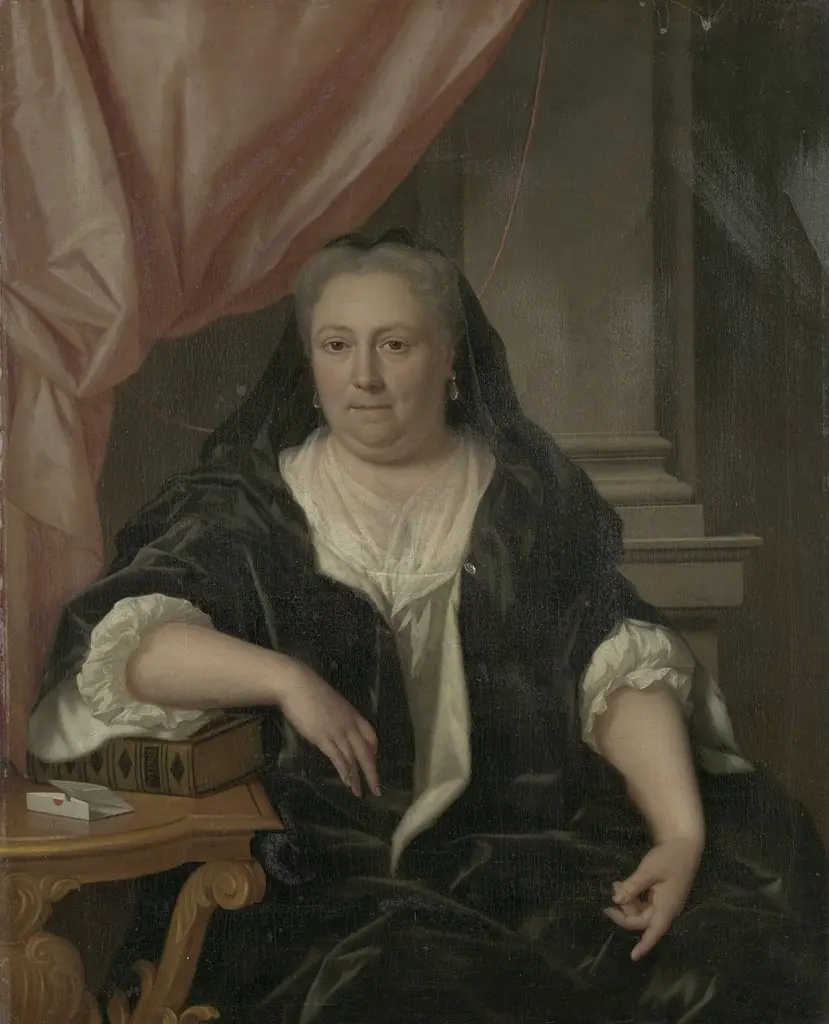 Portrait of Maria van Citters, Wife of Caspar Adriaen Parduyn
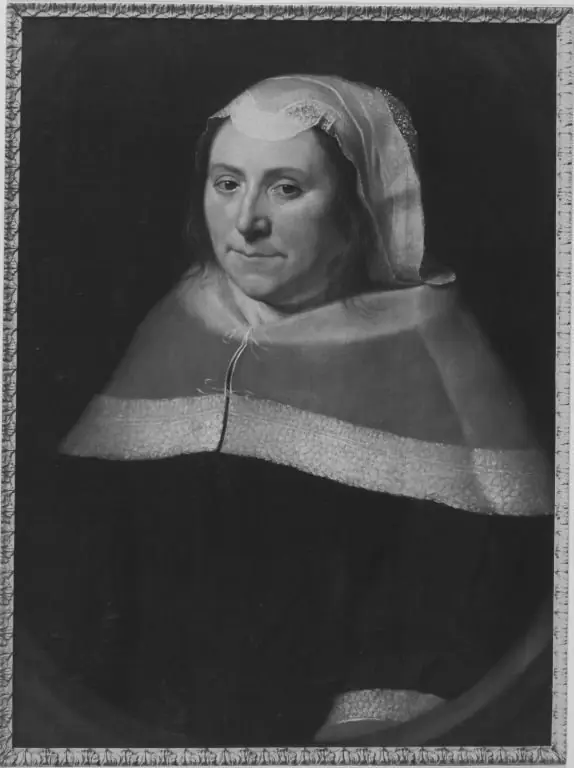 Frauenbildnis
 Portrait of a Lady