Artwork
Retrato de señora
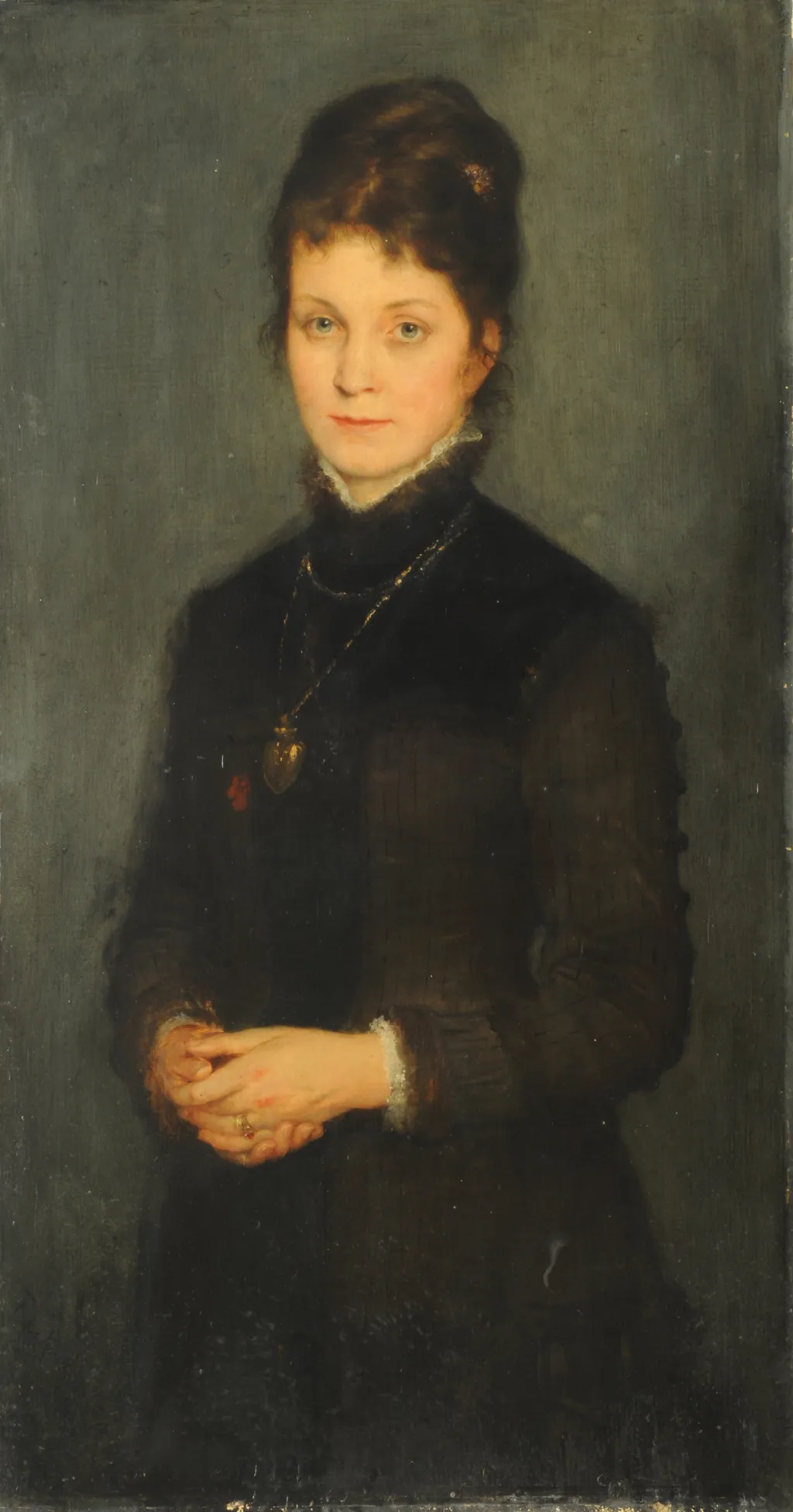
Retrato de señora is an unspecified painting by Friedrich August von Kaulbach. It dates from 1895 and is held in the collection of the National Museum of Fine Arts, Argentina.
About this work
Overview
Kaulbach, a leading German portraitist of the late 19th century, was known for his refined depictions of aristocratic and bourgeois subjects.
Painted around 1895 by Friedrich August von Kaulbach, *Retrato de señora* is a formal portrait of an unidentified woman, now held in the National Museum of Fine Arts in Buenos Aires. Kaulbach, a leading German portraitist of the late 19th century, was known for his refined depictions of aristocratic and bourgeois subjects. This work exemplifies his skill in capturing presence through subtle detail rather than elaborate setting, reflecting his broader reputation among European portraitists of his time.
Subject & Meaning
The sitter is portrayed standing, dressed in a dark, high-necked gown with long sleeves, her hands gently clasped before her. A simple pendant and a ring on her left hand suggest modest elegance rather than ostentation. Her direct gaze and composed expression convey quiet dignity, avoiding theatricality. The absence of contextual elements shifts focus entirely to her demeanor, inviting contemplation of inner character rather than social status or narrative.
Technique & Style
Kaulbach employs a restrained palette and controlled chiaroscuro to model the woman’s face and hands with quiet precision. The plain background eliminates distraction, emphasizing the texture of fabric and the soft transition of light across skin. Brushwork is smooth yet deliberate, avoiding flourish in favor of psychological clarity. The composition’s simplicity underscores his academic training and his preference for psychological realism over decorative embellishment.
History & Provenance
The painting entered the collection of the National Museum of Fine Arts in Buenos Aires in the early 20th century, likely through acquisition or donation. Its presence in Argentina reflects the transatlantic circulation of European art during a period of growing cultural institutionalization in Latin America. No documentation links the sitter to a known historical figure, and her identity remains unverified, preserving the portrait’s focus on form and expression over biography.
Context
Kaulbach worked within a tradition of German portraiture that valued psychological depth and technical mastery, alongside contemporaries like Franz von Lenbach. While many of his portraits depicted prominent figures in Berlin or New York, this work lacks overt markers of identity, suggesting it may have been a private commission or a study in character. Its neutral setting aligns with late 19th-century shifts toward introspective portraiture, moving away from aristocratic symbolism.
Legacy
Though not among Kaulbach’s most widely reproduced works, *Retrato de señora* exemplifies his commitment to understated realism. Its presence in Buenos Aires underscores the global reach of European academic art in the post-colonial era. The painting contributes to broader discussions on portraiture’s role in conveying individuality without narrative, influencing later generations of Latin American artists who sought similar restraint in depicting their subjects.
Own this work as a print
Artist & collection

Artist
Friedrich August von Kaulbach (2 June 1850 – 26 July 1920) was a German portraitist and historical painter.

Museum
National Museum of Fine Arts, Argentina
Continue through works from the same source collection.
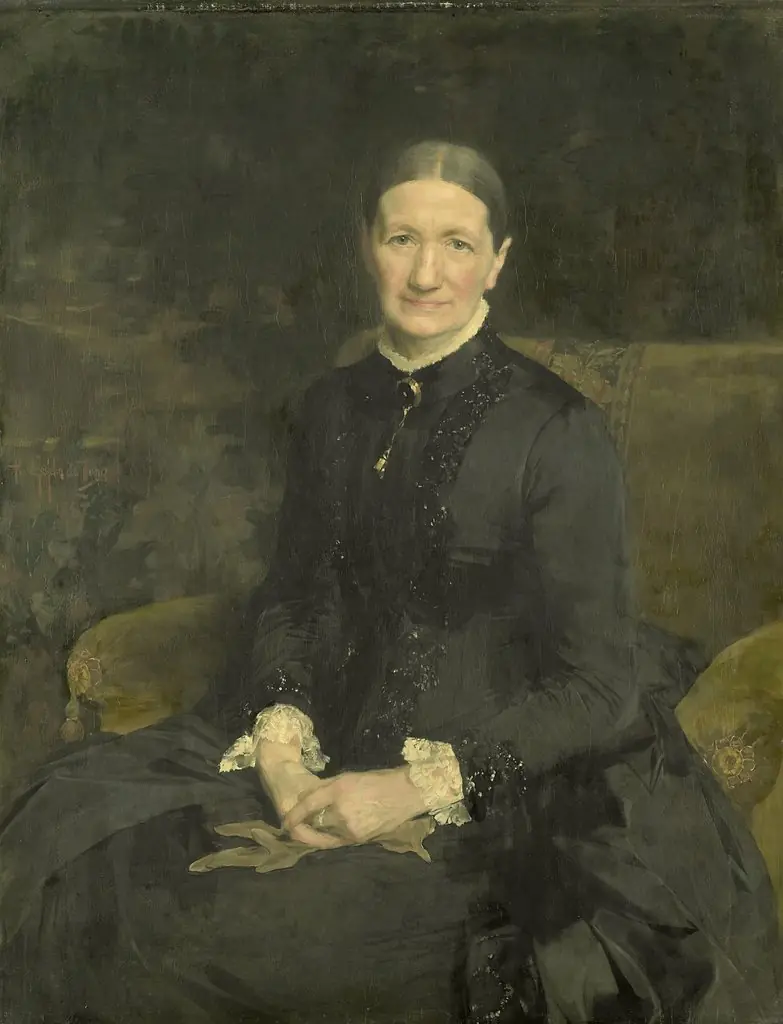 Portrait of Mrs. A J Zubli-Maschhaupt
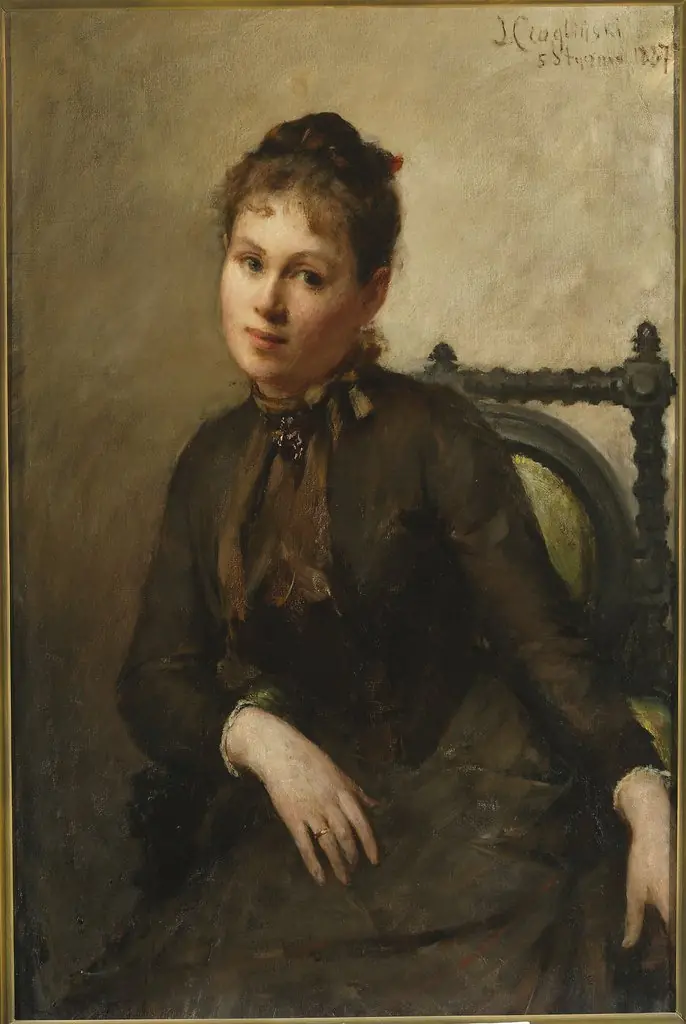 Portrait of Helena Piltz née Rymowicz
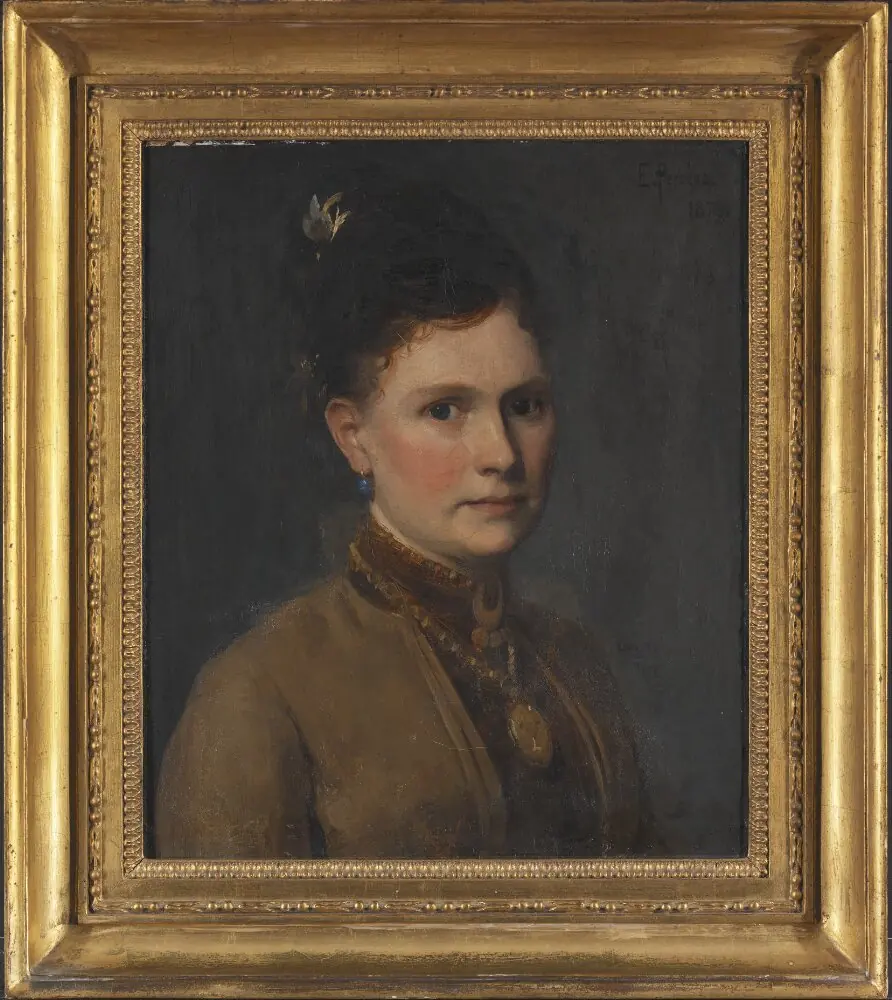 Maria Agnes Claesson (1843- efter 1903), gift med konstnären Edvard Perséus
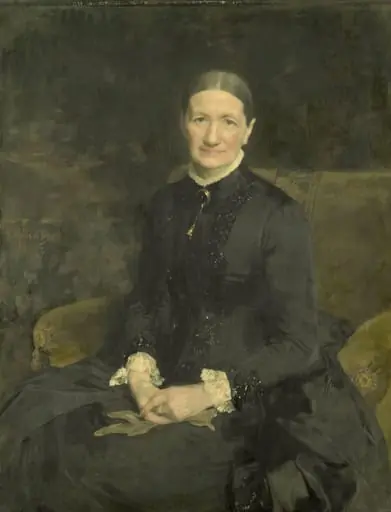 Mrs A.J. Zubli-Maschhaupt
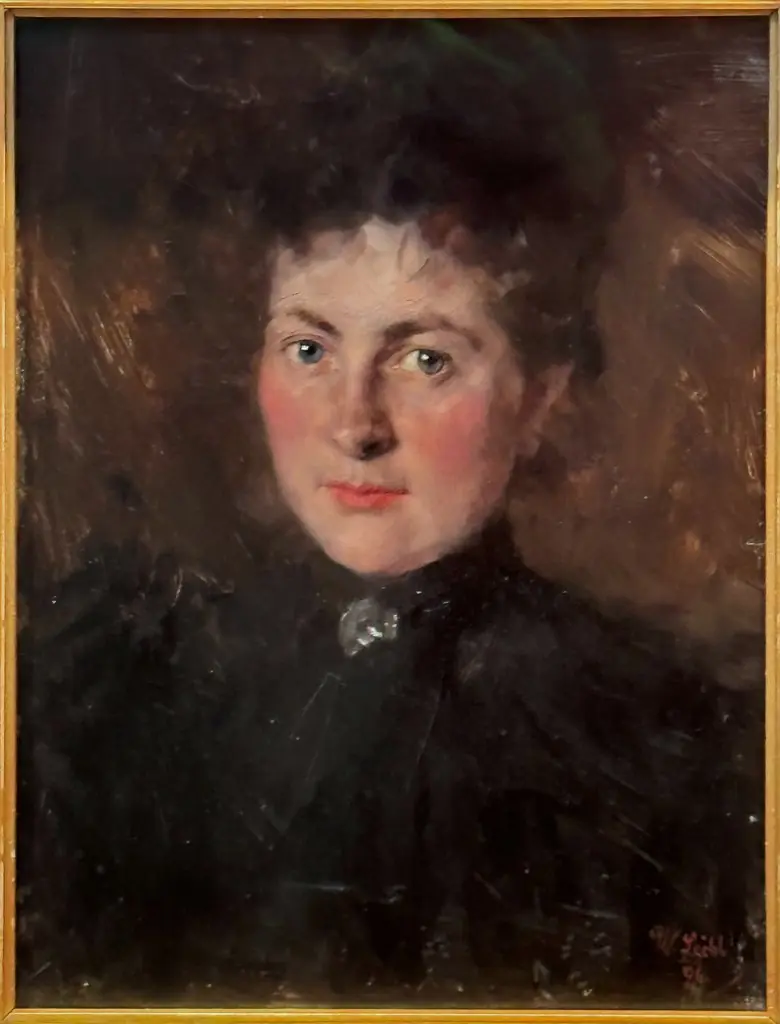 Felicia Kirchdorffer, die Nichte des Künstlers
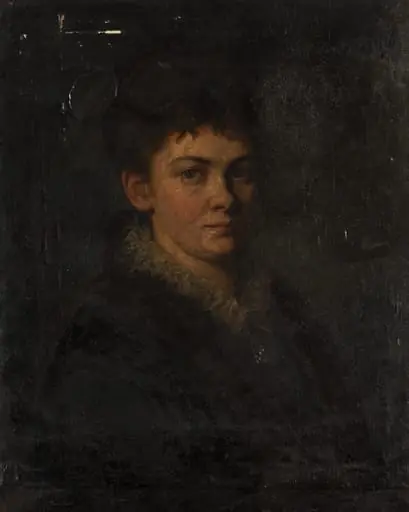 Goebeler, Elise: Portrait of an Unknown Lady
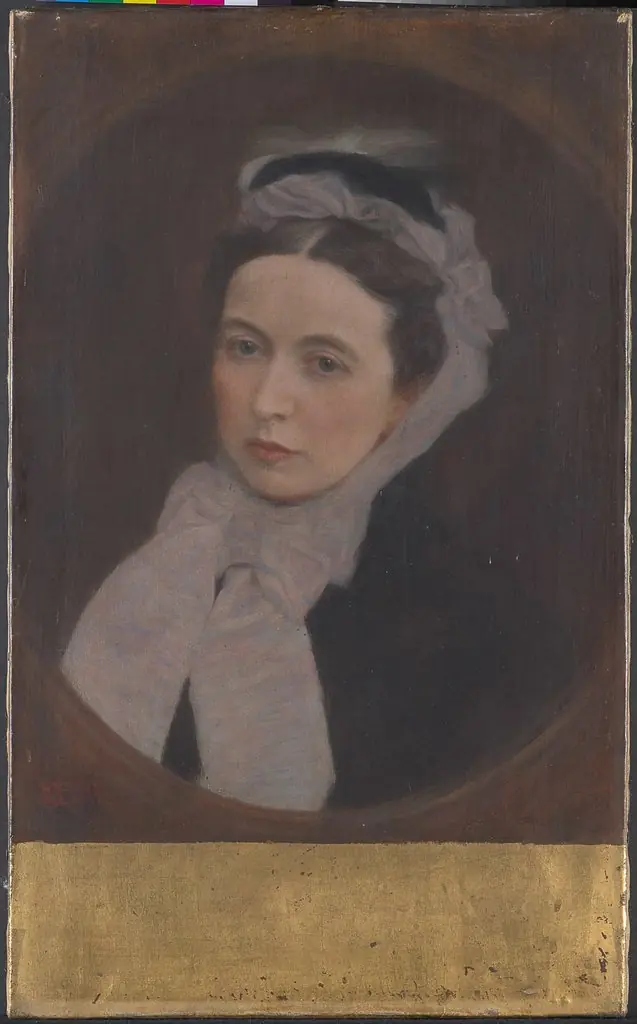 Lady with the lilac scarf (Dame mit lila Schal)
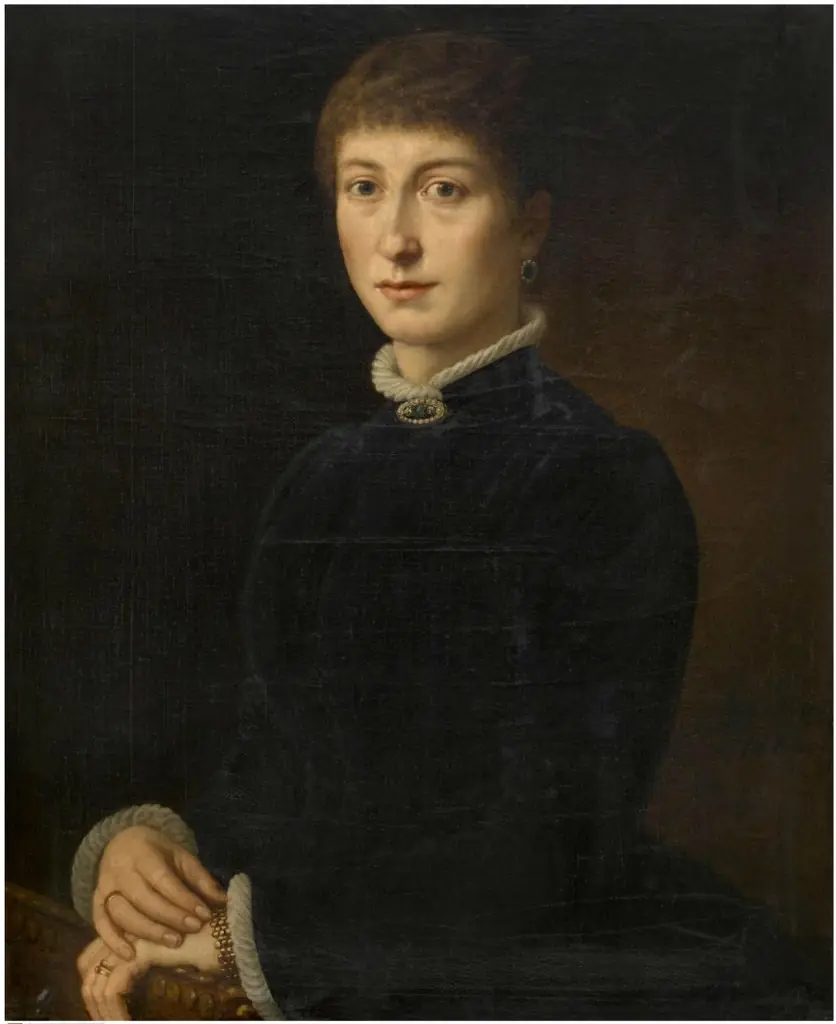 Portrait of Mrs Van Soom
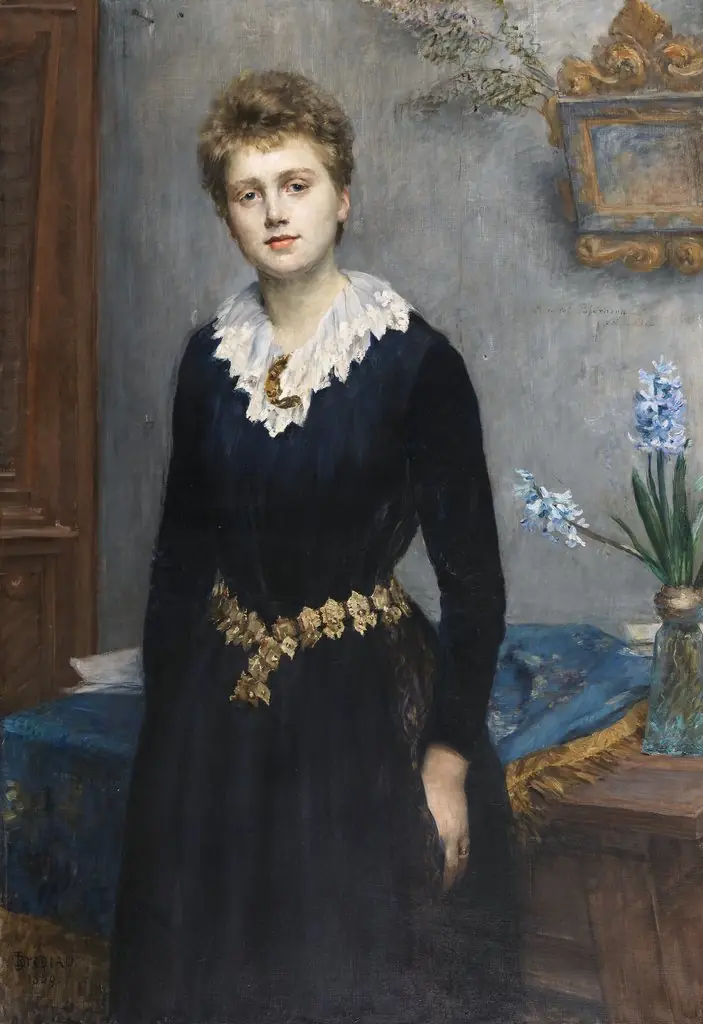 Berligot Ibsen (née Bjornsen)
 Portret de femeie
 The Artist's Wife
 Self-portrait