Artwork
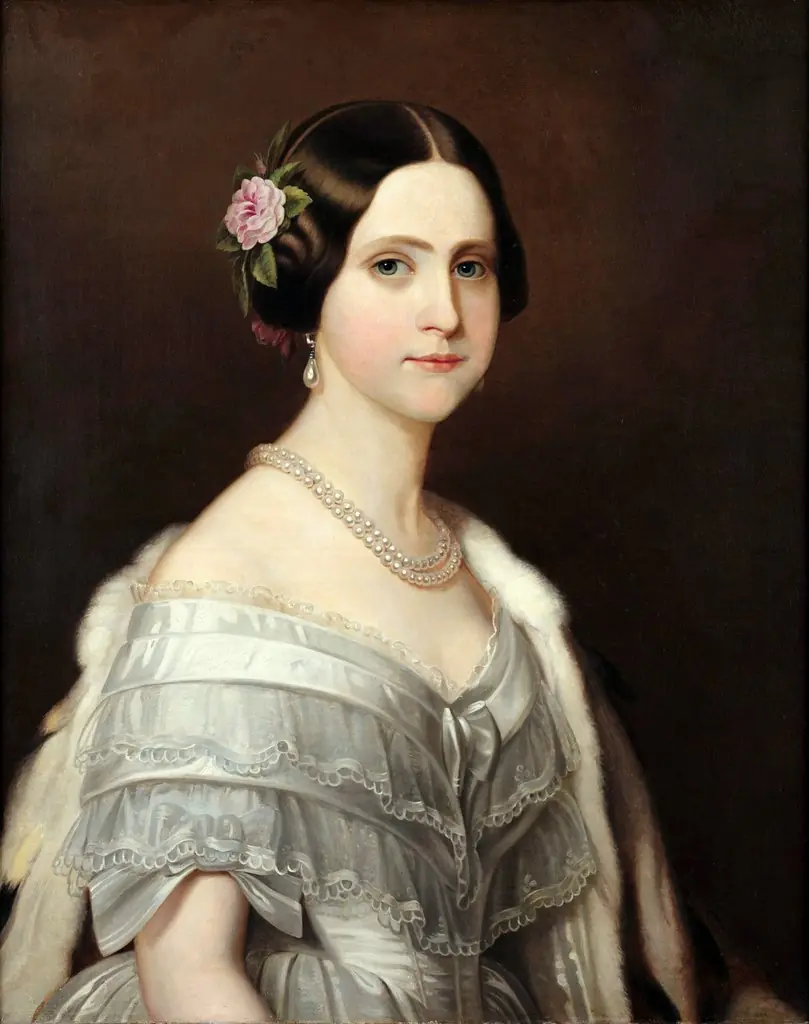
Portrait de S. A. I. Mme. la Princesse Dona Marie Amélie du Brésil
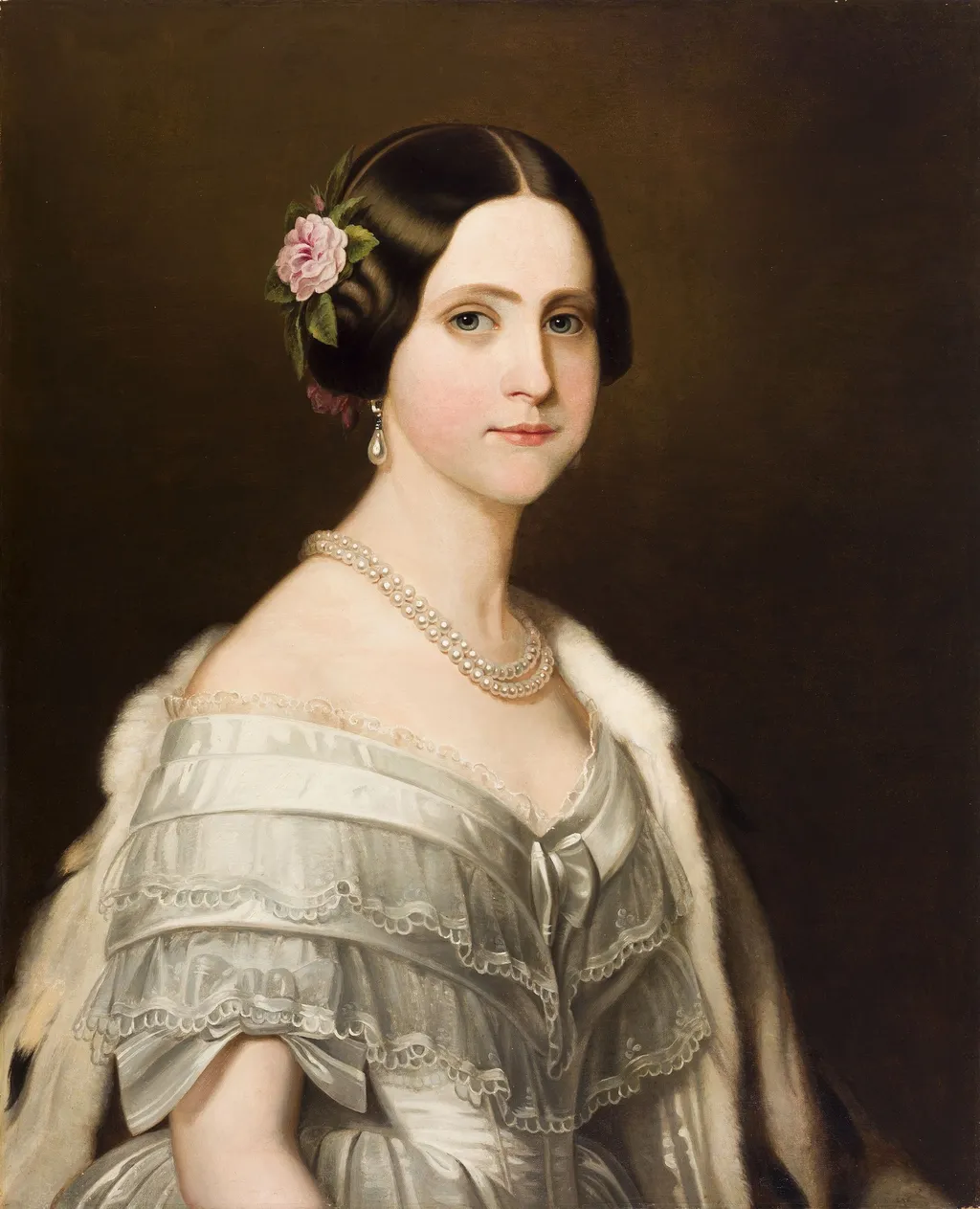
Portrait de S. A. I. Mme. la Princesse Dona Marie Amélie du Brésil is an oil painting by the Biedermeier artist Friedrich Dürck. It dates from 1849 and is held in the collection of the Pinacoteca de São Paulo.
About this work
Overview
Painted in 1849 by Friedrich Dürck, this oil portrait captures Dona Maria Amélia, a Brazilian princess and member of the Portuguese royal family.
Painted in 1849 by Friedrich Dürck, this oil portrait captures Dona Maria Amélia, a Brazilian princess and member of the Portuguese royal family. The work is part of the Pinacoteca do Estado de São Paulo’s collection. Dürck, known for his court portraiture, rendered the subject with attention to aristocratic detail and composed lighting, reflecting the conventions of mid-19th-century European royal imagery.
Subject & Meaning
The subject is Dona Maria Amélia, daughter of Emperor Pedro I of Brazil and Queen Amélie of Leuchtenberg. She is portrayed not as a literary figure but as a royal consort, emphasizing her status through formal attire and adornments. The portrait serves as a visual assertion of lineage and dignity, aligning her with European aristocratic ideals during a period of political transition in Brazil and Portugal.
Technique & Style
Dürck employed soft brushwork to render textures of silk, fur, and pearls, creating a tactile sense of luxury. The dark, unmodeled background isolates the figure, heightening focus on her poised posture and delicate accessories. The off-the-shoulder gown, adorned with ruffles and a central bow, follows contemporary fashion, while the floral hair ornament and pearl jewelry reflect refined taste and royal protocol.
History & Provenance
Commissioned during Maria Amélia’s time in Europe, the portrait likely originated in a royal context before entering Brazilian institutional collections. It was acquired by the Pinacoteca do Estado de São Paulo in the 20th century, where it remains as part of a broader effort to preserve visual records of Brazil’s imperial past. Its journey reflects the transnational nature of royal patronage in the 19th century.
Context
Painted during the reign of Queen Maria II of Portugal and amid Brazil’s consolidation as an independent empire, this portrait situates Maria Amélia within a network of European dynastic ties. Her presence in Portugal, following her marriage to Prince Ferdinand, underscores the political and cultural interconnections between the Iberian and South American royal houses during a time of shifting imperial identities.
Legacy
The portrait endures as a documented representation of a royal woman whose life bridged two continents. It contributes to the historical record of Brazilian royalty’s European connections and exemplifies the role of portraiture in sustaining dynastic visibility. Dürck’s work, though not widely celebrated today, remains a quiet testament to the aesthetics of courtly representation in the mid-1800s.
Own this work as a print
Artist & collection


 Portrait of Anna von Minarelli-Fitzgerald
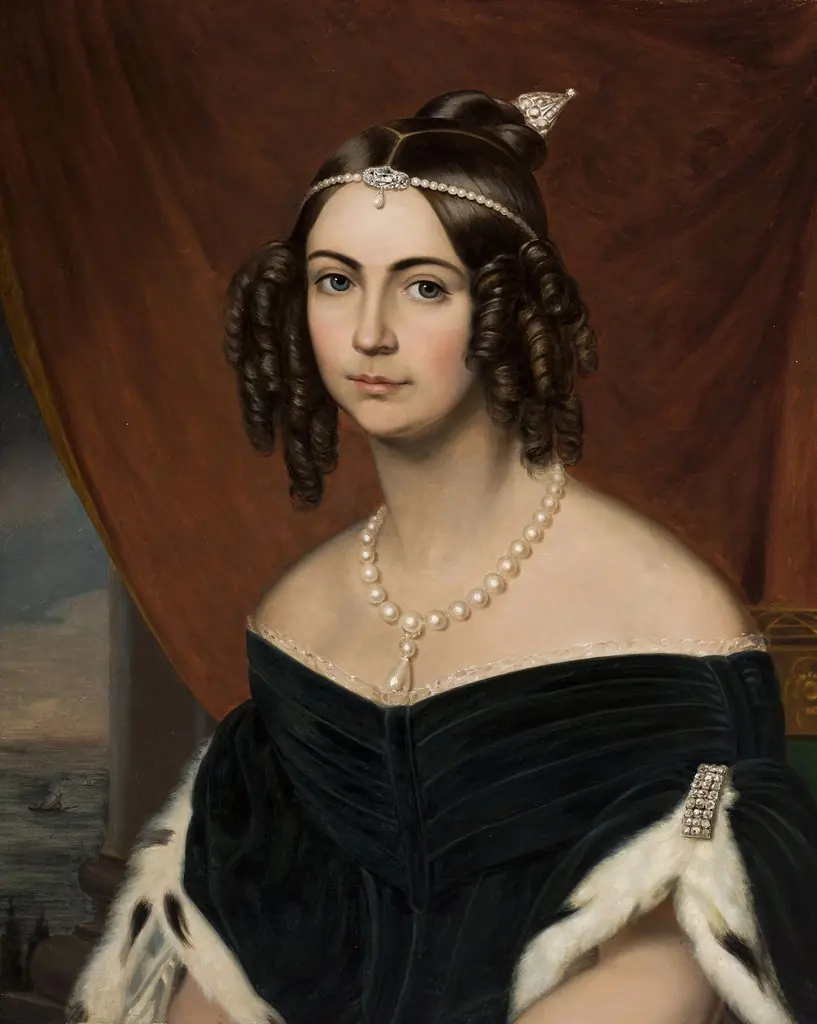
 Princess Maria Amélia of Brazil
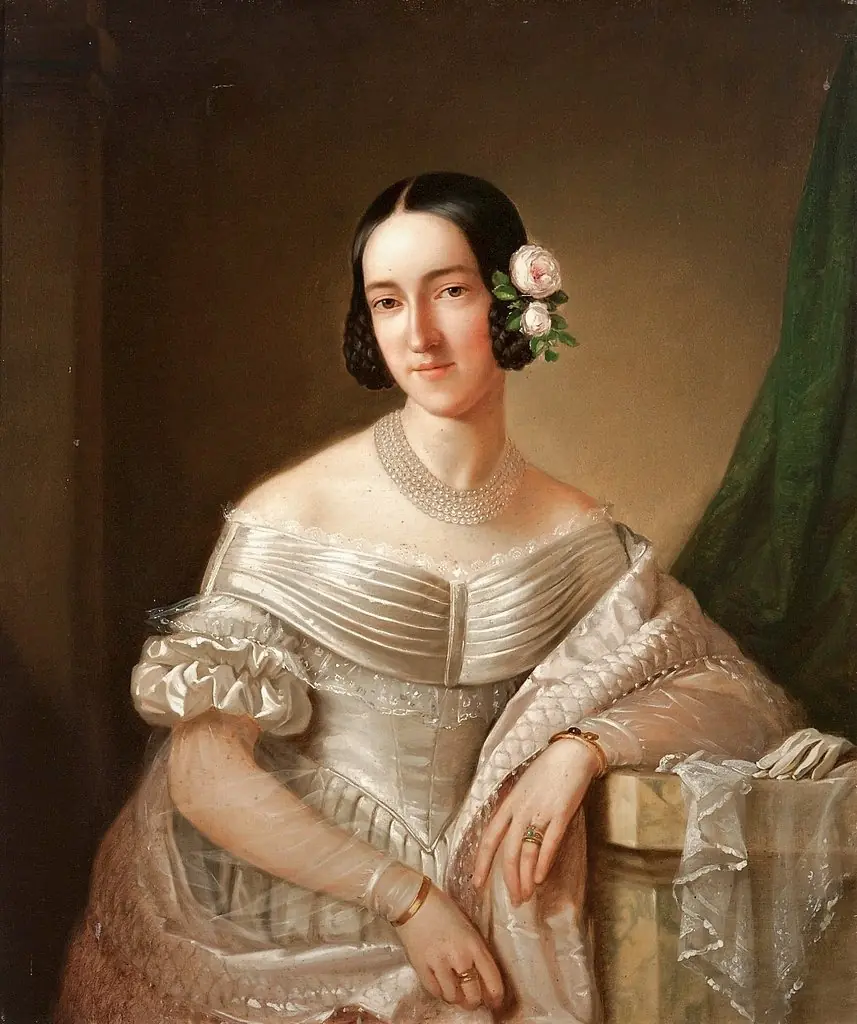 Portrait of Archduchess Hermine of Austria
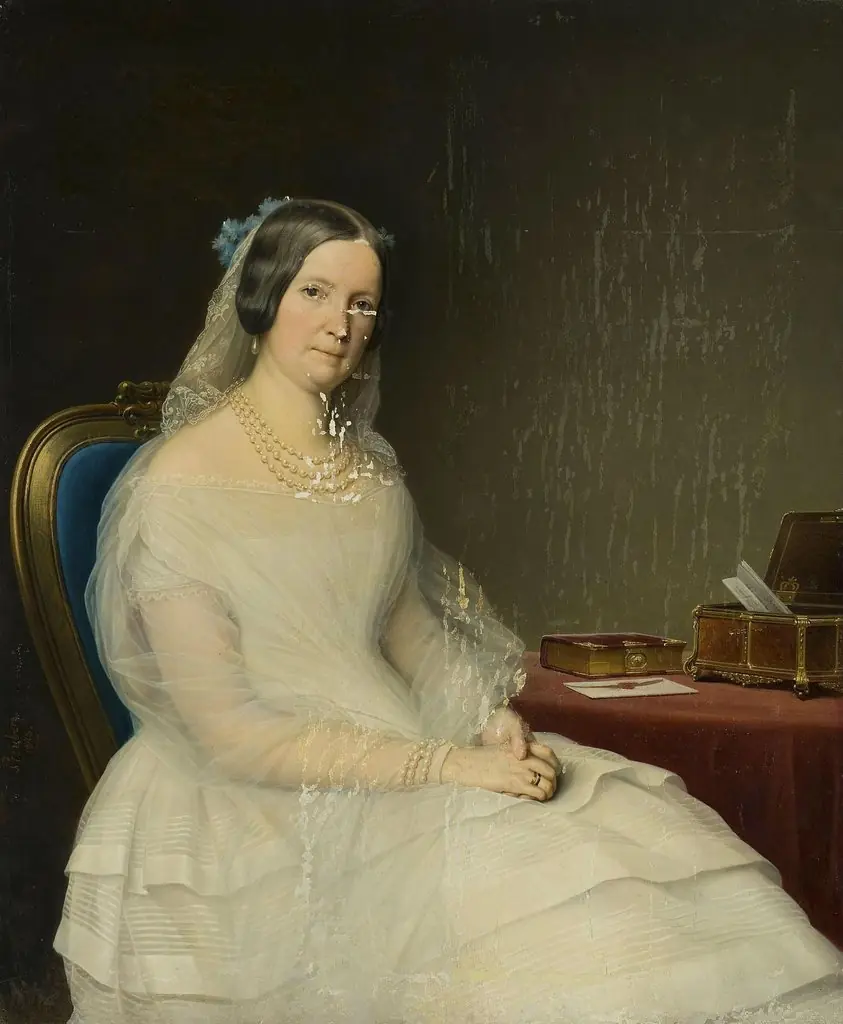 Portrait of Countess Yulia Stroganova
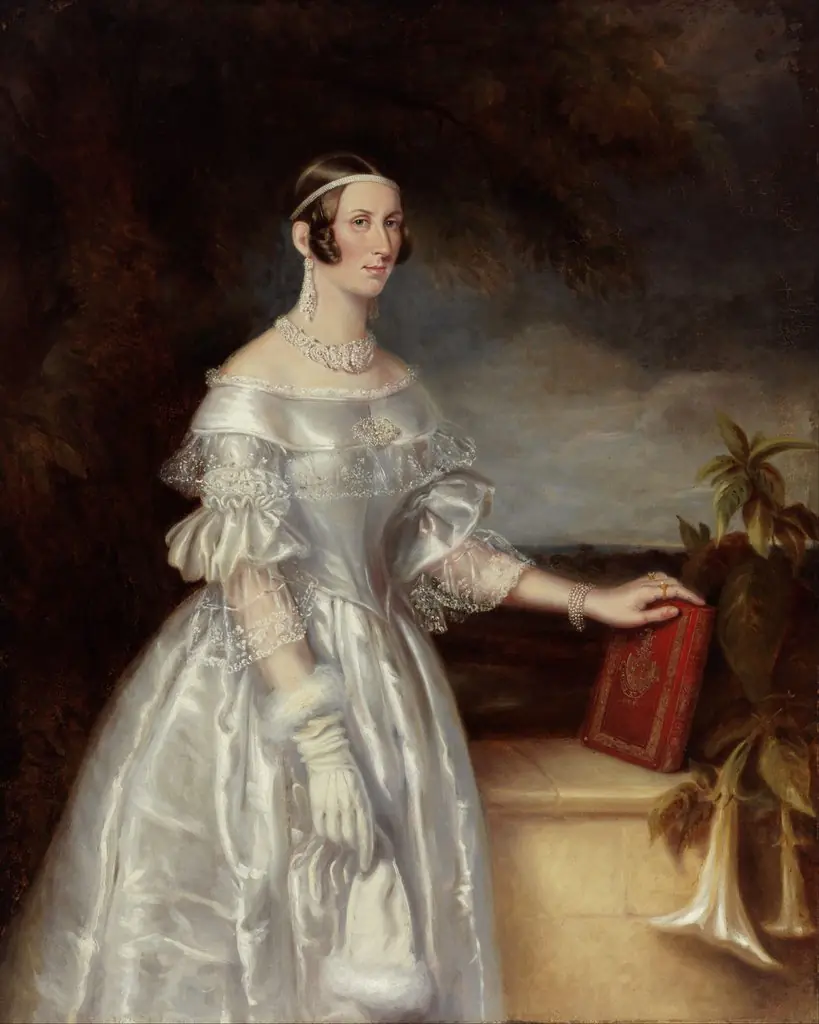 Portrait of Mrs Alexander Spark
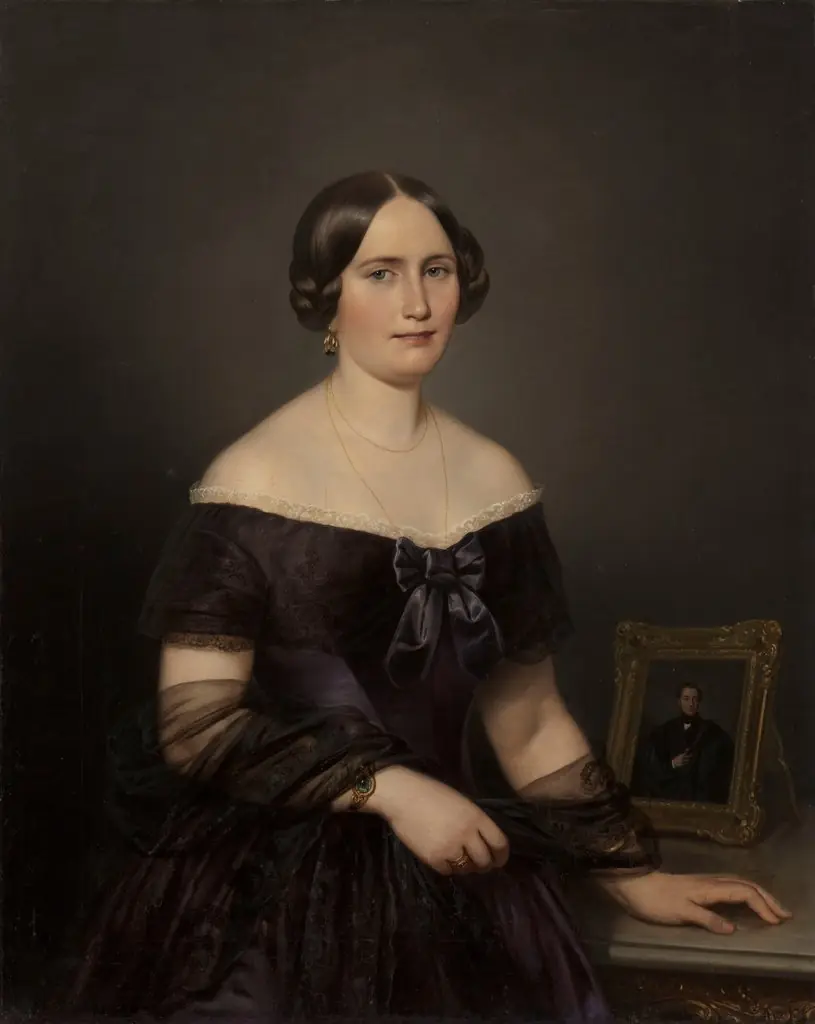 Ksenia Cavos
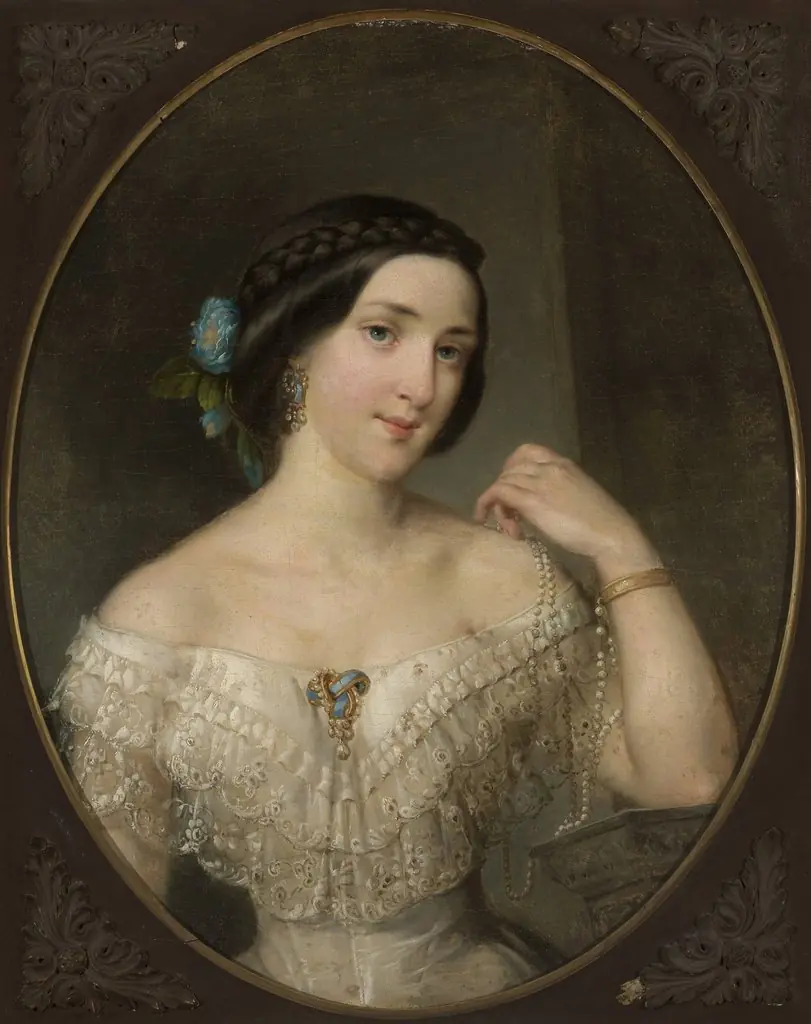 Portrait of Maria Ludwika Blumenfeld née Kobyłecka
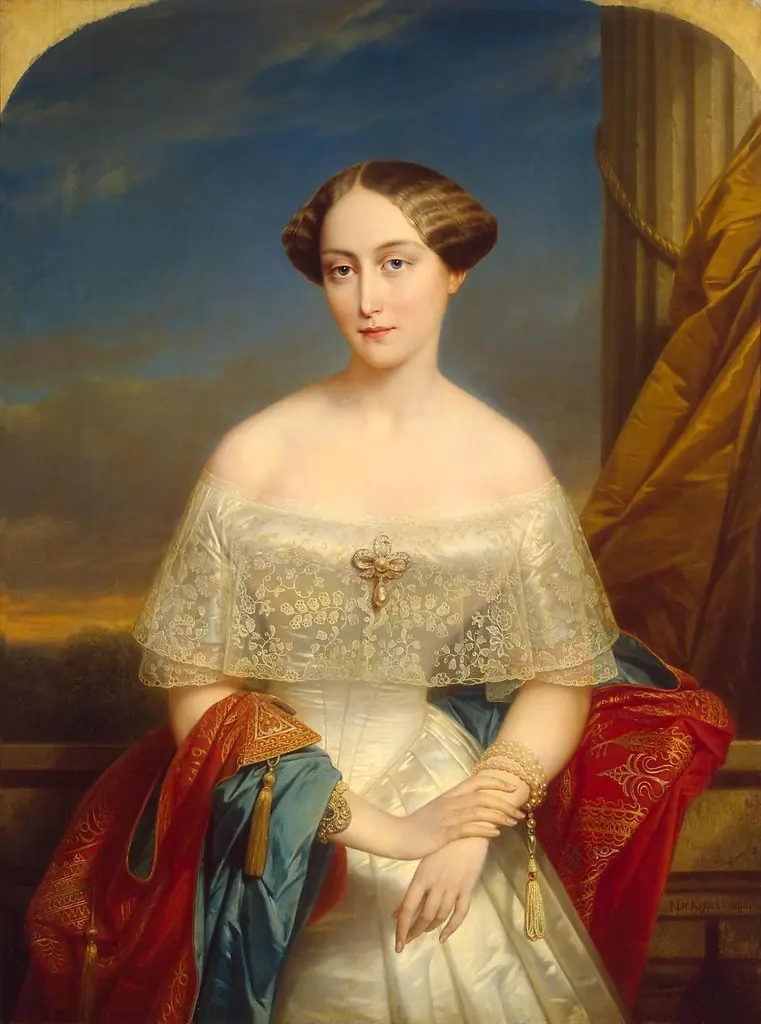 Portrait of Grand Duchess Olga Nikolayevna
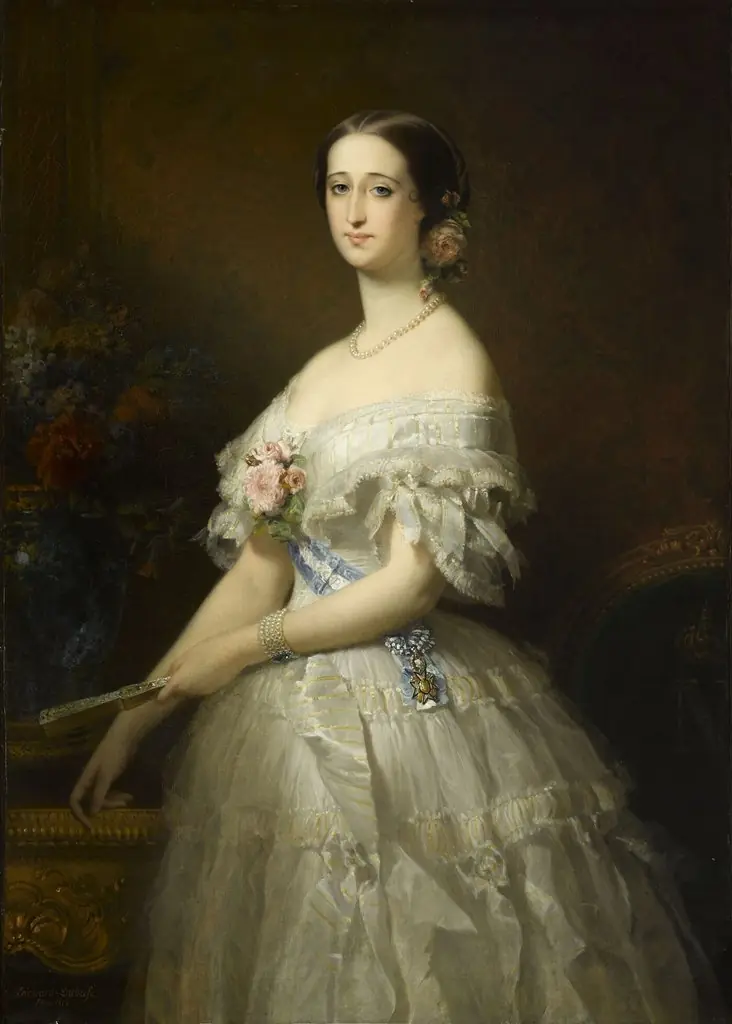 Portrait of the Empress Eugenie
 Queen Victoria
 Ellen Lloyd (of Ty Newydd, Llannor, Caernarfonshire)