Artwork
Ksenia Cavos
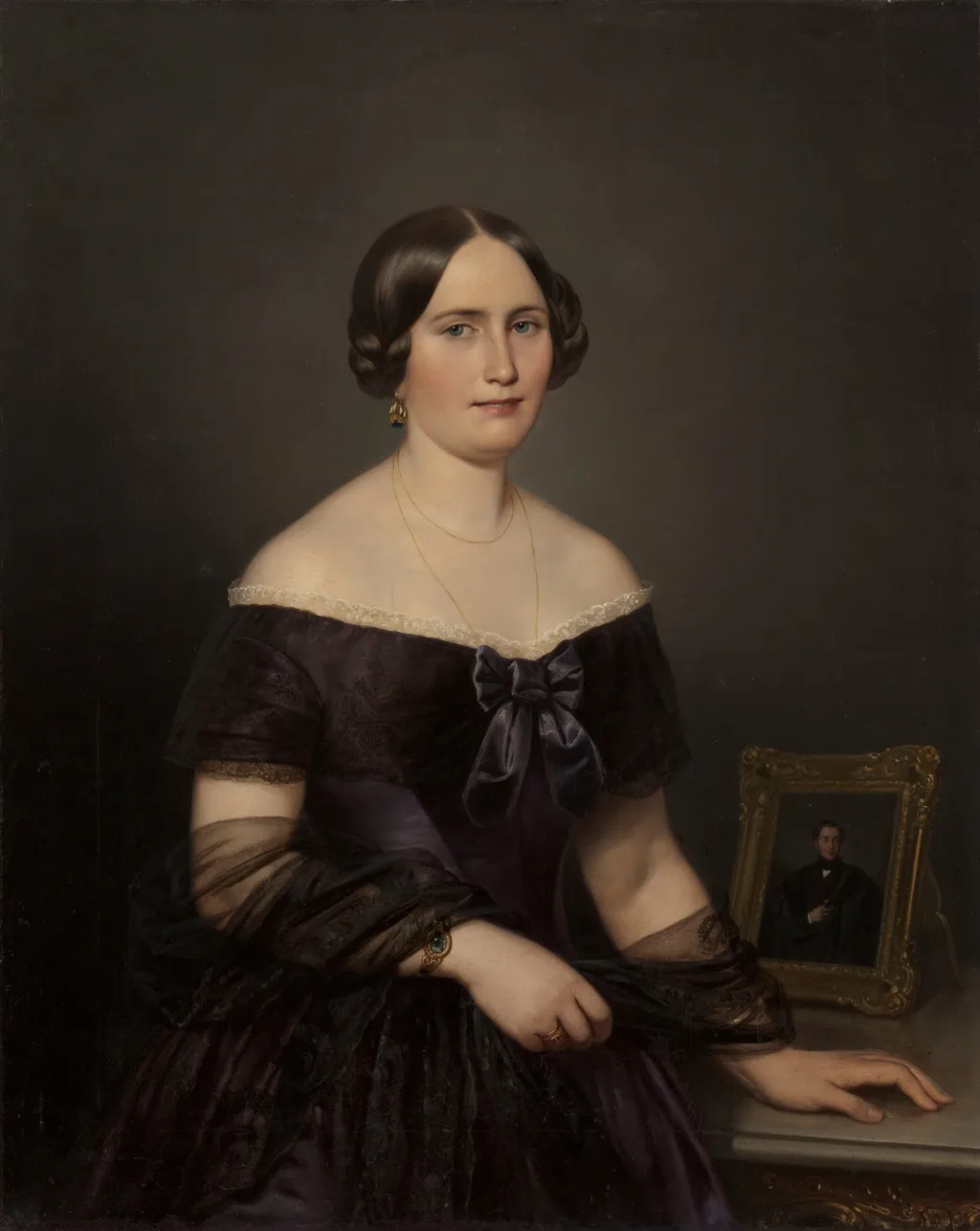
Ksenia Cavos is an oil painting by the Realist artist Cosroe Dusi. It dates from 1849 and is held in the collection of the Hermitage Museum.
About this work
Overview
Cosroe Dusi’s 1849 oil portrait, titled *Ksenia Cavos*, presents a seated woman in a dark, finely tailored dress accented by a prominent bow and lace trim. The composition captures her poised demeanor, with her left arm resting on a table that bears a small, gilded portrait of a man. The painting resides in the State Hermitage Museum’s collection.
Subject & Meaning
The sitter, identified as Ksenia Cavos, is rendered with a dignified bearing, her up‑do hairstyle and gold jewelry emphasizing status and refinement. The inclusion of the miniature portrait on the table may allude to a personal relationship or familial connection, adding a subtle narrative layer to the otherwise straightforward representation.
Technique & Style
Executed in oil on canvas, Dusi employs a restrained palette that contrasts the deep tones of the dress with the luminous flesh of the figure, creating a clear chiaroscuro effect. Though trained in the Neoclassical tradition, the work aligns with Realist principles, favoring direct observation over idealized form.
History & Provenance
Created in St. Petersburg during Dusi’s period of activity in Russia, the portrait entered the State Hermitage Museum’s holdings, where it remains on display. Dusi, an Italian painter celebrated in his era as the “modern Tintoretto” for his swift brushwork and inventive arrangements, contributed this work to his Russian oeuvre.
Artist & collection
Artist
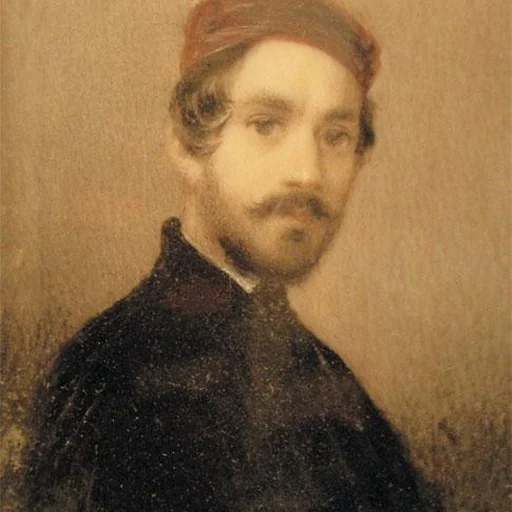
Cosroe Dusi (July 28, 1808 – October 9, 1859) was an Italian painter in the Neoclassical style, active for many years in St Petersburg, Russia, painting mainly sacred and historical subjects.

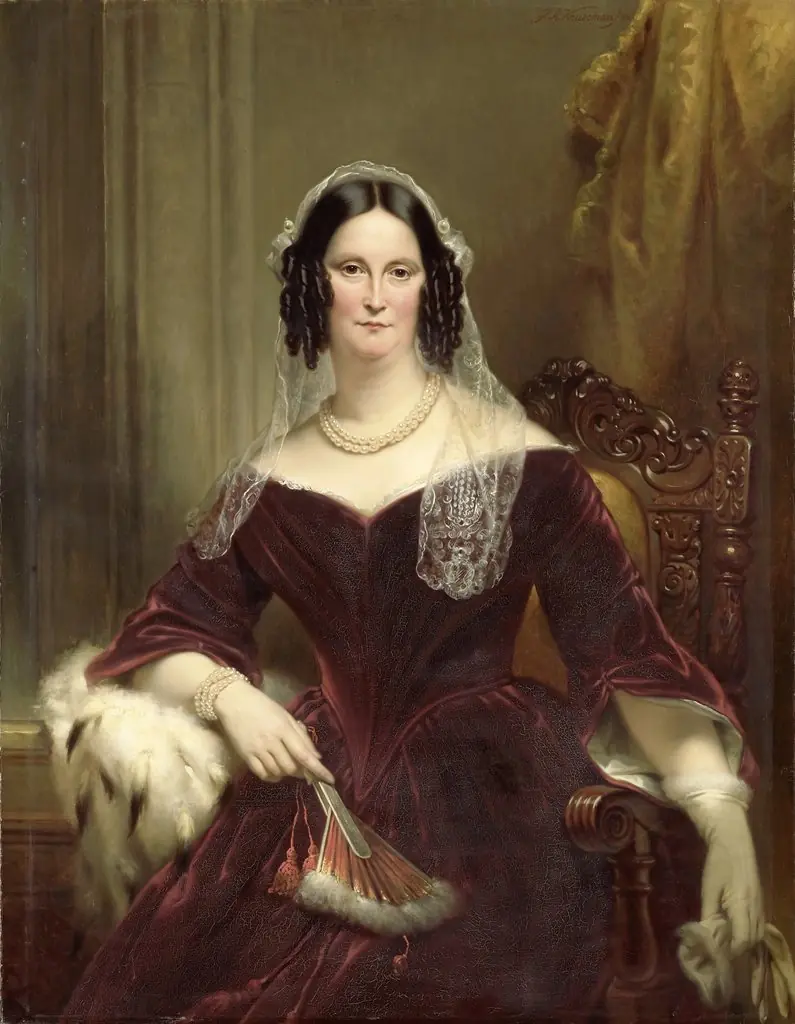 Portrait of Dieuwke Fontein, second Wife of Adriaan van der Hoop
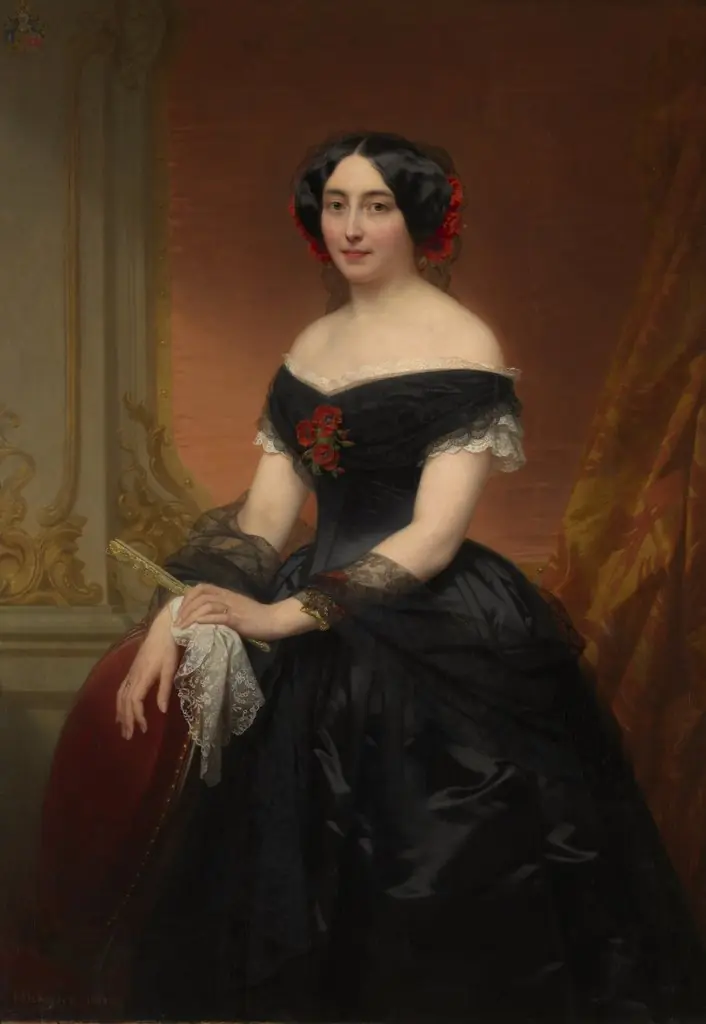 Madame Mols-de Brialmont
 Portrait of Anna von Minarelli-Fitzgerald
 Trinidad Saravia de Huergo
 Portrait of ES Zhadimerovskaya
 Anna Helena Lovisa Jägerhorn
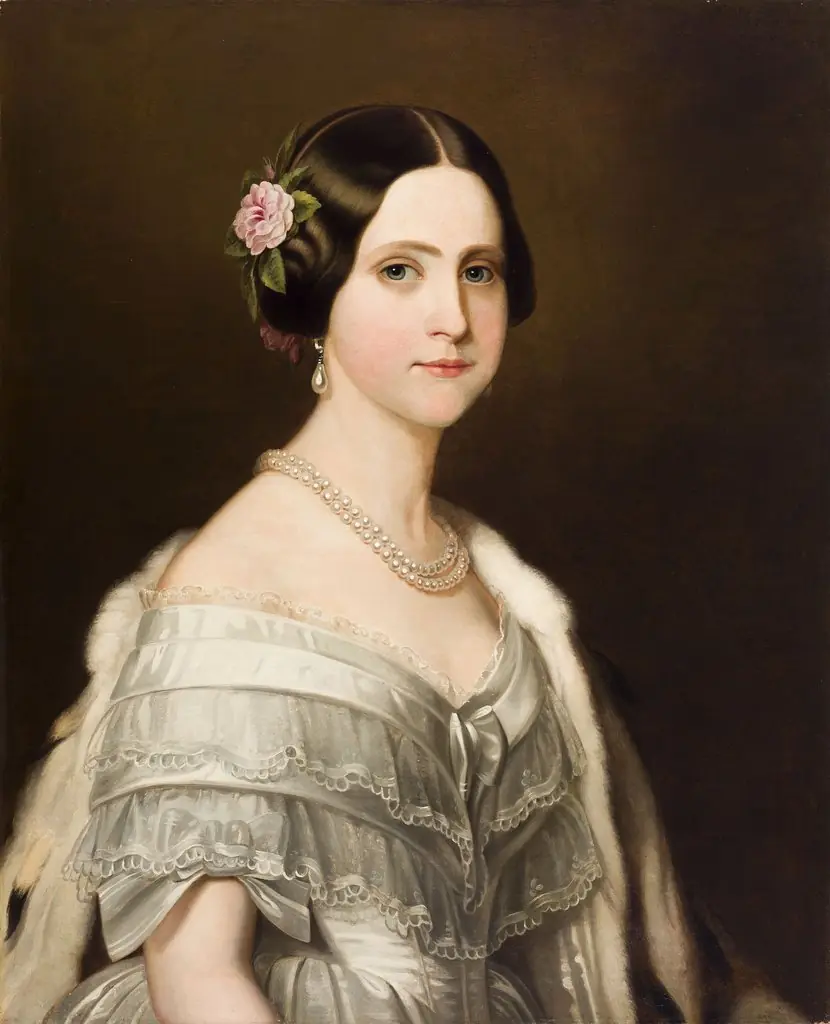 Portrait de S. A. I. Mme. la Princesse Dona Marie Amélie du Brésil
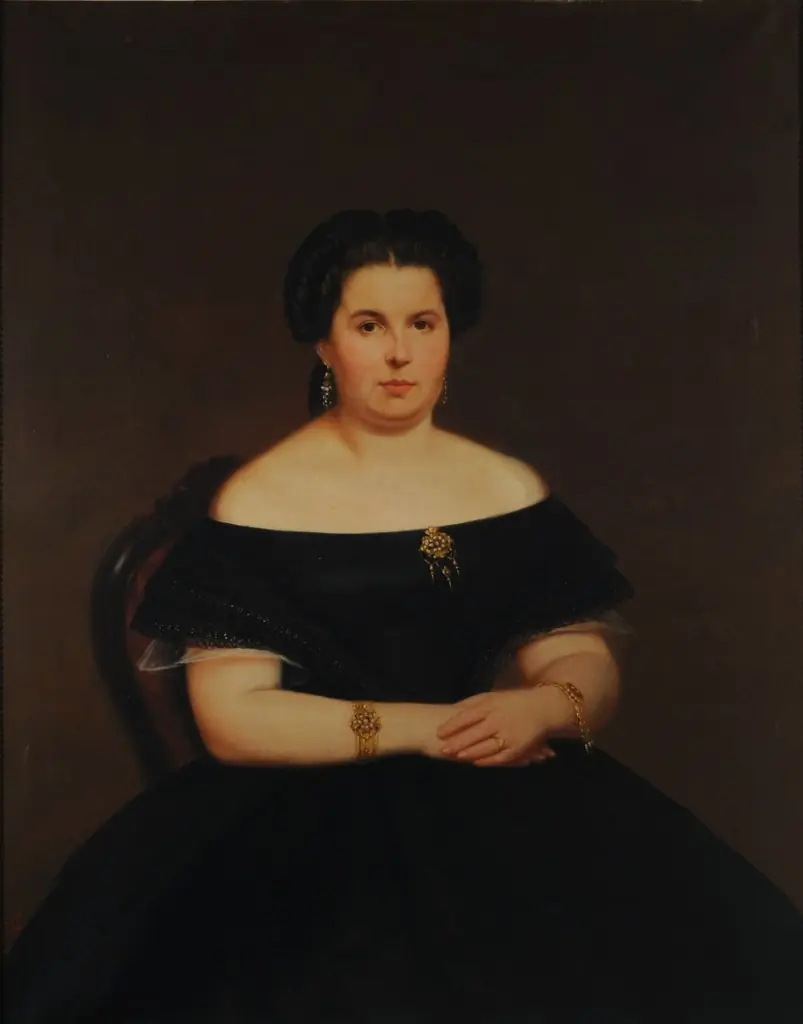 Portrait of Doña Inés N. de Aldao
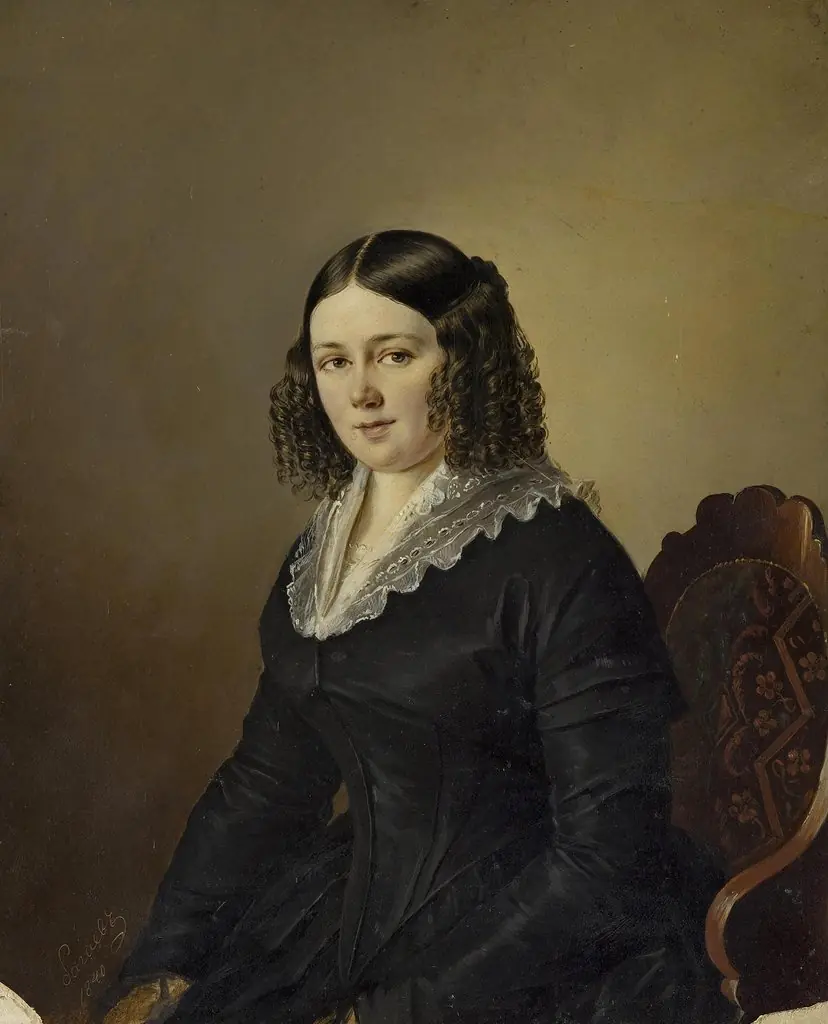 Portrait of A.I. Kolychiova
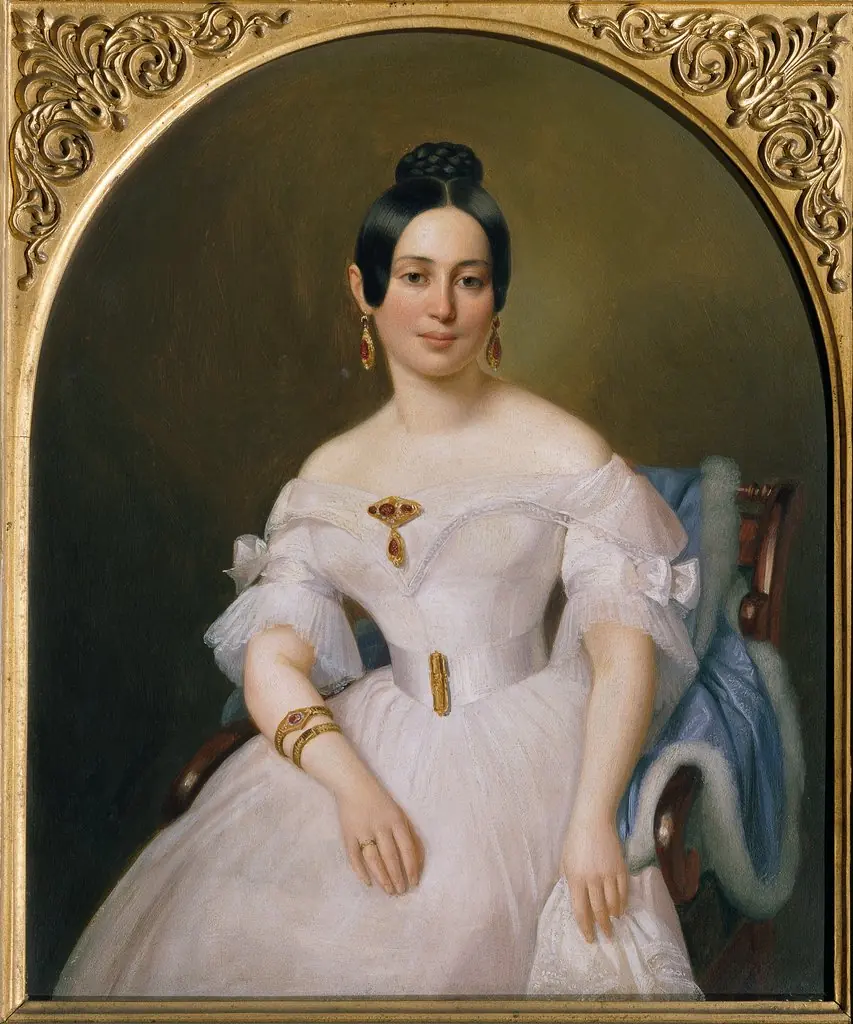 Emilie von Wartenegg
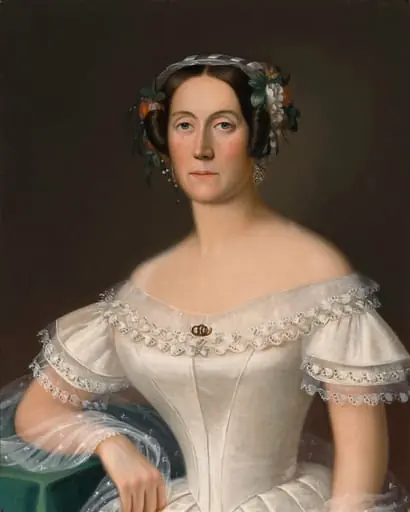 Cecilia Lindroos (os. Meyer) nuorena.
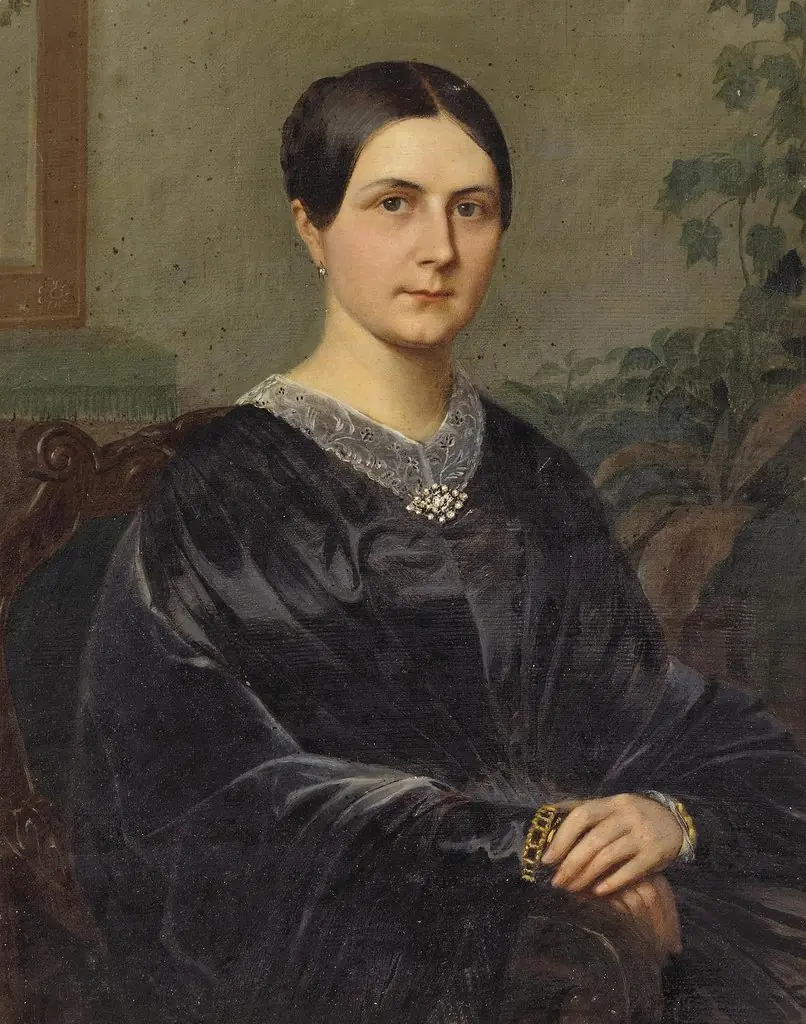 Portrait of Elizaveta Nikolaevna Odintsova