Artwork
Portrait of a Gentleman playing piano
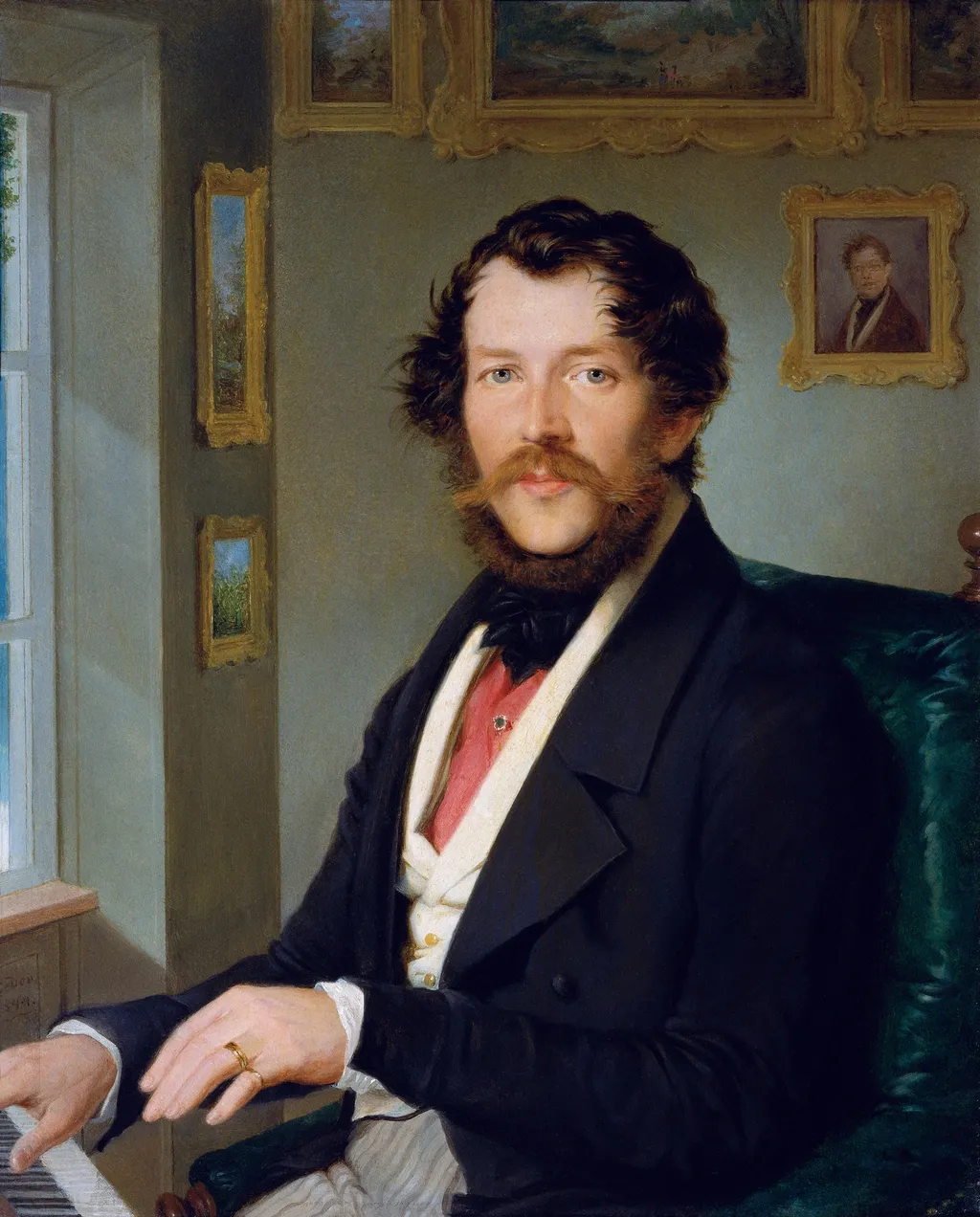
Portrait of a Gentleman playing piano is an unspecified painting by the Biedermeier artist Friedrich Lieder. It dates from 1844 and is held in the collection of the Kunsthistorisches Museum.
About this work
Overview
Painted in 1844 by Friedrich Lieder, this portrait captures a man at a piano in a modest interior. The work resides in the Kunsthistorisches Museum in Vienna. Unlike grand ceremonial portraits, it presents an intimate, unposed moment—suggesting a private ritual rather than public display. The subject’s stillness and the quiet arrangement of the room emphasize introspection over performance.
Subject & Meaning
The man, dressed in formal yet unadorned attire, appears mid-thought after playing.
The man, dressed in formal yet unadorned attire, appears mid-thought after playing. His gaze is fixed beyond the frame, as if recalling a melody or lost in memory. The absence of sheet music or audience implies solitude. The serious expression and poised hands suggest music as a personal, inward practice—more about reflection than display, aligning with 19th-century ideals of artistic introspection.
Technique & Style
Lieder employs a restrained palette dominated by dark tones, with subtle highlights on the white shirt and red vest to draw attention to the figure. Brushwork is precise but not overly polished, favoring naturalism over idealization. The background features muted wall paintings and a single chair, framing the subject without distraction. Light falls softly, enhancing the quiet mood without dramatic contrast.
History & Provenance
The painting entered the Kunsthistorisches Museum’s collection in the 19th century, likely through acquisition or donation from a Viennese private collection. Its attribution to Friedrich Lieder is consistent with museum records, though little is documented about its early ownership. It has remained in the museum’s care since, with no record of significant restoration or relocation.
Context
In mid-19th-century Vienna, portraits of musicians often reflected rising bourgeois interest in domestic culture and private artistic expression. Lieder’s work aligns with a trend toward intimate, psychologically nuanced depictions rather than heroic or aristocratic imagery. The inclusion of small wall paintings hints at cultivated taste, common among educated urban families seeking to signal refinement through domestic surroundings.
Legacy
Though not widely reproduced or studied outside Austria, the portrait exemplifies Lieder’s quiet approach to portraiture. It contributes to understanding how middle-class identity was visually constructed in Habsburg territories. Its enduring presence in the Kunsthistorisches Museum underscores its value as a modest yet evocative record of private musical life in 1840s Vienna.
Artist & collection

 Portret de bărbat
 The Actor Maximilian Korn in a Landscape
 Henry Francis Playter
 Skibsintendant Theodor Emil Ludvigsen
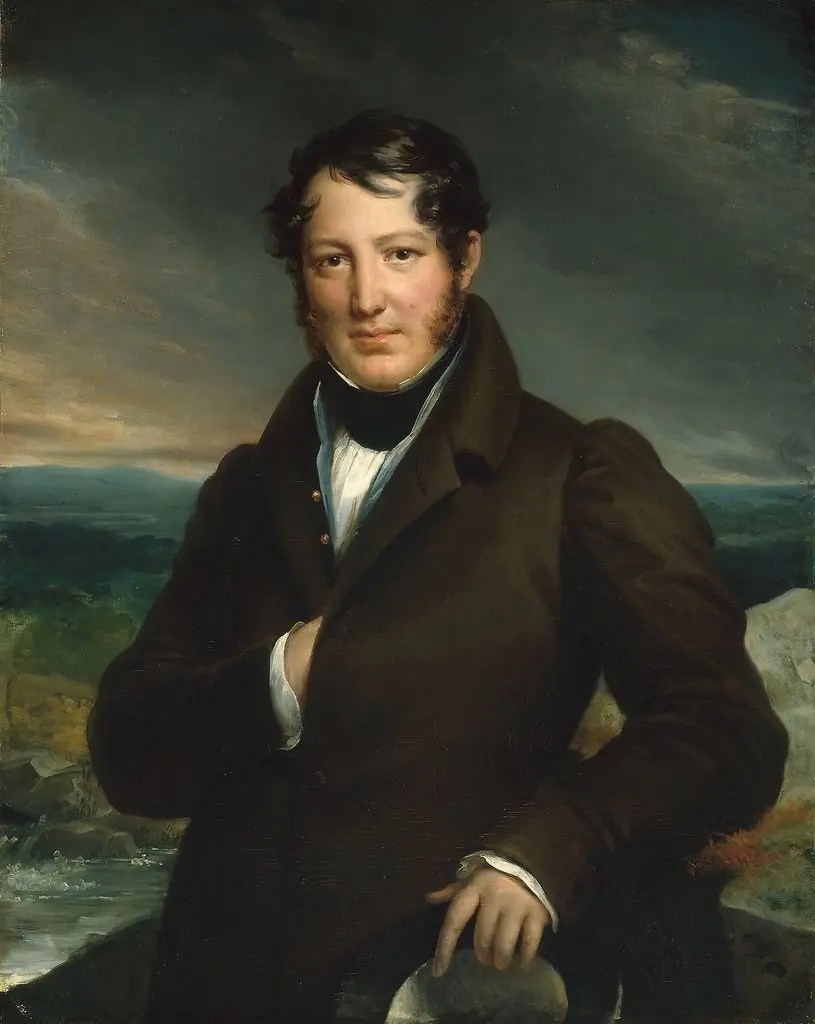 Monsieur Tortoni
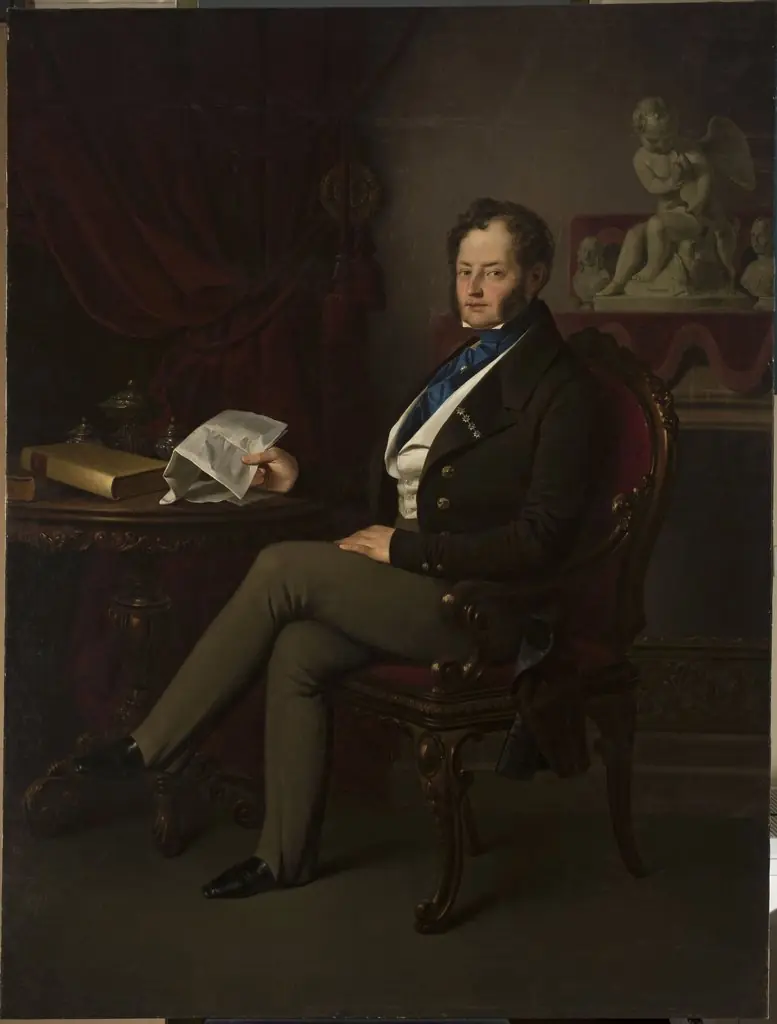 Portrait of Władysław Branicki, seated with a letter in his hand
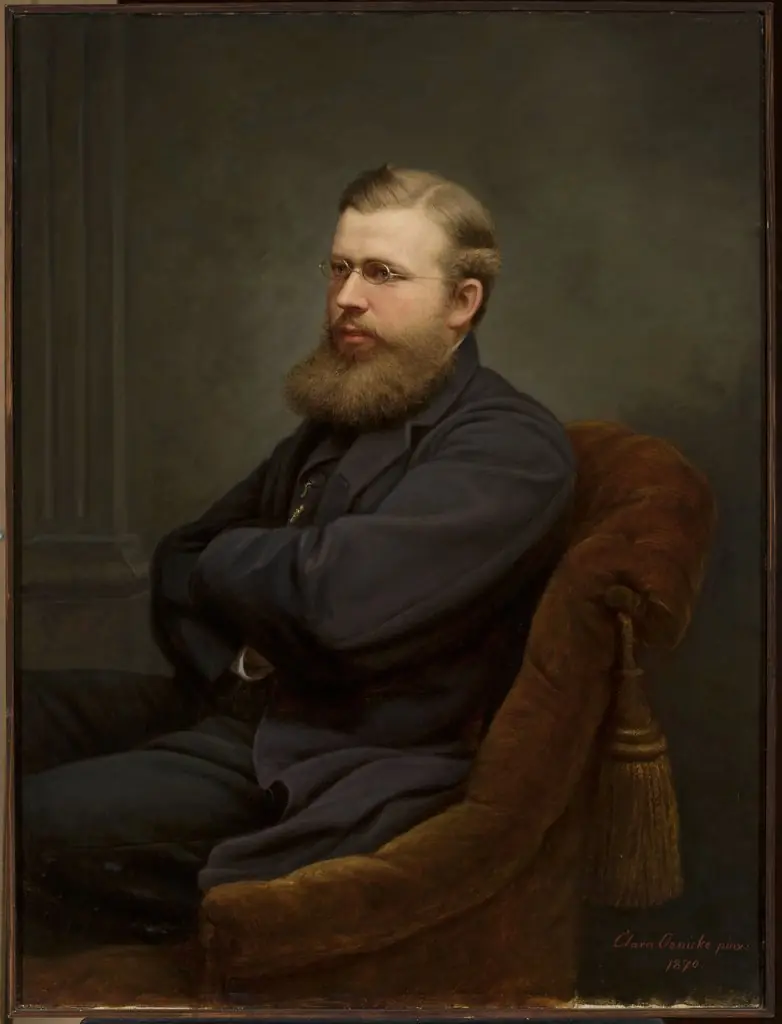 Portrait of a man
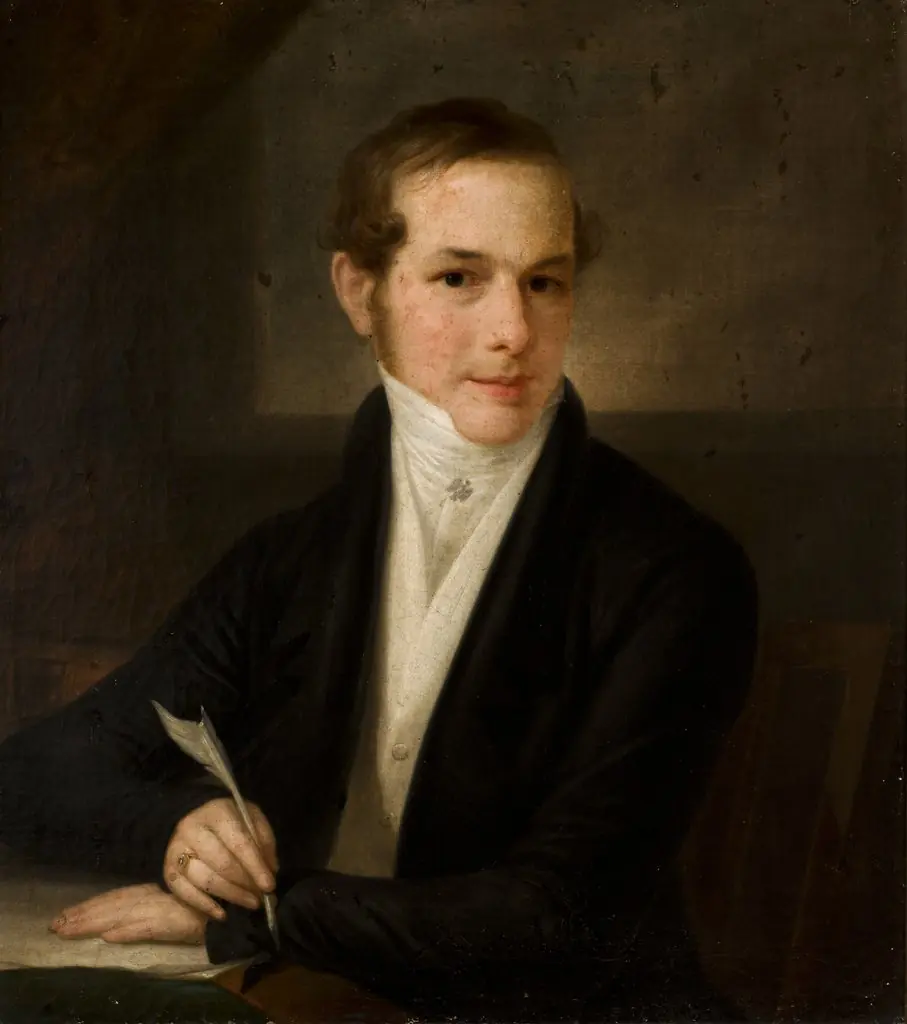 Portrait of Wiktor Kopff
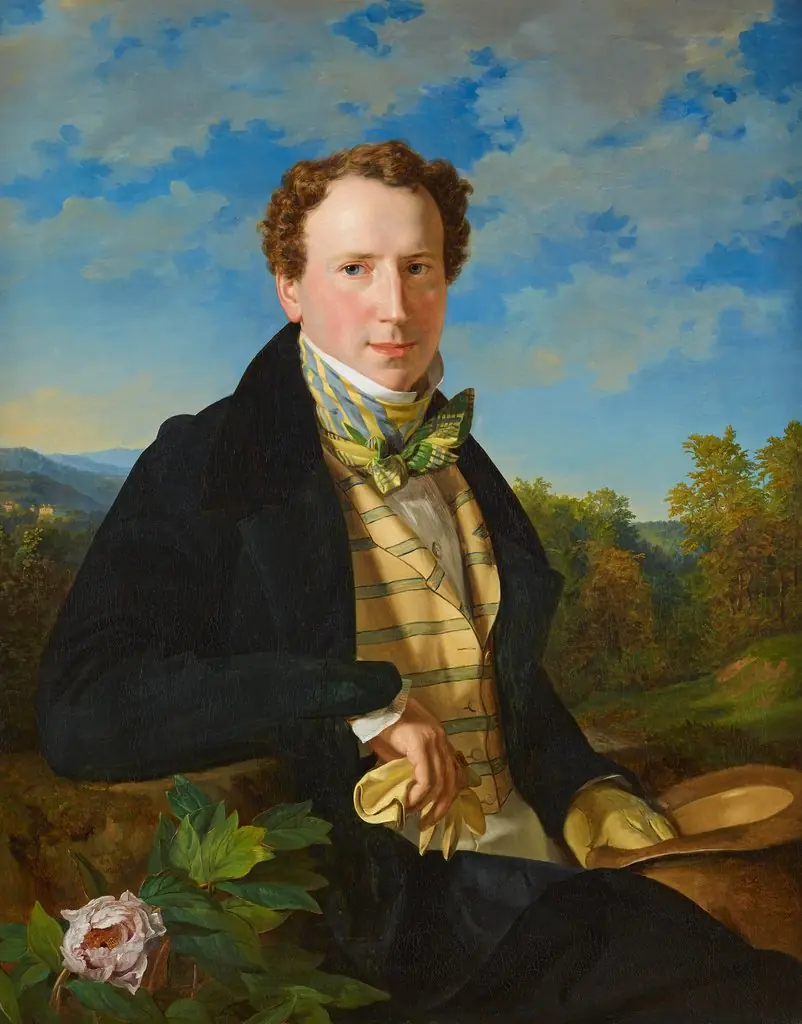 Self-portrait
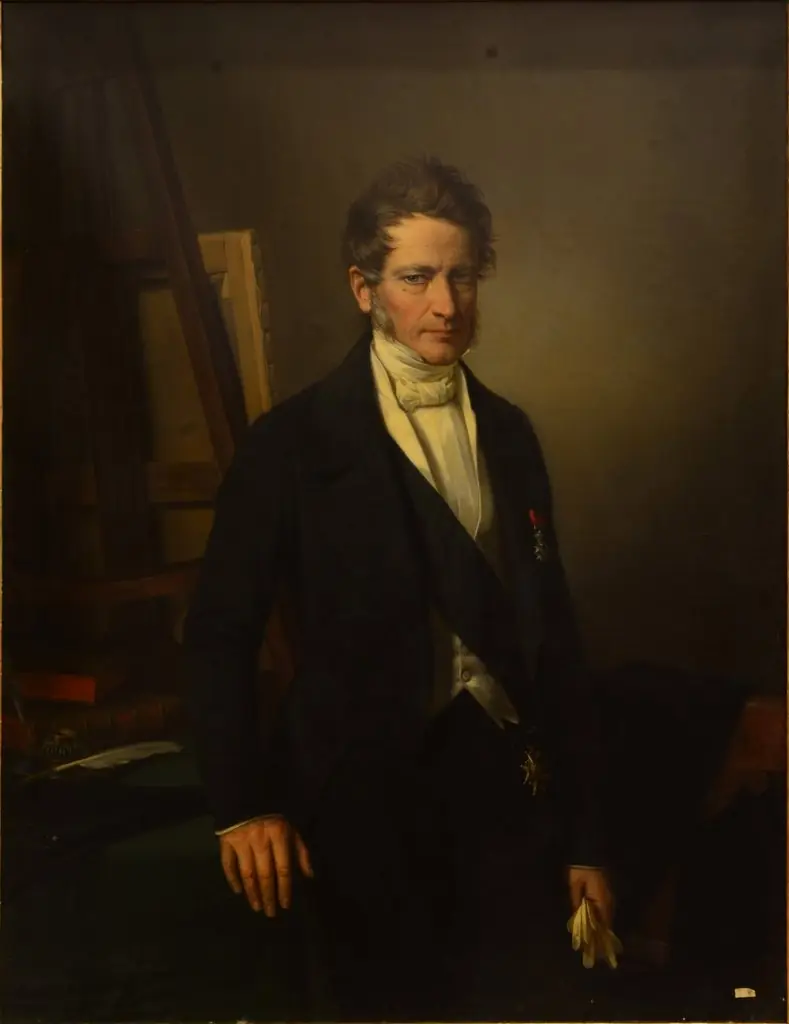 Fleury Richard
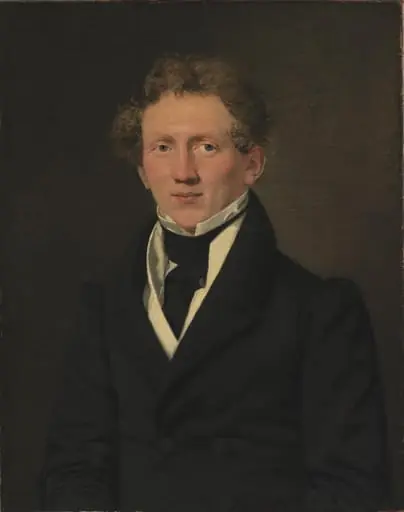 The Paymaster Theodor Emil Ludvigsen
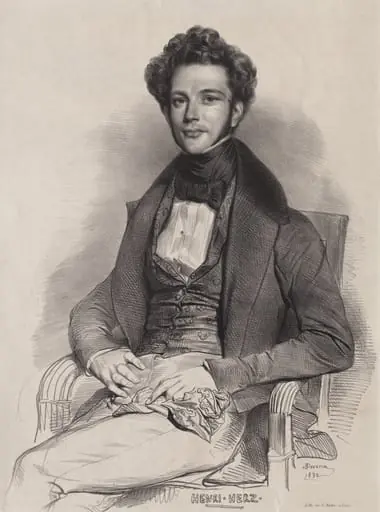 Henri Herz, Pianist