Artwork
Oberst Alnock auf der Budapester Kettenbrücke
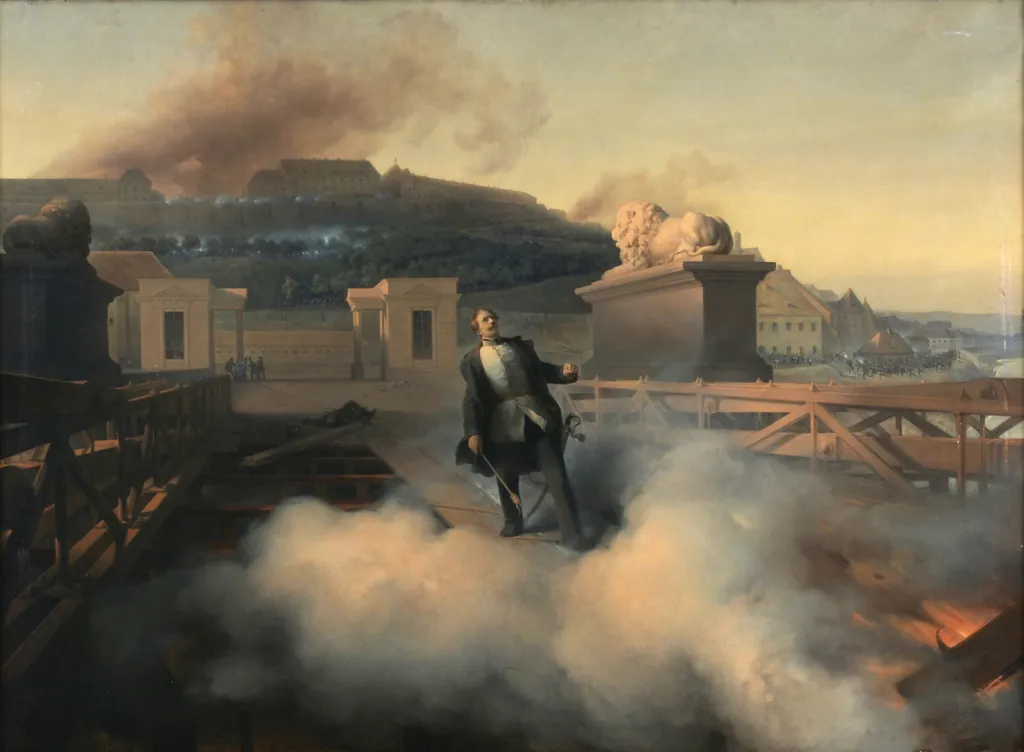
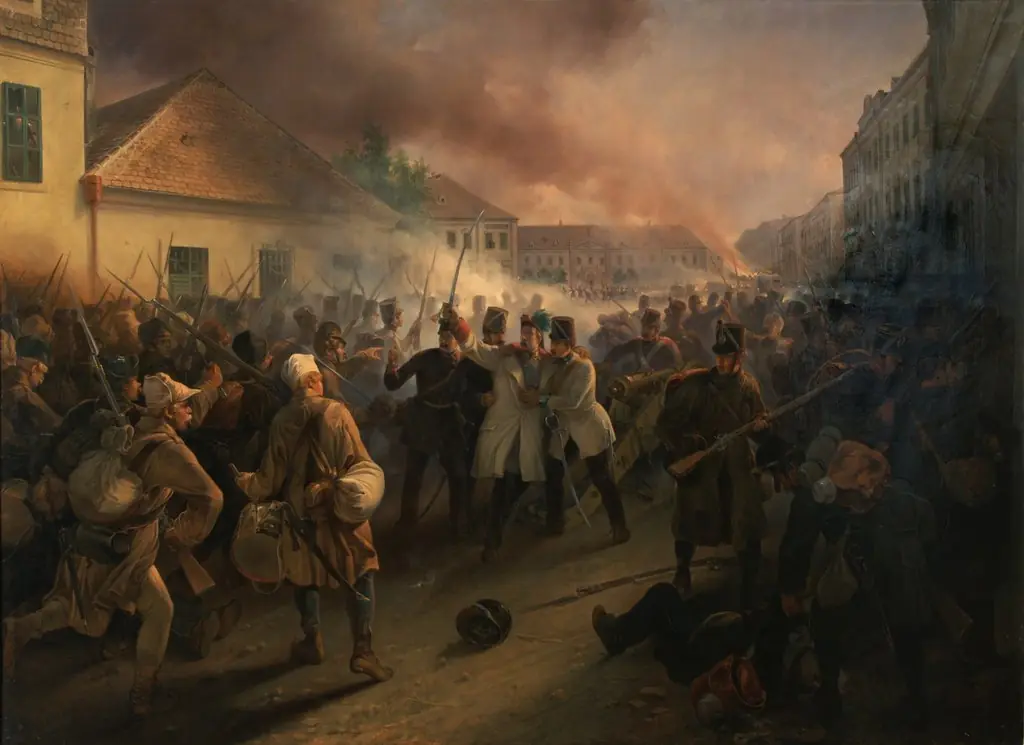
Oberst Alnock auf der Budapester Kettenbrücke is an oil painting by the Biedermeier artist Fritz Allemand. It dates from 1851 and is held in the collection of the Kunsthistorisches Museum.
About this work
Overview
Allemand, trained in Vienna and known for historical subjects, captured a scene of civil unrest with precise detail and emotional gravity.
Painted in 1851 by Austrian artist Fritz Allemand, this oil on canvas work portrays a military officer on Budapest’s Chain Bridge during a moment of urban upheaval. Allemand, trained in Vienna and known for historical subjects, captured a scene of civil unrest with precise detail and emotional gravity. The painting is part of the Kunsthistorisches Museum’s collection, reflecting its significance in 19th-century Austrian art.
Subject & Meaning
The central figure, Oberst Alnock, stands motionless amid chaos, clad in a dark uniform and gripping a sword. His outstretched arm suggests command or protest against the surrounding destruction. The burning bridge and gathered crowds imply a moment of political or military crisis, likely tied to the 1848 revolutions. The figure’s stillness contrasts with the turmoil, evoking themes of duty, isolation, or futile resistance.
Technique & Style
Allemand employed chiaroscuro to heighten the drama, using stark contrasts between shadow and light to isolate the officer and emphasize the inferno behind him. Brushwork is controlled yet expressive, with smoky atmospheres rendered in layered glazes. The composition directs focus to the central figure through diagonal lines of fire and architectural framing, aligning with Biedermeier’s preference for intimate, emotionally charged realism over grand spectacle.
History & Provenance
Created shortly after the suppression of the 1848 Hungarian uprising, the painting reflects contemporary anxieties about imperial authority and urban conflict. It entered the Kunsthistorisches Museum’s collection in the late 19th century, likely acquired through state or aristocratic channels. Its preservation suggests it was valued as a historical document as much as an artistic work, capturing a volatile moment in Habsburg territories.
Context
The Chain Bridge, completed in 1849, symbolized modernization and unity between Buda and Pest. Its destruction during the 1849 siege marked a turning point in the Hungarian revolution. Allemand’s depiction, though not a literal record, engages with the cultural memory of that event. The painting resonates within the Biedermeier tradition, which often encoded political tension within domestic or civic scenes under the guise of quiet realism.
Legacy
Though not widely exhibited today, the painting remains a rare visual record of military presence during Hungary’s revolutionary turmoil. It contributes to the understanding of how Austrian artists interpreted regional conflicts through personal, restrained narratives. Its presence in a major museum underscores its role as a witness to the intersection of art, politics, and urban identity in mid-19th-century Central Europe.
Own this work as a print
Artist & collection
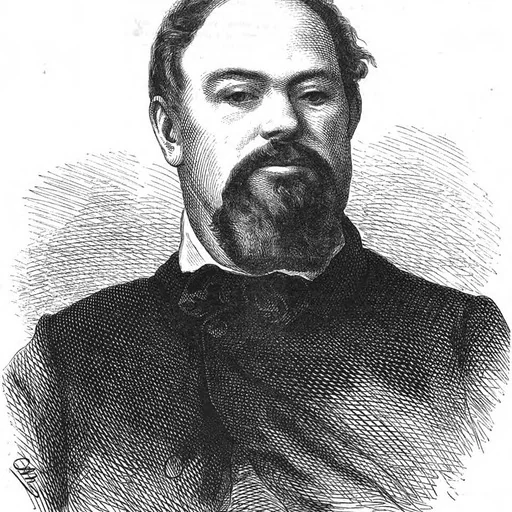
Artist
Friedrich Wilhelm L'Allemand, known as Fritz (24 May 1812, Hanau - 20 September 1866, Vienna) was an Austrian history painter.

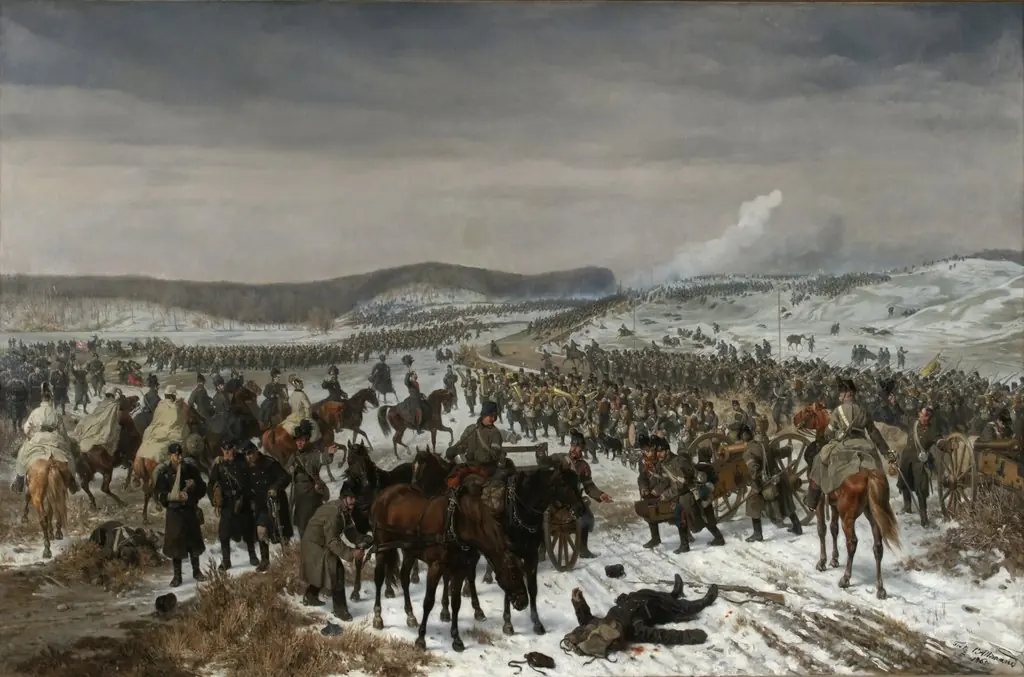
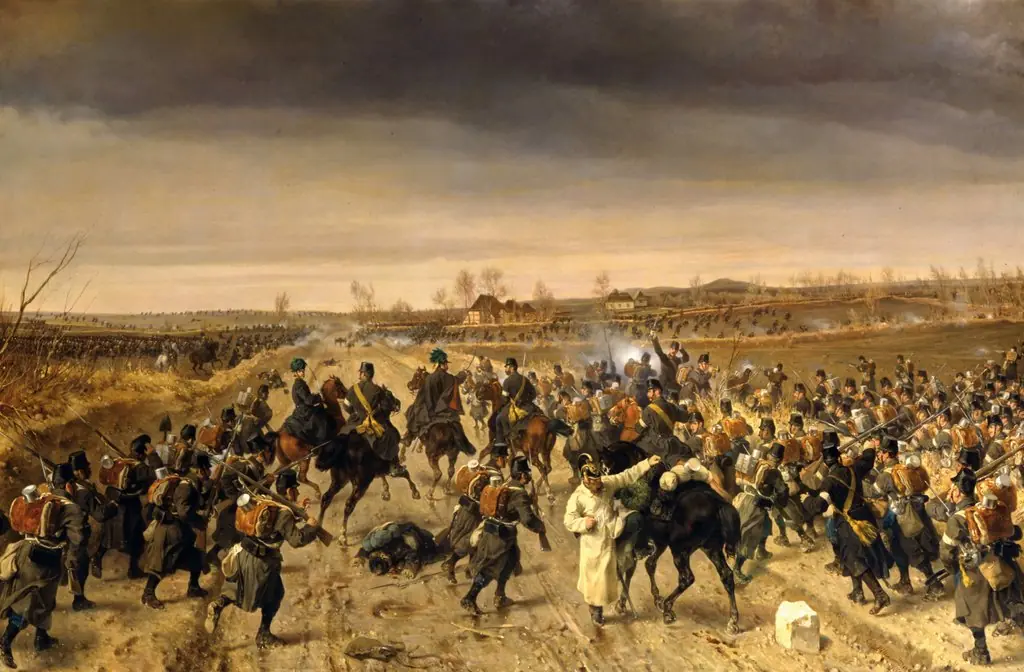
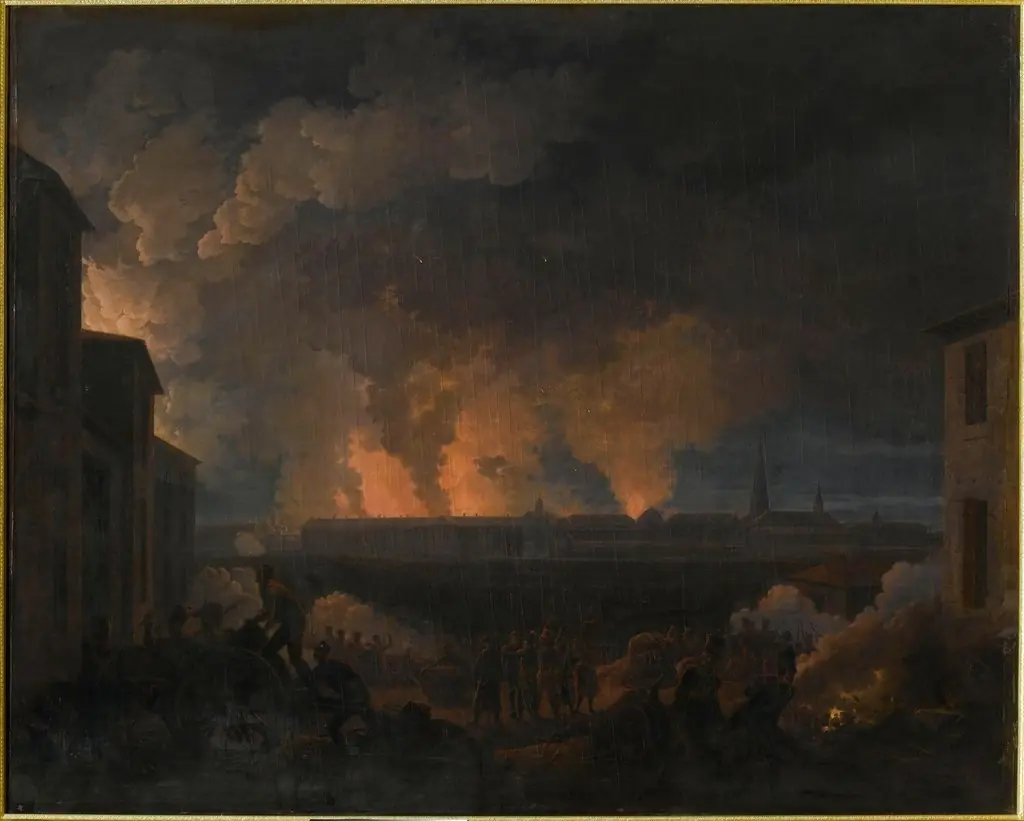 Bombardement de Vienne, 11 mai 1809
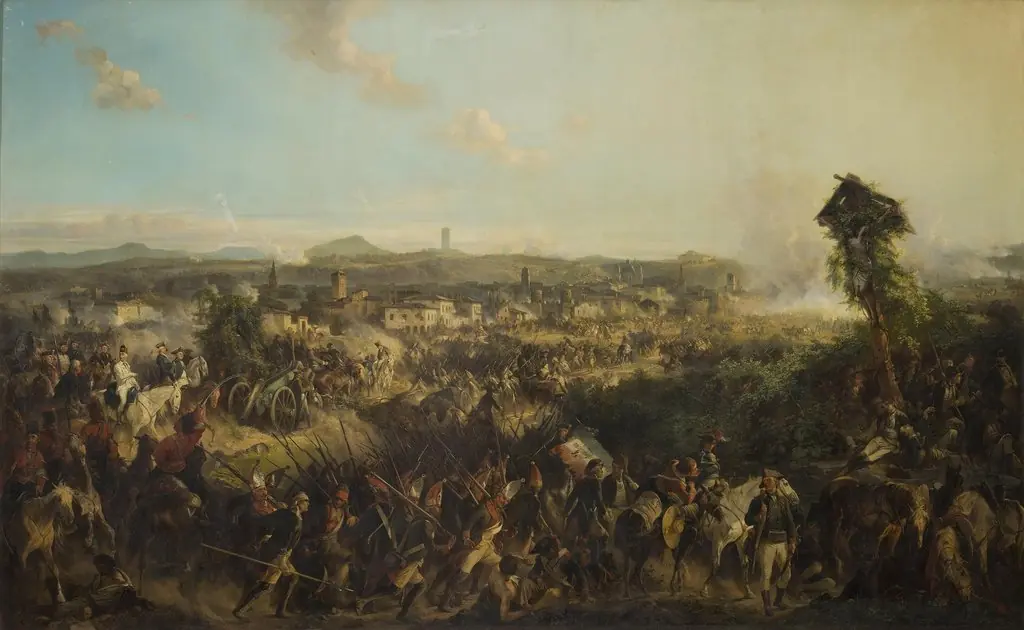 Battle of Novi on 4 August 1799
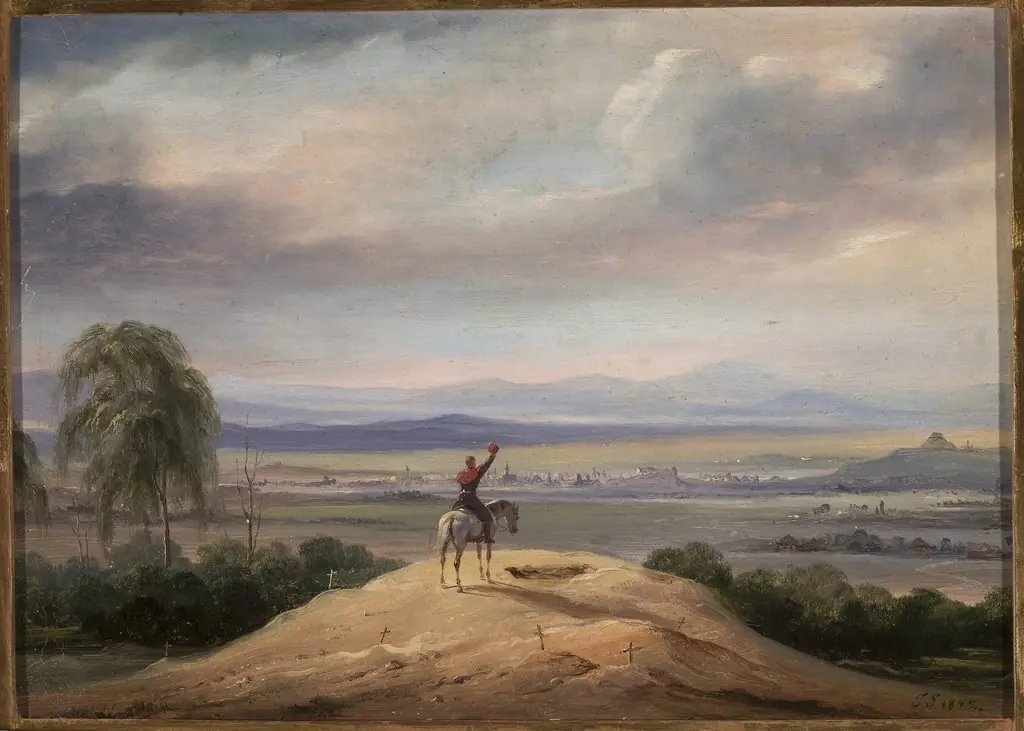 Greeting Kraków
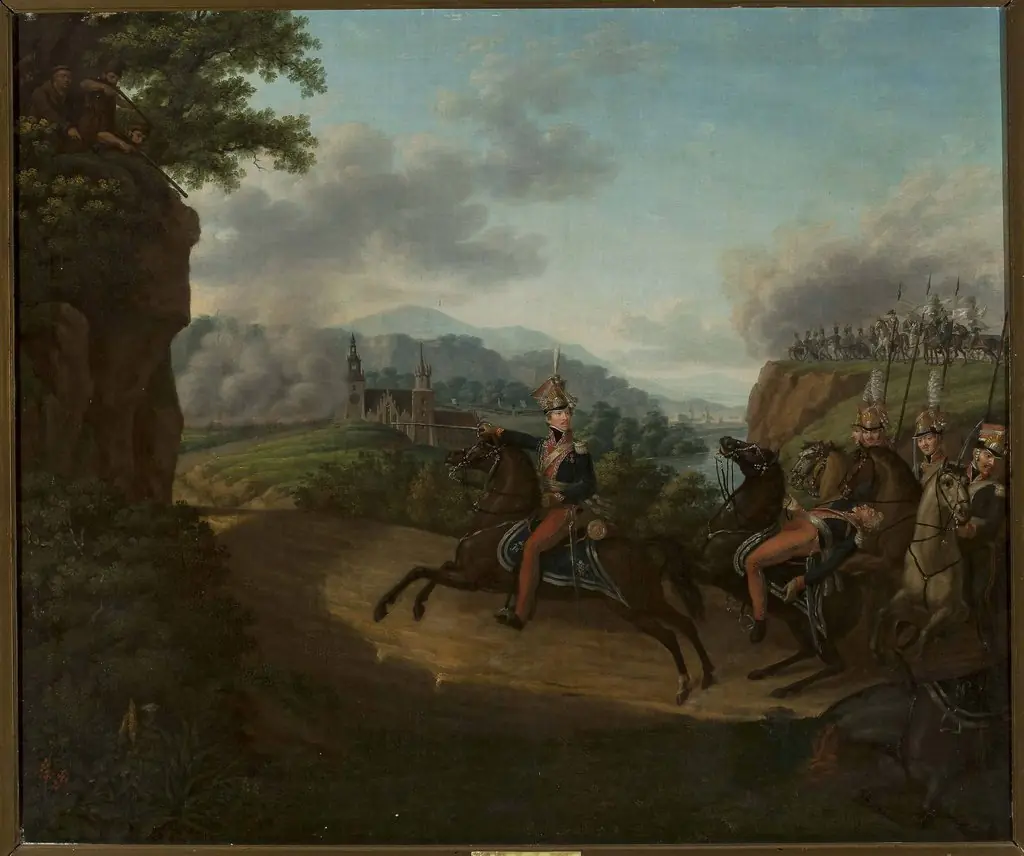 Kozietulski leading a squadron in the Somossiera Gorge
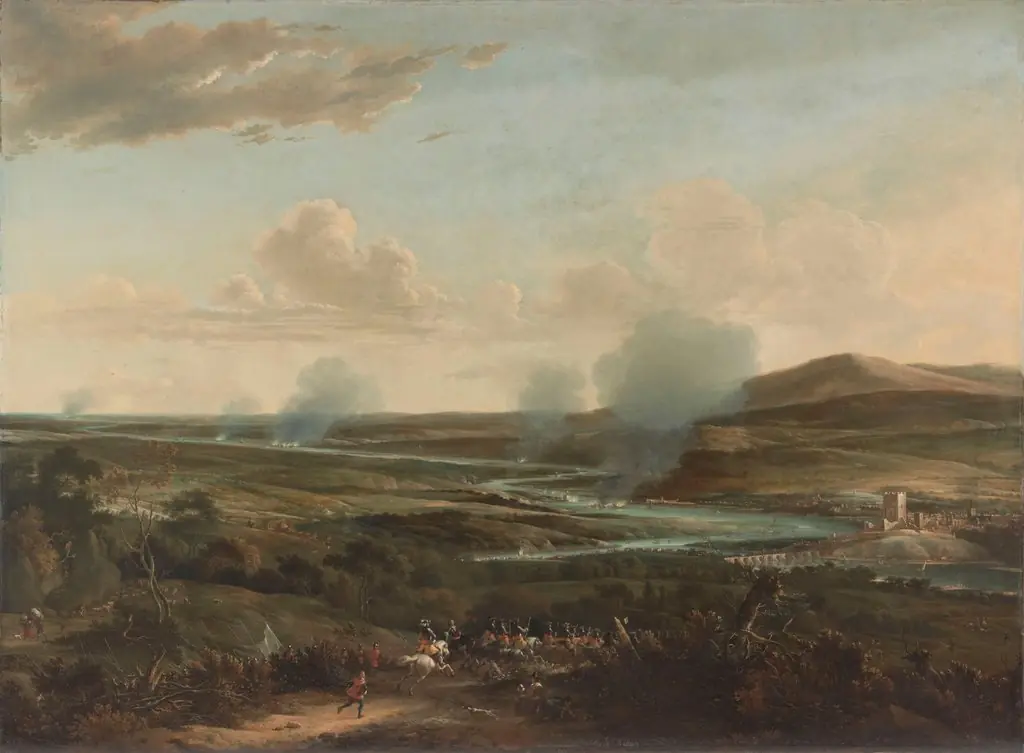 The Battle of Medway
 Ruotsinsalmi poltetaan, kohtaus "Oolannin sodasta" 1855
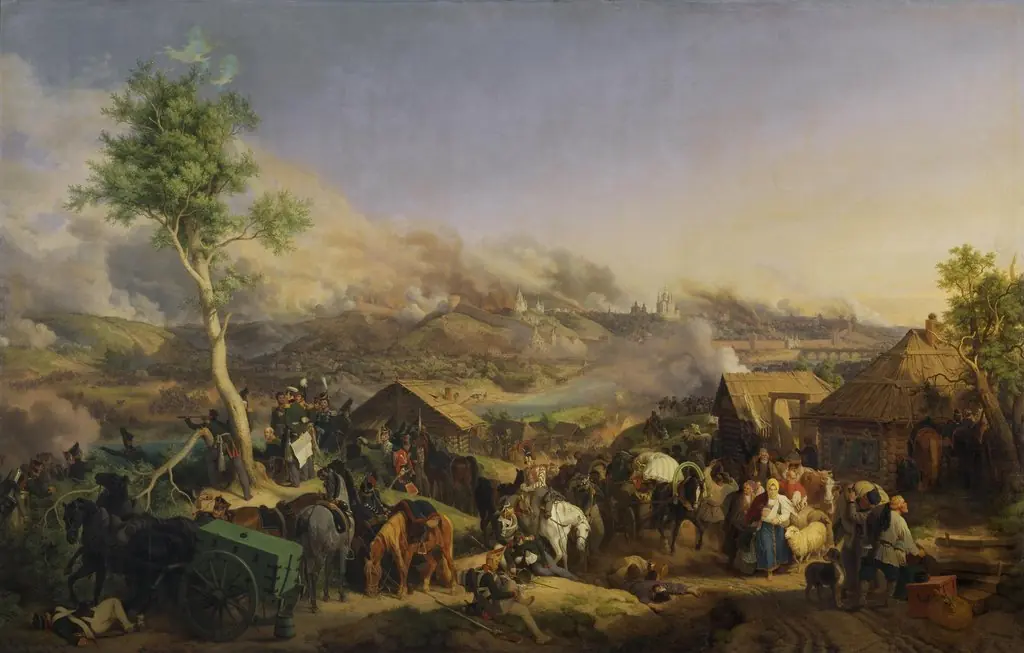 Battle of Smolensk on 5 (17) August 1812
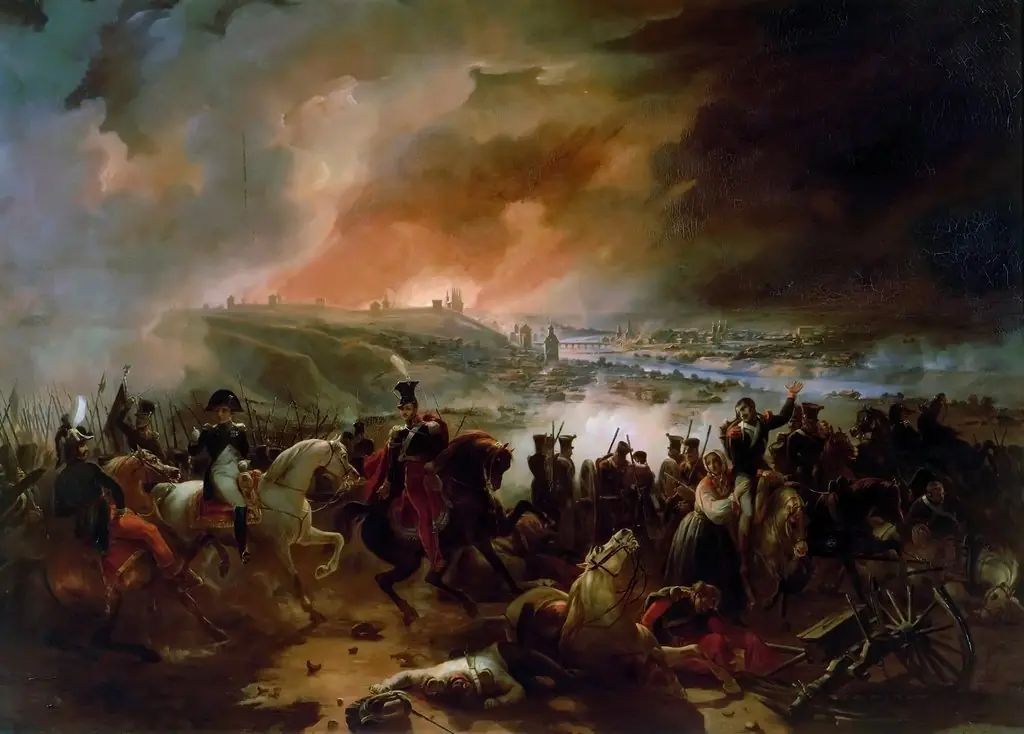 The Battle of Smolensk, 17th August 1812
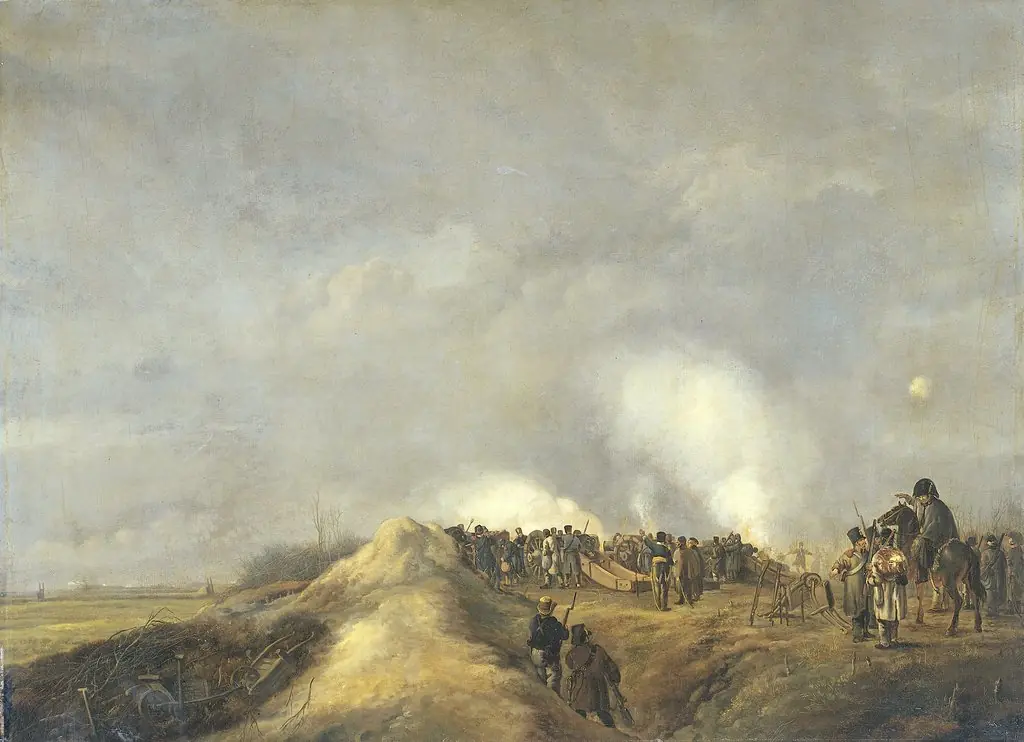 Bombardment of Naarden, April 1814
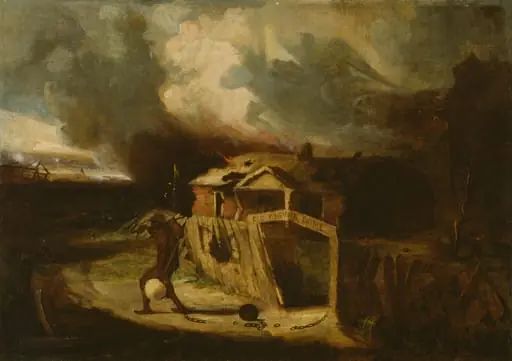 Old Virginia Home
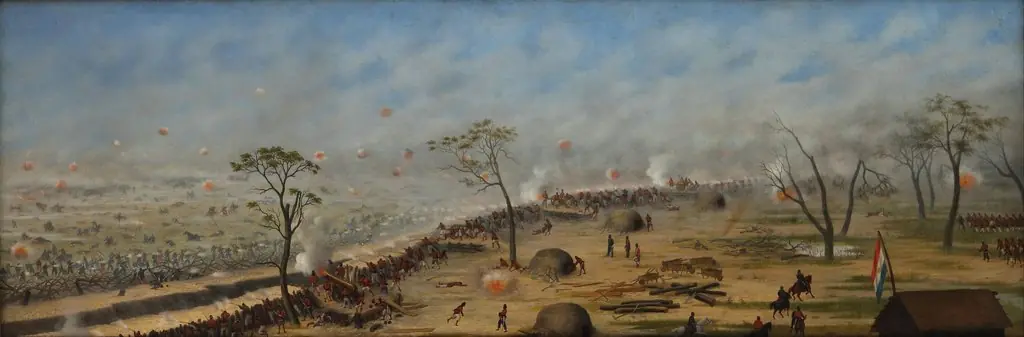 Trinchera de Curupaytí